
Rural America has the nation’s attention. The media, voters, public officials, investors, and neighbors are all thinking more about the country’s overlooked and flown-over regions. People realize that tackling national challenges—from climate change and inequality to technological automation and political divides—requires a better understanding of contributions to national well-being, and valuing them. With the Robert Wood Johnson Foundation’s support, the Institute’s Community Strategies Group published a new report, Rural Development Hubs: Essential Innovation Infrastructure, combining research from more than 40 interviews and the group’s nearly 35 years of experience in the field. The takeaway: rural development hubs are essential infrastructure for durable rural economies and inclusive, healthy communities. Hubs in rural America are doing economic development differently, emphasizing wealth creation, local ownership, and lasting livelihoods while prioritizing marginalized people. Given the sheer number of small towns, counties, and civic-sector organizations in rural America, it is impractical for regional funders and policymakers to engage with every entity out there. But hubs can help. They are a strategic entry point for rural communities and key to building a better future for all of America.
Rural and Ready

Publications Section 4: Strengthening Practices to Improve Job Quality
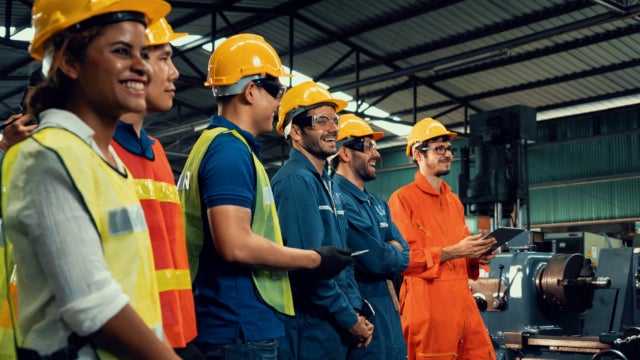
Tools: Employee Ownership
View tools and resources related to employee ownership.
Job Quality Fellows Profile Series Longform
Centering Workers in Workforce Development
The Chicagoland Workforce Funder Alliance collaborates with employers and stakeholders to boost employment, earnings, and equity for local workers.

Job Quality Fellows Profile Series Longform
Lessons and Leadership To Foster Economic Justice for Illinois Workers
LEP trains workers to promote equity, enforce rights, build unions, develop leaders, ensure workplace safety, and advance economic justice.

Job Quality Fellows Profile Series Longform
Worker Owned and Worker Driven
While the rideshare apps have increased convenience, they’ve eroded job quality. See how the Drivers’ Cooperative is helping to end exploitative conditions.

Job Quality Fellows Profile Series Longform
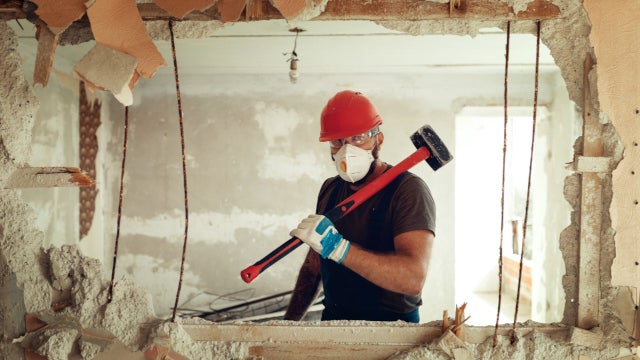
Creating Employee-Owned Businesses That Provide Good Jobs and Succeed
Through employee ownership, The Industrial Commons is building a new Southern working class that erases the inequities of generational poverty.
Job Quality Fellows Profile Series Longform
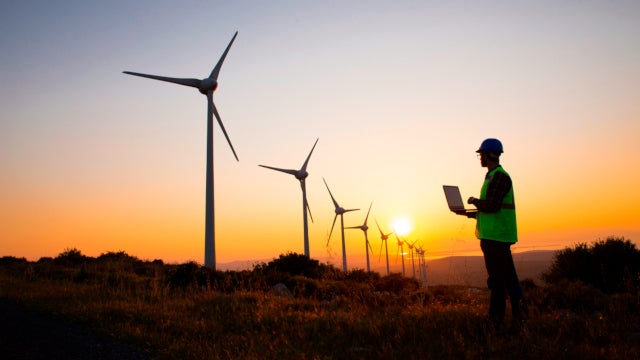
Strengthening the Hidden Resilience Workforce
We see the effects of climate change, but we rarely see the people who help to rebuild — and they often lack safe conditions, decent pay, or benefits.
Job Quality Fellows Profile Series Longform
Advancing a Pro-Worker, Pro-Climate Agenda in Texas
The Texas Climate Jobs Project advances a pro-worker, pro-climate agenda — helping to solve the climate crisis while creating millions of good jobs.

Job Quality Fellows Profile Series Longform
Organizing and Coalition Building for Structural Change
LAANE, led by Job Quality Fellow Roxana Tynan, is fighting to build an economy rooted in good jobs, thriving communities, and a healthy environment.

Job Quality Fellows Profile Series Longform
Organizing Unemployed and Underemployed Workers
UWU, led by Job Quality Fellow Neidi Dominguez, engages unemployed/underemployed workers, a population that has not been mobilized at scale since the 1930s.
Longform
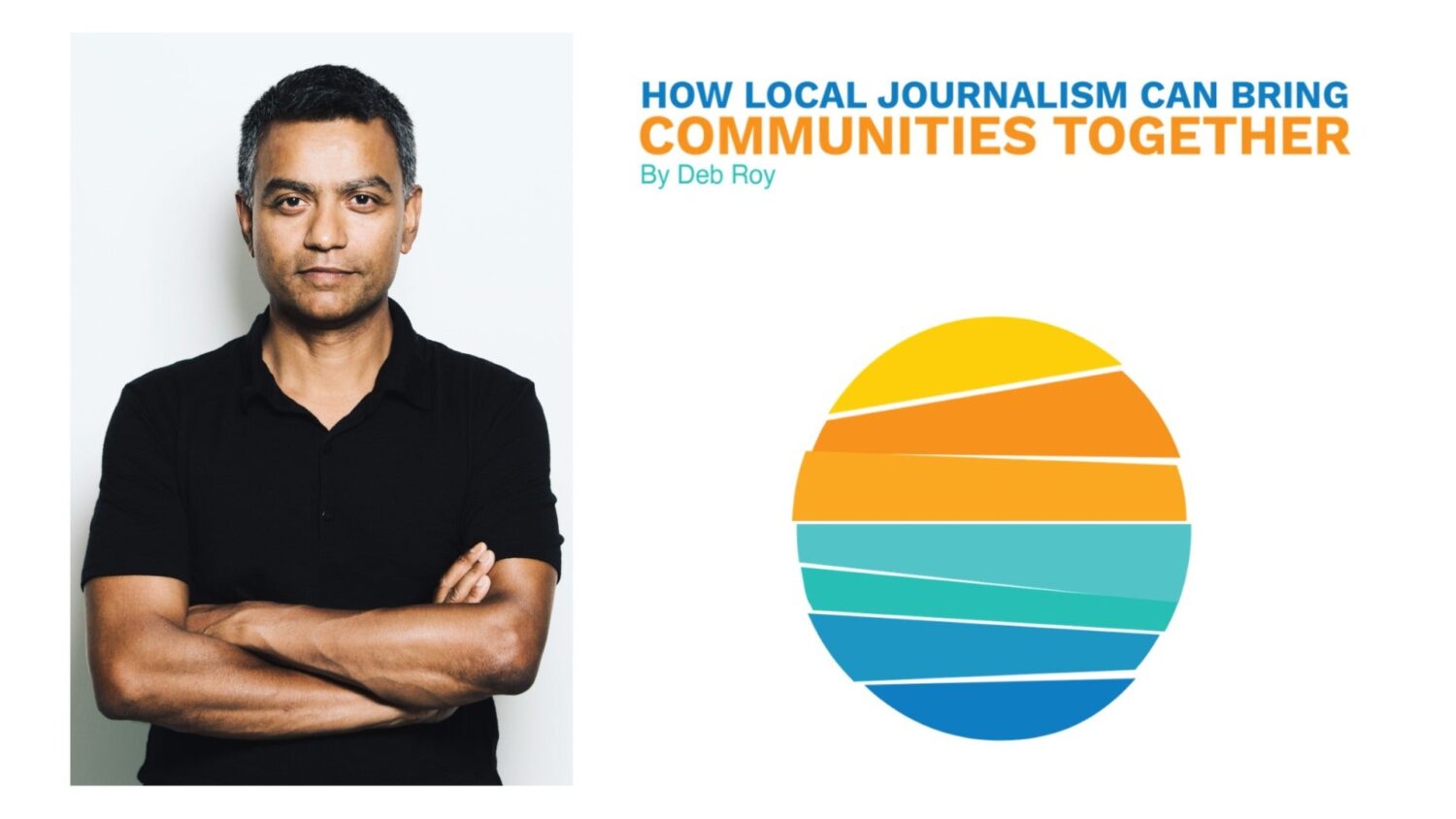
How Local Journalism Can Bring Communities Together
MIT Center for Constructive Communication Director Deb Roy explains how the caricatures Republicans and Democrats paint of each other diverge from reality, and the ways local newsrooms can leverage their “trust capital” and emerging technology to promote listening and understanding amid disagreement.