
Welcome Letter Summer 2019

Corby Kummer

Executive Director

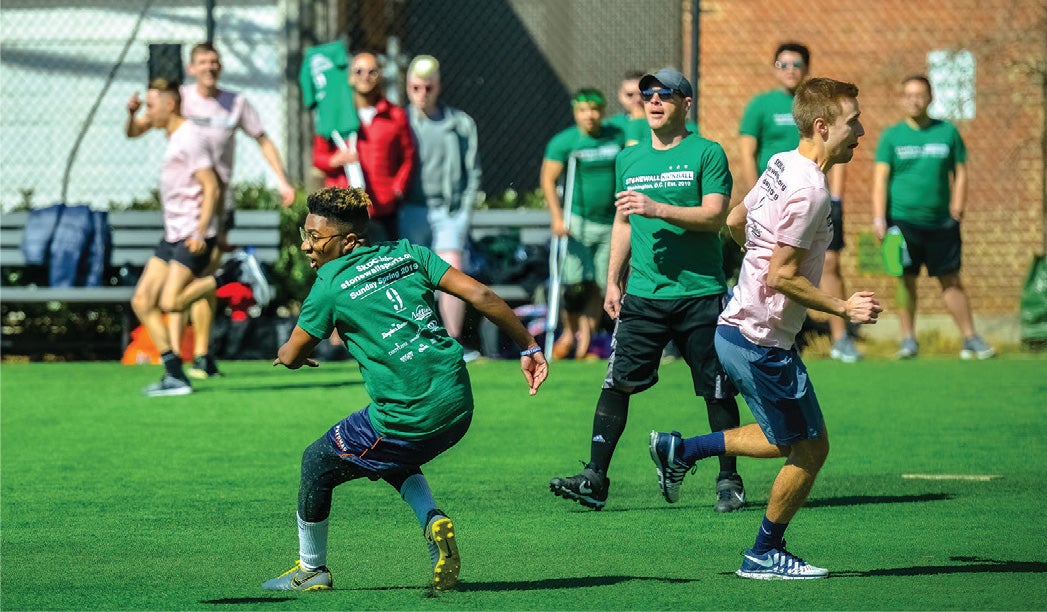
Walking from the Institute’s bright Washington headquarters one early summer day, I found myself trying to keep up with a colleague who was rolling a black amp up the sidewalk. Was he on his way to a rally? I asked. No. It was the end of the season for Stonewall Kickball, the LGBTQ team he coaches and captains as a way of making newcomers feel welcome and included in a city that can seem closed. The amp was to call out plays. “We’re a team,” he told me, “not only on but off the field.” Teammates meet regularly to catch up on each other’s lives, do volunteer work, and fundraise for the team’s charity. “It might sound corny,” he said, “but Stonewall is really my second family.”

He reminded me of another young colleague who coaches an ultimate frisbee team, part of an effort to make Washingtonians feel at home and linked even if they, like him, are holding down a day job and getting a graduate degree at night—he aims to be a teacher and a role model for young Latinos. Or the young woman who coaches soccer teams for children ages 5 to 12 and told me: “I’m 24, I don’t have kids, and neither do any of the volunteers. We don’t usually interact with kids outside our family. Every Saturday I have intense conversations about best friends, earthworms, and family pets. What I love most about this league is that it’s free. It allows for families whose financial resources differ to have their kids all be part of the same team.”

All these colleagues came to mind not only because of the article we feature this issue in our Journal of Ideas about mixedgender sports finally taking hold as an idea both on community fields and at the Olympics (see page 54)—but because almost every article focuses specifically on building communities in places that don’t have them (see pages 44 and 48) or need strenghtening (see pages 37 and 40). It’s a core part of what the Institute does in all its programs. And building community is a core part of what our colleagues do off the clock, too, wherever they call home.

Longform Publications Section 4: Strengthening Practices to Improve Job Quality

Tools: Employee Ownership

View tools and resources related to employee ownership.

Blog Posts Job Quality Fellows Profile Series Longform

Centering Workers in Workforce Development

The Chicagoland Workforce Funder Alliance collaborates with employers and stakeholders to boost employment, earnings, and equity for local workers.

Blog Posts Job Quality Fellows Profile Series Longform

Lessons and Leadership To Foster Economic Justice for Illinois Workers

LEP trains workers to promote equity, enforce rights, build unions, develop leaders, ensure workplace safety, and advance economic justice.

Blog Posts Job Quality Fellows Profile Series Longform

Worker Owned and Worker Driven

While the rideshare apps have increased convenience, they’ve eroded job quality. See how the Drivers’ Cooperative is helping to end exploitative conditions.

Blog Posts Job Quality Fellows Profile Series Longform

Creating Employee-Owned Businesses That Provide Good Jobs and Succeed

Through employee ownership, The Industrial Commons is building a new Southern working class that erases the inequities of generational poverty.

Blog Posts Job Quality Fellows Profile Series Longform

Strengthening the Hidden Resilience Workforce

We see the effects of climate change, but we rarely see the people who help to rebuild — and they often lack safe conditions, decent pay, or benefits.

Blog Posts Job Quality Fellows Profile Series Longform

Advancing a Pro-Worker, Pro-Climate Agenda in Texas

The Texas Climate Jobs Project advances a pro-worker, pro-climate agenda — helping to solve the climate crisis while creating millions of good jobs.

Blog Posts Job Quality Fellows Profile Series Longform

Organizing and Coalition Building for Structural Change

LAANE, led by Job Quality Fellow Roxana Tynan, is fighting to build an economy rooted in good jobs, thriving communities, and a healthy environment.

Blog Posts Job Quality Fellows Profile Series Longform

Organizing Unemployed and Underemployed Workers

UWU, led by Job Quality Fellow Neidi Dominguez, engages unemployed/underemployed workers, a population that has not been mobilized at scale since the 1930s.

Blog Posts Longform

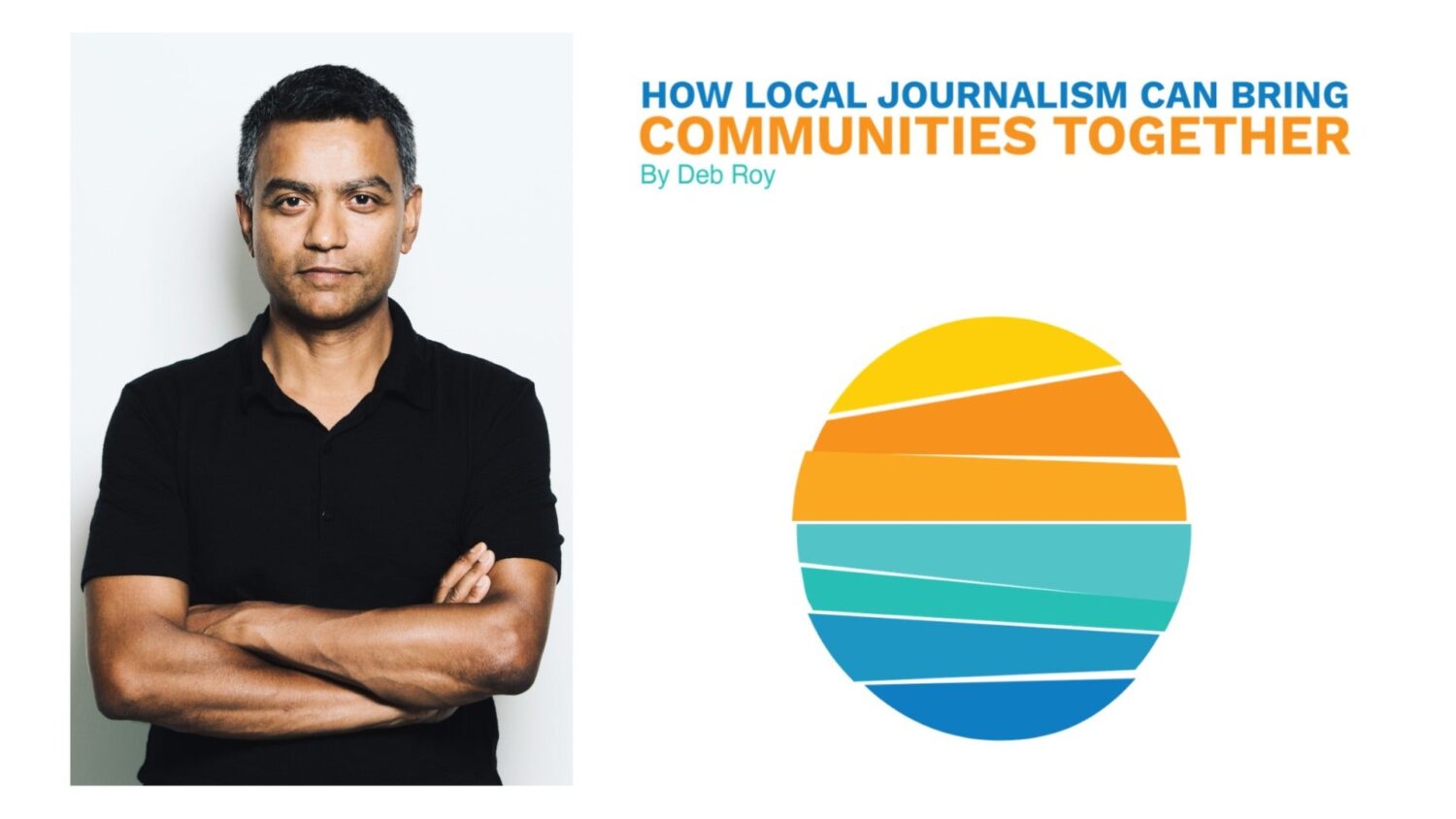
How Local Journalism Can Bring Communities Together

MIT Center for Constructive Communication Director Deb Roy explains how the caricatures Republicans and Democrats paint of each other diverge from reality, and the ways local newsrooms can leverage their “trust capital” and emerging technology to promote listening and understanding amid disagreement.