Aspen is a place for leaders to lift their sights above the possessions which possess them. To confront their own nature as human beings, to regain control over their own humanity by becoming more self-aware, more self-correcting, and hence more self-fulfilling.
Walter P. Paepcke, Aspen Institute Co-Founder
Aspen Institute
Blog Posts, IDEAS Article, IDEAS: the Magazine of the Aspen Institute Special Issue 2019, and Longform
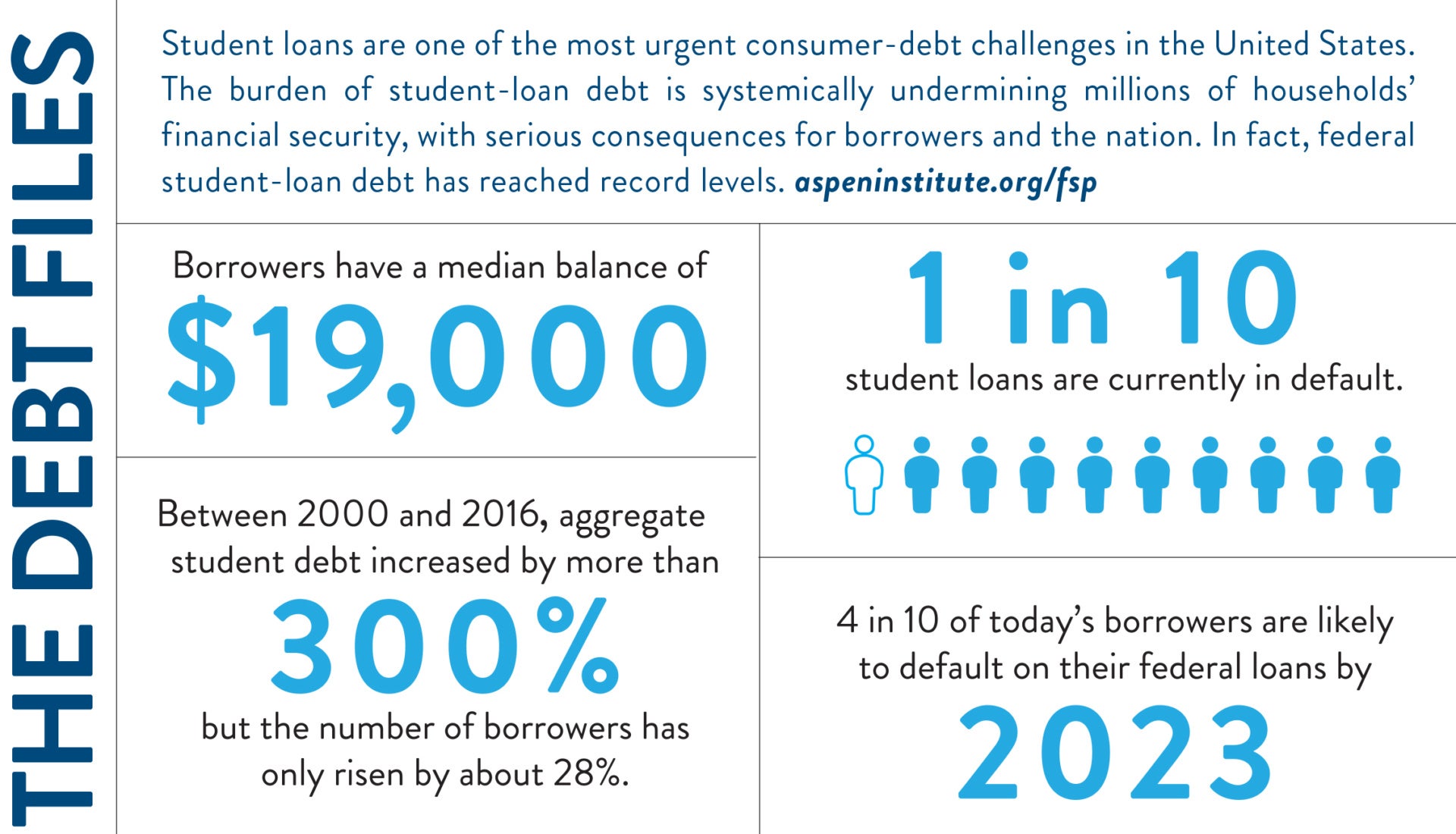
US student-loan debt—which for many can lead to higher stress, poorer health, and lower savings for retirement—is a hot topic of debate among everyone from advocates, to borrowers, to 2020 presidential candidates. The Institute’s Financial Security Program and the Bipartisan Policy Center recently hosted an event on Capitol Hill to explore the best policy and system reforms for future generations and the economy. The event launched the latest Financial Security Program brief, Student Loan Cancellation: Assessing Strategies To Boost Financial Security And Economic Growth, which focuses on 16 debt-relief proposals put forth by policymakers from across political parties, all designed to aid 44 million student borrowers. The proposals vary from targeted reforms of federal repayment plans to a total cancellation of $1.5 trillion in outstanding federal student-loan debt. US Representative Donna Shalala argued that states’ disinvestment in higher education helped create the problem, and suggested reducing the length of repayment terms and expanding debt forgiveness to those engaged in public service. The problems associated with student-loan debt are systemic and consequential both for today’s debtors and tomorrow’s college students—but they are also solvable.
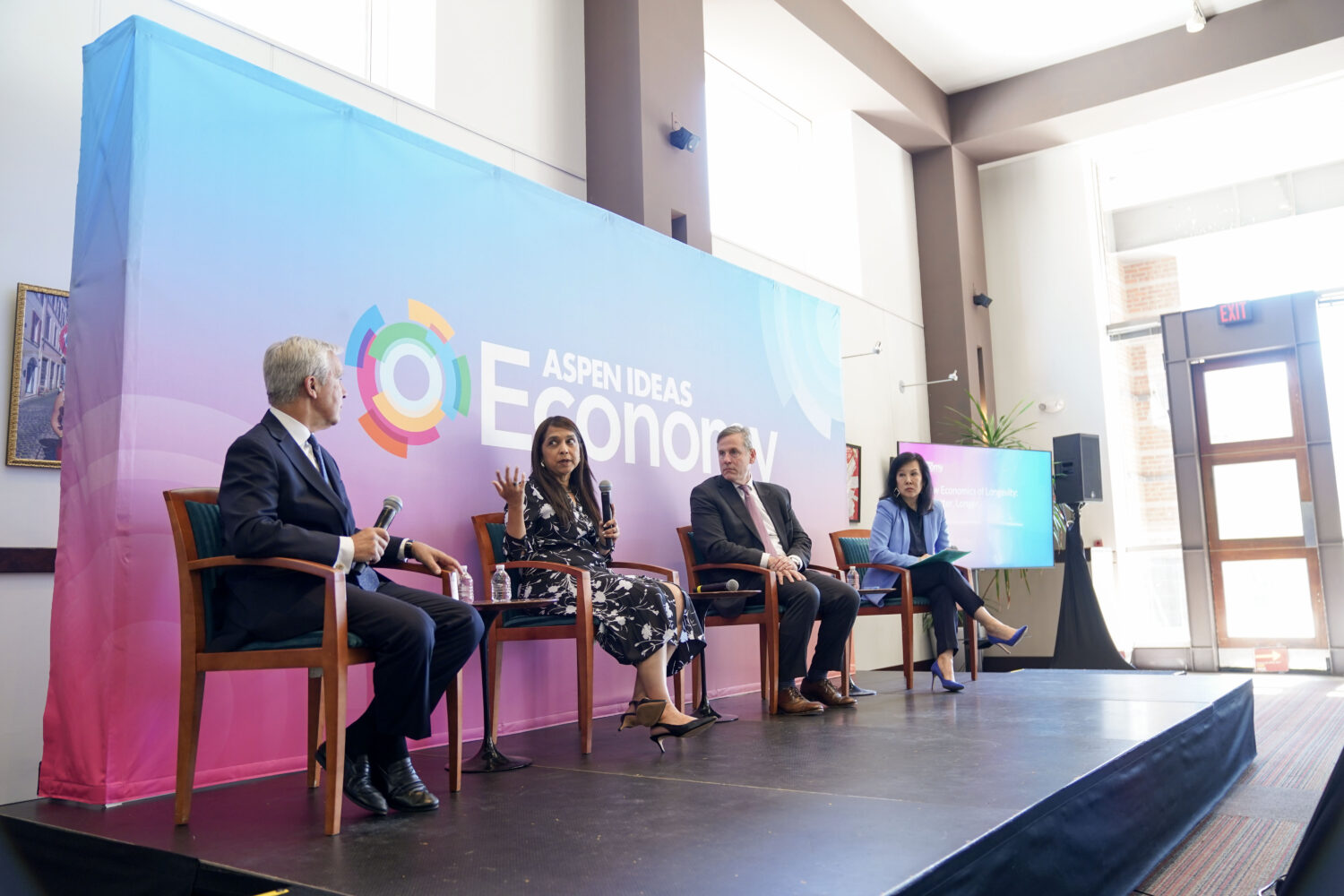
Aspen Ideas: Economy examined how our rapidly aging population is reshaping the way we think about work, savings, caregiving, and quality of life, highlighting the urgent need to prepare for longer, healthier lives with greater security, dignity, and opportunity for all.
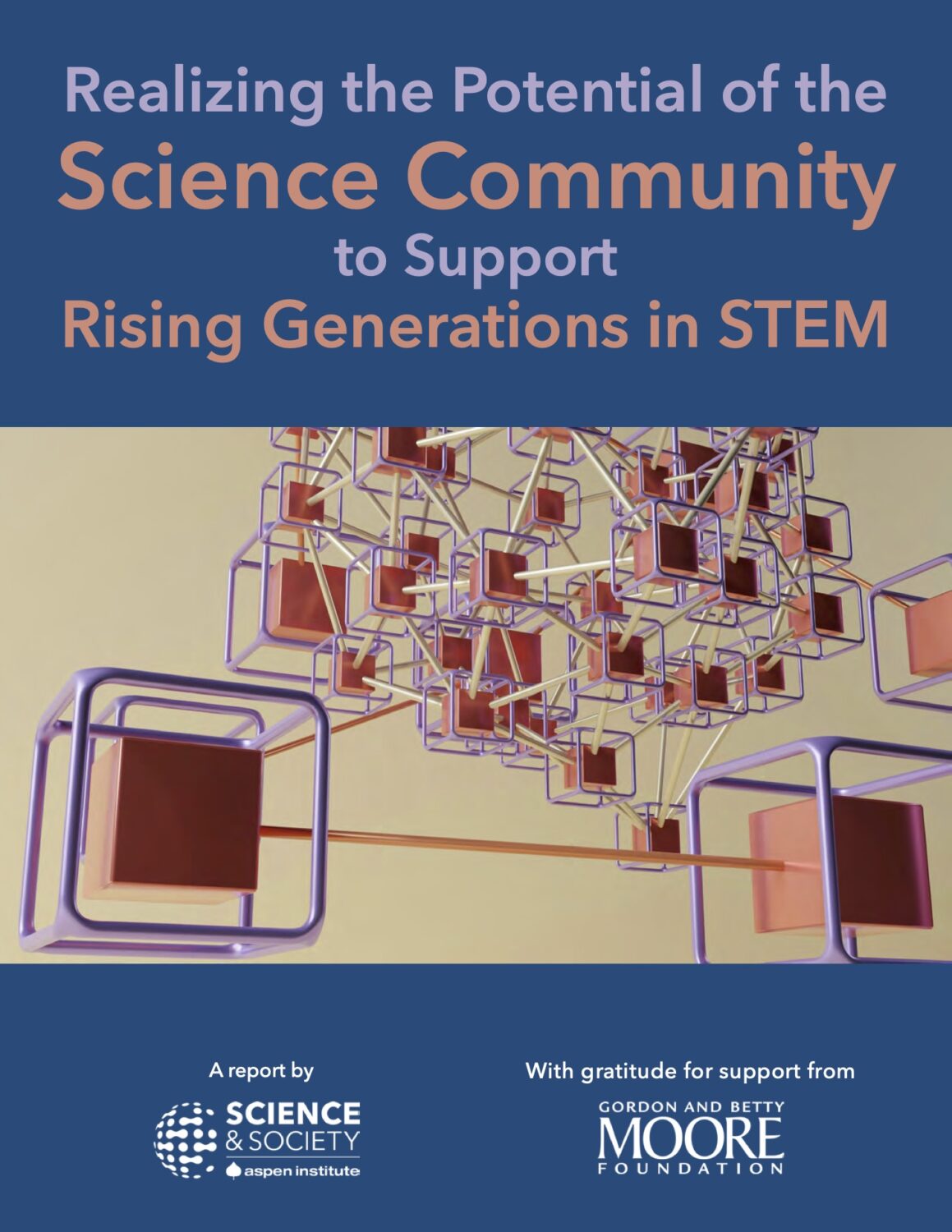
America’s rising generations—the youth and young adults best positioned to meet the country’s growing need for STEM professionals—are on the front lines of recent and rapid policy shifts within the federally-funded research and higher education ecosystems. Attracting and supporting their training and development at a time when uncertainty is high and alternative pathways abound will require significant and sustained coordination across STEM sectors. Whether situated in formal and informal learning institutions, industry, government, or civil society, we must all come together to support, reform, and enhance our collective investment in the future leaders of STEM.
This report, developed as part of the Aspen Institute Science & Society Program’s 2025 roundtable series, synthesizes insights from practitioners in K–12 education, higher education, science research, professional associations, science communication, and civic science.
Catalina Martínez Coral is a leading force for reproductive rights across Latin America and the Caribbean, guided by her belief that “the political is personal, and the personal is political.” As Vice President at the Center for Reproductive Rights, her leadership has driven landmark victories—from decriminalizing abortion in Colombia to securing justice for women and girls across the region.
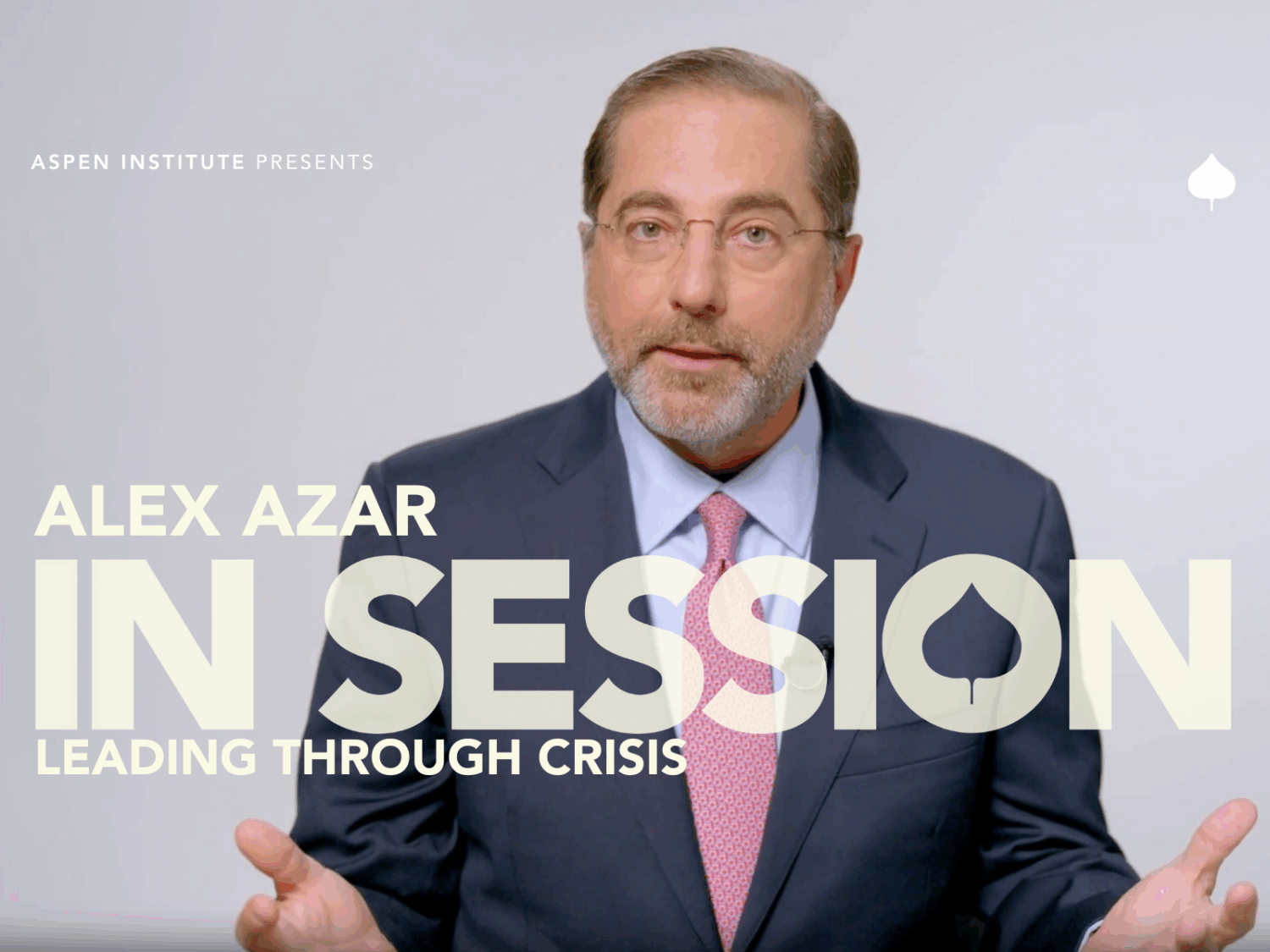
When the COVID-19 pandemic swept across the United States in 2020, former U.S. Secretary of Health and Human Services and Aspen Institute Board Trustee Alex Azar faced the challenge of a lifetime.
Mike Wilkening’s work as a public servant has followed a simple philosophy: government in service of its people. In this blog, he shares more about his leadership approach and his position as an Aspen FSP Fellow.