
Rooted & Rising: How youth journalists are spotlighting social trust and connection in rural education
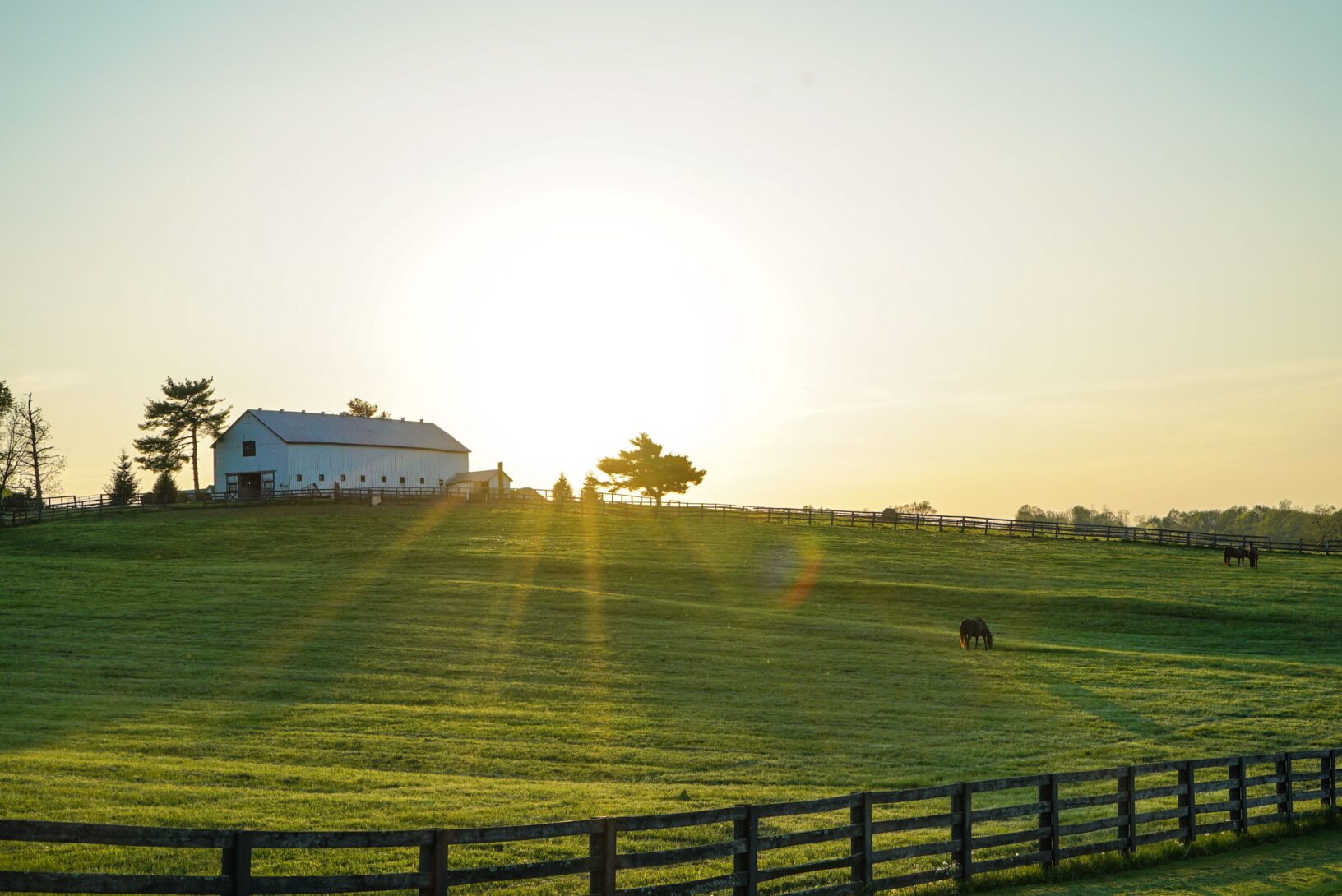
This spring, The Aspen Institute’s Weave: The Social Fabric Project and the Center for Rising Generations launched Rooted & Rising, a storytelling lab and leadership development opportunity to celebrate the voices of young rural journalists. The series focused on highlighting the innovative ways weavers – everyday leaders building trust and belonging in their communities – are impacting rural education.
Three youths were selected to explore the rural education systems in their communities and how they serve as hubs of trust, innovation, opportunity, and community investment. Each month students submitted videos and written pieces on themes around what “rural” means to them, building bridges where none existed, and how community shows up. They were supported through coaching and amplification efforts, and their stories ultimately offered a glimpse into the powerful connection of rural life.
“At Weave, we’ve met countless people across the country who are strengthening their communities in quiet but powerful ways,” says Frederick J. Riley, executive director of Weave: The Social Fabric Project. “Often times stories from the big cities are the loudest, but we want to show that we can learn from the people who are showing up everywhere, in communities large or small. The stories from these youth in rural communities have helped pull back the curtain on the strengths and richness of smaller communities and the unique ways people care for each other.”
Meet the Journalists
Across state lines, each journalist shared what rural means to them. And while each had a vastly different community experience, their communities were often viewed the same by outsiders. Whether it was rural Appalachia or just outside a city in the south, one of the biggest assumptions people make about rural communities is picturing them as poor, struggling, uneducated, or disconnected. And while there certainly are challenges present in their communities, the youth countered that despair with what they really saw: thriving communities of neighbors taking care of each other.
“Eastern Kentucky is a whole lot more than what shows up in headlines or statistics,” says Trey Jackson of London, Ky. “This place is full of some of the hardest working people you’ll ever meet. People who will genuinely do anything for one another without thinking twice. People who show up. Every single time. And people who have been overlooked for a long time, not because they lack ability, but because they’ve been underestimated. What outsiders don’t always see is how strong the sense of community really is. It’s in the small things. It’s in the way people check in on each other. It’s in how schools aren’t just buildings, they’re the backbone of everything. In a lot of places around here, the school district is the largest employer. But more than that, it’s the center of the community.”
For Komari Crisp, assumptions about her community of North Tulsa, Okla., are often negative. Though she’s lived in other parts of Tulsa, she’s always come back to her roots, and for good reason. “When times get hard, we come together. We support one another in ways that don’t make the news, because no one films a neighbor bringing groceries or a church opening its doors after a crisis. Outsiders see the statistics. We see each other.”
Assumptions about rural schooling are present, too. Carmen Anarella grew up in Little Flat Tops, home to 400 residents in northwestern Colorado. Over 80% of Colorado’s school districts are rural, and while some schools have limited resources or capacity, many function well thanks to the strength of the community connections.
“Working intergenerationally with students of all ages, staff, and community members strengthens the community; it makes everyone feel more connected. This happens rather naturally in small towns, through siblings connecting grade levels, family friends being from various age groups, and going through all of primary school with the same people while getting to know their family. However, South Routt and our greater community bring in rich multigenerational connections through our school buildings especially well. Traditions in SoRoCo such as our annual chili cook off, turkey bingo, and NHS story writing project invite all members of the community to the school. The traditions stand strong, but relationships make these experiences unparalleled and a staple in our community. The investment in the community and strengthening of belonging is not limited to the school building, it is a feature of the community as a whole!”
If you’re interested in hearing more from Trey, Komari and Carmen, you can explore their pieces here.
Join the Conversation
Join Weave for an inspiring, intergenerational conversation exploring how deep-rooted trust shapes the future of education, particularly across rural America. Serving as the culmination of our Rooted + Rising initiative, this virtual panel brings together community leaders, education experts, and youth voices to discuss actionable strategies for fostering authentic relationships, bridging generational divides, and supporting the next generation of leaders. It happens Oct. 20 at 10am ET / 7am PT.
Featuring:
- Frederick J. Riley, Executive Director of Weave: The Social Fabric Project at the Aspen Institute
- Kaya Henderson, Executive Director of the Center for Rising Generations at the Aspen Institute
- Carmen Anarella, young rural journalist
- Trey Jackson, young rural journalist
- Tay Moore (moderator), Research and Policy Associate for the Education and Society Program at the Aspen Institute
Subscribe to Weave’s Newsletter
Every other week, you’ll get resources on how to weave our communities and restore social trust.
