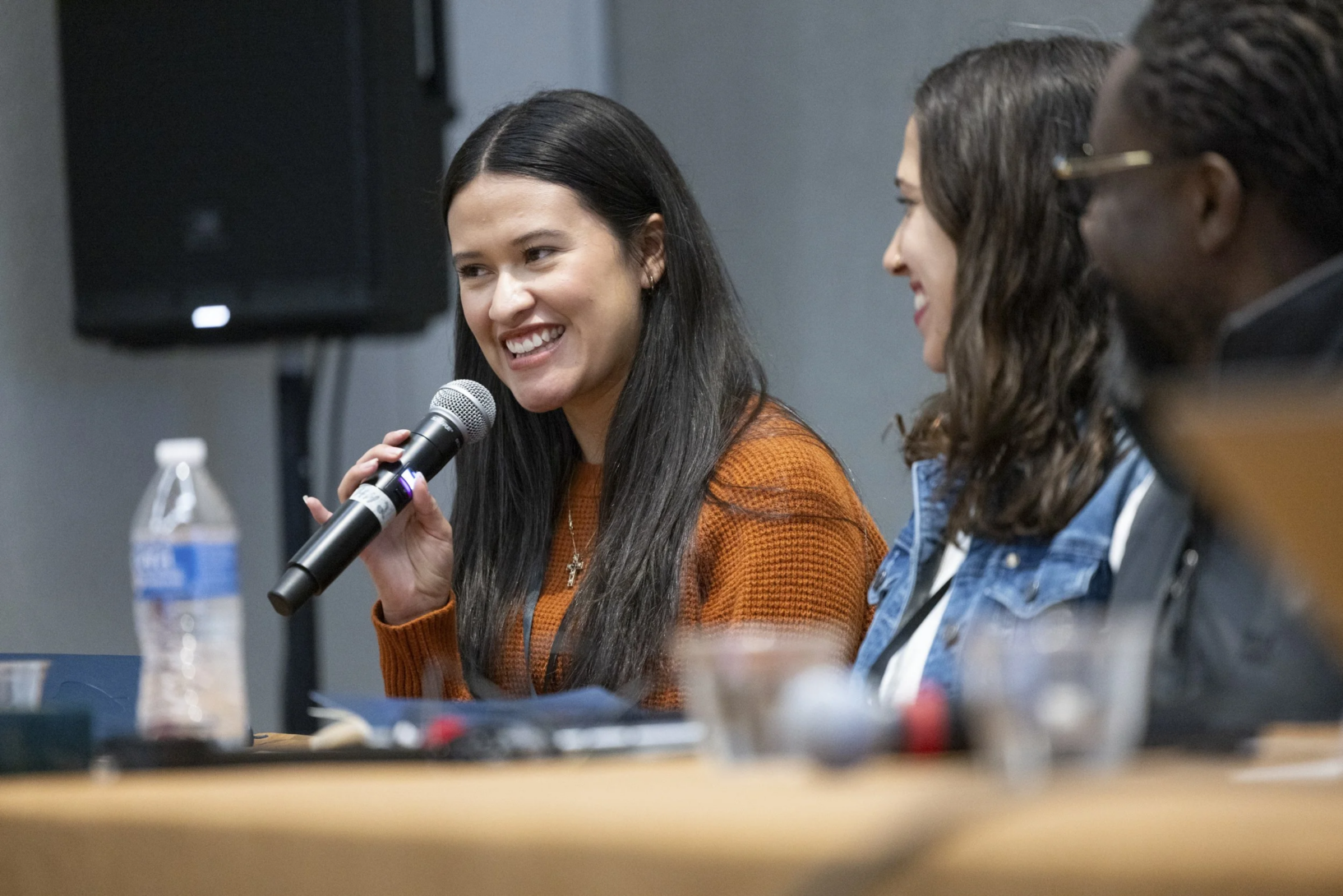

As Gen Z enters young adulthood, we have come to terms with a terrifying fact—our transition to adulthood is completely different from the experiences of generations before us. Milestones that could once be reasonably achieved by the mid 20s like owning a home, having children, and reaching economic independence are now labeled as ‘dreams’ by most. While daunting, not much of this is particularly new or scary to me and my peers. We are a generation that has faced the normalization of school shootings, a deadly global pandemic, the irreversible damages of climate change and some of the most polarizing political times in American history. Yet Gen Z continuously shows up and shows out for their country because we’ve always understood that the policy decisions made by those in power impact us the most, so we must make our voices heard through every means possible.
As a San Francisco native, UC Berkeley graduate, and part of Gen Z, I have always been surrounded and inspired by passionate young people who use their voices and mobilize to create change. From the early age of 15 I joined an ambitious group of young people at The San Francisco Youth Commission, where I worked for two years on the Vote 16 campaign, also known as Prop G on the 2020 California ballot, which aimed to expand our electorate to include young people’s voices in local elections.
Although the proposition failed by a 1 percent margin, I became a firsthand witness to the power of youth mobilization, prowess, and passion. My experience on the commission irrevocably changed the way I viewed our society and our political system as young people wrote resolutions, ran campaings, advised the Board of Supervisors and collaborated with community leaders to strengthen their respective districts. This experience made it incredibly clear to me that young people’s systematic disenfranchisement from every aspect of society that shapes their future is a massive disservice to them and to society as a whole.
Following this experience, I joined SF-based financial justice nonprofit MyPath my freshman year of college as the Youth Program Assistant and have joined full-time since graduating. In recognizing that financial literacy, access to the financial system, and wealth building are necessary and yet highly inaccessible pathways to youth empowerment, I was drawn to their financial capability model which opened non-custodial bank accounts for youth, provided youth centered financial curriculum, and facilitated personal goal setting.
“Young people’s systematic disenfranchisement from every aspect of society that shapes their future is a massive disservice to them and to society as a whole.”
During my time at MyPath I have focused on building our civic engagement and advocacy curriculum. Drawing on my experience as a commissioner, I’ve been able to teach several high school aged cohorts how to run youth-led campaigns through skills like gathering and shaping data, coalition building, public speaking, and learning how to talk to elected officials. With their new skills and leadership development, our young people have run several impactful campaigns. The Advocates New Era program, which is composed of high-school aged leaders, created SF Financial Literacy for All (SF FLY), through which they are currently partners in shaping California’s soon-to-be implemented high school financial curriculum.
Our older youth, POWER Leaders, are collaborating with youth organizations all over the country to create a new iteration of the Youth Economic Bill of RYTS, a document which serves as both a statement of rights and a practical guide for future policy work. This document, if implemented, will create pathways to youth financial security, empowerment, and wealth building.
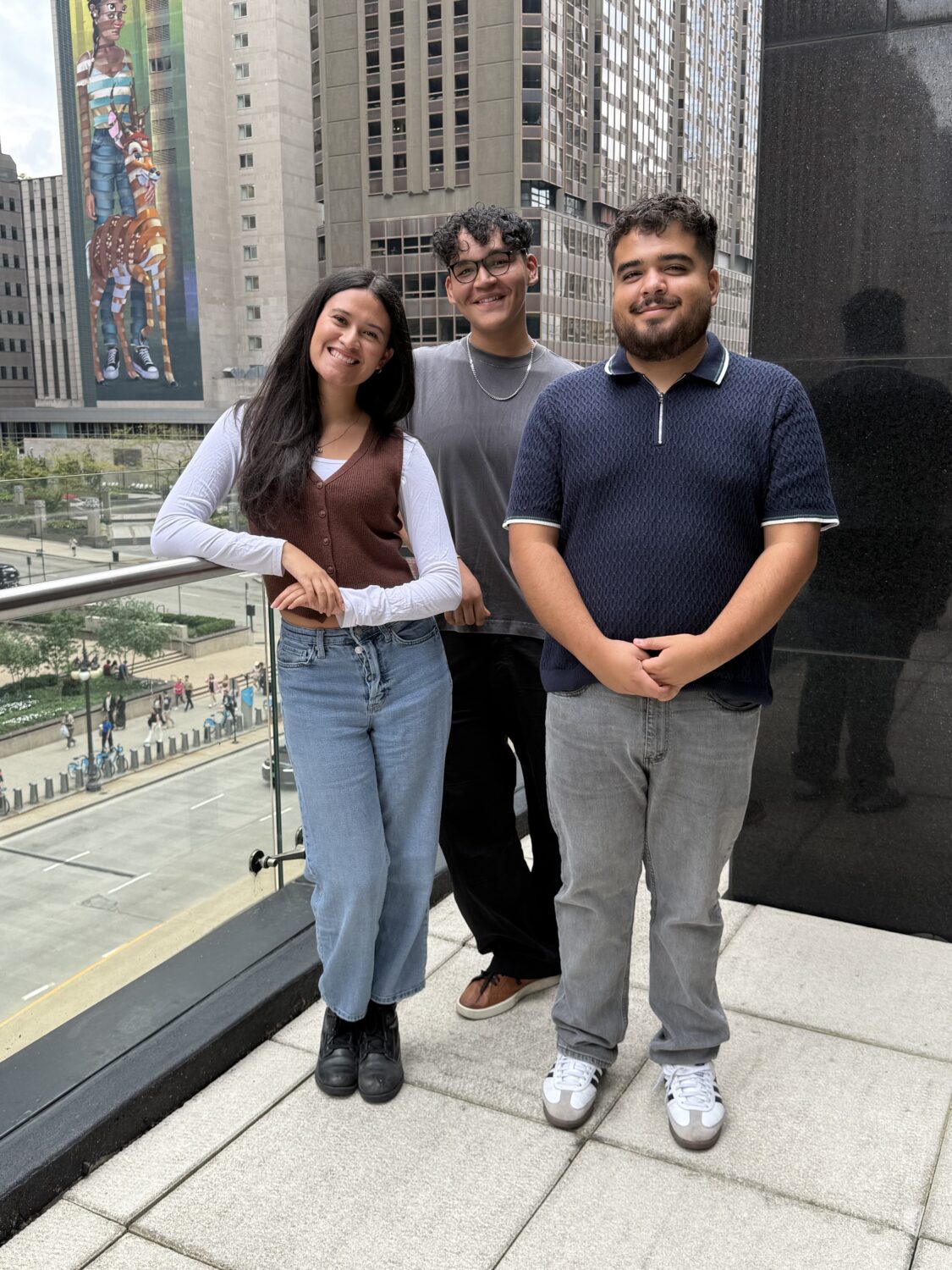
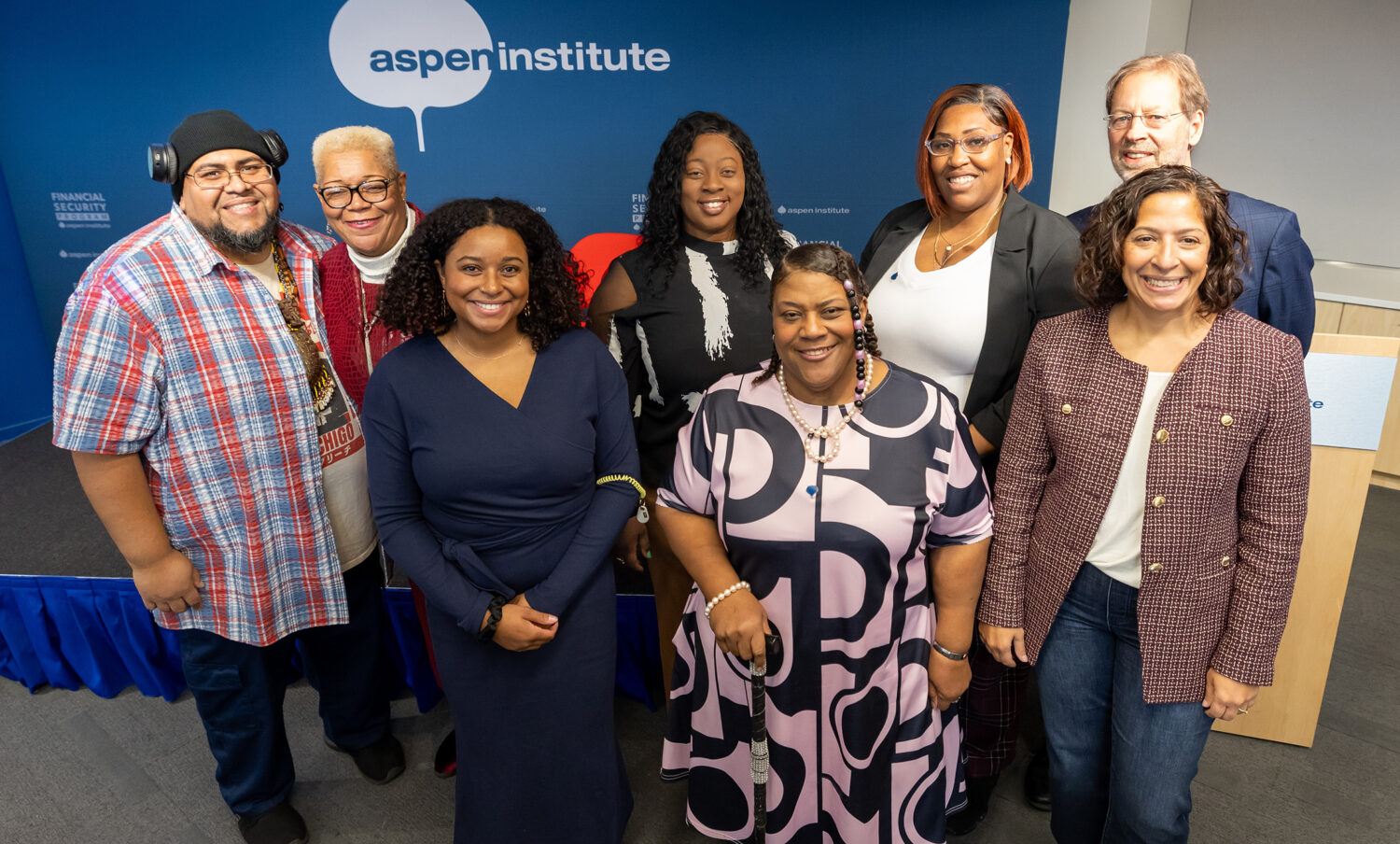
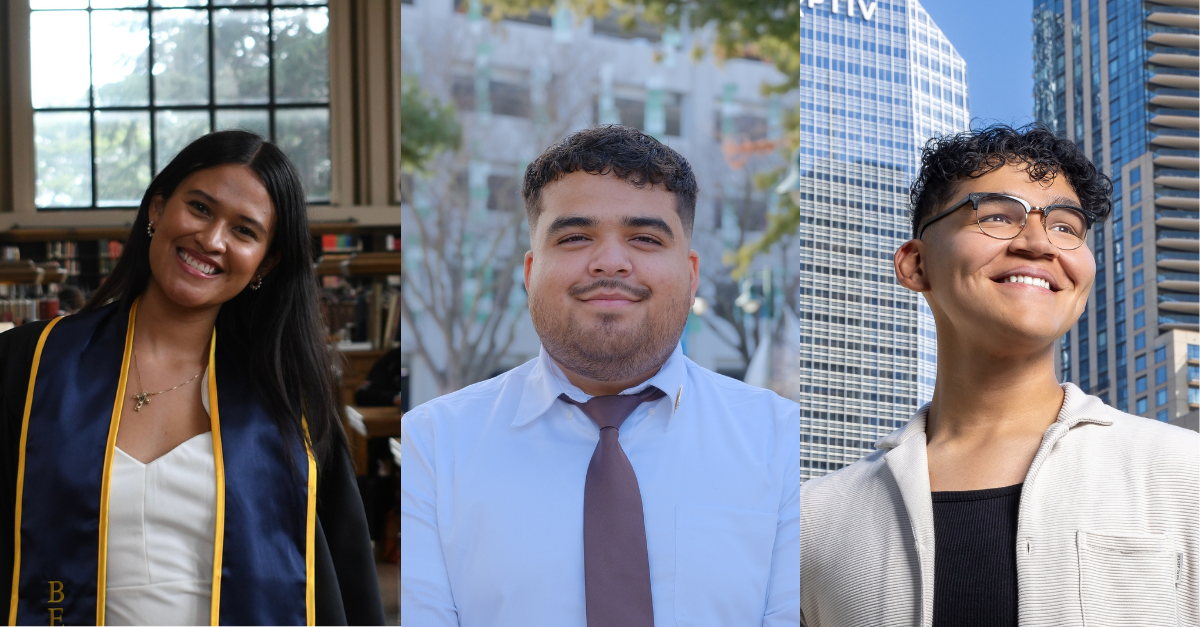
Young people are not just the future—they are the present and they are the solution. Therefore it is only fitting that the Aspen Institute Financial Security Program (Aspen FSP) team expanded the Community Advisory Group (CAG) for the first time in July 2025 to include three new transitional aged young leaders, including myself. Composed of nine leaders with direct and professional expertise of financial insecurity, the group provides deep, ongoing feedback into Aspen FSP’s work. Over the last six months, I’ve had the opportunity to learn from and collaborate with other CAG leaders from across the country. In this short time we’ve had the opportunity to directly contribute to a variety of projects such as:
- Informing emerging work to develop an updated understanding and set of solutions on financial shocks to ensure those reflect the experiences and needs of everyday households.
- Providing input into the development of Aspen FSP’s recommendations report on Fraud and Scams Prevention.
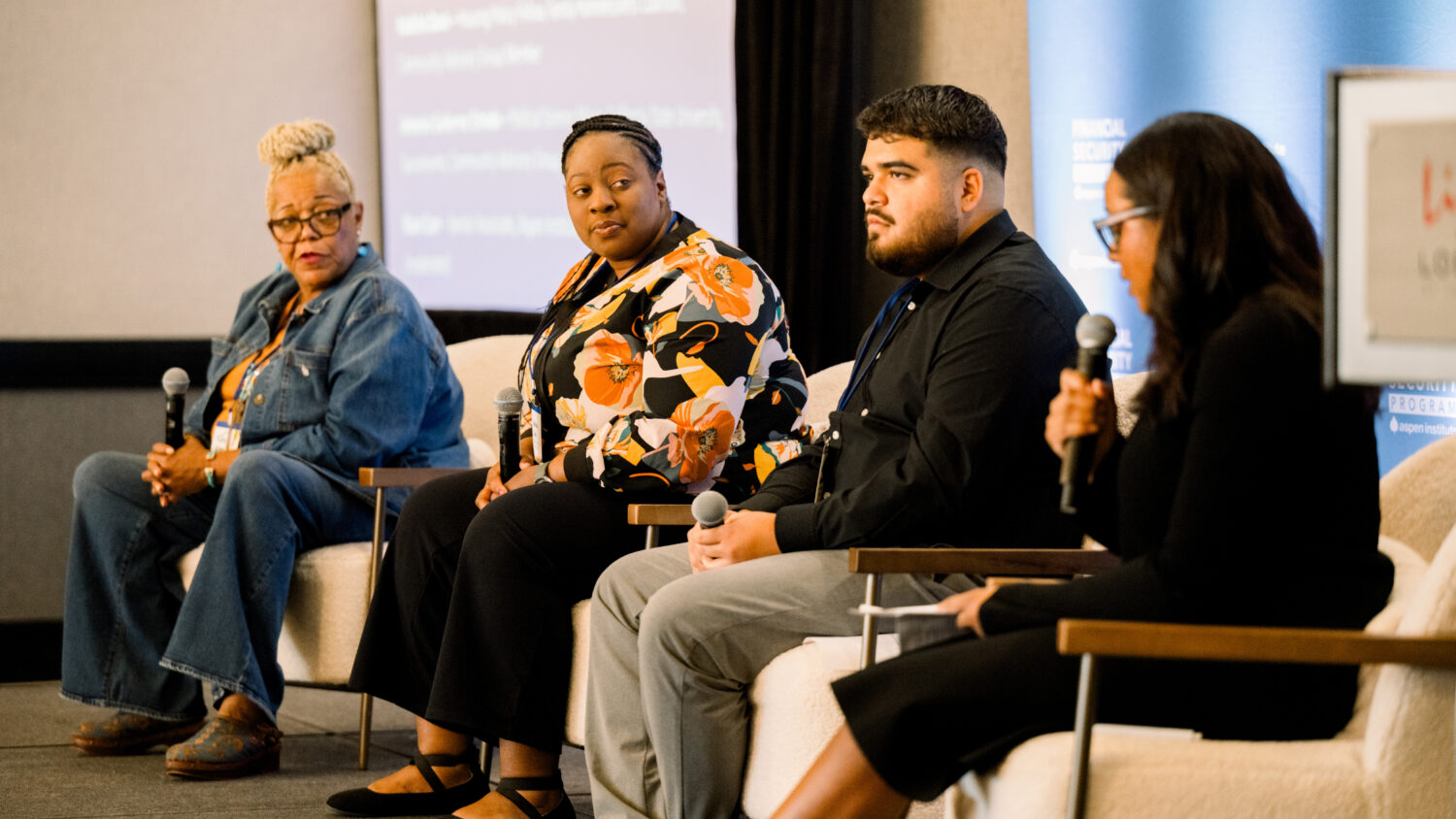
- Attending and speaking at the Point Source Youth Symposium about financial empowerment as a pathway to youth well-being and thriving.
Adding young leaders to the CAG has expanded opportunities for intergenerational learning and trust building—a natural evolution for the CAG as the group approaches its fifth anniversary. The wisdom and passion of our original CAG members combined with the enthusiasm of the new members has created an even stronger advisory group that will continue to leverage our experiences and professional expertise to achieve widespread financial security.
I believe the most effective systems are built from the inside out by and for the people they impact the most. Young people’s input in every level of government is essential in creating the conditions for us to thrive. This is particularly important in financial security policy. The first few years of our adult lives create the foundation from which we will either experience finances as a burden or a safety net. If you’re not born into it, achieving financial security requires resources, knowledge, and tools many young people don’t have access to.
It is crucial that young people—particularly those from marginalized communities—are partners in creating financial policy and shaping financial systems. It is not enough to have young people simply be part of the conversations; they also need to be part of the decision making as we strive to understand each other and become allies in our common purpose for every person to enjoy financial security and upward mobility.
Dignity, Trust, and Legacy: What Aspen FSP’s Community Advisory Group Has Taught Me
Why Current Solutions Fail Our Most Painful Financial Shocks: Insights from our Community Advisory Group

Beyond Income: Worker Financial Security and the Role of Benefits Inside and Outside of the Workplace
Aspen FSP Welcomes Three New Members to Its Community Advisory Group

Learning from Young Adults to Improve Public Benefits for All
From Challenges to Change: Young Voices on Financial Equity

What Expanding Native American Representation in the Legal Field Can Teach Us About Building a More Diverse Financial Services Industry

Beyond Bootstraps: Lifting Up Young Women’s Voices About How to Build an Economy That Works for Them

“Find People Where They Are”: Four Experts on the Value of Person-Centered Practices in Benefits Design and Delivery