

The Aspen Benefits Leadership Forum convenes private and nonprofit sector leaders, practitioners, lived experts, entrepreneurs, and researchers from different parts of the benefits system, providing space for leaders to discuss the implications of recent, dramatic changes to public benefits, forge strategies to shore up and strengthen our benefits systems, and design new pathways toward a benefits architecture that works for all families. The 2025 Forum offered an opportunity for benefits leaders to step back from the day-to-day response to the changes to today’s benefits system and envision a path to the benefits system of the future.
Table of Contents
The Aspen Institute Financial Security Program’s 2025 Benefits Leadership Forum was supported by our generous Forum supporters: AARP Foundation, Ballmer Group, JPMorganChase, Prudential Financial, and W.K. Kellogg Foundation.
We are also grateful for the support and partnership of all the investors in our Benefits Transformation Initiative work: AARP Foundation, Annie E. Casey Foundation, Ballmer Group, JPMorganChase, Pritzker Children’s Initiative, Prudential Financial, The Families & Workers Fund, and W.K. Kellogg Foundation.
Agenda
*All times are in Central Time.
Wednesday, November 5
5:00 p.m.
Event Registration and Reception Opens
5:20 p.m.
The Future of Benefits in a Time of Change
In a time of deep, structural changes to U.S. benefits systems, it can be difficult to imagine a transformed future where benefits work for all families. This opening panel will highlight leaders across sectors in the benefits ecosystem to give space for them and participants to explore their vision for the benefits system of the future and what it will take to build together.
- Alice Aluoch, Director, Membership and Development, Global Health Council; Lived Experience Consultant
- Rebecca Vallas, CEO, National Academy of Social Insurance
- Tim Shaw, Director, Benefits Transformation Initiative, Aspen Institute Financial Security Program (moderator)
6:00 p.m.
Dinner
Thursday, November 6
9:00 a.m.
Welcome
9:30 a.m.
Centering Community Expertise in Public Benefits Design and Delivery
In a time of rapid policy change and constrained resources, how can we continue to build person- and user-centered approaches in public benefits design? This session will explore this question by highlighting the perspectives of three community leaders from Aspen FSP’s Community Advisory Group, exploring their work in their communities, and lifting up a set of recommendations on how we can build a more inclusive benefits system.
- Callie Greer, Community Navigator, Alabama Appleseed; Community Advisory Group Member
- Kadisha Davis, Housing Policy Fellow, Family Homelessness Coalition; Community Advisory Group Member
- Antonio Gutierrez Estrada, Political Science Major, California State University, Sacramento; Community Advisory Group Member
- Riani Carr, Senior Associate, Aspen Institute Financial Security Program (moderator)
10:20 a.m.
Lightning Talk | Justice by Design: Transforming Public Benefits into Engines of Freedom and Mobility
For people returning home from incarceration, public benefits are a crucial foundation for economic mobility. The Center for Employment Opportunities works with justice impacted people to access safety net programs and find a meaningful career path. As we seek to imagine better public benefits infrastructure, we must learn how to design systems that support progress, not penalize it.
- Pamela Lachman, Chief Strategy Officer, Center for Employment Opportunities (CEO)
10:30 a.m.
Break
11:00 a.m.
Serving Clients and Supporting State Capacity: State and Local Responses to H.R. 1
The vision and effort required to build a better public benefits system must be rooted in a clear-eyed assessment of the current moment. Federal legislation and administrative changes are bringing about unprecedented cuts and increased administrative burden to public benefits systems, challenging the state governments and array of human services providers who work to ensure benefits reach all those who are eligible. This session will feature strategies that state and local organizations are using to meet client needs while responding to new federal requirements and highlight lessons learned about how coalitions of government, nonprofit, and advocacy partners can help build a better benefits system.
- Jeramia Garcia Ramadan, Assistant Director, Arizona Department of Economic Security
- Lydia Gottesfeld, Managing Attorney, Community Legal Services of Philadelphia
- Alicia Huguelet, Senior Fellow of Eligibility and Enrollment, Center on Budget and Policy Priorities
- Alex Coccia, Policy Manager, Aspen Institute Financial Security Program (moderator)
11:50 p.m.
Group Discussion
12:10 p.m.
Lunch
1:10 p.m.
Lightning Talk | The Agents are Coming: How AI Will Transform Government Digital Services
New AI-powered interfaces and autonomous agents will fundamentally change how citizens interact with government. This talk explores what that transformation means and how agencies should prepare.
- Mark Headd, Senior Director of Technology, Ad Hoc, LLC
1:20 p.m.
Administrative Burden and Public Trust
Federal policy changes will be imposing new requirements on public benefit eligibility that are likely to make them more difficult to access and administer. An underdiscussed dimension of these impacts, but one that is critical for the legitimacy of public institutions and engagement with the leaders of those institutions, is the influence of administrative burden on public trust. This session will draw from previous moments of dramatic changes in our benefits systems to discuss where challenges to public trust emerge with recent federal policy changes, actions that could mitigate them, and how to build public trust as a core principle in the future state of benefits delivery.
- Robert Gordon, Distinguished Visiting Fellow, Georgetown University
- Stephen Roll, Center for Social Development, Washington University in St. Louis
- Ayushi Roy, Chief Program Officer, New Practice Lab, New America
- Katie Savin, Assistant Professor, California State University, Sacramento; Ford Fellow in Disability Policy Research, National Academy of Social Insurance
- Joanna Smith-Ramani, Co-Executive Director, Aspen Institute Financial Security Program (moderator)
2:10 p.m.
Lightning Talk | Redesigning Benefits in Moments of Crisis
Crisis brings chaos, but also the opportunity to reimagine the status quo. This rapid walk through history highlights one powerful example: how Britain conceptualized their modern welfare state amidst the chaos and uncertainty of WWII and enacted its pillars shortly after the war’s end. It concludes with a call that now is the time for us, too, to envision where we go from here.
- Megan Curran, Policy Director, Center on Poverty and Social Policy at Columbia University
2:20 p.m.
Group Discussion
2:50 p.m.
End of Day Wrap
3:00 p.m.
Break
3:15 p.m.
Optional Activities
Friday, November 7
9:00 a.m.
Welcome
9:15 a.m.
Breakouts
1: Private Sector Partnerships for H.R. 1 Response
A working session between companies, technical assistance providers, funders, and states to explore ways the private sector can support H.R. 1 response. This session will generate new ideas for partnerships and initiatives by companies in the government benefits space that can address some of the urgent needs around H.R. 1, complementing government and social sector response efforts. Participants will brainstorm partnerships and solutions that might help reduce SNAP error rates or implement Medicaid work requirements in less burdensome ways, then dive deeper into how we might make top proposals a reality together.
- Sarah Esty, Senior Advisor, Aspen Institute Financial Security Program
- Read Holman, Senior Advisor, Center for Civic Futures
2: Exploring the Impacts of H.R. 1 on Young Adults
The transition to adulthood brings significant financial responsibilities like housing and education, often coinciding with low or nonexistent wages and a time of continued cognitive and emotional development. This session will explore innovations, tools, and other interventions to make public benefits more accessible and responsive for young adults, in spite of the anticipated policy changes that may reduce support and reach. By doing so, we aim to identify where they need young adult-specific support, what solutions can benefit everyone, and actionable steps to implement each to retain public benefits support for all.
- Sheida Elmi, Associate Director, Aspen Financial Security Program
- Bianca Lopez, Senior Research Associate, Aspen Financial Security Program
3: From Principles to Practice: A Framework for the Advancement of Person-Centered Work
In 2025, Aspen FSP launched a Community of Practice of organizations that share the unifying principle that policy should start with the lived expertise of the people who are closest to the issues we’re trying to solve. While the approaches take many names, the Person-Centered Community of Practice works to diversify and accelerate the implementation and continuous improvement of person-centered approaches in the financial security field. This interactive session will allow participants to provide direct input on a newly developed draft outlining the phases of person-centered work, co-created by the Community of Practice. Participants will have the opportunity to identify and strengthen their own organization’s role in advancing person-centered approaches to ensure the framework is relevant and a valuable resource across a variety of organizations.
- Riani Carr, Senior Associate, Aspen Institute Financial Security Program
- Alex Coccia, Policy Manager, Aspen Institute Financial Security Program
- Alice Aluoch, Director, Membership and Development, Global Health Council; Lived Experience Consultant
- Grace Castelin, Graduate Fellow, Aspen Institute Financial Security Program
4: Building the Future of Benefits Together
Even at times of crisis, and maybe particularly then, leaders need time to take a step back and reflect on the vision of the future they are driving toward. The Aspen Institute Financial Security Program and National Academy of Social Insurance will facilitate this session to provide space for participants to discuss what their vision is for the future of benefits, what are the short- and long-term opportunities to achieve that vision, and where we can collaborate to build the foundation for a better future for our benefits system.
- Rebecca Vallas, CEO, National Academy of Social Insurance
- Tim Shaw, Director, Benefits Transformation Initiative, Aspen Institute Financial Security Program
10:45 a.m.
Break
11:15 a.m.
Technology Transformation During Policy Transition
Adapting the U.S.’s safety net delivery technology systems to new federal requirements is causing some state governments to consider how to improve their tech infrastructure beyond just legal compliance. This session will explore the approaches states are taking in technology modernization during HR1 implementation, opportunities to build on those systems above and beyond compliance with new requirements, and innovative ways to leverage technology to achieve benefits delivery North Stars.
- Genevieve Gaudet, Director, Nava Labs, Nava PBC
- Read Holman, Senior Advisor, Center for Civic Futures
- Rebecca Piazza, Executive Director, Safety Net Strategy, Code for America
- Tim Shaw, Director, Benefits Transformation Initiative, Aspen Institute Financial Security Program (moderator)
12:00 p.m.
Closing Dialogue
12:30 p.m.
Forum Concludes
Participant List
Alice Aluoch
Director, Membership and Development, Global Health Council; Lived Experience Consultant
Jennifer Anastasoff
Founder and Executive Director, Tech Talent Project
Michelle Barnes
Executive Director, Colorado Department of Human Services
Keith Barnes
Senior Director, Beyond the Cliff, Martha O’Bryan Center
Meg Booth
Director, Health Essentials, AARP Foundation
Michael Brennan
Cofounder, Civilla
Siran Cao
CEO and Cofounder, Mirza
Phil Chow
CEO, Humanitas AI
Brittany Christenson
CEO, AidKit
Megan Curran
Policy Director, Center on Poverty and Social Policy at Columbia University
Erin Currier
Senior Program Officer, W.K. Kellogg Foundation
Julia Dale
CEO, Civilla
Kadisha Davis
Community Advisory Group Member, Aspen Institute Financial Security Program
Sarah Esty
Senior Advisor, Aspen Institute Financial Security Program
Cami Feek
Commissioner, Washington State Employment Security Department
Anna Fogel
Senior Advisor, Social Finance
Andrew Fuligni
Co-Executive Director, UCLA Center for the Developing Adolescent
Genevieve Gaudet
Director, Nava Labs, Nava PBC
Max Ghenis
CEO, PolicyEngine
Nan Gibson
Executive Director, PolicyCenter, JPMorganChase
Robert Gordon
Distinguished Visiting Fellow, Georgetown University
Lydia Gottesfeld
Managing Attorney, Community Legal Services of Philadelphia
Callie Greer
Community Navigator and Organizer, Alabama Appleseed Center for Law and Justice; Community Advisory Group Member, Aspen Institute Financial Security Program
Antonio Gutierrez
Community Advisory Group Member, Aspen Institute Financial Security Program
Heather Hahn
Associate Vice President, Urban Institute
Mark Headd
Senior Director of Technology, Ad Hoc, LLC
David Helene
Founder and CEO, Beam
Rebecca Heywood
Government Growth and Partnerships Lead, U.S. Digital Response
Read Holman
Senior Advisor, Center for Civic Futures
Alicia Huguelet
Senior Fellow of Eligibility and Enrollment, Center on Budget and Policy Priorities
Katie Kelly
Director, Communications and Community Initiatives, JB and MK Pritzker Family Foundation
Ariel Kennan
Senior Director, Beeck Center for Social Impact + Innovation, Georgetown University
Yuri Kim
Senior Program Officer, Economic Mobility & Opportunity Team, Gates Foundation
Lexie Kuznick
Director of Policy and Government Relations, American Public Human Services Association
Spencer Kympton
Managing Director, Blue Meridian Partners
Pamela Lachman
Chief Strategy Officer, Center for Employment Opportunities
Elizabeth Laird
Director, Equity in Civic Technology, Center for Democracy & Technology
André Lima
Director for the US, Open Contracting Partnership
Matt Lyons
Director of Public Sector Partnerships, SteadyIQ
Shoshana Marder
Executive Director, Leap Fund
Chelsea Mauldin
Executive Director, Public Policy Lab
Ami Nagle
Director, Tax Equity Funders Network
Mike O’Bryan
Executive Director, The Wealth + Work Futures Lab
Sekhar Paladugu
CEO, MyFriendBen
Rebecca Piazza
Executive Director, Safety Net Strategy, Code for America
Jeramia Garcia Ramadan
Assistant Director, Arizona Department of Economic Security
Jeff Poirier
Director, The Annie E. Casey Foundation
Sarah Reisetter
Deputy Director and Chief Operating Officer, Iowa Health and Human Services
Ryan Rippel
CEO, NextLadder Ventures
Stephen Roll
Assistant Professor, Center for Social Development, Washington University in St. Louis
Ayushi Roy
Chief Program Officer, New Practice Lab, New America
Katie Savin
Assistant Professor, California State University, Sacramento; Ford Fellow in Disability Policy Research, National Academy of Social Insurance
Nicole Schneidman
Head of Tech and Data Governance Team, Protect Democracy
Shelly Steward
Chief Research Officer, The Workers Lab
Stacy Taylor
VP Policy, Propel
Rebecca Vallas
CEO, National Academy of Social Insurance
Charlotte Weiner
Co-Founder and CEO, Frontdoor Benefits
Mike Wilkening
Senior Fellow, Aspen Institute Financial Security Program
Aspen Institute Financial Security Program Staff
Riani Carr
Senior Associate
Grace Castelin
Graduate Fellow
Alex Coccia
Policy Manager
Sheida Elmi
Associate Director
Meg Liebsch
Senior Associate, Marketing and Communications
Bianca Lopez
Senior Research Associate
Tim Shaw
Director, Benefits Transformation Initiative
Kaleigh Simmons
Forum Rapporteur
Joanna Smith-Ramani
Co-Executive Director
Emy Urban
Event Manager
Talia Zitner
Senior Event Coordinator
Participant Biographies
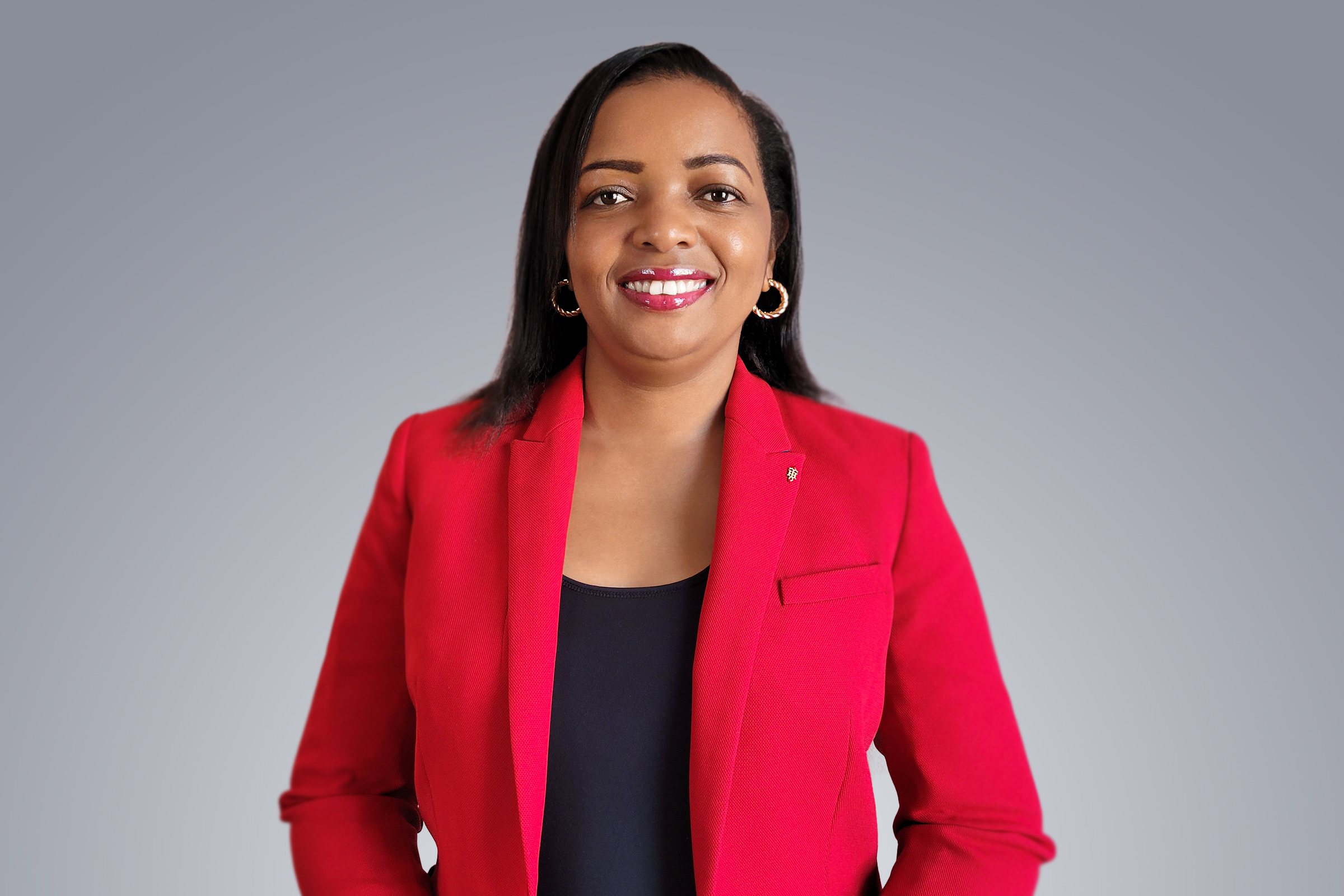
Alice Aluoch, Director, Membership and Development, Global Health Council; Lived Experience Consultant
Alice Aluoch is the Director of Membership and Development at the Global Health Council, with more than a decade of experience spanning technology, the nonprofit sector, health advocacy, and social justice across multiple continents. Prior to joining GHC, she served as Senior Associate for Grassroots Expansion at RESULTS, where she led the onboarding and engagement of new advocates, launched new advocacy chapters, and built partnerships with organizations advancing global health. She also spearheaded RESULTS’ efforts to elevate the voices of people with lived experience of poverty, with a particular focus on the African Diaspora community. In that role, she created and led the African Leadership Cohort, a network of advocates from Nigeria, Kenya, the Democratic Republic of the Congo, and across the U.S., strengthening Diaspora representation and providing critical feedback to shape global campaigns. Alice has extensive experience cultivating relationships with elected officials and has lobbied directly with Congress to secure bipartisan co-sponsorships on key domestic and foreign assistance legislation. She is also the founder of Mfariji Africa, a nonprofit organization in Kenya dedicated to advancing menstrual and reproductive rights for girls.
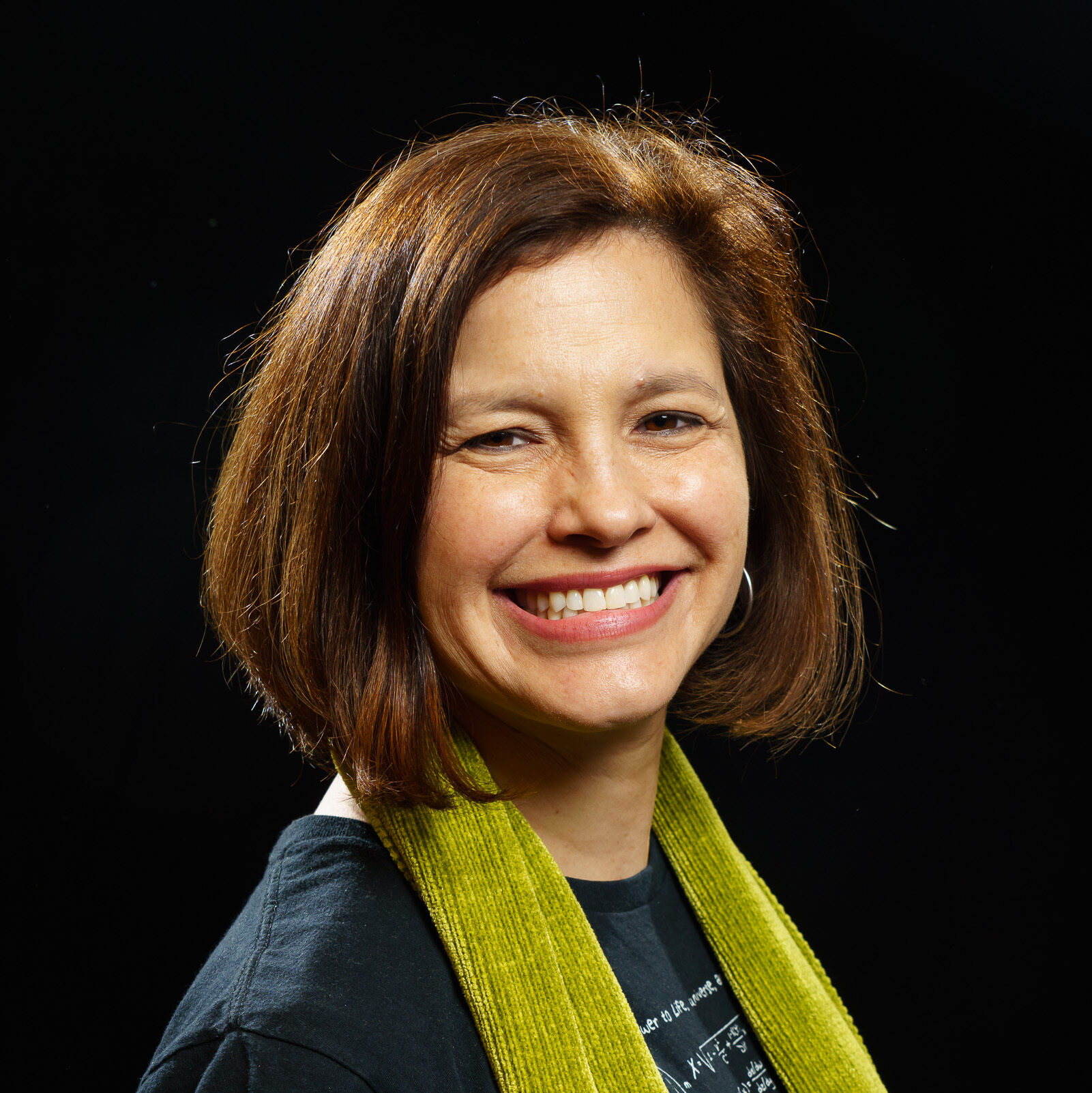
Jennifer Anastasoff, Founder and Executive Director, Tech Talent Project
Jennifer was a founding member of U.S. Digital Service at the White House and served as Head of People from 2014 until 2017, increasing the team from three to over 200 and created a diverse, cross-functional pipeline of digital talent from around America into our federal government. She focuses on bringing together talent, innovation, and social change and loves building awesome teams. She served as founding CEO of Fuse Corps and prior to starting Fuse Corps, Jennifer founded a few social enterprises focused on bringing technical and operational skills to the public sector, served as a consultant on the Higher Education Committee of the California State Assembly, and was a proud 6th grade teacher.
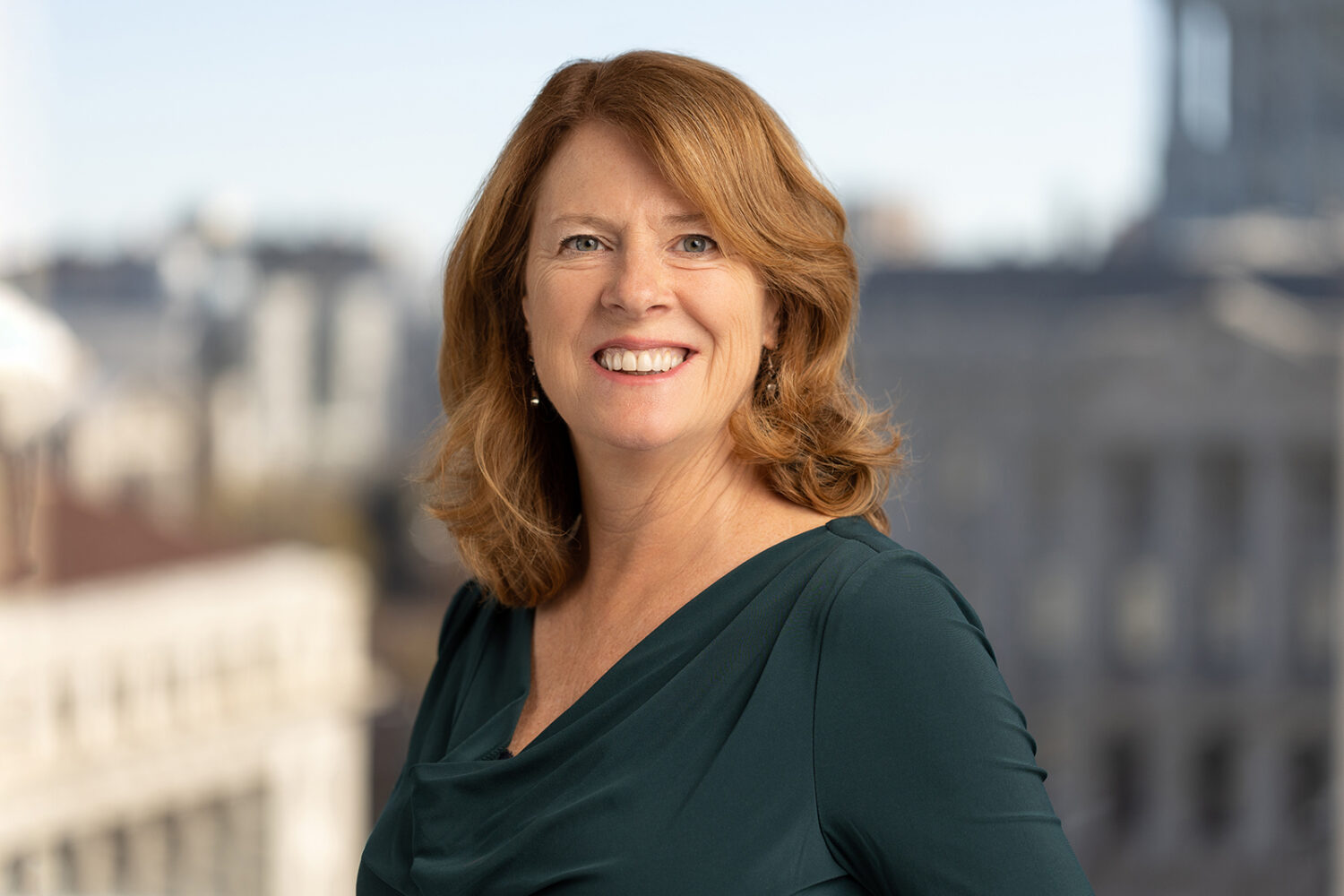
Michelle Barnes, Executive Director, Colorado Department of Human Services
Over her career, Michelle Barnes has championed bold change with her ability to motivate, inspire and assist individuals and families to achieve their highest potential. Today, Michelle can be found maximizing the lives of her fellow Coloradans as the executive director of the Colorado Department of Human Services. As a result of what she does, millions of Coloradans receive support and services that help them to thrive. Her department includes child welfare, adult services, economic supports, behavioral health hospitals and programs, services for individuals with disabilities, and the juvenile justice facilities and supports. Earlier in her career, Michelle spent a decade in the technology sector before transitioning to the nonprofit sector. She subsequently served as an interim executive for organizations in transition before pivoting to public service. She holds an MBA from UCLA and a BA from William & Mary. In her free time, she can be found in the mountains of Colorado or plotting her next adventure.
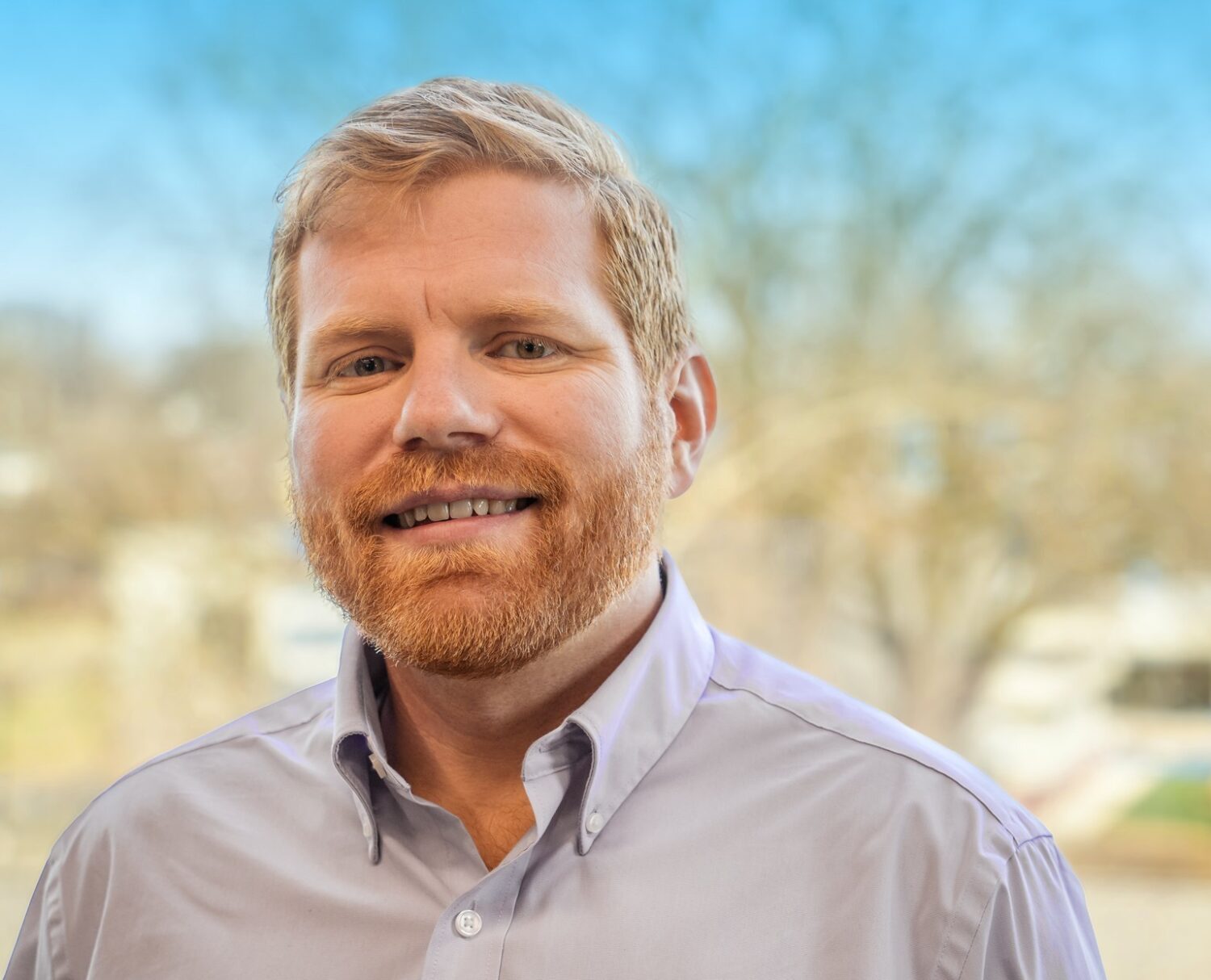
Keith Barnes, Senior Director, Beyond the Cliff, Martha O’Bryan Center
With extensive experience in public benefits policy and advocacy, Keith Barnes has been working to end poverty for more than a decade. Throughout his career, he has focused on understanding issues from the perspective of those directly impacted and on fostering collaboration toward solutions that support the economic mobility of families. This has been borne out in his work to improve public benefits access through data, technology, and policy solutions; launching and leading a nutrition assistance advocacy network in Tennessee; and serving as the State of Tennessee’s meals on wheels administrator where he built inter-departmental and national partnerships, reduced administrative burden, and promoted client-centered service. He is now Senior Director of Beyond the Cliff, an initiative of the nonprofit Martha O’Bryan Center focused on eliminating the benefits cliff through policy and innovative solutions to ensure individuals and families have the resources and opportunities to advance economically. Keith holds a Master’s in Community Development and Action from Vanderbilt University and has served as an AmeriCorps VISTA and as a VISTA Leader.

Meg Booth, Director, Health Essentials, AARP Foundation
Meg joined the AARP Foundation as the Director of Health Essentials in 2022, continuing her journey to improve the health, healthcare, and economic stability of communities facing barriers. As part of the Financial Well-Being Team, she focuses on systems enhancements to make food, medicine, and healthcare more accessible and affordable. Prior to AARP Foundation, Meg held leadership roles in various health advocacy and consulting organizations. She served as the Executive Director of the Children’s Dental Health Project, Managing Director at the Mental Health Strategic Impact Initiative (S2i), and Principal of MB Strategies. Meg holds a Bachelor’s degree in Community Health Education with a minor in Women’s Studies from the University of Northern Iowa and a Master’s in Public Health from the University of North Carolina at Chapel Hill.

Michael Brennan, Cofounder, Civilla
Michael Brennan has devoted over four decades to leading change. For 32 years, he advanced the mission of United Way at local, national, and international levels. In 2015, he co-founded Civilla as a way to make enduring, human-centered change possible within public-serving institutions—helping them work better for the people they exist to serve.

Siran Cao, Co-Founder and CEO, Mirza
Siran is the Co-Founder & CEO of Mirza, a TurboTax for safety net benefits. Mirza started with child care, working through employers like Best Buy and UnitedHealthcare, as well as Medicaid MCOs to support families. Mirza’s work underscores how vital child care is to economy opportunity, with 40-50% of users increasing work hours and household income in <6 months. More recently, the company has expanded to support a wider variety of benefits, across care, nutrition, housing, and more. Prior to Mirza, Siran was part of Uber’s initial deployment in New York City, and built the company’s driver support organization, leading a team of 200+ across the US Northeast. Siran is a first generation immigrant, daughter of a single mom, and holds a B.A. in Gender Studies from Harvard University and her Master’s from The London School of Economics. She lives in NYC, and when not working to connect low-income families to public benefits, spends her time walking quickly and powerlifting.

Phil Chow,CEO, Humanitas AI
Phil Chow is an entrepreneur, investor, and adviser with a record of building and scaling AI systems in mission critical environments. He is the CEO of Humanitas AI, which develops critical infrastructure that delivers precise guidance on benefits, training, and services for the 100 million low to moderate-income Americans who power the U.S. economy. Phil serves as a member of America’s Rural Future: Brookings–AEI Commission on U.S. Rural Prosperity.
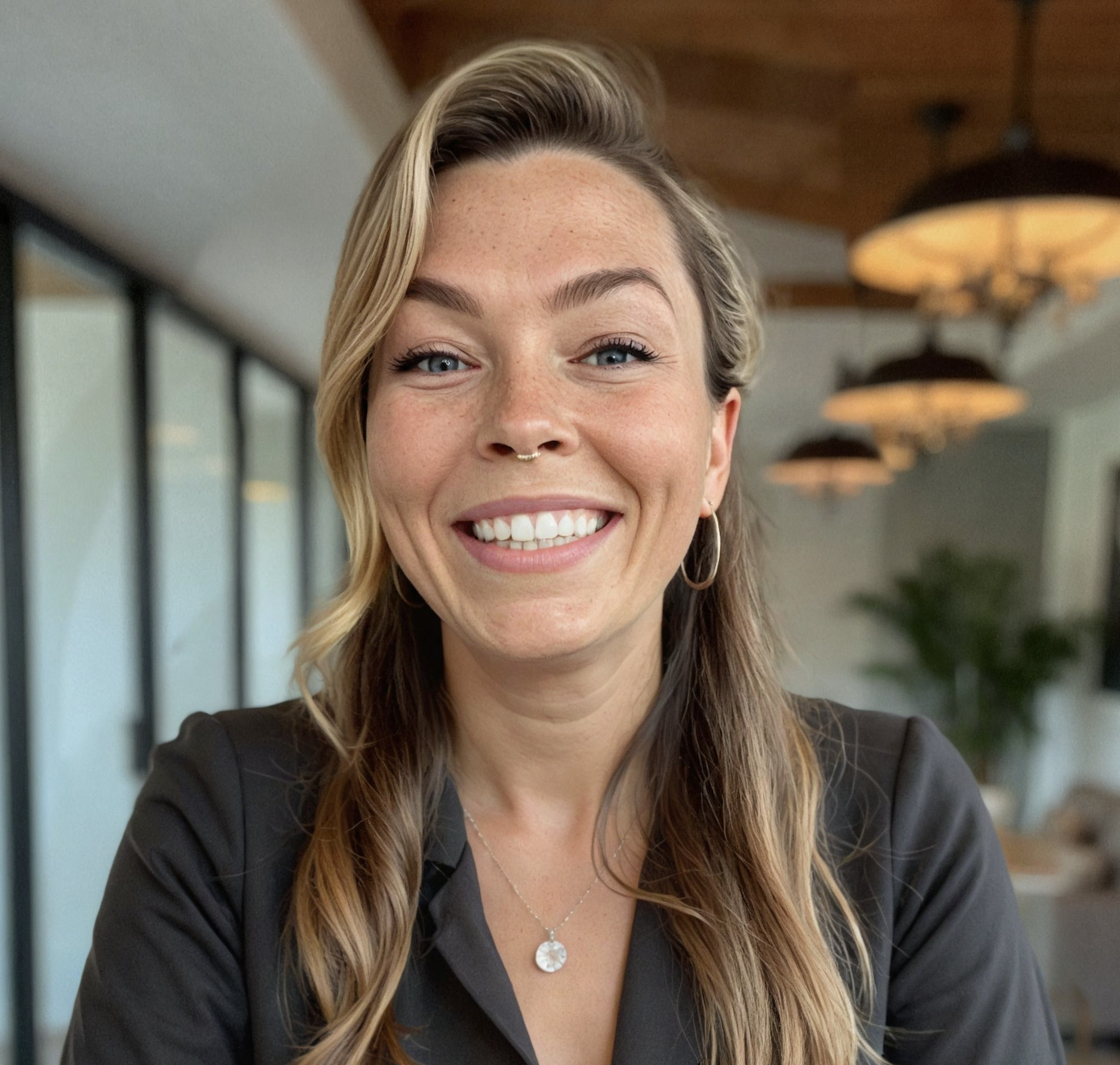
Brittany Christenson, CEO, AidKit
Brittany Christenson is the CEO of AidKit, a Public Benefits Corporation that helps government agencies and nonprofits administer aid programs efficiently and transparently. As CEO, she sets the company’s strategic direction, drives technology innovation and cultivates partnerships to transform aid delivery into an empowering act of community care. Previously, she played a key role in expanding AidKit’s reach as director of partnerships and program development. With a background in nonprofit leadership, food security, and technology-driven solutions, Brittany is committed to using data and innovation to improve public benefits distribution. She currently serves as chair of the advisory board for the Cloudsplitter Foundation in New York.
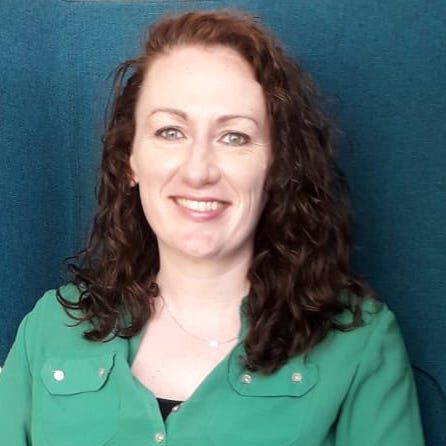
Megan Curran, Policy Director, Center on Poverty and Social Policy at Columbia University
Megan A. Curran is the Director of Policy at the Center on Poverty and Social Policy at Columbia University. She is a child and family policy expert who has worked inside and outside government as a policy analyst, advocate, researcher, and policy and program evaluation consultant in the United States, United Kingdom, and Ireland. Her work explores how the tax system and social safety net can better support children and families and how lessons learned from strategies to reduce child poverty can be shared across countries. She has a particular interest in flexible cash for families and the Child Tax Credit, including how the structure and impact of child benefit programs long in place elsewhere might inform the creation of a national child allowance in the United States. Her innovative collaborative work on more timely poverty measurement and analysis of transformative pandemic economic relief policy responses for families has seen her work feature regularly across major national and international media outlets and serve as a go-to resource among policymakers and advocates. She holds a PhD in Social Policy from University College Dublin, Ireland and is based in New York City.
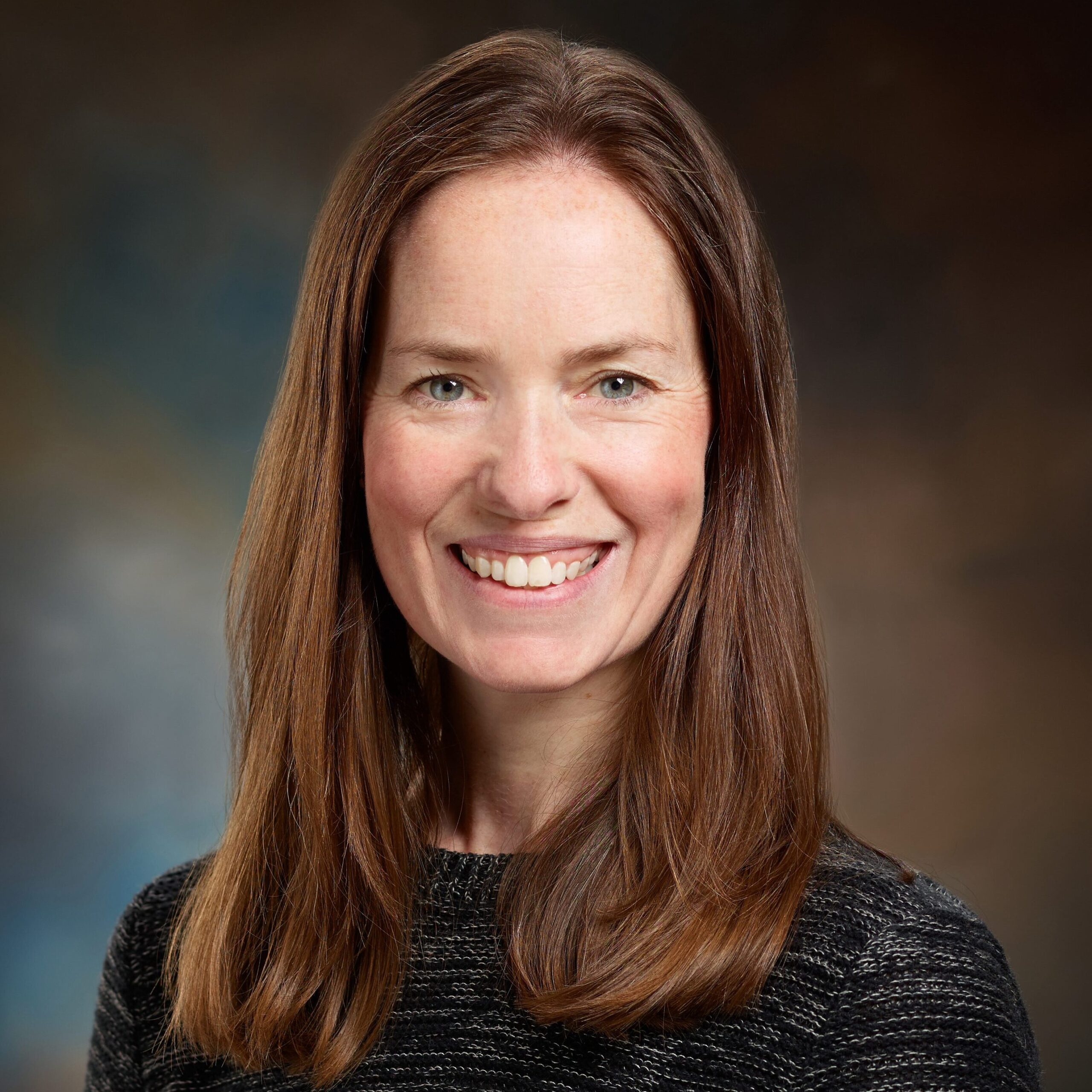
Erin Currier, Senior Program Officer, W.K. Kellogg Foundation
Erin Currier is a senior program officer for the W.K. Kellogg Foundation in Battle Creek, Michigan. In this role, she helps lead the foundation’s national grantmaking team focused on early childhood, employment equity, health and food systems. She also oversees a portfolio of work that supports family economic security and promotes the centering children and their families in employment and government policies and programs.

Julia Dale, CEO, Civilla
Julia Dale is Civilla’s CEO and leads the organization’s long-term strategy to create a more beautiful civil society for all. Before joining Civilla, Julia spent 23 years in public service at state agencies in Michigan including the Department of Civil Rights, the Department of Licensing and Regulatory Affairs, the Department of Attorney General, the Department of Technology Management and Budget, and most recently as the director of the Michigan Unemployment Insurance Agency. She graduated from James Madison College at Michigan State University and earned her law degree from Wayne State University Law School.

Kadisha Davis, Housing Policy Fellow, Family Homelessness Coalition; Community Advisory Group Member, Aspen Institute Financial Security Program
A Housing Policy Fellow of the Family Homelessness Coalition since 2020, Kadisha Davis has been pushing for coordinated efforts focused on the needs of families experiencing housing instability and strengthening the partnership between the community of families with lived experience and key decision makers, particularly in New York City. Kadisha holds her Bachelor of Arts from the State University of New York at Plattsburgh. As a lived expert, she advocates for those at risk of and currently experiencing homelessness, ensuring information and resources are widely disseminated to reach the people who need it most. Kadisha helps lift the voices of families by sharing their stories and circulating essential resources through various social media platforms, including a podcast channel, Hear Our Voices, and using her experience to champion ending homelessness.
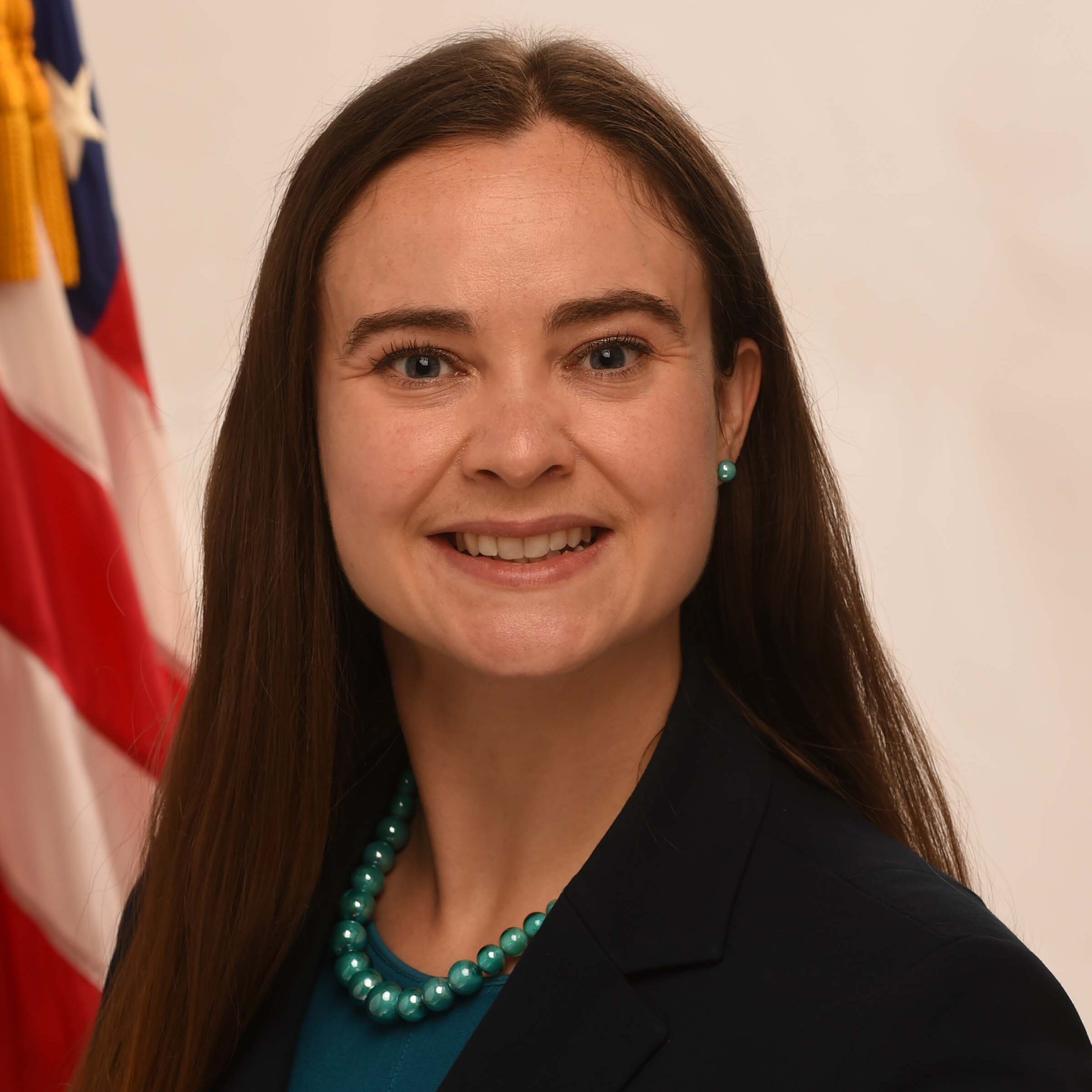
Sarah Esty, Senior Advisor, Aspen Institute Financial Security Program
Sarah Esty, is a Senior Advisor to Aspen FSP, supporting state public benefits delivery efforts and response to HR1. She also serves as an independent consultant to governments, nonprofits, and philanthropies, in operational effectiveness, strategy, organizational design, process improvement, and public benefits management. Previously Sarah served as an appointee at the Department of Health and Human Services, where she managed technology, data, and digital services projects across the department as Senior Advisor for Technology and Delivery to the Deputy Secretary; drove interagency public benefits system streamlining projects as the leader of the “Facing a Financial Shock” initiative; and served as Senior Advisor at the Administration for Children and Families overseeing case management operations for the Unaccompanied Children Program at the southwest border and during the Afghan Evacuation. Prior to her federal work, Sarah served as Policy Director for Michigan’s HHS, including overseeing large sections of the state’s COVID response, and driving priority crosscutting initiatives for MI HHS, including redesign of the state’s $3B Medicaid behavioral health system, 5-year state HIT roadmap, Social Determinants of Health strategy, and backbone technology system infrastructure.
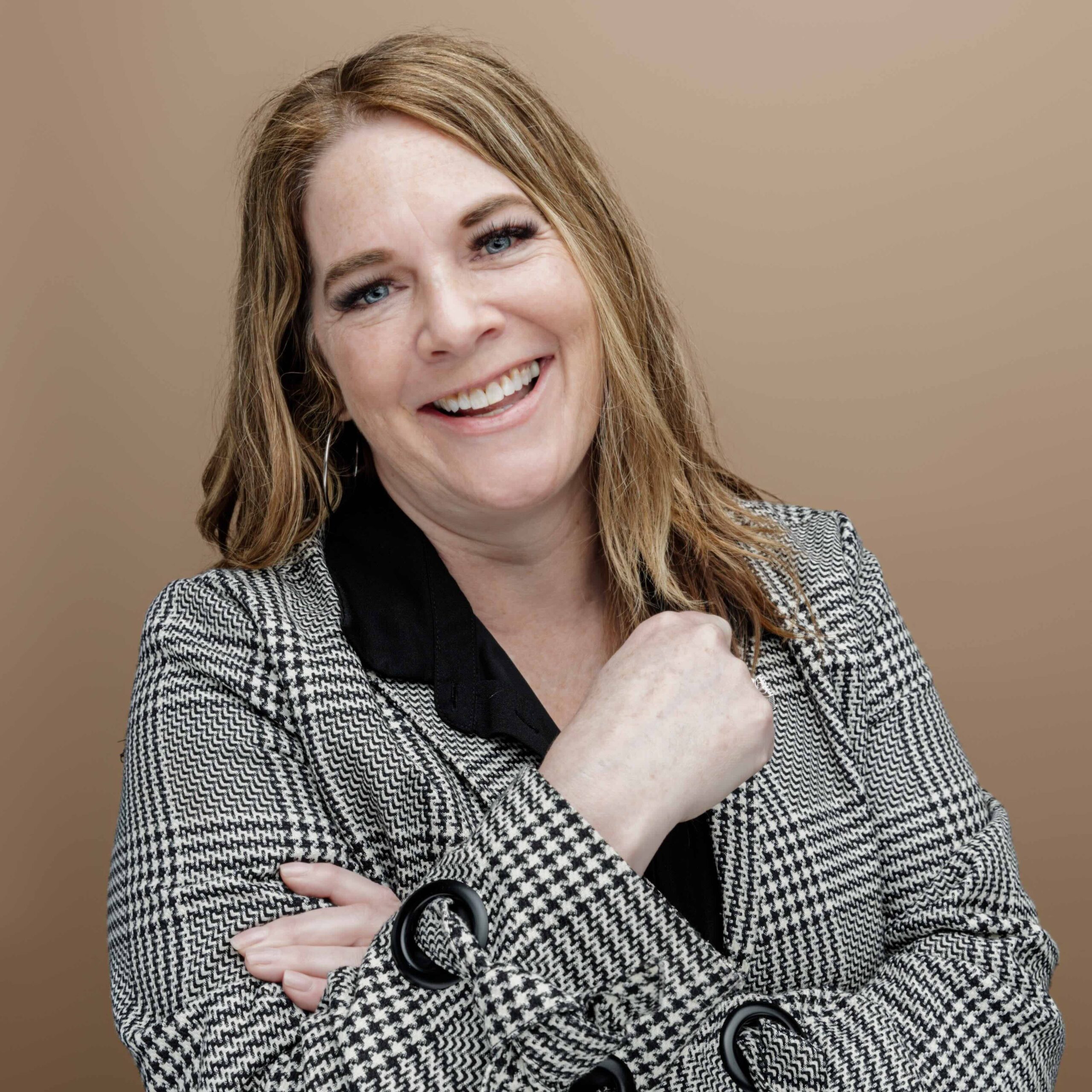
Cami Feek, Commissioner, Washington State Employment Security Department
Cami Feek is a passionate leader that has nearly 30 years of public sector experience. She got her start in state government working in a non-permanent role in the mail room and rose to agency director through a commitment to community and serving people. Cami was appointed commissioner for the Washington state Employment Security Department (ESD) by Gov. Jay Inslee in June 2021 and was re-appointed by Gov. Bob Ferguson in January 2025. Prior to that, she served as ESD’s deputy commissioner and chief operating officer. She has worked at multiple state agencies including serving over 13 years at the state Attorney General’s Office. She has a proven history of building high functioning teams and cultures that center people and the communities they serve. Cami is a member of the Governor’s Economic Justice Alliance Executive Council; she was also appointed by the Governor to serve on the Technology Services Board. In August 2025 she received a Legend Award from the Seattle Reign and Starbucks recognizing her leadership. Cami earned her bachelor’s degree from The Evergreen State College, where she played varsity soccer. She holds a Certified Diversity Executive credential. Cami is a lifelong Washingtonian who loves her state.
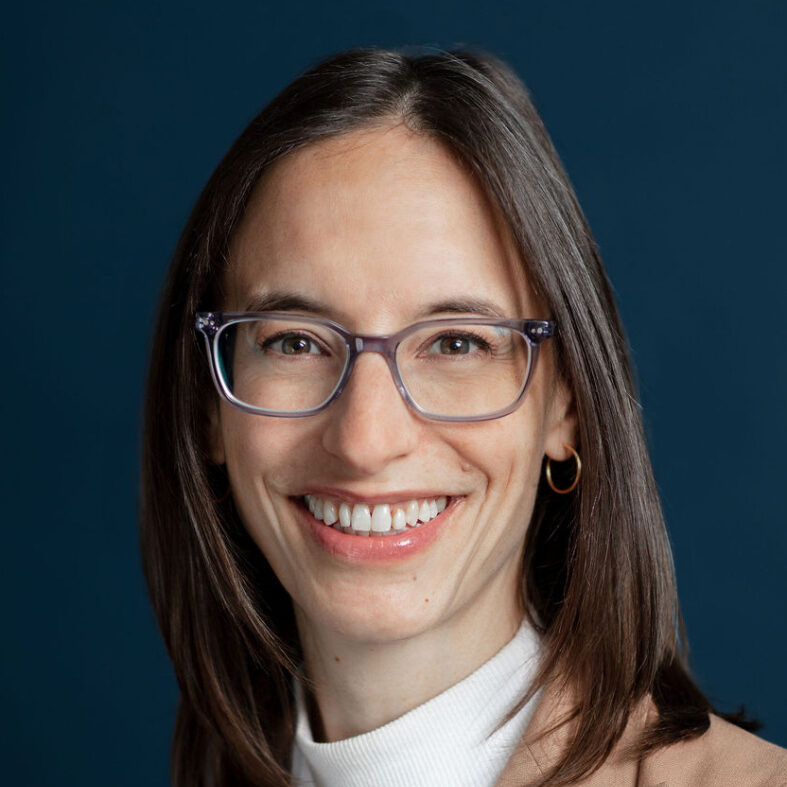
Anna Fogel, Senior Advisor, Social Finance
Anna is a Senior Advisor at Social Finance, where she partners with innovators in government to transform public systems to focus on outcomes. Anna rejoined Social Finance from the Administration of Children and Families at the U.S. Department of Health and Human Services, where she served as Senior Advisor to the Assistant Secretary on Technology and Delivery. She was responsible for advancing the agency’s work to leverage technology, data, and program design to improve the delivery of services. Prior to her work in federal government, Anna served in DC’s Department of Human Services. She served as the first-ever Deputy Administrator for Permanent Housing, a new division that was created to oversee the agency’s permanent housing voucher programs, and as the deputy chief of staff, where she played a central role in the agency’s Covid-19 response. Prior to her work in DC government, Anna spent five years at Social Finance, where she focused on building and growing its Public Sector Practice. Earlier in her career, she worked in international development with a focus on financial inclusion. Anna has a master’s in public affairs from the School of Public and International Affairs at Princeton University and a bachelor’s degree from Harvard College.
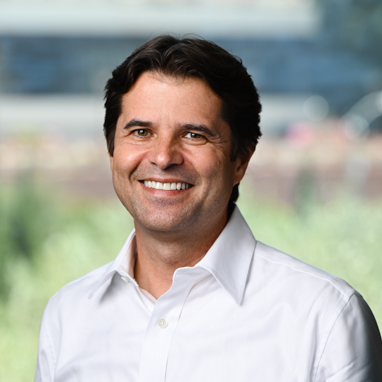
Andrew Fuligni, Co-Executive Director, UCLA Center for the Developing Adolescent
Andrew J. Fuligni, Ph.D., is the Co-Executive Director of the UCLA Center for the Developing Adolescent, and a Professor in the Department of Psychology and the Department of Psychiatry and Biobehavioral Sciences at UCLA. As the Co-Director of the UCLA Center for the Developing Adolescent, Dr. Fuligni works to translate and disseminate the science of adolescence to policymakers and practitioners to support efforts that promote the healthy development of diverse youth. UCLA CDA is embarking on a new, multi-year initiative to share insights from developmental science relevant to supporting economic agency among young people as they enter adulthood. They partner with and support policymakers, advocacy organizations, and young people who are focused on improving systems that impact the transition to adulthood. Their focus includes efforts in college preparation and completion, career and technical education, dual enrollment, job training and advancement, mentorship, durable skill building, and benefits access. Dr. Fuligni also the Director of the Adolescent Development Lab at UCLA. His research focuses on the interaction between sociocultural experiences and biobehavioral development among adolescents from diverse ethnic, immigrant, and economic backgrounds, with a current focus on youth’s prosocial behavior, contributions to their social worlds, and sleep.
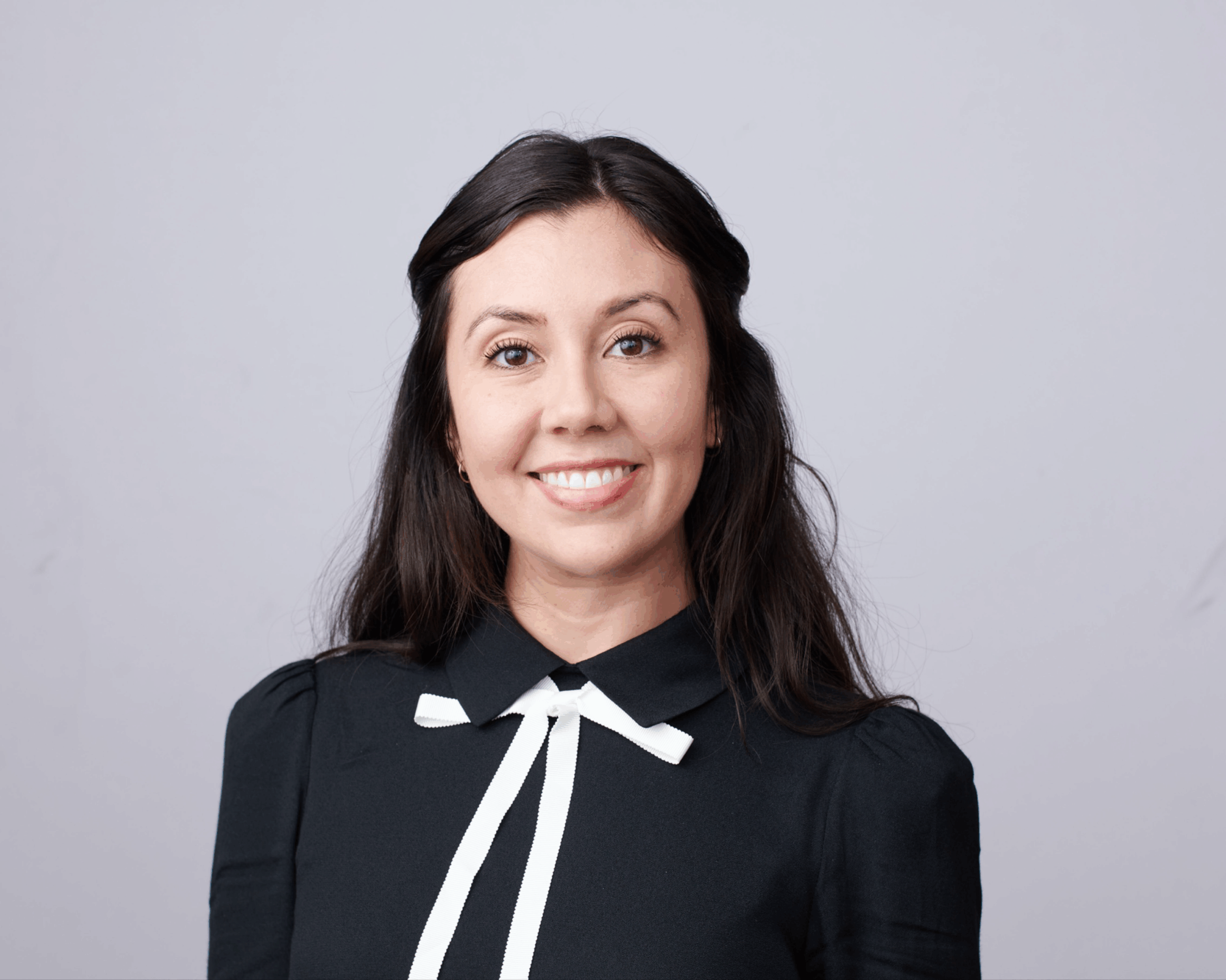
Genevieve Gaudet, Director, Nava Labs, Nava PBC
Genevieve Gaudet is a technologist building more effective government services at Nava Public Benefit Corporation. As Director of Nava Labs, she co-leads the team’s work to identify critical wedges where philanthropy can add velocity to public interest technology projects and build more trustworthy public institutions. Prior to Nava, she co-founded the New York City Service Design Studio in the Office of Economic Opportunity under Mayor Bill de Blasio. As Deputy Director, she led the redesign of ACCESS NYC, bringing a human-centered approach to how the largest city in the nation supports people experiencing poverty. Genevieve holds a Master of Public Health degree from Tulane School of Public Health and Tropical Medicine.
Max Ghenis, CEO, PolicyEngine
Max Ghenis co-founded and leads PolicyEngine as CEO, building open-source software that democratizes public policy by computing how tax and benefit policies affect both society and individual households. Operating in the US and UK, PolicyEngine’s free microsimulation models enable anyone to design and simulate policy reforms, and its rules-as-code API powers benefit access tools such as MyFriendBen and Amplifi. Previously, Max founded the UBI Center, a quantitative think tank researching cash assistance policies that originally incubated PolicyEngine. At Google, he co-founded the People Analytics Data Science team and later helped YouTube better serve users in low and middle income countries, leading projects to make Google’s operations and products more inclusive globally. Max holds a bachelor’s degree in Operations Research from UC Berkeley and a master’s in Data, Economics, and Development Policy from MIT.
Nan Gibson, Executive Director, PolicyCenter, JPMorganChase
Nan Gibson is Executive Director at the JPMorganChase PolicyCenter. She directs the Careers & Skills, Second Chance, and Economic Security Net issue portfolios, working to advance evidence-based policy solutions that drive inclusive economic growth by bringing together global expertise, research, and philanthropic investments. She provides policy expertise and builds unique partnerships for initiatives related to increasing labor force participation and enhancing economic security. Nan leverages her experience in leadership roles at the White House Council of Economic Advisers and Joint Economic Committee of the U.S. Congress to drive effective public policy solutions at all levels of government. She leads the firm wide Second Chance initiative focused on lowering barriers to employment and creating greater economic opportunity for individuals involved in the justice system. Nan developed the strategic framework for and co-leads the programmatic work of the Second Chance Business Coalition, a group of more than 50 large companies committed to implementing second chance employment practices and advancement strategies.
Robert Gordon, Distinguished Visiting Fellow, Georgetown University
Robert Gordon is a Distinguished Visiting Fellow at the McCourt School and a senior advisor to the Recoding America Fund. Over three decades, he has served in key roles at each level and in each branch of government, with a particular focus on improving government performance and advancing economic mobility. Most recently, Robert served as Deputy Assistant to the President for Economic Mobility at the Domestic Policy Council of the White House. Prior to that, he served as Assistant Secretary for Financial Resources at the U.S. Department of Health and Human Services, leading several efforts to streamline grant and service delivery while saving taxpayers money. Between 2019 and 2021, Robert was director of the Department of Health & Human Services for the State of Michigan, playing a key role easing access to SNAP and Medicaid and supporting the early pandemic response. During the Obama-Biden Administration, Robert served as an acting deputy director and executive associate director at the Office of Management & Budget. And earlier in his career, Robert served as a senior official at the New York City Department of Education, a senior aide on Capitol Hill, and a law clerk for Justice Ruth Bader Ginsburg.
Lydia Gottesfeld, Managing Attorney, Community Legal Services of Philadelphia
Lydia Gottesfeld is the Managing Attorney of the Health and Independence Unit at Community Legal Services of Philadelphia (CLS). In that role, she oversees CLS’s work to advance access to public benefits such as Medicaid, SNAP, and TANF. She represents clients in denials, terminations, and reductions of benefits and leads significant systemic advocacy–including litigation and policy advocacy–to improve benefits access and delivery in Pennsylvania. Ms. Gottesfeld joined CLS as an Independence Foundation Public Interest Law Fellow in 2014 with a project to establish CLS’s first medical-legal partnership and spent her early legal career developing the medical-legal partnership program. Ms. Gottesfeld received her J.D. summa cum laude from American University, Washington College of Law, where she was a Public Interest/Public Service Scholar, and is a magna cum laude graduate of Colgate University.
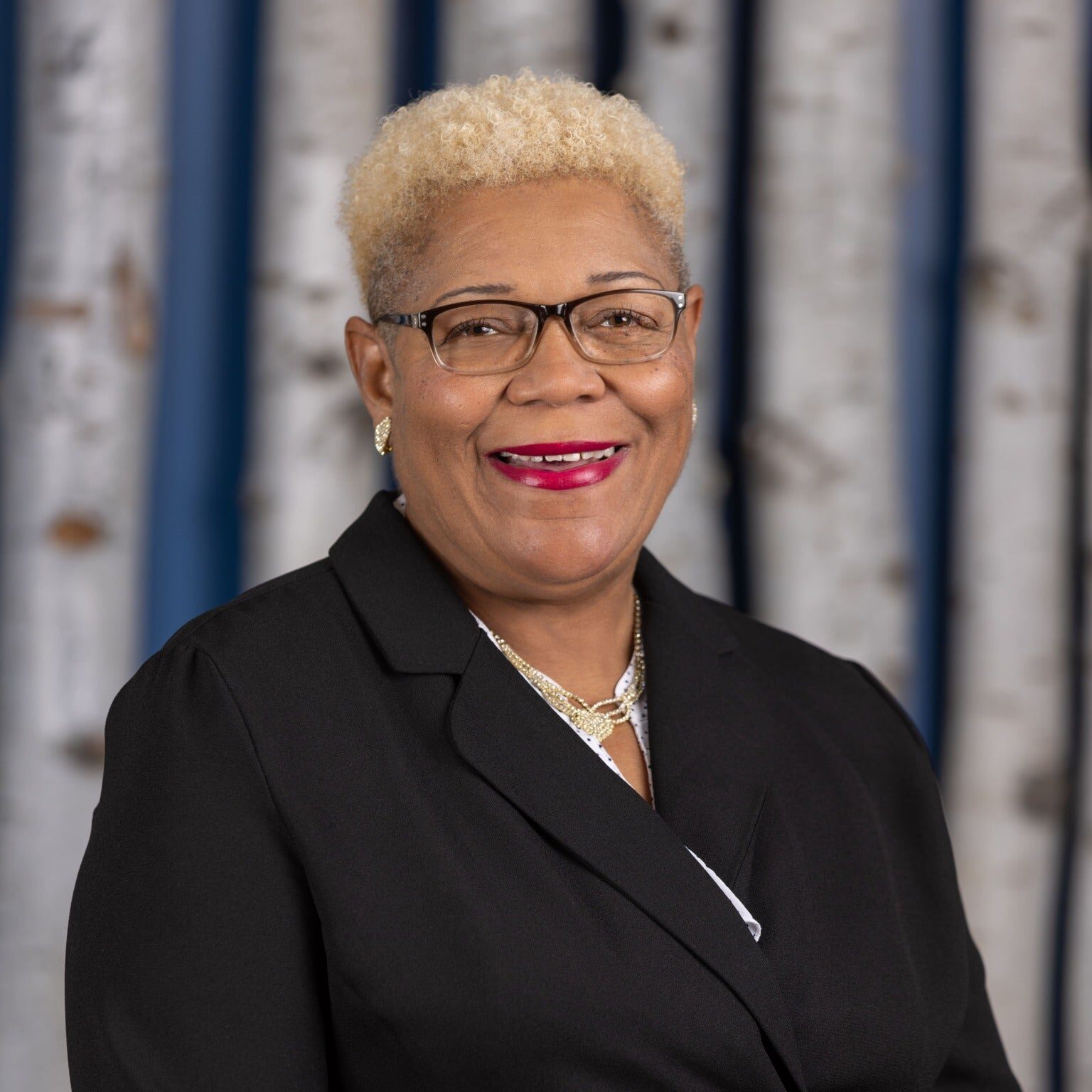
Callie Greer, Community Navigator and Organizer, Alabama Appleseed Center for Law and Justice; Community Advisory Group Member, Aspen Institute Financial Security Program
Callie Greer was born in Montgomery, Alabama. She spent most of her younger years growing up there. After years of drug abuse, she was delivered, and she is celebrating 26 years of deliverance. She is married to Alfonza Greer, the love of her life and a strong supporter of her work. She is the proud mother of five children: Venus (deceased), Mercury (deceased), Tiffany, Lawrence, and Niaya, and grandmother of eight. Callie started her advocacy work after Mercury, her son, was shot and died from those wounds on Father’s Day ‘99, less than 1 month after her deliverance. Callie’s advocacy journey started at the Jubilee Community Center (JCC), now known as The Sanctuary in Montgomery, Alabama, as a volunteer. She was later employed as the Director of the After-School Program. While employed at JCC, she developed an original Life Skills program designed to educate youth living in high-risk areas on how to safely maneuver themselves out of dangerous situations in their homes and communities. She remains involved with JCC and its community efforts. She moved from that position to Lead Organizer/Trainer with The Montgomery Transportation Coalition (MTC), leading their efforts to help bring adequate mass transportation to Alabama. Callie was also the Young Women Organizer for FOCAL through their Southern Rural Black Women Initiative Program (SRBWI) that works on issues that directly affect Black Women in rural areas of the Black Belt. She is also a graduate of the Alabama Organizing Project (AOP). Callie is an Offender Workforce Dev Specialist (OWDS) graduate through the National Institute of Corrections. She was employed by Greater Birmingham Ministries (GBM) for 10 years as their Lead Organizer for Constitution Reform in the state of Alabama and Civic Engagement. It was during the latter part of this employment that they lost their daughter Venus (due to the lack of Healthcare Insurance) to breast Cancer. Callie has been featured twice on PBS’s NOW program in their award-winning story on poverty and tax fairness in the state of Alabama. Formerly on the Board of Directors of Alabama ARISE and SRBWI, Movement for Justice and Democracy, Alabama Moral Monday, and Project Hope. She is also a national spokesperson for the Poor People’s Campaign and the Founder of M.A.A.V.I.S. (Mothers Against All Violence In Solidarity). She is the Community Navigator/ Organizer for Alabama Appleseed Law and Justice Center and a Kingian Nonviolence Trainer. Callie is using her pain and creating something terribly beautiful out of it through “The Art of Healing,” Don’t Waste Your Pain. And advocating for herself and others because, “If you’re not at the Table, Then You’re on The Menu”.

Antonio Gutierrez, Community Advisory Group Member, Aspen Institute Financial Security Program
Antonio was born in La Piedad, Mexico, and immigrated to the U.S. at the age of four. Since his arrival, migrant housing is all he has known. Antonio became the first person in his extended family to attend college. He has a passion for giving back to his community and has demonstrated this commitment throughout his life. Antonio is a senior at California State University, Sacramento, majoring in political science. He hopes to earn his bachelor’s and eventually his master’s degrees. Antonio is passionate about advocating for immigration rights, rural communities, farm workers, and a more equitable higher education system. He currently works at the Dreamer Resource Center on campus as a Program Assistant.
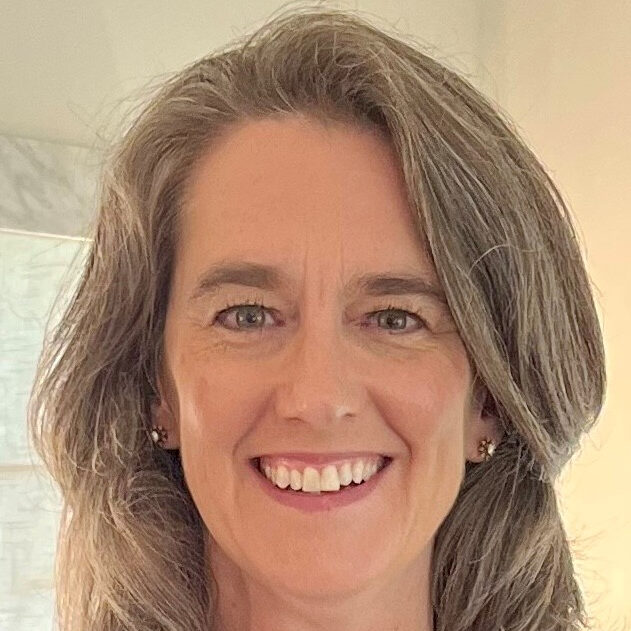
Heather Hahn, Associate Vice President, Urban Institute
Heather Hahn is an Associate Vice President at the Urban Institute. She is a national expert on Temporary Assistance for Needy Families (TANF) with 25 years of experience researching TANF, the Supplemental Nutrition Assistance Program (SNAP), child care subsidies, child support, and other policies affecting the well-being of children and families. She coleads the Kids’ Share project, examining federal program and tax expenditures on children. Hahn previously co-led both Urban’s From Safety Net to Solid Ground initiative, providing timely and rigorous analyses of state and federal policy changes, and the Work Support Strategies evaluation of state efforts to modernize families’ access to nutrition assistance, child care, and Medicaid. She has extensive experience leading, designing and conducting qualitative and mixed-methods studies, and listening to the people administering and participating in public benefit programs. She has testified before Congress and has been interviewed and quoted by major print and radio media. Before joining Urban, Hahn was an assistant director for education, workforce, and income security issues at the US Government Accountability Office. She received a PhD in political science from Stanford University, an MPP from Duke University, and a BA in philosophy and certificate in Women’s Studies from Brandeis University.

Mark Headd, Senior Director of Technology, Ad Hoc, LLC
Mark Headd is a Senior Director of Technology at Ad Hoc, LLC. He is the former Chief Data Officer for the City of Philadelphia, serving as one of the first municipal chief data officers in the United States. He also served as Director of Government Relations at Code for America, and as Director of the State of Delaware’s Government Information Center. He holds a Master’s Degree in Public Administration from the Maxwell School of Citizenship and Public Affairs at Syracuse University, and is a former adjunct instructor at the University of Delaware’s Institute for Public Administration. While serving in the General Service Administration’s Technology Transformation Services (TTS), he helped pioneer 18F’s work with state and local governments, and helped establish 18F’s National Security and Intelligence Portfolio, serving as its first Director. He also led customer success efforts for TTS’ cloud platform, which supports over 30 critical federal agency systems.

David Helene, Founder and CEO, Beam
David Helene is the founder and CEO of Beam, a technology company that powers the workflows of cash assistance and public benefit programs on behalf of government, non-profit, and educational partners. Under his leadership, Beam has worked with over 250 innovative partners to process more than $350 million in assistance to more than 350,000 individuals and their families. He has helped the organization attract more than $20 million in support from some of the most innovative impact investors in the country, including ECMC Foundation, the Kresge Foundation, the Michael & Susan Dell Foundation, the Lumina Foundation, Strada Education Network, Imaginable Futures, the Gates Foundation, and others. For his work at Beam, David was named to 2020 Forbes 30 Under 30 in Social Entrepreneurship. Prior to Beam, David founded UniFi Scholars, a non-profit college access organization where he worked with more than 400 students in the classroom and spent nearly three years at The Clearing House, a financial trade association and payments company representing the interests of the nation’s largest commercial banks and processing over 85% of domestic payments, where he was named the youngest Vice President in the organization’s history.

Rebecca Heywood, Government Growth and Partnerships Lead, U.S. Digital Response
Rebecca Heywood (she/her) is a former public servant and an advocate for improved government services and technology focused on the needs of people. She leads the Governments Team at U.S. Digital Response, building partnerships with governmental and ecosystem partners to strengthen service delivery and digital maturity in government and build community among public servants dedicated to innovation and digital transformation. She is also the founder of the #PublicSectorJobBoard, a newsletter of tech and innovation new and job opportunities in government across the U.S. that provides a stepping stone for those interested in transitioning into public service. Prior to her work at USDR, she worked for the City of New York and the MBTA focused on changes to behind-the-scenes government operations to allow for improved policy and service delivery in areas including civil service reform and accessibility. She has also worked internationally in the social impact sector in India, Brazil and Germany. She received her B.S. in Civil Engineering, M.S. in Transportation and Masters of City Planning from MIT.
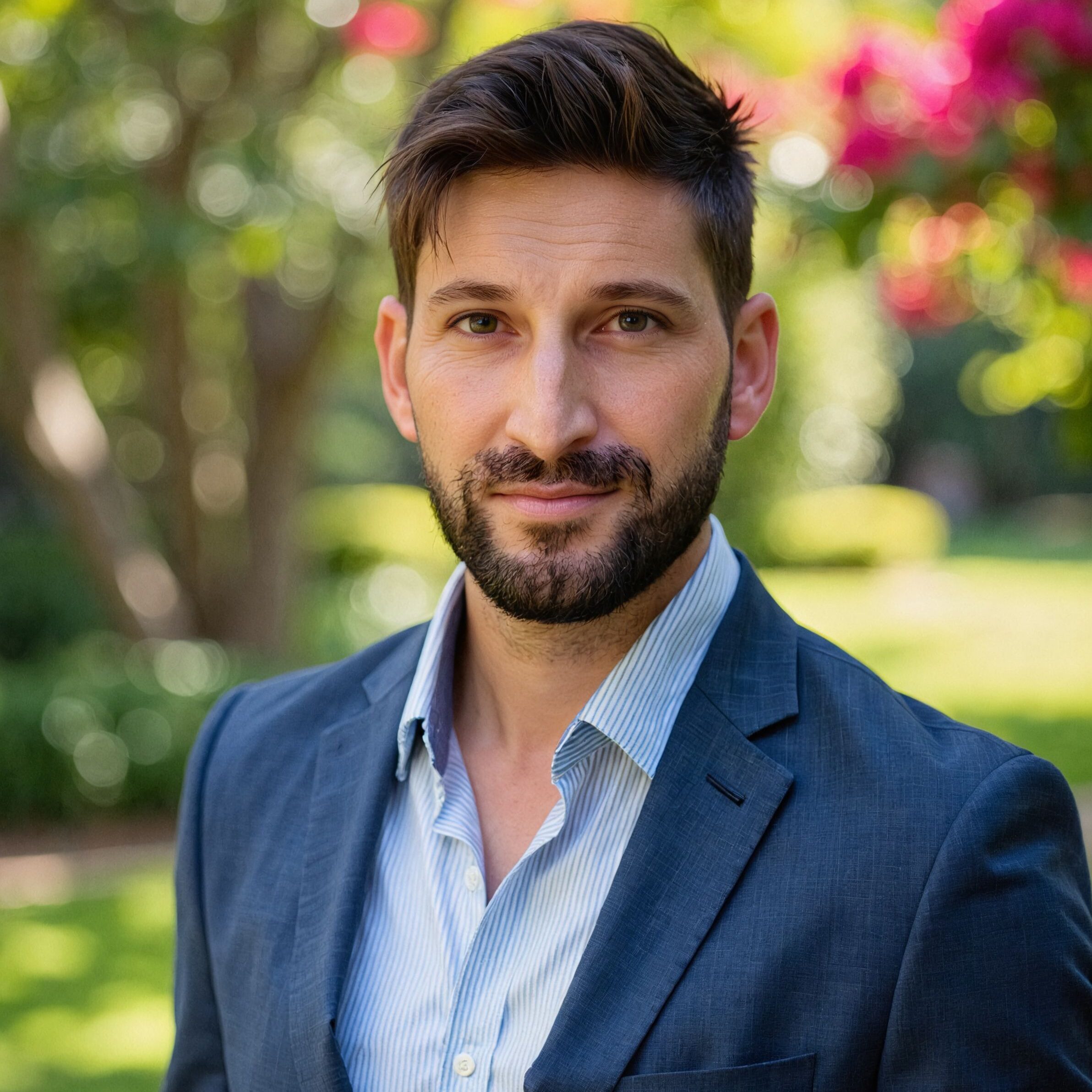
Read Holman, Senior Advisor, Center for Civic Futures
Read is a Sr Advisor at the Center for Civic Futures, a non-profit equipping government leaders with the tools, knowledge, and expertise needed to make thoughtful decisions about where and how to deploy AI and other emerging technologies. Read’s past experience includes roles at the Center for Medicare & Medicaid Innovation, the Office of the CTO at the US Department of Health & Human Services, the White House Office of Science & Technology Policy, and Unite Us.
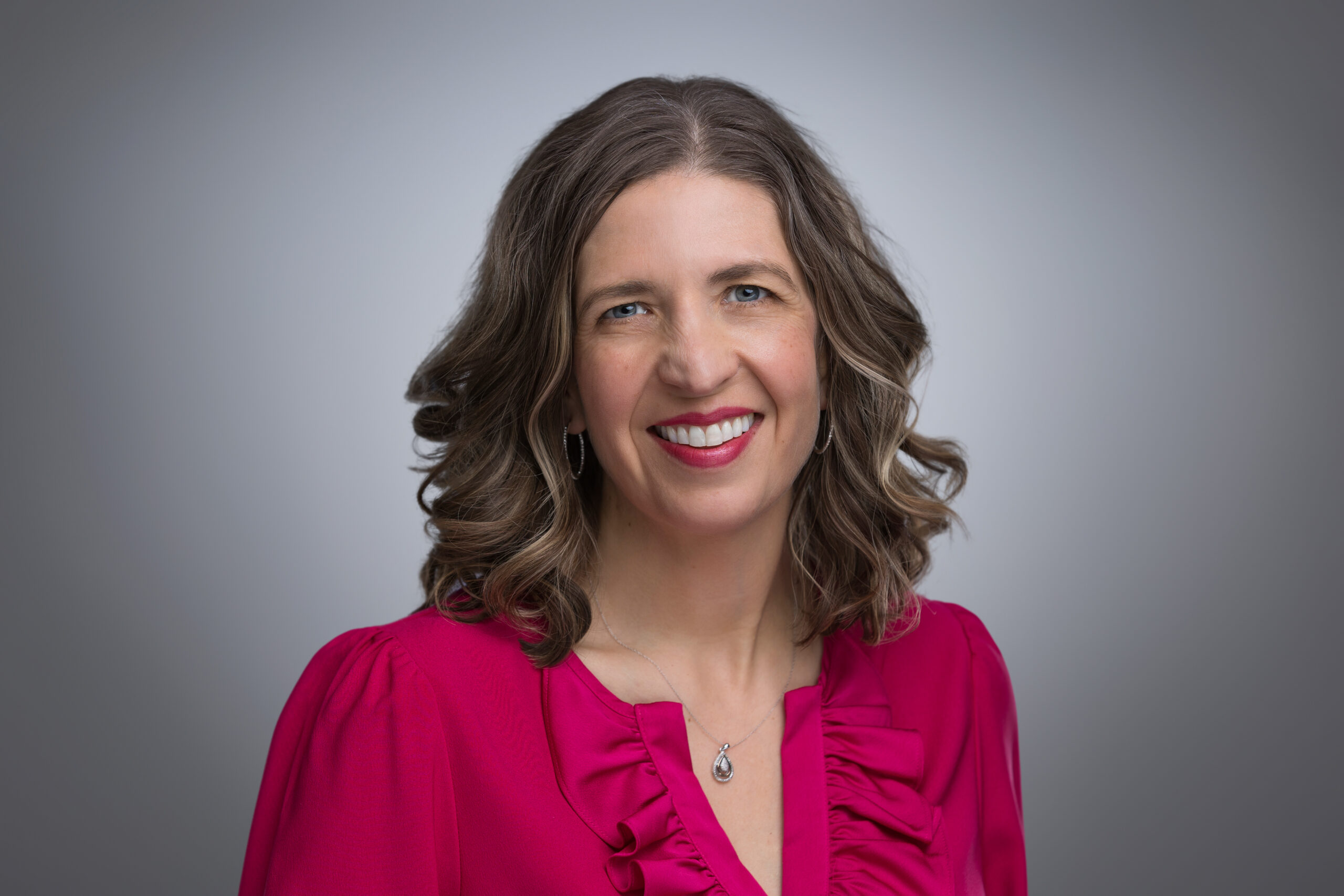
Alicia Huguelet, Senior Fellow of Eligibility and Enrollment, Center on Budget and Policy Priorities
Alicia Huguelet joined the Center in 2022 and is the Senior Fellow of Eligibility and Enrollment on the Food Assistance team. She focuses primarily on eligibility and enrollment processes, policy, and implementation issues in SNAP and WIC, in coordination with the Center’s Health team. She has two decades of experience leading advocacy and change efforts in nonprofit and government organizations, with a focus on health and human services. Prior to joining the Center, Huguelet led practice transformation efforts for the Iowa Primary Care Association, which supports all federally qualified health centers serving Iowa. She also led government affairs and benefits outreach initiatives for the Greater Chicago Food Depository, a Chicago-based nonprofit. Additionally, she served as a consultant to government and nonprofit clients to improve the administration of and access to economic and health security programs such as SNAP, Medicaid, and workforce development services. She was in state service with the Illinois Department of Human Services for four years where she oversaw teams charged with implementing business process changes, developing new program policy, and creating improved data tools to better manage work support programs. Huguelet earned her B.S. in Microbiology from the University of Iowa and her MPH/MSW from the University of Minnesota.
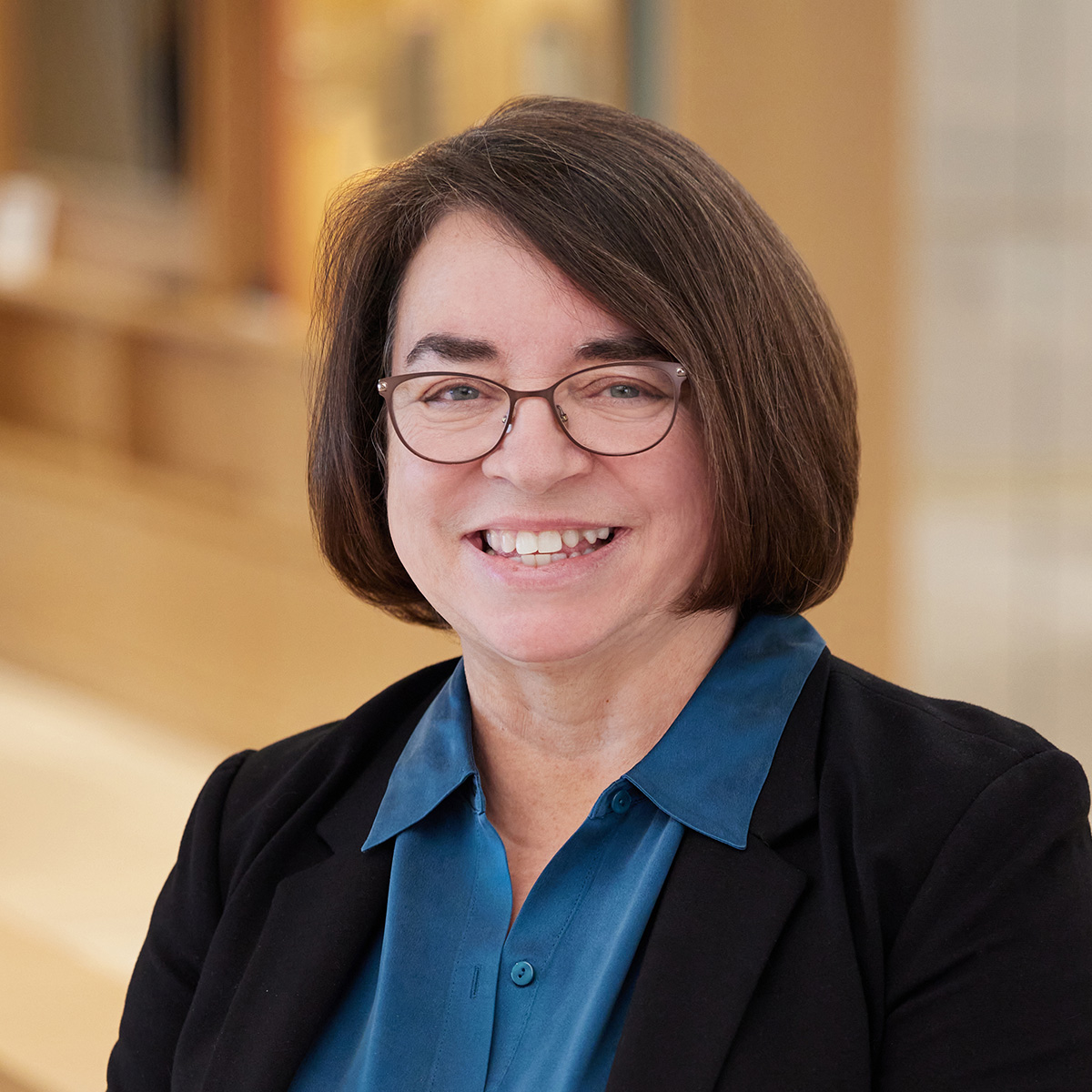
Katie Kelly, Director, Communications and Community Initiatives, JB and MK Pritzker Family Foundation
Katie Kelly is Director of Communications and Community Initiatives at the J.B. and M.K. Pritzker Family Foundation. She joined the foundation in 2016. Kelly manages a varied portfolio of the foundation’s investments in public benefit access, family support and housing insecurity and homelessness among families with young children. Prior to joining the foundation, Kelly worked in education reform and led a consulting practice committed to focused on enhancing the effectiveness of local government. Earlier in her career, Kelly served as Chief of Staff and Director of External Affairs for a reform administration at the Chicago Housing Authority where she helped lead efforts to enact groundbreaking changes in the nation’s public housing program. Long active in politics, she served on the campaign staffs for three U.S. senators from Illinois: Dick Durbin, Paul Simon, and Adlai Stevenson III.
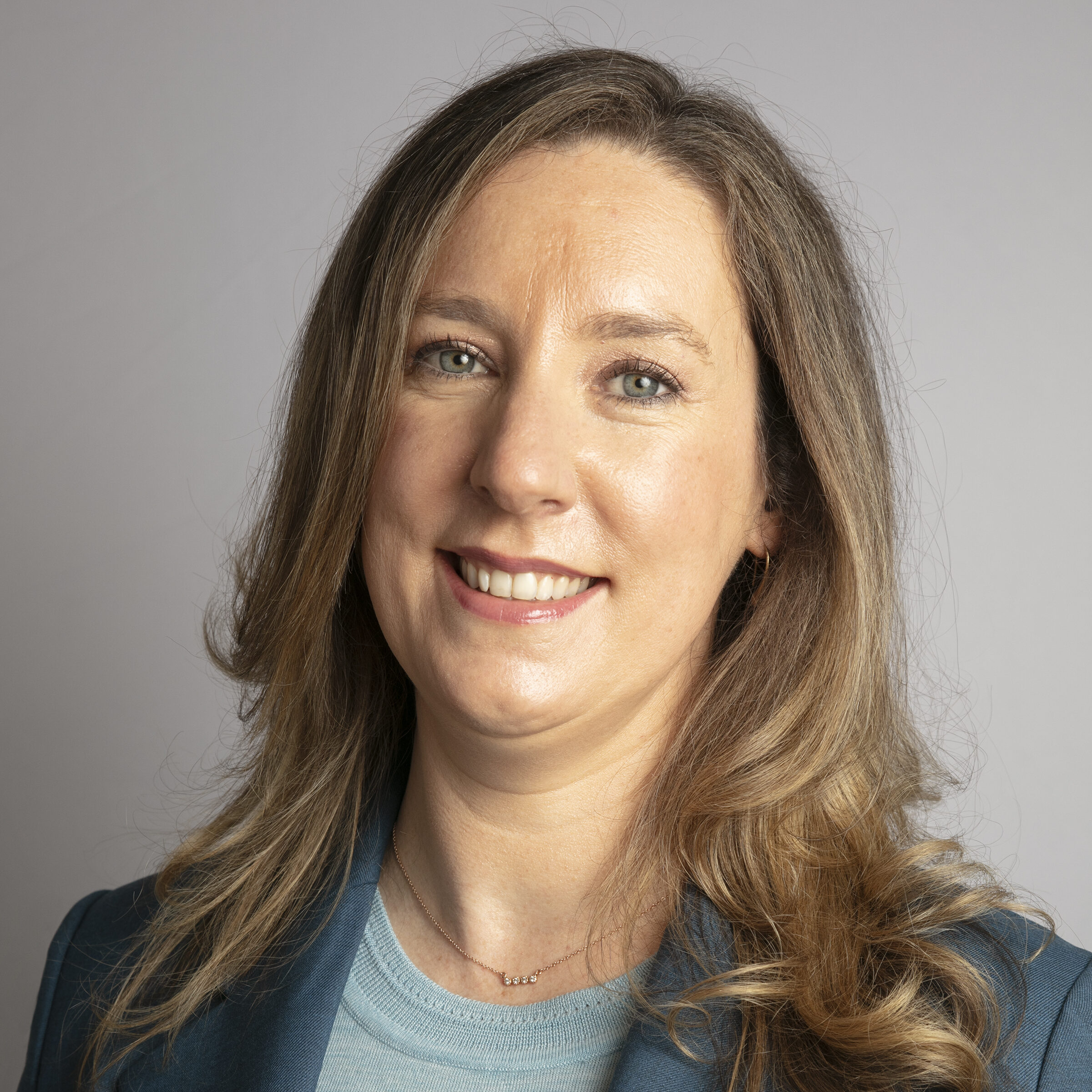
Ariel Kennan, Senior Director, Beeck Center for Social Impact + Innovation, Georgetown University
Ariel Kennan (she/her) is a Senior Director at the Beeck Center for Social Impact + Innovation at Georgetown University, where she researches and advises on advancing design, data, and technology for accessible and equitable delivery of public benefits. Ariel leads the Digital Benefits Network to support practitioners in current and near term challenges in public benefits delivery and envisioning future policies, services, and technologies. She also serves on the Beeck Center’s leadership team.

Yuri Kim, Senior Program Officer, Economic Mobility & Opportunity Team, Gates Foundation
Yuri Kim is a Senior Program Officer on the Economic Mobility & Opportunity (EMO) team, overseeing the Access to Benefits portfolio of investments. Before joining the EMO team, Yuri spent four years on the foundation’s K-12 team supporting measurement, learning, evaluation, and data analytics across the strategy. Yuri has worked on a range of issues focusing on poverty, hunger, and education in the nonprofit space. He previously worked at United Way of King County where he ran one of the largest Volunteer Income Tax Assistance programs in the nation and launched a school nutrition access program for low-income students. He currently serves on a board for a statewide family assistance nonprofit in Washington. Yuri has a Master’s in Public Administration from New York University.

Lexie Kuznick, Director of Policy and Government Relations, American Public Human Services Association
Lexie Kuznick is the Director of Policy and Government Relations at the American Public Human Services Association (APHSA). In her role, Lexie will oversee national policy and federal affairs, as well as lead strategic engagement with members and partners in pursuit of our mission to advance the well-being of all people. In addition to her most recent role as the Director of the Division of Strategic Initiatives at HRSA, an agency of HHS, Kuznick brings many other years of experience in the human services sector to APHSA. She spent 11 years at the Colorado Human Services Directors Association (CHSDA), where she served as Director for four years, supporting the state’s county human services leaders. She has also worked as a legislative assistant and counsel to U.S. Senator Frank Lautenberg and served as deputy legal counsel to the Massachusetts Legislature’s Joint Committee on Revenue. She earned her JD from Harvard Law School and her BA from Washington University in St. Louis.

Spencer Kympton, Managing Director, Blue Meridian Partners
Spencer Kympton is Managing Director, Portfolio Lead at Blue Meridian Partners. He provides strategic and executional leadership on critical business priorities and leads innovation efforts which will expand Blue Meridian’s work as it evolves. He explores new philanthropic investment opportunities, leads due diligence on potential Blue Meridian investees, and manages relationships with current investees, with a focus on Nationwide Solutions. Prior to joining Blue Meridian, Spencer served as President of The Mission Continues, a nationwide organization that engages military veterans in continued service to their country by serving in their own neighborhoods. Before that, Spencer served as Vice President of Recruiting for Teach for America, where he helped lead the significant growth in applicants from campuses across the country. He previously served as an Engagement Manager for McKinsey & Company, where he led a wide range of strategic consulting engagements in the public, private, and social sectors. Spencer serves on the Advisory Boards of Blue Star Families, Concussion Legacy Foundation, and the Academy Investor Network. He earned a BS from the United States Military Academy, and an MBA from Harvard Business School.

Pamela Lachman, Chief Strategy Officer, Center for Employment Opportunities
Pam has spent the last 15 years working on justice reform across the country. As Chief Strategy Officer at the Center for Employment Opportunities, Pam is responsible for shaping and advancing the organization’s strategic vision. She oversees strategic planning, CEO’s investment strategy, policy and advocacy work, technical assistance, and new methods of scaling, ensuring alignment with CEO’s mission and long-term sustainability. Before joining CEO, Pam worked on comprehensive legislative criminal and juvenile justice reform legislation at the Pew Charitable Trusts and Crime and Justice Institute, and prior to that managed a variety of criminal justice research projects at the Urban Institute. She has a M.P.P from the Harvard University Kennedy School of Government and a B.A. from Johns Hopkins University.
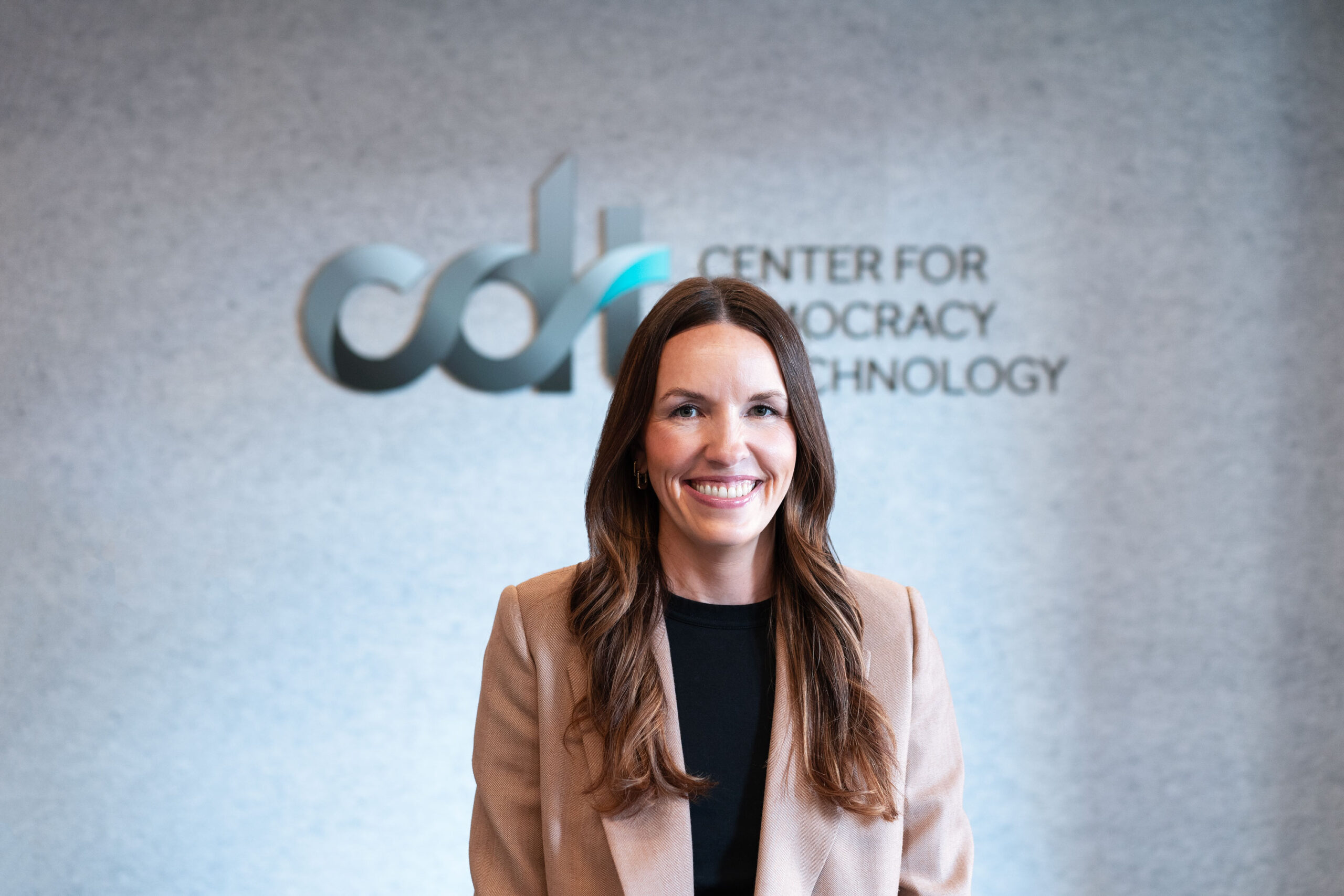
Elizabeth Laird, Director, Equity in Civic Technology, Center for Democracy & Technology
Elizabeth Laird serves as CDT’s Director, Equity in Civic Technology, where she leads the organization’s work in this critical area. Building on the work she leads in CDT’s Student Privacy Project, her work engages civic institutions to promote the responsible, equitable use of data and technology to improve outcomes for individuals and the public good, while ensuring it does not come at the expense of privacy and civil rights. Prior to joining CDT, Elizabeth served as deputy assistant superintendent of data, assessment, and research at the Office of the State Superintendent of Education (OSSE), DC’s state education agency. In that role, she served as OSSE’s privacy officer and led the implementation of student privacy training for all staff, reviewed and approved data requests and data systems application releases, and provided guidance to staff on how to collect and protect student data. Before joining OSSE, she was accepted into The Broad Residency in Urban Education and worked at the Louisiana Department of Education where she oversaw the implementation of a restrictive student privacy bill. She began her career in education data and privacy at the Data Quality Campaign, where she worked for seven years, most recently as the director of communications and external affairs.

André Lima, Director for the US, Open Contracting Partnership
André Lima is the Director for the US, responsible for directing strategy and operations that support OCP’s partners across the United States in harnessing the power of public procurement as an engine for innovation, sustainability, and economic inclusion. Before joining OCP, André served as the Director of Supplier Diversity for the City of Boston, where he led an organization-wide reform effort to open up Boston’s public contracts for local businesses owned by women and people of color. His public service experience spans policy development, research, and digital public service delivery, most notably serving as the Director of Policy and Research for the Mayor’s Office of Health and Human Services, also at the City of Boston, where he focused primarily on the development of policy and programs to support access to legal representation and critical public benefits for local immigrant communities.

Matt Lyons, Director of Public Sector Partnerships, SteadyIQ
Matt Lyons is the Director of Public Sector Partnerships with SteadyIQ, where he works collaboratively with HHS agencies to advance strategies that make income verification easier for customers and caseworkers alike. A lifelong public servant, Matt has worked at all levels of government to administer public benefit programs. Prior to joining SteadyIQ he served as the Associate Deputy Assistant Secretary for Economic Mobility with the HHS Administration for Children & Families, overseeing the operations of TANF, Child Support, LIHEAP, CSBG, and SSBG programs. Before that, Matt served as the Senior Director of Policy & Practice with the American Public Human Services Association (APHSA). Matt’s career started in state and local government, where he administered public benefits programs for the City of Baltimore, State of Maryland, and State of New Jersey. Matt’s commitment to strengthening human services systems is driven by his early experiences working directly with people and communities experiencing poverty. Matt currently resides in New Jersey with his wife, two kids, and workmate/dog Pepper.
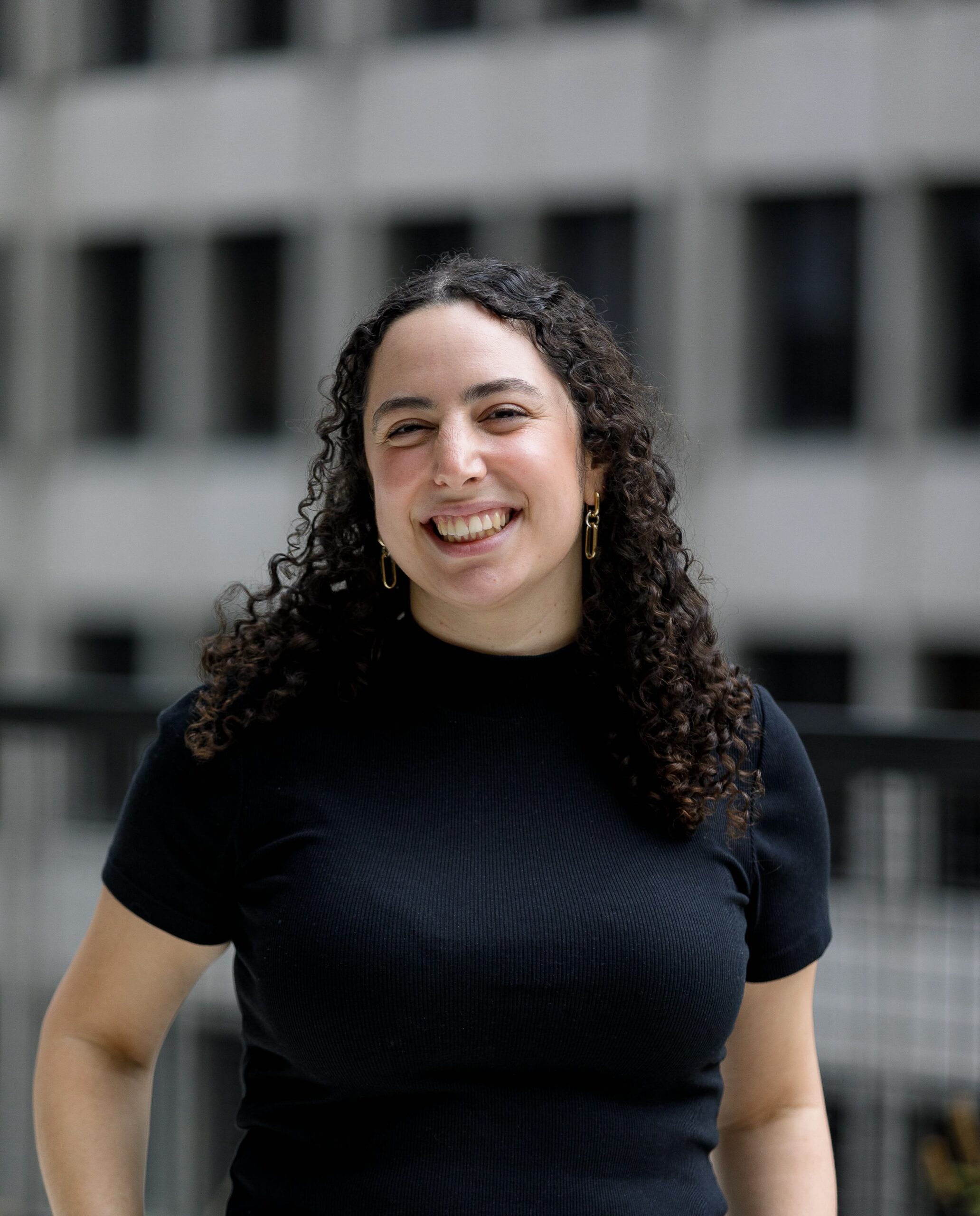
Shoshana Marder, Executive Director, Leap Fund
Shoshana Marder is the Executive Director of Leap Fund, leading the team in creating products that empower optimism, financial and career growth, future planning, and security for the working families that need it most. She has presented about benefit cliffs at Aspen’s Institutes’s panel How Employers Are Tackling Mobility Blockers in Public Benefit Programs (2025), the Prosperity Summit (2024, 2022), National FSS Conference by Compass Working Capital (2024, 2022), Change Machine (2024), NYCETC’s Annual Conference (2024), Circles USA National Conference (2023), and the Foundation for Financial Planning (2023). She’s also spoken about benefits cliffs to numerous groups, including NYC Benefits Policy Working Group, JobsFirstNYC Policy Committee, NYATEP’s Workforce Development Directors, multiple Chambers of Commerce, and participated in the HHS Marginal Tax Rate Advisory Panel. Shoshana is a member of the NYCETC Advisory Council. Shoshana received her BA from Stern College Honors Program, and previously worked at the International Rescue Committee https://myleapfund.com/shoshana

Chelsea Mauldin, Executive Director, Public Policy Lab
Chelsea Mauldin (she/her) is a social scientist and designer with a focus on government innovation. She directs the Public Policy Lab, a nonprofit organization that designs better public policy with low-income and marginalized Americans. The Public Policy Lab partners with government agencies and NGOs to develop more satisfying and effective policies and service delivery through ethnographic research, human-centered design, rapid prototyping, and formative evaluation. Find out more on PPL’s website, www.publicpolicylab.org. Chelsea is an adjunct professor at Columbia University’s School of International & Public Affairs and a frequent keynote speaker and panelist. Previously, she consulted to municipal and federal agencies, directed a community-development organization, led government partnerships at a public-space advocacy nonprofit, and served as an editor for publishing, arts, and digital media organizations. She is a graduate of the University of California at Berkeley and the London School of Economics.
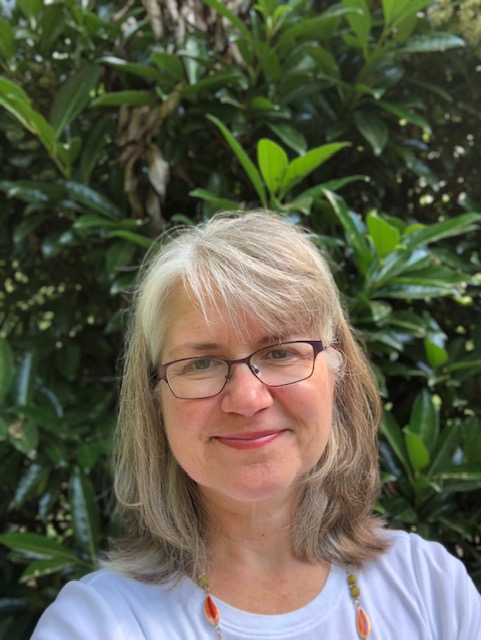
Ami Nagle, Director, Tax Equity Funders Network
Ami Nagle is Director of the Tax Equity Funders Network. Throughout her career, Ms. Nagle has conducted strategic planning and initiative development, authored numerous research and policy reports, implemented surveys, conducted focus groups, designed public information campaigns, and gathered data for a variety of private- and public-sector sponsored field studies of human service, economic security, criminal and juvenile just reform, civic engagement, and education issues. She has lived and worked in diverse communities ranging from Tucson to Durham, and Chicago to Atlanta.

Mike O’Bryan, Executive Director, The Wealth + Work Futures Lab
Michael O’Bryan is a nationally respected strategist and social designer. His work helps institutions and initiatives re-imagine how they support human potential, economic mobility, and community wellbeing. He is the Founder and CEO of humanature and Executive Director of The Wealth and Work Futures Lab at Drexel University, two complementary platforms helping organizations strengthen performance by aligning strategy, leadership, and workforce systems with human development. Through humanature, Michael and his team support companies in translating values into action—designing leadership models, workplace strategies, and organizational cultures that enable people to thrive. The Lab serves as a research and design hub, building tools and frameworks that address emerging challenges in workforce design, talent development, and economic security. Together, these efforts support clients and partners including NeighborWorks America, the Federal Reserve Bank of Philadelphia, Future Standard, and the Campbell Soup Foundation. Michael co-authored “Connected Community: A Trauma-Informed Community Engagement Toolkit” and previously taught at the University of Pennsylvania’s Weitzman School of Design. He’s been featured at national forums hosted by the U.S. Conference of Mayors, Comcast NBCUniversal, and Jobs for the Future. His work has earned recognition including the Diversity in Business Award from The Philadelphia Business Journal and the Child Advocate of the Year Award from the Pennsylvania Department of Education. He serves on several philanthropic and civic boards.

Sekhar Paladugu, CEO, MyFriendBen
Sekhar Paladugu serves as the Chief Executive Officer at MyFriendBen, a nonprofit technology organization building modern tools that help low-income families access and keep public benefits. Since launching in 2023, the platform has helped over 65,000 families secure more than $40 million in critical benefits like SNAP, WIC, and Medicaid. MyFriendBen works at the intersection of government, tech, and community organizations to streamline access to economic supports, with an emphasis on inclusive design, operational excellence, and modern infrastructure. Sekhar is an entrepreneur and software engineer with a track record of scaling mission-driven organizations. He has built and grown companies across clean energy, home services, and other sectors, with experience spanning product, sales, and business operations. Most recently, he co-founded a pre-seed home electrification software startup. Over his career Sekhar has played key roles in scaling multiple ventures from early stage to exit. Beyond his work in startups, Sekhar serves as a trustee at Next50, a large private foundation focused on aging, where he helps drive economic opportunity through grantmaking and social investments. After formative experiences as a younger caregiver, he has remained involved in frontotemporal dementia (FTD) advocacy, volunteering to support families navigating brain disease.
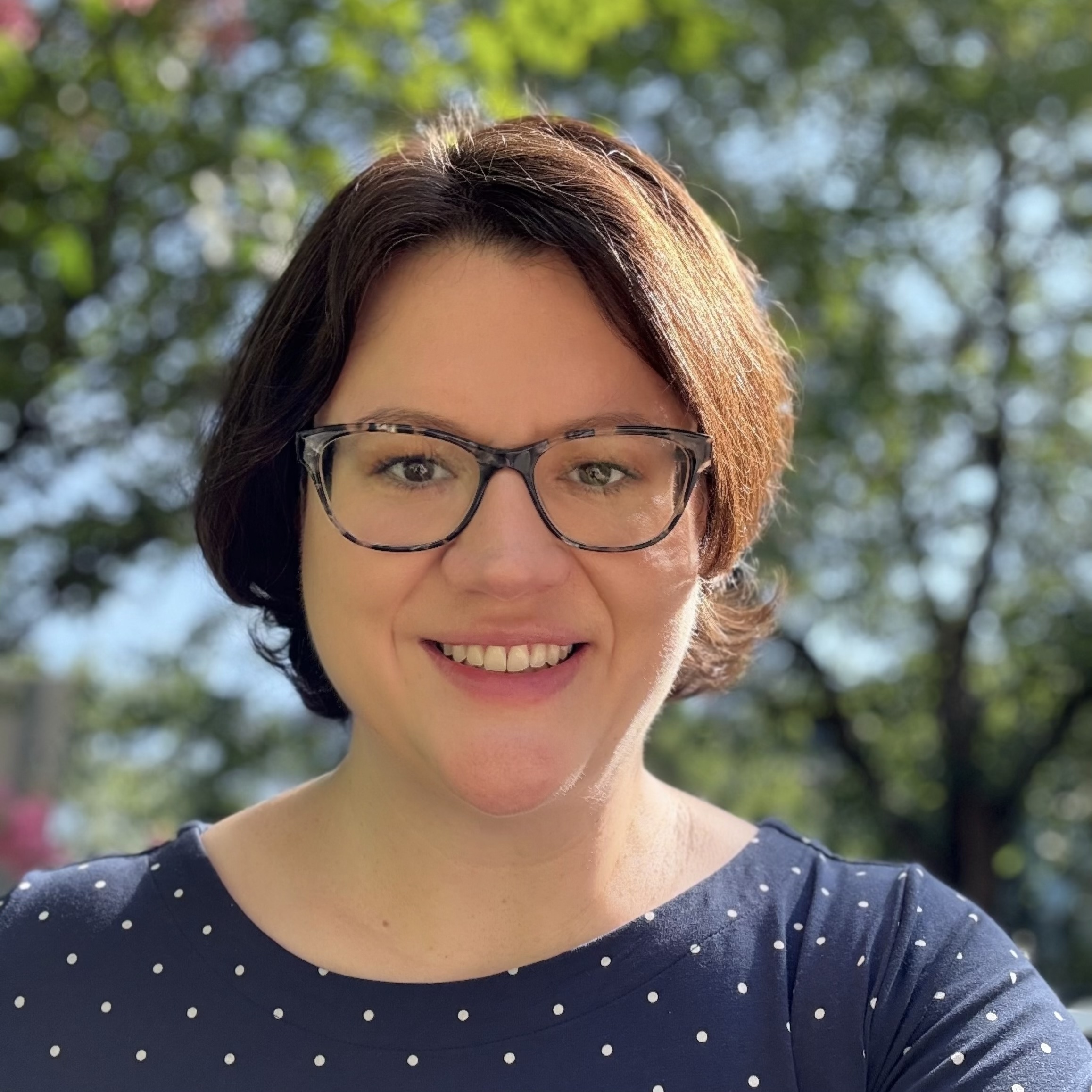
Rebecca Piazza, Executive Director, Safety Net Strategy, Code for America
Rebecca Piazza brings more than 25 years of experience improving how government technology serves the public. As Executive Director of Safety Net Strategy at Code for America, she leads the organization’s work to modernize and improve access to critical public benefit programs like Medicaid, SNAP, and WIC. Rebecca drives strategic priorities and oversees a portfolio of initiatives that make the safety net more effective, accessible, and client-centered. Rebecca brings deep domain knowledge of public benefit programs and the complex federal, state, and local systems that support them. She has served in senior roles across government and the civic tech ecosystem, most recently as Senior Advisor for Delivery and then Chief of Staff at the USDA’s Food and Nutrition Service, where she helped modernize benefit delivery through service design and technology. Her prior leadership at 18F and Nava further grounded her expertise in human-centered design, procurement reform, and large-scale program delivery. With a technical foundation as a former software developer and product manager, Rebecca combines systems thinking with hands-on experience in software development, user research, and digital transformation. Her work is grounded in a commitment to making government services simpler, more respectful, and more accessible for the people who rely on them.
Jeff Poirier, Director, The Annie E. Casey Foundation
Jeffrey Poirier, Ph.D., is a director at the Annie E. Casey Foundation, where he leads investments that aim to ensure young people can pursue their education, employment, and financial goals through two strategies: improving how public systems deliver benefits and supporting young adults with navigating to public benefits and other resources that meet their basic needs and support their economic mobility. He loves to travel and especially enjoys coffee shops and walking to explore new places.

Jeramia Garcia Ramadan, Assistant Director, Arizona Department of Economic Security
Jeramia Garcia Ramadan is an Assistant Director at the Arizona Department of Economic Security (DES). DES serves approximately 1 in 3 Arizonans through over sixty programs, ranging from the Supplemental Nutrition Assistance Program (SNAP) to Unemployment Insurance (UI) program. Jeramia leads the Director’s Governance and Innovation team, which is dedicated to developing creative, enterprise level solutions for the most complex human services challenges facing Arizona. She previously served as Policy Administrator and then Deputy Assistant Director in the DES Division of Employment and Rehabilitation Services. Before joining DES in 2019, Jeramia worked for the United States Department of Agriculture (USDA) in Washington, D.C. At USDA, she primarily wrote policy for federal nutrition programs administered by the Food and Nutrition Service. Jeramia also served as a Municipal Development Advisor in the United States Peace Corps in Guatemala. Jeramia was born and raised in Arizona. She received a Bachelor of Science in Public Administration from the University of Arizona and a Masters in Public Policy from the Harvard Kennedy School of Government.

Sarah Reisetter, Deputy Director and Chief Operating Officer, Iowa Health and Human Services
Sarah Reisetter serves as the Deputy Director/ Chief Operating Officer for the Iowa Department of Health and Human Services (HHS). Sarah earned her law degree from the University of Iowa College of Law and joined the Iowa bar in 2006. She worked in a local county government role before moving to state government in 2008. She served as the state’s director of elections until 2015, when she joined the Department of Public Health and served as deputy director from 2016 – 2022 through the pandemic. Sarah started her role as Deputy Director/ Chief of Compliance/ Chief Operating Officer for Iowa HHS in July of 2022 and oversees finance, contracting, procurement, legal, appeals, rules, planning, performance, IT strategy, strategic initiatives, data privacy and strategy, internal and external audit, quality control, CASA and foster care review, human resources, general business services and cannabis regulation. She maintains an active law degree, enjoys complex problem solving at work and spending time with family and dogs at home.

Ryan Rippel, CEO, NextLadder Ventures
Ryan Rippel is the CEO of NextLadder Ventures where he leads the organization’s mission to expand economic opportunity for low-income Americans by helping grow the market for breakthrough technologies that help people navigate life’s critical decisions. He brings over a decade of experience dedicated to understanding the persistent nature of poverty in America and identifying effective methods to mitigate it.

Stephen Roll, Assistant Professor, Center for Social Development, Washington University in St. Louis
Stephen Roll, PhD, is Assistant Professor in the Brown School at Washington University and Director of Research at the Center for Social Development. Dr. Roll’s research focuses on promoting asset building, debt management, and economic security in lower-income populations. His most recent work focuses on the role of cash transfer programs in improving household balance sheets and economic mobility outcomes. He has conducted several studies of guaranteed income pilots around the country, including the St. Louis Guaranteed Basic Income program. He is also the leader of the Workforce Economic Inclusion and Mobility Project, which focuses on strengthening public and private safety nets for low-wage workers. His work has been featured in numerous media outlets, including The Atlantic, The Wall Street Journal, NPR, the Washington Post, and the New York Times, and he has briefed the White House Domestic Policy Council, the Senate Joint Economic Committee, and the United States Supreme Court on the results of his research.

Ayushi Roy, Chief Program Officer, New Practice Lab, New America
Ayushi Roy is a technologist, writer, lecturer, and government implementation expert. She currently serves as the Chief Program Officer of the New Practice Lab at New America, researching and designing more effective systems for public benefits aimed at American families with young kids. Roy’s work ranges from authoring the Congressionally-mandated independent assessment of the IRS Direct File system, modernizing Wisconsin’s legacy system for Unemployment Insurance, co-authoring the Unemployment Insurance playbook used by the U.S. Department of Labor in response to COVID-19, securing the historic win for Login.gov to serve state and local governments, and streamlining the grants infrastructure for Medicaid and the Children’s Health Insurance Program (CHIP) which provides healthcare for 37 million children. She teaches Digital Government and founded the course on Digital Benefits Delivery at the Harvard Kennedy School, has been published and interviewed by outlets including The Washington Post, Vox, Bloomberg Tax, and CNBC, and is an alumna of MIT and Columbia University.
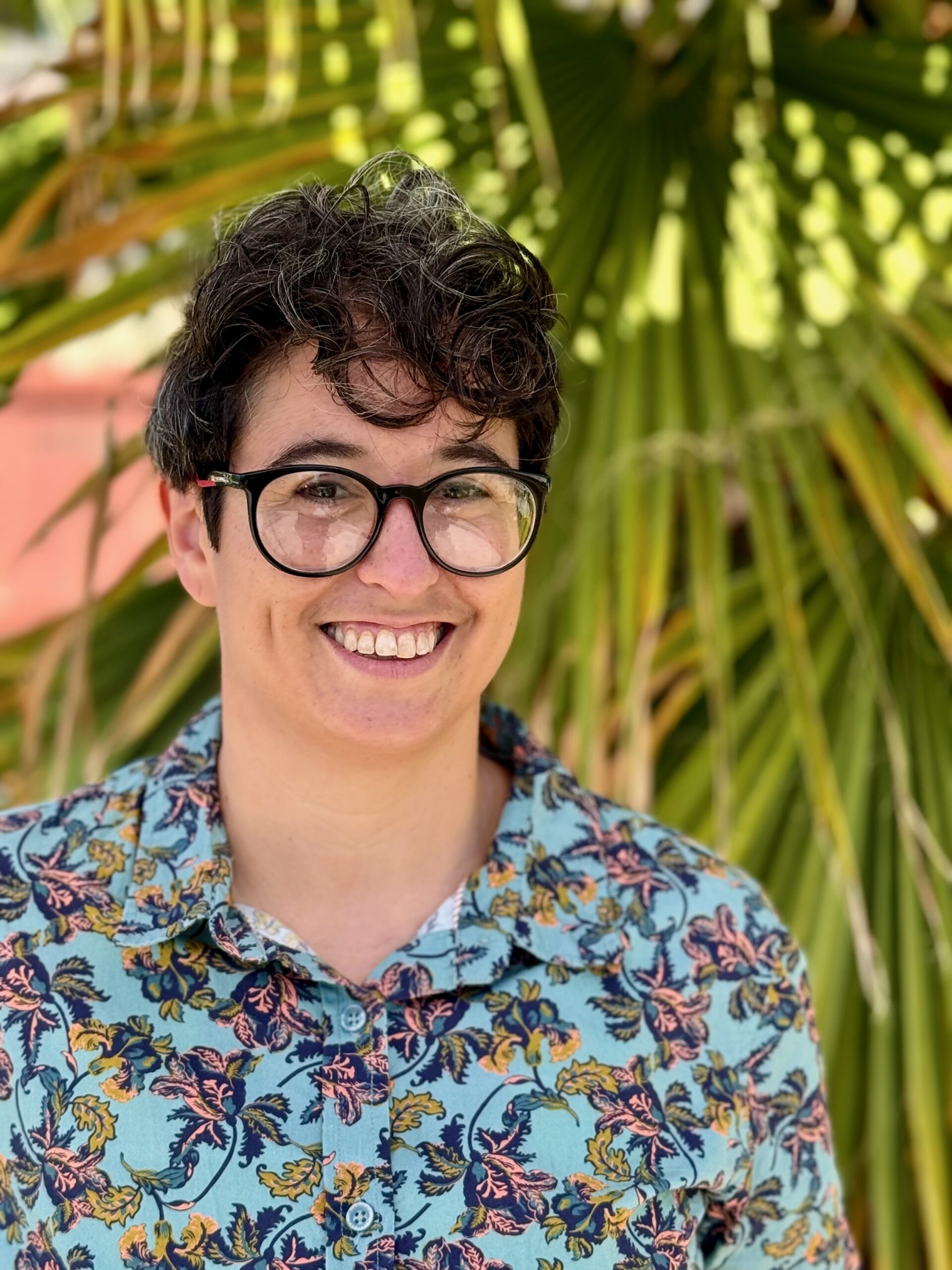
Katie Savin, Assistant Professor, California State University, Sacramento; Ford Fellow in Disability Policy Research, National Academy of Social Insurance
Dr. Katie Savin is an Assistant Professor in the School of Social Work at California State University, Sacramento, and the National Academy of Social Insurance’s (NASI) inaugural Ford Fellow in Disability Policy Research. Their research examines disability policy, the welfare state, and public health bioethics, using community-informed qualitative and mixed methods to center the lived experiences of disabled people in policy analysis. In collaboration with NASI, Katie currently leads a mixed-methods project assessing the impacts of recent Social Security Administration (SSA) cuts and policy changes on SSI/SSDI claimants, recipients, and the legal service providers who represent them. Their prior work on administrative burden, work-related decision-making among SSI recipients, and ABLE accounts was funded through the SSA’s Retirement and Disability Research Consortium at the University of Wisconsin-Madison Center for Financial Security, where they were an Extramural Mentored Fellow (2022–2023). Katie has published in journals such as Social Service Review, Journal of Sociology & Social Welfare, and the AMA Journal of Ethics. Their scholarship is shaped by their own experience as a Social Security Disability Insurance (SSDI) recipient and their background as a medical social worker. They hold a PhD in Social Welfare from UC Berkeley, an MSW from Hunter College, and a BSW from NYU.
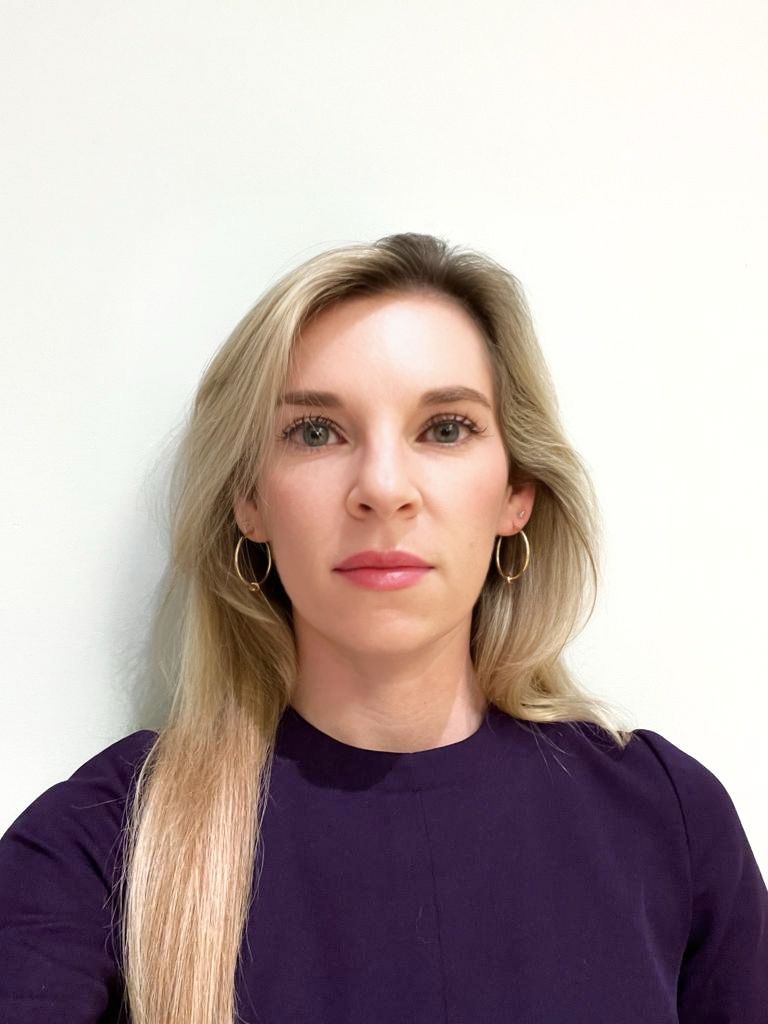
Nicole Schneidman, Head of Tech and Data Governance Team, Protect Democracy
Nicole is the Head of the Technology and Data Governance Team at Protect Democracy working to enable pro-democracy and combat anti-democratic applications of advanced technology. Prior to Protect Democracy, Nicole was Head of Community Product Partnerships at Facebook where she focused on trust and safety issues related to the needs of community leaders on the platform. Nicole earned her JD/MBA from Wharton and Penn Law and her BA from Georgetown University.

Shelly Steward, Chief Research Officer, The Workers Lab
Dr. Shelly Steward is the Chief Research Officer at The Workers Lab, the nation’s home for worker-centered innovation. In this role, she leads participatory action research in partnership with frontline workers to solve the biggest problems they face. Her research interests include the gig economy, the intersection of technology and work, and safety net policy. Formerly, she directed the Aspen Institute Future of Work Initiative, was a postdoctoral fellow with the Fairwork Project at the Oxford Internet Institute, and taught middle school science. As someone who is queer and autistic, she strives to make research an accessible and empowering practice for everyone involved. Shelly has a PhD in sociology from UC Berkeley and an AB from Harvard University.

Stacy Taylor, VP Policy, Propel
Stacy McLoughlin Taylor is the VP of Policy at Propel where she leads policy and cross-sector partnerships. The team at Propel are the makers of a smartphone app used by over 5 million low-income consumers each month. Prior to Propel, Stacy worked with policy and direct service nonprofit organizations working to improve access to social services, including LIFT, the Fund for Shared Insight, Community Financial Resources, and The Food Trust. Stacy is a graduate of Princeton’s School of Social Policy and International Affairs and Stanford’s Graduate School of Business.

Rebecca Vallas, CEO, National Academy of Social Insurance
Rebecca Vallas is the Chief Executive Officer of the National Academy of Social Insurance. Rebecca brings two decades of experience shaping economic policy and social insurance, with a career that spans federal and state policy, legal advocacy, and narrative strategy. Most recently, she was a senior fellow at The Century Foundation, where she founded the organization’s disability economic justice work, and launched a national bipartisan campaign to modernize SSI’s outdated asset limits. A former legal aid attorney and one of the founding architects of the Clean Slate criminal record-clearing model—now law in over a dozen states—Rebecca has testified before Congress numerous times and her work has been featured by a wide array of outlets including The New York Times, Washington Post, NPR, MSNBC, Fox News, the Wall Street Journal, and CNN. She also previously held leadership roles at the Center for American Progress, where she oversaw the organization’s antipoverty work and originated its disability work, and the National Organization of Social Security Claimants’ Representatives. Formerly the host and creator of the Off-Kilter podcast, Rebecca is excited to be developing It Doesn’t Have to Be This Way, a forthcoming podcast exploring how we reimagine broken systems to better serve people and communities—featuring conversations with changemakers at the frontlines of policy and social change. In her personal practice, she is a trained astrologer, energy healer, and spiritual coach. When she isn’t in Washington, D.C., she spends her time on a farm in Charlottesville, Virginia, with her husband and four rescue cats.

Charlotte Weiner, Co-Founder and CEO, Frontdoor Benefits
Charlotte Weiner is Co-Founder & CEO of Frontdoor Benefits, building digital tools that make it easy for low-income Americans to navigate public benefits like SNAP. Prior to founding Frontdoor Benefits, Charlotte was a Fellow in the Connecticut Governor’s Office, where she worked with the leadership of the Department of Social Services on safety net modernization; she previously worked at a benefits access startup in D.C., with federally qualified health centers in New York City, at Bain & Co. in Boston, and spent a year community organizing in farmworker communities in California’s Central Valley. Charlotte holds a BA from Yale University and a MBA from Stanford University, where she received the Stanford Impact Founder Award to launch Frontdoor Benefits.
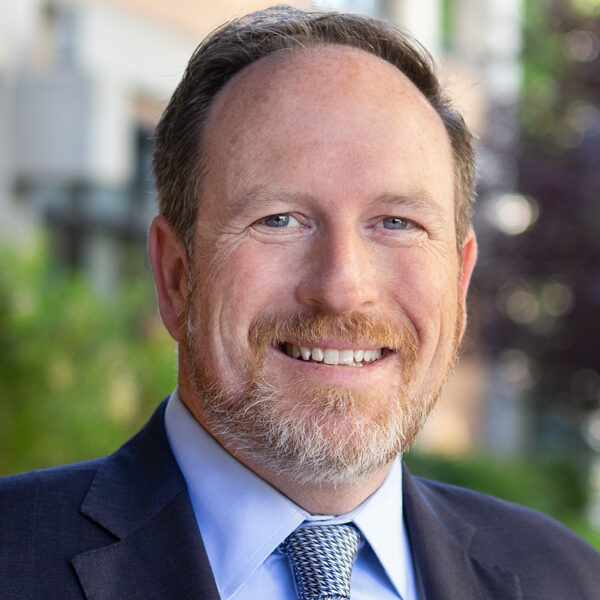
Mike Wilkening, Senior Fellow, Aspen Institute Financial Security Program
Michael Wilkening is a Senior Fellow in the Financial Security Program at the Aspen Institute. Over his 25+ years in government service, Wilkening has served in numerous leadership roles, including as Secretary of the California Health and Human Services Agency (CalHHS) and as a Senior Advisor for Technology and Delivery at the US Health & Human Services Agency and in the Executive Office of the President. Wilkening was California’s first Special Advisor to the Governor on Innovation and Digital Services. In this role, he chaired the Innovation & Technology Task Force, connecting the public and private sectors to design and utilize innovative approaches to shape California’s response to the COVID-19 pandemic. During his time as Secretary, he was the Chair of Covered California. Before serving as Secretary, Wilkening was Undersecretary of CalHHS for nearly a decade.
Aspen Institute Financial Security Program Staff
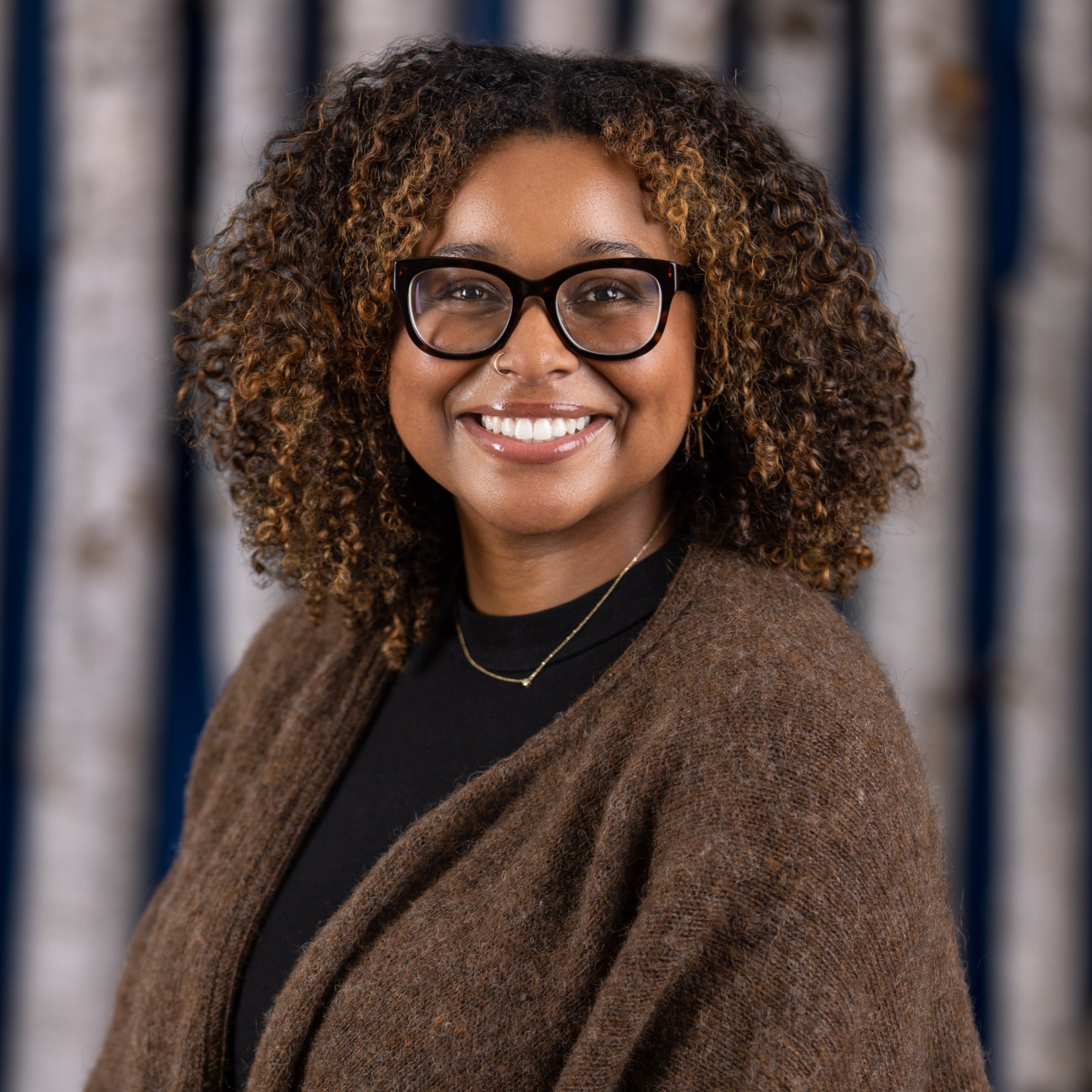
Riani Carr, Senior Associate
Riani (she/her) is a Senior Associate with the Benefits Transformation Initiative at the Aspen Institute Financial Security Program and is a strong believer that policy change starts with community expertise. Her work advances the Person-Centered Insights approach and methodology across Aspen FSP’s portfolio and focuses on improving public and private benefits design and delivery to enhance household financial stability and well-being. Riani leads Aspen FSP’s Community Advisory Group (CAG), a group of six leaders whose lived and professional expertise grounds, strengthens, and challenges the work of Aspen FSP. What Riani considers the most meaningful part of her job is the relationships she has cultivated with CAG members, whose multifaceted leadership continually inspires her. Riani is a proud alum of the Bill Emerson National Hunger Fellowship and is currently a member of the Congressional Hunger Center’s Alumni Council. She earned a Bachelor of Arts in Politics and International Affairs, with minors in Sociology and Latin American Studies from Wake Forest University. Riani calls Silver Spring, Maryland, home and loves to travel and find new hobbies.
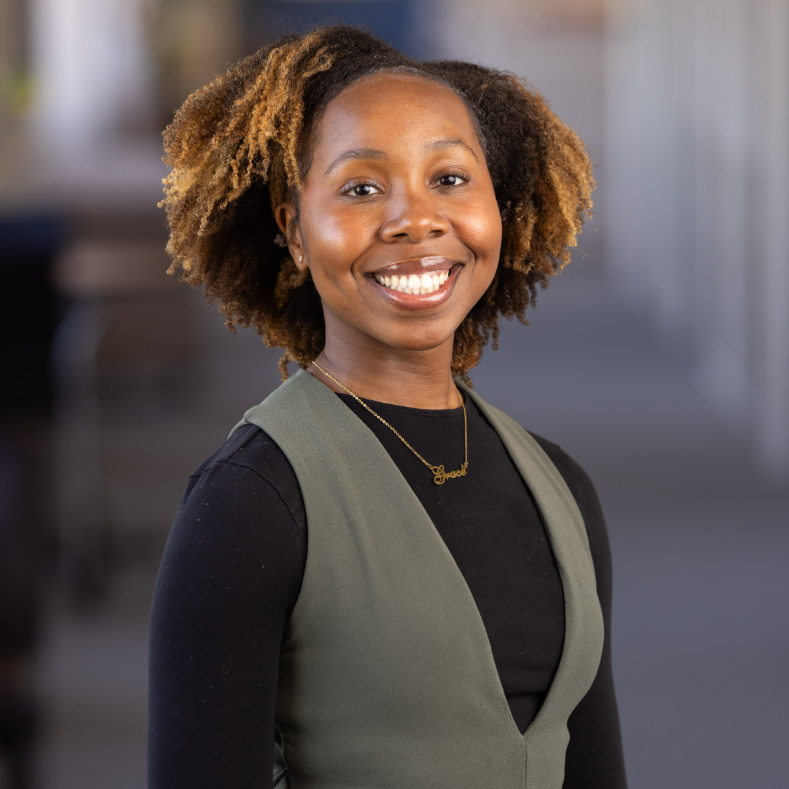
Grace Castelin, Graduate Fellow
Grace Castelin is a Graduate Fellow with the Benefits Transformation Initiative at the Aspen Institute Financial Security Program. In her role, she supports the team’s person-centered approaches and collaboration among state leaders to develop innovative and progressive solutions toward evolving benefits systems. Grace’s passion encompasses achieving economic justice for communities often excluded from fair opportunity to attain financial prosperity and has a particular interest in using data-driven solutions and technology to advance systemic efficiency and alleviate the wealth gap. Grace is currently pursuing a Master of Science in Public Policy and Management at Carnegie Mellon University’s Heinz College of Information Systems and Public Policy, on the Washington, D.C. track, and expects to graduate in Spring 2026. She earned her Bachelor’s in Political Science with a minor in Sociology from the University of Central Florida, where she also engaged in extensive experience in student leadership, civic engagement, and community organizing as President of the NAACP, Social Justice Chair for the National Council of Negro Women, and a Student Government Senator and Black Caucus Vice-Chair. Her previous roles include serving as a Gender Pay Equity Intern at the YWCA, Health Equity Intern at Families USA, and Federal Poverty Intern at the Southern Poverty Law Center. She is also a former Public Policy and International Affairs (PPIA) Fellow at Carnegie Mellon University. Grace enjoys the arts, as she loves to sing, song write on the piano, and dance. She is also a renowned chef amongst her social circles.

Alex Coccia, Policy Manager
Alex Coccia, Ph.D., is a human services expert with over 10 years of experience in policy, research, and practice supporting anti-poverty and economic security efforts. As Policy Manager at the Aspen Institute Financial Security Program, he works with leaders across levels of government to design, improve, and enact policies and practices for public benefits delivery and financial security. His work focuses on making public systems robust, responsive, and accountable to people and communities who have long been excluded from them. Before joining the Aspen Institute, Alex was a senior policy analyst at the Center for the Study of Social Policy, where he led coalitional efforts calling for an expanded, fully refundable and inclusive Child Tax Credit and improving the delivery of public benefits across the tax and human services systems. Alex has also held roles at Children’s Defense Fund Ohio and the U.S. Department of Health and Human Services. Alex holds a Doctor of Philosophy in Politics and a Master of Philosophy in Comparative Social Policy from the University of Oxford, where he was a Rhodes Scholar. He received a Bachelor of Arts in Africana Studies and Peace Studies from the University of Notre Dame.
Sheida Elmi, Associate Director
Sheida Isabel Elmi (she/her/ella) is an Associate Director at the Aspen Institute Financial Security Program, where she helps lead research, drive strategy, and direct staffing for the Insights and Evidence team. Where possible, she advances a Person-Centered Insights methodology that elevates people’s lived experiences to inform solutions to improve family financial well-being. Her research illuminates the financial challenges and opportunities facing families today, on topics including climate stressors and disasters, public and workplace benefits design, and cash and savings. Previously, Sheida was an Associate Manager with The Pew Charitable Trusts. There, she led in-depth interviews and focus groups and conducted quantitative analyses related to income volatility, financial instability, and wages and benefits. Before that, she was a Research Analyst at MEF Associates, where she helped evaluate federal programs aimed at promoting economic security through higher education, matched-savings accounts, and employment and training programs. Sheida holds a Master of Public Policy degree from UC Berkeley, and a bachelor’s degree in political science and international studies from Northwestern University. She is a member of the Guaranteed Income Community of Practice and previously served on the Board of Capital Area Asset Builders (CAAB).

Meg Liebsch, Senior Associate, Marketing and Communications
MegAnne Liebsch is the Senior Associate for Marketing and Communications at the Aspen Financial Security Program. She leads content development across website, email, and social media to advance FSP’s mission of making financial security for all a national priority. Previously, she worked as the communications manager for the Jesuit Conference Office of Justice and Ecology, producing videos, podcasts, and written features that deepened network engagement with issues of social and environmental injustice. MegAnne holds a Master of Arts in Media and International Conflict from University College Dublin and is an alumna of La Salle University. She lives in Washington, DC.

Bianca Lopez, Senior Research Associate
Bianca Lopez is a Senior Associate with the Aspen Institute Financial Security Program where she works to advance person-centered research with the goal of surfacing the primary financial challenges households face today. Bianca has conducted research on a wide range of topics including public benefits access, wealth building, and climate. Prior to joining Aspen FSP, she gained experience in a variety of roles such as interning with members of the United States Congress, volunteering with Arriba Juntos and the San Francisco Living Wage Coalition, and helping with gubernatorial and congressional campaigns in California. She first joined Aspen FSP as a Graduate Fellow while pursuing her Master of Science in Public Policy and Management at Carnegie Mellon University’s Heinz College of Information Systems and Public Policy. She also holds a Bachelor of Arts in Political Science and International Development from the University of California, Los Angeles. She serves on the Board of the Mission Economic Development Agency (MEDA).
Tim Shaw, Director, Benefits Transformation Initiative and Senior Policy Advisor
As the Director of the Benefits Transformation Initiative and Senior Policy Advisor for the Financial Security Program, Tim works to advance promising policies that address the most pressing financial security challenges facing people in America. Working with leaders across levels of government, Tim and Aspen FSP’s Benefits team seek to provide policy, nonprofit, and market leaders with the innovative ideas, research, and networks of leaders they need to design and enact policies that help people weather financial shocks and comfortably afford everyday life. Before joining the Aspen Institute, he was an Associate Director for Economic Policy at the Bipartisan Policy Center. While there, he was the policy lead for BPC’s Paid Family Leave Task Force and led projects on economic opportunity, retirement security, and fiscal policy. Prior to that work, he was a tax and budget staffer at the Government Accountability Office. His work has been featured in numerous publications, including the Washington Post, Politico, and the Wall Street Journal. Tim holds a Bachelor of Arts in Political Science and Spanish from Washington University in St. Louis and a Master of Public Policy and Management from Carnegie Mellon University.

Kaleigh Simmons, Forum Rapporteur
Kaleigh is a designer, researcher, and writer with over 15 years of experience leading customer experience and technology modernization work across many complex and highly regulated industries such as banking, manufacturing, and insurance, before narrowing her focus to the public sector over the past decade. She was most recently with the U.S. Digital Service in the White House, leading digital transformation projects with the Social Security Administration to expand service channel access for critical public benefits. Prior to that, she was a Senior Design Manager with civic technology vendor, Truss, where she led highly impactful projects with the Center for Medicare and Medicaid Services to streamline the managed care contract submission and review process, as well as with Defense Digital Service to overhaul the nation’s background investigation systems for more efficient processing of the millions of applications they get each year.

Joanna Smith-Ramani, Co-Executive Director
Joanna Smith-Ramani is Co-Executive Director of the Aspen Institute Financial Security Program, a leading national voice on Americans’ financial security. Working with the team, she is building a cross-sector community of leaders (Joanna calls her “quirky Thanksgiving table”) who, together, are using their shared wisdom and humanity to deeply investigate and solve the most critical financial challenges facing U.S. households.Joanna has over 20 years of experience across community, personal finance, and financial security. Before joining FSP, Joanna served as Senior Innovation Director at Commonwealth, leading the unit that designs, tests, and evaluates promising financial service innovations. Additionally, Joanna led several federal grants, developed and sustained national coalitions, and built a network of industry partners. Joanna has led national and state legislative campaigns resulting in the passage of a federal law and more than ten state laws expanding savings innovation across the nation. She is a trusted expert on financial security and inclusion, having been quoted in numerous national and local media outlets such as the New York Times, National Public Radio, and Fox Cable News. Joanna holds a Master of Public Policy degree from the Harvard Kennedy School and a B.A. in Urban Studies from Barnard College, Columbia University. She serves on the Board of the CASH Campaign of Maryland, Community Organizing and Family Issues, and Business for America’s Future Fund.
Emy Urban, Event Manager
Emy Urban (they/them) is the Events and Operations Manager for the Aspen Institute Financial Security Program (FSP). They manage and support FSP’s public and private events. Before coming to Aspen, they worked at Ecosystem Investment Partners and AidData. Emy has a B.A. in sociology and economics from Wellesley College.

Talia Zitner, Senior Event Coordinator
Talia Zitner (she/her) is the Senior Event Coordinator for the Aspen Institute Financial Security Program (FSP). She supports the production of FSP’s variety of public and private events. Before joining the Aspen team, Talia worked in the music festival industry in operations and advocacy positions. She holds a B.A. in English and Environmental Studies from Wesleyan University.