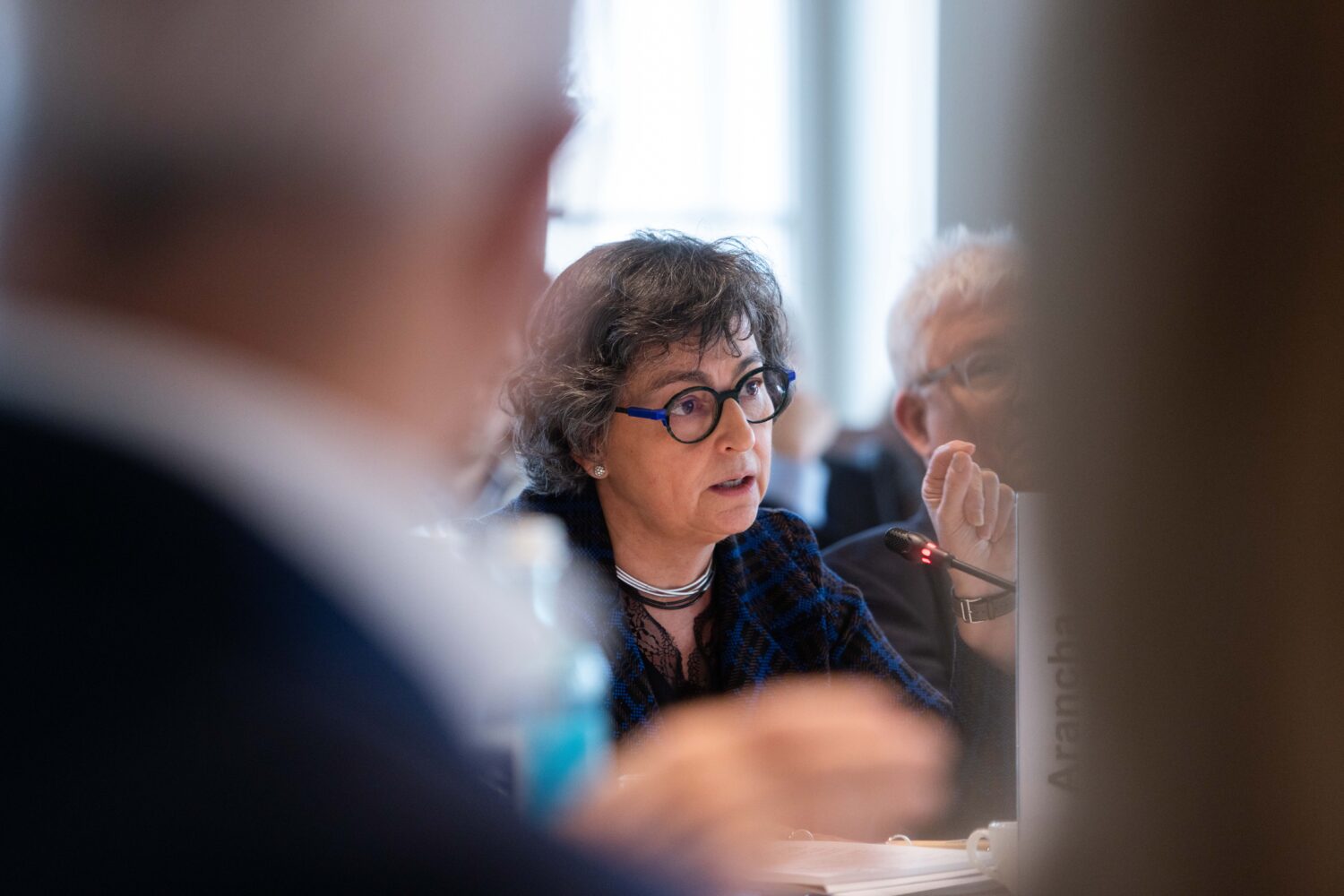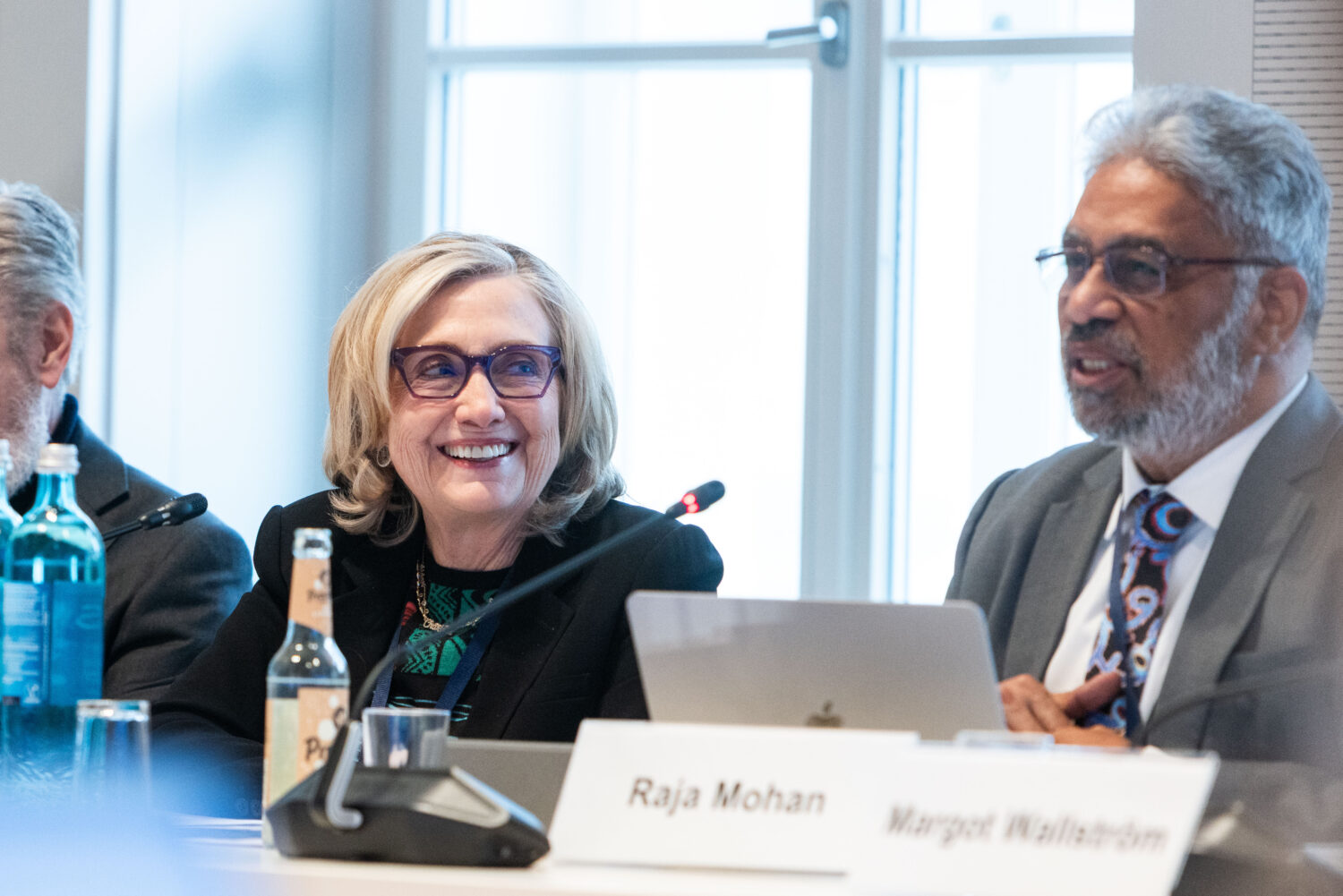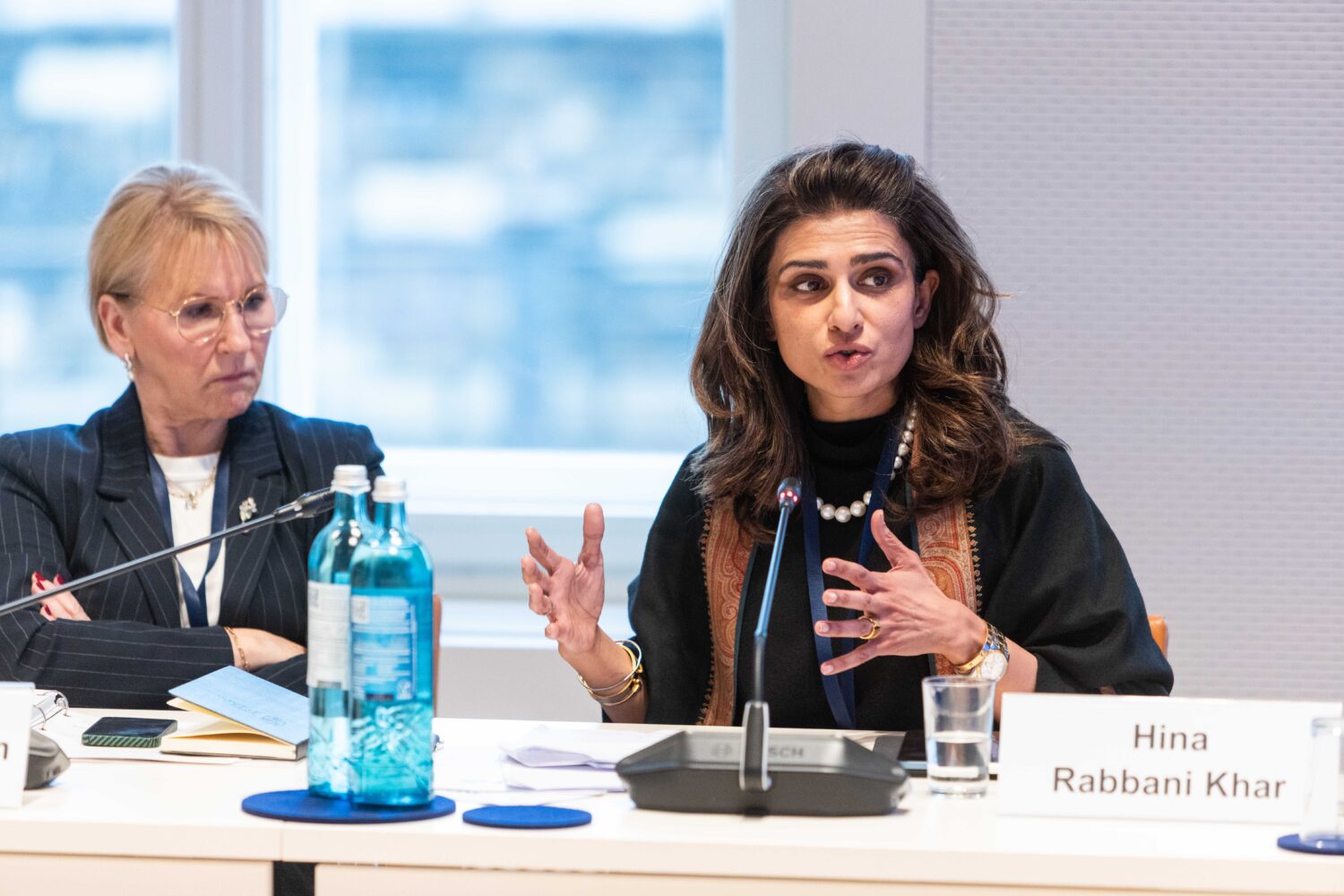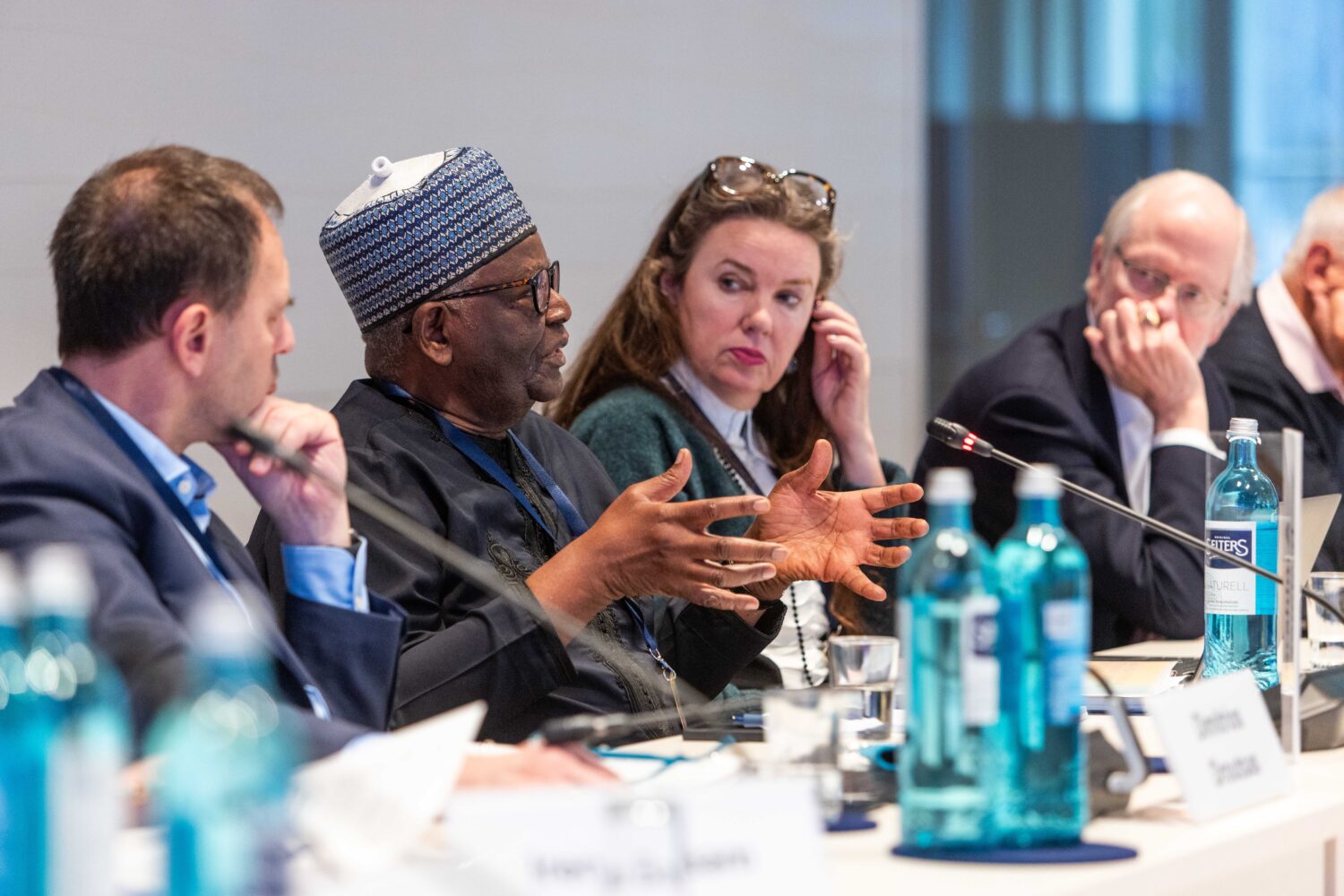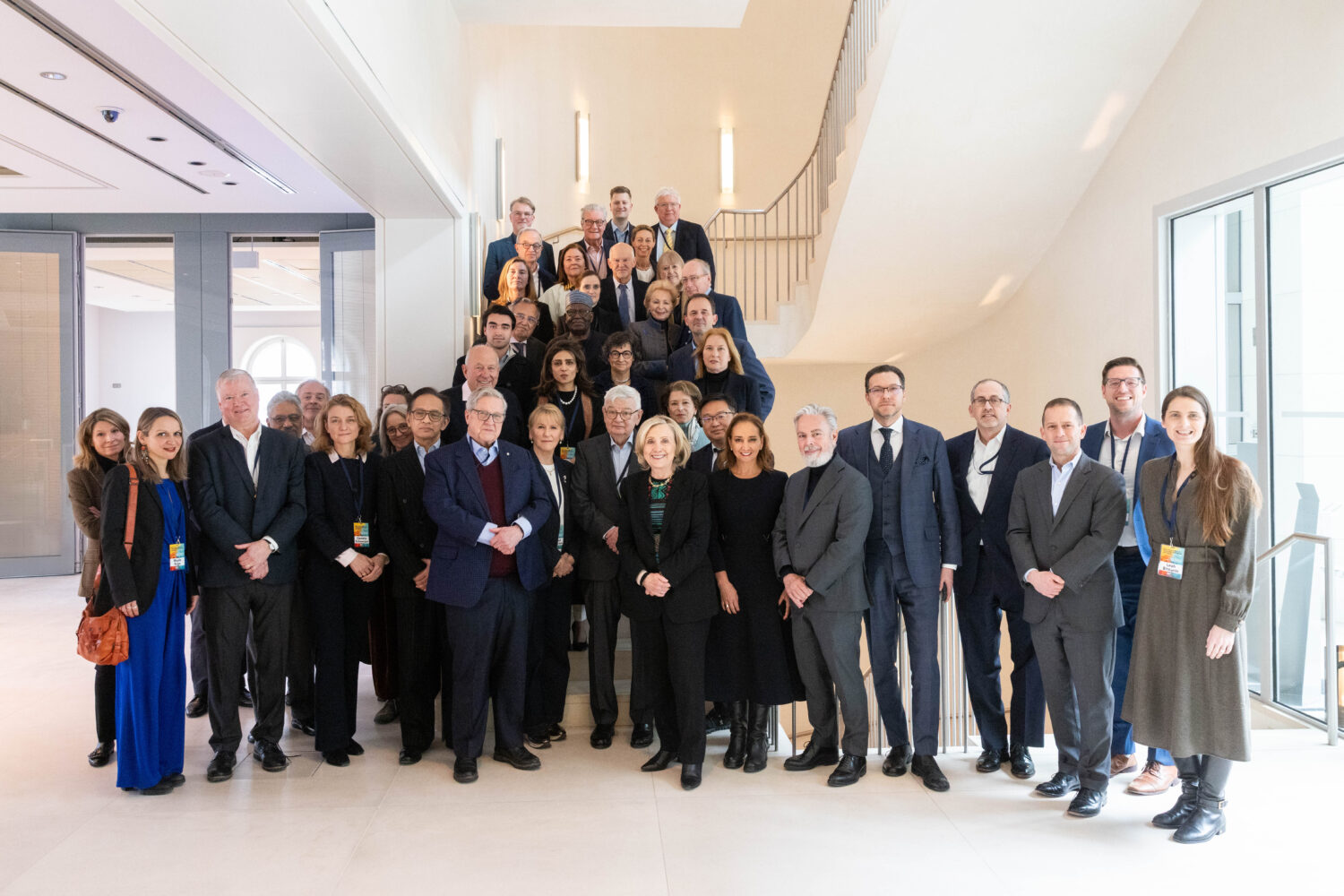
In February 2026, the Aspen Ministers Forum convened in Berlin, Germany, for its 29th session to discuss the disruptive forces reshaping the international order and to craft new approaches to strengthen global stability and prosperity.
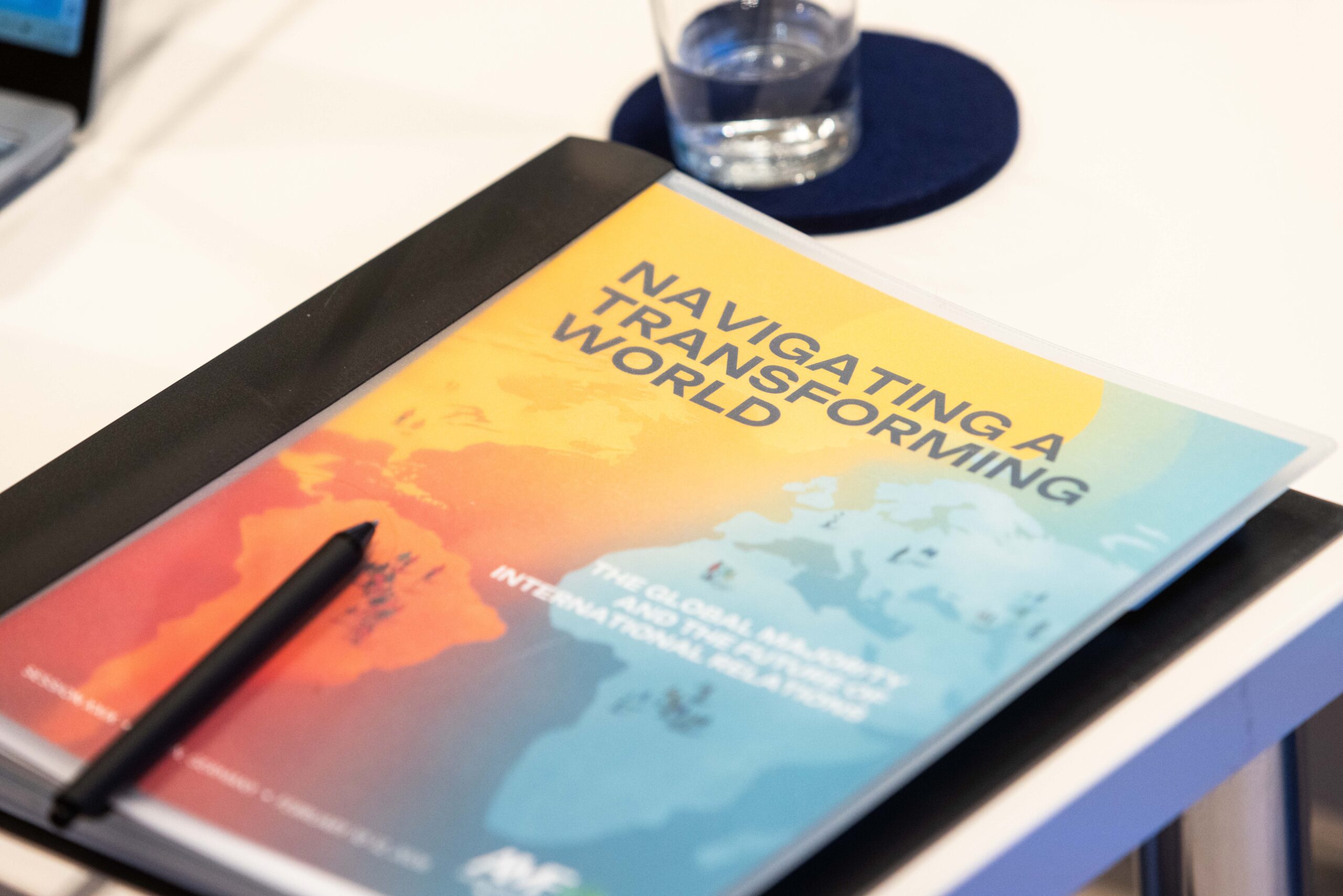
Under the title of “Navigating A Transforming World: The Global Majority and the Future of International Relations,” the meeting participants first examined China’s global ambitions and internal realities.
The group then turned its focus towards the impact of the second Trump administration on the international order that was built post-World War II before exploring the role and perspective of the global majority on today’s global system.
Finally, the gathered Ministers and experts dealt with emerging technologies that will have a significant impact on trust, democracy, and society, and assessed the changing landscape in international aid and development following a global decline in funding.
The meeting participants shared several actionable recommendations aimed at strengthening global stability and prosperity over the course of this session of the Aspen Ministers Forum. As they return to their respective home countries and professional networks, the insights from this convening will serve as catalysts for advancing shared values, strengthening global collaboration, and shaping a more resilient world.
Below please see a list of select articles and products of a number of the ideas discussed at or sparked by our AMF session in Berlin:
Lloyd Axworthy published a Substack post, titled “After the rupture: a case for suturists,” in which he reflected on the Aspen Ministers Forum’s Berlin meeting. He wrote, “Ruptures are real. Power politics is resurgent. But so is the work of repair. History rarely turns on a clean break. More often it depends on who is willing to do the patient work of mending.”
Joschka Fischer published a commentary in Project Syndicate, titled, “Germany’s Role in a Post-American Europe.” He made the case that America’s rejection of transatlanticism “will dramatically change Europe internally. Whether the continent will persist as an autonomous political entity now depends on Germany’s ability to preserve the spirit of cooperation that animated the European project when the United States was still on board.”
Stephen Heintz published a commentary with Anne-Marie Slaughter in Project Syndicate, titled, “Building the Middle-Power World Order.” Leaning on the themes of the AMF Berlin session on the role and perspective of the global majority on today’s global system, they wrote, “If Canada and other ‘middle powers’ are serious about building a different kind of global order based on ‘institutions and agreements that function as described,’ the time to start planning is now. Only with a clear vision can they hope to make a difference when the next big crisis forces a search for alternatives.”
C. Raja Mohan wrote an article for The Indian Express, titled “AI shakes statecraft: Prediction markets test diplomats, spies.” Leaning on the AMF’s “Applied Technology Spotlight,” he made the case that “AI will not replace foreign offices or intelligence agencies. But strategic forecasting is no longer the exclusive domain of diplomats and spies; it is becoming a competitive field where traders and tech firms play a growing role.”
Claudia Ruiz Massieu published a Spanish-language article in El Heraldo de Mexico on the AMF Berlin meeting, asking the question if it is “the Middle Powers’ turn.” She wrote, “I returned from Berlin certain that the AMF remains one of the few spaces where it is possible to have high-level conversations, conducted honestly, without political agendas or electoral commitments. But above all, I returned with a renewed conviction: the challenge for countries like Mexico is not adapting to the new system. It is having the vision and the political will to contribute to building it.” (translated)