
Hosted in partnership with Skoll Foundation
What does leadership require—not only in moments of visible crisis, but in the quieter years before violence erupts and in the long, demanding decades of repair that follow?
On April 7, in observance of the International Day of Reflection on the 1994 Genocide Against the Tutsi in Rwanda, the Aspen Global Leadership Network (AGLN) and Skoll Foundation hosted an afternoon of reflection and dialogue on leadership amid societal fracture.
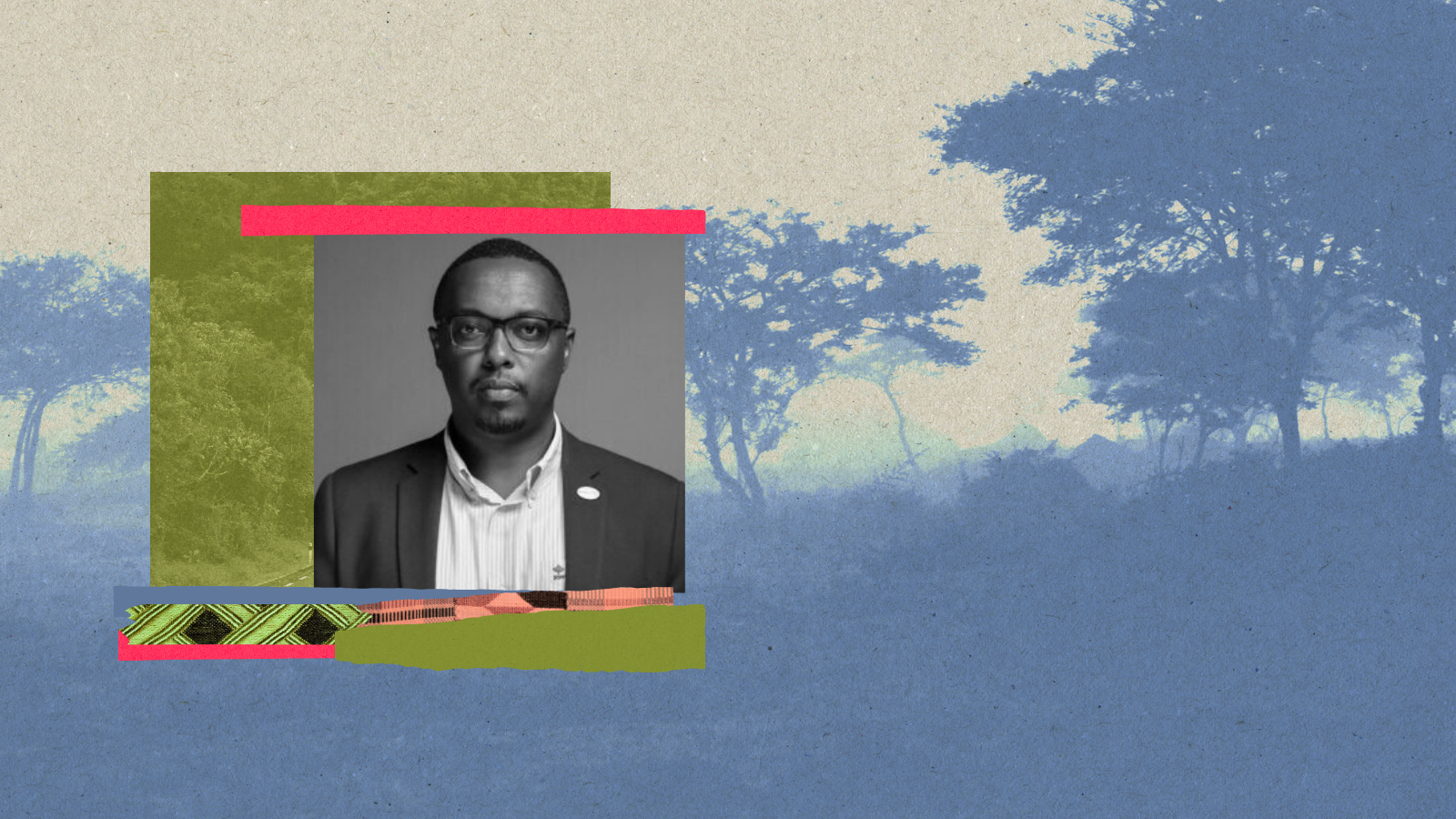
Claver Irakoze, an author, educator, and survivor who was 11 years old when the Rwandan genocide began, shared Rwanda’s history not as distant chronology, but as living memory, illuminating how atrocities are preceded by years of decisions, narratives, and omissions, and how rebuilding demands intentional remembrance, moral courage, and sustained commitment to preventing future harm. Today, his work examines how memory is carried across generations in post-genocide Rwanda.
Claver was joined in coversation by Gayle Smith, former Administrator of USAID, for a fireside chat exploring Rwanda’s recovery and the responsibility of the international community to strengthen early warning, accountability, and action in the face of emerging threats.
Part of the ongoing Leadership In Conflict dialogue and experiences series hosted by the AGLN with partnership from the McNulty Foundation, the gathering offered an opportunity to reflect on the kind of leadership a fractured world requires—and on the shared responsibility to act with humility and resolve.
Speakers
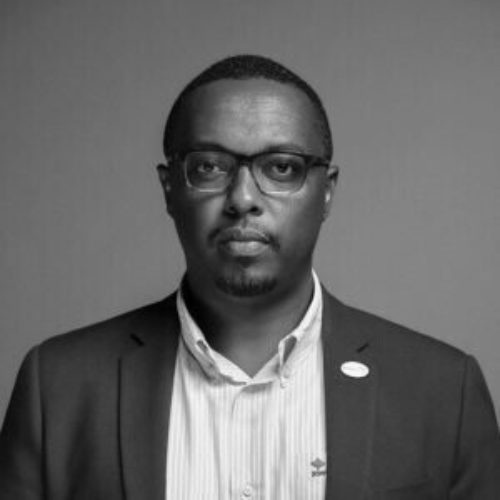
Claver Irakoze
Survivor of the 1994 Genocide against the Tutsi, author and educator whose work focuses on intergenerational memory transmission, peace education, and the moral imperatives of remembering and preventing mass violence.
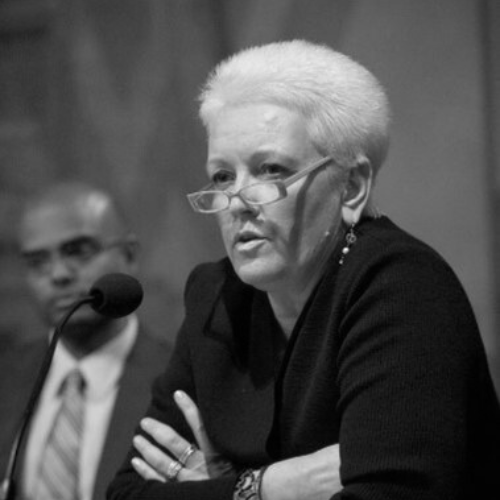
Gayle Smith
Global development expert and former Administrator of USAID, with decades of experience shaping international humanitarian response, strengthening democratic resilience, and advancing global health and development policy.
