
Art measurably changes the brain and body. Scientific evidence shows that music improves cognitive function, dance eases symptoms of Parkinson’s, architecture promotes healing. The Institute’s Health, Medicine and Society Program, in partnership with the Johns Hopkins International Arts+Mind Lab Center for Applied Neuroaesthetics, is assembling these findings into a new field: “neuroarts.” Many scientists, clinicians, artists, innovators, and policymakers are deeply engaged in arts and health, but they rarely come together across disciplines. The Institute is helping them do just that through its NeuroArts Blueprint project, launched in May and co-chaired by opera singer Renee Fleming, neuroscientist Eric Nestler, and film producer Michael Paseornek. “We’re thrilled to bring together pioneers working at the edges of innovation across fields to showcase the role of arts in well-being,” says Ruth J. Katz, the executive director of Health, Medicine and Society. The NeuroArts Blueprint will develop commissioned reports tracking current research and then hold a series of virtual meetings with experts from artistic and scientific disciplines—as well as from business, technology, education, and philanthropy—to examine how to crystallize the field of neuroarts and raise its profile. The initiative expects to show that well-designed programs can deliver economic returns, reduce health care costs, and strengthen communities. Finally, the Institute will publish The NeuroArts Blueprint, a field-building plan to put art in service to health.
Your Brain on Art


Publications Section 4: Strengthening Practices to Improve Job Quality
Tools: Employee Ownership
View tools and resources related to employee ownership.
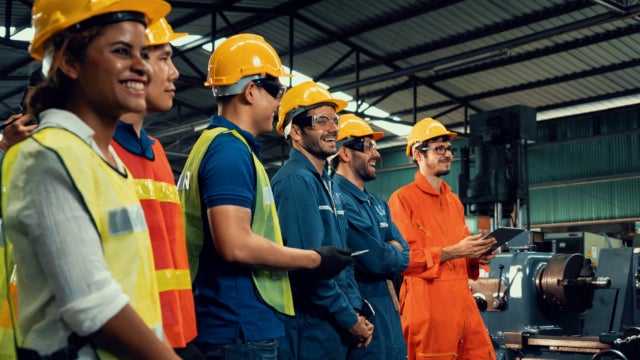
Job Quality Fellows Profile Series Longform
Centering Workers in Workforce Development
The Chicagoland Workforce Funder Alliance collaborates with employers and stakeholders to boost employment, earnings, and equity for local workers.

Job Quality Fellows Profile Series Longform
Lessons and Leadership To Foster Economic Justice for Illinois Workers
LEP trains workers to promote equity, enforce rights, build unions, develop leaders, ensure workplace safety, and advance economic justice.

Job Quality Fellows Profile Series Longform
Worker Owned and Worker Driven
While the rideshare apps have increased convenience, they’ve eroded job quality. See how the Drivers’ Cooperative is helping to end exploitative conditions.

Job Quality Fellows Profile Series Longform
Creating Employee-Owned Businesses That Provide Good Jobs and Succeed
Through employee ownership, The Industrial Commons is building a new Southern working class that erases the inequities of generational poverty.
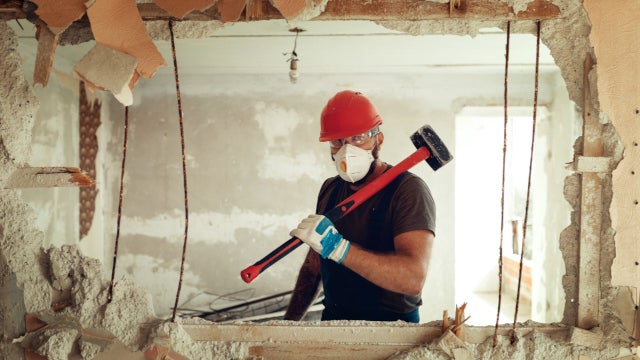
Job Quality Fellows Profile Series Longform
Strengthening the Hidden Resilience Workforce
We see the effects of climate change, but we rarely see the people who help to rebuild — and they often lack safe conditions, decent pay, or benefits.

Job Quality Fellows Profile Series Longform
Advancing a Pro-Worker, Pro-Climate Agenda in Texas
The Texas Climate Jobs Project advances a pro-worker, pro-climate agenda — helping to solve the climate crisis while creating millions of good jobs.

Job Quality Fellows Profile Series Longform
Organizing and Coalition Building for Structural Change
LAANE, led by Job Quality Fellow Roxana Tynan, is fighting to build an economy rooted in good jobs, thriving communities, and a healthy environment.
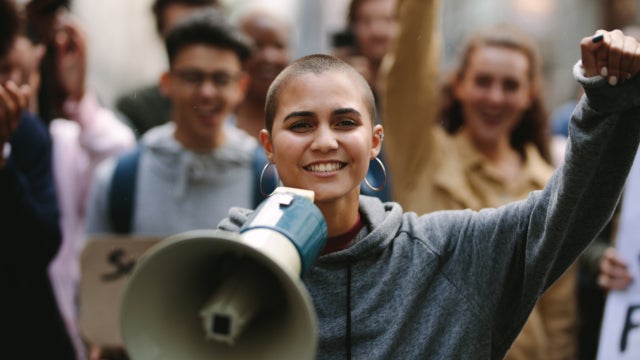
Job Quality Fellows Profile Series Longform
Organizing Unemployed and Underemployed Workers
UWU, led by Job Quality Fellow Neidi Dominguez, engages unemployed/underemployed workers, a population that has not been mobilized at scale since the 1930s.

Longform
How Local Journalism Can Bring Communities Together
MIT Center for Constructive Communication Director Deb Roy explains how the caricatures Republicans and Democrats paint of each other diverge from reality, and the ways local newsrooms can leverage their “trust capital” and emerging technology to promote listening and understanding amid disagreement.