It All Comes Down to Our People: Leslie Kass on Employee Ownership
Lewis Services is an 87-year-old company, and one of the largest vegetation management companies in North America. It’s a company where employee empowerment is a necessary part of the mission, since workers in the field encounter an infinitely variable workspace and have to manage everything on-site and in-the-moment.
So it’s perhaps no surprise that Lewis is a 100% employee-owned company. “We have a highly distributed workforce, so we count on our employees to manage their own teams and work zones,” says Leslie Kass, Lewis’s CEO. “As owners of the company, they have a vested interest in the success of our customers, and in keeping everyone safe.”
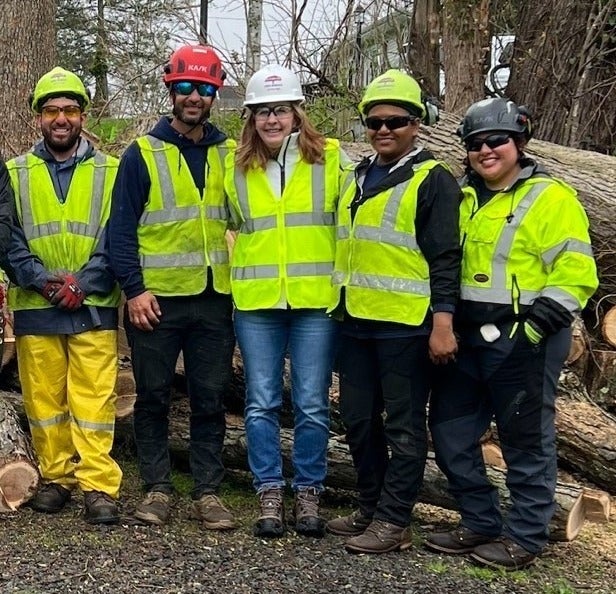
Lewis has a majority-minority workforce of more than 4,000 team members, all of whom can enjoy the wealth-building benefits that are a hallmark of employee-owned companies. But there are other advantages. The jobs are higher quality, and turnover is lower. Employee ownership firms are also known for having workplaces and organizational cultures that foster high levels of employee engagement and cooperation among employees, particularly when supported by employee training, job security, and structures for employee participation — all of which Kass and the company she leads prioritize.
Kass will be a speaker at the 2025 Employee Ownership Ideas Forum on April 9 and 10 in Washington, DC. She’ll join members of Congress and their staffs, administration leaders, federal agencies, researchers, practitioners, philanthropists, advocates, investors, and leaders and workers from employee-owned companies to explore the potential of this strategy to expand economic opportunity. The Forum, now in its third year, is hosted in partnership with the Rutgers Institute for the Study of Employee Ownership and Profit Sharing. You can read more about employee ownership in “Employee Ownership and ESOPs: What We Know from Recent Research,” presented by Joseph Blasi and Douglas Kruse at the 2024 forum.
Kass — who is famous for visiting Lewis crews in the field — took off her hard hat long enough to answer a few questions about the company and employee ownership. To hear more, be sure to attend April’s Forum. Register here.
What’s the history of Lewis Services and its employee owners?
Lewis Services was founded in 1938 as part of a regional vegetation management service company. The portion of the company that was dedicated to utility line clearance—keeping trees out of the power lines to ensure reliability—was split off into an ESOP and became 100% employee-owned 25 years ago. Today we have more than 4,000 employees and union partners providing service in 27 states to some of the nation’s largest utilities along with several utility cooperatives and municipal utilities. We support routine maintenance and capital work year-round, but people know us best for showing up after storms to clear the way for utility linemen to perform power restoration. Our ESOP is a game-changer for all of our employees, but especially for our hourly craftworkers who can enjoy a secure retirement between their ESOP savings and 401K match.
You’ve been CEO of Lewis Services since 2022, but you’ve also been at leadership in other companies. How does leading an employee-owned company compare to your previous roles?
Being part of an ESOP company allows you to think strategically about the long-term in a way that’s not possible in a publicly traded company where you are driven by quarter-to-quarter earnings reporting. Even with private equity there are typically targets with a specific time horizon, but with an ESOP, I only worry about our customers and our employees. There are no other distractions. We can make strategic decisions to ride out swings in our market because we are playing a long game. It frees up so much time that would be spent on reporting and planning short-term goals, and allows that to be used towards strategic objectives that benefit the business in the long-term. Plus I get excited to work every day on building a better retirement for our employees. It’s a different motivation than trying to please a financial investor.
We can also make strategic decisions to help our owners. Just before I joined Lewis in 2022, gasoline prices in the US spiked suddenly. Many of our hourly workers were struggling to pay for gas, so the executive team created a temporary weekly stipend for all hourly workers to help them get to work until the prices relaxed. The philosophy was that it’s their money and they need it now to help them get through this tough time. That story is one of the things that made me want to join the company.
Employee-owned companies are lauded in part for their ability to engage workers in innovation and problem solving. What does that look like at Lewis Services?
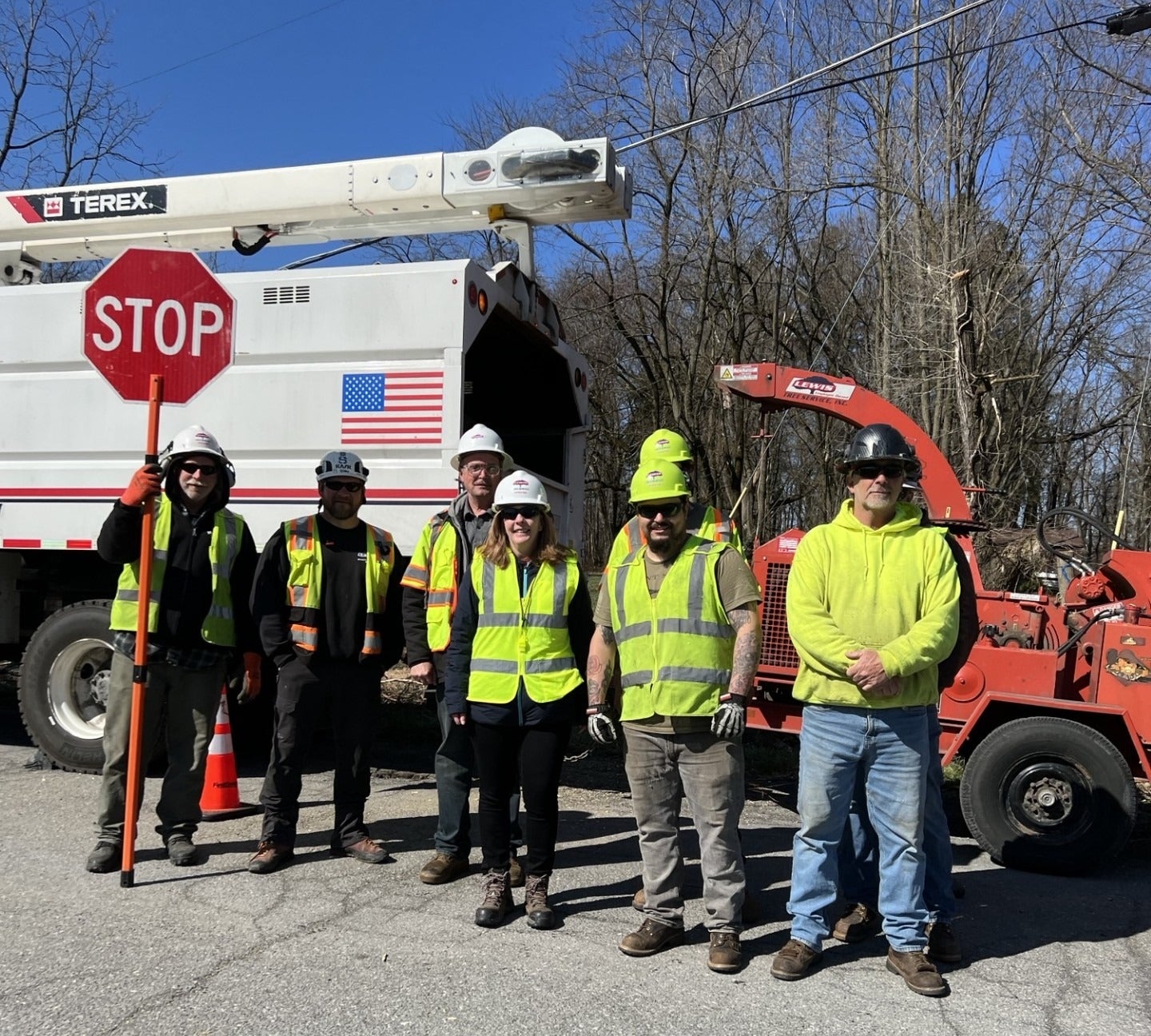
We have a highly distributed workforce, so we count on our employees to manage their own teams and work zones. One of our Operating Principles is to be improvement-minded, and we seek input from all levels of our organization to improve safety, production, and find cost savings. People bring their best ideas because they know their input matters and because they have skin in the game. When the company does better, it directly benefits their ESOP account. We try to ensure that people have the data, tools, and training to make good decisions. We invest in programs to make it easier for our employees to see what’s going on in the business as well as skills, safety, and leadership training. Empowered employees are happy employees, and we strive every day to be the employer of choice in our industry.
How does Lewis Services create savings and wealth for its workers?
The profits in an ESOP go to the employees. We are building the company together and everyone’s performance and actions matter. It’s such a powerful way to work.
Our craftworkers can retire with hundreds of thousands of dollars in their ESOP plus a 401K match which is life-changing wealth for their families. This can lift generations and communities. These funds go back to the communities where the work was performed instead of sitting at our headquarters. I hear story after story about how someone came to Lewis—where we taught them the skills of utility line clearance and helped them create a career—and now their children are going to college. It’s rewarding to be a part of that journey for these workers and their families.
There has been a lot of talk in recent years about expanding employee ownership in the US. What are some of the barriers to doing that and how can we resolve them?
One is education, and lots of groups—like the Aspen Institute and Rutgers University—are helping to get the word out that this is a viable option as owners are looking to transition their companies. Another current barrier is for companies that have 51% ownership by women, minorities, or other socially disadvantaged groups like veterans and others; they are concerned that switching to an ESOP might mean they lose their recognition as diverse spend which is important to many buyers. The National Center for Employee Ownership (NCEO) is creating new certifications for 100% ESOP-owned companies and cooperatives that are majority-owned by diverse groups, allowing companies to retain that recognition even if they transition to an ESOP structure so long as the demographics are a match. This would allow many more owners to transition to an ESOP structure and let the employees who helped them build the business drive future growth and share in the rewards.
What excites you about the future of the company?
We are at a time of enormous growth for the customers we serve based on the significant demand for more reliable power. We are also expanding our leadership team to diversify our business and ensure we can set our ESOP up for generations to come. It’s exciting to be a part of this expansion and to see our teams work together. We have emerging leaders stepping up to support our expansion and more leaders rising behind them. Given that we provide a service, it all comes down to our people at Lewis, and it’s exciting to watch our team grow with the company and to know that they will personally benefit from our success.
Leslie Kass will be a speaker at the 2025 Employee Ownership Ideas Forum on April 9 and 10 in Washington, DC. Click here to secure an all-day pass or to join via Zoom on April 9 at noon ET. “Fireside Chat: The Employee Ownership Advantage” will feature Kass in conversation with Dion Houchins of Houchens Industries and Mary Josephs of Verit Advisors.
About the Employee Ownership Ideas Forum
The Employee Ownership Ideas Forum brings together leading policymakers, practitioners, experts, and the media for a robust discussion on how we can grow employee ownership for the shared benefit of American workers and businesses. It is hosted by the Aspen Institute Economic Opportunities Program and Rutgers Institute for the Study of Employee Ownership and Profit Sharing.
About the Rutgers Institute for the Study of Employee Ownership and Profit Sharing
The purpose of the Institute for the Study of Employee Ownership and Profit Sharing is to study the various models that have emerged and will emerge of employee ownership shares and profit shares in the corporation and society of the United States and around the world.
About the Economic Opportunities Program
The Aspen Institute Economic Opportunities Program advances strategies, policies, and ideas to help low- and moderate-income people thrive in a changing economy.
Join Our Mailing List
To receive occasional emails about our work — including new publications, commentary, events, fellowships, and more — join our mailing list.
Connect on Social Media
For news and updates every day, connect with us on the social media platform of your choice.

Employee Ownership Ideas Forum 2026
View Event
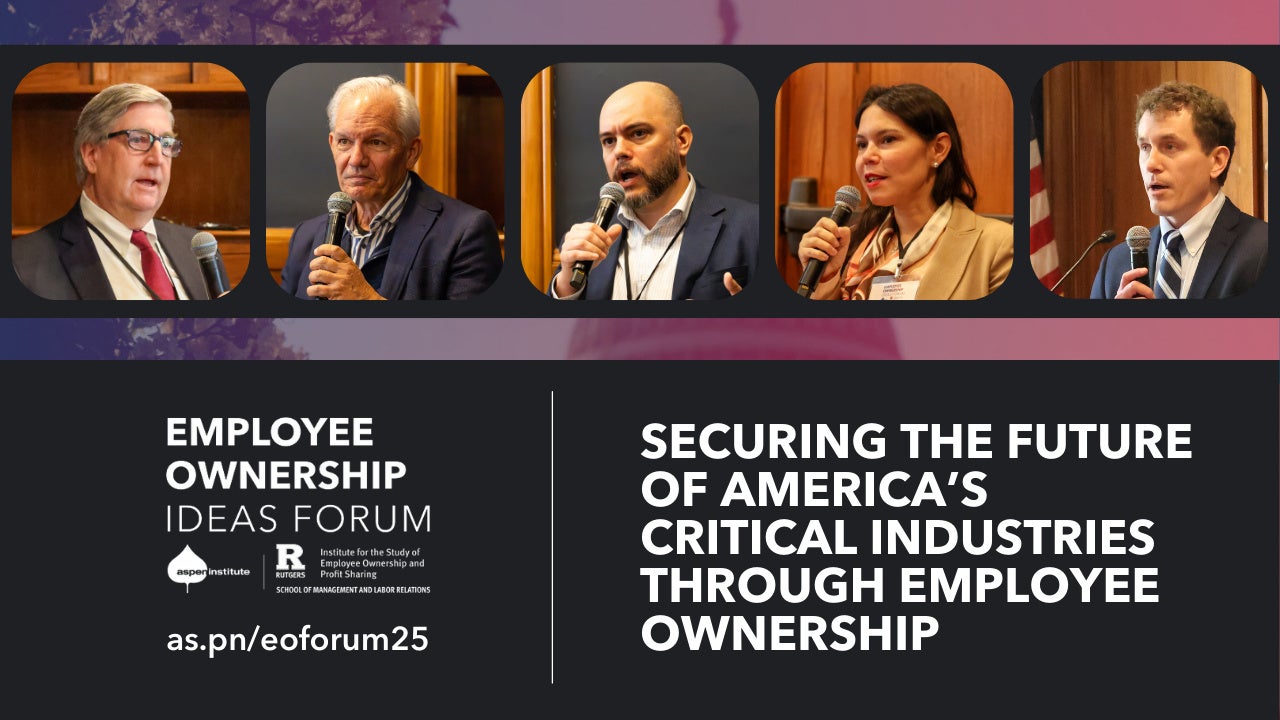
Securing the Future of America’s Critical Industries
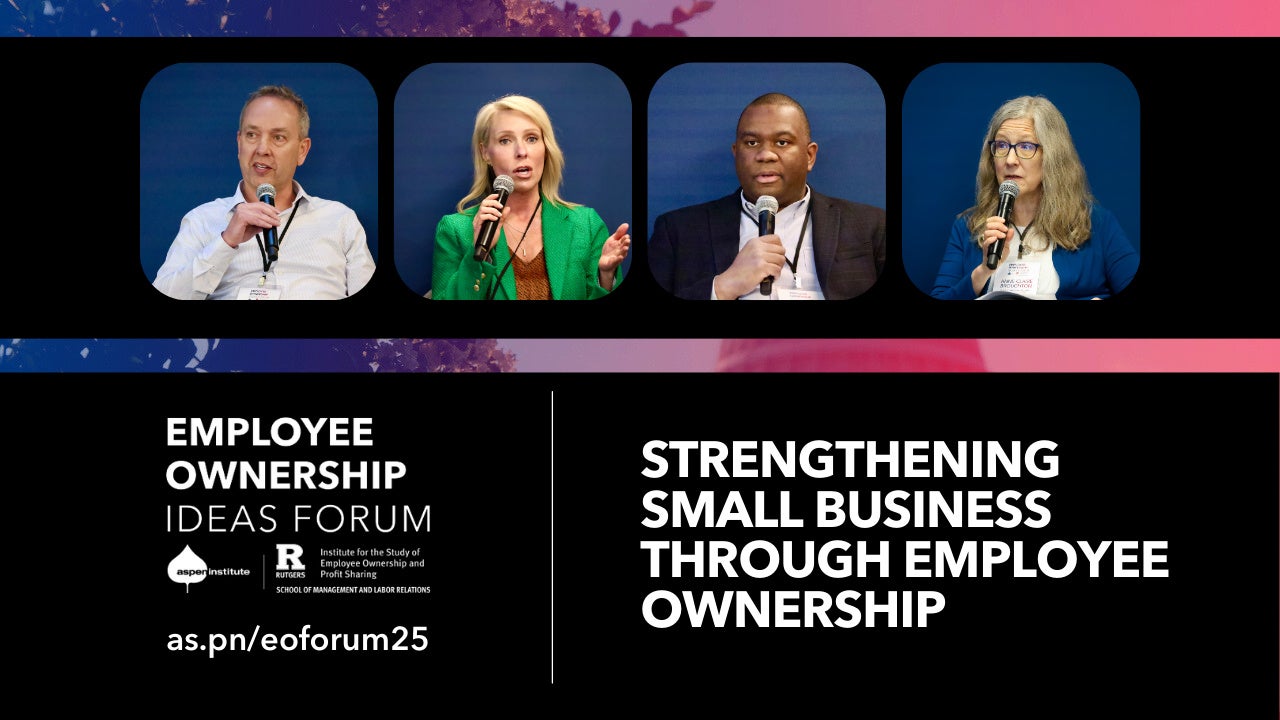
Strengthening Small Business Through Employee Ownership
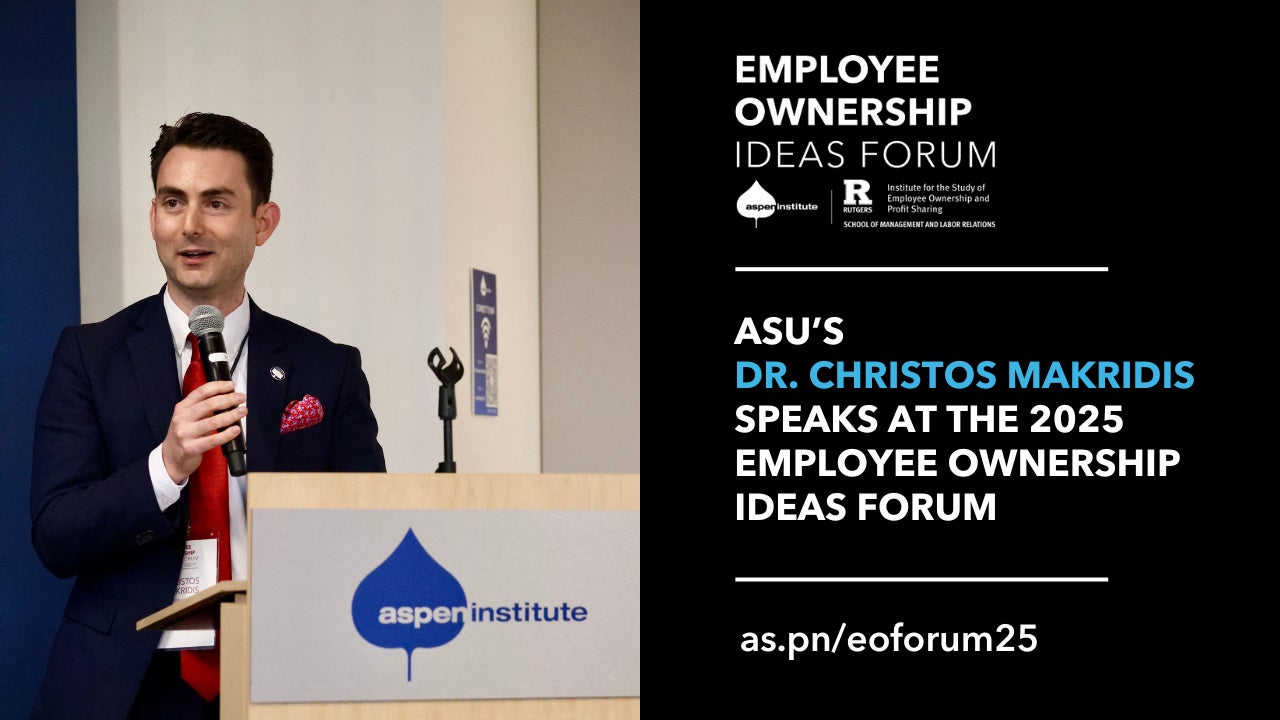
ASU’s Dr. Christos Makridis Speaks at the 2025 Employee Ownership Ideas Forum

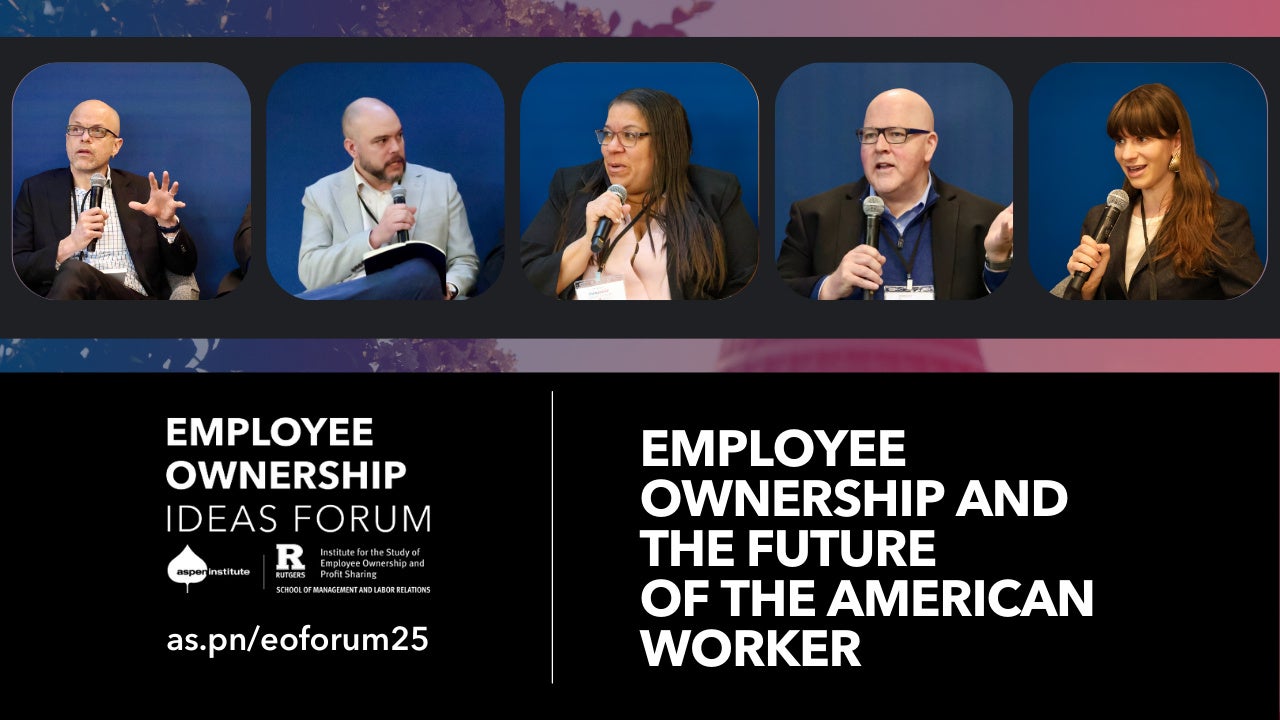
Employee Ownership and The Future of the American Worker
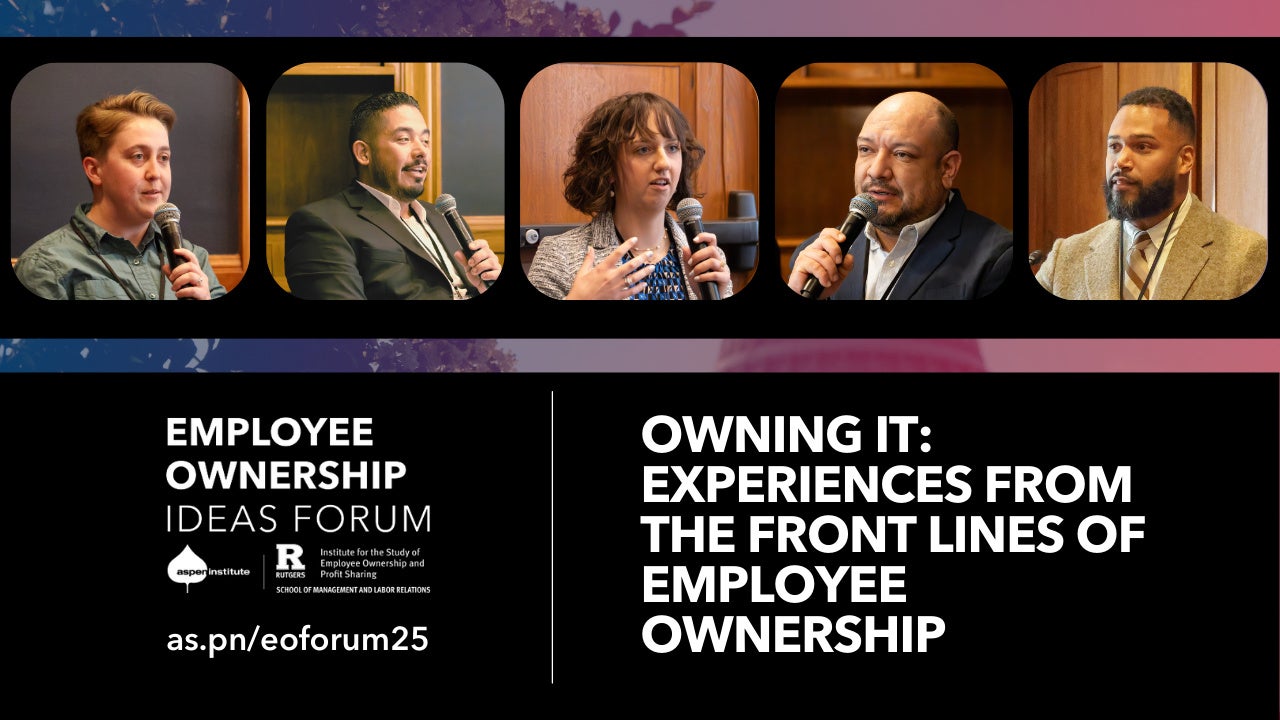
Owning It: Experiences from the Front Lines of Employee Ownership