Employee Ownership Ideas Forum

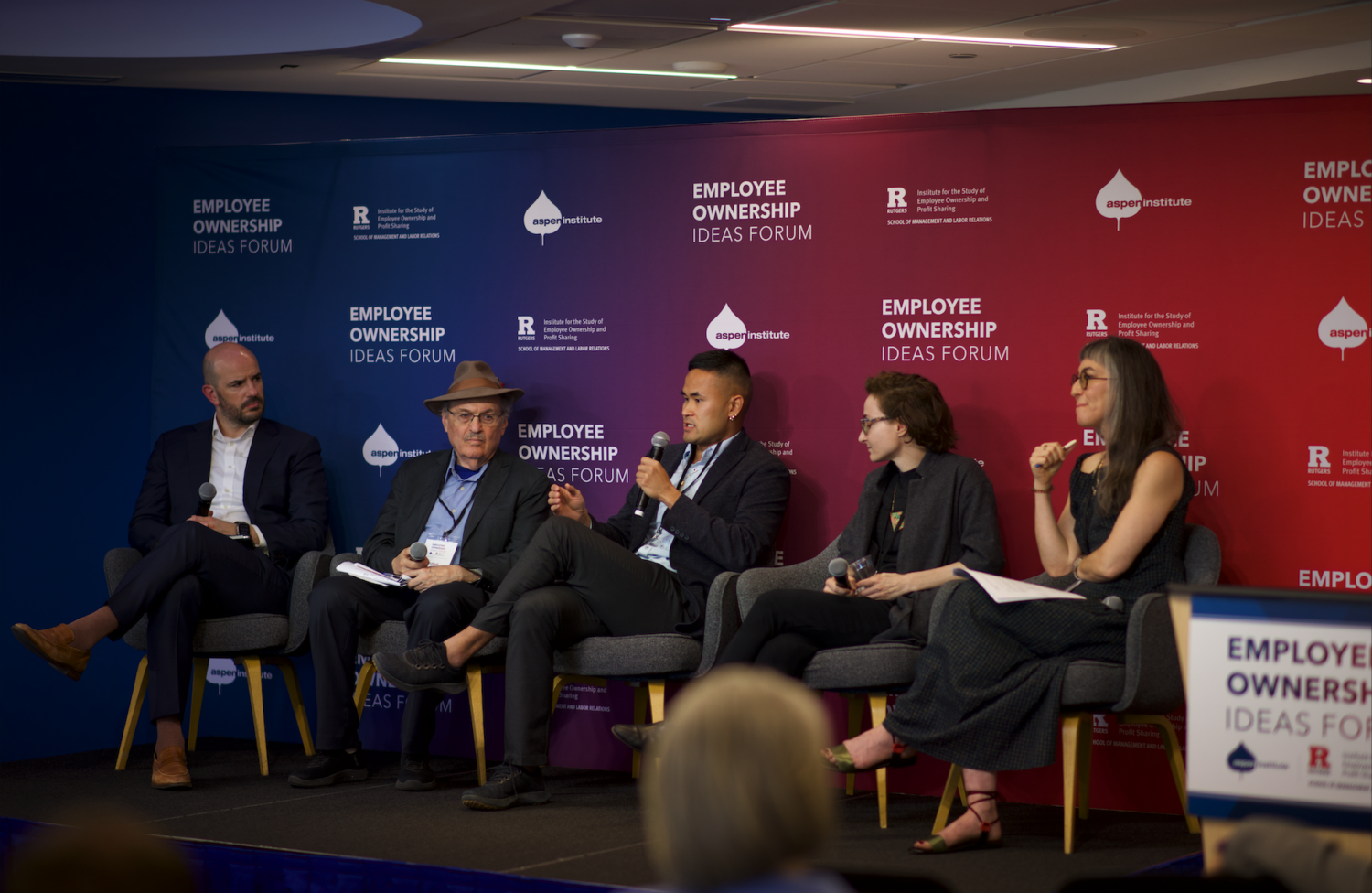
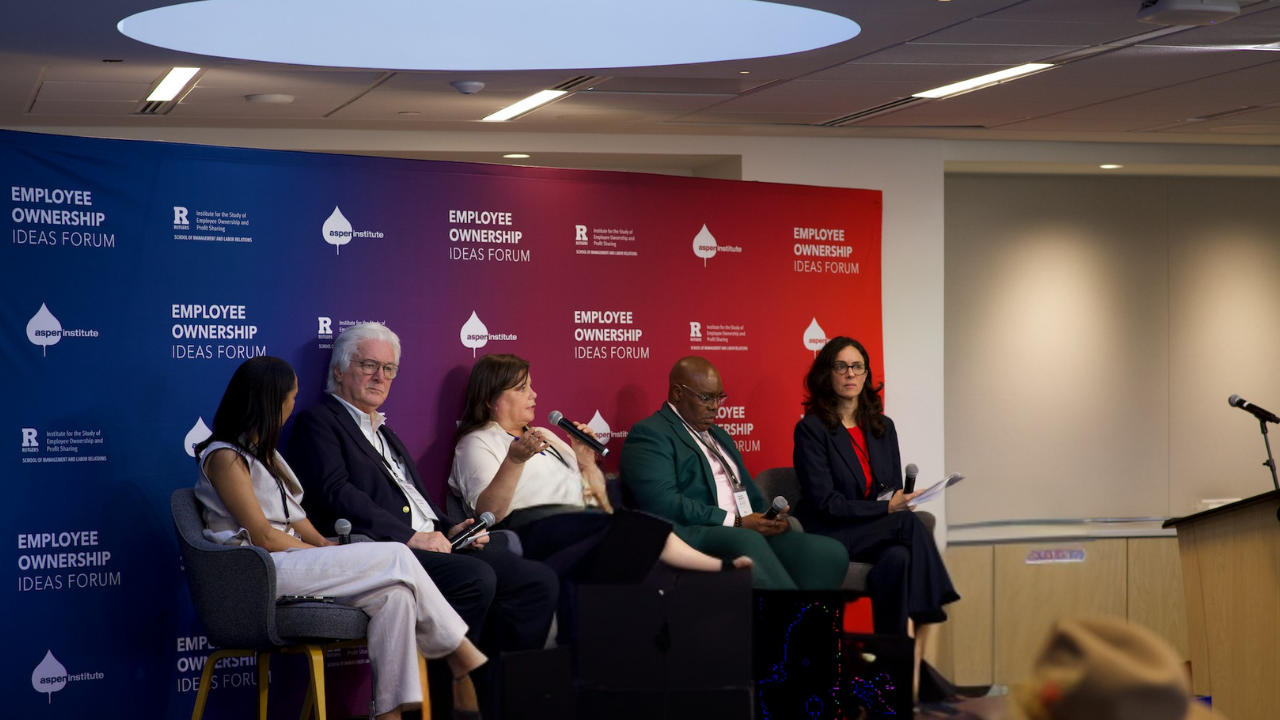
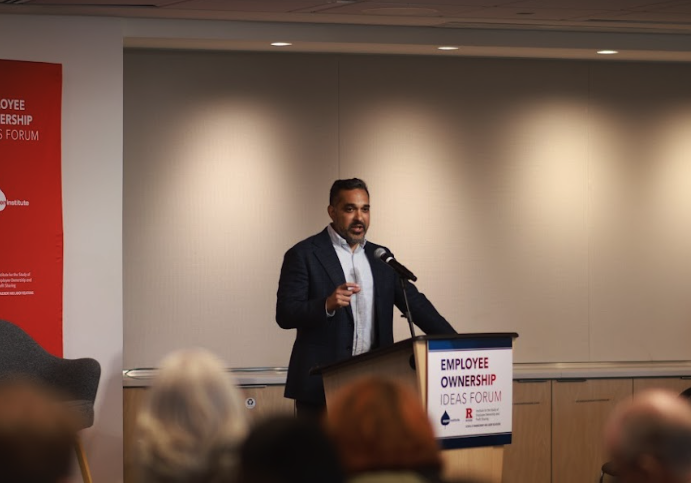
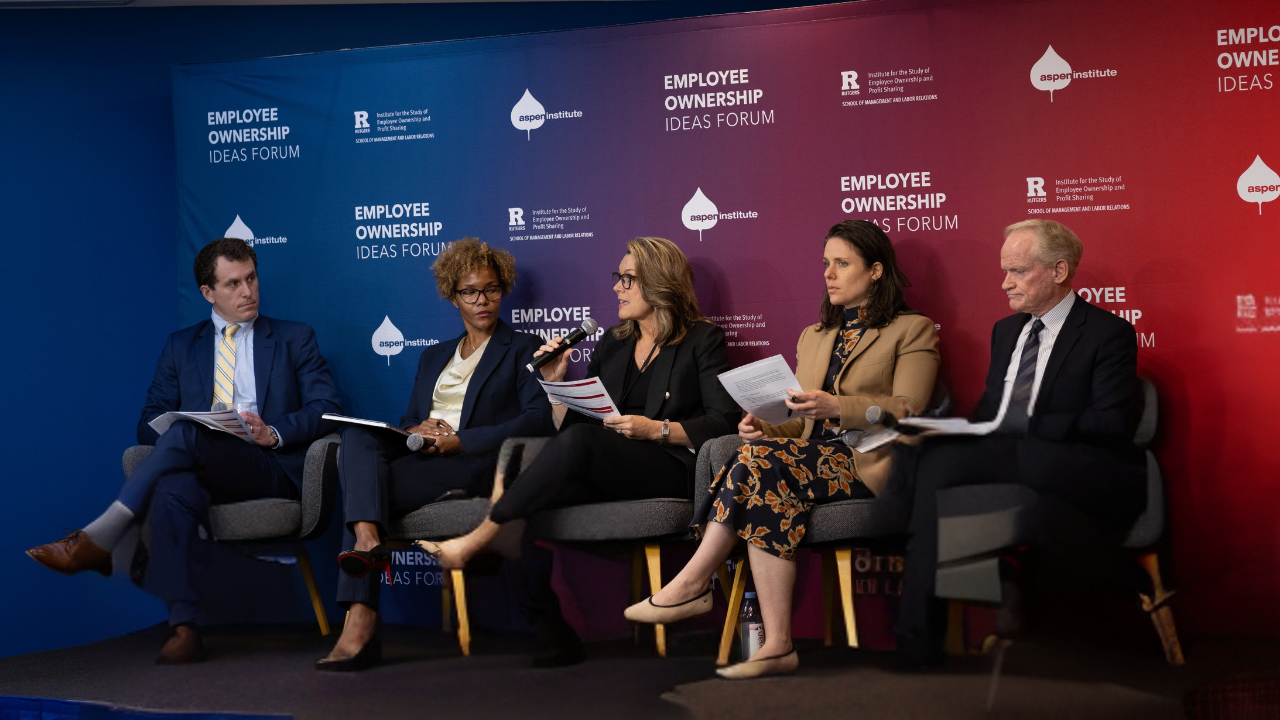
The Employee Ownership Ideas Forum brings together leading policymakers, practitioners, experts, and the media for a robust discussion on how we can grow employee ownership for the shared benefit of American workers and businesses.

It is hosted by the Aspen Institute Economic Opportunities Program and Rutgers Institute for the Study of Employee Ownership and Profit Sharing.

Blog Posts

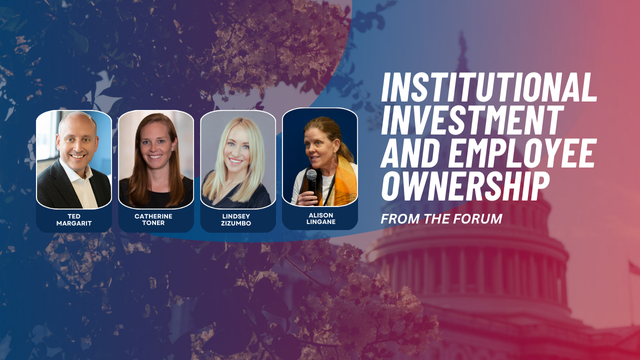
Institutional Investment and Employee Ownership
Blog Posts

Institutional Investment and Employee Ownership

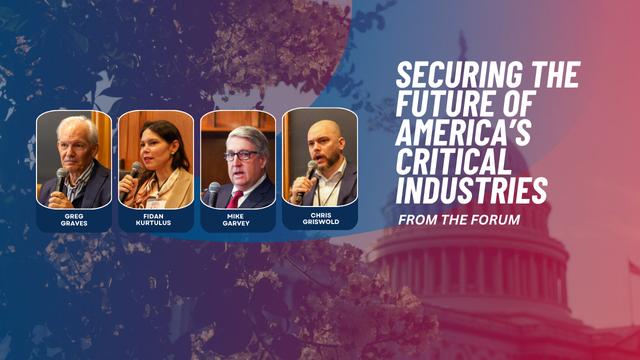
Securing The Future of America’s Critical Industries
Blog Posts

Securing The Future of America’s Critical Industries

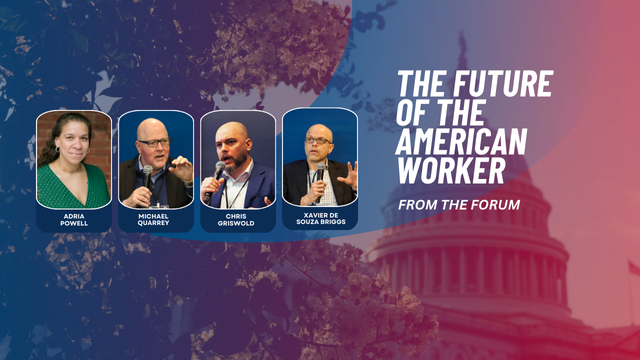
Graphic image featuring headshots of four speakers: Adria Powell, Michael Quarrey, Xavier de Souza Briggs, Chris Griswold
Blog Posts

The Future of the American Worker

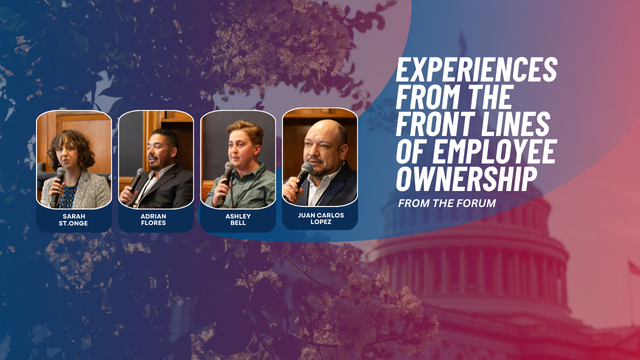
Graphic image featuring headshots of four speakers: Sarah St.Onge, Adrian Flores, Ashley Bell, and Juan Carlos Lopez.
Blog Posts
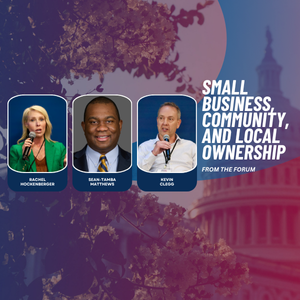
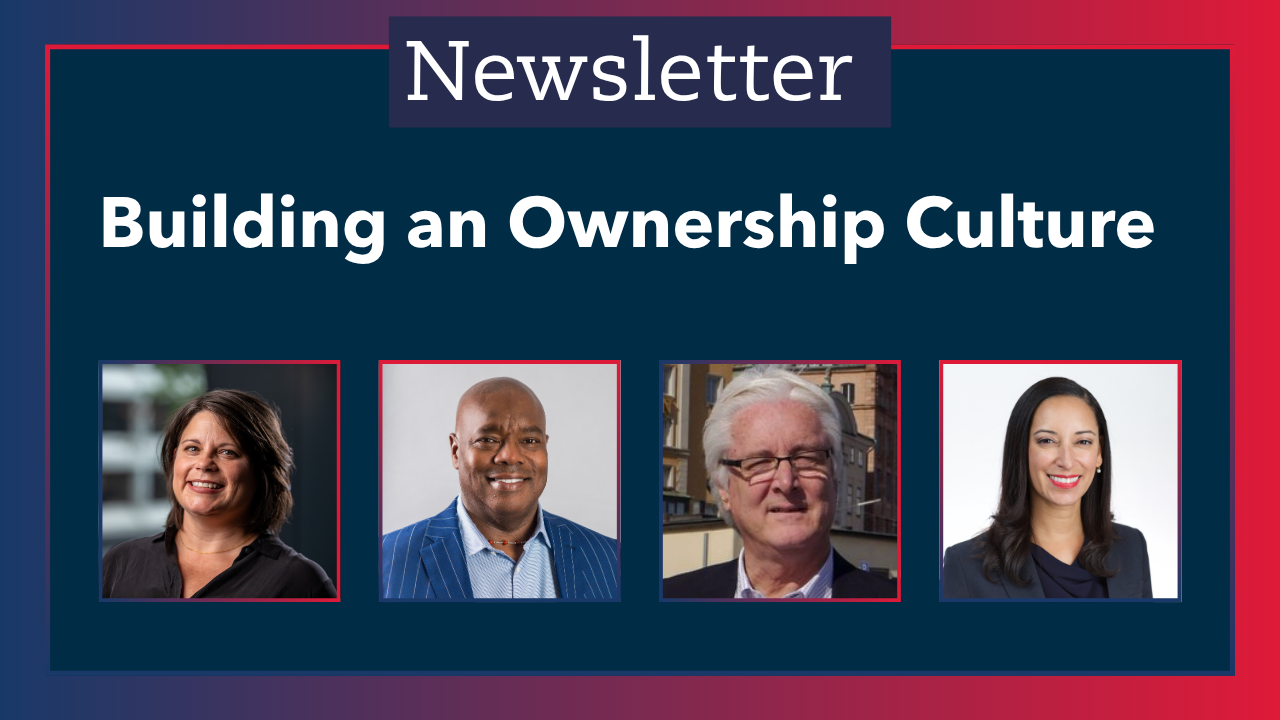
Graphic image featuring headshots of three speakers: Rachel Hockenberger, Sean-Tamba Matthew, and Kevin Clegg.
Blog Posts

Small Business, Community, and Local Ownership

Publications

Policy Brief on the Study, “Employee Share Ownership, Management Practices, and Labor Productivity: An Analysis Using Establishment Level Micro-Data from the US Census”
Publications

Policy Brief on the Study, “Employee Share Ownership, Management Practices, and Labor Productivity: An Analysis Using Establishment Level Micro-Data from the US Census”

  • Fidan Ana Kurtulus
  • Eric Hoyt
  • Paige Ouimet
  • Joseph Blasi
  • Douglas Kruse
  • Richard Freeman
  • William Castellano
Employee Ownership and ESOPs: What We Know from Recent Research (2026)
Publications

Employee Ownership and ESOPs: What We Know from Recent Research (2026)

  • Joseph Blasi
  • Douglas Kruse
Employee Ownership and ESOPs – What We Know from Recent Research
Publications

Employee Ownership and ESOPs – What We Know from Recent Research

  • Joseph Blasi
  • Douglas Kruse
Placeholder
Publications

How Many Firms Are Good Candidates for Employee Ownership?

  • Matt Mazewski, Ph.D.
Placeholder
Publications

Ownership With a Purpose

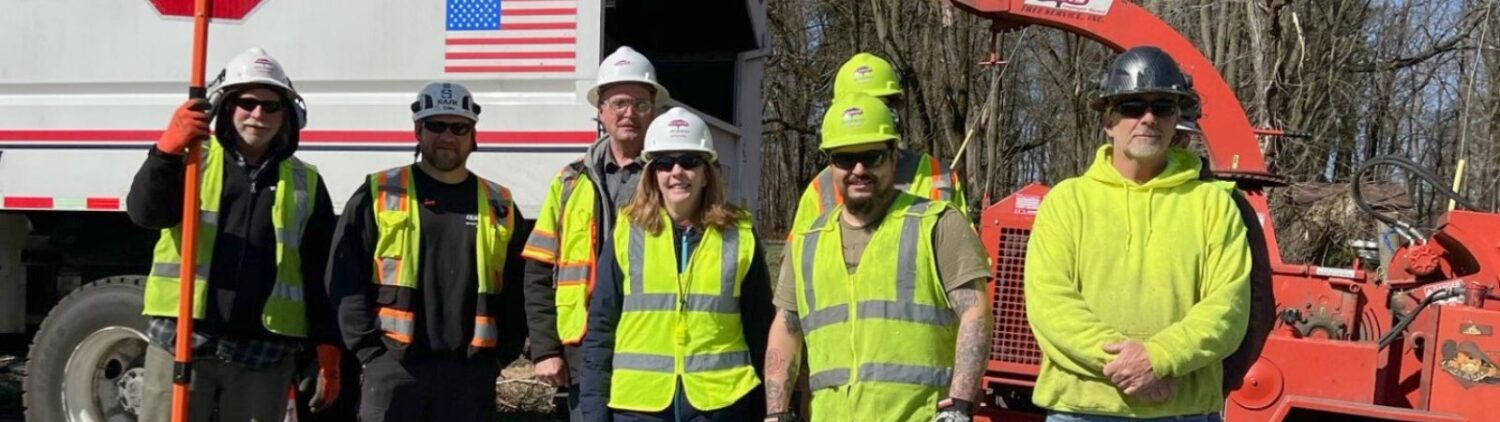
This profile of Clegg Auto illustrates the company’s experience becoming employee-owned, the innovative holding company model it pursued, and its employees’ perspective on the transition and what ownership means to them.

ATTACHMENT DETAILS Cover-ESOPs-in-the-Manufacturing-Industry
Publications

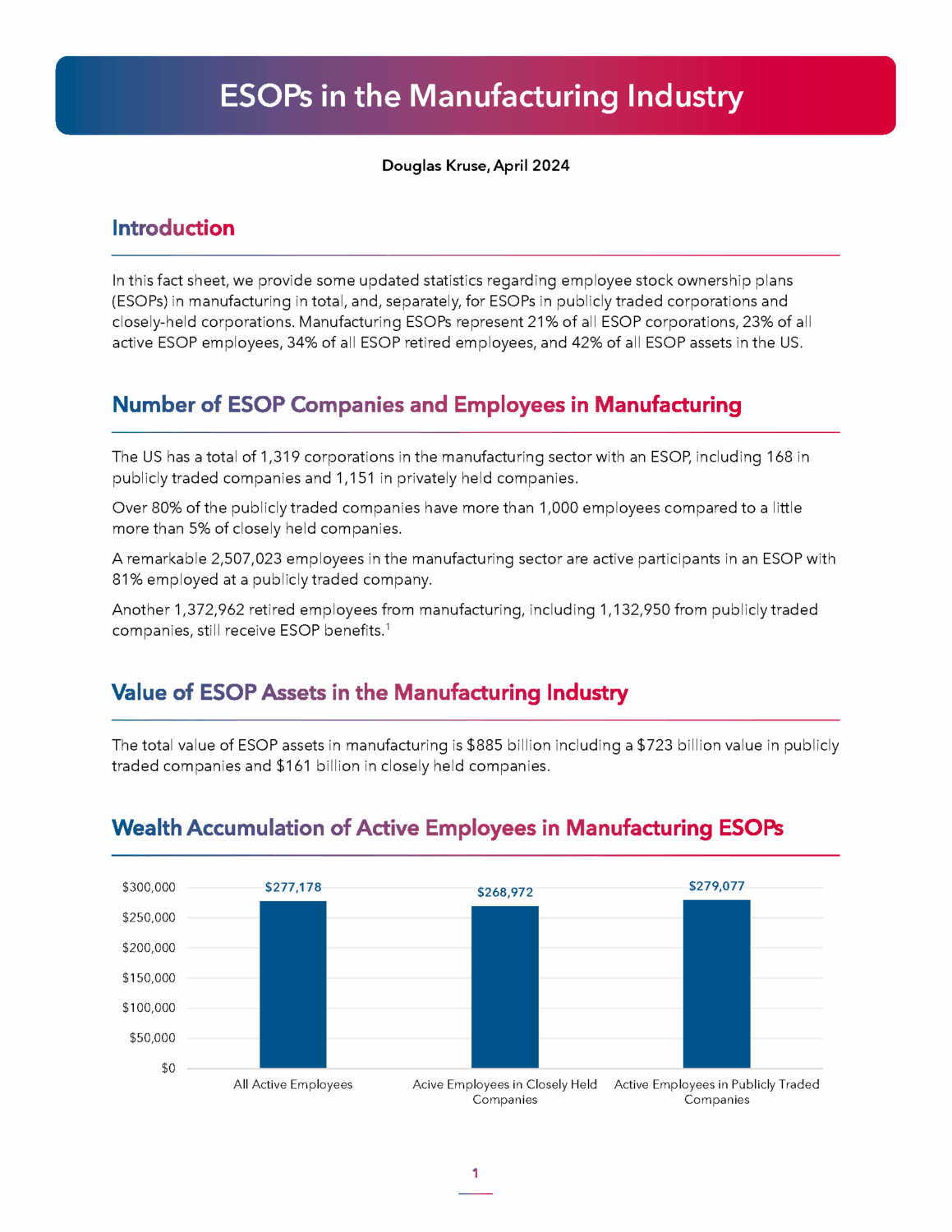
ESOPs in the Manufacturing Industry

ESOPs in Rural Areas
Publications

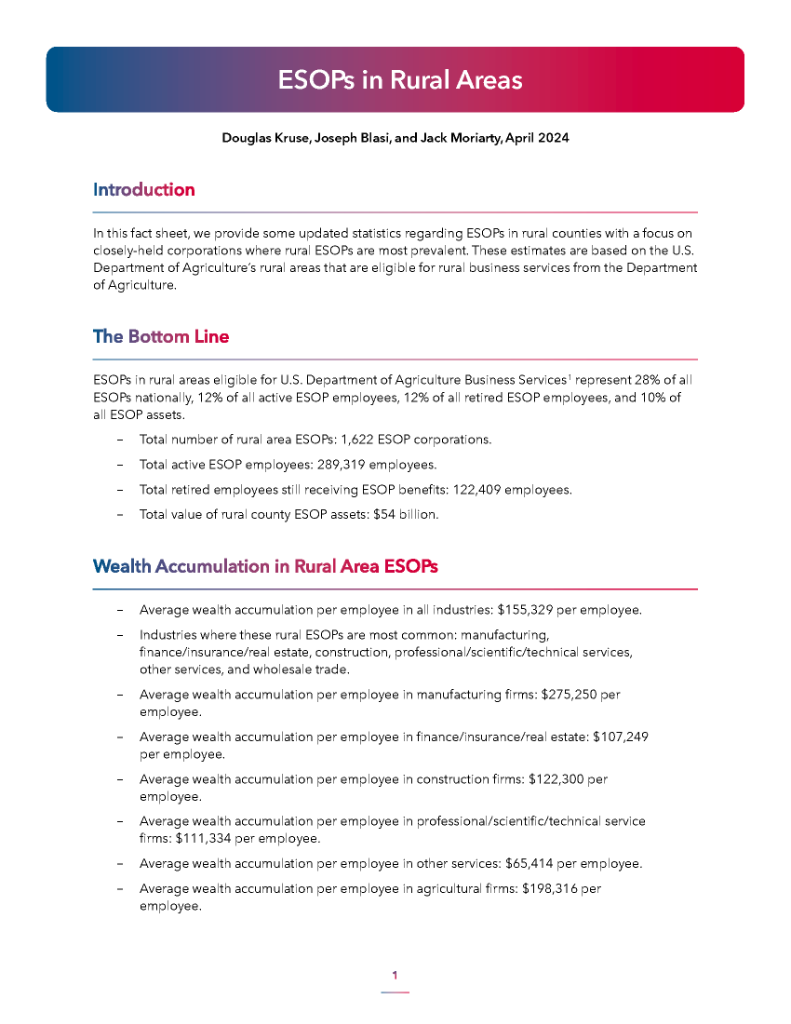
ESOPs in Rural Areas

  • Douglas Kruse
  • Joseph Blasi
  • Jack Moriarty

Events

Employee Ownership Ideas Forum 2026: Owning America’s Future
Economic Opportunity
Ownership During the AI Revolution
Economic Opportunity

Ownership During the AI Revolution

| Washington, DC

View Event

Industry Spotlight: Healthcare

Industry Spotlight: Healthcare

View Event

The Future of the American Worker

The Future of the American Worker

View Event

Five Big Ideas for Employee Ownership

Five Big Ideas for Employee Ownership

View Event

Video Archive

Videos from the Employee Ownership Ideas Forum

About the Rutgers Institute for the Study of Employee Ownership and Profit Sharing

The purpose of the Institute for the Study of Employee Ownership and Profit Sharing is to study the various models that have emerged and will emerge of employee ownership shares and profit shares in the corporation and society of the United States and around the world.

About the Economic Opportunities Program

The Aspen Institute Economic Opportunities Program advances strategies, policies, and ideas to help low- and moderate-income people thrive in a changing economy.

Join Our Mailing List

To receive occasional emails about our work — including new publications, commentary, events, fellowships, and more — join our mailing list.

Connect on Social Media

For news and updates every day, connect with us on the social media platform of your choice.

More from the Economic Opportunities Program

Resource Roundup: Data Centers and the Workforce
Blog Posts
Work and the Social Contract in the Age of AI: How did we get here?
Podcasts Videos

Work and the Social Contract in the Age of AI: How did we get here?

“Social contract” has quickly become one of the most-used, least-defined phrases in the AI policy conversation. This first event in a two-part series will trace the origin and history of the American social contract, examining how work became the anchor of economic security, mobility, and civic identity in the United States.

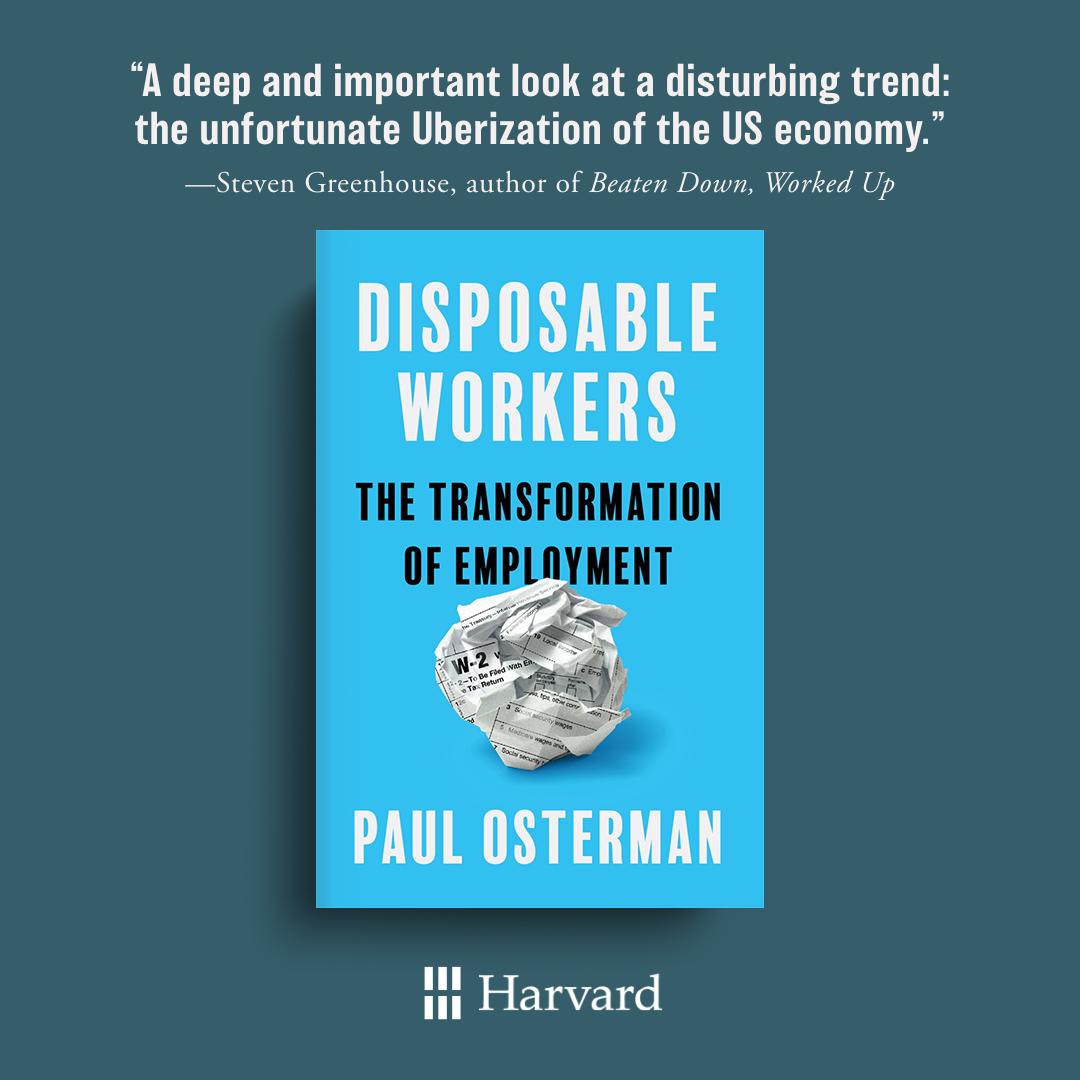
Disposable Workers: A Book Talk with MIT Sloan Professor Paul Osterman
Podcasts Videos

Disposable Workers: A Book Talk with MIT Sloan Professor Paul Osterman

For decades, economists and policymakers have debated how to help workers get better jobs. But what if the more fundamental problem is that employers have systematically redesigned work itself to make a third of the workforce expendable? In his forthcoming book, “Disposable Workers: The Transformation of Employment,” MIT Sloan Professor Emeritus Paul Osterman examines this idea and what it would take to reverse it.


The Workforce of the Future Starts with Adult Basic Education
Blog Posts

The Workforce of the Future Starts with Adult Basic Education

To create a future-ready workforce system, we must move beyond outdated credentials and analog processes to one that is skills-first, transparent, data-driven, and aligned with the evolving needs of workers, educators, and employers.

Foundational Skills: Early Insights from Employers and Providers
Publications

Foundational Skills: Early Insights from Employers and Providers

This publication examines how fragmented skills, credentialing, and workforce data systems limit the potential of skills-based hiring and advancement, and outlines a shared vision for building the interoperable infrastructure needed to create a connected skills ecosystem that benefits workers, employers, educators, and governments.

How Tax Policy Can Help Employers Expand Access to Learning
Podcasts Videos

How Tax Policy Can Help Employers Expand Access to Learning

In this interview, Chelsea Miller of Upskill America speaks with Nick Greif of InStride about how employers can design education benefits that are more accessible, strategic, and aligned with workforce goals.