Aspen is a place for leaders to lift their sights above the possessions which possess them. To confront their own nature as human beings, to regain control over their own humanity by becoming more self-aware, more self-correcting, and hence more self-fulfilling.
Opportunity in America, an event series hosted by the Economic Opportunities Program, considers the changing landscape of economic opportunity in the US and implications for individuals, families, and communities across the country.
The series highlights the ways in which issues of race, gender, and place exacerbate our economic divides, and ideas and innovations with potential to address these challenges and broaden access to quality opportunity.
Is America living up to our aspirations to be a real “land of opportunity?” Even as the economy’s expansion continues, mobility is in decline while inequality reaches alarming heights. How should we define opportunity in the era ahead? How can we ensure that everyone has equitable access to it? Opportunity in America explores the changing nature of opportunity, who is and isn’t included, and concrete ideas for expanding access to quality economic opportunities.
Opportunity in America builds on our Working in America events, which examined how the changing nature of work influenced access to opportunity in America, particularly for low- and moderate-income workers, but also broaden the lens to more intentionally include business ownership strategies as a key route to accessing economic opportunity in the US. We hope you will join us as we seek to advance strategies, policies, and ideas to ensure all have a fair shot to pursue their American Dream.
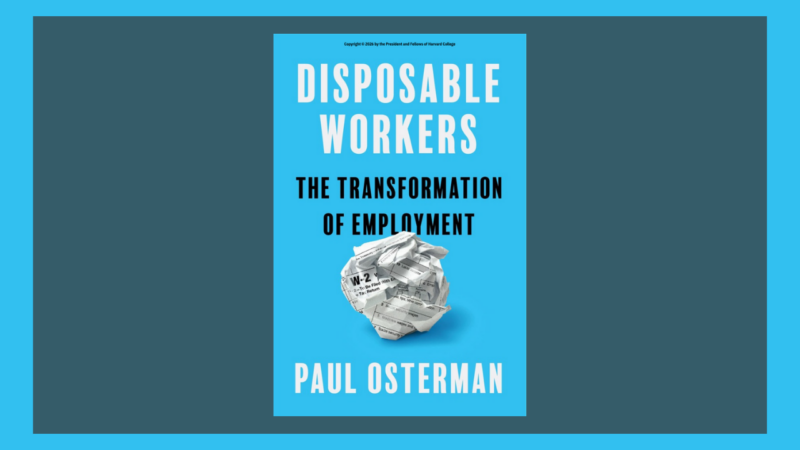
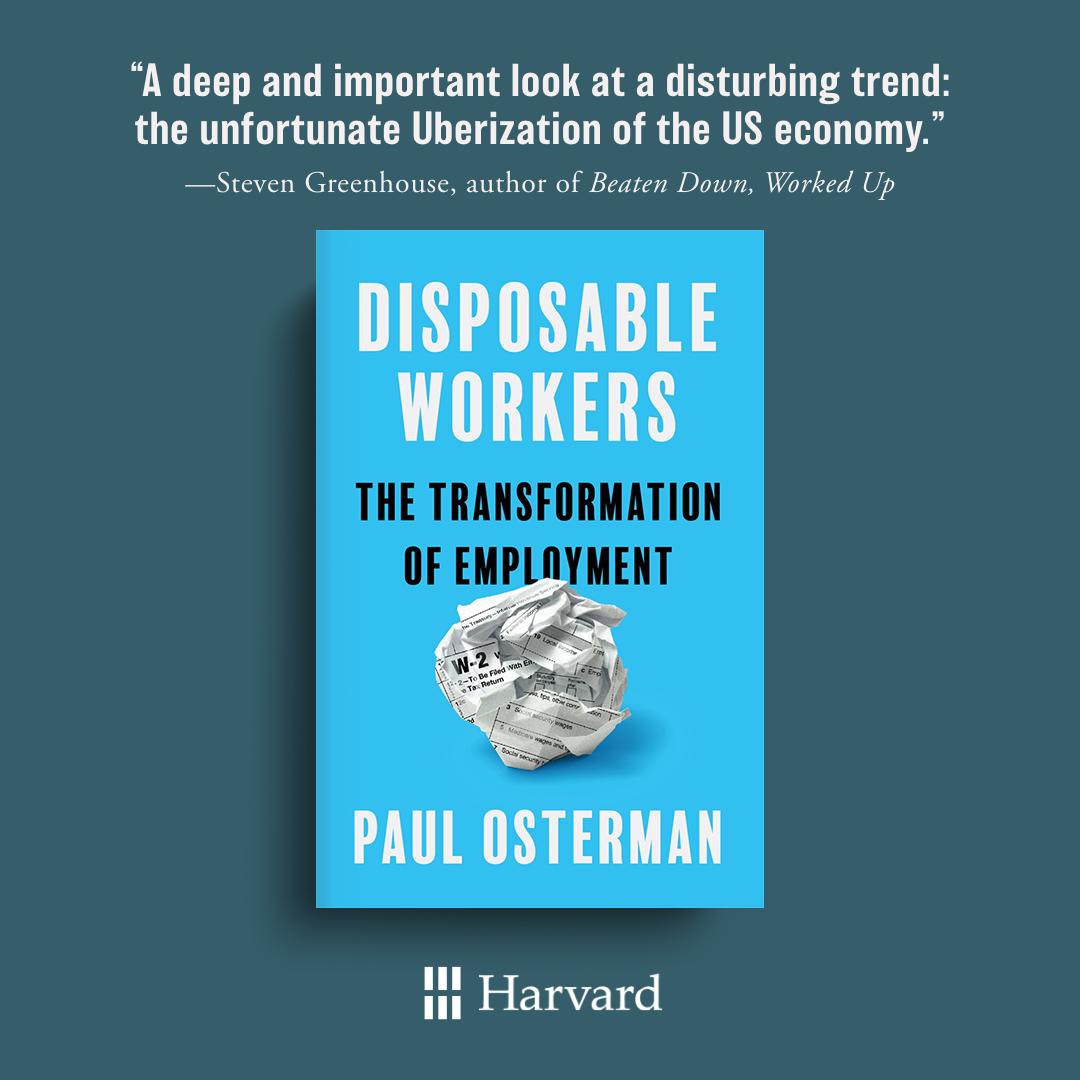
For decades, economists and policymakers have debated how to help workers get better jobs. But what if the more fundamental problem is that employers have systematically redesigned work itself to make a third of the workforce expendable? In his forthcoming book, “Disposable Workers: The Transformation of Employment,” MIT Sloan Professor Emeritus Paul Osterman examines this idea and what it would take to reverse it.
This is the final event in our Job Quality in Practice series. In this conversation, hosted by the Aspen Institute Economic Opportunities Program on May 7, 2026, we hear from the Institute’s Job Quality Fellows who are embedding job quality into their work across a range of contexts and strategies — from employee ownership models that give workers a direct financial stake in their company’s success, to apprenticeship programs that create structured pathways to higher-wage careers, to worker advisory committees that bring employee voice into business decision-making.
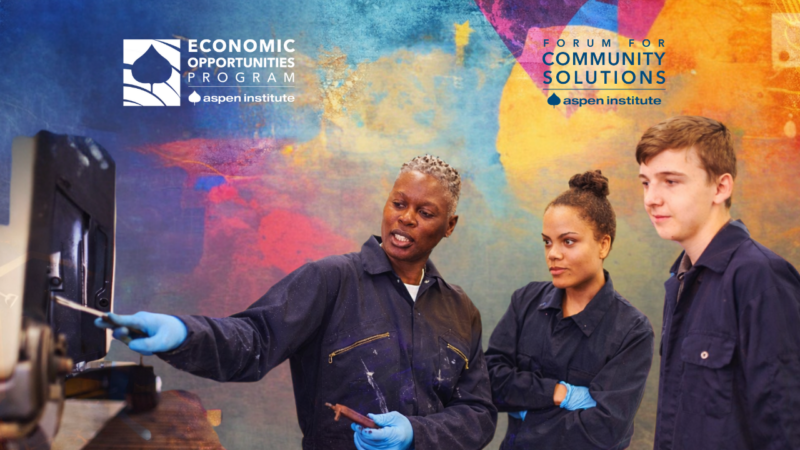
This event — hosted by the Aspen Institute Economic Opportunities Program and the Forum for Community Solutions on April 21, 2026 — explores how to create meaningful work opportunities for teens while protecting them from dangerous and exploitative conditions
This event draws on insights from our Workforce Leadership Academies. For highlights from this discussion, subscribe to EOP’s YouTube channel. Or subscribe to our podcast to listen on the go.
A core shared value in American society, one deeply woven into our national narrative, is the belief in equal opportunity — the idea that everyone should have a fair chance to succeed based on their effort, talent, and ambition, regardless of their background.
In this event — hosted by the Economic Opportunities Program on July 30, 2025 — we learn how the warming climate is affecting workers, and what policymakers, businesses, and labor are doing to keep workers safe.
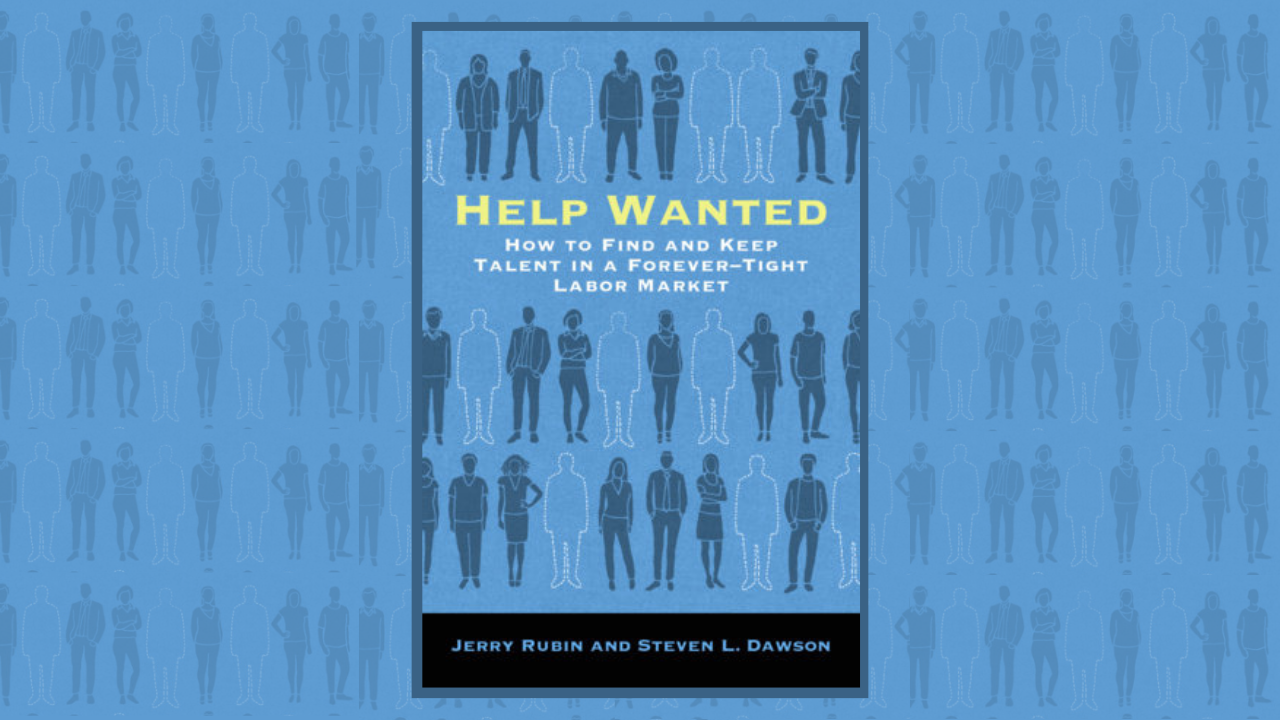
This virtual book talk — hosted by the Aspen Institute Economic Opportunities Program on April 30, 2025 — features Goldstone in conversation with moderator Maureen Conway, a vice president at the Aspen Institute and executive director of the Institute’s Economic Opportunities Program.
The Aspen Institute Economic Opportunities Program advances strategies, policies, and ideas to help low- and moderate-income people thrive in a changing economy.
Join Our Mailing List
To receive occasional emails about our work — including new publications, commentary, events, fellowships, and more — join our mailing list.
States invest in work-connected learning through dozens of distinct funding streams, grant programs, and agency initiatives, often developed independently over time by different administrations and agencies pursuing different goals.
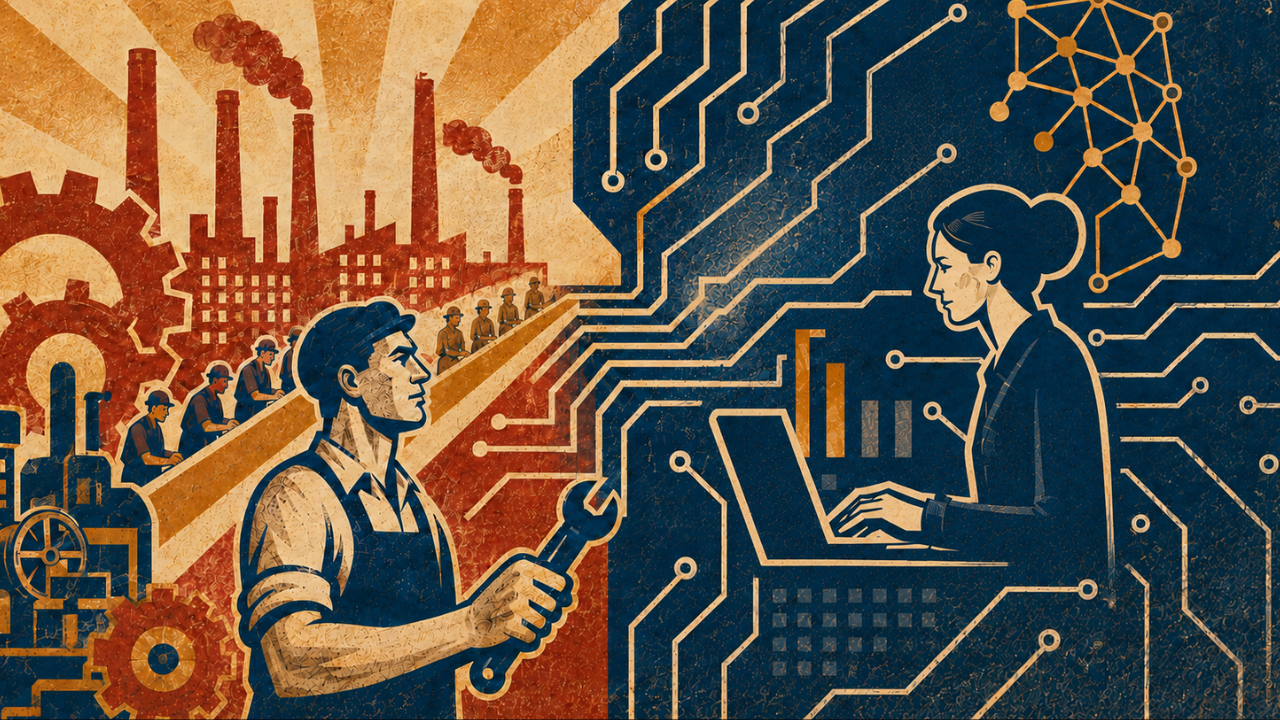
“Social contract” has quickly become one of the most-used, least-defined phrases in the AI policy conversation. This first event in a two-part series will trace the origin and history of the American social contract, examining how work became the anchor of economic security, mobility, and civic identity in the United States.
For decades, economists and policymakers have debated how to help workers get better jobs. But what if the more fundamental problem is that employers have systematically redesigned work itself to make a third of the workforce expendable? In his forthcoming book, “Disposable Workers: The Transformation of Employment,” MIT Sloan Professor Emeritus Paul Osterman examines this idea and what it would take to reverse it.
To create a future-ready workforce system, we must move beyond outdated credentials and analog processes to one that is skills-first, transparent, data-driven, and aligned with the evolving needs of workers, educators, and employers.