What Employee Ownership Means to Workers
Date
2:00pm – 3:15pm EDT
Location
Contact
Hosts


Employee ownership has deep roots in the United States, from profit sharing in the cod fishing industry during the nation’s founding era to the early cooperatives formed by formerly enslaved people to the creation of employee stock ownership plans (ESOPs) in 1974. Today, ESOPs, cooperatives, employee ownership trusts (EOTs), and new forms of ownership and profit sharing continue to expand what employee ownership can look like as we pursue a fairer economy where workers can share in the wealth and value they create.
Employee owners themselves bring a critical perspective to building effective employee-owned companies and expanding the model. Workers know best which elements of ownership matter most, so their voices are important in designing ownership plans, putting them into practice, and evaluating outcomes. Understanding those perspectives can help companies develop workplace practices that let employee ownership thrive and help policymakers craft policies that support its growth.
The Economic Opportunities Program’s forthcoming report, What Employee Ownership Means to Workers, shares the perspectives and experiences of workers at companies with different forms of employee ownership: ESOPs, EOTs, worker cooperatives, and broad-based equity compensation plans.
Join the Aspen Institute Economic Opportunities Program for What Employee Ownership Means to Workers virtually on October 29, 2026, from 2:00 to 3:15 p.m. ET. Hear findings from the report and a panel conversation featuring five employee-owners who participated in the research, as part of our celebration of Employee Ownership Month.
Speakers
Randy Gallo
Eastern Region Vice President, Threaded Fasteners
Bio
coming soon
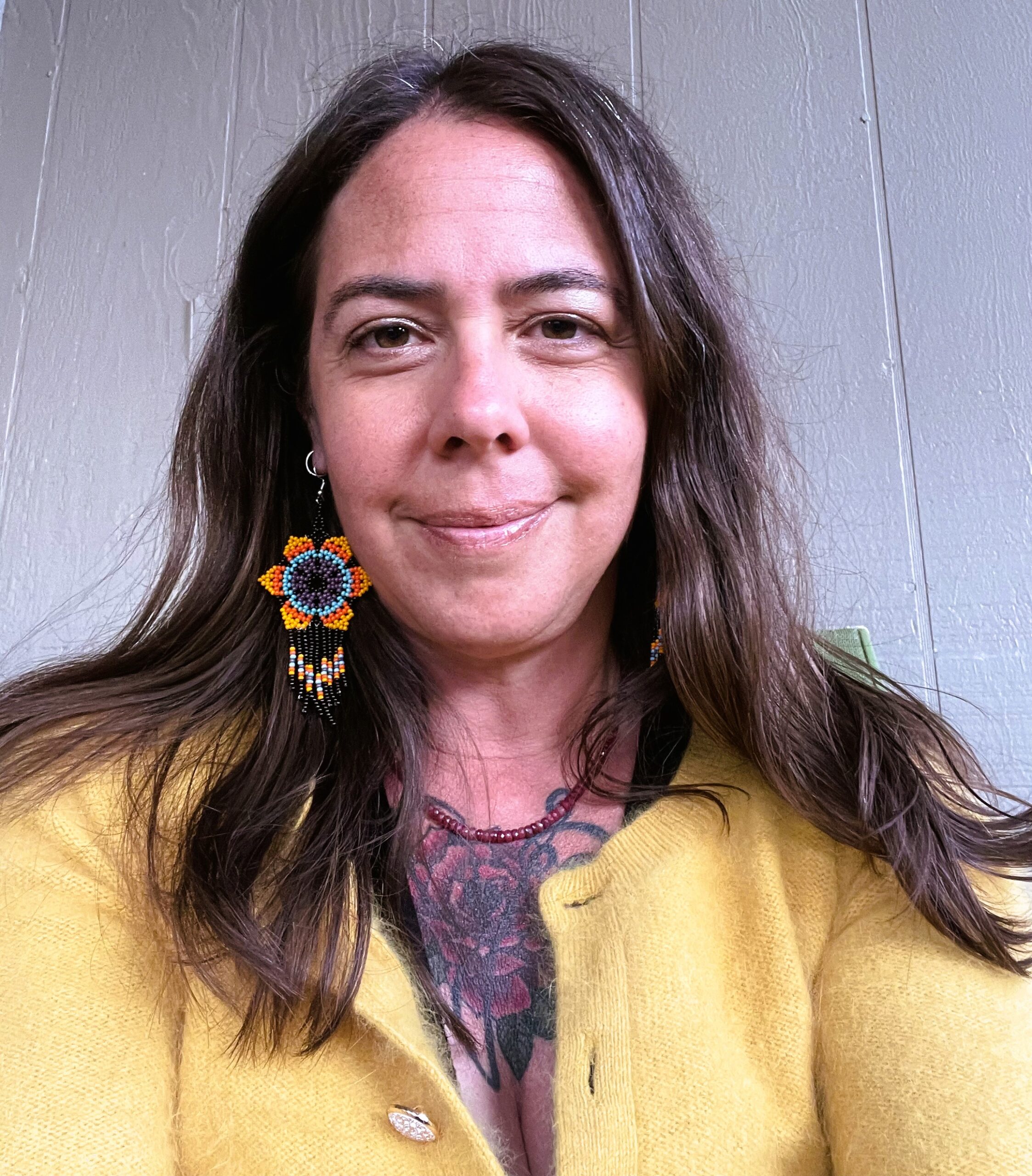
Paulette LaDouceur
General Manager, Capital Homecare Cooperative
Bio
Paulette was born into a large and loving multigenerational family in Michigan, where she developed a profound gratitude for elders and caregiving. Paulette spent her formative years in professional theater in Detroit. She went on to teach and attended Wayne State University to pursue a degree in elementary education while also studying science and philosophy. Her career has included teaching, performing, parenting, group facilitation, and feeding people with food and her music. She has a strong passion for worker co-ops and joined Capital Homecare Cooperative (CHC) in 2021. Paulette has evolved in capacity and role from member/owner, to board chair to care coordinator to now serving as general manager. In this leadership position, she continues to build a team of highly skilled caregivers and revels in the opportunity to empower workers to own their business all within the presence of respect, authenticity, trust, and connection. Outside of Capital Homecare, Paulette is vice president of Washington Homecare Cooperatives, the first state-based home care secondary cooperative, and she is board president for Cosound, a secondary co-op for co-ops in the South Salish Sea.
Outside of CHC, Paulette spends her time playing music, being with the people and animals she loves, and experiencing nourishment through nature, beautiful food, and a commitment to her values
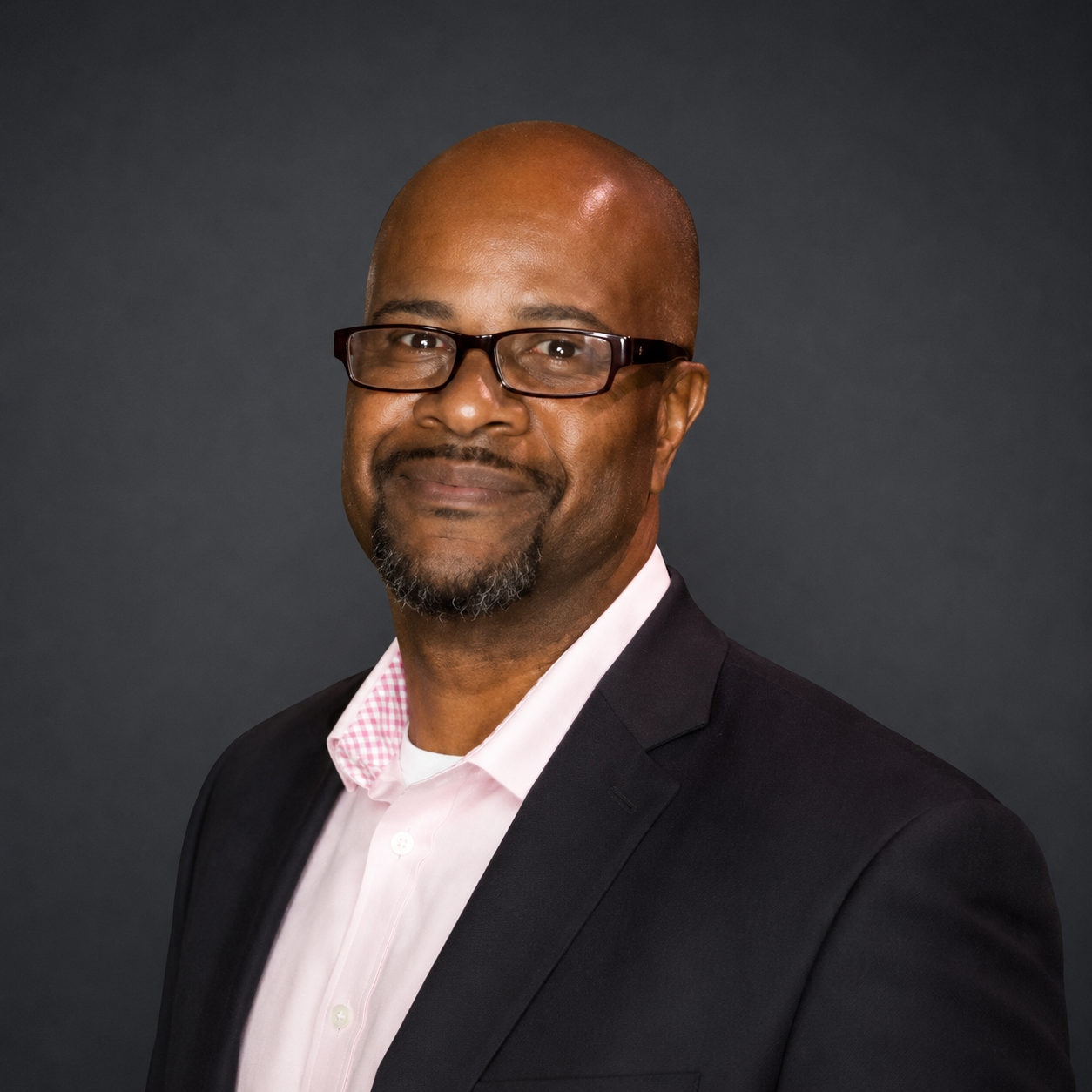
Craig Moss
VP of Wholesale Transportation, Integrated Specialty Coverages
Bio
Craig Moss is VP of Wholesale Transportation at Integrated Specialty Coverages and has more than 30 years of experience in the insurance industry, spanning underwriting, brokering, program development, and executive leadership.
As an employee-owner at ISC, Craig also experienced firsthand the financial impact employee ownership can have when the company was acquired by KKR—giving him a unique perspective on what employee ownership can mean beyond the workplace and how shared ownership can create meaningful, life-changing value for employees.
Craig has been married for 23 years, his wife is also in the insurance industry, and they have two daughters, one a UTA graduate and the other a senior at Rutgers University.
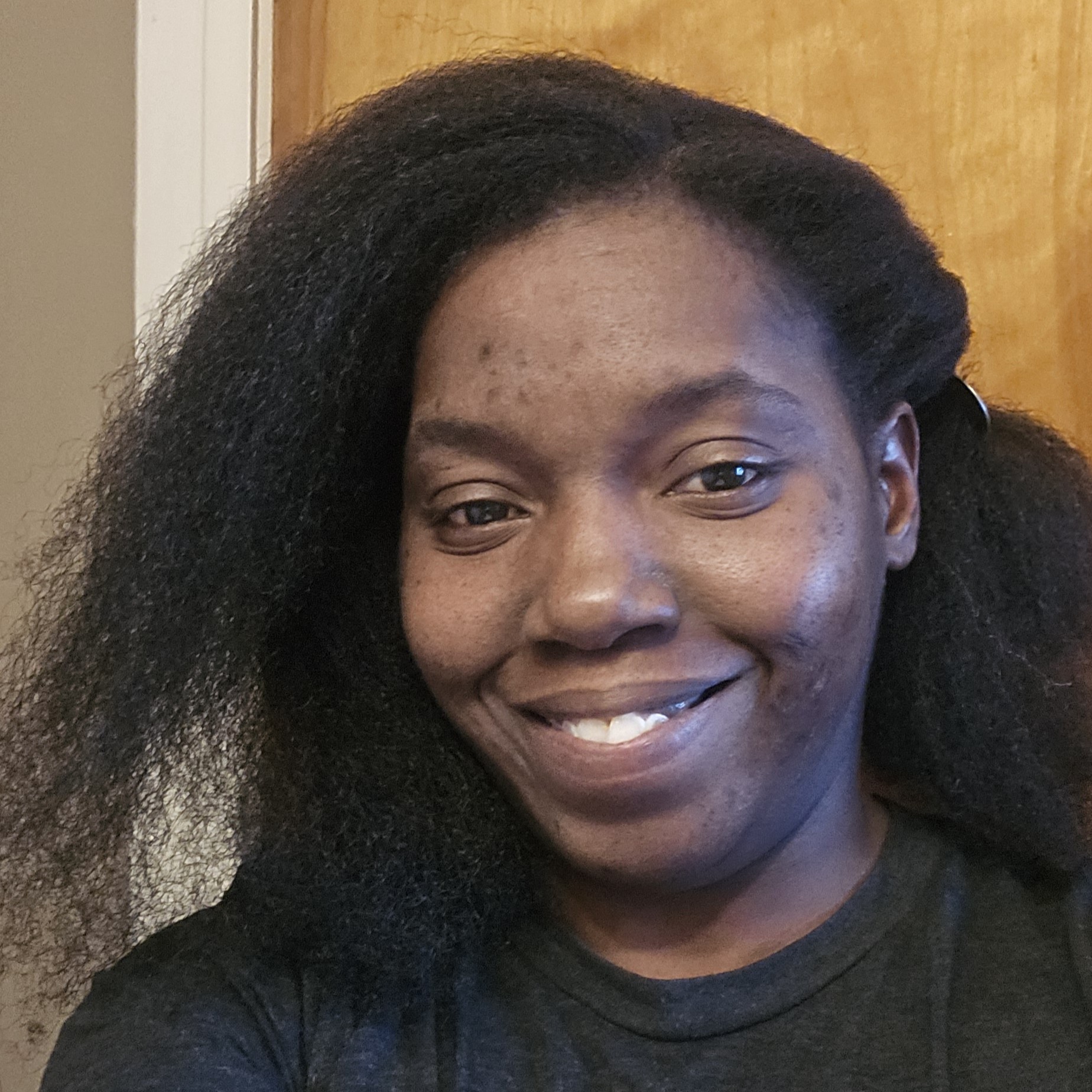
Mary Wilder
Previous Worker Owner and Board Director at Shine Nurture Center Cooperative
Bio
Mary Wilder is a former worker- owner and board president of Shine Nurture Center Cooperative and a long-time child-care professional with 20 years of experience and leadership in Ohio and North Carolina. Her writing has been published in Nonprofit Quarterly. She has a passion for helping others and children. Outside of work, Mary is a wife and mother to 4 children. She enjoys tandem bike rides with her husband and camping and hiking anytime she gets the chance.
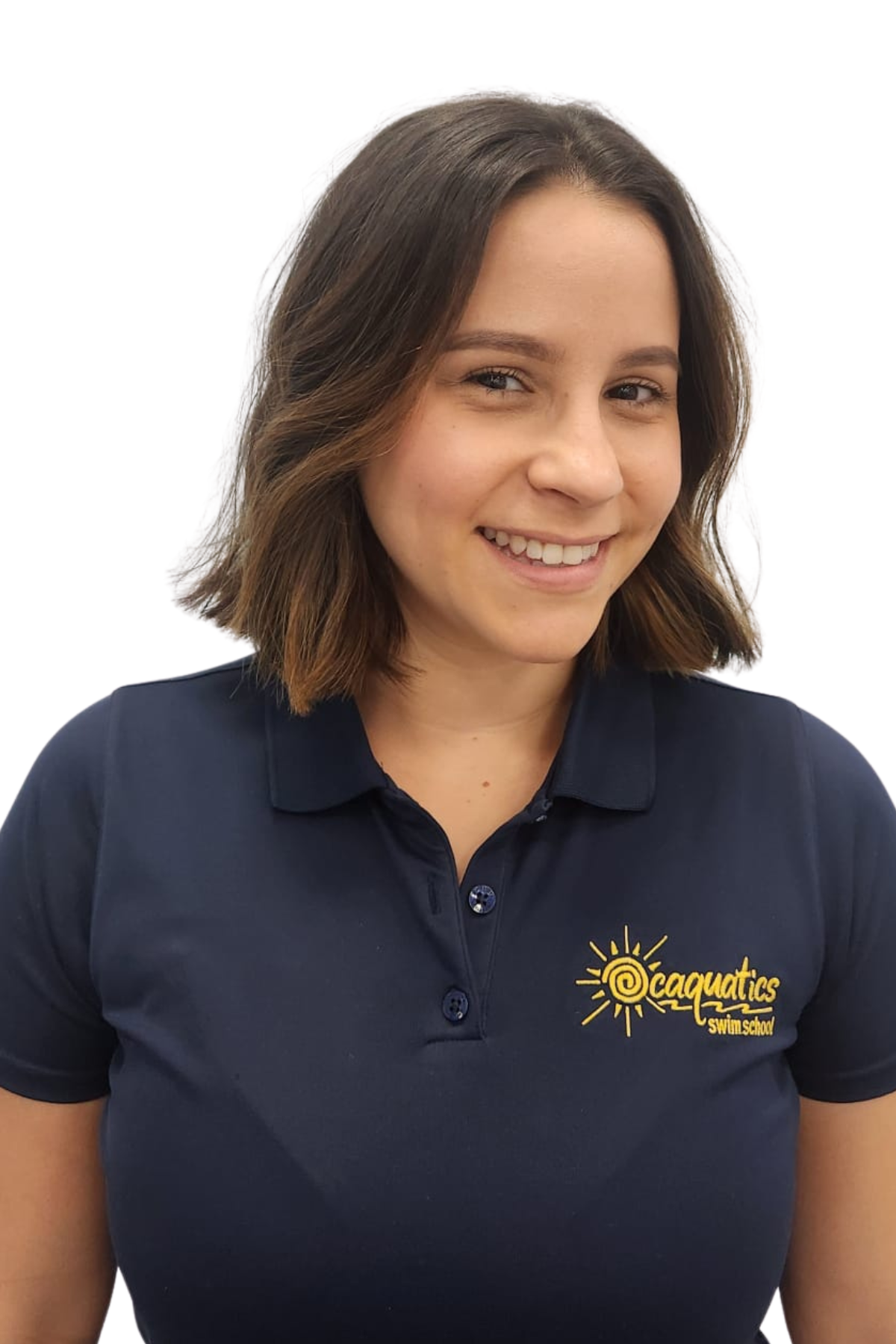
Katiuska Yanez
People Lead, Ocaquatics Swim School
Bio
Katiuska Yanez is the people lead at Ocaquatics Swim School, a 100% employee-owned, Certified B Corporation with five locations in Miami and about 150 team members. She leads learning and development and human resources, where she supports team members as professionals and as people.
She first joined Ocaquatics in March 2017 as a swim instructor and grew through roles as leader, supervisor, and location manager before joining the Lead Team. She became a co-owner in March 2024, when Ocaquatics transitioned to an employee ownership trust. Ocaquatics runs in her family: her husband, Eduardo, joined the team in 2023, and their almost two-year-old son, Oliver, takes swim lessons at Ocaquatics. Katiuska fell in love with Ocaquatics on her first day, when she saw how much a company can care for its team, its families, and its community.
Moderator

Matt Helmer
Director of Job Quality and Worker Well-being, Economic Opportunities Program
Bio
Matt Helmer is director of job quality and worker well-being at the Aspen Institute Economic Opportunities Program and joined the program in April 2022. Matt’s work focuses on developing conversations, tools, and research that advance job quality, equity, and economic security for workers with low and moderate incomes. He worked for the Institute’s Workforce Strategies Initiative (WSI) from 2009 to 2014. With WSI, Matt researched community college and nonprofit partnerships and construction pre-apprenticeship and apprenticeship programs, facilitated the Sector Skills Academy, and supported the Reinventing Low-Wage Work and Working in America discussion series.
Matt has a background in workforce development, affordable housing, and adult education. Before rejoining the Institute in 2022, Matt worked for the Seattle Housing Authority (SHA), where he led a team of analysts and project managers charged with advancing the agency’s strategic priorities. Matt helped lead the development and implementation of workforce development and asset building programs, eviction prevention strategies, and trauma-informed customer service. Before joining SHA, Matt was a senior policy analyst at the Seattle Jobs Initiative, where he evaluated workforce development programs and conducted research on job quality and economic development issues in the Seattle region. Prior to coming to the Institute in 2009, Matt worked for a local nonprofit in Seattle supporting immigrants and refugees, served in Damascus as a senior English language fellow for the US State Department, and was a Peace Corps Volunteer in Tonga. He has bachelor’s and master’s degrees in teaching English to speakers of other languages from Southern Illinois University and a master’s degree in public administration from the University of Washington. Matt lives outside Seattle with his wife and two sons and enjoys spending time with them exploring the beaches, mountains, and forests of the Pacific Northwest.
About Opportunity in America
Opportunity in America, an event series hosted by the Economic Opportunities Program, considers the changing landscape of economic opportunity in the US and implications for individuals, families, and communities across the country.
About the Economic Opportunities Program
The Aspen Institute Economic Opportunities Program advances strategies, policies, and ideas to help low- and moderate-income people thrive in a changing economy.
Join Our Mailing List
To receive occasional emails about our work — including new publications, commentary, events, fellowships, and more — join our mailing list.
Connect on Social Media
For news and updates every day, connect with us on the social media platform of your choice.