About this Event
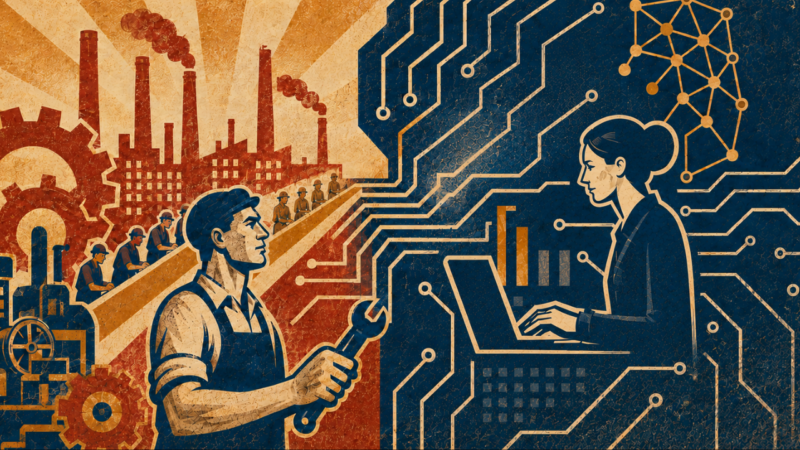
Artificial intelligence and automation promise to unleash a wave of productivity and economic growth—but without deliberate action, the gains will flow overwhelmingly to those who already own capital, deepening inequality and further disconnecting society from the value it helps create.
This session explores how reimagining ownership—from broad-based worker equity to public-interest frameworks—can ensure that the AI-powered economy generates a true “social dividend” rather than a private windfall. Panelists will examine the risks of AI growth without consideration of ownership and social impact, how some organizations are already prioritizing shared value and governance, and what policy shifts could institutionalize this approach.
This event is part of the 2026 Employee Ownership Ideas Forum, happening June 2-3 in Washington DC and online. If you would like to join the Forum in its entirety, click here.
If you registered for the Forum, you do not need to register separately for this event. It is included with your registration.
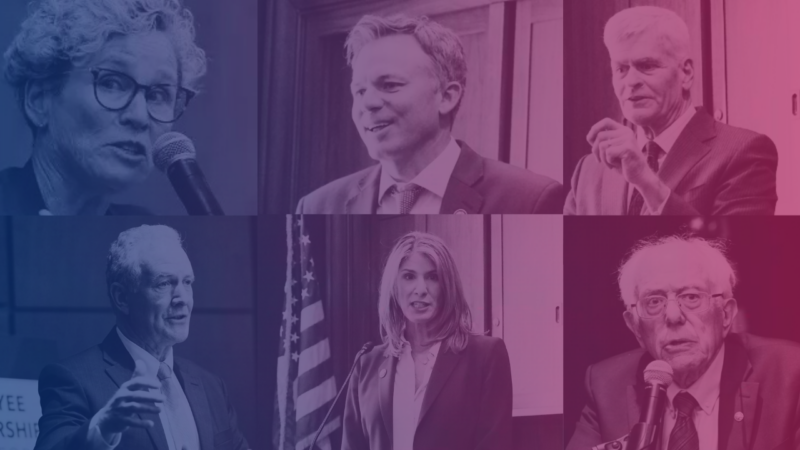
Speakers
Deric Cheng
Director of Research, Windfall Trust
Bio
Deric Cheng is the director of research at the Windfall Trust, where he leads efforts to ensure the economic benefits of advanced AI are broadly shared. He also leads the AGI Social Contract, a consortium of experts developing strategies for a new social contract in a post-AGI society. His current priority is expanding the research community, designing national preparedness plans for AI economic disruption. Previously, Deric served as AI governance lead at Convergence Analysis, where he hosted conferences on AI economic impacts and led fellowships on economic policy research. His earlier governance work focused on foundational policies, including chip registries, model registries, and soft nationalization. Before policy, Deric was the fifth engineer at Alchemy, an Ethereum infrastructure startup now valued at $10.2 billion, where he created web3.university, a learning platform serving over 200,000 students. From 2015 to 2018, he was a rapid prototyping researcher at Google’s Interaction Lab, where he invented the real-time translation feature launched on the original Pixel Buds in 2017.
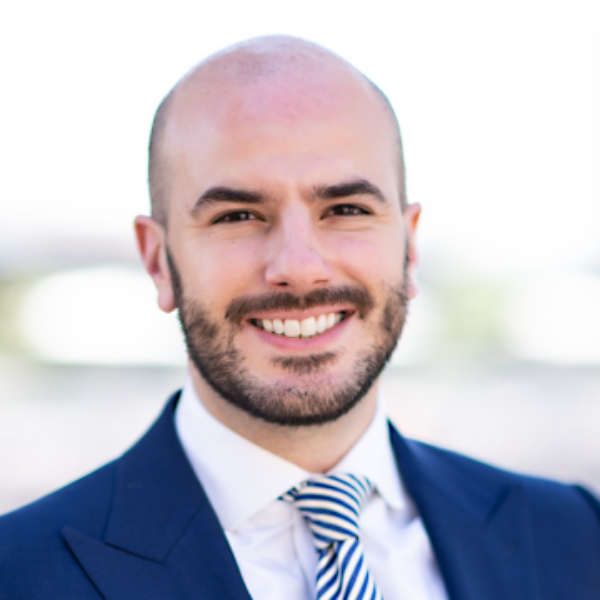
Anthony Cimino
Head of Federal Affairs, Anthropic
Bio
Bio forthcoming
Zoë B. Cullen
Michael B. Kim Associate Professor of Business Administration, Harvard Business School
Bio
Bio forthcoming
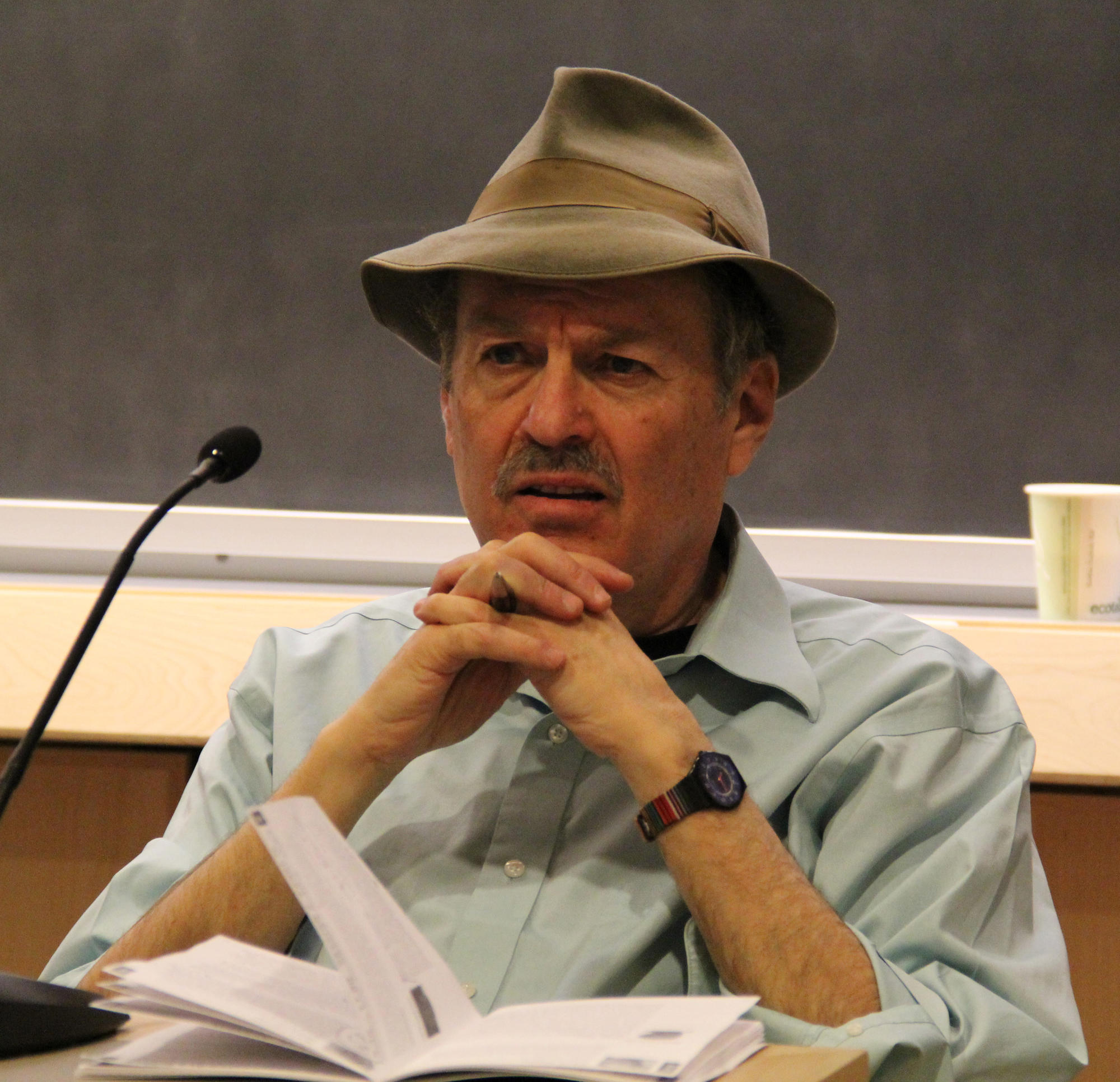
Richard Freeman
Herbert Ascherman Chair in Economics, Harvard University
Bio
Richard holds the Herbert Ascherman Chair in Economics, at Harvard University. He is a research associate at the National Bureau of Economic Research (NBER), and is currently serving as faculty co-director of the Center for Labor and a Just Economy at the Harvard Law School. Professor Freeman is a fellow of the American Academy of Arts and Science and the American Association for the Advancement of Science (AAAS). He is currently serving on the AAAS Initiative for Science and Technology. Freeman received the Mincer Lifetime Achievement Prize from the Society of Labor Economics in 2006. In 2007 he was awarded the IZA Prize in Labor Economics. In 2011 he was appointed Frances Perkins Fellow of the American Academy of Political and Social Science. In 2016 he received the Global Equity Organization Judges Award, honoring exceptional contribution towards the promotion of global employee share ownership. Also in 2016, he was named a distinguished fellow of the American Economic Association; the award citation describes Richard as “an enormously innovative labor economist who has made pioneering contributions to virtually every aspect of the field.” Professor Freeman’s research interests include the job market for scientists and engineers; the transformation of scientific ideas into innovations, Chinese and Korean labor markets; the effects of artificial intelligence and robots on the job market; and forms of labor market representation and employee ownership.

Liba Wenig Rubenstein (Moderator)
Director, Future of Work Initiative at the Economic Opportunities Program, The Aspen Institute
Bio
Liba Wenig Rubenstein is the director of the Future of Work Initiative.
Previously, Liba was the founding and lead social impact executive at MySpace, Tumblr, and 21st Century Fox, where she pioneered ways to harness companies’ financial, human, cultural, and technological resources for social, civic, and environmental progress and built bridges between sectors to amplify impact. She has helped found the Civic Alliance, chaired the board of premier youth vote organization the Alliance for Youth Organizing, served as a member of the World Economic Forum’s Global Agenda Council on Sustainable Consumption, and advised nonprofits Pop Culture Collaborative, KW Foundation, Vote.org, Social Impact Fund, CARE, Civic Nation, Why Tuesday?, and Invisible Children. Born and bred in Brooklyn, and a proud product of New York City public schools, Liba graduated from Yale University with distinction in American studies and now resides in Los Angeles with her husband and two young daughters.
About the Employee Ownership Ideas Forum
The Employee Ownership Ideas Forum brings together leading policymakers, practitioners, experts, and the media for a robust discussion on how we can grow employee ownership for the shared benefit of American workers and businesses. It is hosted by the Aspen Institute Economic Opportunities Program and Rutgers Institute for the Study of Employee Ownership and Profit Sharing.
About the Rutgers Institute for the Study of Employee Ownership and Profit Sharing
The purpose of the Institute for the Study of Employee Ownership and Profit Sharing is to study the various models that have emerged and will emerge of employee ownership shares and profit shares in the corporation and society of the United States and around the world.
About the Economic Opportunities Program
The Aspen Institute Economic Opportunities Program advances strategies, policies, and ideas to help low- and moderate-income people thrive in a changing economy.
Join Our Mailing List
To receive occasional emails about our work — including new publications, commentary, events, fellowships, and more — join our mailing list.
Connect on Social Media
For news and updates every day, connect with us on the social media platform of your choice.