The Future of Equal Opportunity
A core shared value in American society, one deeply woven into our national narrative, is the belief in equal opportunity — the idea that everyone should have a fair chance to succeed based on their effort, talent, and ambition, regardless of their background.
Equal opportunity in the American workplace has deep roots in the nation’s struggle for civil rights and economic fairness. Though disparities remain for women, different racial groups, and others in areas such as employment rates, wages, wealth, and occupational segregation, progress has been made. From the Civil Rights Act of 1964, which outlawed employment discrimination based on race, color, religion, sex, or national origin, to affirmative action policies and the Americans with Disabilities Act of 1990, the US has made significant strides toward leveling the playing field.
Today, the legacy and pursuit of equal opportunity face significant challenges. Recent debates and policy shifts risk weakening efforts to address discrimination and harassment, and they may obscure the history and progress we’ve made toward greater inclusion. These trends raise important questions about how we uphold our shared commitment to fairness and democratic values. At a time when trust in institutions is wavering and inequality is rising, reaffirming our commitment to equal opportunity is more urgent than ever.
In this event — hosted by the Economic Opportunities Program on September 4, 2025 — we explore the current landscape, emerging challenges, and the strategies needed to protect and strengthen opportunity in the American workplace. We hear opening remarks from Kalpana Kotagal, commissioner of the Equal Opportunity Employment Commission, followed by a panel discussion with Stacey Abrams, USC’s Dr. Manuel Pastor, and moderator Natalie Foster, a senior fellow with our Future of Work Initiative and president and cofounder of the Economic Security Project.
This event is part of our Opportunity in America conversation series. For highlights from this discussion, subscribe to EOP’s YouTube channel. Or subscribe to our podcast to listen on the go.
About Opportunity in America
Opportunity in America, an event series hosted by the Economic Opportunities Program, considers the changing landscape of economic opportunity in the US and implications for individuals, families, and communities across the country.
About the Economic Opportunities Program
The Aspen Institute Economic Opportunities Program advances strategies, policies, and ideas to help low- and moderate-income people thrive in a changing economy.
Join Our Mailing List
To receive occasional emails about our work — including new publications, commentary, events, fellowships, and more — join our mailing list.
Connect on Social Media
For news and updates every day, connect with us on the social media platform of your choice.

A Typology of State-Supported Work-Connected Learning Programs

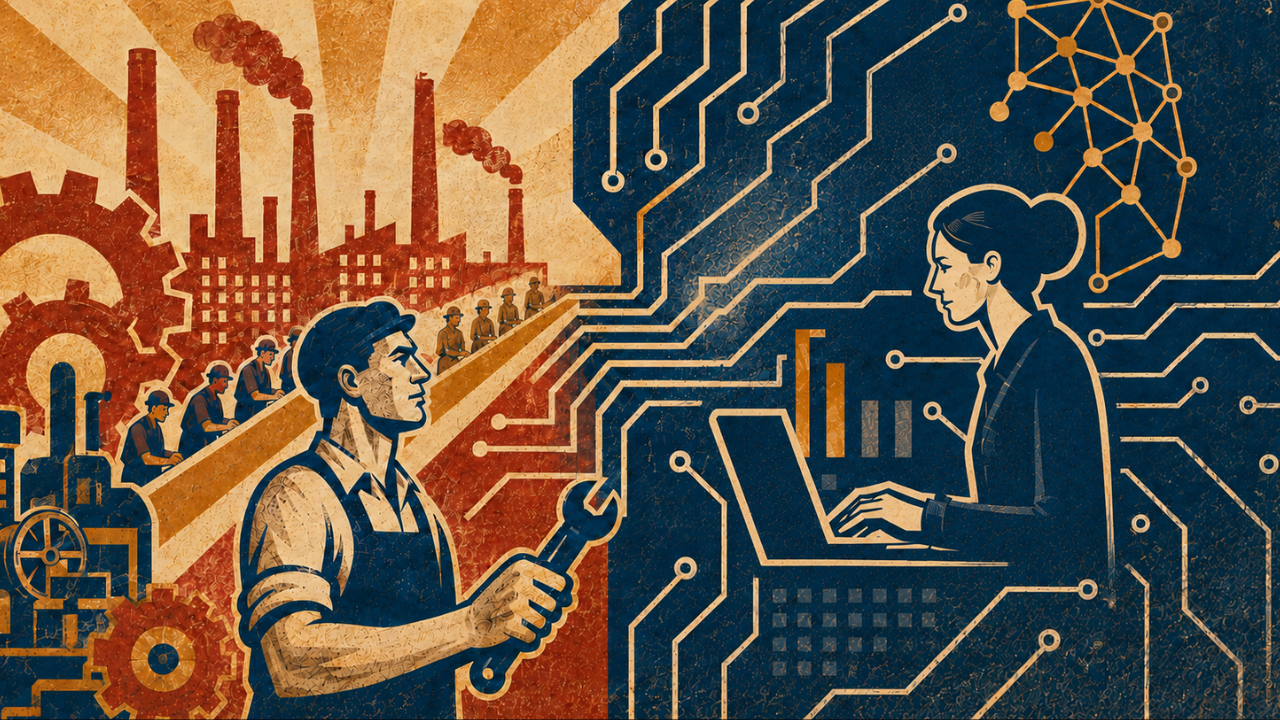
Work and the Social Contract in the Age of AI: How did we get here?
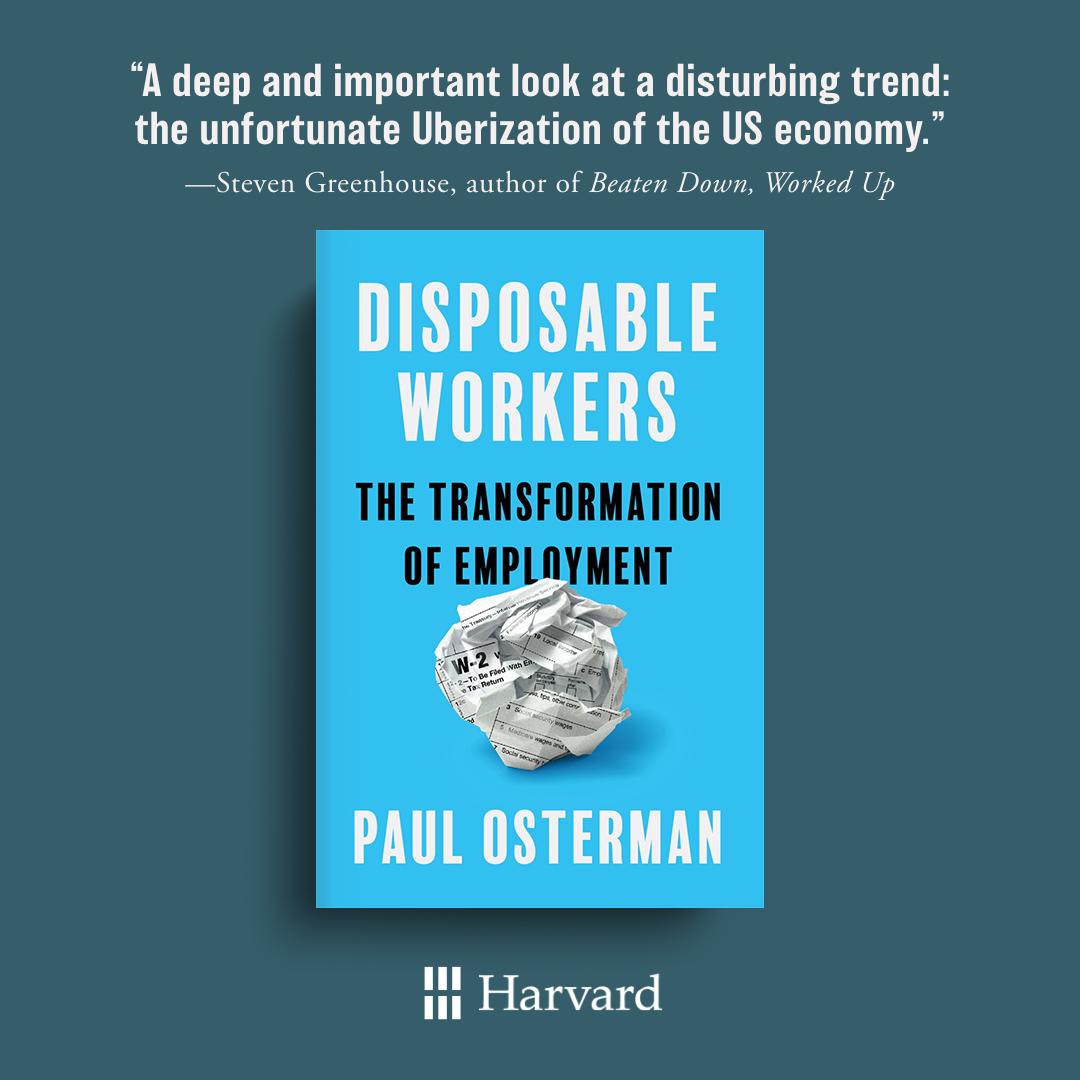
Disposable Workers: A Book Talk with MIT Sloan Professor Paul Osterman