Aspen is a place for leaders to lift their sights above the possessions which possess them. To confront their own nature as human beings, to regain control over their own humanity by becoming more self-aware, more self-correcting, and hence more self-fulfilling.
The Economic Opportunities Program‘s Upcoming Events newsletter is a snapshot of public events and other opportunities to hear from our staff.
Explore previous editions on this page, and join our mailing list to receive new ones by email. Click here to view and subscribe to more newsletters from EOP.
The Aspen Institute Economic Opportunities Program advances strategies, policies, and ideas to help low- and moderate-income people thrive in a changing economy.
Join Our Mailing List
To receive occasional emails about our work — including new publications, commentary, events, fellowships, and more — join our mailing list.
This publication examines how fragmented skills, credentialing, and workforce data systems limit the potential of skills-based hiring and advancement, and outlines a shared vision for building the interoperable infrastructure needed to create a connected skills ecosystem that benefits workers, employers, educators, and governments.
This conversation is part of our Opportunity in America series, where we take a look at the economy, what’s working, what’s broken, and really how we fix it to make sure that everyone can succeed in today’s economy.
This publication examines how fragmented skills, credentialing, and workforce data systems limit the potential of skills-based hiring and advancement, and outlines a shared vision for building the interoperable infrastructure needed to create a connected skills ecosystem that benefits workers, employers, educators, and governments.
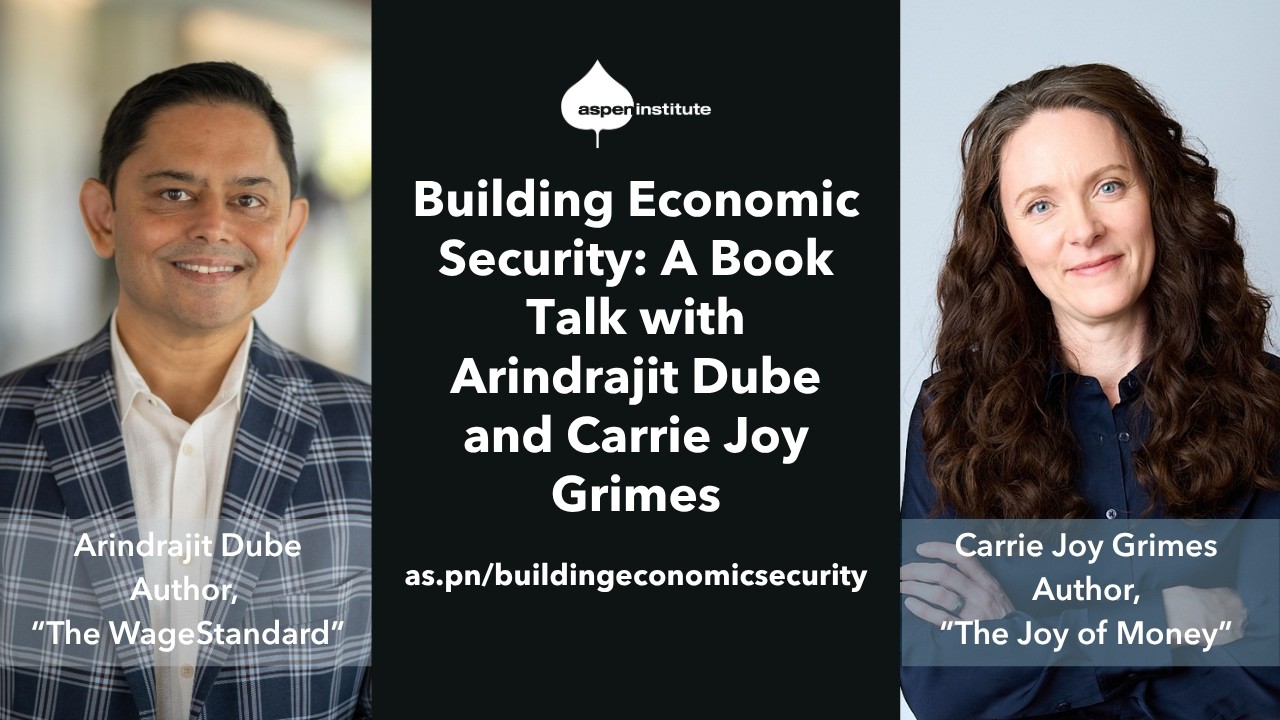
Economic security shouldn’t be a lottery. Yet for millions of working families, stagnant wages and precarious jobs collide with the daily grind of managing money on shaky ground — leaving stability feeling less like a plan and more like a gamble. Fixing that takes more than one lever. It takes structural reform and the tools people need to take control of their financial lives, working together.