Economic Opportunities Program Upcoming Events — January & February 2026
Happy New Year! (Is it too late to say that?) The Aspen Institute Economic Opportunities Program advances strategies, policies, and ideas to help low- and moderate-income people thrive in a changing economy.
We hope you’ll join us at one of our upcoming events, which you can learn about below. Everyone who registers will receive a link to the recording, so please sign up even if you can’t participate live.
If a colleague shared this newsletter with you, consider subscribing to our mailing list or connecting on social media.
January 21 — Beyond 9 to 5: Facilitating Good Jobs for People with Unpredictable Schedules
Wednesday, January 21, from 2 to 3:15 p.m. Eastern time, on Zoom
Since the mid-1900s, the nine-to-five work schedule has been viewed as the standard. But for millions of workers, this schedule doesn’t work. Factors like parenting, caregiving, health challenges, educational commitments, and existing employment preclude many people from being predictably and consistently available for certain jobs. As a result, they often end up in poor-quality roles with low wages, including on app-based platforms that have often been heralded for providing this flexibility. It’s time to ensure that workers in these situations don’t have to make this sacrifice. Join us on Thursday, December 4, from 2 to 3:15 p.m. Eastern time, on Zoom to learn more. Click here to register.
February 19 — Building New Narratives on Work and Opportunity in the US South
Thursday, February 19, from 2:30 to 3:45 p.m. Eastern time, on Zoom
Narratives about work in the American South have often centered on attracting business through lower labor costs, restrictions on unionization, and deregulation. The Southern economic development model, as this approach has come to be known, promised broad growth and prosperity. That prosperity has not materialized for most. Many workers and communities in the South have been left behind, with some regions experiencing poverty rates well above the national average.
Narratives shape public perception, policy, and practice. They can also be challenged and changed. Across the South today, workers, business owners, and communities are advancing a new vision, reframing what opportunity and good work look like and who gets to share in economic success.
Join us for the first of four conversations with members of the Aspen Institute’s Job Quality Fellowship who are working in the South. We’ll examine narrative challenges around work and opportunity, highlight strategies for change, and explore how to amplify approaches rooted in worker dignity, quality jobs, and community wealth-building. Click here to register.
June 2-3 — Employee Ownership Ideas Forum
Tuesday and Wednesday, June 2-3, 2026, in Washington DC and online
The Employee Ownership Ideas Forum, hosted in partnership with the Rutgers Institute for the Study of Employee Ownership and Profit Sharing, brings together leading policymakers, practitioners, experts, and the media for a robust discussion on how we can grow employee ownership for the shared benefit of American workers and businesses
Registration will open soon. Visit our website to sign up for information and updates.
External Events and Speaking Engagements
EOP staff are frequently called upon to lend their expertise to a variety of critical conversations and settings. To invite one of our experts to speak at an event, please send us an email at [email protected].
- January 27, Noblesville, Indiana — Indiana Work-Based Learning Conference, hosted by the Indiana Chamber. UpSkill America Senior Director Haley Glover will lead an educational session called, “Built for Impact: Creating Business Value Through Work-Based Learning.”
- February 17-18, online — Century Summit, hosted by the Stanford Center on Longevity. UpSkill America Associate Director Chelsea Miller will speak about lifelong learning.
- March 4, Baltimore — Small Firm Diaries, USA Early Findings Event. Small Firm Diaries, USA is a two-year study, led by the Financial Access Initiative at NYU Wagner and EA Consultants, to understand the financial lives of businesses in low-income neighborhoods, with a focus on marginalized entrepreneurs. Economic Opportunities Program Executive Director Maureen Conway will speak about the jobs dimension of this work.
More Upcoming Events
- February 26-27, Austin, Texas — 2026 Purpose Trust Ownership Conference. We are pleased to be a Community Partner for this event, hosted by the Purpose Trust Ownership Network and the Texas Center for Employee Ownership. This two-day convening will bring together leaders of purpose trust and employee ownership trust (EOT) companies, along with the professionals, investors, funders, policymakers, and academics who support them, to focus on real-world applications and community-building across sectors. Click here to learn more and RSVP.
In Case You Missed It
We are pleased to share recordings and resources from these recent conversations.
About the Upcoming Events Newsletter
The Economic Opportunities Program’s Upcoming Events newsletter is a snapshot of public events and other opportunities to hear from our staff. Click here to subscribe.
About the Economic Opportunities Program
The Aspen Institute Economic Opportunities Program advances strategies, policies, and ideas to help low- and moderate-income people thrive in a changing economy.
Join Our Mailing List
To receive occasional emails about our work — including new publications, commentary, events, fellowships, and more — join our mailing list.
Connect on Social Media
For news and updates every day, connect with us on the social media platform of your choice.

Room for Growth: A Survey of Upskilling Approaches — 2026 Analysis

Building Economic Security: A Book Talk with Arindrajit Dube and Carrie Joy Grimes

What Employee Ownership Means to Workers

Employer-Friendly Practices: A Guide for Higher Education
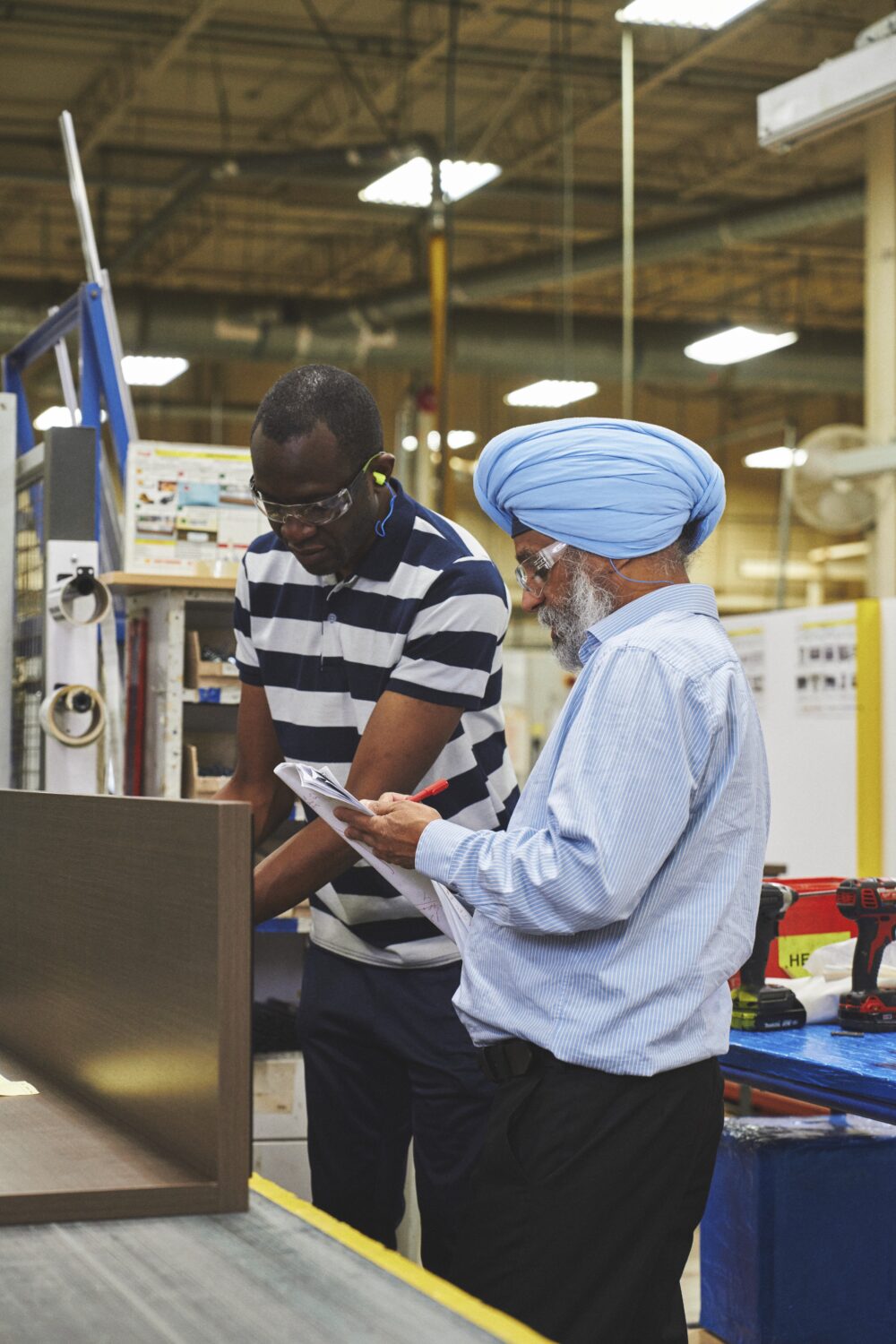
MillerKnoll: Developing Operations Leaders from Within and Beyond — A Case Study in Structured Talent Development