Upcoming Events from the Economic Opportunities Program — June 2026
The Aspen Institute Economic Opportunities Program advances strategies, policies, and ideas to help low- and moderate-income people thrive in a changing economy.
We hope you’ll join us at one of our upcoming events, which you can learn about below. Everyone who registers will receive a link to the recording, so please sign up even if you can’t participate live.
If a colleague shared this newsletter with you, consider subscribing to our mailing list or connecting on social media.
This week — Employee Ownership Ideas Forum
Tuesday and Wednesday, June 2-3, 2026, in Washington DC and online
The Aspen Institute Economic Opportunities Program and the Institute for the Study of Employee Ownership and Profit Sharing at Rutgers University are pleased to announce the fourth annual Employee Ownership Ideas Forum, taking place on June 2-3 in Washington DC and online.
The Forum will convene participants — including members of Congress, congressional staff, administration officials, employee owners, investors, lenders, researchers, practitioners, and policy experts — around a shared and bipartisan goal of increasing broad-based employee ownership to provide more workers and communities with the opportunity to own their share of America’s prosperity and future. The Forum will highlight innovative policies and practices, feature the firsthand experiences and perspectives of employee owners, and foster dialogue and engagement that drives concrete actions toward expanding employee ownership. Click here to register.
June 3 — Ownership During the AI Revolution
Wednesday, June 3, from 3:30 to 5 p.m. EDT, in Washington DC and on Zoom
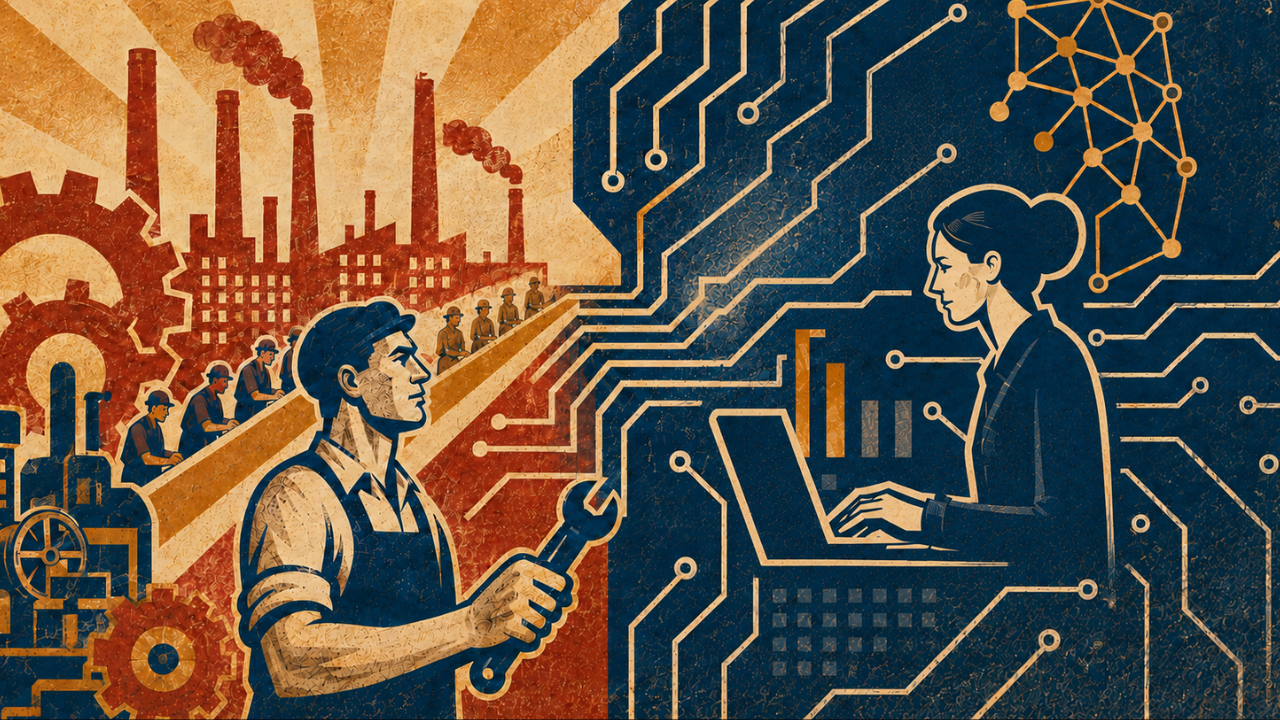
Artificial intelligence and automation promise to unleash a wave of productivity and economic growth—but without deliberate action, the gains will flow overwhelmingly to those who already own capital, deepening inequality and further disconnecting society from the value it helps create.
This session explores how reimagining ownership—from broad-based worker equity to public-interest frameworks—can ensure that the AI-powered economy generates a true “social dividend” rather than a private windfall. Panelists will examine the risks of AI growth without consideration of ownership and social impact, how some organizations are already prioritizing shared value and governance, and what policy shifts could institutionalize this approach.
This event is part of the 2026 Employee Ownership Ideas Forum, happening June 2-3 in Washington DC and online. If you would like to join the Forum in its entirety, click here. If you registered for the Forum, you do not need to register separately for this event. It is included with your registration.
External Events and Speaking Engagements
EOP staff are frequently called upon to lend their expertise to a variety of critical conversations and settings. To invite one of our experts to speak at an event, please send us an email at [email protected].
In Case You Missed It
We are pleased to share recordings and resources from these recent conversations.
About the Upcoming Events Newsletter
The Economic Opportunities Program’s Upcoming Events newsletter is a snapshot of public events and other opportunities to hear from our staff. Click here to subscribe.
About the Economic Opportunities Program
The Aspen Institute Economic Opportunities Program advances strategies, policies, and ideas to help low- and moderate-income people thrive in a changing economy.
Join Our Mailing List
To receive occasional emails about our work — including new publications, commentary, events, fellowships, and more — join our mailing list.
Connect on Social Media
For news and updates every day, connect with us on the social media platform of your choice.

What Employee Ownership Means to Workers

Employer-Friendly Practices: A Guide for Higher Education
MillerKnoll: Developing Operations Leaders from Within and Beyond — A Case Study in Structured Talent Development

A Typology of State-Supported Work-Connected Learning Programs