Upcoming Events from the Economic Opportunities Program — August 2026
The Aspen Institute Economic Opportunities Program advances strategies, policies, and ideas to help low- and moderate-income people thrive in a changing economy.
We hope you’ll join us at one of our upcoming events, which you can learn about below. Everyone who registers will receive a link to the recording, so please sign up even if you can’t participate live.
If a colleague shared this newsletter with you, consider subscribing to our mailing list or connecting on social media.
August 18 — The Impact of Foundational Skills on Workforce Success
Tuesday, August 18, from 2 to 3 p.m. EDT, on Zoom
Foundational skills — including literacy, math, digital fluency, and English language proficiency — are critical elements for a thriving workforce. Yet, gaps in these essential skills stall employee growth and corporate goals alike.
Join UpSkill America and Lumina Foundation for an exclusive look into how innovative employers are turning this challenge into an opportunity. Drawing on early insights from our forthcoming national landscape analysis, this conversation will explore the practical impact of foundational skill gaps and highlight the cutting-edge solutions leading companies are deploying to bridge them. Click here to register.
August 26 — Metrics that Matter: Improving Financial Analysis of CDFI Small Business Lenders
Wednesday, August 26, from 2 to 3 p.m. EDT, on Zoom
CDFI boards, leadership teams, investors, and regulators have long relied on a familiar set of financial metrics to assess organizational performance. While measures such as delinquency, loan loss rates, self-sufficiency, and net asset ratios remain important, they often provide an incomplete picture of how effectively a CDFI small business lender is deploying capital, managing risk, serving its target market, and positioning itself for long-term sustainability. In the present moment, navigating the most effective strategies and solutions is more important than ever.
This session will explore an emerging framework developed by the Aspen Institute’s Business Ownership Initiative that seeks to move beyond compliance-oriented reporting toward a more integrated view of organizational performance. Participants will examine how decisions related to risk, pricing, capitalization, deployment, and operating costs influence both mission outcomes and financial strength and discuss what metrics may better support real-time decision-making for leadership teams, boards, funders, and investors. Click here to register.
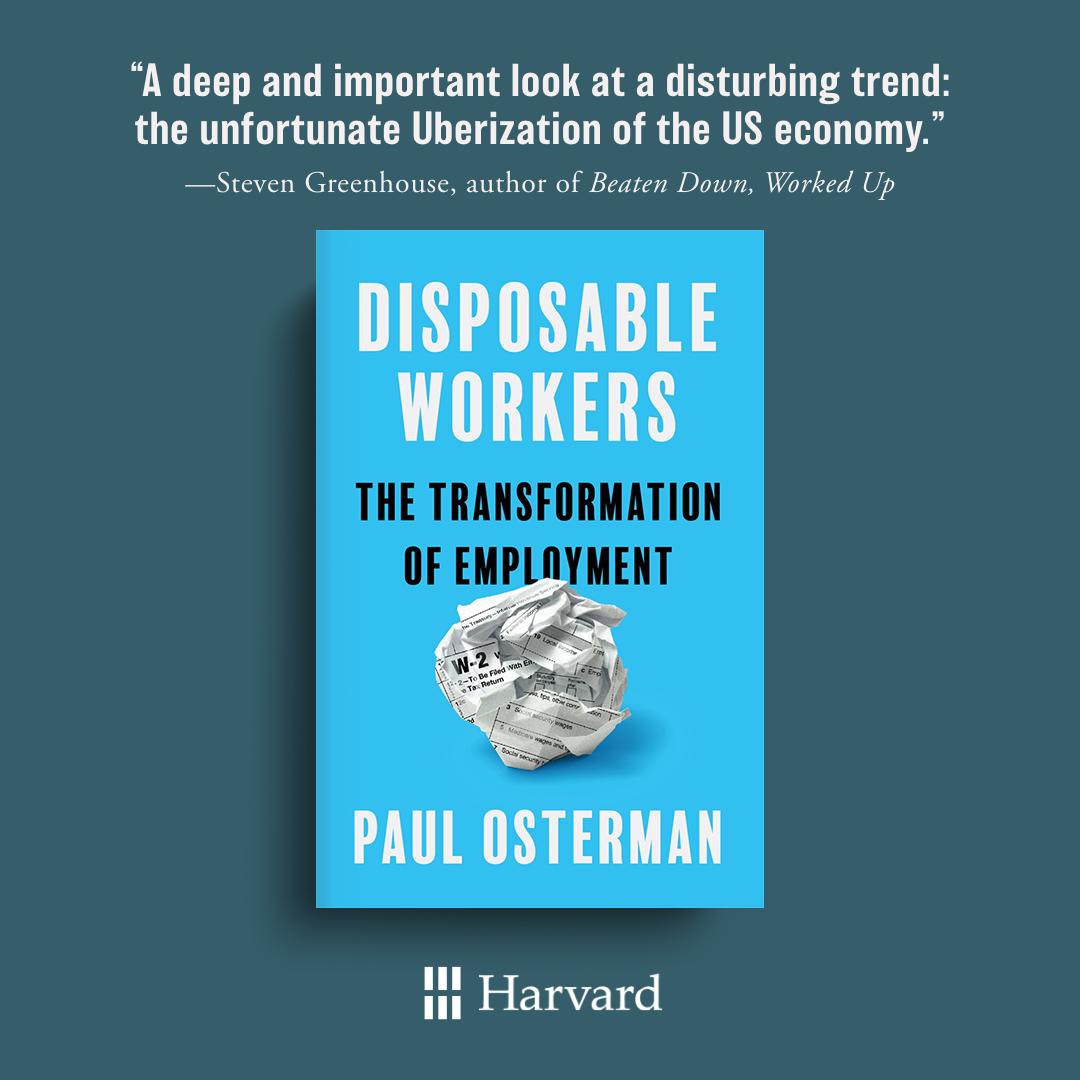
September 9 — Disposable Workers: A Book Talk with MIT Sloan Professor Paul Osterman
Wednesday, September 9, from 2 to 3 p.m. EDT, on Zoom
For decades, economists and policymakers have debated how to help workers get better jobs. But what if the more fundamental problem is that employers have systematically redesigned work itself to make a third of the workforce expendable? In his forthcoming book, “Disposable Workers: The Transformation of Employment,” MIT Sloan Professor Emeritus Paul Osterman examines this idea and what it would take to reverse it.
Osterman documents the rise of contract workers, freelancers, and what he calls “marginal workers” — W-2 employees who are cut off from training, advancement, and any real stake in the organizations they work for. Together, these three groups now make up more than a third of the American workforce. Osterman argues that this trend is neither an accident nor an inevitable byproduct of technological change. It is the result of deliberate choices employers have made about how to structure work and manage labor costs. Osterman traces both the logic behind those choices and their consequences for worker well-being, economic mobility, and the broader social contract.
Join us on Wednesday, September 9, from 2 to 3 p.m. Eastern time, on Zoom, for a conversation about what drove this transformation, who bears its costs, and what it would take to reverse it.
Our speakers include Osterman and moderator Maureen Conway, a vice president at the Aspen Institute and executive director of the Economic Opportunities Program. Click here to register.
External Events and Speaking Engagements
EOP staff are frequently called upon to lend their expertise to a variety of critical conversations and settings. To invite one of our experts to speak at an event, send us an email at [email protected].
August 25, McLean VA — Maximizing the Value of Internships: Designing for Impact and Success, hosted by the Washington Business Journal and Strada Education Foundation. UpSkill America Senior Director Haley Glover will join panelists from Micron Technology, Inova, and DAVIS Construction to discuss “how organizations across industries are designing programs that strengthen talent pipelines, improve retention, and deliver measurable ROI.”
In Case You Missed It
We are pleased to share recordings and resources from these recent events.
May 19 — When Work Isn’t Enough: Improving Job Quality for ALICE Households, presented in partnership with United for ALICE.
July 29 — The Necessity of Employee-Centered Strategies: A Book Talk with Steve Dawson and Jerry Rubin.
June 2-3 — Employee Ownership Ideas Forum 2026: Owning America’s Future, presented in partnership with the Rutgers Institute for the Study of Employee Ownership and Profit Sharing.
About the Upcoming Events Newsletter
The Economic Opportunities Program’s Upcoming Events newsletter is a snapshot of public events and other opportunities to hear from our staff. Click here to subscribe.
About the Economic Opportunities Program
The Aspen Institute Economic Opportunities Program advances strategies, policies, and ideas to help low- and moderate-income people thrive in a changing economy.
Join Our Mailing List
To receive occasional emails about our work — including new publications, commentary, events, fellowships, and more — join our mailing list.
Connect on Social Media
For news and updates every day, connect with us on the social media platform of your choice.
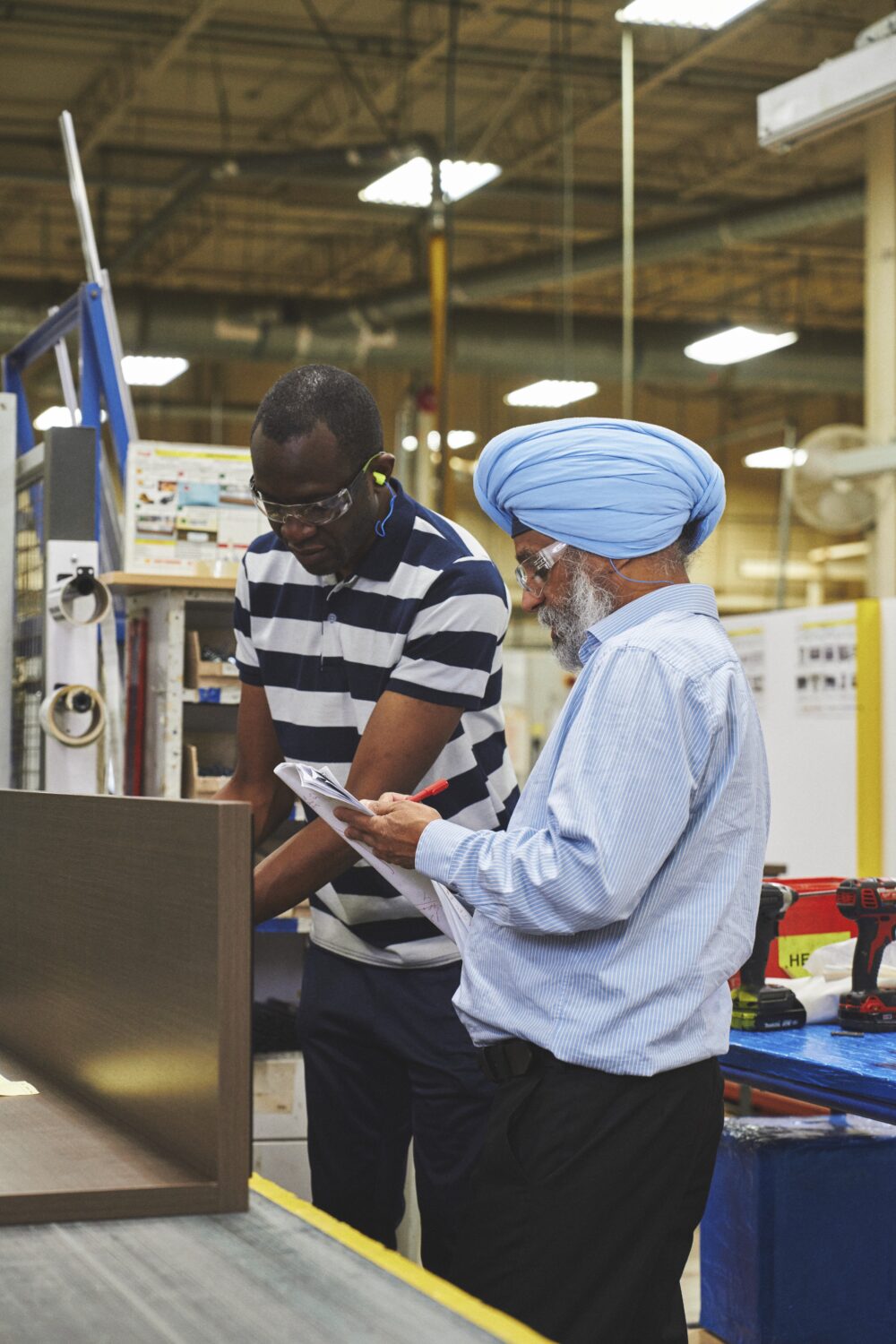
MillerKnoll: Developing Operations Leaders from Within and Beyond — A Case Study in Structured Talent Development

A Typology of State-Supported Work-Connected Learning Programs


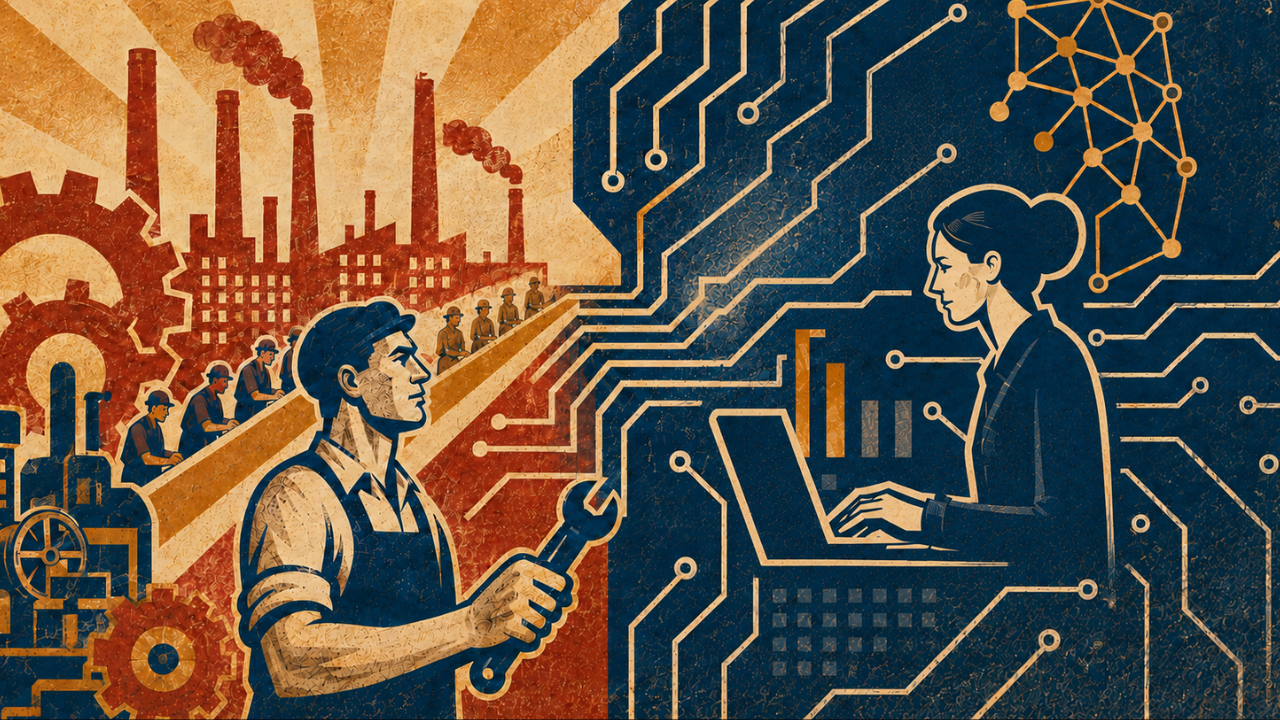
Work and the Social Contract in the Age of AI: How did we get here?