Upcoming Events from the Economic Opportunities Program — July 2026
The Aspen Institute Economic Opportunities Program advances strategies, policies, and ideas to help low- and moderate-income people thrive in a changing economy.
We hope you’ll join us at one of our upcoming events, which you can learn about below. Everyone who registers will receive a link to the recording, so please sign up even if you can’t participate live.
If a colleague shared this newsletter with you, consider subscribing to our mailing list or connecting on social media.
July 29 — The Necessity of Employee-Centered Strategies: A Book Talk with Steve Dawson and Jerry Rubin
Wednesday, July 29, from 2 to 3 p.m. EDT, on Zoom
We are living through a moment of profound uncertainty about the future of work. Rapid advances in artificial intelligence are raising urgent questions about which jobs will survive, which will be transformed, and which will disappear entirely. Yet amid all the speculation, one thing is already clear: millions of Americans are working jobs that do not pay enough, do not offer stability, and do not provide a real path forward. And businesses — in health care, child care, hospitality, food service and other large employment sectors — seek to hire even more people into such jobs.
In their new book, “Help Wanted: How To Find and Keep Talent in a Forever-Tight Labor Market,” authors Steve Dawson and Jerry Rubin argue that demographic realities, including an aging population, slowing growth, and declining workforce participation, mean the competition for workers is structural and long-term, not a temporary blip. Rather than treating workers as a cost to be minimized, they argue that investing in people is now a competitive necessity, and they introduce readers to business leaders who are redesigning jobs, recruiting differently, and partnering with workforce organizations to attract and retain the talent their businesses depend on.
Join us on Wednesday, July 29, from 2 to 3 p.m. Eastern time, on Zoom, for a conversation that goes beyond the employer-competitiveness frame to ask harder questions: How can we redesign work to maximize the value of all workers? How can businesses organize and advocate on behalf of their workforces? What barriers keep businesses from changing practice? And what role can policy, philanthropy, and workforce intermediaries play in redesigning work at scale?
Our speakers include Dawson, Rubin, and moderator Maureen Conway, a vice president at the Aspen Institute and executive director of the Economic Opportunities Program. Click here to register.
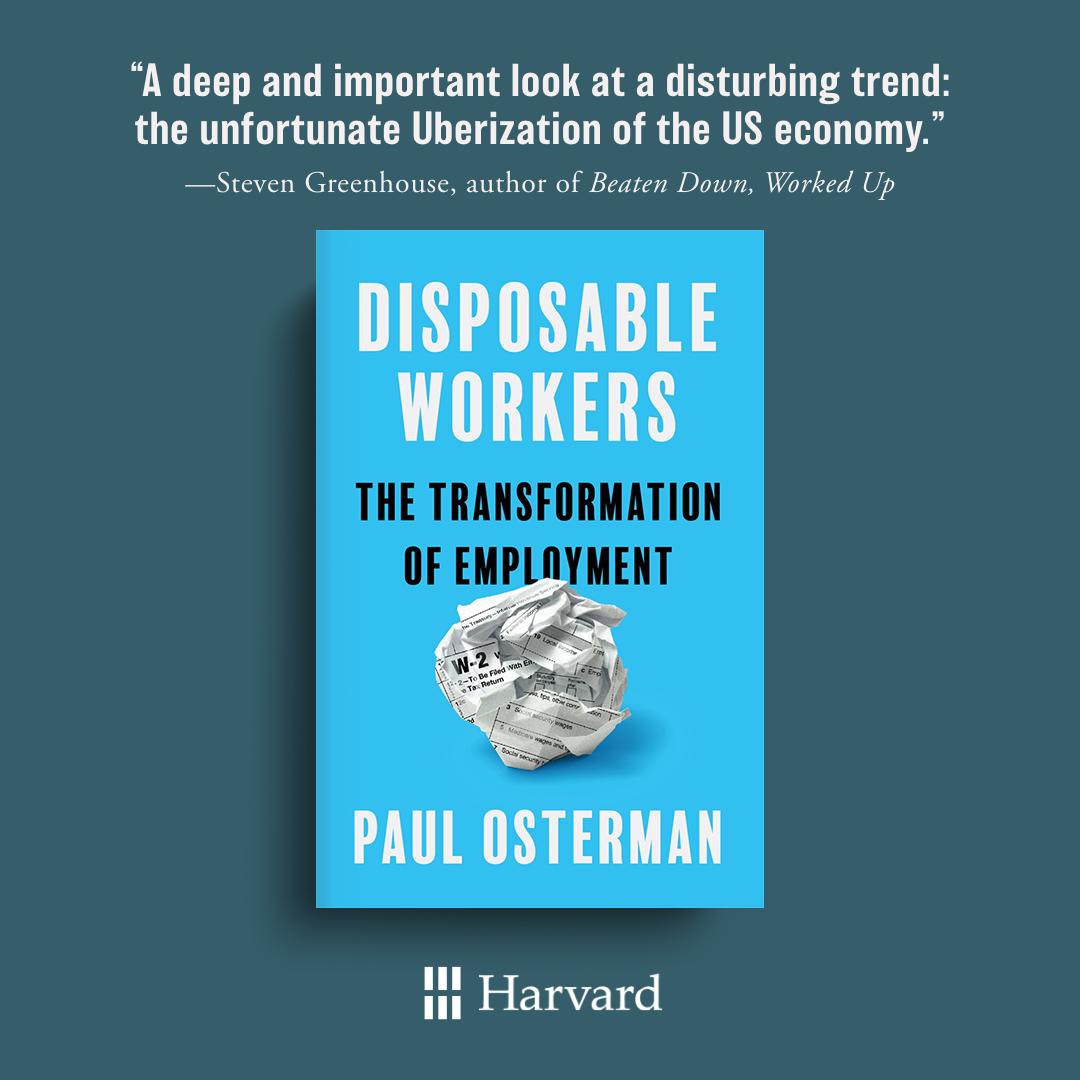
September 9 — Disposable Workers: A Book Talk with MIT Sloan Professor Paul Osterman
Wednesday, September 9, from 2 to 3 p.m. EDT, on Zoom
For decades, economists and policymakers have debated how to help workers get better jobs. But what if the more fundamental problem is that employers have systematically redesigned work itself to make a third of the workforce expendable? In his forthcoming book, “Disposable Workers: The Transformation of Employment,” MIT Sloan Professor Emeritus Paul Osterman examines this idea and what it would take to reverse it.
Osterman documents the rise of contract workers, freelancers, and what he calls “marginal workers” — W-2 employees who are cut off from training, advancement, and any real stake in the organizations they work for. Together, these three groups now make up more than a third of the American workforce. Osterman argues that this trend is neither an accident nor an inevitable byproduct of technological change. It is the result of deliberate choices employers have made about how to structure work and manage labor costs. Osterman traces both the logic behind those choices and their consequences for worker well-being, economic mobility, and the broader social contract.
Join us on Wednesday, September 9, from 2 to 3 p.m. Eastern time, on Zoom, for a conversation about what drove this transformation, who bears its costs, and what it would take to reverse it.
Our speakers include Osterman and moderator Maureen Conway, a vice president at the Aspen Institute and executive director of the Economic Opportunities Program. Click here to register.
External Events and Speaking Engagements
EOP staff are frequently called upon to lend their expertise to a variety of critical conversations and settings. To invite one of our experts to speak at an event, send us an email at [email protected].
- July 13-14, Washington DC — Horizons Summit 2026, hosted by Jobs for the Future. UpSkill America Research Director Annelies Goger will join panelists from the U.S. Chamber of Commerce Foundation, WorkingNation, and Burning Glass Institute for a discussion on “The 7-Career Worker: Are We Ready?”
- July 21, online — Small Employers, Big Stakes: What Workers Value, What Owners Can Deliver, and How We Close the Gap, hosted by AEO. Senior Research Associate Bryn Morgan will join panelists from AEO, WorkRise, Prospera, and Gusto to talk about job quality opportunities for small businesses, including insights from our Shared Success demonstration.
- July 21-24, Aspen CO — 2026 Resnick Aspen Action Forum, hosted by the Aspen Global Leadership Network. Future of Work Initiative Director Liba Wenig Rubenstein will lead an impact session on “What Is Work For? Reclaiming Purpose in an Age of Intelligent Machines” with Cami Anderson (Pahara Fellowship) and Harry Lewis (Central America Leadership Initiative).
- July 22, online — Research webinar (private), hosted by the U.S. Advanced CEMETS Institute. Speaking with delegations of high-level leaders from nine states, UpSkill America Research Director Annelies Goger will share research findings about the employer ROI from work-based learning investments.
- August 25, McLean VA — Maximizing the Value of Internships: Designing for Impact and Success, hosted by the Washington Business Journal and Strada Education Foundation. UpSkill America Senior Director Haley Glover will join panelists from Micron Technology, Inova, and DAVIS Construction to discuss “how organizations across industries are designing programs that strengthen talent pipelines, improve retention, and deliver measurable ROI.”
In Case You Missed It
We are pleased to share recordings and resources from these recent events.
- June 2-3 — Employee Ownership Ideas Forum 2026: Owning America’s Future, presented in partnership with the Rutgers Institute for the Study of Employee Ownership and Profit Sharing.
- May 19 — When Work Isn’t Enough: Improving Job Quality for ALICE Households, presented in partnership with United for ALICE.
- May 7 — Investing in Job Quality in the South.
About the Upcoming Events Newsletter
The Economic Opportunities Program’s Upcoming Events newsletter is a snapshot of public events and other opportunities to hear from our staff. Click here to subscribe.
About the Economic Opportunities Program
The Aspen Institute Economic Opportunities Program advances strategies, policies, and ideas to help low- and moderate-income people thrive in a changing economy.
Join Our Mailing List
To receive occasional emails about our work — including new publications, commentary, events, fellowships, and more — join our mailing list.
Connect on Social Media
For news and updates every day, connect with us on the social media platform of your choice.
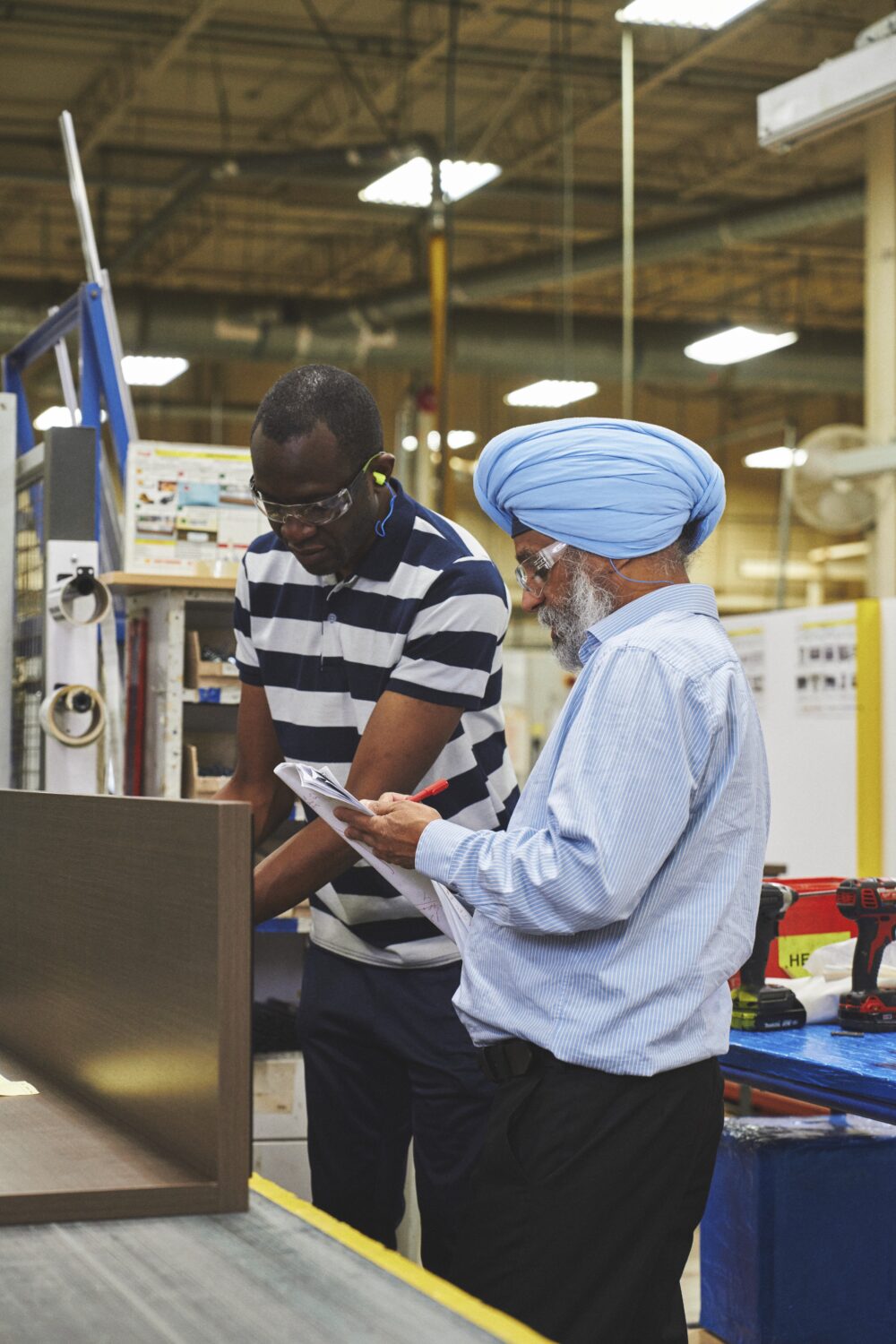
MillerKnoll: Developing Operations Leaders from Within and Beyond — A Case Study in Structured Talent Development

A Typology of State-Supported Work-Connected Learning Programs


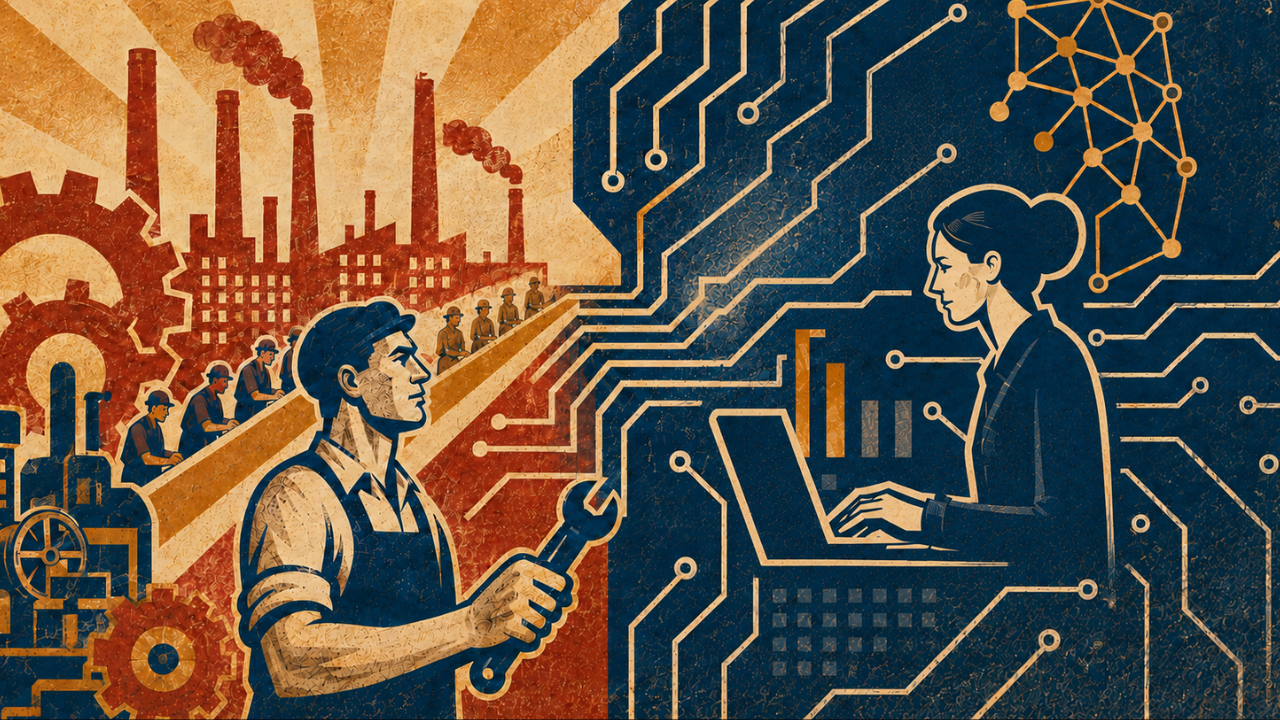
Work and the Social Contract in the Age of AI: How did we get here?