Upcoming Events from the Economic Opportunities Program — September 2026
The Aspen Institute Economic Opportunities Program advances strategies, policies, and ideas to help low- and moderate-income people thrive in a changing economy.
We hope you’ll join us at one of our upcoming events, which you can learn about below. Everyone who registers will receive a link to the recording, so please sign up even if you can’t participate live.
If a colleague shared this newsletter with you, consider subscribing to our mailing list or connecting on social media.
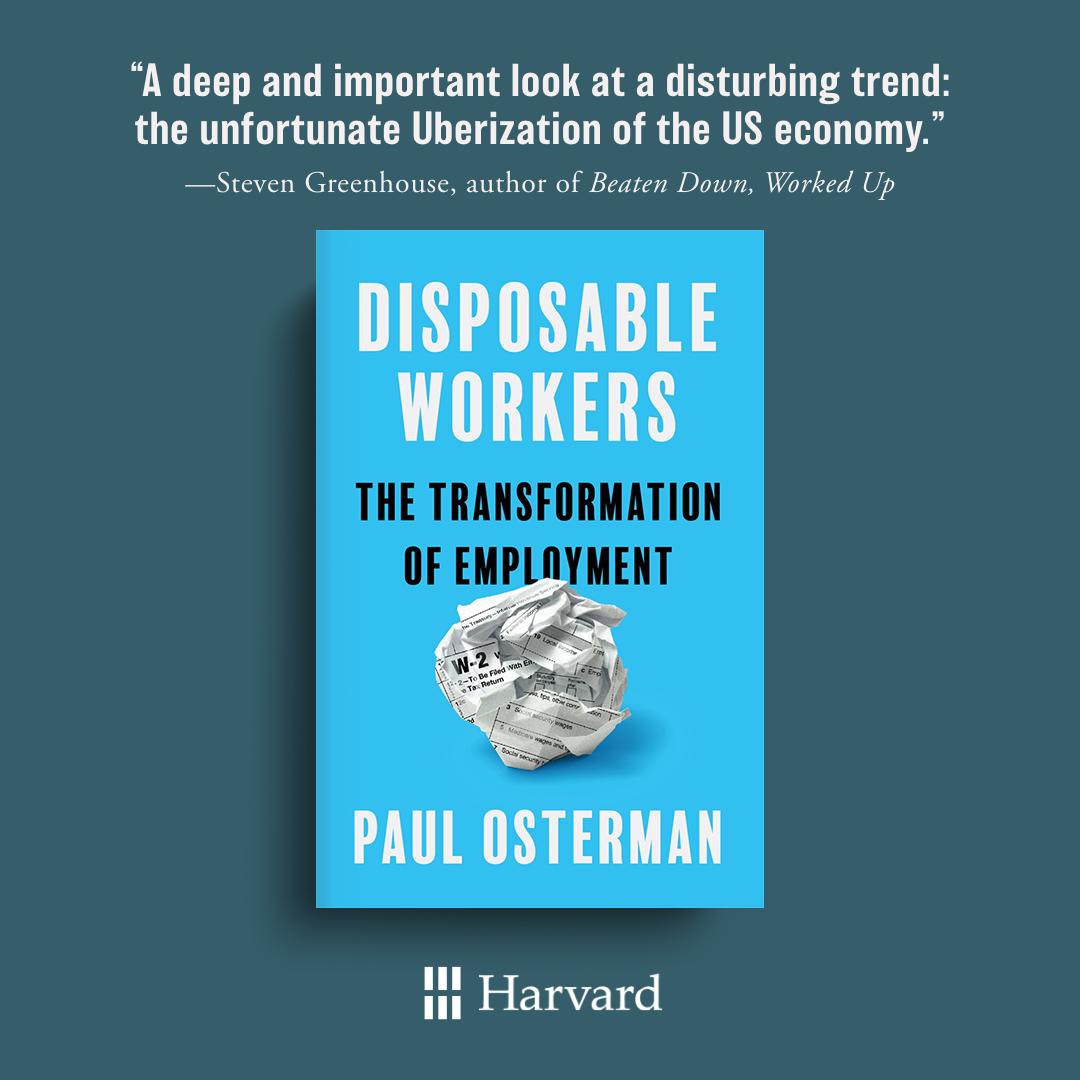
September 9 — Disposable Workers: A Book Talk with MIT Sloan Professor Paul Osterman
Wednesday, September 9, from 2 to 3 p.m. EDT, on Zoom
For decades, economists and policymakers have debated how to help workers get better jobs. But what if the more fundamental problem is that employers have systematically redesigned work itself to make a third of the workforce expendable? In his forthcoming book, “Disposable Workers: The Transformation of Employment,” MIT Sloan Professor Emeritus Paul Osterman examines this idea and what it would take to reverse it.
Osterman documents the rise of contract workers, freelancers, and what he calls “marginal workers” — W-2 employees who are cut off from training, advancement, and any real stake in the organizations they work for. Together, these three groups now make up more than a third of the American workforce. Osterman argues that this trend is neither an accident nor an inevitable byproduct of technological change. It is the result of deliberate choices employers have made about how to structure work and manage labor costs. Osterman traces both the logic behind those choices and their consequences for worker well-being, economic mobility, and the broader social contract.
Join us on Wednesday, September 9, from 2 to 3 p.m. Eastern time, on Zoom, for a conversation about what drove this transformation, who bears its costs, and what it would take to reverse it.
Our speakers include Osterman and moderator Maureen Conway, a vice president at the Aspen Institute and executive director of the Economic Opportunities Program.
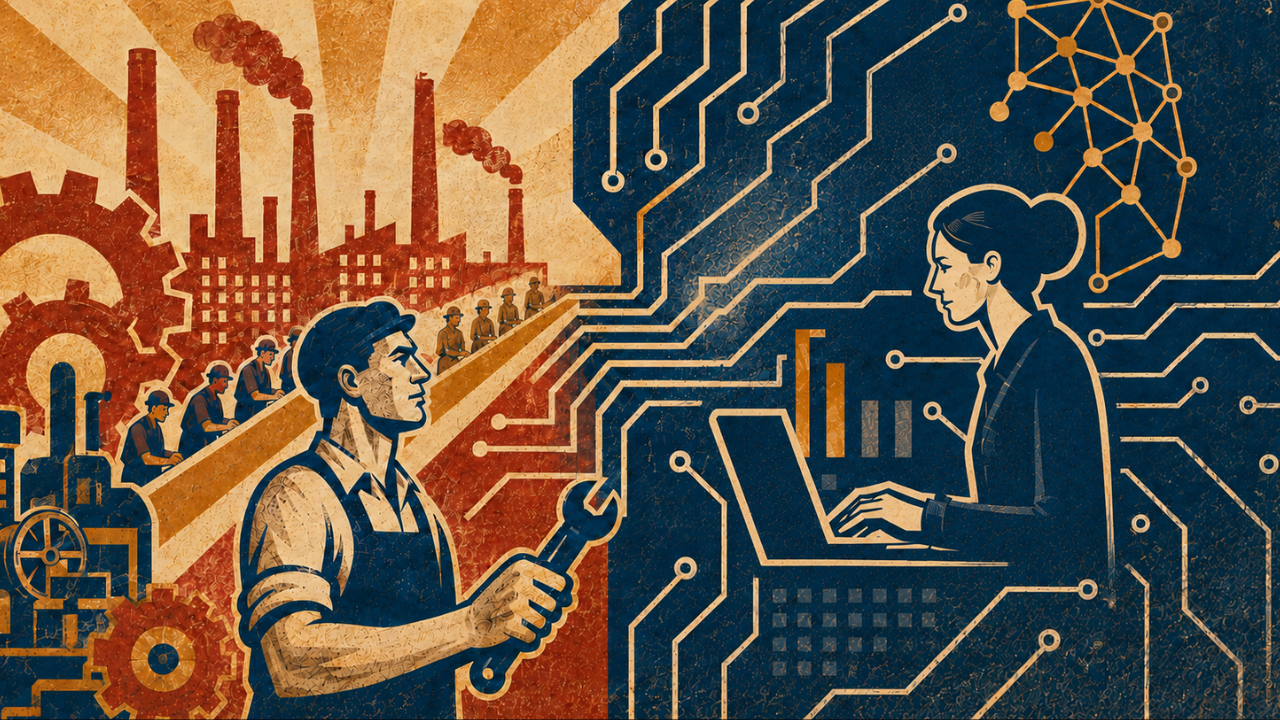
September 23 — Work and the Social Contract in the Age of AI: How did we get here?
Wednesday, September 23, from 2 to 3 p.m. EDT, on Zoom
“Social contract” has quickly become one of the most-used, least-defined phrases in the AI policy conversation. This first event in a two-part series will trace the origin and history of the American social contract, examining how work became the anchor of economic security, mobility, and civic identity in the United States.
From an economy whose foundations were built on forced and unpaid labor, through the rise of industrialization, the New Deal, a postwar economic boom, financialization, and then globalization, the relationship between workers, employers, and the state has been redefined repeatedly. Panelists will discuss these inflection points, focusing on who was (and was not) party to these agreements—from organized labor and industrial barons to policymakers and grassroots movements—and under what circumstances their compromises established the baseline expectations of a middle-class life.
Speakers will explore the evolving role of labor and how structural shifts over the 20th century laid the groundwork for today’s economic landscape — including the extent to which AI is a novel force reshaping our society. The discussion will provide essential context for today’s leaders to understand their respective roles in forging a new social contract for the 21st century—a discussion that will continue in the second installment of the series: Work and the Social Contract in the Age of AI: Where do we go from here?
External Events and Speaking Engagements
EOP staff are frequently called upon to lend their expertise to a variety of critical conversations and settings. To invite one of our experts to speak at an event, send us an email at [email protected].
- September 28 – 29, Salamander Middleburg, VA — Working Class Insights Forum, co-hosted by Worker Solutions and Lafayette Square Institute. Vice President and Executive Director of EOP Maureen Conway is a featured speaker.
- October 27-28, San Juan, PR. — U.S. Biopharma Workforce Partnership Conference hosted by the National Institute for Innovation in Manufacturing Biopharmaceuticals (NIIMBL). UpSkill America Director of Research Annelies Goger will speak at a panel titled, “Rethinking Talent Metrics: Aligning Industry and Workforce Partners to Craft Stories That Drive Change.”
- October 29-30, 2026, Colorado Springs, CO — 2026 Career-Connected L/Earning Conference hosted by The Attainment Network. Associate Director of Upskill America Chelsea Miller will speak at a panel on career advising and navigation.
In Case You Missed It
We are pleased to share recordings and resources from these recent events.
August 26 — Metrics that Matter: Improving Financial Analysis of CDFI Small Business Lenders
August 18 — The Impact of Foundational Skills on Workforce Success
July 29 — The Necessity of Employee-Centered Strategies: A Book Talk with Steve Dawson and Jerry Rubin.
About the Upcoming Events Newsletter
The Economic Opportunities Program’s Upcoming Events newsletter is a snapshot of public events and other opportunities to hear from our staff. Click here to subscribe.
About the Economic Opportunities Program
The Aspen Institute Economic Opportunities Program advances strategies, policies, and ideas to help low- and moderate-income people thrive in a changing economy.
Join Our Mailing List
To receive occasional emails about our work — including new publications, commentary, events, fellowships, and more — join our mailing list.
Connect on Social Media
For news and updates every day, connect with us on the social media platform of your choice.
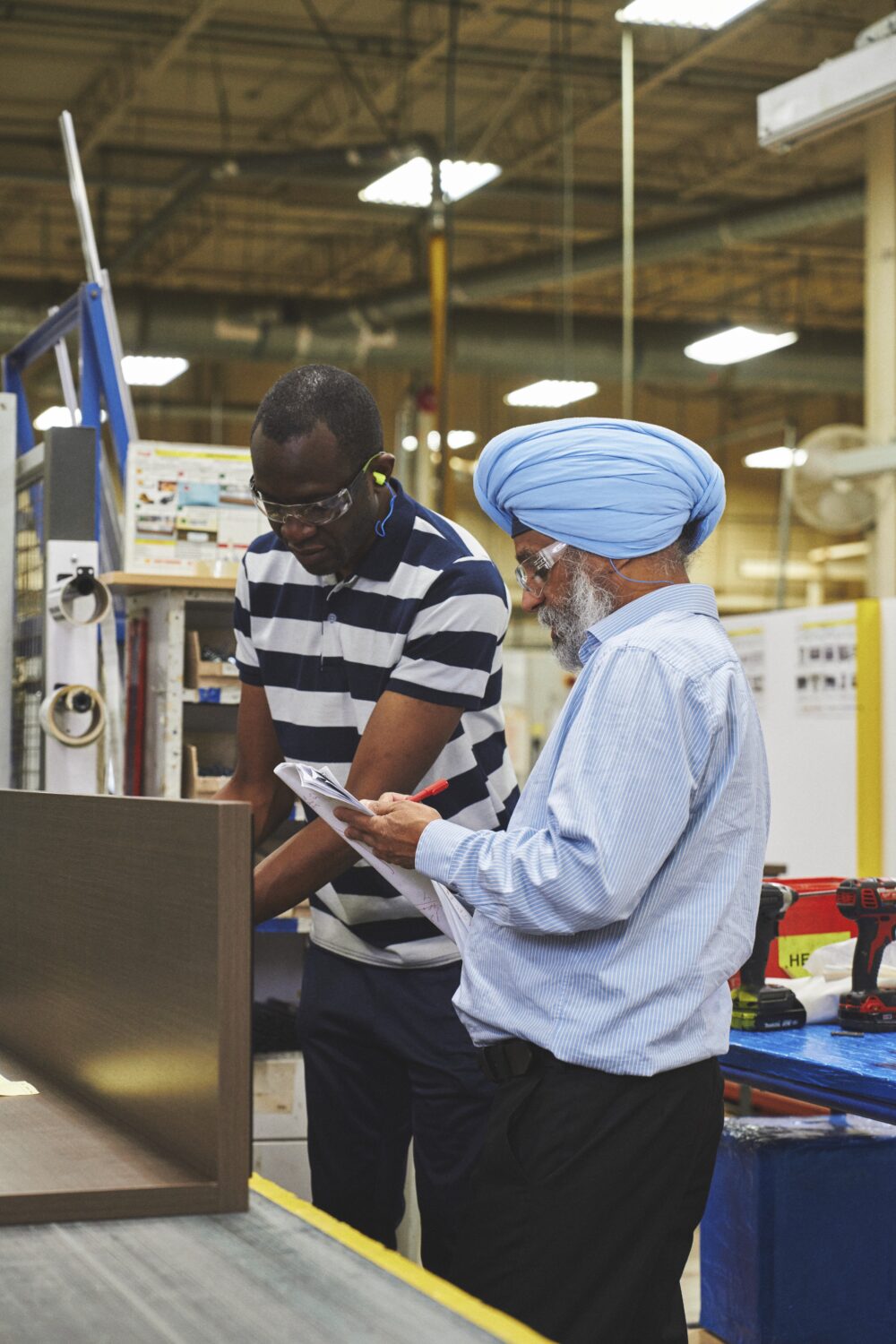
MillerKnoll: Developing Operations Leaders from Within and Beyond — A Case Study in Structured Talent Development

A Typology of State-Supported Work-Connected Learning Programs

Work and the Social Contract in the Age of AI: How did we get here?