
It is easy to interpret the volatile, uncertain, complex, and ambiguous nature of the new world order as an overall negative shift, but within every challenge lies a seed of opportunity. Next month, some two hundred business leaders will converge for the Aspen Business & Society Summit in Aspen, CO for three days of dialogue on how they can seize these opportunities. Looking toward that unpredictable future, leaders face choices on AI, sustainability, affordability, and social trust that will reshape the lives of everyday people and transform, for better or worse, the long-term health of society.
Artificial Intelligence
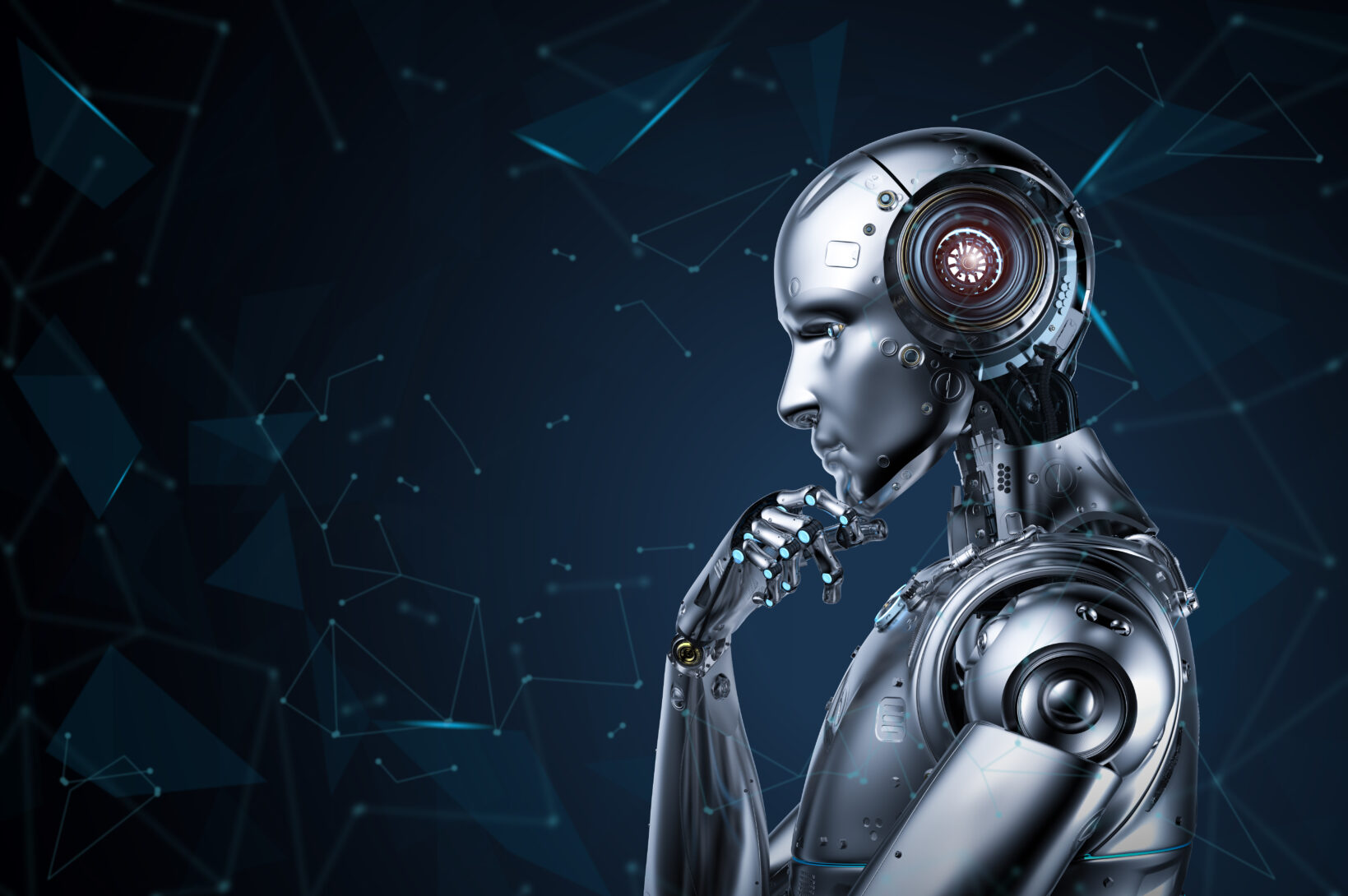
Last year, business seemed on the verge of centering AI in its investments and strategy, but the agents weren’t here yet. Now they are everywhere, and the social backlash is following close behind. The implications of artificial intelligence for human society promise to be vast and far reaching. While it may often feel convenient to surrender to feelings of helplessness in the face of this tidal wave, business leaders have both the agency and responsibility to manage how AI will reshape the systems that sustain human thriving.
This year’s Summit agenda brings AI into focus in numerous ways, from governance to worker engagement, to help leaders weigh their role in managing how this powerful technology will reshape our economic reality.
Sustainability and Affordability
The US administration’s current posture towards the environment may create obstacles to solutions and investments that have previously seemed promising. But it could also create openings for US energy dominance, especially with strategies for state-level investments and corporate management in critical resource areas, like liquid natural gas. Simultaneously, new resource constraints have incentivized companies to redesign products and supply chains to be more cost-effective and sustainable. Both the effect of data center expansion on energy markets and the path for sustainable innovation will feature prominently at this year’s Summit.
Trust
By some counts, a certain style of capitalism has eroded the social and economic fabric of society that once made American communities so vibrant. This “hollowing out” of the places that once centered the interests of an American middle class is both an economic and social issue. Our goal is for Summit conversations about America’s trust recession, and the risks created by an increasingly unattainable American dream, to equip leaders with a deeper awareness of the role for business in addressing these deficits.
Principles in Practice
Diminished trust, rising costs of living, and widening social stratification suggest there may be good reason to be concerned about the growing fragility of society. It’s increasingly vital that companies clarify their purpose and principles and allow those ideals to shape a longer view of the future than the next earnings report. Investors and philanthropists alike will be called on to invest in new ideas and models that help bolster the long-term resilience of society.
In this moment of turbulence and uncertainty, it can be tempting to decry the status quo while resisting the changes that might address it — to make the obvious, default choice rather than imagine unlikely alternatives. American culture encourages and rewards individual ambition, profit-seeking, and outsized wealth-building, but these “obvious choices,” from a different perspective, carry consequences that are in many ways responsible for the economic and political problems of this moment. Whether leaders will externalize the downsides of transformation onto others or absorb some of those costs themselves is a decision they will likely have to make without the guidance of federal regulation.
Reimagining What’s Possible
Status quo bias encourages each of us to preserve existing systems regardless of their dysfunction, making it hard to imagine an alternative until the systems we’ve relied on finally give way. Yet, having lived through the post-pandemic transformation of the early 2020s, we know something we didn’t before: change is possible, if we want it to be.
New models already exist. Nearly 85% of America’s milk is marketed through cooperatives that quietly stabilize prices for customers and market access for producers. Employee ownership is an increasingly popular way to distribute corporate wealth. And Andrew Yang, one-time Democratic presidential hopeful, recently launched Noble Mobile, a low-cost wireless service built on a “cost-plus” model — inspired by Mark Cuban’s Cost Plus Drugs — that returns savings to customers rather than maximizing what it extracts from them. One new carrier won’t transform the economy, but a willingness to turn an antiquated model on its head signals what’s possible.
Judy Samuelson argues that capitalism isn’t stuck; we are: the constraint is our willingness to choose differently, not the system. Longstanding expectations of shared morality have given way to mutual expectations of selfishness and broad distrust, conditions under which the traditional “business case” may not support the changes society needs. Building a future that improves human well-being may depend on the moral imagination of business leaders and their capacity to envision constructive alternatives to the status quo. Meeting the speed and ascendant power of artificial intelligence will demand choices that look nothing like the ones on the table: to treat divergence from the obvious path not as a risk to manage, but as the work itself.
As we prepare for the Aspen Business & Society Summit next month, my hope is that shared dialogue about the questions leaders must grapple with — and ultimately answer — brings us closer to a vision of the future we can manage toward and advocate for, together.

