Aspen is a place for leaders to lift their sights above the possessions which possess them. To confront their own nature as human beings, to regain control over their own humanity by becoming more self-aware, more self-correcting, and hence more self-fulfilling.
You can participate in one of the five concurrent summer seminars.
Who Should Guard The Guardians?
STATE POWER, DEMOCRATIC TRUST, AND THE LIMITS OF AUTHORITY
Across the political spectrum, Americans increasingly question whether the institutions meant to protect democracy are still serving it. Confidence in Congress, the courts, the presidency, the media, and even elections themselves has eroded, while polarization has deepened and public life has grown more adversarial. Many citizens now see government not as an expression of shared values but as a battleground — one where control of institutions determines whose rights are protected and whose voices are heard.
These tensions raise an ancient question with renewed urgency: who or what holds power accountable when trust in institutions falters? The Framers of the Constitution attempted to answer this question through systems of checks and balances, federalism, and a separation of powers designed to prevent any single authority from dominating the rest. Yet those safeguards depend not only on legal structures but on shared norms, civic trust, and a commitment to the ideal of the rule of law as posing limits on the exercise of power.
Today, rule of law norms feel increasingly fragile. Debates about executive authority, judicial legitimacy, the reach of federal agencies, the autonomy of states, and the role of citizens in resisting or defending government actions have moved from theory into daily political life. Some argue that strong centralized leadership is necessary to preserve order and national cohesion. Others warn that concentrated power — whether in government, the private sector, or in the media, including on digital platforms — risks undermining the very freedoms democracy is meant to protect. This Socrates seminar invites participants to grapple with what democratic legitimacy requires in an era of institutional distrust. Together, we’ll ask:
When public trust in institutions erodes, what gives government its legitimacy?
Are existing checks and balances still sufficient to guard against abuses of power?
At what point does civic resistance become a democratic duty rather than an illegitimate threat to stability?
What responsibilities do citizens, communities, and civil society hold in safeguarding liberty? Is the Rule of Law still a shared ideal in U.S. democratic theory and practice today?
As democracies around the world confront rising polarization, contested authority, and threats to the rule of law, these questions are no longer abstract. If the guardians of the system are themselves contested, how should societies decide who guards them — and what happens when they cannot agree?
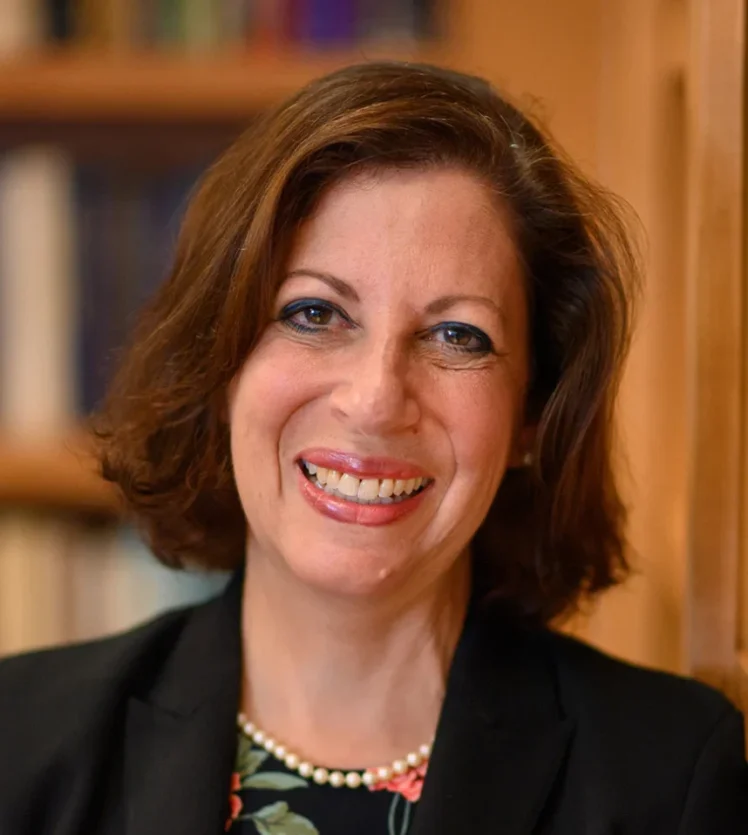
Moderator: Claire Finkelstein is the Algernon Biddle Professor of Law and Professor of Philosophy at the University of Pennsylvania and the Founder and Faculty Director of Penn’s Center for Ethics and the Rule of Law (CERL). Her current research addresses national security law and policy, democratic governance, presidential authority, the law of armed conflict, and professional ethics for lawyers.
What Role Should The United States Play In The World? (Sold Out)
Foreign AFFAIRS, International Norms, AND 21st Century Power
Today’s international laws, norms, organizations and alliance structures are products of an 80-year-old international system constructed by the victorious powers of the Second World War, and in particular, the strongest post-1945 power, the United States. This system was built to protect America’s economic and security interests. The benefits of this system came at significant sustainment and enforcement costs to the United States.
Just as the architecture of the post-1945 international order was put into place, the system “froze” by the advent of the Cold War. In the post-Cold War “thaw,” the international scaffolding experienced repeated structural failures that led to its slow-motion collapse, hastened by confusion and uncertainty about America’s current and future role and the rise of China. Half-hearted international reforms were unable to reverse the collapse as America grew weary of the cost burden and competitors to America’s preeminence grew restless. Today, the United States struggles to identify a new role and purpose for its power.
What will be the next iteration of the international system? Which countries and what forces will shape it? Although Beijing was not particularly relevant to the construct of the post-1945 international scaffolding, the People’s Republic of China has actively sought to shape the future international system to secure China’s interests. Under Xi Jinping’s leadership, Beijing has articulated the contours of a new international system for global development, security and governance. The United States recently has sought refuge and inspiration in its 19th century foreign policy doctrine, the Monroe Doctrine, as some suggest a new international equilibrium will come in the form of a modern, spheres of influence model. Which vision will be the most successful?
Touching on historical paradigms and assessing future power dynamics, together, we will explore:
What constitutes the sources of 21st century power? Technological innovation, economic competitiveness, control over vital resources, military capabilities, energy, demography, and societal resilience will be explored.
What are the most essential elements of a future international system that will ensure American prosperity, security and dignity of the individual?
What are the costs and benefits of a globally engaged United States (e.g., overseas bases, trade relationships, alliances) versus the costs and benefits of protecting only the US homeland as part of a Western Hemispheric defense strategy?
Can the international system and multilateral institutions be reformed short of a transformative global conflict like the Second World War?
How do you enlist the democratic support of the American people in the pursuit of a new US foreign and security model?
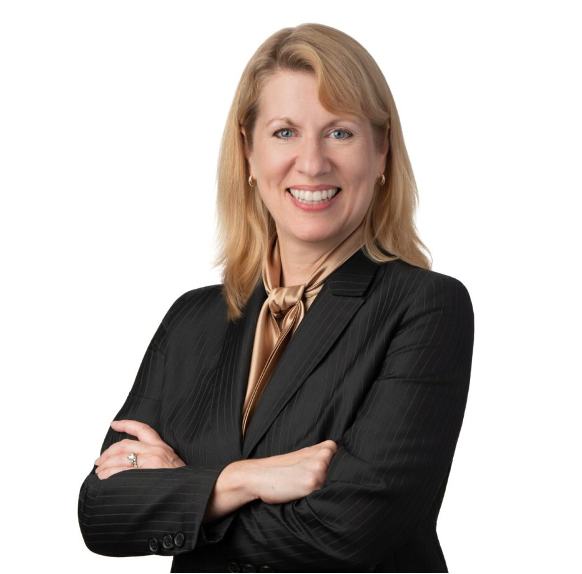
Moderator: Heather A. Conley is a nonresident senior fellow at the American Enterprise Institute (AEI), where she focuses on transatlantic security and geopolitics in Europe, Eurasia, and the Arctic, including NATO, the European Union, and Sino-Russian cooperation. Ms. Conley is the author of reports and analyses—including the Kremlin Playbook series, which brought to light Russia’s malign economic influence activities across Europe—and extensive research related to great-power competition in the Arctic.
Will AI Redefine Leadership, or Change What We Value In It? (SOLD OUT)
Uncertainty, AI, and the Future of Leadership
Does AI require us to fundamentally rethink how we prepare and develop leaders?
History offers parallels—from the Industrial Revolution to the internet—when technology advanced faster than institutes, forcing leadership to evolve. But AI may represent a more accelerated and far-reaching shift for leaders.
AI can generate strategies, predict outcomes, and surface insights at a speed and scale no individual can match. At the same time, many of the models we rely on are still early in their development-powerful but not fully understood.
Expertise, once earned over decades, can be assembled in minutes. Decision-making is no longer a purely human domain. And yet, leaders are still expected to provide clarity, set direction, lead people, and remain accountable for outcomes they may not fully control.
This creates a new kind of leadership tension. Leaders are being asked to operate in systems they do not fully understand, to rely on tools they cannot fully trust, and to prepare organizations for futures that resist prediction. The traditional playbook—built on mastery, experience, and foresight—begins to fray. Preparing leaders for this moment may require more than new skills. It may require a reexamination of what leadership itself demands.
Together, we will explore:
How do we prepare leaders and organizations for a future that even its architects cannot fully explain?
What capacities endure when expertise has a shorter shelf life?
How do we train leaders to exercise judgment, not just deliver results?
How can leaders cultivate discernment, accountability, and ethical clarity in systems shaped by algorithms?
What does it take to build teams and institutions that remain resilient and adaptive amid constant disruption?
This seminar explores what it means to lead in a time of profound uncertainty. We will examine how AI is reshaping leadership, what qualities may matter most in this moment, and how individuals and organizations can prepare—not for a single predicted future, but for a range of possible ones.
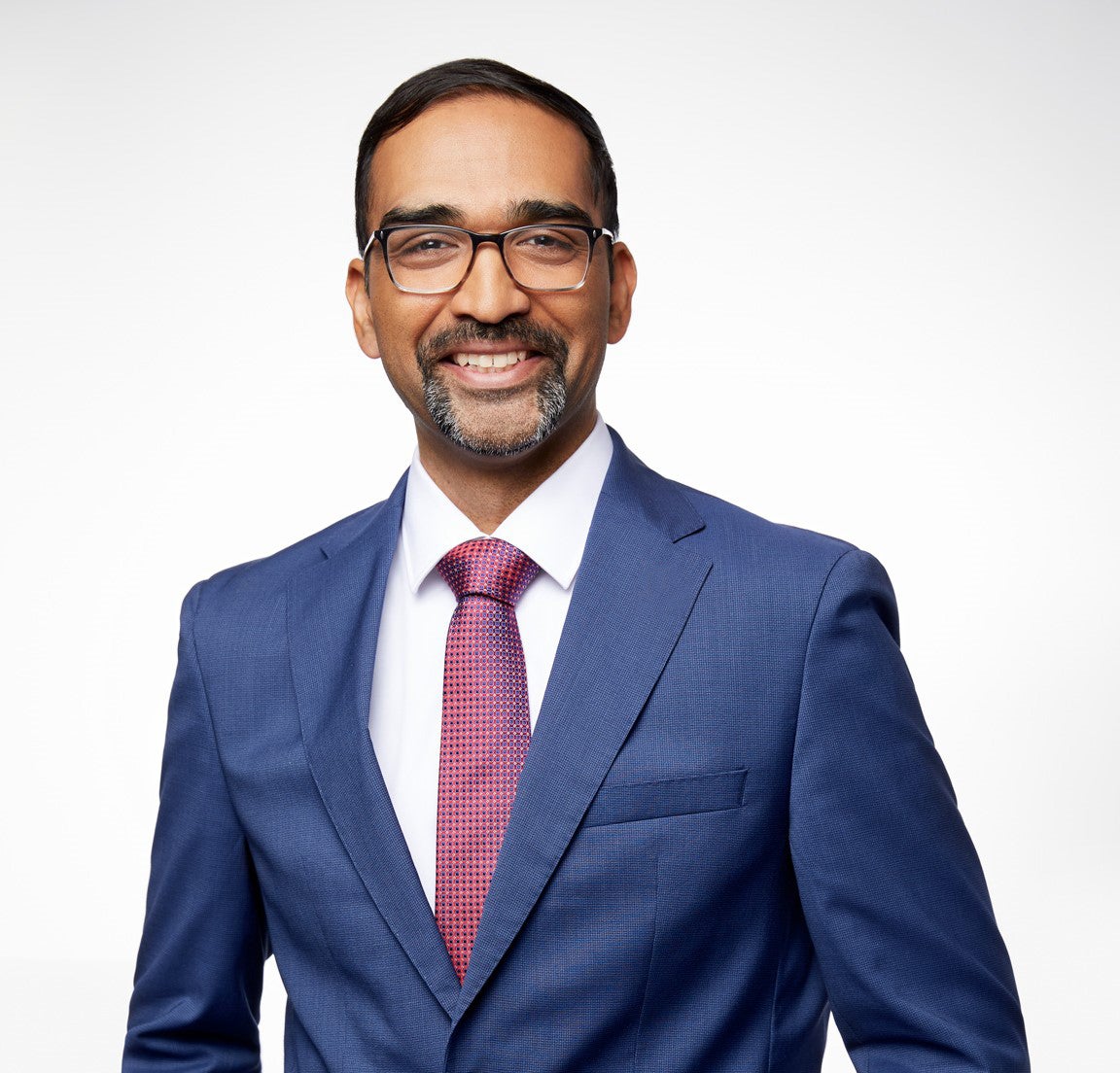
Moderator: Ryan Patel is a globally recognized futurist and leading voice on global business, political economy, and corporate governance. He’s a sought-after TV news contributor, Board Director, and Senior Fellow at the Drucker School of Management, Claremont Graduate University. Ryan also hosts Yahoo Finance’s “How They Run with Ryan Patel”.
Have We Reached The End Of History And Human Memory? (SOLD OUT)
MEMORY, TEchnology, and The Future of History
What is history in a world that offers seemingly limitless opportunities to store and retrieve information? From birth through death –and in some cases, beyond death—our new tools offer us ways to outsource the work of remembering to technologies and systems that promise us greater recall, analysis, and understanding of our own lives and our communities.
Such tools allow us to engage in a vast experiment in cognitive offloading. OpenAI’s “Memory,” which runs by default on ChatGPT, stores personal details across chat conversations, for example, and retrieves and integrates those “memories” with the rest of your data in future conversations. New, wearable, AI-enabled technologies now promise to record everything we do throughout the day, including, in some cases, our physiological reactions to events in real time. Persistent, hyper-personalized, and always on, these new tools are like personal historians of your everyday life. This has created new ethical, legal, and moral challenges.
The sophistication and reach of many of our new technologies have prompted some nations to establish a legal “right to be forgotten,” for example. Given the growing power of sensor and surveillance technologies, legal theorists question whether the future might require laws protecting the privacy of an individual’s thoughts, a so-called right to “cognitive liberty.” Ethicists consider whether the level of external and self-surveillance now largely accepted by society through our use of these tools might make us abandon traditional notions of human privacy and make us more amenable to autocratic behavior by the state or other actors. As well, technology companies will now sell you a digital version of a dead loved one gleaned from a lifetime of email, text messages, social media posts, and voice memos. The possibility of maintaining an eternal digital presence might transform how humans grieve and how we understand bodily limits.
New ways of remembering also offer opportunities for new paths toward collective forgetting. If previous era’s fears of the loss of collective memory were captured by the image of Winston in George Orwell’s 1984 shoving inconvenient facts down the Memory Hole, or Stalin “vanishing” his political enemies from photographs, today we face a different challenge: distinguishing between real and unreal historical things, and maintaining the integrity of historical information in a digital age.
In addition to sophisticated photo manipulation techniques that can remove people and objects from any image, and AI tools that can generate seemingly real images, new technologies can manufacture actual artifacts such as photographs. The hazy memory you have of visiting the Grand Canyon as a child can be turned into a physical photograph generated by AI, even if that photograph of your trip was never taken. Over time, will exposure to such synthetically generated images and memories alter our understanding of the past?
How might AI tools change the way we write and understand history? How will future generations, raised on synthetic memories and shaped by decades of technologically curated images and cognitive offloading, understand the past?
How does the ability to record and store our daily activities in such granular detail alter our expectations of privacy and our need to forget?
How will our new forms of remembering and digital persistence change our relationship to our descendants? Can a child ever truly grieve the loss of a parent if that parent is still “present” in her life as a cheerful post-death chatbot or a disembodied digital voice?
Does our understanding of the past come to be viewed as simply outdated information, encouraging a form of extreme presentism that weakens our ability to think about long-term solutions and to listen to the experiences of those in the past?
How does our use of these tools impact our formative institutions and the political process? Will it encourage or erode trust in the stories we tell about ourselves as a people and a nation?
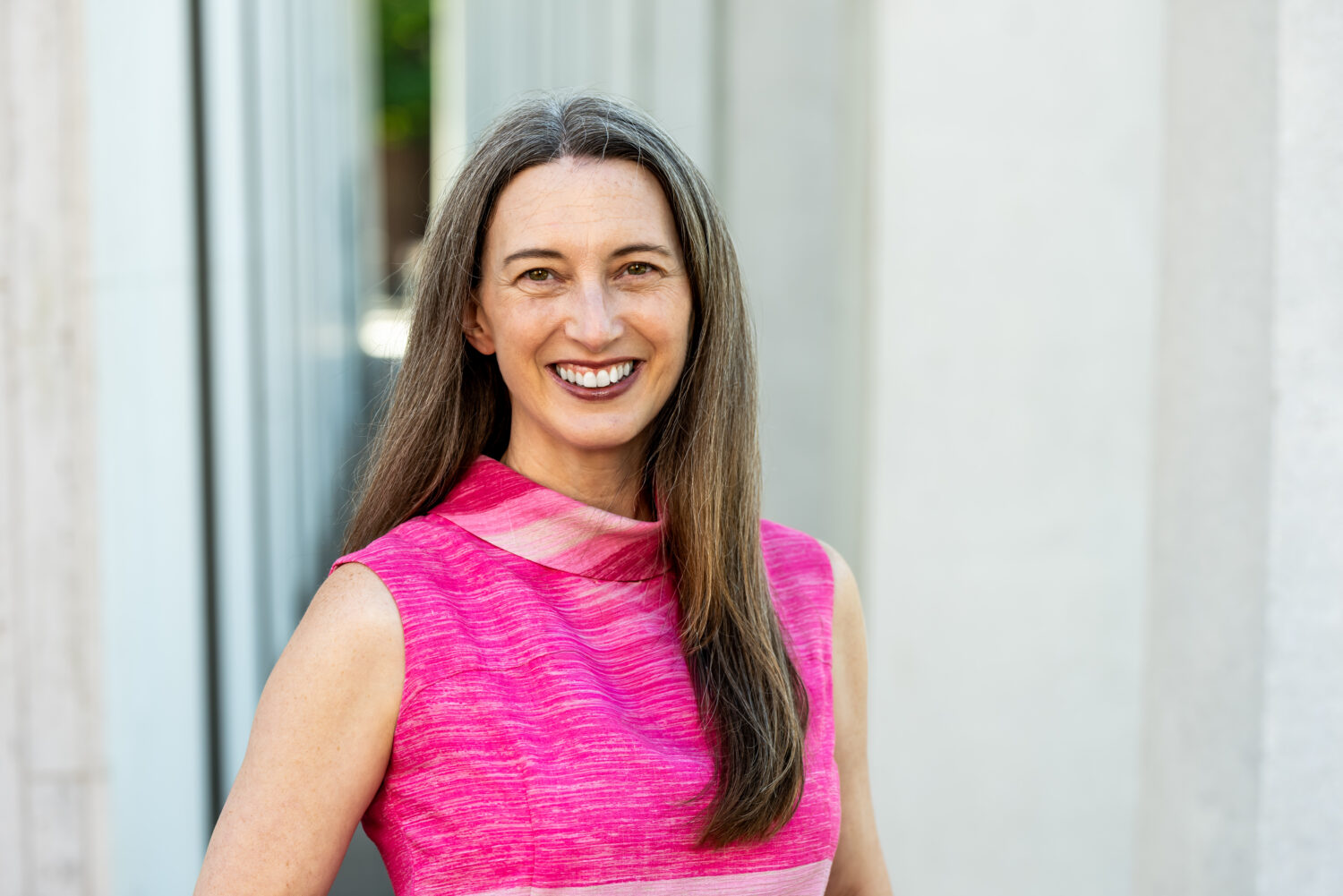
Moderator: Leslie Jennings Rowley, PhD is Lecturer in Public Policy and First Year Seminars at Princeton University and the Associate Director of the Kahneman-Treisman Center for Behavioral Science & Public Policy. In addition to teaching multidisciplinary courses grounded in behavioral science, she executes the Center’s mission and programmatic objectives while developing interdisciplinary initiatives and cultivating research collaborations both internal and external to Princeton.
What Does It Mean To Be Human Now? (SOLD OUT)
Artificial Intelligence, AUTONOMY, And the FullY HUMAN Life
Across cultures and centuries, human beings have returned to a simple but enduring question: What makes us human? Today, advances in artificial intelligence are forcing this ancient question into new territory. Machines can now generate language, compose art, make scientific discoveries, even simulate emotional understanding. And they do it with no body, no mortality, and no skin in the game. If the things we once pointed to as proof of our distinctiveness can be performed without being human at all, perhaps those capacities were never what made us special. Perhaps they were only the story we told ourselves.
This Socrates seminar invites participants to examine how emerging technologies are reshaping our understanding of identity, dignity, and purpose. Together, we’ll ask:
What qualities define the human experience, and which of them truly matter most?
If intelligence is no longer uniquely ours, where does human value actually live — in our bodies, our relationships, our vulnerability, our faith?
Could technological progress change not just what we do, but who we become?
What do we owe future generations in preserving the conditions for a fully human life?
As humans advance AI, the most urgent question may not be what machines can do, but what kind of beings we wish to be. This seminar explores how one of humanity’s oldest philosophical questions is being reshaped by one of its newest technologies, and what is at stake if we get the answer wrong.
Moderator: Brendan McCord is founder and Chair of the Cosmos Institute, where he cultivates philosopher-builders to steer AI toward human flourishing. McCord teaches at Oxford and writes widely on AI, human autonomy, and education. In the private sector, he was founding CEO of two AI startups acquired for $400 million and President of an AI holding company that returned billions to its investors.
Frequently Asked Questions:
What is a Socrates seminar?
The Socrates Seminar is a collaborative weekend-long event for participants from different fields. Participants contribute their understanding of and reactions to carefully selected readings, with the guidance of moderators who are experts in their sector. This is not a panel discussion, nor is it a tutorial where the experts share their knowledge. The seminars take place on Aspen Meadows Resort campus.
How many seminars can I participate in?
You will register for one seminar of up to 24 participants for the entire weekend. Meals and programming are with the entire group, which includes participants from all five concurrent seminars.
What if my preferred seminar is sold out?
Unfortunately, each seminar accommodates a limited number of participants. We urge you to apply/register as soon as possible to secure a seat in your preferred seminar. Please reach out the Socrates Team directly via email if your preferred seminar is full and one of our team members will assist you.
What does tuition cover?
Tuition includes seminar attendance and materials and all meals during the program, which begins at 6pm on Friday evening and ends at 1pm on Monday after lunch.
Where can I stay?
We have a room block at the Aspen Meadows Resort, where the seminars take place, as well as a block at Annabelle Inn with negotiated rates. There are also a range of hotels in Aspen that we can suggest for participants looking to not stay on campus. For those looking to roomshare, we will connect you with other participants looking to share the cost of a room.
Are scholarships available?
We offer scholarships for tuition assistance. The application can be found here. Please note: Scholarships are awarded on a rolling bases. We encourage you to apply as soon as possible.
Can I do a Socrates seminar on a budget?
We offer partial to full scholarships. Please apply here. Scholarships generally cover tuition, which includes all meals, but not travel.
How do I get to Aspen?
Flights into Denver tend to be more economical. If you choose to fly into Denver and are interested in ridesharing, we will connect you with other participants who are driving.
Can I bring a guest?
If you would like to bring a guest to join you for meals, you are welcome to for $600.00. You can purchase this as as an add-on when you register.
What transportation will be provided at the event?
If you are a guest of the Aspen Meadows Resort, they will take care of transportation to and from the airport. If you are staying at an alternative location, we recommend taxis and a free local bus.
The Aspen Meadows offers a complimentary shuttle that runs into Aspen every 30 minutes.
What is the timing of the seminars and programming for the weekend?
You should plan to arrive in Aspen by 6pm on Friday and depart after 12pm on Monday. Socrates Summer seminars run from 8am-12pm on Saturday, Sunday, and Monday.
We encourage participants to explore and engage with the town of Aspen and Aspen Meadows Campus in the afternoons. We partner with BlazingAdventures to offer a special trip to Socrates participants.
What is the dress codes for the seminar?
Although we do not require a specific dress code, most people dress business casual in the seminar rooms and bring something a bit dressier for the evenings. We recommend that you pack for warmth and comfort in both the Winter and Summer. Please bring sturdy shoes that will allow you to walk through snow and/or mud.
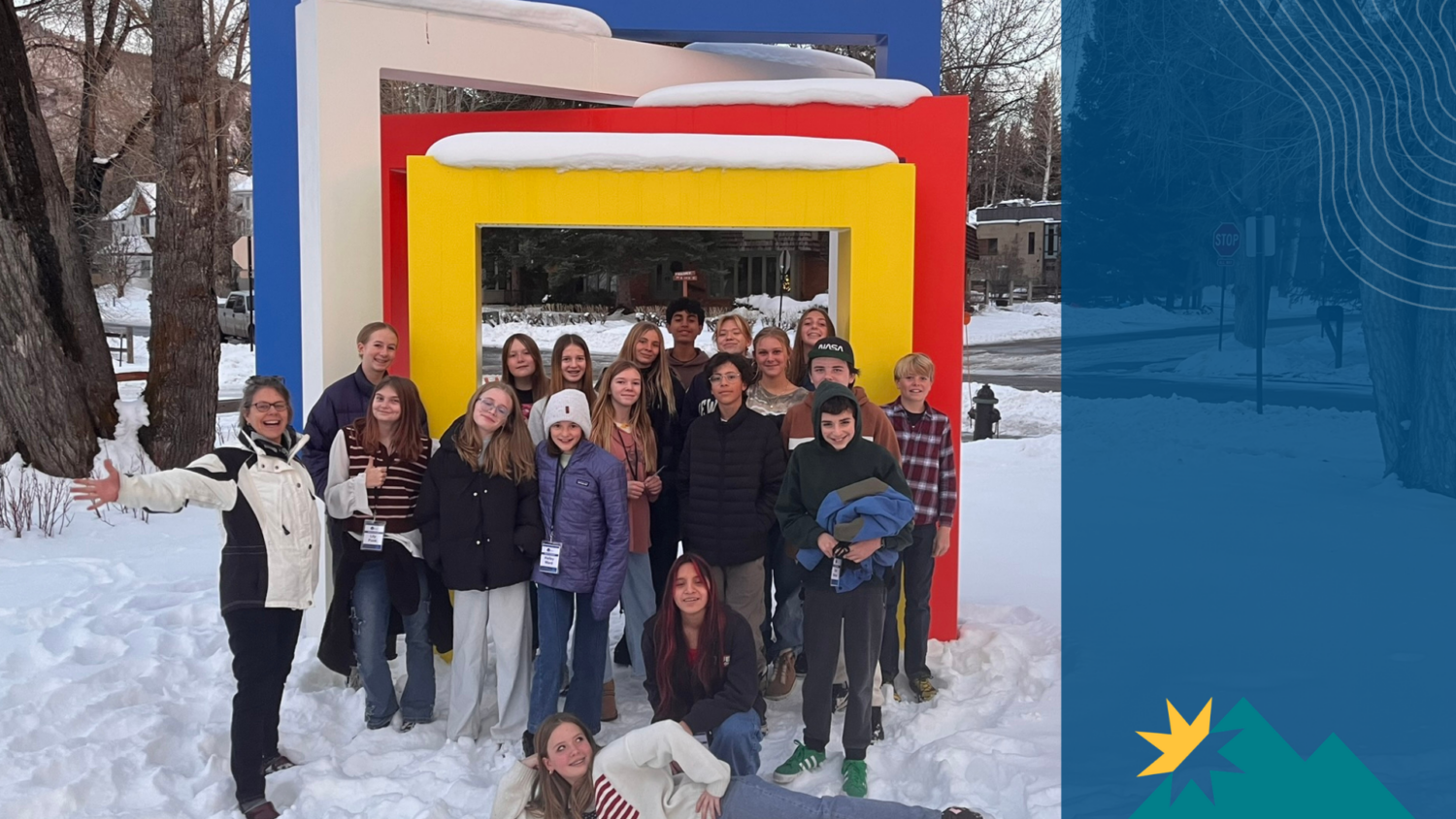
The four-day seminar is dedicated to enhancing leadership, problem solving, and critical thinking skills for middle school students living in the Roaring Fork Valley.
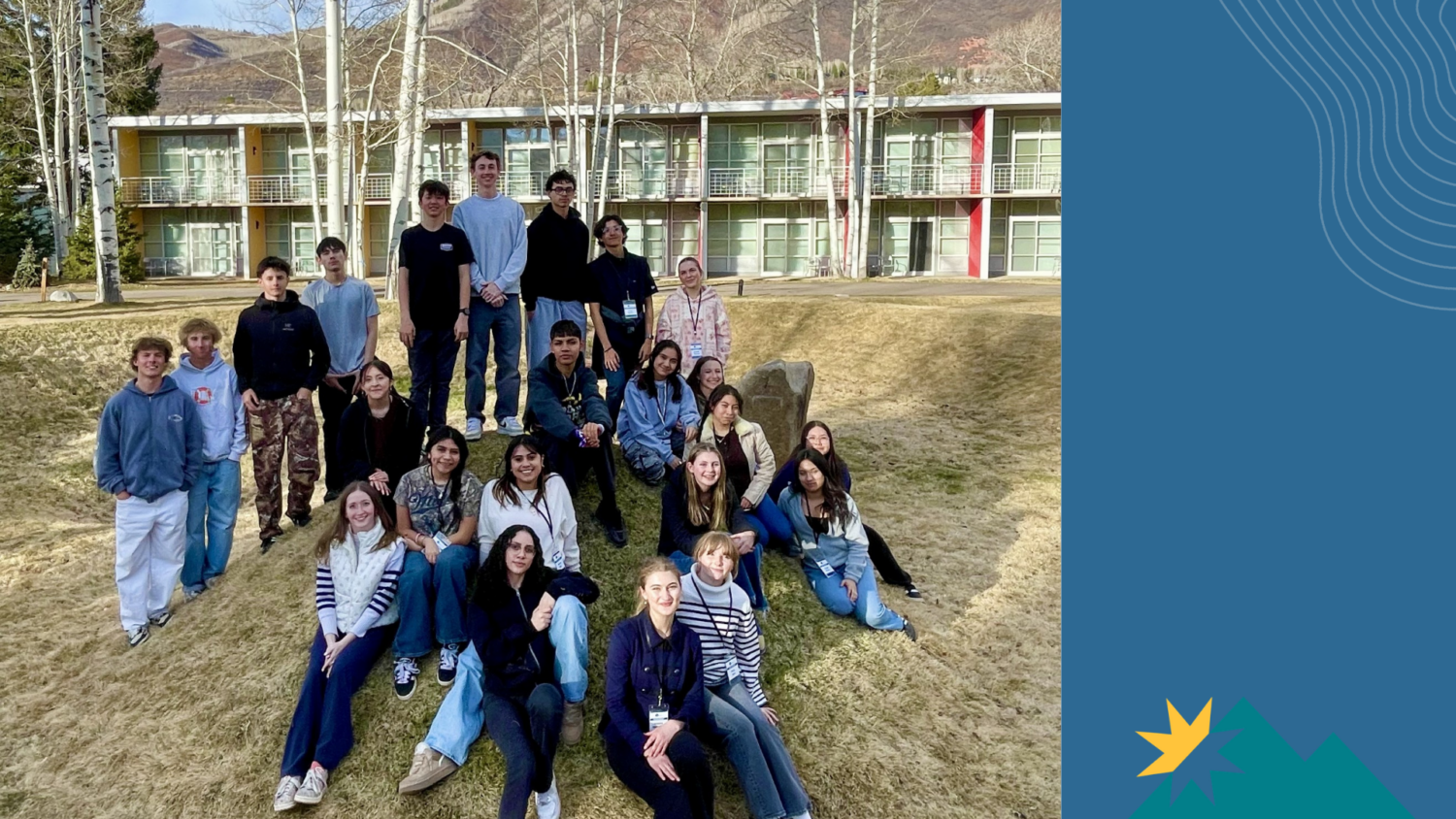
The four-day seminar is dedicated to enhancing leadership, problem solving, and critical thinking skills for high school students living in the Roaring Fork Valley.
This four-day virtual seminar is dedicated to enhancing leadership, problem solving, and critical thinking skills for high school students in a setting conducive to thought and fellowship.
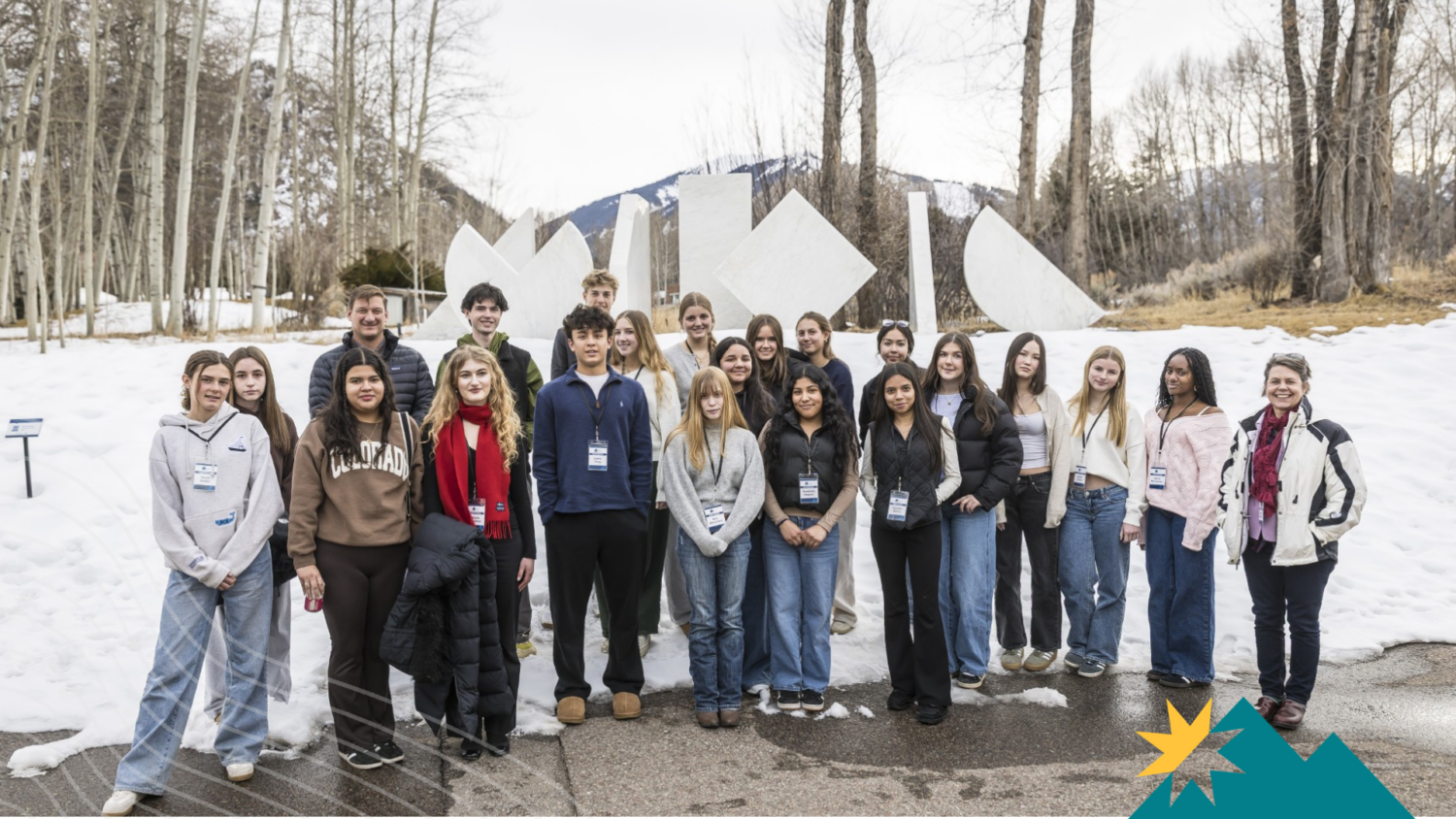
The three-day seminar is dedicated to enhancing leadership, problem solving, and critical thinking skills for high school students in a setting conducive to thought and fellowship.
Join us for the WIN Summit on October 22nd where private-sector leaders, investors, and philanthropic organizations and funders will gather to talk about the future of the workplace.