What are good examples of weaving?
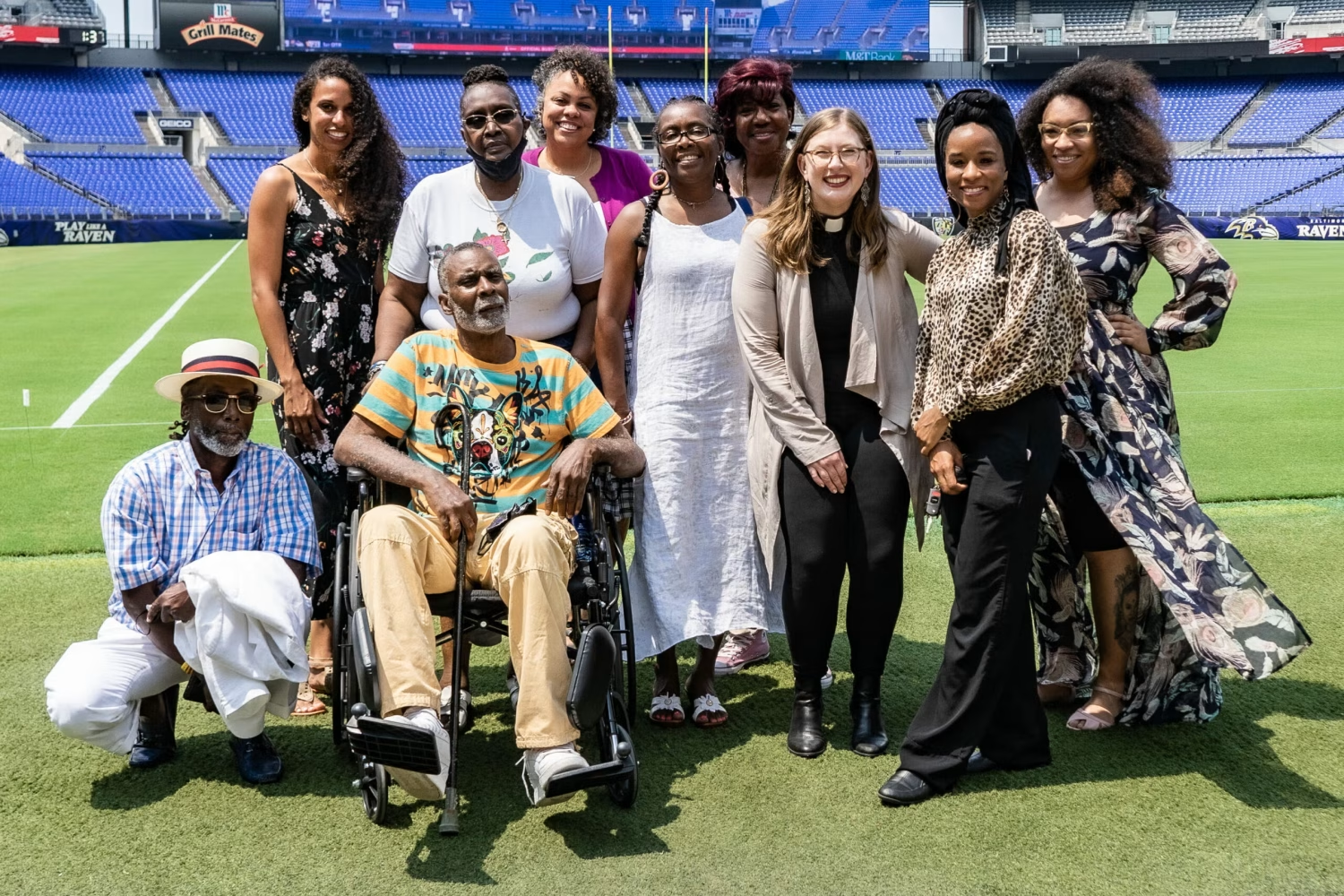
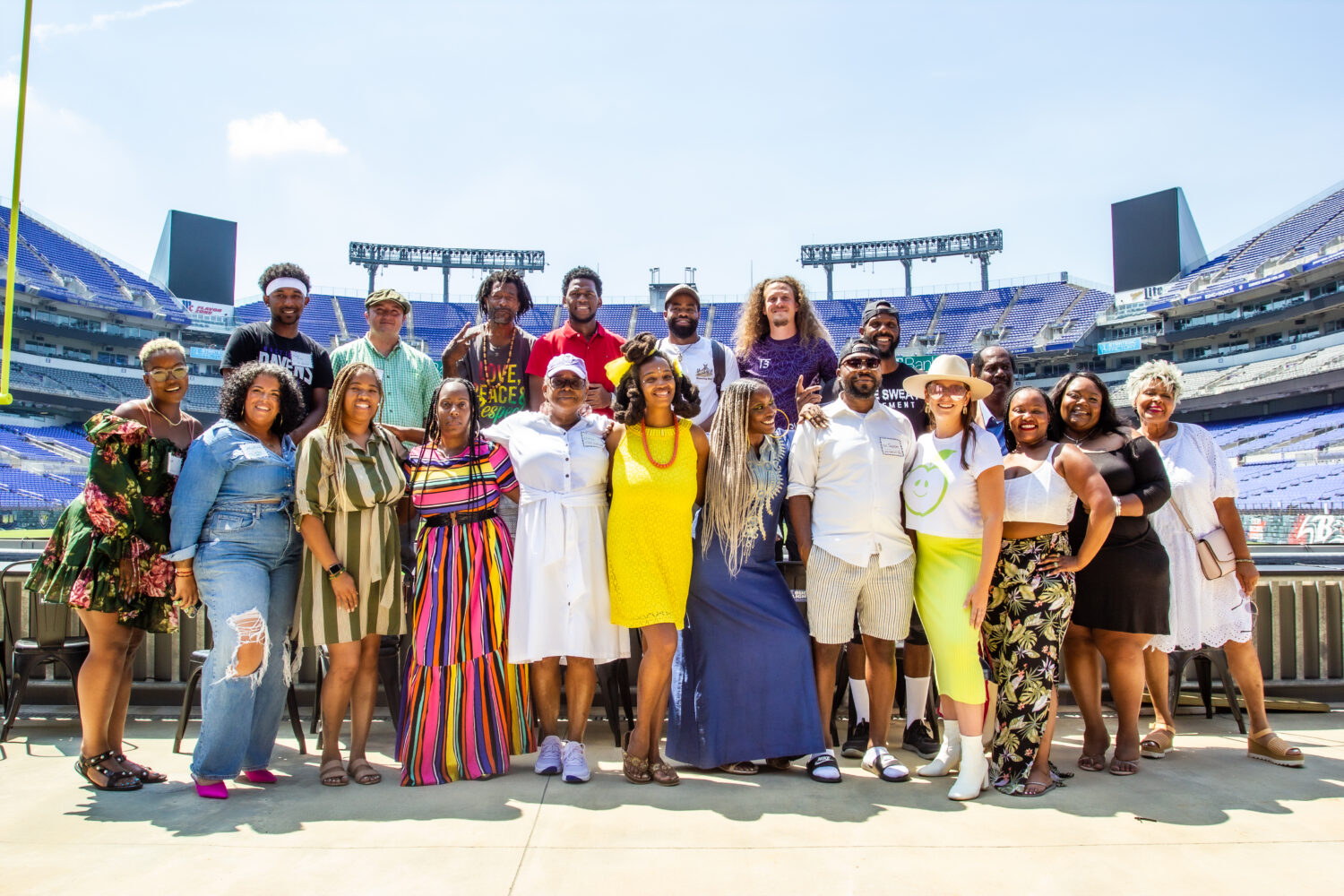
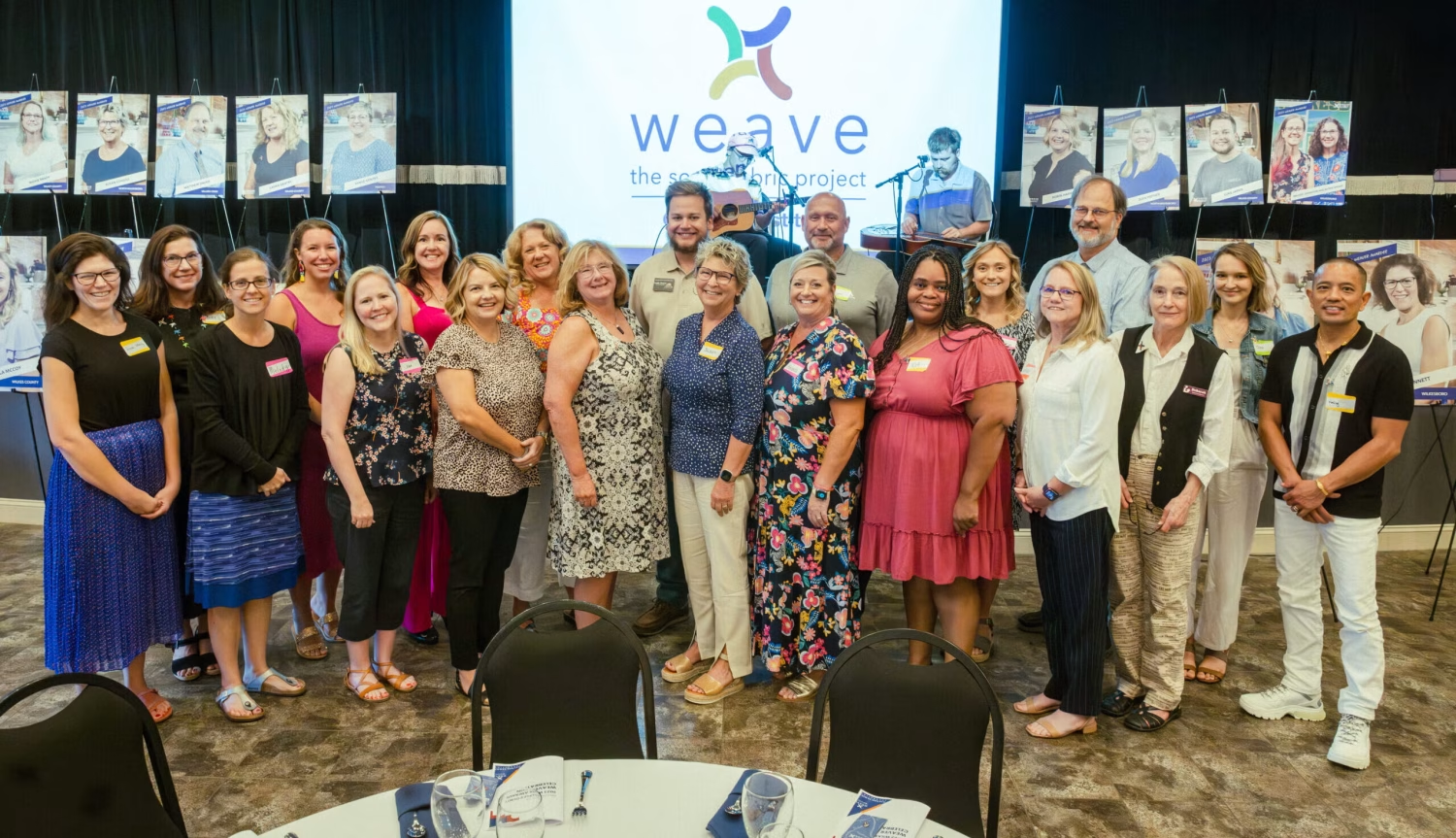
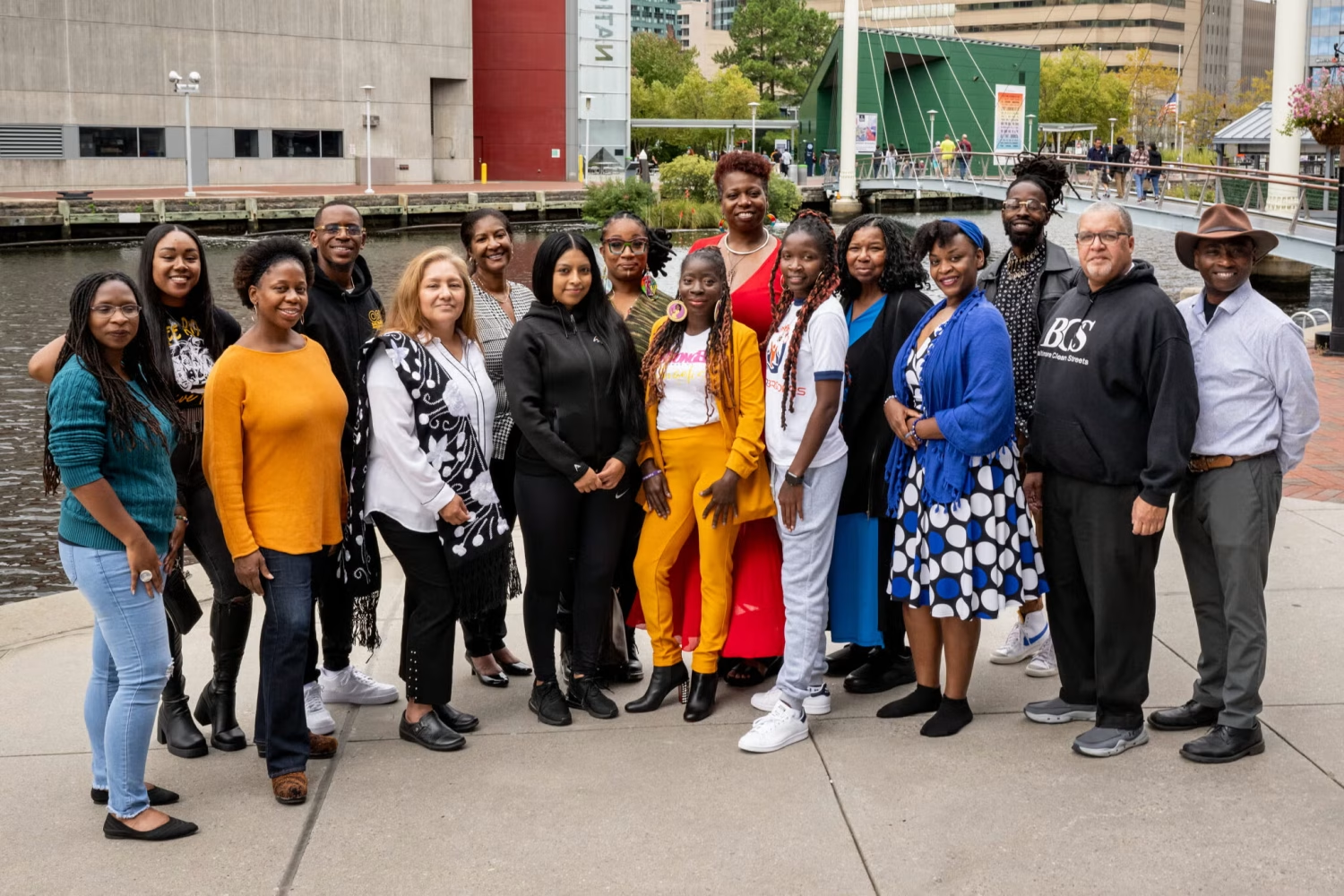
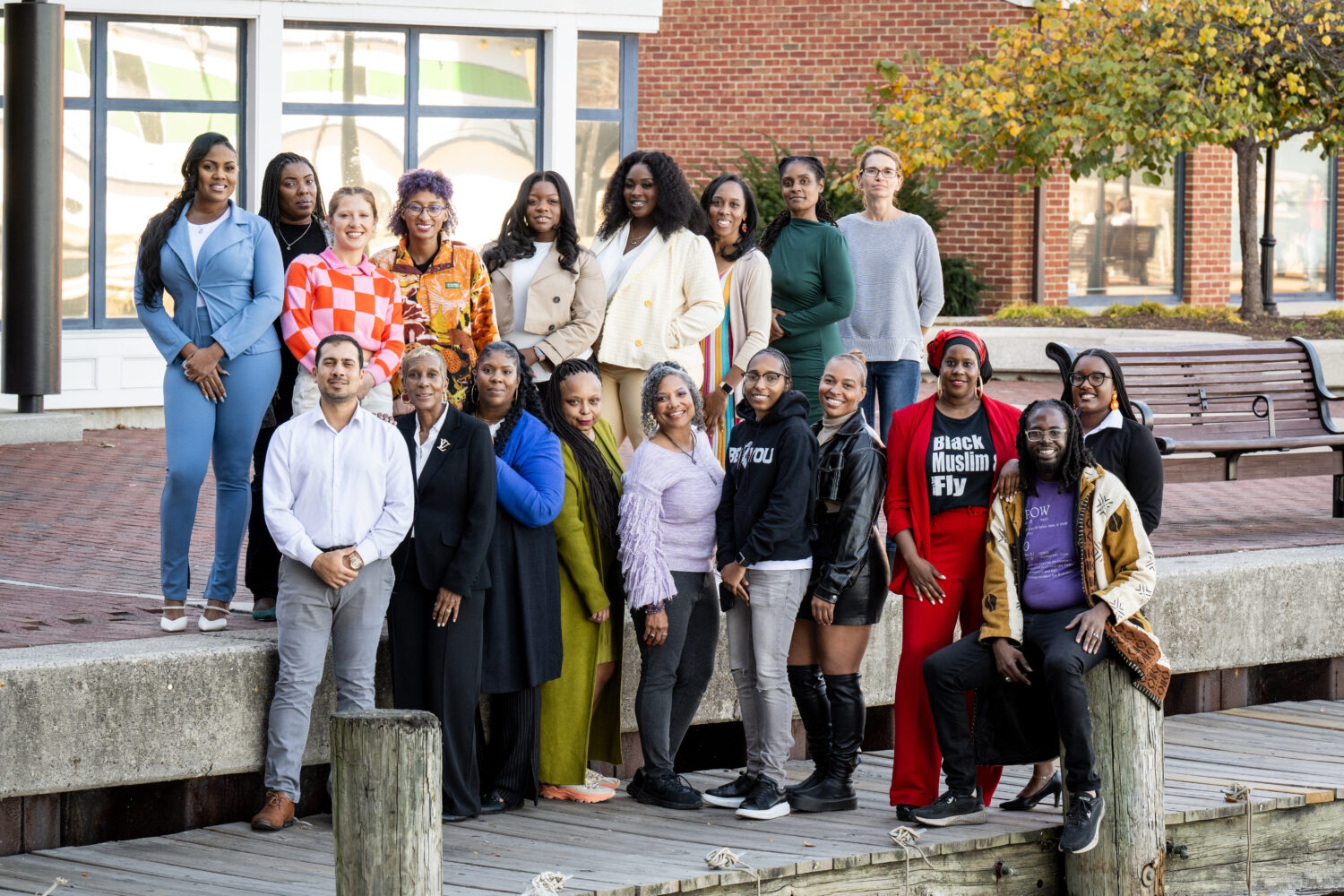
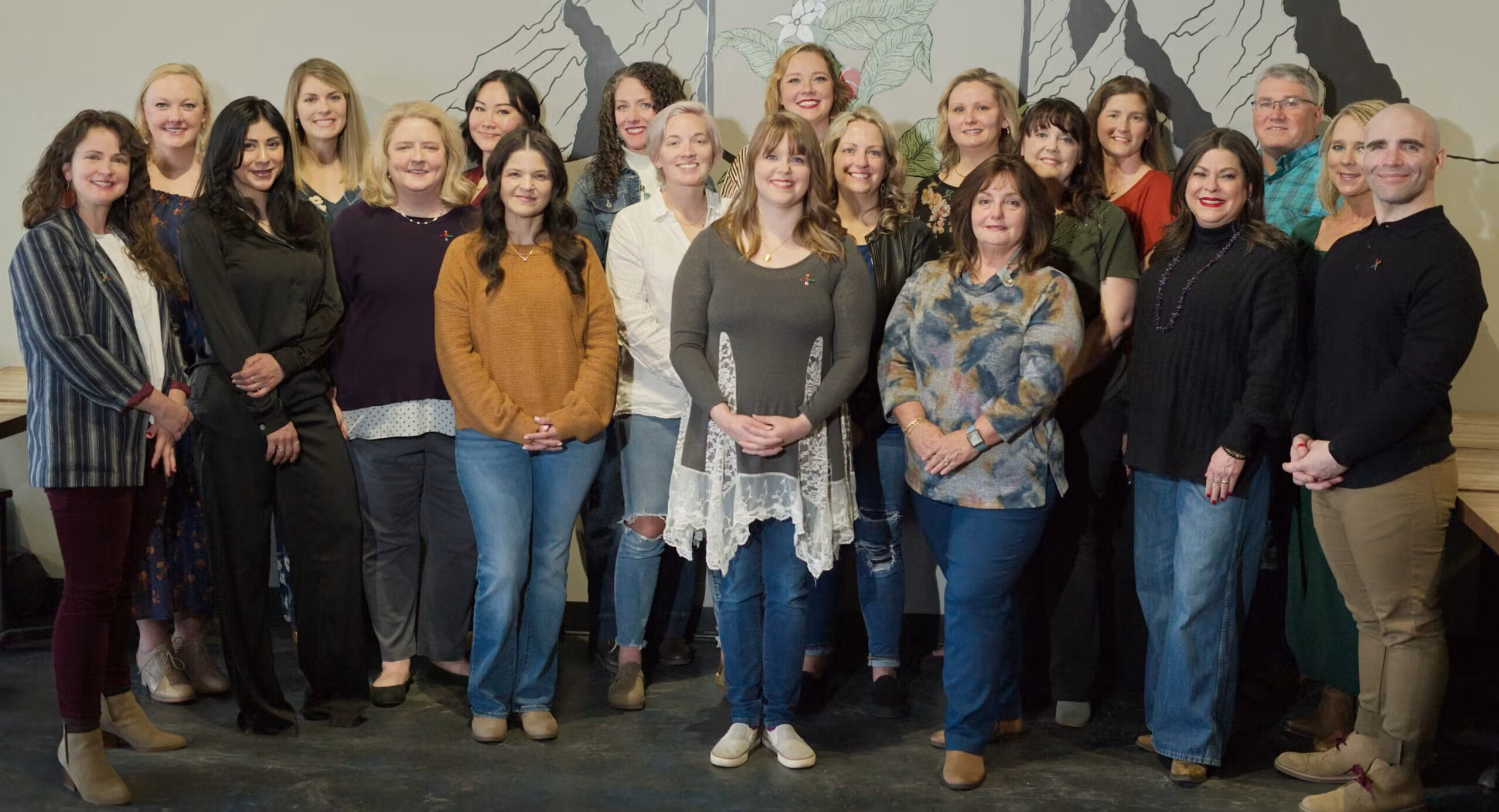
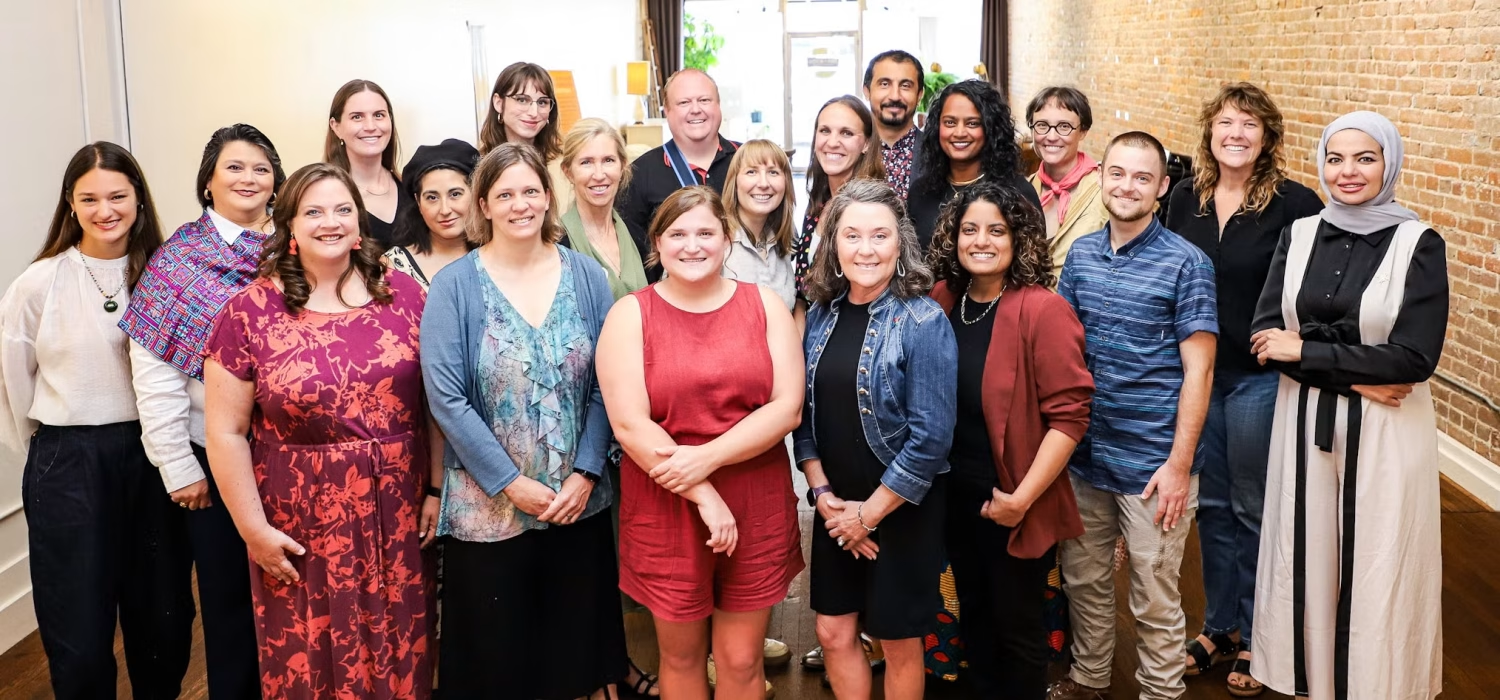
There is no one way to build community. The Weaver Awards celebrate the diversity and uniqueness of how folks foster connection and belonging in their communities. From robotics groups to comedy to entrepreneurship, Awardees are helping neighbors build relationships with one another.
It’s about showing up for your neighbors
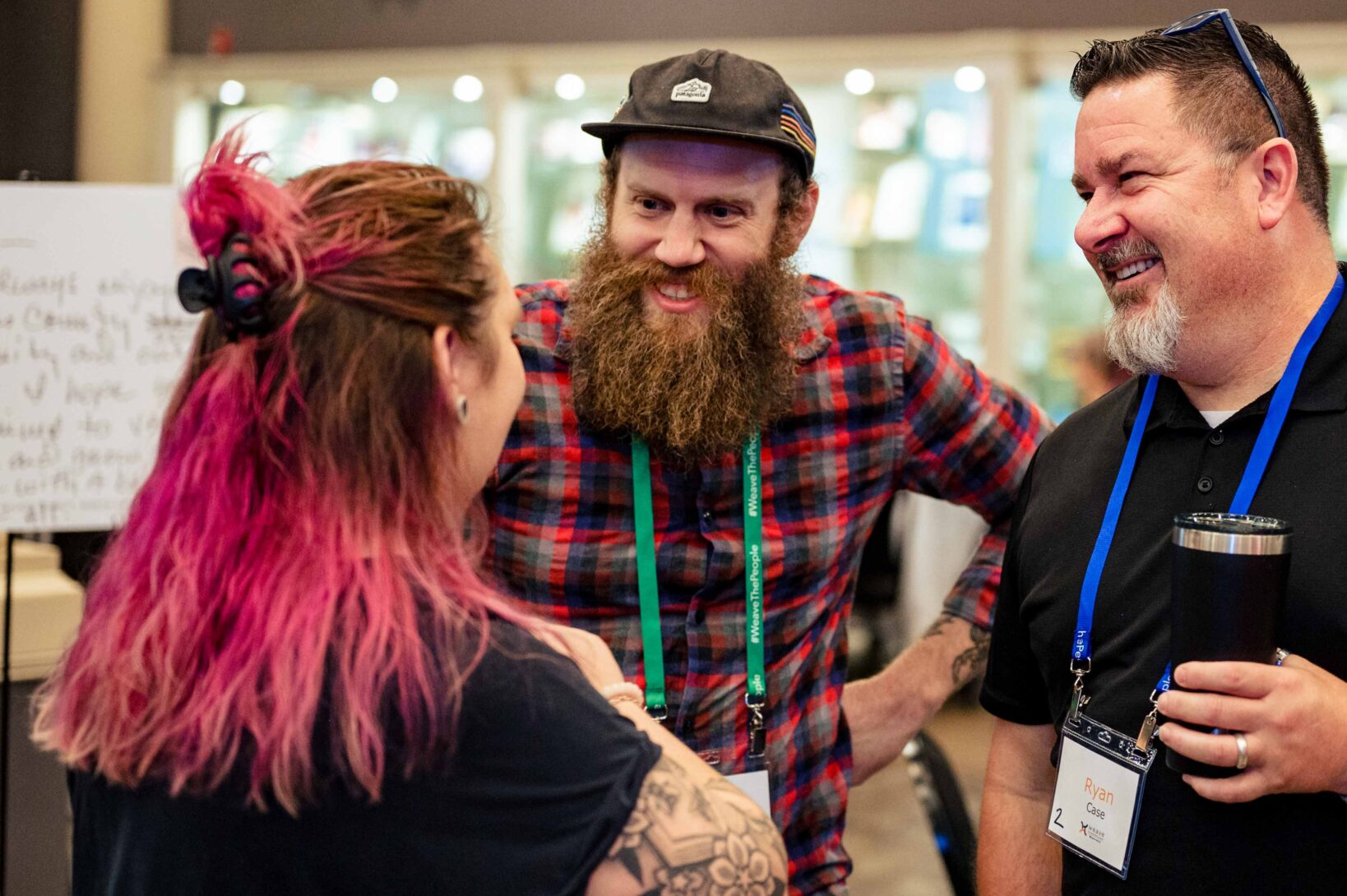
Weaving is all about tackling shared issues and fostering relationships between folks in your community. It’s the secret sauce that sets the conditions for social trust to grow.
It begins with a simple commitment: to see one another as equal in dignity, even when experiences and viewpoints differ.
Weaving can be formal or informal, and it is characterized by four qualities:
Local: It brings together people who share the same neighborhood, town, or region
Mutual: It celebrates everyone’s contributions and creates opportunities for everyone to both give and receive
Welcoming: It invites people to join as they are
Continuous: It builds relationships that deepen over time through ongoing engagement
There is no one way or a “right” way to weave. It’s about finding what works to connect and build relationships between your neighbors.
Some Awardees lean into the arts and build community around dance, comedy, music, and theater. Others focus on entrepreneurship and start mentorship programs, partner with local businesses, or support youth to launch their own businesses. Some do service activities like community gardening, street clean-ups, or serve food to neighbors. Others find community in creating spaces for neighbors to connect, have fun, and have deep discussions.
The size of your project doesn’t matter either. We care more about the depth of the relationship and trust building. Some Weaver Awardees focus on a small pocket in a neighborhood and benefit a few dozen folks. Others are large initiatives that invite hundreds to join.
Here are five examples of projects of all sizes, scopes, and styles in different communities.
Yoga is often seen as self-care. Here, it’s about community care.
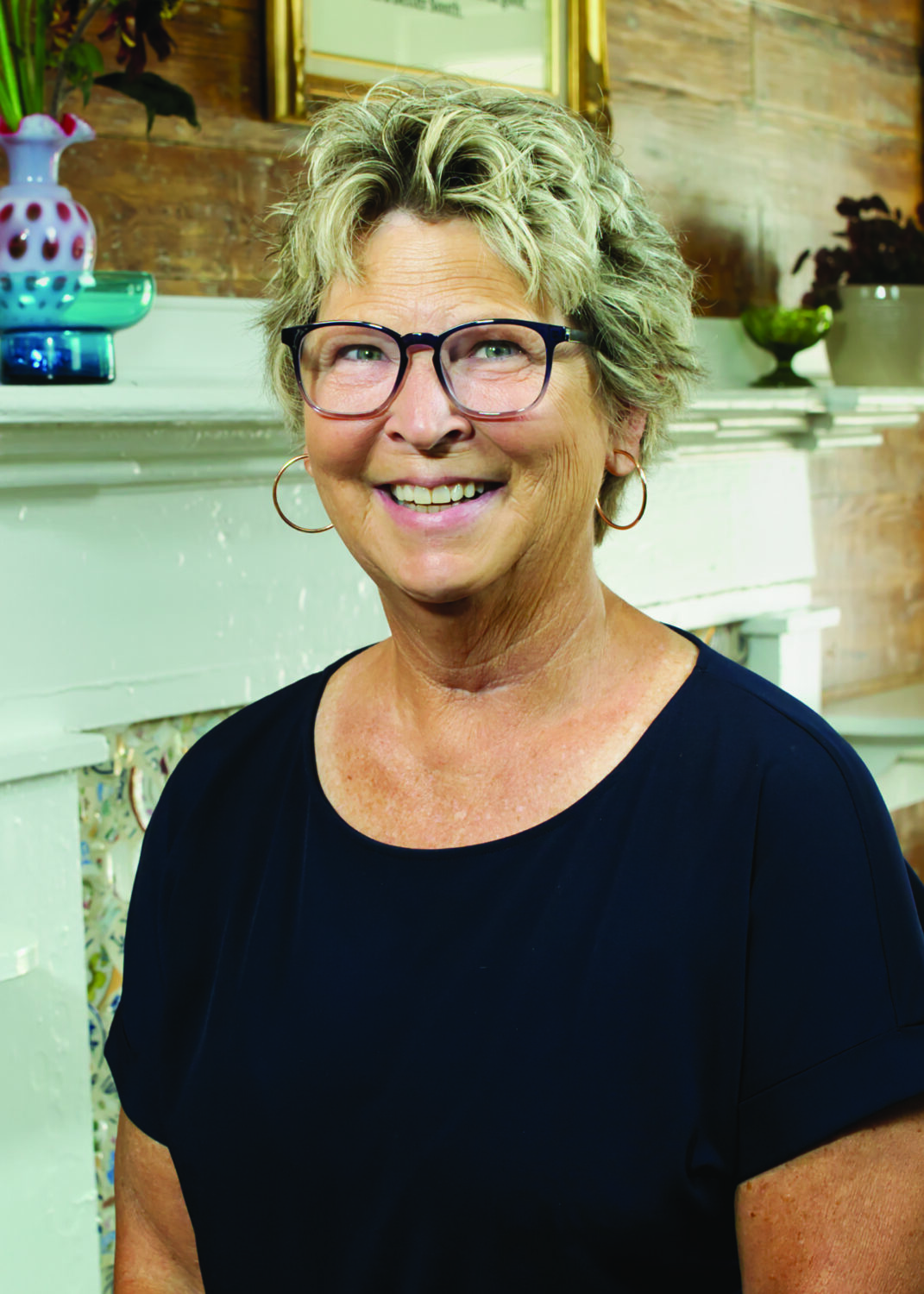
In Wilkesboro, N.C., 2023 Wilkes County Weaver Awardee Susan Cogdill started the Wilkes Yoga Sisterhood “to provide girls with a space where they can develop a community and connection, and build confidence while doing yoga,” she says. “The group is all about empowering a new generation of weavers.”
If food is love, what about the leftovers?
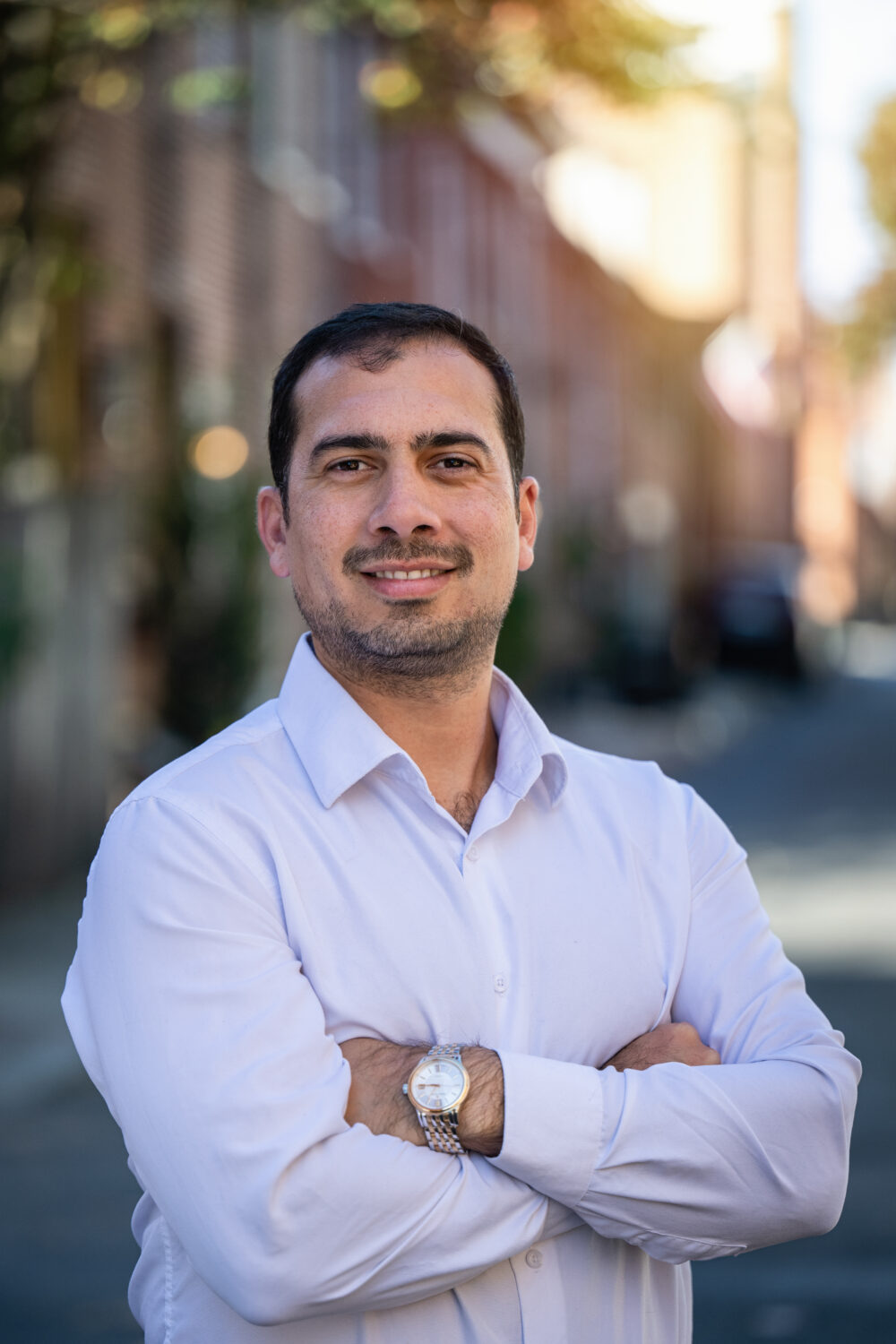
In Baltimore, Md., 2024 Baltimore Weaver Awardee Omar Tarabishi distributes leftovers from restaurants, events, and groceries at weekly free markets in neighborhoods where hunger is a constant concern. Tarabishi turned the project into a nonprofit called Leftover Love. And it has become about more than free food. ”It has been beautiful to see the relationships and trust being built with our volunteers and food donors,” he says.
In a small town, tradition helps young people find belonging
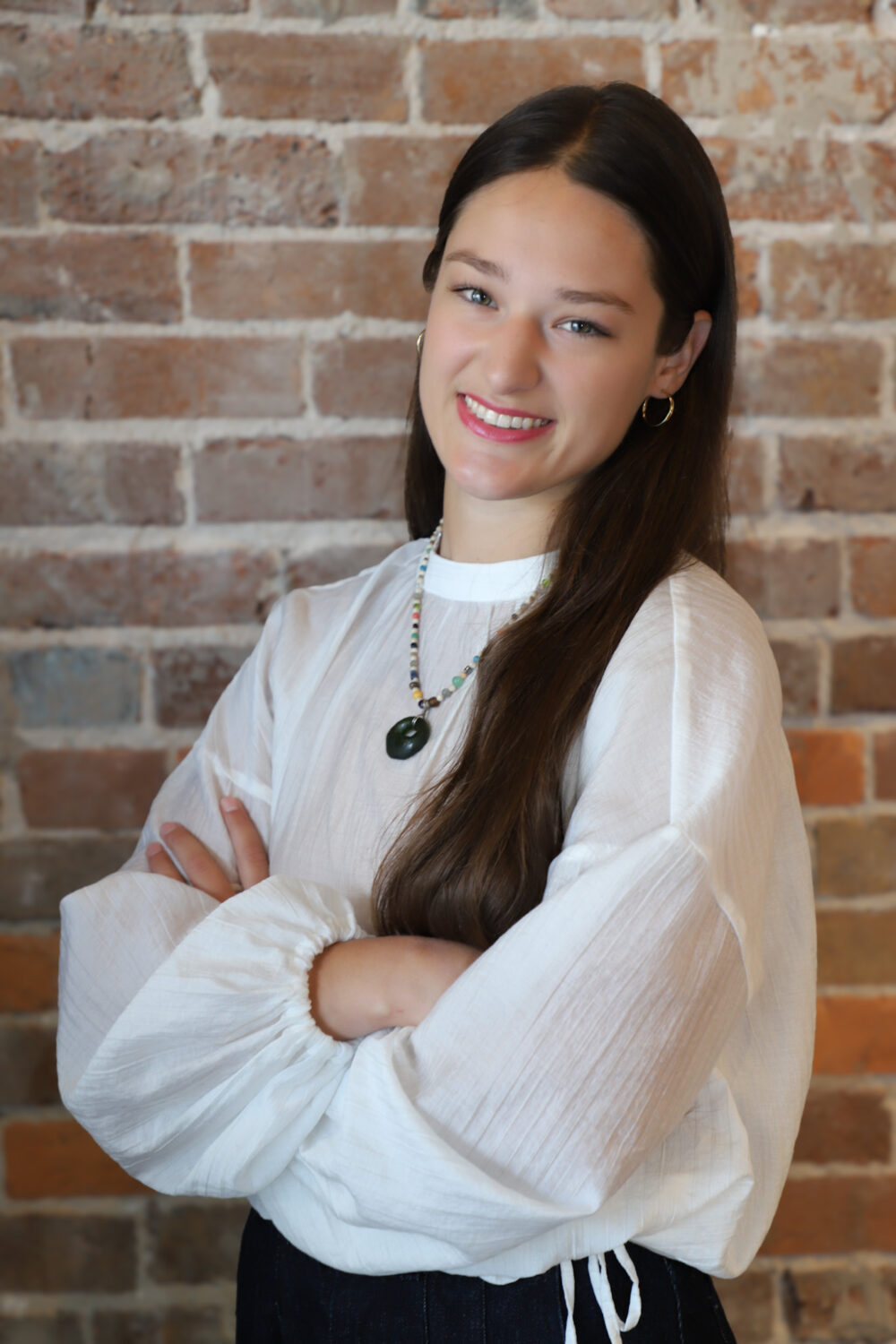
In Winslow, Ark., 2025 NWA Weaver Awardee Abby Hollis is using the fun, shared tradition of Old-Time Square Dancing to bridge generational divides and create spaces for the community to connect. “I think we are tapping into something magical and young people really stick to it. When you are in a community around folk arts, there is a nostalgia for something we never knew. And then when you experience it, you realize, ‘Oh, this is how it should feel to be a human being on earth,’” she says.
Celebrating the unlimited potential of youth with parties, haircuts, and conversations
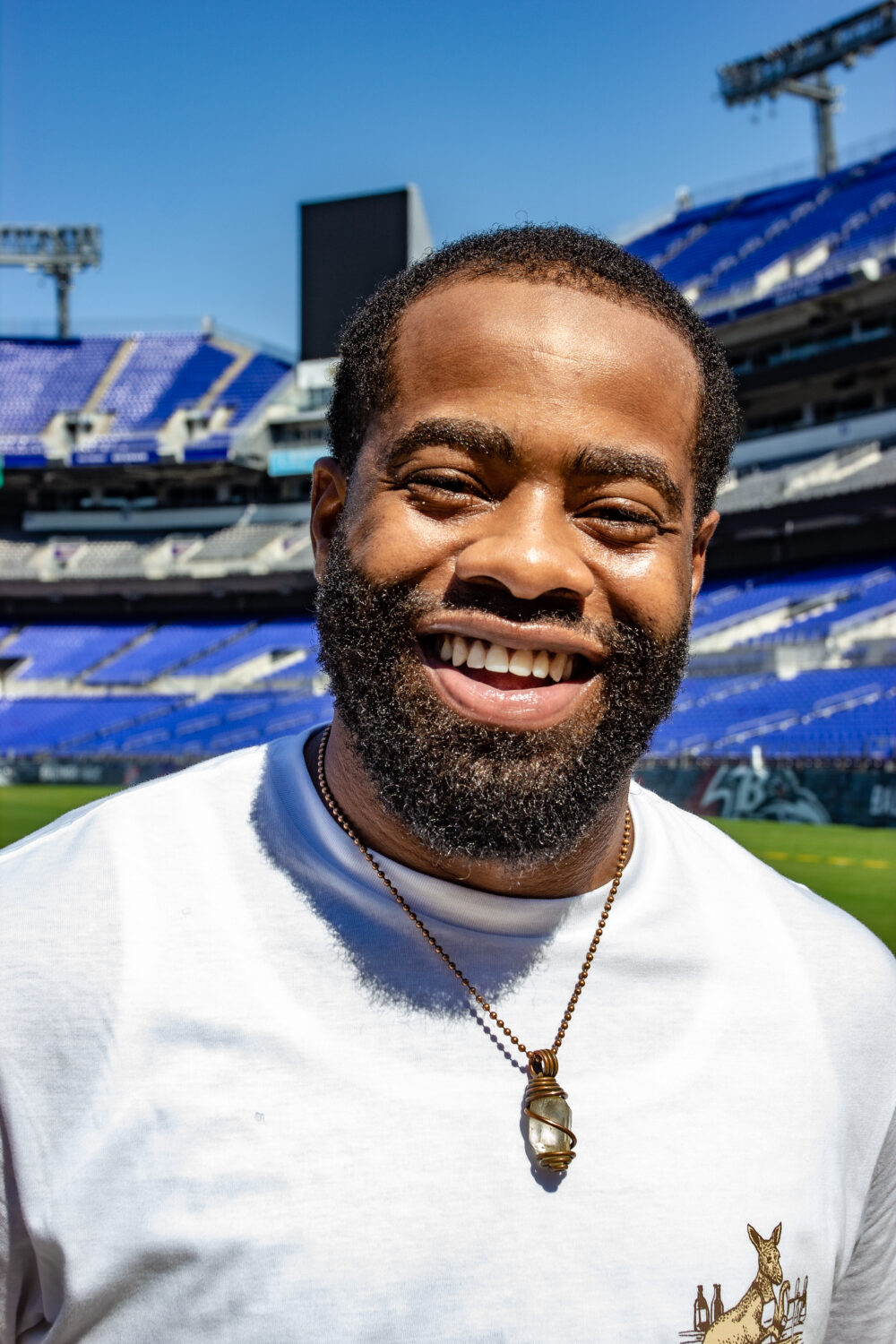
In Baltimore, Md., 2022 Baltimore Weaver Awardee Haneef Hardy works with youth directly in their schools to give them the support that they need to thrive. They also involve their family and community members to organize community events, fairs, and celebrations. “It’s about our community coming together, investing in ourselves, and uplifting each other,” he says.
Meet the 130 Weaver Awardees