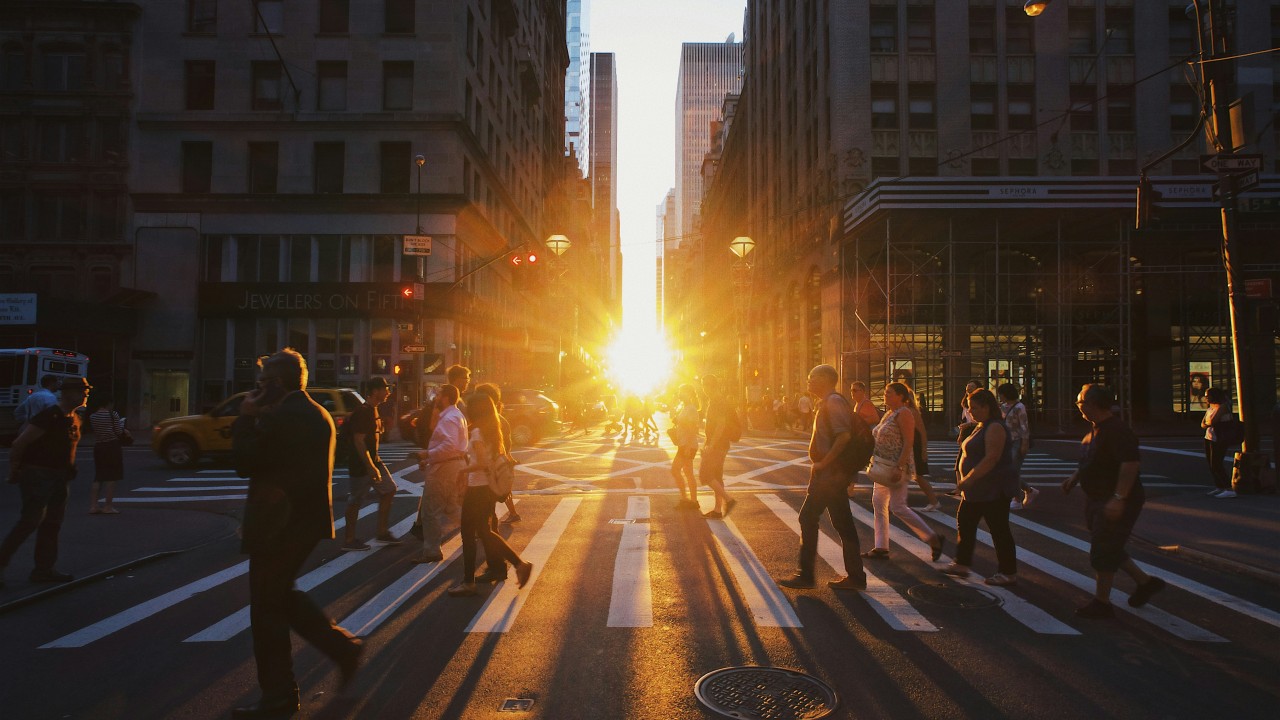
When a community reached a breaking point, young weavers showed up
Subscribe to Weave’s Newsletter
This story was originally published on Weave’s newsletter. Every week, you’ll get resources on how to weave our communities and restore social trust.
During the pandemic, Maddie Freeman decided to take a gap year and return to her hometown of Littleton, CO. She had been struggling with her mental health and needed a break. But coming home turned out to be far harder than she expected. “We were dealing with a suicide crisis. I lost ten friends,” she says. “Our community didn’t have enough resources to cope or deal with these deaths, and they were just continuing to happen.”
She reached out to neighbors and friends and invited them to sign a petition to get the school district to take action and improve mental health services. “It started a movement in our community. Everyone rallied together and within two days, we had 14,000 signatures,” she says. Soon after, the school district started providing more mental health resources for kids who needed them.
But access to care only helped with part of the problem. Freeman knew that many kids felt lonely, as most of their social interactions happened online. “One of the big promises of social media companies is that it’ll make us feel connected and social, but a lot of times that’s far from the truth,” she says. “For most of us, the reality is we’re laying in bed scrolling and spending all of our time alone and not having real interactions with other people.”
She decided to test an idea: to go without social media for a month and invite others to join her. “The algorithms in these platforms are designed to be addictive. It takes time to break the habit, so we need 30 days” she says. She started by inviting a classroom of 30 high school students. Word spread, and soon folks all around town joined the challenge.
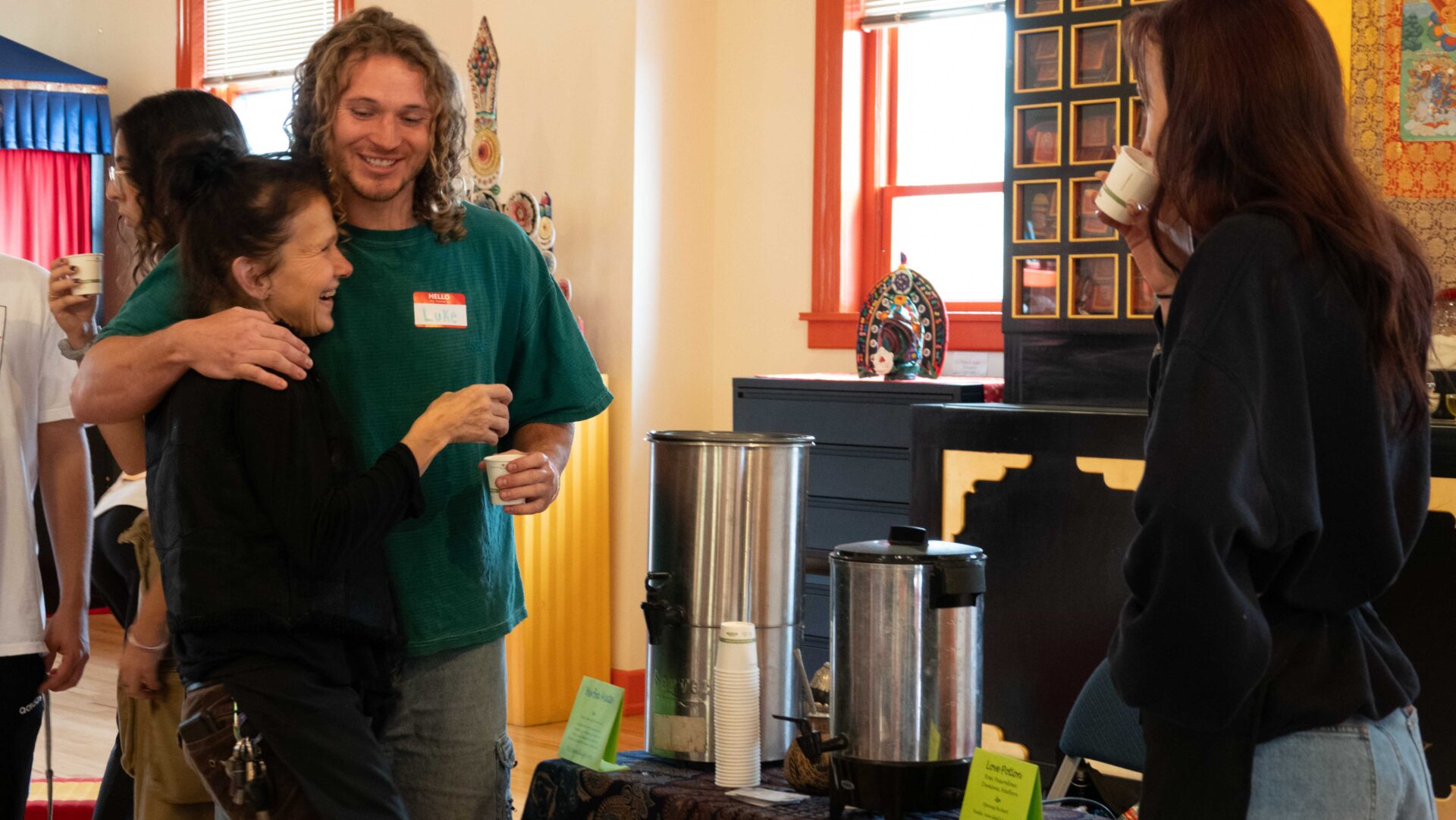
It wasn’t a detox alone. “We paired it with healthy activities where we could have connection and build genuine relationships, like mindfulness, nature walks, or crafts,” she says. Folks were asked to invite their friends, family, and neighbors to join the challenge with them, and dedicate time to intentionally connect in person with each other. Freeman gave them a list of suggested activities they could do together, like go to the park on a Wednesday or read together at a coffee shop. She also invited strangers who were part of the challenge to meet each other.
After that first year, it became a yearly tradition. Freeman started a youth-led organization called NoSo to continue growing these efforts. They partner with local organizations to do activities that foster connection in Littleton year-round. They also teach young people across the US and abroad how to spread a culture of connection to their communities. These ‘Ambassadors,’ as they’re called, learn how to invite neighbors to take a break from social media and connect in real life.
Freeman says that hundreds of young people have reached out, looking to build more meaningful connections offline. According to a 2021 survey, nearly 40% of Americans now have online-only friendships. Teenagers are spending only 40 minutes a day in person with friends outside of school hours, down from 140 minutes a day nearly two decades ago.
And the loss of in-person connection is not helping with their mental health. Over the past decade, the suicide rate for 10 to 14-year-olds nearly tripled. A CDC survey found that in 2021, almost 60% of high school girls experienced persistent feelings of sadness or hopelessness, and nearly 30% seriously considered suicide.
Freeman says that their efforts are helping her community heal. “Mental health is a hard topic and those in crisis should not have to go through it alone. These past years have shown us that we can show up for each other as a community. It’s creating a sense of togetherness that I’m very proud of.”
Do you want to take a break from social media and find connection with neighbors? Freeman’s organization is inviting folks to do a social media detox during the month of November. And if you are looking for activities to do during that time, you might want to try hosting a potluck dinner, go on walks in nature with neighbors, or invite strangers to connect in a public space.
In Session: Judy Samuelson

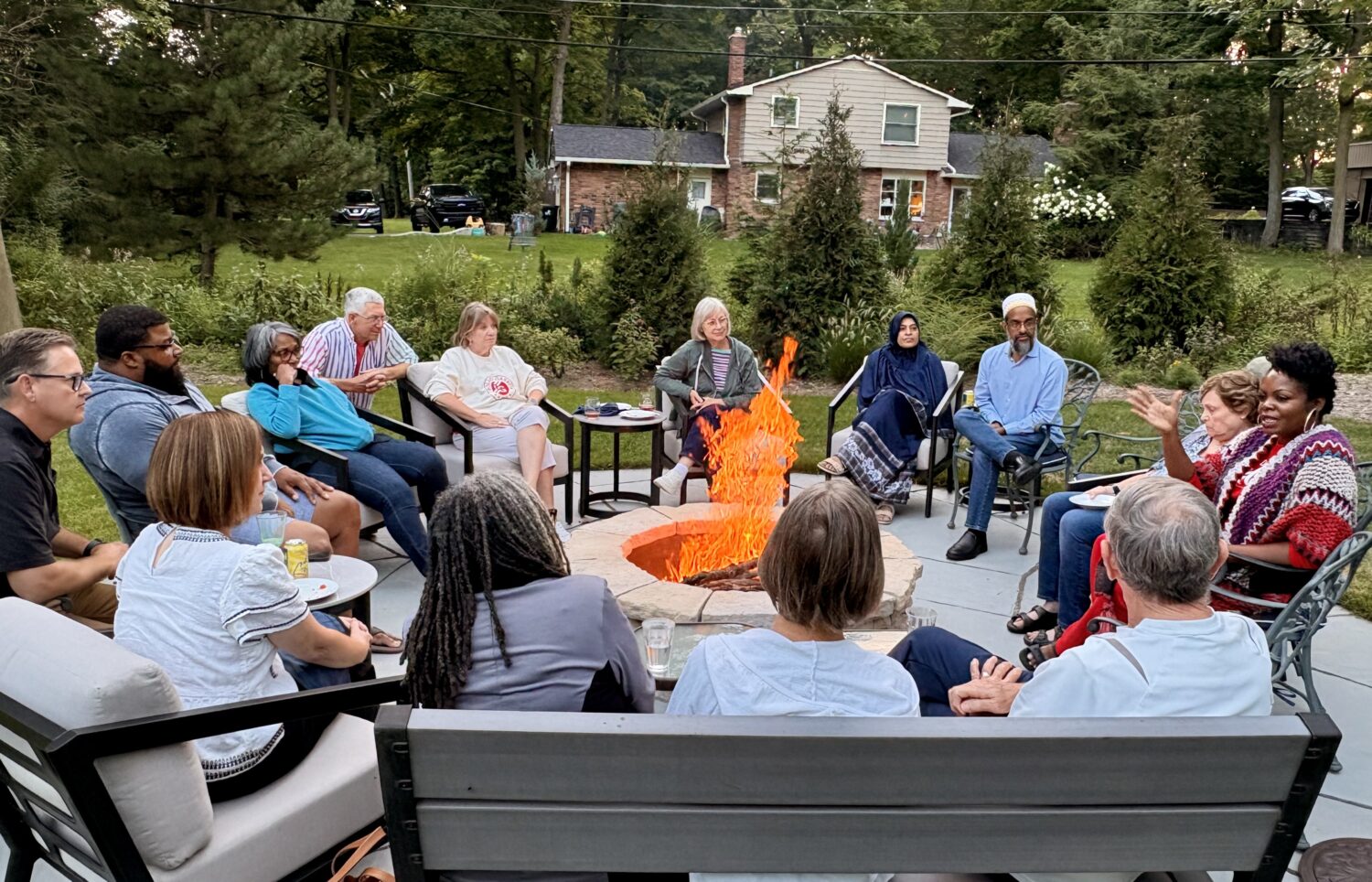
Weave’s Social Trust Map Picks Up Three Awards
Lessons in Navigating Uncertainty from a Frontline Physician
Ten Years of Vision: How Juliet Asante’s Black Star International Film Festival Redefined Ghana’s Film Landscape
Fresh Takes: Food is Medicine