Aspen is a place for leaders to lift their sights above the possessions which possess them. To confront their own nature as human beings, to regain control over their own humanity by becoming more self-aware, more self-correcting, and hence more self-fulfilling.
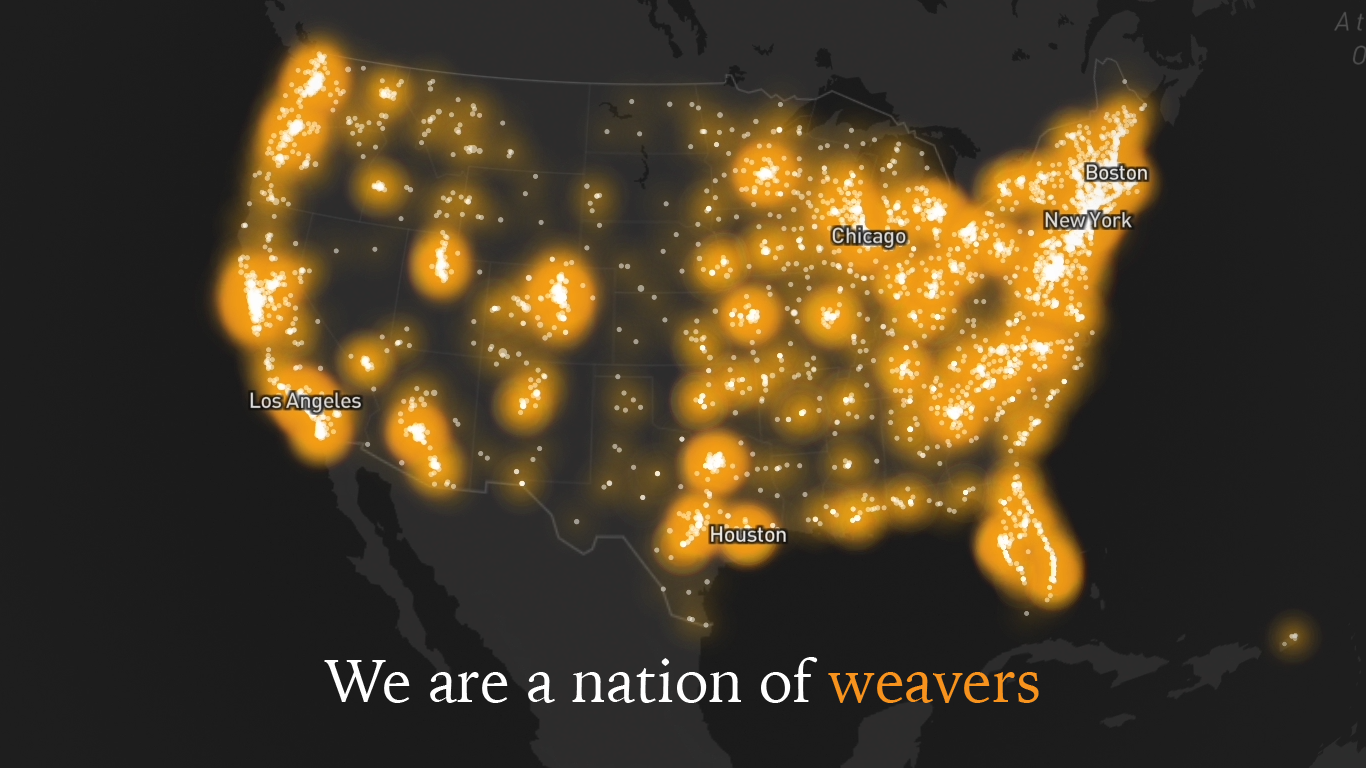
What if you knew the strength of trusting behaviors, trusting intentions, and trusting spaces in your own community? Not in your city, county, or your zip code, but in your own neighborhood? How might you use that information to create belonging and trust with your neighbors?
That’s what Weave’s Social Trust Map tells you in a four-minute, interactive experience on your phone. It shares stories of how people everywhere are quietly showing up for others where they live to restore connection and trust in our divided country. Then you pick your neighborhood on the map and see what strengths you and others can build on to weave neighbors into a tighter community.
This week, the international Webby Awards announced their picks for the best online, mission-driven work of the year. Weave’s Trust Map won three of their Anthem Awards – gold for best use of data, bronze for local community engagement, and the Community Voice award (chosen by popular vote) for offering opportunities to engage the local community in an important cause.
If you haven’t seen the Trust Map yet, explore it at WeavingTrust.org. You’ll be able to put yourself on the map as someone who cares about uniting our communities and country, and you’ll see opportunities to get involved in weaving work right where you live.
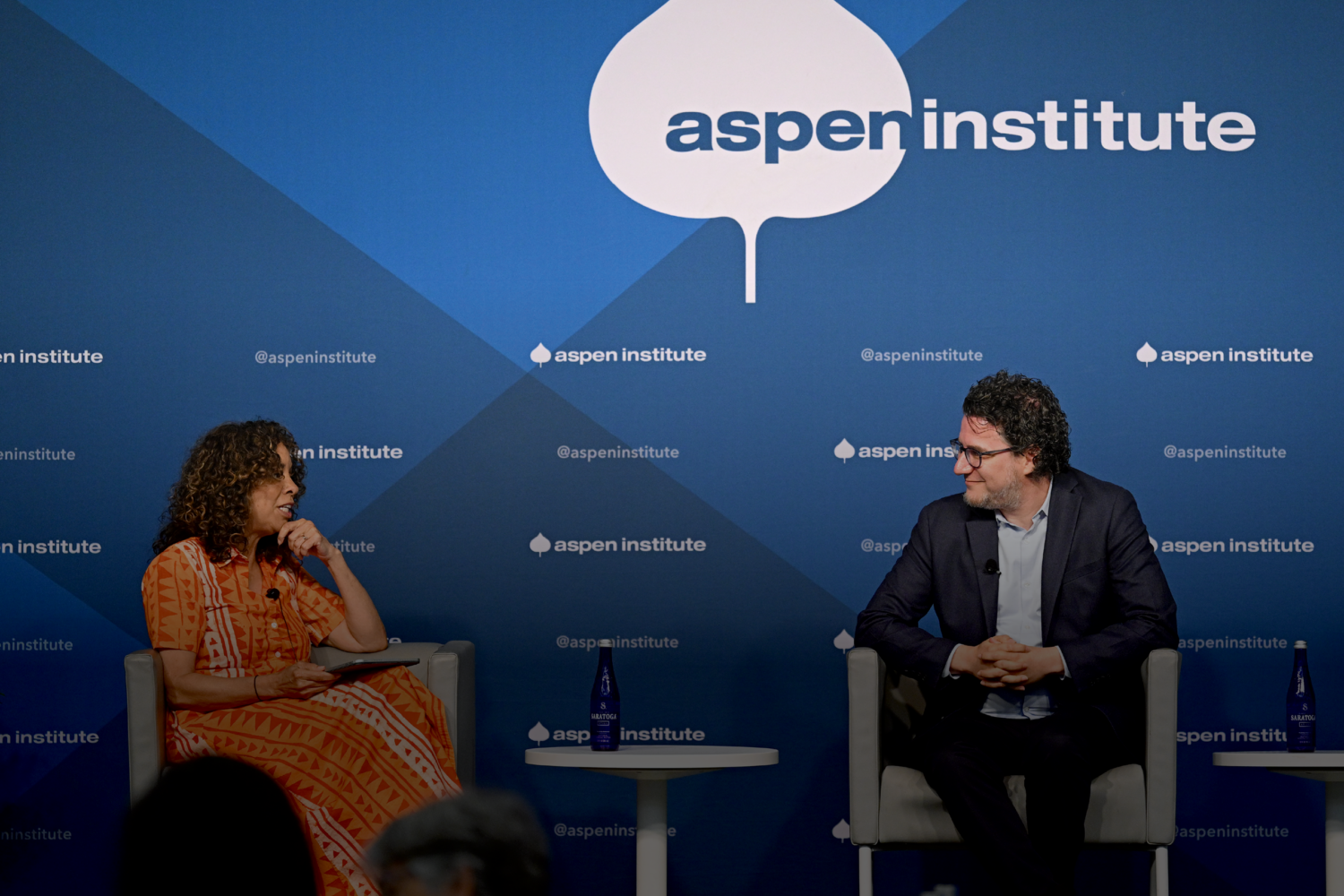
Share the map with your friends and colleagues and help Weave with its mission to create a strong new social fabric for America. When columnist and author David Brooks started Weave: The Social Fabric Project at the Aspen Institute, he aimed to heal us by inspiring a nation of weavers.
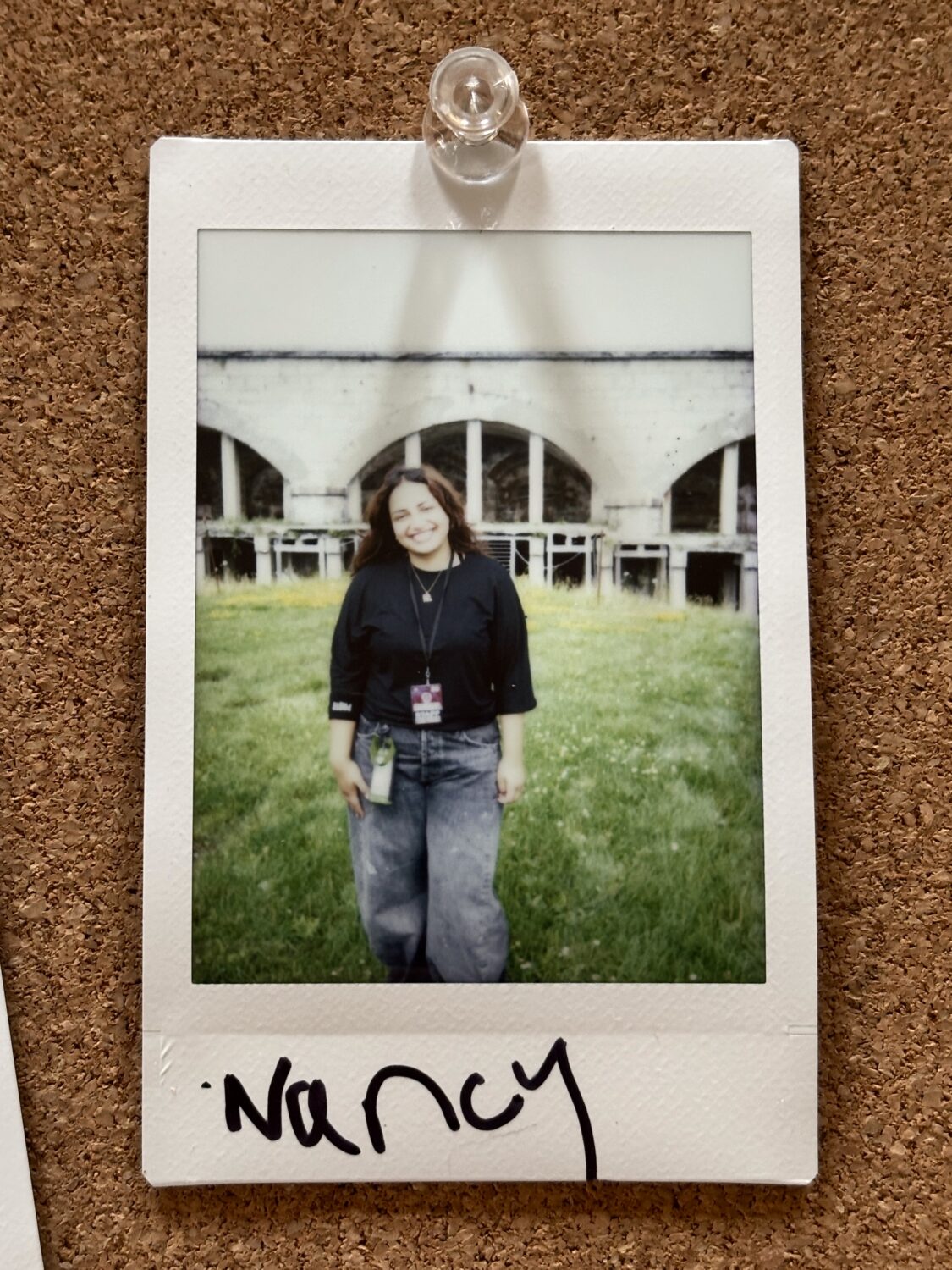
Part one of the Forum for Community Solutions’ Creative Youth Development Series Highlights Newport Festivals Foundation’s internship program and broader Creative Youth Development work
The McNulty Foundation is seeking individuals who are fearlessly pursuing solutions through their organizations, and showing a commitment to act despite the difficulties in their way. These are the kind of transformational leaders the world needs, and that the McNulty Prize & Catalyst Fund honors. Does this sound like you, or someone you know in the Aspen Institute ecosystem?
Religious, spiritual, and ethical teachings have a profound impact on people’s perspectives and inform many of our civic debates. Understanding other’s worldviews can make for healthier disagreement.