Elections & Religion Q&A

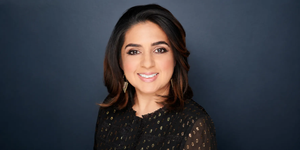
Asma Uddin
Legal Scholar
In your Substack The Architecture of Rights, you talk about how rights are structures, not slogans. New York Times columnist David French argues that religious liberty has never been more protected in America than it is today. Would you agree, or do you still worry about gaps?
In many ways I agree—the Supreme Court has become more protective of religious practice. The bigger question, though, is whose religion gets protected. Some beliefs are familiar and widely accepted, while others face greater suspicion. Religious freedom means very little if it works well for the majority but not for everyone else.
What protections does the Constitution guarantee for people of all religions? How are these rights guaranteed, or in tension, when widely accepted religions start dominating the public square—like when the Ten Commandments are displayed in a public school?
The Constitution protects everyone’s right to believe, worship, or not practice religion at all. Displaying the Ten Commandments in a public school raises a difficult question: Is the government teaching about religion or promoting a particular faith? Public schools serve children of many beliefs, and none should feel like outsiders.
That calls to mind your recent piece which argues that American legal doctrine doesn’t always provide clarity re: which religious views truly receive Constitutional protection. Why is that—and how can we ensure that religious liberty extends to all faiths?
Judges are human, so their understanding of religion is often shaped by what they know and what seems familiar. Some religious practices are easier for them to recognize and protect than others. As I explore in When Islam Is Not a Religion, we need to keep asking whether our understanding of religious freedom truly makes room for everyone.
If religion is always in the room, how does the First Amendment’s Free Exercise clause hang together with the Establishment clause?
The two basic promises of religious freedom go together: government shouldn’t interfere with people’s faith, and it shouldn’t favor one religion over another. Religion should have a vibrant place in public life. Our goal should be a society in which people can live according to their beliefs, without government pressure or favoritism.
But some civic leaders are testing how far this line can be pushed. This cycle, religious faith is everywhere—James Talarico comes to mind, but plenty of other clerics and faith-based activists are also running for Congress.
There’s nothing wrong with politicians speaking openly about their faith. Religion can inspire a deep commitment to justice and public service. But in a diverse democracy, politicians should also recognize that voters don’t all share their beliefs. The challenge is bringing religious convictions into politics without treating one faith as more American than another.
Finally, how would you encourage religious voters to think about how their faith convictions apply to next week’s vote?
I’d encourage religious voters to think beyond whether a candidate shares their faith or uses familiar religious language. What matters is how that candidate will treat people who believe differently. Religious freedom isn’t just about protecting our own communities—it’s about defending the freedom of people whose beliefs we may strongly disagree with.


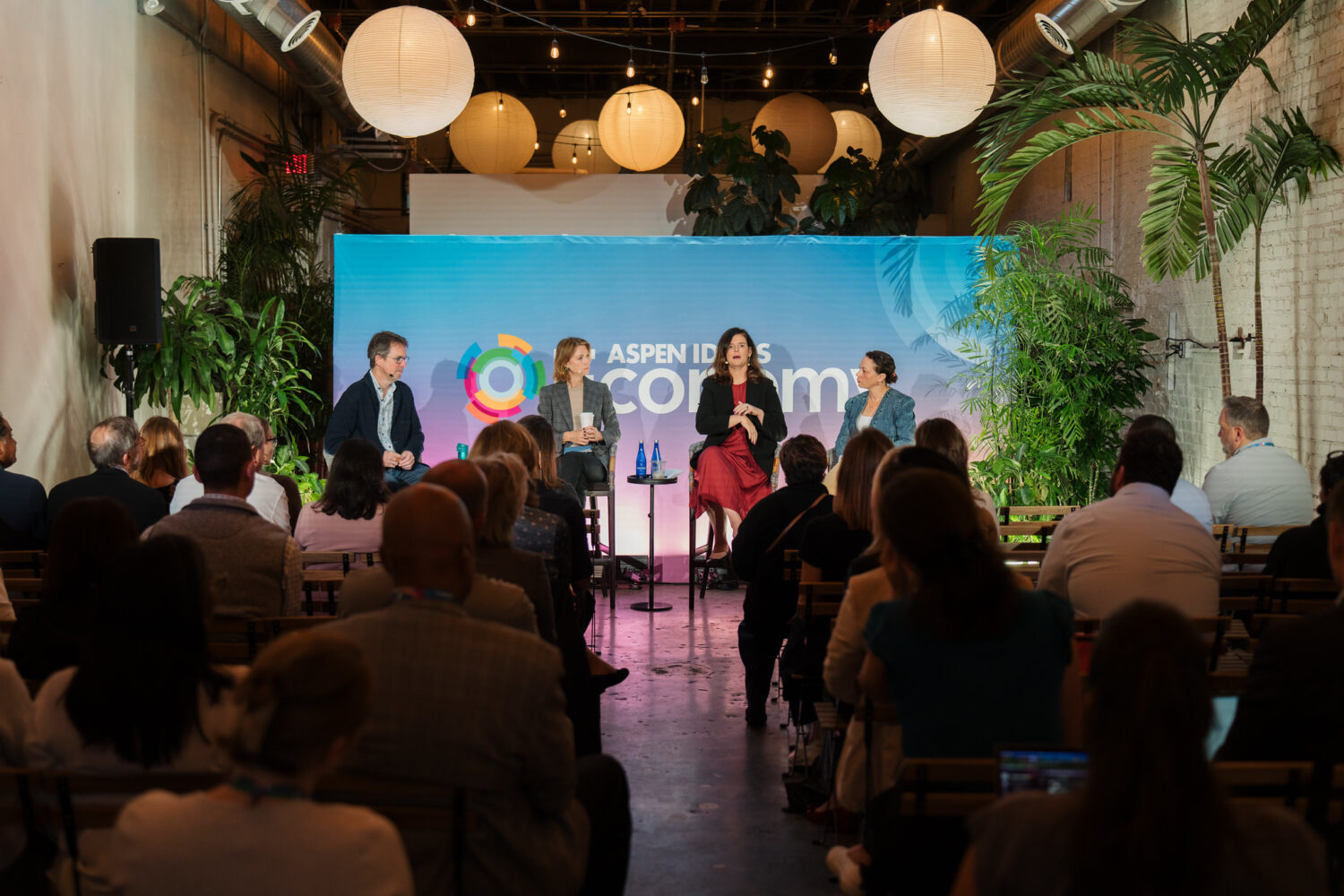
AI and the Economy
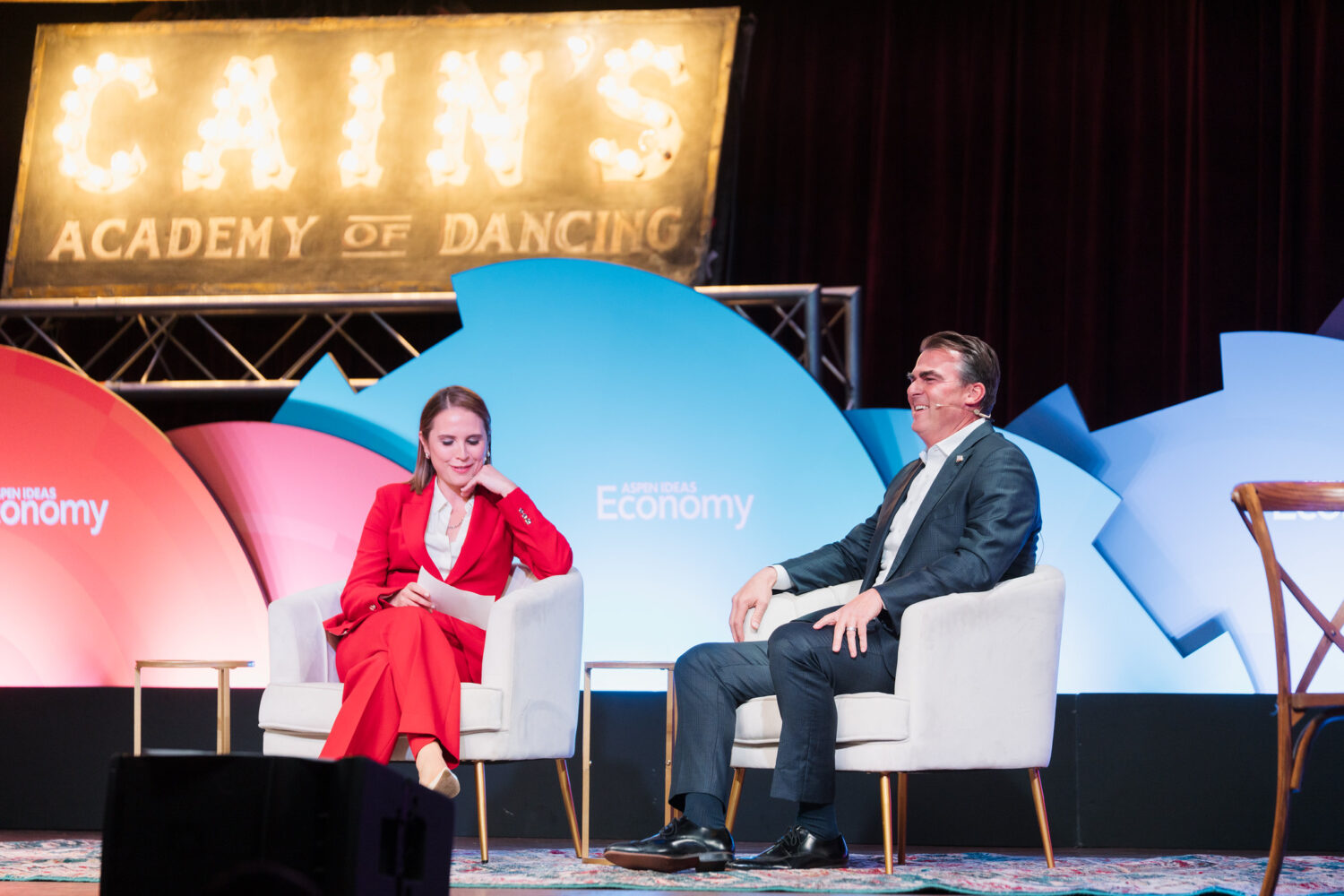
An Oklahoma Perspective on Growth and Opportunity

How Can We Help the Next Generation Build Wealth?
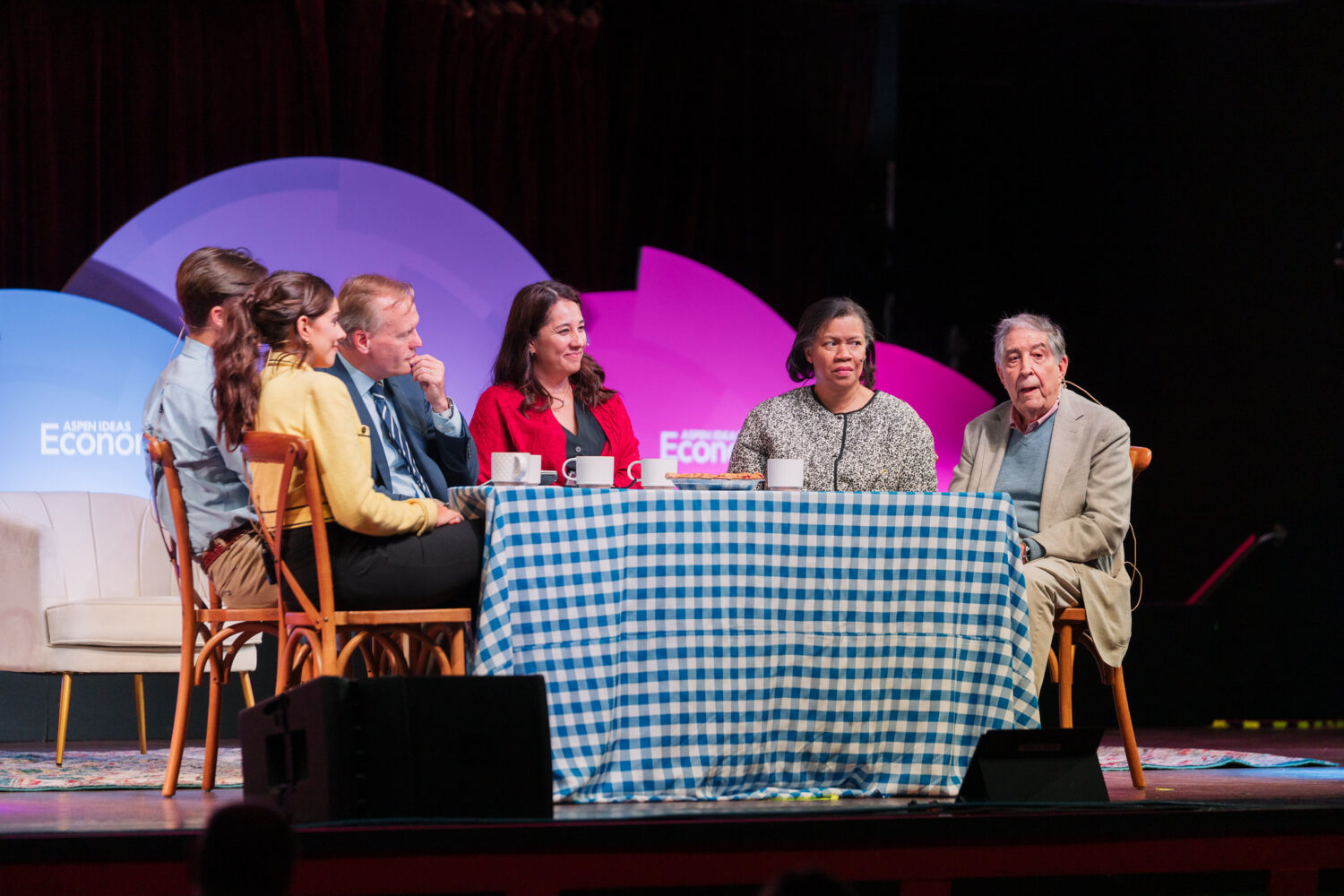
Does Economic Growth Pass the Kitchen-Table Test?