

The Aspen Benefits Leadership Forum convenes private and nonprofit sector leaders, practitioners, lived experts, entrepreneurs, and researchers from different parts of the benefits system, providing space for leaders to discuss the implications of recent, dramatic changes to public benefits, forge strategies to shore up and strengthen our benefits systems, and design new pathways toward a benefits architecture that works for all families. The 2026 Forum offers an opportunity for benefits leaders to step back from the day-to-day response to the changes to today’s benefits system and envision a path to the benefits system of the future.
Table of Contents
The Aspen Institute Financial Security Program’s 2026 Benefits Leadership Forum was supported by our generous Forum supporters: AARP Foundation, Ballmer Group, JPMorganChase, Prudential Financial, and W.K. Kellogg Foundation.
Agenda
*All times are in Central Time.
Monday, June 22
5:00 p.m.
Event Registration and Reception Opens
5:15 p.m.
Forum Welcome
- Tim Shaw, Director, Benefits Transformation Initiative, Aspen Institute Financial Security Program
5:30 p.m.
What Does It Take to Build a Movement to Transform Benefits?
This opening conversation will invite attendees to step back from the immediate challenges facing public benefits and think expansively about what a stronger, more inclusive benefits system could look like. Panelists will share lessons from building movements in other contexts and explore what those lessons can teach us about advancing lasting change for benefits systems.
- Tara McGuinness, Founder & Senior Director, New America
- Dorian Warren, Co-President, Community Change
- Rosazlia Grillier, Community Advisory Group Member, Aspen Institute Financial Security Program; Board Chair, Community Organizing and Family Issues (COFI)
- Rebecca Vallas, CEO, National Academy of Social Insurance (Moderator)
6:15 p.m.
Dinner
Tuesday, June 23
7:30 a.m.
Breakfast Available
9:00 a.m.
Welcome
Joanna Smith-Ramani, Co-Executive Director, Aspen Institute Financial Security Program
9:10 a.m.
How Do We Design the Future of Benefits with Young Adults?
Young adulthood (ages 18 to 24) is a critical period of transition that requires foundational stability to support well-being and thriving, yet recent policy changes in OBBBA have made public benefits less responsive to these shifting needs. This session will explore core design principles for building a future safety net that aligns with the unique needs and realities of the rising generation. Panelists will lead a discussion on the practical process of implementing young adult-informed programs, what it truly means to envision systemic change, and how to transform traditional, prescriptive support models into collaborative, person-centered systems.
- Ariana Arana Bermudez, Community Advisory Group Member, Aspen Institute Financial Security Program; Youth Program Associate, MyPath
- Aurora Harris, Vice President, State and Strategy Partnerships, Young Invincibles
- Paige Swanstein, Co-Founder and Executive Director, Student Basic Needs Coalition
- Bianca Lopez, Senior Research Associate, Aspen Institute Financial Security Program (Moderator)
9:50 a.m.
Group Synthesis: What Are the Headlines of a Transformed Benefits System?
- Tim Shaw, Director, Benefits Transformation Initiative, Aspen Institute Financial Security Program (Moderator)
10:15 a.m.
Lightning Talk
- Steven Brown, Director, Insights and Evidence, Aspen Institute Financial Security Program
10:30 a.m.
Break
11:00 a.m.
How Could the Benefits Technology of the Future Unlock Financial Security?
The overwhelming focus of technology implementation for benefits delivery in the past year has been on meeting the new OBBBA requirements. Those needs are urgent, but the technology built today to reduce harm will also be the technological foundation of benefits delivery of the future. Panelists will discuss how they are balancing the urgency of leveraging technology today to reduce harm with the need to lay the groundwork for building technology of the future, both inside and outside government.
- Julia Dale, CEO, Civilla
- Elise Henson, Director, Ventures Strategy, Gary Community Ventures
- Shreenath Regunathan, CEO and Founder, Starlight
- Joanna Smith-Ramani, Co-Executive Director, Aspen Institute Financial Security Program (Moderator)
11:45 a.m.
Lightning Talk
- Max Ghenis, Co-founder and CEO, PolicyEngine; Founder and CEO, Axiom Foundation
12:00 p.m.
Lunch
1:00 p.m.
How Can Public Benefits Systems Address Fraud Without Undermining Access?
Language on fraud, waste, and abuse has long been used as a justification to cut benefits. At the same time, problems like EBT theft have grown, threatening the benefits of people that rely on programs like SNAP and TANF. This session will explore the tension between preventing theft of benefits and maintaining enrollment, dignity, and trust for the people benefits systems are designed to serve. Panelists will examine how narratives on fraud have been used to justify shrinking the safety net, while also considering the real harms that occur when clients themselves are victims of fraud, theft, or system failures. Together, the conversation will ask what it would take to build a healthier, more accountable benefits system that can reduce fraud and error, protect recipients, and preserve access at the same time.
- Josh McCabe, Director of Social Policy, Niskanen Center
- Jeramia Garcia Ramadan, Assistant Director, Arizona Department of Economic Security
- Ellen Schumer, Executive Director, Community Organizing and Family Issues (COFI)
- Kira Tebbe, Senior Manager, Aspen Institute Financial Security Program (Moderator)
1:50 p.m.
Group Synthesis: How Do We Align Cross-Sector Benefits Leaders Toward Common Goals for the Future?
- Robert Gordon, Executive Vice President, Recoding America Fund
- Ariel Kennan, Senior Director (outgoing), Beeck Center for Social Impact + Innovation, Georgetown University; President (incoming), Axiom Foundation
- Teon Hayes, Senior Policy Analyst, The Center for Law and Social Policy
- Tim Shaw, Director, Benefits Transformation Initiative, Aspen Institute Financial Security Program (Moderator)
2:50 p.m.
Closing Remarks
- Tim Shaw, Director, Benefits Transformation Initiative, Aspen Institute Financial Security Program
3:00 p.m.
Break
4:00 p.m.
Optional Activities
Choose one of these optional activities to spend time connecting with fellow attendees.
- Chicago River Architecture Cruise
Glide down the Chicago River and marvel at the stunning canyon of skyscrapers that define the city’s famous skyline. An expert docent will share the fascinating stories behind Chicago’s architectural evolution, from the historic Wrigley Building to modern marvels like the Willis Tower. - Historic Loop Walking Architecture Tour
Step right outside the hotel doors and immerse yourself in the rich architectural history of downtown Chicago. Led by a knowledgeable local guide, this walking tour will take you through the heart of the Loop, highlighting stunning Art Deco designs, historic landmarks, and the stories of the visionary architects who rebuilt the city after the Great Chicago Fire.
6:00 p.m.
Dinner
Wednesday, June 24
7:30 a.m.
Breakfast Available
8:00 a.m.
Optional Breakfast Session: Financial and Health Diaries of Older Americans
What do we know about the complex financial lives of older adults? This breakfast session previews an upcoming Aspen FSP project, diving into the real-life decision-making and tradeoffs older Americans face, bridging the gap between administrative data and lived experience. Working through diverse participant personas, breakfast attendees will collaborate to surface emerging themes and help identify the most critical, unanswered questions needed to inform future policy, product design, and systemic change.
9:00 a.m.
Opening Remarks
- Tim Shaw, Director, Benefits Transformation Initiative, Aspen Institute Financial Security Program
9:30 a.m.
Lightning Talk
- Andrea Sáenz, President and CEO, Chicago Community Trust
9:45 a.m.
How Does Transforming Benefits Delivery Lead to Systems Change?
This closing conversation will look beyond near-term improvements in benefits delivery to the broader future that those changes can help make possible. Panelists will explore how people-centered delivery, social insurance, and bold policy imagination can point toward a stronger benefits system—and a new social contract rooted in security, dignity, and shared responsibility.
- Jessica Jackson, Essential Leaders Council Co-Leader, Families & Workers Fund; Community Leader, Person-Centered Community of Practice, Aspen Institute Financial Security Program
- Rebecca Piazza, Executive Director, Safety Net Strategy, Code for America
- Kathleen Romig, Senior Fellow, Center on Budget and Policy Priorities
- Shavana Howard, Founder and CEO, SKH Consulting
- Alex Coccia, Senior Policy Manager, Benefits Transformation Initiative, Aspen Institute Financial Security Program (Moderator)
10:30 a.m.
Checkout Break
10:45 a.m.
Group Synthesis: How Will We Support Each Other to Achieve the Benefits Headlines of the Future?
- Tim Shaw, Director, Benefits Transformation Initiative, Aspen Institute Financial Security Program (Moderator)
11:45 a.m.
Closing Dialogue
- Tim Shaw, Director, Benefits Transformation Initiative, Aspen Institute Financial Security Program
- Victor Gavilanes, Community Advisory Group Member, Aspen Institute Financial Security Program; Family Resource Specialist, JusticeWorks YouthCare
12:00 p.m.
Forum Concludes; Lunch Available
Participant List
Jennifer Anastasoff
Founder & CEO, Tech Talent Project
Ariana Arana Bermudez
Youth Program Associate, MyPath; Community Advisory Group Member, Aspen Institute Financial Security Program
Keith Barnes
Senior Director, Beyond the Cliff, Martha O’Bryan Center
Jeremy Barofsky
Executive Director and Associate Research Professor, Georgetown University
Elise Brumbach
Director of Policy and Practice, UCLA Center for the Developing Adolescent
Jackie Budilov
Senior Program Manager, AARP Foundation
Siran Cao
CEO/Cofounder, Mirza
Megan Curran
Policy Director, Center on Poverty and Social Policy at Columbia University
Julia Dale
Chief Executive Officer, Civilla
Andrea Ducas
Vice President, Programs, Peterson Center on Healthcare
Sarah Esty
Senior Advisor, Aspen Institute Financial Security Program
Anna Fogel
Vice President, Social Finance
Kathrin Frauscher
Deputy Executive Director, Open Contracting Partnership
Suzanna Fritzberg
Executive Director, The Bridge Project
Jessica Fulton
Founder and Principal, Spark Dynamic Strategies
Genevieve Gaudet
Director, Nava Labs, Nava PBC
Victor Gavilanes
Community Advisory Group Member, Aspen Institute Financial Security Program
Max Ghenis
Co-founder and CEO, PolicyEngine; Founder and CEO, Axiom Foundation
Nan Gibson
Executive Director, PolicyCenter, JPMorganChase
Laura Glaab
CEO, MyFriendBen
Robert Gordon
Executive Vice President, Recoding America Fund
Rosazlia Grillier
Community Advisory Group Member, Aspen Institute Financial Security Program; Board Chair, Community Organizing and Family Issues (COFI)
Heather Hahn
Associate Vice President, Urban Institute
Aurora Harris
Vice President of State Strategy and Partnerships, Young Invincibles
Teon Hayes
Senior Policy Analyst, The Center for Law and Social Policy
Elise Henson
Director, Ventures Strategy, Gary Community Ventures
Liz Hipple
Managing Director of Policy & Research, Georgetown Center on Poverty & Inequality
Shavana Howard
Founder/CEO, SKH Consulting, LLC
Narda Ipakchi
Vice President, Policy & Programs, The SCAN Foundation
Jessica Jackson
Essential Leaders Council Co-Leader, Families & Workers Fund; Community Leader, Person-Centered Community of Practice, Aspen Institute Financial Security Program
Elisabeth Jacobs
Executive Director, WorkRise, Urban Institute
Sara Johnson
COO and Co-Founder, CASH Campaign of Maryland
Jess Kahn
Partner, McKinsey
Hannah Katch
Founder and Principal, Katch Strategies
Katie Kelly
Director, Communications and Community Initiatives, JB and MK Pritzker Family Foundation
Ariel Kennan
Senior Director (outgoing), Beeck Center for Social Impact + Innovation, Georgetown University, President (incoming), Axiom Foundation
Gabriella Keys
Member, SaverLife
Priya Khatkhate
Deputy for Programs, Illinois Department of Human Services
Yuri Kim
Principal, NextLadder Ventures
Jessica Kirchner
Senior Policy Analyst, National Governors Association
Korey Klein
Director, Technology & Data, Ballmer Group
Sohrab Kohli
Program Officer, Prudential Financial
Malavika Krishnan
Financial Health Senior Associate, Global Philanthropy, JPMorganChase
Jessica Maneely
Director of Delivery and Innovation, SteadyIQ
Shoshana Marder
Executive Director, Leap Fund
Chelsea Mauldin
Executive Director, Public Policy Lab
Josh McCabe
Director of Social Policy, Niskanen Center
Marci McCoy-Roth
Chief Impact and Innovation Officer, American Public Human Services Association (APHSA)
Tara McGuinness
Founder and Senior Director, New America
Dora Mendelson
Chief of Staff, National Academy for Social Insurance
Amy Meng
Director, Benefits Response Team, U.S. Digital Response
Dustin Palmer
Executive Director, US Programs, GiveDirectly
Maya Pendleton
Senior Research Manager, SaverLife
Casey Pheiffer
Vice President, Policy and Business Development, Center for Employment Opportunities
Rebecca Piazza
Executive Director, Safety Net Strategy, Code for America
Rachel Pierre
Director, D.C. Department of Human Services
Marina Poudret
Manager, Sourcing, Blue Meridian Partners
Jeramia Garcia Ramadan
Assistant Director, Arizona Department of Economic Security
Shreenath Regunathan
CEO and Founder, Starlight
Ireri Rivas Mier y Teran
Program Officer, ECMC Foundation
Stephen Roll
Assistant Professor, Center for Social Development, Washington University in St. Louis
Kathleen Romig
Senior Fellow, Center on Budget and Policy Priorities
Andrea Sáenz
President and CEO, Chicago Community Trust
Paula Sammons
Program Officer, W.K. Kellogg Foundation
Ellen Schumer
Executive Director, Community Organizing and Family Issues (COFI)
Shelly Steward
Chief Research Officer, The Workers Lab
Paige Swanstein
Co-Founder and Executive Director, Student Basic Needs Coalition
Stacy Taylor
Vice President, Policy, Propel
Rebecca Vallas
CEO, National Academy of Social Insurance
Jennifer Wagner
Director of Medicaid Eligibility & Enrollment, Center on Budget and Policy Priorities
Dorian Warren
Co-President, Community Change
Molly Weston Williamson
Benefits Futures Innovator, Benefits Futures Studio
Mike Wilkening
Senior Fellow, Aspen Institute Financial Security Program
Khadijah Williams
Policy and Advocacy Director, LIFT
Hope Wollensack
Executive Director, Georgia Resilience and Opportunity Fund
Aspen Institute Financial Security Program Staff
KC Boas
Lead, Retirement Savings Initiative
Steven Brown
Director, Insights and Evidence
Alex Coccia
Senior Policy Manager, Benefits Transformation Initiative
Sheida Elmi
Associate Director, Insights and Evidence
Bianca Lopez
Senior Research Associate, Insights and Evidence
Tim Shaw
Director, Benefits Transformation Initiative
Joanna Smith-Ramani
Co-Executive Director
Kira Tebbe
Senior Manager, Benefits Transformation Initiative
Emily Wilson
Senior Development Manager
Participant Biographies

Jennifer Anastasoff, Founder and Executive Director, Tech Talent Project
Jennifer was a founding member of U.S. Digital Service at the White House and served as Head of People from 2014 until 2017, increasing the team from three to over 200 and created a diverse, cross-functional pipeline of digital talent from around America into our federal government. She focuses on bringing together talent, innovation, and social change and loves building awesome teams.
She served as founding CEO of Fuse Corps and prior to starting Fuse Corps, Jennifer founded a few social enterprises focused on bringing technical and operational skills to the public sector, served as a consultant on the Higher Education Committee of the California State Assembly, and was a proud 6th grade teacher.

Ariana Arana Bermudez, Youth Program Associate, MyPath; Community Advisory Group Member, Aspen Institute Financial Security Program
Ariana is a first-generation Nicaraguan American, born and raised in San Francisco’s Mission District. Growing up in a culturally diverse and artistically vibrant community, she developed an early passion for the arts and social justice. She is deeply committed to exploring how law and public service can serve as tools to create meaningful change in marginalized communities, particularly for low-income youth of color.
Ariana most recently graduated from UC Berkeley with a degree in legal studies and a minor in ethnic studies. She currently works at MyPath, a San Francisco based financial justice nonprofit, as the Youth Program Associate. This year, she is supporting MyPath’s POWER Leaders in spearheading a refresh of the Youth Economic Bill of RYTS, a youth-authored document that identifies and proposes solutions to the most pressing financial challenges facing young people across the country.
Beyond her work at MyPath, Ariana serves on the board of the transnational artistic nonprofit organization Chavalos de Aquí y Allá and is thrilled to continue learning, growing, and contributing as a new member of the Aspen Institute Financial Security Program’s Community Advisory Group.
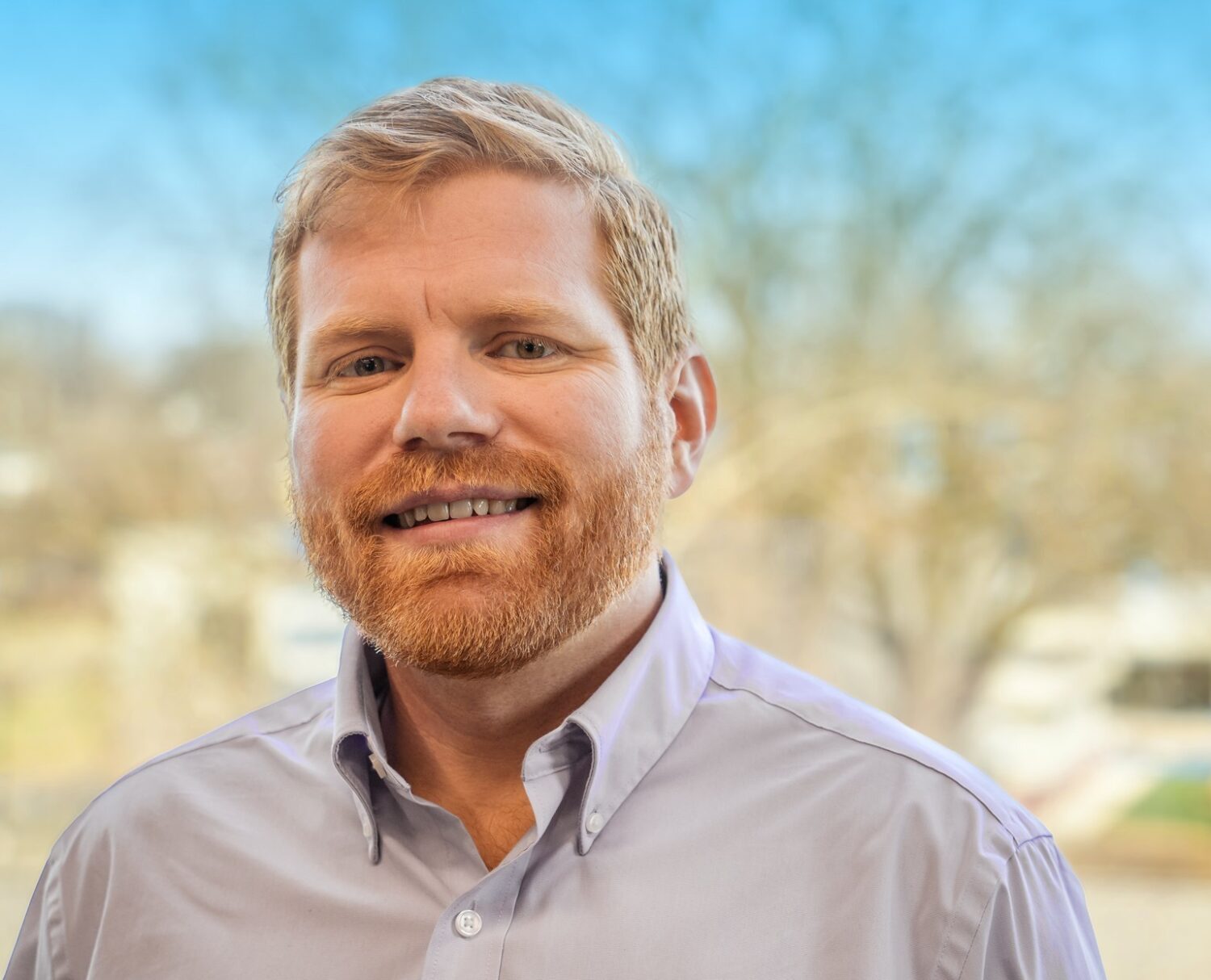
Keith Barnes, Senior Director, Beyond the Cliff, Martha O’Bryan Center
With extensive experience in public benefits policy and advocacy, Keith Barnes has been working to end poverty for more than a decade. Throughout his career, he has focused on understanding issues from the perspective of those directly impacted and on fostering collaboration toward solutions that support the economic mobility of families. This has been borne out in his work to improve public benefits access through data, technology, and policy solutions; launching and leading a nutrition assistance advocacy network in Tennessee; and serving as the State of Tennessee’s meals on wheels administrator where he built inter-departmental and national partnerships, reduced administrative burden, and promoted client-centered service. He is now Senior Director of Beyond the Cliff, an initiative of the nonprofit Martha O’Bryan Center focused on eliminating the benefits cliff through policy and innovative solutions to ensure individuals and families have the resources and opportunities to advance economically. Keith holds a Master’s in Community Development and Action from Vanderbilt University and has served as an AmeriCorps VISTA and as a VISTA Leader.

Jeremy Barofsky, Executive Director and Associate Research Professor, Georgetown University
Jeremy Barofsky is an Associate Research Professor and the Executive Director of the Better Government Lab at the McCourt School of Public Policy at Georgetown University. His research focuses on the intersection between population health and poverty alleviation and uses experimental and quasi-experimental methods to understand how government policies affect well-being. Recently, his work has focused on measuring how administrative burdens in the U.S. safety net affect program access, poverty, and health. He is also interested in how racialized minority groups and immigrants have been disproportionately denied access to government resources for which they are eligible through the imposition of administrative burdens. His research has been published in journals such as the Journal of Health Economics, The Lancet, and Health Affairs and has been featured by news organizations such as the New York Times, Scientific American, and The Hill.

Elise Brumbach, Director of Policy and Practice, UCLA Center for the Developing Adolescent
Elise is the Director of Policy and Practice at the UCLA Center for the Developing Adolescent (CDA). She oversees CDA’s efforts to connect policymakers and youth-serving practitioners with insights from the science of adolescent development. Elise is a licensed California attorney and previously practiced at a private firm and in legal aid. In her pro bono practice, she has supported veterans and military service members in securing the Department of Defense benefits to which they are entitled. Elise started her career as a U.S. Foreign Service Officer. She holds an MPP from the Harvard Kennedy School and a JD from the University of Pennsylvania.
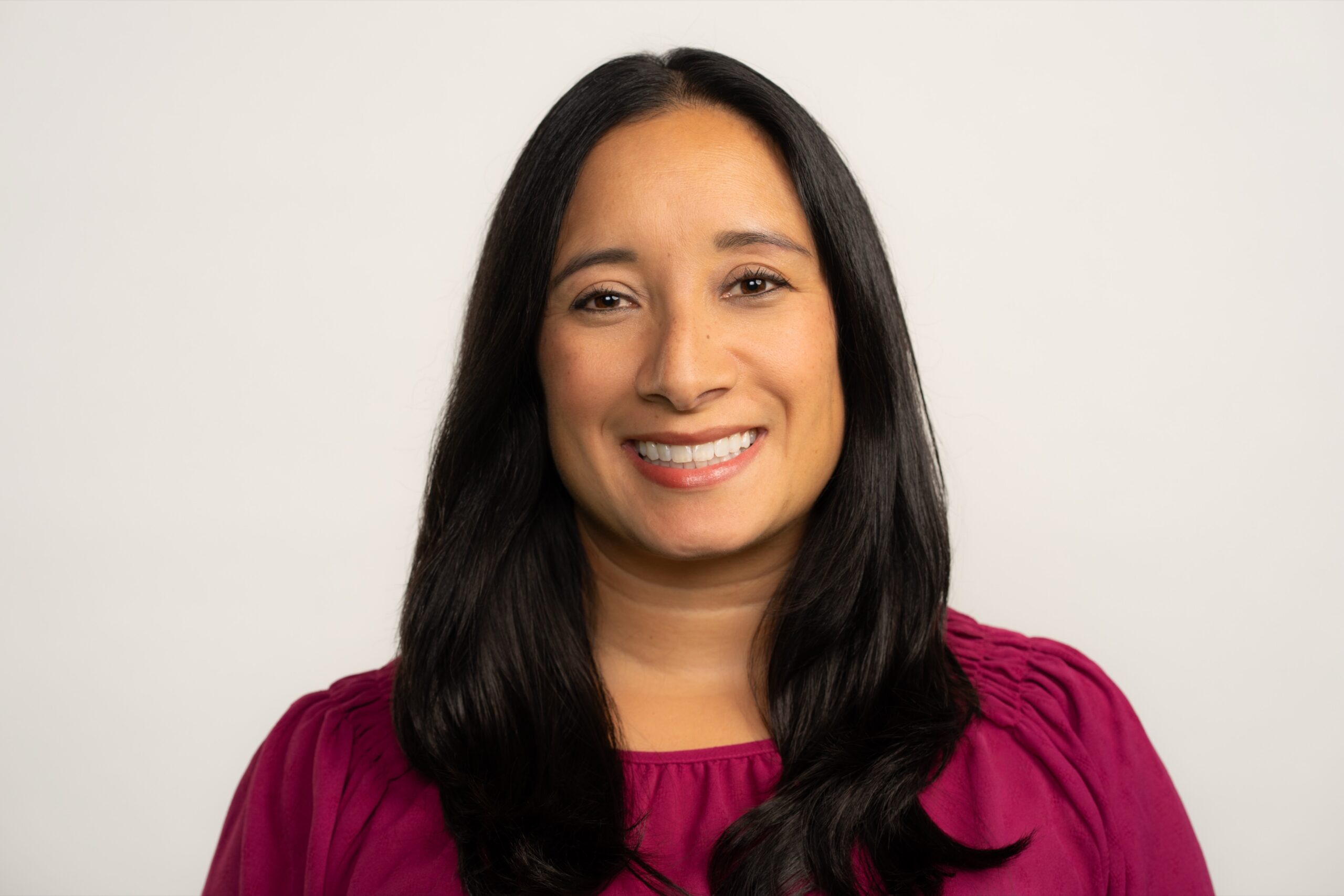
Jackie Budilov, Senior Program Manager, AARP Foundation
Jackie Budilov is a Senior Program Manager of Accessible Benefits at AARP Foundation. In her role, she develops and implements strategies to reduce the burden on older adults with low income to access public benefits, like SNAP and Medicaid. Prior to AARP Foundation, Jackie worked at the DC Department on Aging and Community Living where she oversaw the city’s congregate meals, home-delivered meals, nutrition education, and nutrition counseling services. While she started her career as registered dietitian, Jackie moved into the hunger and food security space to ensure that people could afford the food they needed to be healthy and thrive.

Siran Cao, Co-Founder and CEO, Mirza
Siran is the Co-Founder & CEO of Mirza, a TurboTax for safety net benefits. Mirza started with child care, working through employers like Best Buy and UnitedHealthcare, as well as Medicaid MCOs to support families. Mirza’s work underscores how vital child care is to economy opportunity, with 40-50% of users increasing work hours and household income in <6 months. More recently, the company has expanded to support a wider variety of benefits, across care, nutrition, housing, and more. Prior to Mirza, Siran was part of Uber’s initial deployment in New York City, and built the company’s driver support organization, leading a team of 200+ across the US Northeast. Siran is a first generation immigrant, daughter of a single mom, and holds a B.A. in Gender Studies from Harvard University and her Master’s from The London School of Economics. She lives in NYC, and when not working to connect low-income families to public benefits, spends her time walking quickly and powerlifting.

Megan Curran, Policy Director, Center on Poverty and Social Policy at Columbia University
Megan A. Curran is the Director of Policy at the Center on Poverty and Social Policy at Columbia University. She is a child and family policy expert who has worked inside and outside government as a policy analyst, advocate, researcher, and policy and program evaluation consultant in the United States, United Kingdom, and Ireland. Her work explores how the tax system and social safety net can better support children and families and how lessons learned from strategies to reduce child poverty can be shared across countries. She has a particular interest in flexible cash for families and the Child Tax Credit, including how the structure and impact of child benefit programs long in place elsewhere might inform the creation of a national child allowance in the United States. Her innovative collaborative work on more timely poverty measurement and analysis of transformative pandemic economic relief policy responses for families has seen her work feature regularly across major national and international media outlets and serve as a go-to resource among policymakers and advocates. She holds a PhD in Social Policy from University College Dublin, Ireland and is based in New York City.

Julia Dale, CEO, Civilla
Julia Dale is Civilla’s CEO and leads the organization’s long-term strategy to create a more beautiful civil society for all. Before joining Civilla, Julia spent 23 years in public service at state agencies in Michigan including the Department of Civil Rights, the Department of Licensing and Regulatory Affairs, the Department of Attorney General, the Department of Technology Management and Budget, and most recently as the director of the Michigan Unemployment Insurance Agency. She graduated from James Madison College at Michigan State University and earned her law degree from Wayne State University Law School.
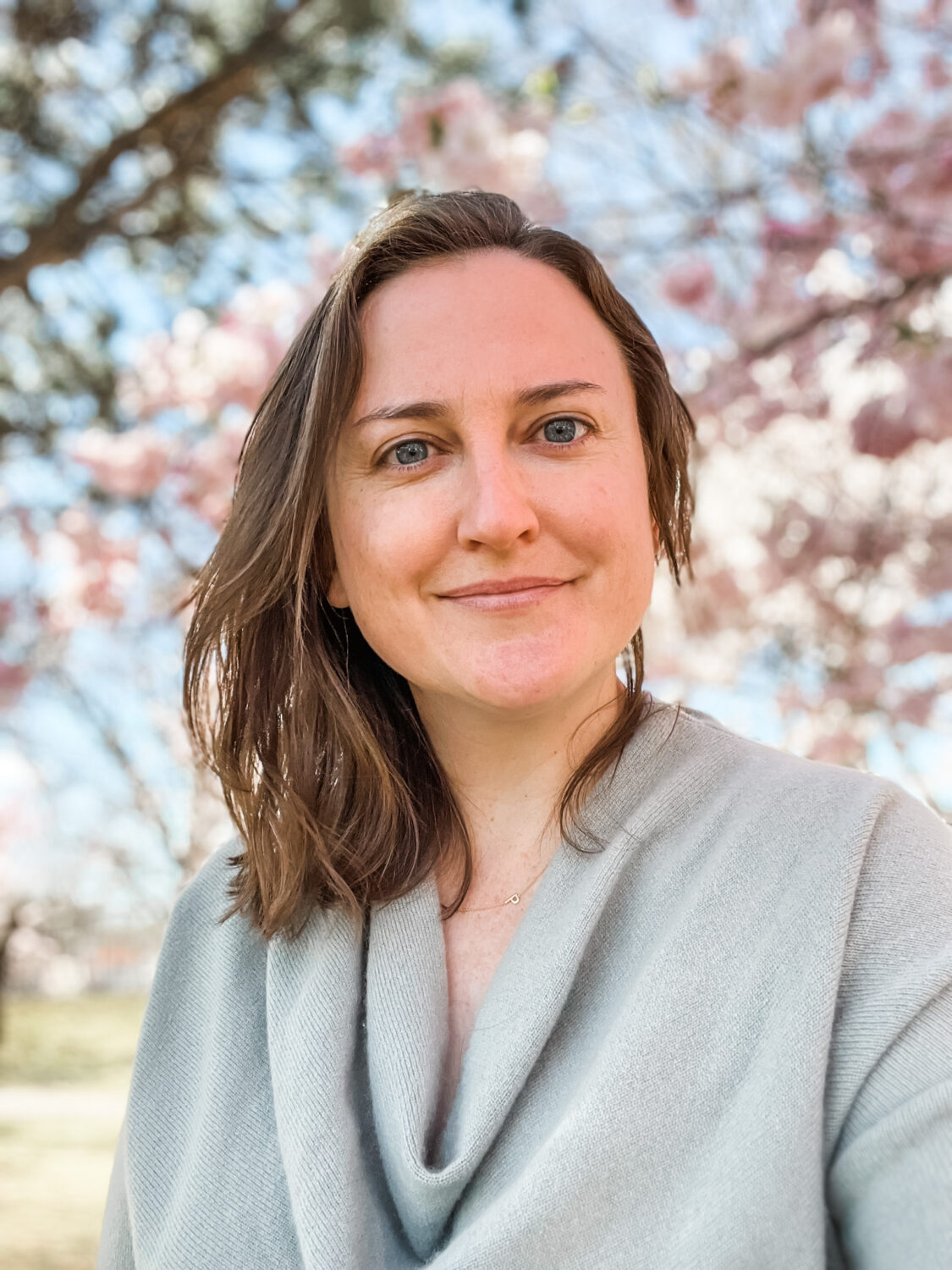
Andrea Ducas, Vice President, Programs, Peterson Center on Healthcare
Andrea Ducas is Vice President of Programs at the Peterson Center on Healthcare, where she leads the Center’s grantmaking strategy and operations. She develops and oversees strategic program portfolios in partnership with program staff and drives expansion of existing work in data transparency and state-led affordability.
Andrea is a nationally recognized healthcare and public health expert who previously served as Vice President of Health Policy at Center for American Progress (CAP). At CAP, she led the institution’s federal policy efforts to improve healthcare affordability and competition, develop evidence-based policy solutions, and advance investments in the nation’s public health infrastructure.
Prior to CAP, Andrea was a senior program officer at the Robert Wood Johnson Foundation, where she developed over $150 million in strategic grants and investments to transform healthcare and public health systems. Her work focused on payment and delivery system reform to reduce health gaps, major initiatives to improve healthcare access and affordability, support for safety net providers transitioning to value-based care, and programs to help communities use health data to identify and address their most pressing health challenges.
Andrea holds a BA in International Relations from Brown University and an MPH in Health Policy and Management from Columbia University’s Mailman School of Public Health.
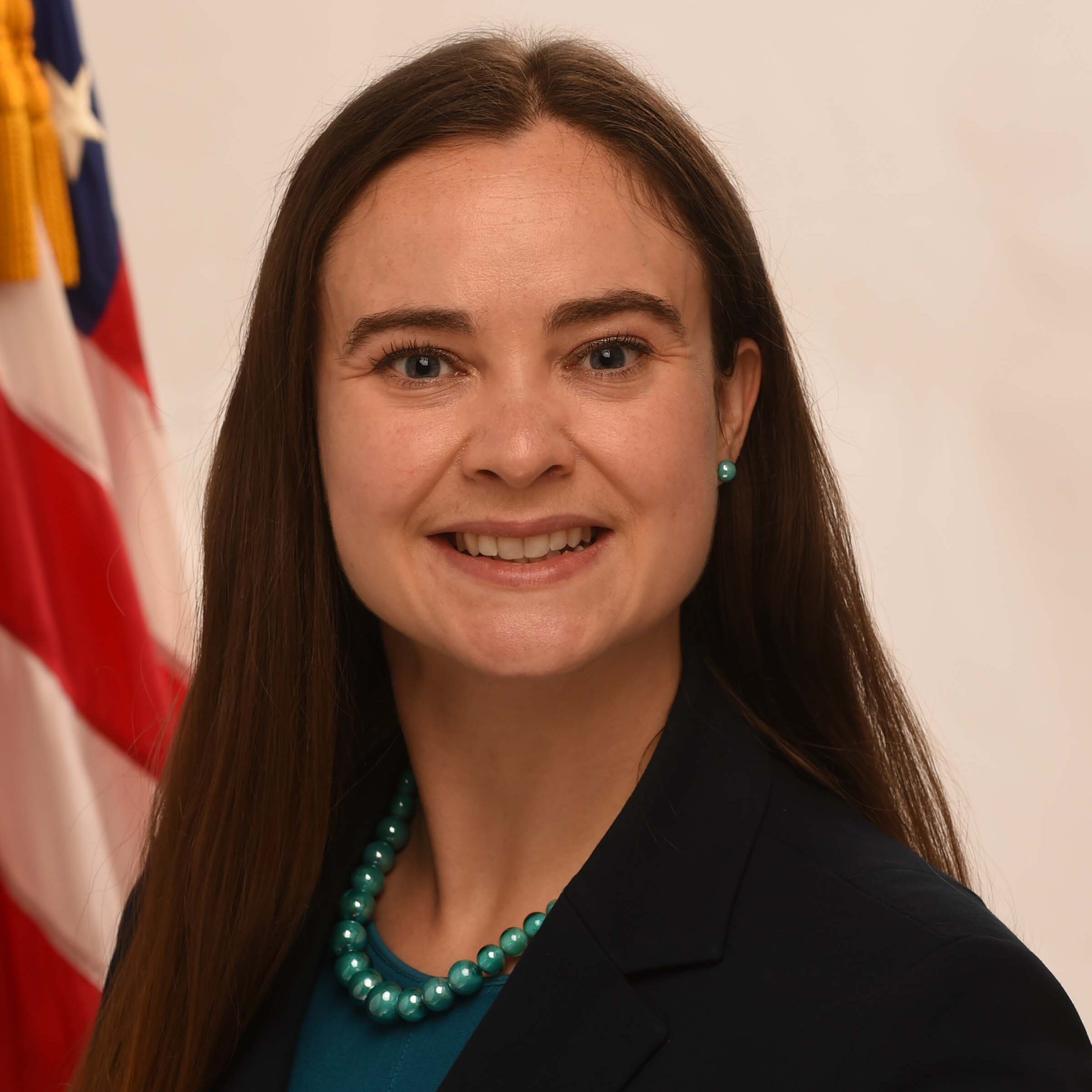
Sarah Esty, Senior Advisor, Aspen Institute Financial Security Program
Sarah Esty is a Senior Advisor at Aspen FSP and a Benefits Futures Innovator. She drives effective management of public benefits systems and government operations, working across governments, nonprofits, philanthropies, and the private sector, with a current focus on Medicaid and SNAP implementations of OBBBA. Previously Sarah served as an appointee at the Department of Health and Human Services, where she managed technology, data, and digital services projects across the department as Senior Advisor for Technology and Delivery to the Deputy Secretary; led interagency public benefits system streamlining projects; and served as Senior Advisor at the Administration for Children and Families overseeing case management operations for the Unaccompanied Children Program at the southwest border and during the Afghan Evacuation. Prior to her federal work, Sarah served as Policy Director for Michigan’s HHS, including directing large sections of the state’s COVID response, and driving priority crosscutting initiatives for MI HHS, including redesign of the state’s $3B Medicaid behavioral health system, 5-year state HIT roadmap, Social Determinants of Health strategy, and backbone technology system infrastructure. She also worked as consultant at McKinsey, advising half a dozen state and local governments, advocated for low-income children and families in her home state of Connecticut, and worked on over a dozen political campaigns.
Anna Fogel, Vice President, Social Finance
Anna is a Vice President at Social Finance, where she partners with innovators in government to transform public systems to focus on outcomes.
Anna rejoined Social Finance from the Administration of Children and Families at the U.S. Department of Health and Human Services, where she served as Senior Advisor to the Assistant Secretary on Technology and Delivery. She was responsible for advancing the agency’s work to leverage technology, data, and program design to improve the delivery of services.
Prior to her work in federal government, Anna served in DC’s Department of Human Services. She served as the first-ever Deputy Administrator for Permanent Housing, a new division that was created to oversee the agency’s permanent housing voucher programs, and as the deputy chief of staff, where she played a central role in the agency’s Covid-19 response. Prior to her work in DC government, Anna spent five years at Social Finance, where she focused on building and growing its Public Sector Practice. Earlier in her career, she worked in international development with a focus on financial inclusion.
Anna has a master’s in public affairs from the School of Public and International Affairs at Princeton University and a bachelor’s degree from Harvard College.
Kathrin Frauscher, Deputy Executive Director, Open Contracting Partnership
Kathrin Frauscher is the Deputy Executive Director of the Open Contracting Partnership (OCP), the global non-profit she co-founded over a decade ago at the World Bank. OCP promotes transparent, efficient, and impactful public procurement worldwide. Her work has helped transform procurement in over 30 countries, leading to reforms that have benefited nearly 16 million people and generated $9 billion in better annual procurement spending.
Suzanna Fritzberg, Executive Director, The Bridge Project
Suzanna Fritzberg is the executive director of The Bridge Project, which since 2021 has mobilized over $90 million in philanthropic capital to advance health and economic mobility through direct cash interventions, human capital building and policy advocacy. In 2023, she was appointed by President Joseph R. Biden to serve as Deputy Assistant Secretary for Consumer Policy in the U.S. Treasury Department, where she led the launch of the United States’ first-ever national strategy for financial inclusion. Suzanna has worked to advance financial security and economic mobility in roles across the public, nonprofit, and political sectors, beginning her career in public service as Deputy Chief of Staff to then-Mayor Pete Buttigieg in the City of South Bend, Indiana.

Jessica Fulton, Founder and Principal, Spark Dynamic Strategies
Jessica Fulton is an economic policy expert with nearly 20 years of experience advancing policies that improve financial outcomes for marginalized communities, with a particular focus on the intersection of race and economic security.
As Founder and Principal of an independent consulting firm, Jessica produces analysis and thought leadership on economic policy issues affecting Black households—including retirement security and wealth-building. She is the co-author of Pessimism and Hope: A Survey of the Financial Status and Aspirations of Black Americans, a landmark Joint Center report examining the financial realities, barriers, and aspirations of Black Americans, including their capacity to save for retirement.
Previously, Jessica served as Vice President of Policy and Interim President of the Joint Center for Political and Economic Studies, America’s Black Think Tank. Her policy career also includes roles at the Washington Center for Equitable Growth, the DC Fiscal Policy Institute, and the Chicago Urban League.
Jessica’s expertise has been featured in The New York Times, NPR, the Associated Press, MSNBC, and Essence. She holds a bachelor’s degree in economics from the University of Chicago and a master’s in economic policy analysis from DePaul University.

Genevieve Gaudet, Director, Nava Labs, Nava PBC
Genevieve Gaudet is a technologist building more effective government services at Nava Public Benefit Corporation. As Director of Nava Labs, she co-leads the team’s work to identify critical wedges where philanthropy can add velocity to public interest technology projects and build more trustworthy public institutions. Prior to Nava, she co-founded the New York City Service Design Studio in the Office of Economic Opportunity under Mayor Bill de Blasio. As Deputy Director, she led the redesign of ACCESS NYC, bringing a human-centered approach to how the largest city in the nation supports people experiencing poverty. Genevieve holds a Master of Public Health degree from Tulane School of Public Health and Tropical Medicine.

Victor Gavilanes, Community Advisory Group Member, Aspen Institute Financial Security Program
Victor “Inuk” Gavilanes is a dedicated community organizer born and raised in Newark, New Jersey. For over a decade, he has focused his efforts on housing justice and financial security, providing essential services to local residents facing systemic disadvantages. Driven by a passion to empower and uplift his community, Inuk works to ensure that the stories of those he serves are heard.
Beyond his advocacy work, Inuk is an Indigenous Taino representative and a longtime member of the Lost Tribes Foundation. In these roles, he serves as a cultural mentor and Shamanic practitioner, offering spiritual guidance and maintaining a safe space for private counseling.
Max Ghenis, Co-founder and CEO, PolicyEngine; Founder and CEO, Axiom Foundation
Max Ghenis is the co-founder and CEO of PolicyEngine, a nonprofit whose open-source software computes how taxes and benefits — from SNAP and Medicaid to the EITC and Child Tax Credit — affect individual households, and how proposed reforms would change eligibility, costs, and poverty. He is also the founder and CEO of the Axiom Foundation, which builds open, machine-readable encodings of benefit and tax rules — traceable to their legal sources and ready to run — so the screeners, agencies, and researchers who each rebuild those rules today can draw on one shared, verifiable foundation. He previously founded the UBI Center, a think tank researching universal basic income, and worked as a data scientist at Google. Max holds a bachelor’s in operations research from UC Berkeley and a master’s in Data, Economics, and Development Policy from MIT, and is an elected member of the National Academy of Social Insurance.
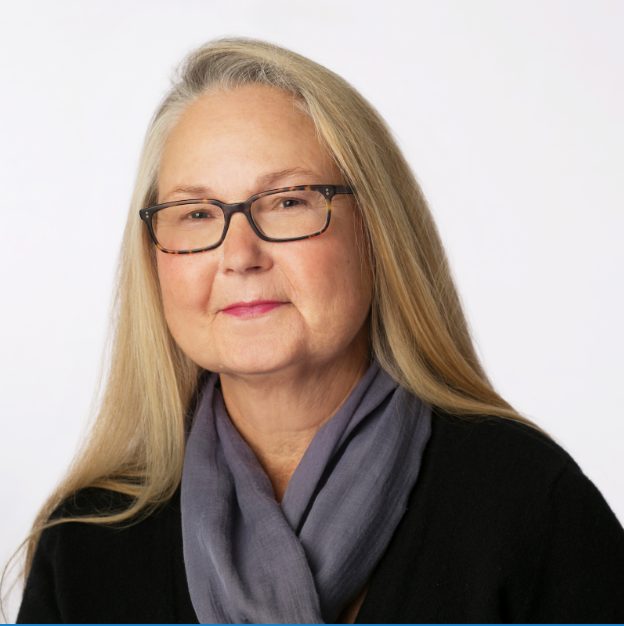
Nan Gibson, Executive Director, PolicyCenter, JPMorganChase
Nan Gibson is Executive Director at the JPMorganChase PolicyCenter. In this role, she leads the Careers & Skills, Second Chance, and Economic Security Net issue portfolios, working to develop and advance evidence-based policy solutions to drive inclusive economic growth by bringing together global expertise, data, research, and philanthropic investments. Nan works with policy, community, and business leaders to drive effective public policy solutions at all levels of government. She provides policy expertise across a broad range of economic issues and conducts outreach to key stakeholders to build unique partnerships for initiatives related to increasing labor force participation, workforce development, and economic security. She previously served as Chief of Staff and Executive Director for the President’s Council of Economic Advisers during the Obama Administration and as Executive Director of the Joint Economic Committee of the U.S. Congress. Prior to public service, Nan was a senior leader and strategist at the Economic Policy Institute, a leading think tank that conducts research on American living standards. She began her career covering Congress, politics, and presidential elections for The New Yorker magazine’s Washington columnist and for C-SPAN.
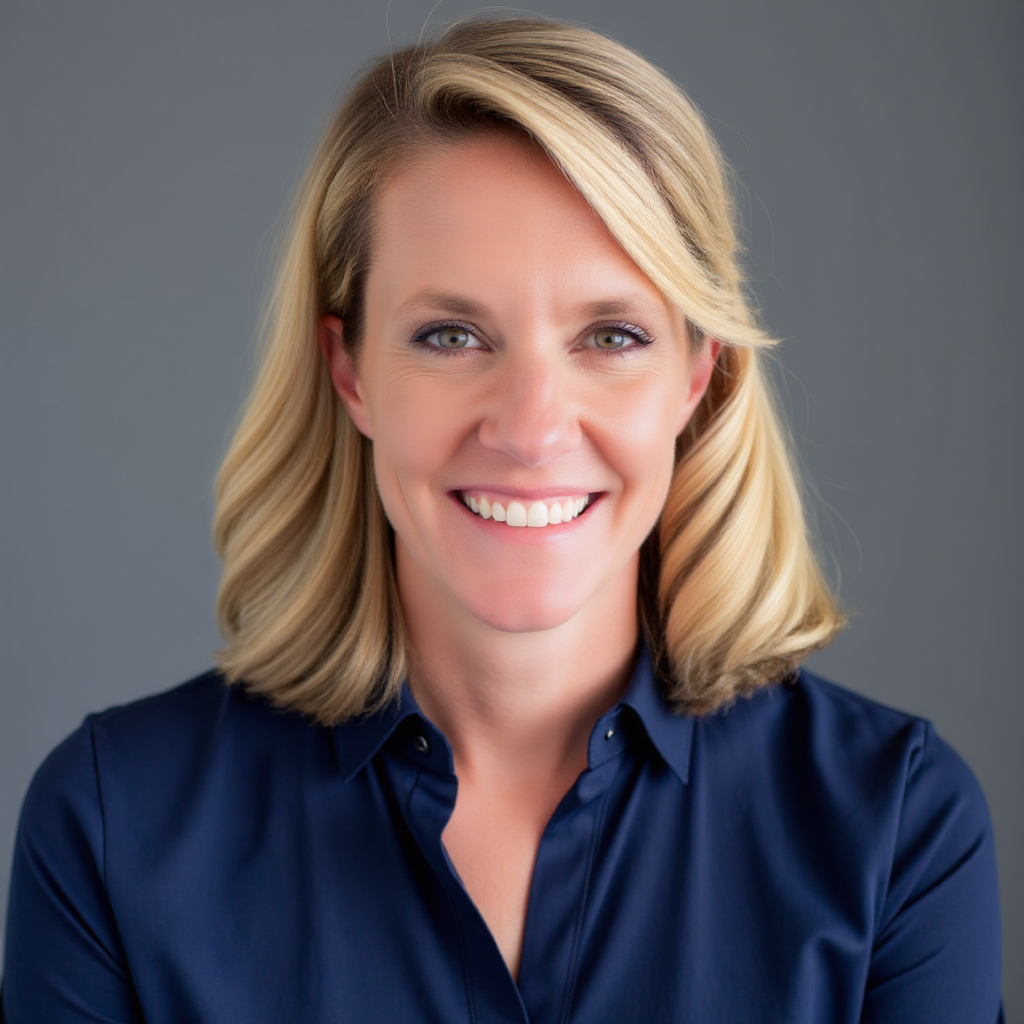
Laura Glaab, CEO, MyFriendBen
Laura Glaab is a civic and education technology leader whose career spans classrooms, boardrooms, and global impact initiatives. A former educator and school principal in Texas, Colorado, Jordan, Argentina, and India, she pairs deep on-the-ground experience with strategic leadership at the intersection of technology, policy, and community impact. She holds an MA from Stanford University and an MBA from Northwestern University’s Kellogg School of Management.
Laura’s tech leadership includes scaling Amira Learning from an early-stage AI tutoring startup, leading marketing, growth, customer engagement, and research strategies that drove statewide partnerships and a 90%+ renewal rate.
Today, Laura serves as CEO of MyFriendBen, an independent nonprofit and civic tech platform that makes securing public benefits easy and dignified. In just six minutes, MyFriendBen helps individuals understand their eligibility across 40+ federal, state, and county programs — anonymously and at no cost. The platform has helped more than 100,000 households apply for $46 million in benefits, identified upwards of $1.5 billion in available support, and now operates in six states. MyFriendBen has added four new states and hundreds of new partners and thousands of users under Laura’s leadership.
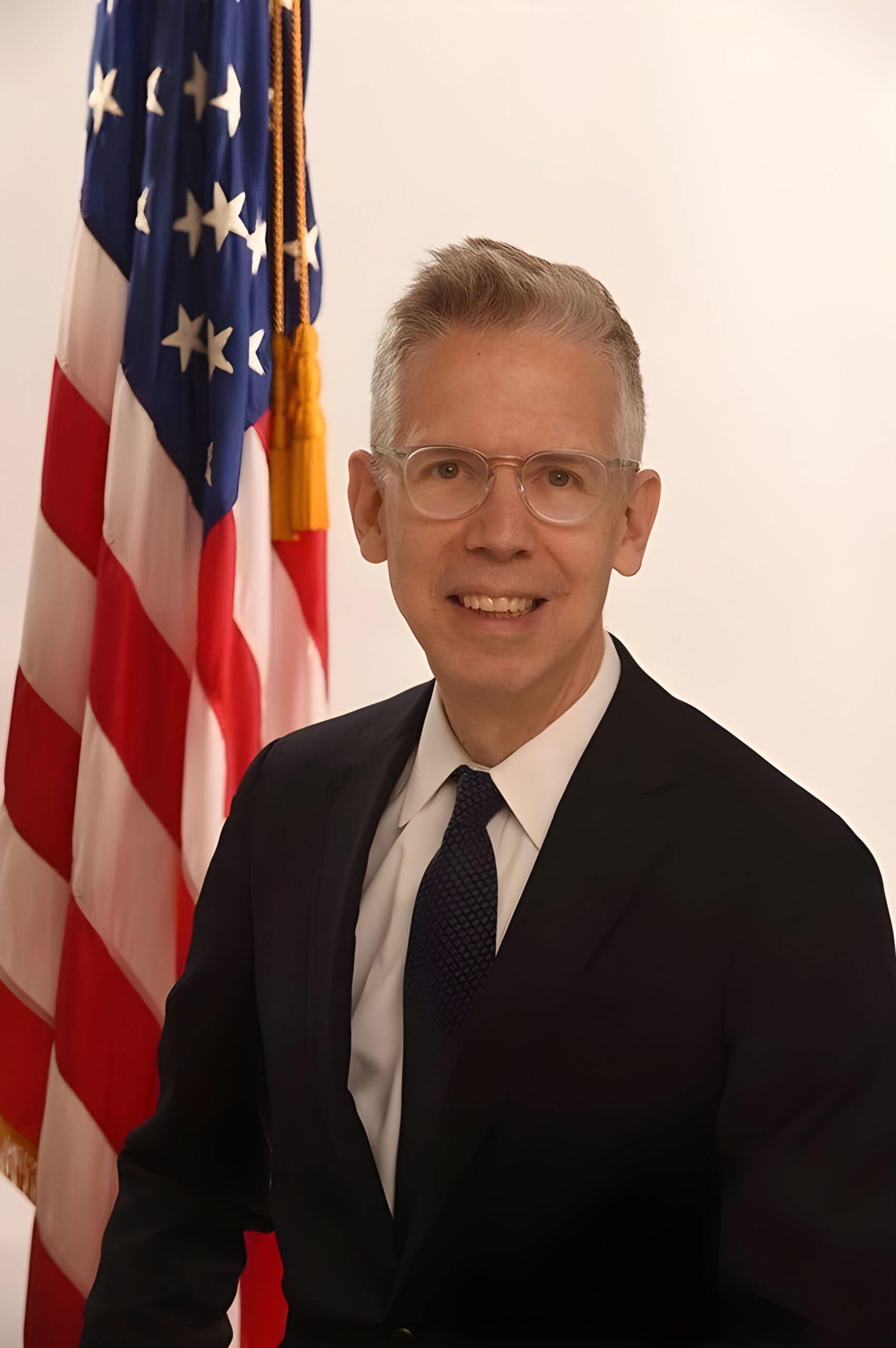
Robert Gordon, Executive Vice President, Recoding America Fund
Robert Gordon is executive vice president for state initiatives at the Recoding America Fund. Over three decades, he has served in key roles at each level and in each branch of government, with a particular focus on improving government performance and advancing economic mobility.
Most recently, Robert served as Deputy Assistant to the President for Economic Mobility at the Domestic Policy Council of the White House. Prior to that, he served as Assistant Secretary for Financial Resources at the U.S. Department of Health and Human Services, leading several efforts to streamline grant and service delivery while saving taxpayers money. Between 2019 and 2021, Robert was director of the Department of Health & Human Services for the State of Michigan, playing a key role easing access to SNAP and Medicaid and supporting the early pandemic response. During the Obama-Biden Administration, Robert served as an acting deputy director and executive associate director at the Office of Management & Budget.
Robert is also a visiting fellow at the Harvard Kennedy School.

Rosazlia Grillier, Community Advisory Group Member, Aspen Institute Financial Security Program; Board Chair, Community Organizing and Family Issues (COFI)
Rosazlia Grillier is a visionary and survivor! Although her heritage is deep-rooted in the South, She lives in Chicago, Illinois. When handed a terminal Cancer diagnosis and was wheelchair-bound, weighing more than 480 pounds, she broke the chains of depression. She battled cancer and multiple serious illnesses with the help of Community Organizing and Family Issues (COFI) ‘s training and empowering support. Rosazlia has found her voice as an organizer and trainer, mentoring other parents to be a part of the change their communities need. This mother of two daughters is currently President Emeritus of POWER-PAC IL (Parents Organized to Win, Educate, and Renew – Policy Action Council), the advocacy arm of COFI. She is one of the founders and governing council members of the United Parent Leaders Action Network (UPLAN). She has received multiple awards, was previously named a Chicago Hero, and was honored nationally by Allstate and the King Family. She recently received The Dept. of Education’s MLK Drum Major Award for Innovative Advocacy. She has worked in partnership with many entities to bring meaningful change to issues that have negatively impacted families and communities locally, citywide, statewide, and nationally.
She sits on the Board of NAFSCE & COFI and most recently expressed how much she valued her experience working with other amazing change makers as a part of the 2022 Aspen CAG! Now 250 lbs. lighter & counting, Rosazlia takes her “nevertheless” attitude, determination to empower, and vision to bring change everywhere she goes.
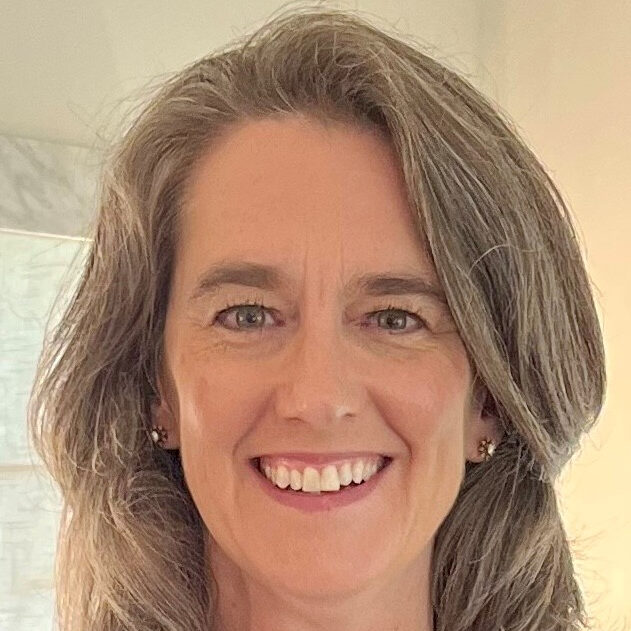
Heather Hahn, Associate Vice President, Urban Institute
Heather Hahn is associate vice president for the Family and Financial Well-Being Division at the Urban Institute. She is a national expert on Temporary Assistance for Needy Families (TANF) with more than 25 years of experience conducting nonpartisan research on policies affecting the well-being of children and families, including TANF, the Supplemental Nutrition Assistance Program (SNAP), child care subsidies, child support, and other supports for families with low incomes. She co-led Urban’s From Safety Net to Solid Ground initiative, providing timely and rigorous analyses of state and federal policy changes, and the Kids’ Share project, examining federal spending and tax expenditures on children. Hahn also co-led the Work Support Strategies evaluation of state efforts to modernize families’ access to nutrition assistance, child care, and Medicaid. She has extensive experience leading projects, designing and conducting case studies, and listening to the people administering and participating in programs supporting families experiencing poverty. Hahn has authored dozens of reports and has considerable experience disseminating research to diverse audiences. She has testified before Congress and has been interviewed and quoted by major print and radio media, including NPR, the Washington Post, the New York Times, National Review, the Atlantic, and USA Today.
Before joining Urban, Hahn was an assistant director for education, workforce, and income security issues at the US Government Accountability Office. She received a PhD in political science from Stanford University, an MPP from Duke University and BA in Philosophy/Women’s Studies from Brandeis University.

Aurora Harris, Vice President of State Strategy and Partnerships, Young Invincibles
Aurora Harris is a community organizer and policy strategist focused on advancing economic opportunity and long term financial security for young people and working families. She serves as Vice President of State Strategy and Partnerships at Young Invincibles, one of the nation’s leading young adult research and advocacy organizations. In this role, she leads multi state policy and organizing strategies across California, Colorado, Illinois, New York, and Texas, with a focus on higher education affordability, workforce pathways, healthcare access, and economic mobility. Her work centers youth leadership, narrative change, and coalition building to shape inclusive systems that support wealth building across the life course.
Prior to joining Young Invincibles, Aurora was Executive Director of the Lesbian Health Initiative, where she expanded partnerships, strengthened organizational sustainability, and increased representation in leadership and services. She also served as Community Outreach Manager for the Preservation Society of Charleston, convening the city’s first coalition of African American preservationists and helping establish Charleston’s Modern Civil Rights Era Historic Marker Trail.

Teon Hayes, Senior Policy Analyst, The Center for Law and Social Policy
Teon Hayes is a Senior Policy Analyst with the Public Benefits Justice team, where she focuses on advancing equitable policy solutions that help communities historically marginalized by public systems overcome structural barriers. Her work is grounded in a deep commitment to centering lived experience and advancing racial equity in policy design and implementation.
Teon’s policy portfolio includes food access—spanning SNAP, WIC, and food sovereignty, Black maternal health equity, and recovery supports for mothers navigating substance use. She brings a systems-level perspective to her work, recognizing the interconnected nature of economic security, health, and wellbeing.
In addition to her policy work, Teon co-leads the organization’s Community Partnership Group (CPG), a cohort of individuals with lived experience navigating public benefits systems. Through this work, she helps ensure that community insight directly informs policy development, advocacy, and systems change efforts.

Elise Henson, Director, Ventures Strategy, Gary Community Ventures
Elise is Director of Strategy on Gary’s Ventures team, where she leads the design, implementation, and scaling of new social impact ventures. She is passionate about building solutions directly with Colorado kids and families.
Previously, Elise served as Executive Director of MyFriendBen, a Gary venture increasing access to public benefits and tax credits, guiding its growth and spin-out into an independent national nonprofit. She also led Gary’s high-impact tutoring portfolio, focused on accelerating student academic recovery post-pandemic, including building and piloting a program in Denver.
Before joining Gary, Elise supported education reform as a grantmaker at Carnegie Corporation of New York, built organizational capacity for positive youth development at Points of Light, and taught middle school in Nicaragua, the Marshall Islands, and Nigeria.
Elise holds a master’s degree from Teachers College, Columbia University and a bachelor’s degree from Williams College. She lives in Lakewood, Colorado with her husband and two young children.
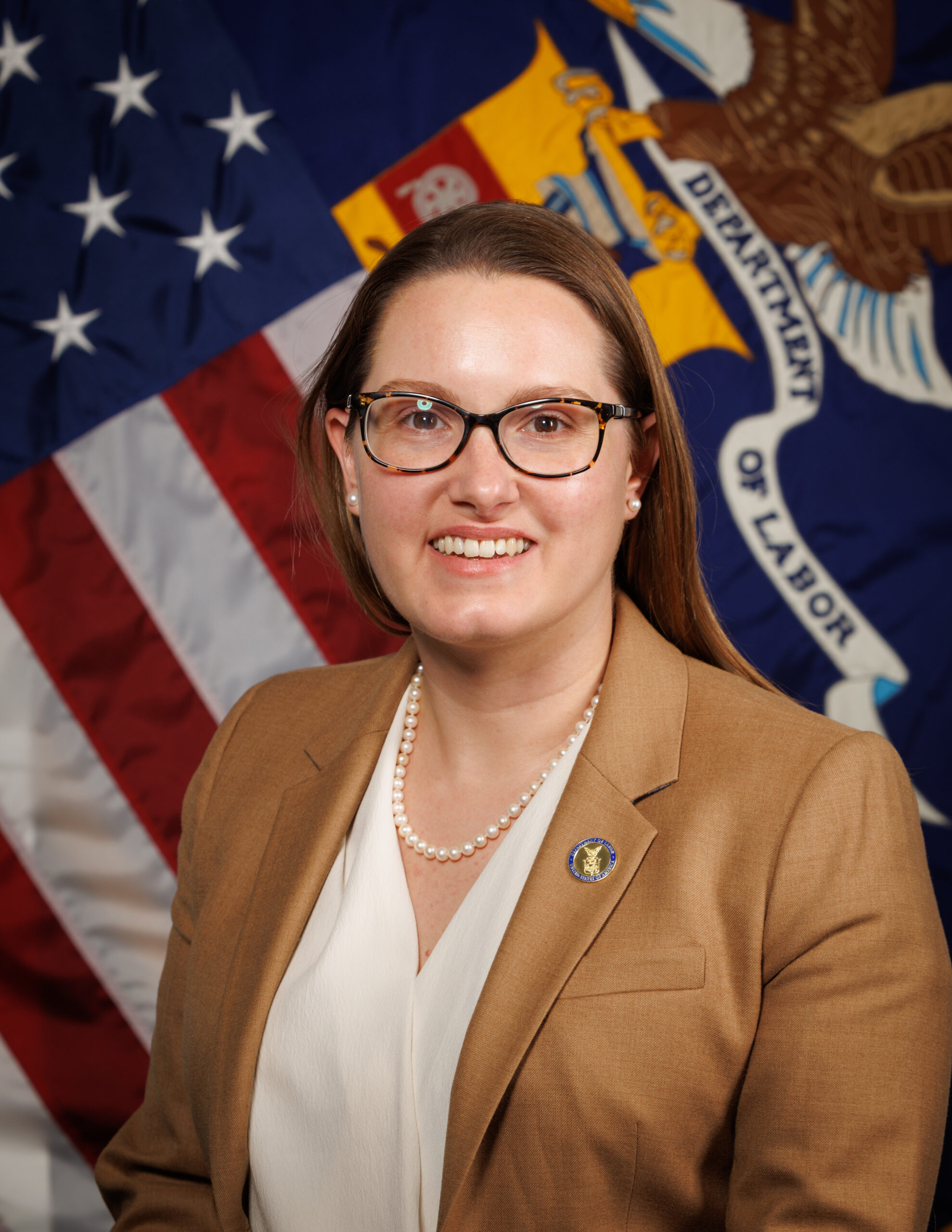
Liz Hipple, Managing Director of Policy & Research, Georgetown Center on Poverty & Inequality
Liz Hipple is the Managing Director of Policy and Research at the Georgetown Center on Poverty and Inequality. In this role, she manages and provides strategic direction for the Center’s research and policy agendas to generate policy solutions that increase economic well-being and advance racial and gender equity.
Previously, Liz was the Chief of Staff at the Employee Benefits Security Administration at the U.S. Department of Labor. Before that, she was Senior Advisor in the Office of Capital Access at the U.S. Department of the Treasury, overseeing implementation of the $350 billion State and Local Fiscal Recovery Funds program. Her prior experience with research and policy development in service of progressive economic policy goals includes time as a Senior Policy Analyst with the Congressional Joint Economic Committee, where she researched labor policy and family economic security issues, including unemployment insurance, paid leave, and affordable childcare. She also developed the strategy for and stood up the first economic mobility program at the Washington Center for Equitable Growth as Senior Policy Advisor. She began her career at the U.S. Department of the Treasury during the Obama Administration as a Special Assistant and Policy Advisor for retirement security issues.
Liz graduated from Swarthmore College with High Honors in Political Science and Public Policy.
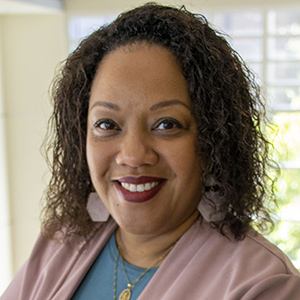
Shavana Howard, Founder/CEO, SKH Consulting, LLC
Shavana Howard is the CEO of SKH Consulting, advising state agencies and organizations on health and human services programs, policies, and operations. Her work focuses on ensuring eligible individuals can access the benefits needed to achieve economic security.
With over 27 years of public service, Shavana most recently served as Senior Advisor to Food and Nutrition Consumer Services at the USDA as a Biden-Harris appointee. She spent 17 years at Washington State’s Department of Social and Health Services leading SNAP Policy and Programs, and conducting eligibility for TANF, Childcare, and Medical programs.
She also served as Assistant Secretary at the Louisiana Department of Children and Family Services, managing programs with an annual budget exceeding $500 million. Key accomplishments include raising Louisiana’s TANF benefit to the national average, creating a virtual Disaster SNAP program during COVID-19, and launching the state’s first Workforce Development Division.
Shavana holds a Master’s in Leadership and Human Resource Development from LSU and a Bachelor’s in Business and Psychology from Washington State University. She is a U.S. Navy Reserves veteran and serves on the Washington Economic Justice Alliance Advisory Council.

Narda Ipakchi, Vice President, Policy & Programs, The SCAN Foundation
Narda is an experienced health and aging policy professional with deep expertise in policies and programs that support older adults, including Medicare, Medicare-Medicaid integrated programs, and long-term services and supports. Prior to joining the SCAN Foundation, she served as the Medicare & Medicaid Policy Director for the United States Senate Aging Committee, under the leadership of Chairman Bob Casey of Pennsylvania. In this role, she advised the Chairman on key issues impacting older adults and people with disabilities, including nursing home policy changes, expansions in home and community-based services, Medicare prescription drug policy reforms, and Medicare-Medicaid integration. Prior to the Senate, Narda spent approximately 15 years in the private sector, primarily in Medicare and Medicaid policy consulting at Avalere Health, Manatt Health, and Health Management Associates, where she provided quantitative and qualitative policy research and analysis, project implementation support, and other advisory services to a wide array of health care stakeholders including foundations, providers, health plans, states, and other organizations.
Narda earned her Master of Business Administration and Bachelor of Arts degrees from the University of Maryland, College Park. When Narda isn’t pondering ways to improve health and aging policies, you can find her exploring the great outdoors with her husband and daughter, traveling somewhere she can immerse herself in a different culture, or spending the day honing a well-loved recipe.
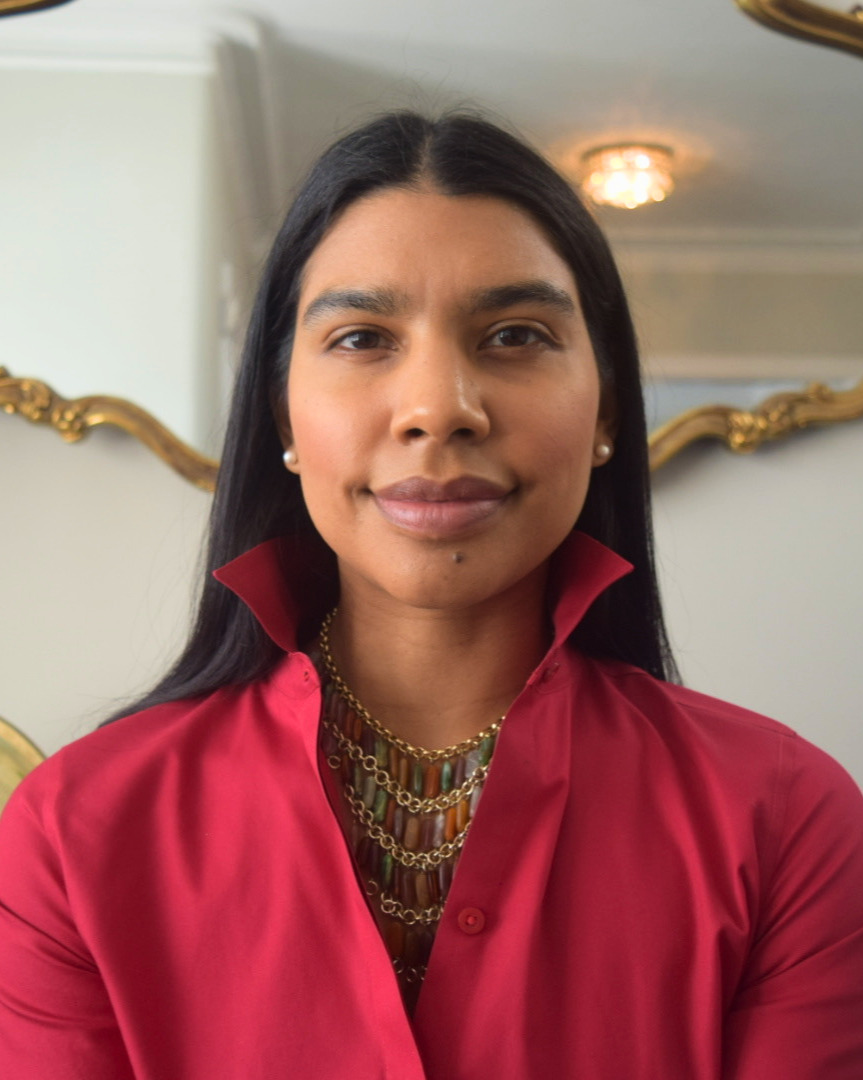
Jessica Jackson, Essential Leaders Council Co-Leader, Families & Workers Fund; Community Leader, Person-Centered Community of Practice, Aspen Institute Financial Security Program
Jessica Jackson is a certified nurse-midwife and community leader working at the intersection of philanthropy, policy, and maternal health. Through her work with the Families & Workers Fund Essential Leadership Council, the Aspen Institute’s Person-Centered Community of Practice, the UpTogether Detroit Design Team, and the Family-Pediatrician Partnership Community Advisory Board, she helps shape strategies that advance family health, economic stability, and community-driven solutions.
Born and raised in Southwest Detroit, Mrs. Jackson brings this systems-level perspective into her clinical practice, providing evidence-based, compassionate care to women and families. She bridges frontline healthcare with broader efforts to transform the conditions that impact health, ensuring community voices remain central to both care and policy. She holds a BA in Women’s Studies from the University of Michigan, a BS in Nursing from the University of Rochester, and an MSN in Midwifery from Wayne State University.

Elisabeth Jacobs, Executive Director, WorkRise, Urban Institute
Elisabeth Jacobs is Executive Director of WorkRise, a research-to-action platform at the Urban Institute helping policymakers, employers, and communities make decisions that advance broadly shared gains from a rapidly changing economy. A nationally recognized expert on labor market instability, earnings and income volatility, and the suite of policies supporting workers and their families, she previously served as founding Senior Director at the Washington Center for Equitable Growth, fellow at the Brookings Institution, and senior policy advisor to the Senate Health, Education, Labor, and Pensions Committee and the Joint Economic Committee. She is a member of the National Academy of Social Insurance and a former leadership advisory group member of the Aspen Financial Security Program’s Benefits21. Jacobs holds a Ph.D. from Harvard University.

Sara Johnson, COO and Co-Founder, CASH Campaign of Maryland
Sara Johnson is the Co-Founder and Chief Operating Officer of the CASH Campaign of Maryland, a nonprofit dedicated to improving the financial security of low-income Marylanders. The organization was formed through the merger of the Baltimore CASH Campaign, which Sara led, and the Maryland CASH Campaign, creating a statewide network.
Under Sara’s leadership, the organization and its partners prepare more than 27,000 free tax returns annually, generating $33 million in refunds for low-income taxpayers. The CASH Campaign also provides free financial education and coaching to over 7,000 Maryland residents each year and leads advocacy on state and federal policies affecting vulnerable communities.
With over 20 years of nonprofit experience, Sara has held key roles at Seedco, the United Way of Central Maryland, and the Annie E. Casey Foundation. She holds a Bachelor of Arts in Business Management from Guilford College and a Master’s in Social Work from the University of Maryland.
Sara serves on the Board of Bridges to Housing Stability and was honored in 2025 as one of Maryland’s Top 100 Women. She was appointed to Governor Wes Moore’s Interagency Council on Homelessness and is a member of the 2026 Leadership Maryland Class. She lives in Howard County with her husband and twin daughters.

Jess Kahn, Partner, McKinsey
Jess Kahn is a Partner in McKinsey’s Washington, D.C. office where she supports public sector health clients in the US and abroad. Currently, Jess leads McKinsey’s state health and human services digital and analytics efforts. She brings significant experience working across public sector health and human services programs and systems and federal, state and local governments and specific expertise in analytics, cross-agency governance and digital health. Prior to McKinsey, Jess proudly spent 20+ years in state and federal civil service.

Hannah Katch, Founder and Principal, Katch Strategies
Hannah Katch is the founder and principal consultant at Katch Strategies. Katch served as the senior advisor to the administrator of the Centers for Medicare & Medicaid Services (CMS) throughout the Biden-Harris Administration, leading critical Medicaid policy and strategy for CMS and working to advance the administration’s goals of expanding access to care, increasing affordability, and improving quality.
Prior to her presidential appointment at CMS, Katch was a Medicaid expert at the Center for Budget and Policy Priorities, where she worked with state and federal policy officials and advocates on efforts to expand health coverage and reduce barriers to care.
Katch previously served as an administrator of the California Medicaid program, and as a senior health policy advisor in the U.S. Senate.
Katch is a nationally recognized Medicaid policy expert, an elected member of the National Academy of Social Insurance, and has been published and quoted in Health Affairs, the New York Times, National Public Radio, the Washington Post, and other publications.
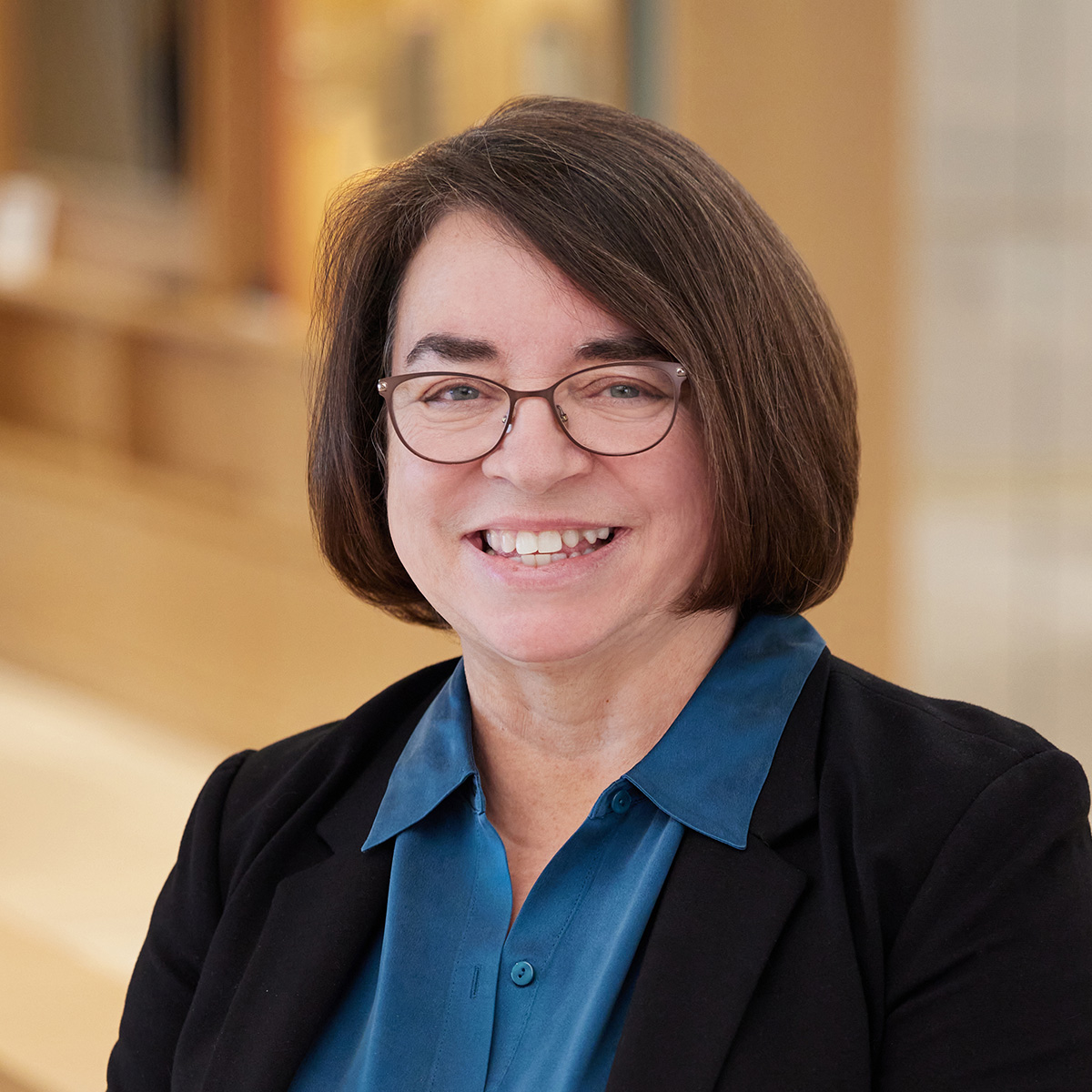
Katie Kelly, Director, Communications and Community Initiatives, JB and MK Pritzker Family Foundation
Katie Kelly is Director of Communications and Community Initiatives at the J.B. and M.K. Pritzker Family Foundation. She joined the foundation in 2016. Kelly manages a varied portfolio of the foundation’s investments in public benefit access, family support and housing insecurity and homelessness among families with young children. Prior to joining the foundation, Kelly worked in education reform and led a consulting practice committed to focused on enhancing the effectiveness of local government. Earlier in her career, Kelly served as Chief of Staff and Director of External Affairs for a reform administration at the Chicago Housing Authority where she helped lead efforts to enact groundbreaking changes in the nation’s public housing program. Long active in politics, she served on the campaign staffs for three U.S. senators from Illinois: Dick Durbin, Paul Simon, and Adlai Stevenson III.
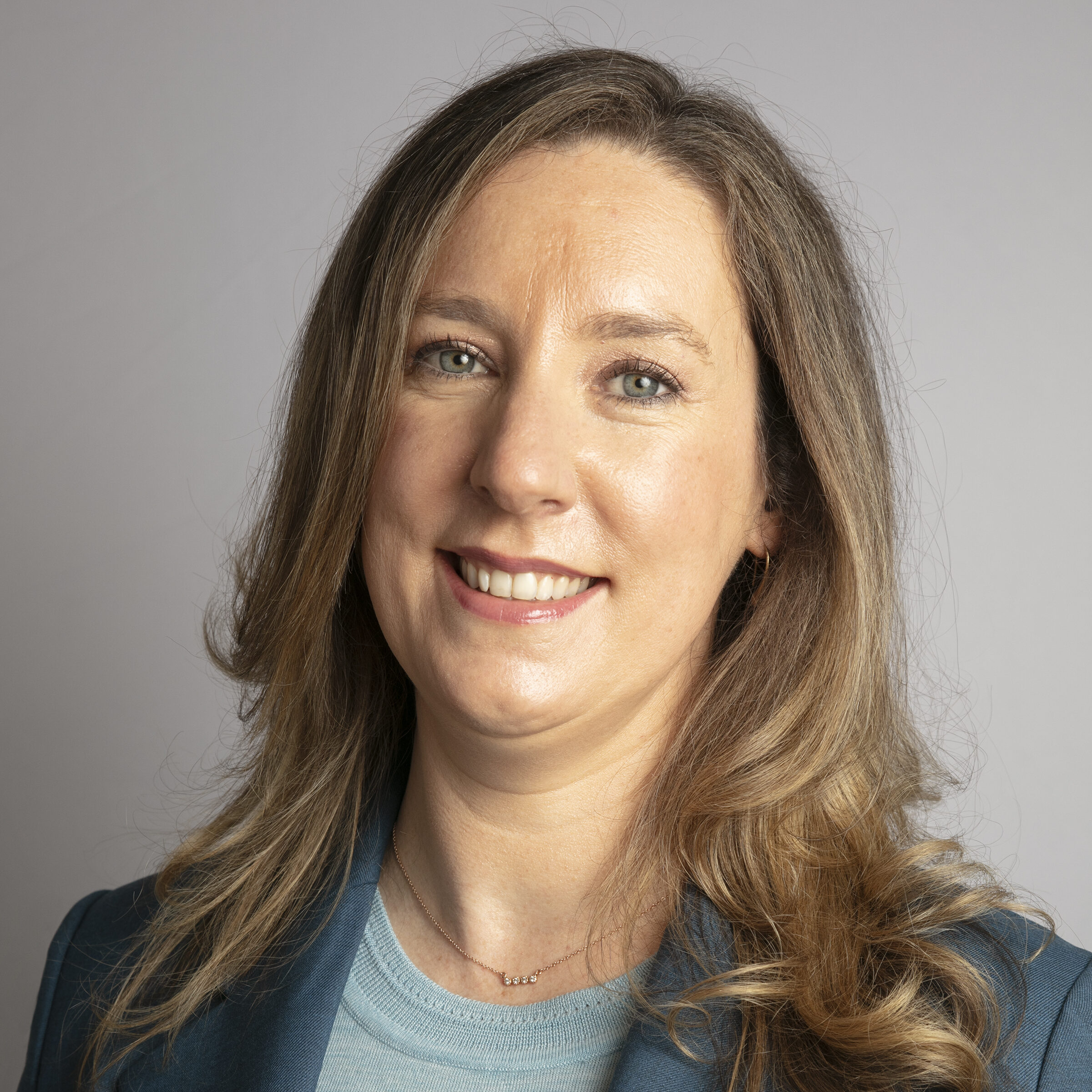
Ariel Kennan, Senior Director (outgoing), Beeck Center for Social Impact + Innovation, Georgetown University, President (incoming), Axiom Foundation
Ariel Kennan is the incoming President of the Axiom Foundation, which scales technical infrastructure to transition public policies into machine-readable code, closing the gap between policy intent and operational execution. She has spent over a decade building cross-functional teams and scaling technical initiatives from the ground up across the public, private, nonprofit, and academic sectors. Previously, as Senior Director at Georgetown University’s Beeck Center for Social Impact + Innovation, Ariel served on the leadership team, directed the Digital Benefits Network, and catalyzed the U.S. Rules as Code (RaC) movement through research and a national community of practice. Prior to that, she founded the first municipal Service Design Studio in the New York City Mayor’s Office, leading the open-source, API-first rebuild of ACCESS NYC and advising on services for low-income New Yorkers, including the modernization of the city’s SNAP and TANF applications. Her experience also includes leading civic innovation at Sidewalk Labs and serving as a visiting lecturer at Cornell Tech, where she co-teaches the Public Interest Technology Impact Studio.

Gabriella Keys, Member, SaverLife
In addition to her advocacy work, Gabriella Keys is an engaging public speaker and workshop host, creating community-driven experiences around topics like money management, entrepreneurship, and confidence-building for kids. With future goals that include hosting a TEDx Talk and launching a feature film, Rella B continues to grow her impact—one empowering story at a time.
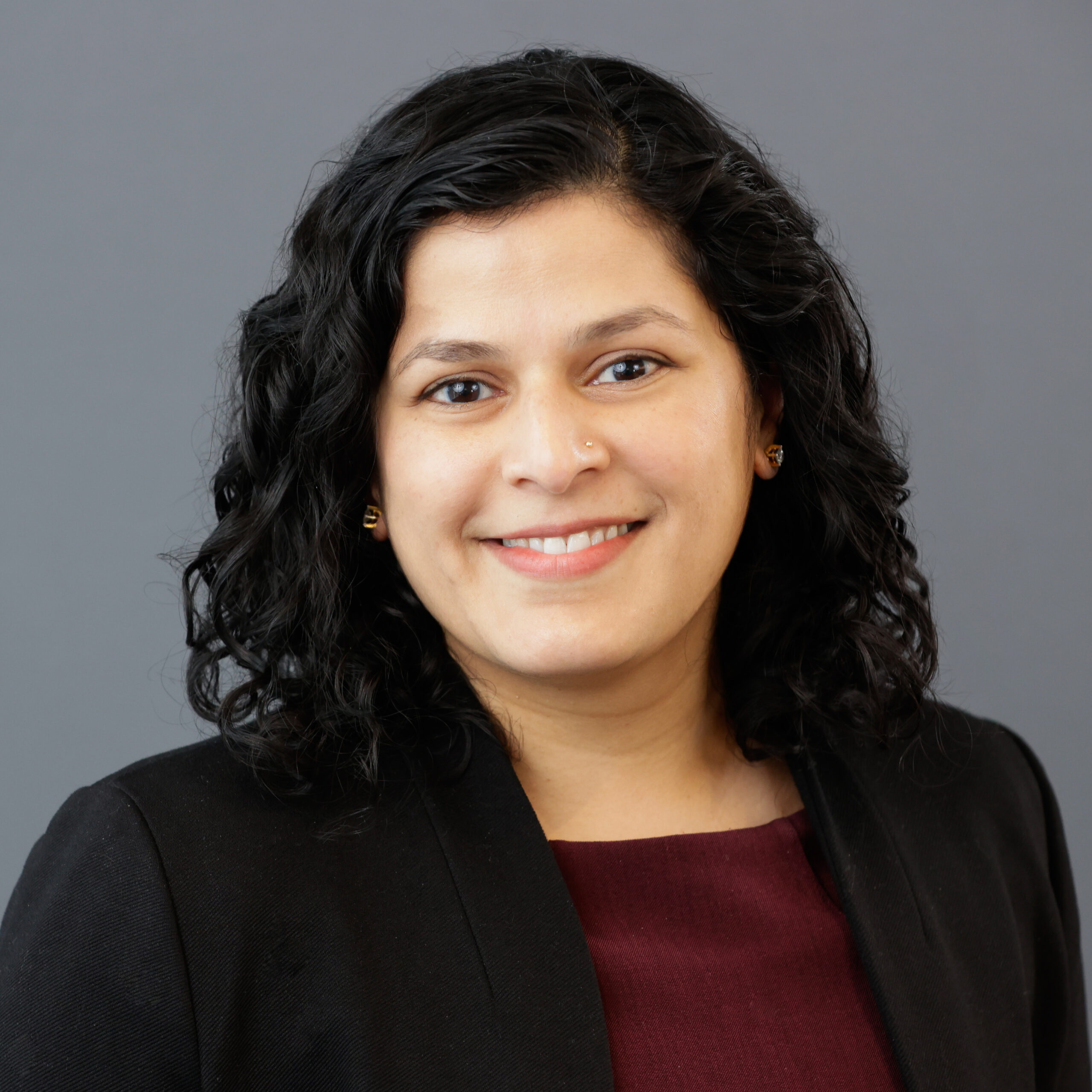
Priya Khatkhate, Deputy for Programs, Illinois Department of Human Services
Priya is Deputy for Programs at the Illinois Department of Human Services. In that role she helps to support IDHS’s 5 divisions (Developmental Disabilities, Behavioral Health and Recovery, Family and Community Services, Rehabilitation Services, Early Childhood) and offices, including strategy and implementation of agency priorities. Priya additionally helps to administer the Illinois Commission on Poverty Elimination and Economic Security and chairs the related Interagency Working Group on Poverty Elimination. Before working for the State, Priya was a labor and employment attorney in the public and private sectors, and prior to that worked in journalism and communications.

Yuri Kim, Principal, NextLadder Ventures
Yuri Kim is a Principal at NextLadder Ventures, investing in technology that expands access to safety net benefits and economic opportunity for low-income families. His work on economic mobility began on the ground — leading one of the nation’s largest VITA tax assistance programs and launching school nutrition initiatives at United Way of King County. He then moved to the Gates Foundation, where he oversaw safety net benefits portfolios and supported the creation of an AI innovation fund. He currently serves on the board of WithinReach, a statewide family assistance navigation nonprofit.

Jessica Kirchner, Senior Policy Analyst, National Governors Association
Jess Kirchner serves as a Senior Policy Analyst for the NGA’s Center for Best Practices Children and Families division, where she has supported Governor’s human services priorities up through early childhood education and care. Prior to joining the NGA, Jess was the Senior External Affairs Associate for Ballast Research where she led the strategic communications, government relations, and events program for the Ballast’s federal projects. Originally hailing from Boston, Jess graduated from the University of Connecticut with degrees in Political Science and Economics, and a minor in Middle East Studies.

Korey Klein, Director, Technology & Data, Ballmer Group
Korey Klein joined Ballmer Group in 2018 as its first technology expert and now serves as the Director of Technology and Data, focusing on how emerging and established technologies can help shape pathways to economic mobility. Within his role, Korey leads the organization’s national benefits access strategy and grantmaking. He also serves on the advisory board for the Center for Civic Futures and the executive committee at the Families and Workers Fund.
Korey has worked at the intersection of technology and social impact for more than a decade, where he’s developed critical expertise in software implementation, change management, business model development, and solution design. He brings valuable, on-the-ground experience in building partnerships with state and local government, having previously led data operations for United Way of Salt Lake’s collective impact strategy.

Sohrab Kohli, Program Officer, Prudential Financial
Sohrab Kohli is a Program Officer at Prudential Financial, where he helps drive the company’s strategic philanthropy. He manages partnerships with nonprofit organizations that are helping more people, in more places, own appreciating assets. His current focus areas include scaling employee ownership opportunities and expanding access to the capital markets. Ultimately, this work is about narrowing wealth gaps and creating more inclusive pathways to build lasting wealth. Before joining Prudential, Sohrab spent over a decade at national nonprofits promoting financial inclusion. At the Aspen Institute Financial Security Program, he collaborated with public and private sector leaders to advance market and policy solutions. His work focused on building emergency and retirement savings, expanding access to banking, addressing consumer debt, and modernizing public and workplace benefits systems. Sohrab previously worked at the Financial Health Network across their innovation, research, and consulting practices, leading projects on fintech, consumer credit, and workplace wellness while supporting community-based organizations. He began his career as a strategy consultant with PwC, advising clients in the financial services industry. Sohrab holds a Bachelor of Arts in Economics and Political Science from the University of Chicago.

Malavika Krishnan, Financial Health Senior Associate, Global Philanthropy, JPMorganChase
Malavika is a Financial Health Senior Associate within Corporate Responsibility and Global Philanthropy at JPMorganChase. In this role, she manages the firm’s philanthropic financial health strategy and portfolio focused on improving consumer financial health outcomes. Malavika honed her interest in financial inclusion at Accion Global Advisory Solutions and previously served as a Graduate Research Analyst at Digital Planet, exploring the state of digital evolution, trust, and inclusive growth around the world. Malavika’s prior work experience includes stints as a Consultant at a corporate immigration law firm in Singapore and as a Litigation Paralegal at a securities law firm in New York City. She received her master’s degree in international affairs from The Fletcher School at Tufts University and a bachelor’s degree in Economics and Government from Wesleyan University.
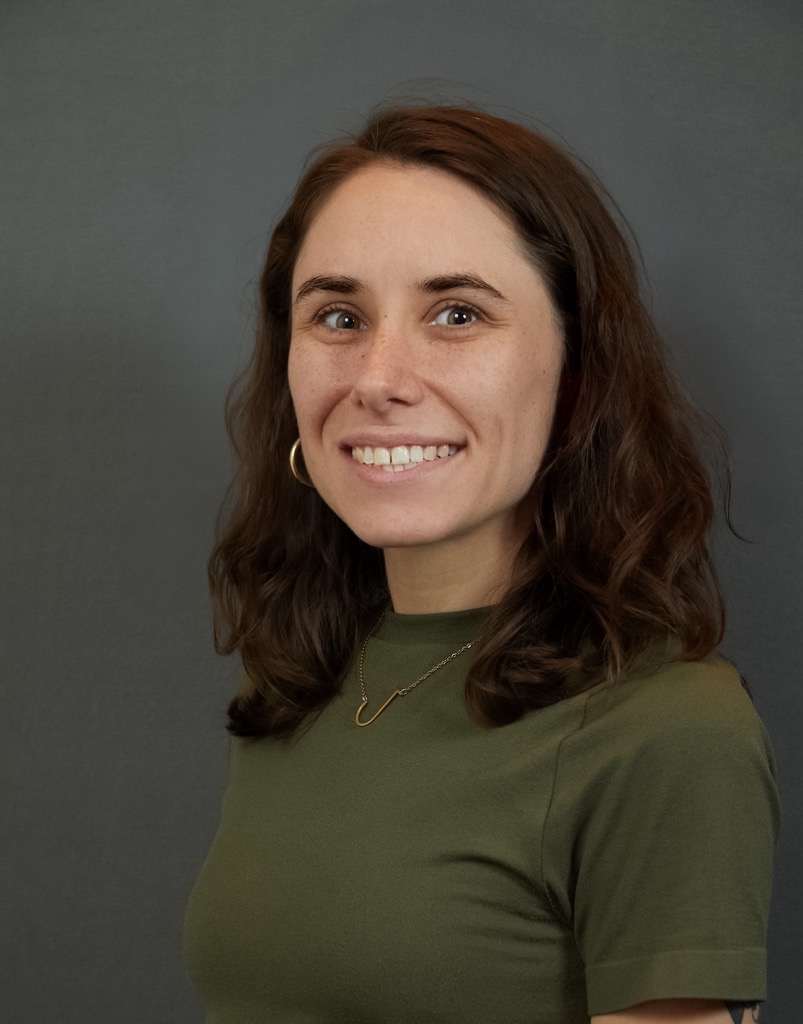
Jessica Maneely, Director of Delivery and Innovation, SteadyIQ
Jess Maneely is SteadyIQ’s Director of Delivery and Innovation. In this role, Jess drives implementation and iterative improvement strategy for public sector technology, with a focus on scaling innovation through customer-centric feedback loops.
She brings deep expertise in translating complex human services policies and operational realities into practical solutions that are responsive to both the administrative realities of service delivery and the lived experiences of people navigating support systems.
Prior to joining the team in 2026, Jess served as Director of Process Innovation at the American Public Human Services Association (APHSA) where she built and led a portfolio dedicated to human services ecosystem alignment, connectivity, and modernization through human-centered design frameworks. Before that, she worked in the civic technology space partnering with state agencies and community-based organizations to improve access to public benefits through policy options, process innovation, and service design.
Jess holds a Master of Public Policy degree from Temple University and a Master of Arts degree in Rhetoric & Composition from Tulane University, along with undergraduate degrees in Gender Studies and Literature.
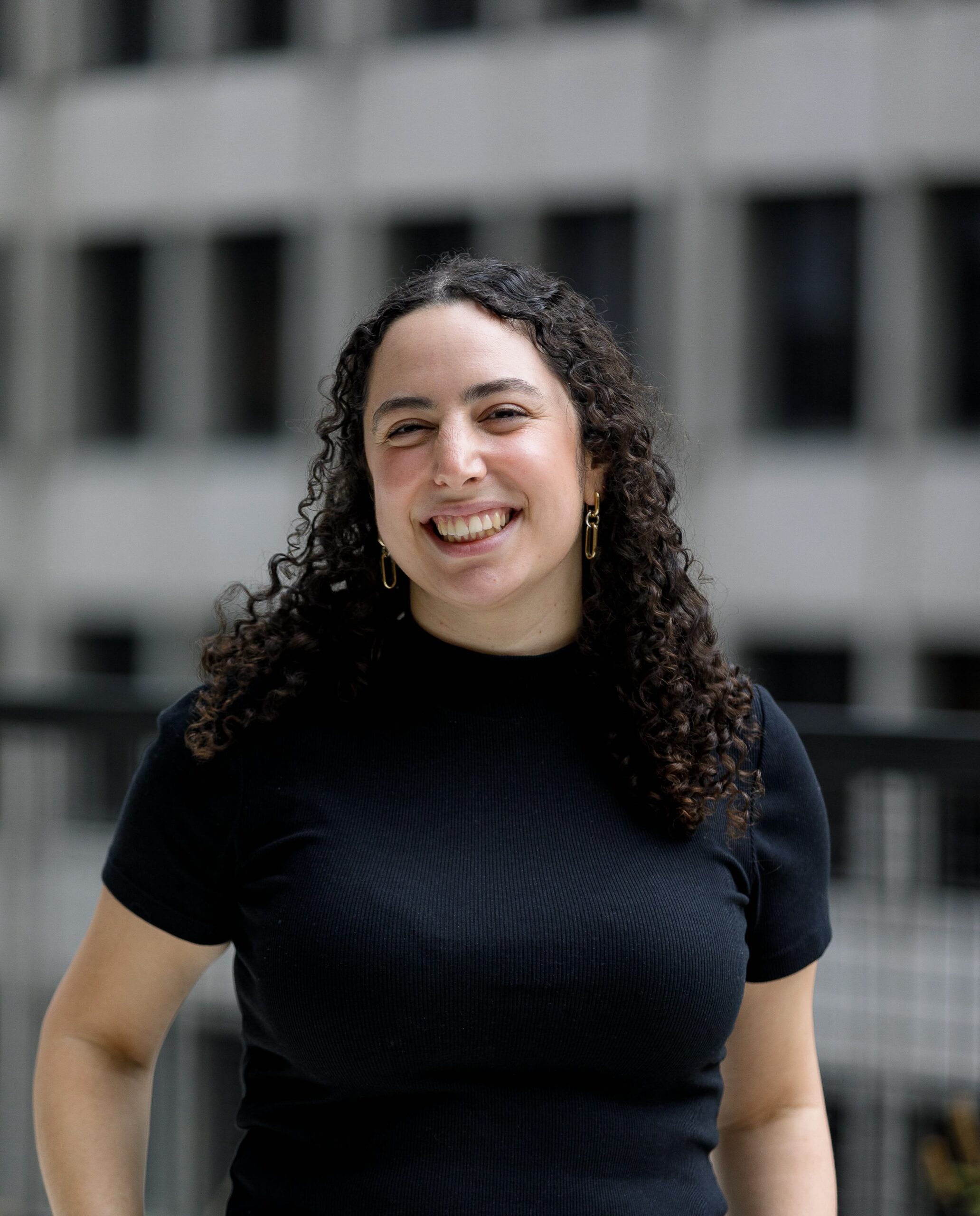
Shoshana Marder, Executive Director, Leap Fund
Shoshana Marder is the Executive Director of Leap Fund, leading the team in creating products that empower optimism, financial and career growth, future planning, and security for the working families that need it most.
She has presented about benefit cliffs at Aspen’s Institutes’s panel How Employers Are Tackling Mobility Blockers in Public Benefit Programs (2025), NYCETC’s Annual Conference (2025, 2024), Workforce Matter’s Further Together Conference (2025), the Prosperity Summit (2024, 2022), National FSS Conference by Compass Working Capital (2024, 2022), Change Machine (2024), Circles USA National Conference (2023), and the Foundation for Financial Planning (2023). She’s also spoken about benefits cliffs to numerous groups, including NYC Benefits Policy Working Group, JobsFirstNYC Policy Committee, NYATEP’s Workforce Development Directors, multiple Chambers of Commerce, and participated in the HHS Marginal Tax Rate Advisory Panel. Shoshana is a member of the NYCETC Advisory Council.
Shoshana received her BA from Stern College Honors Program, and previously worked at the International Rescue Committee.

Chelsea Mauldin, Executive Director, Public Policy Lab
Chelsea Mauldin (she/her) is a social scientist and designer with a focus on government innovation. She directs the Public Policy Lab, a nonprofit organization that designs better public policy with low-income and marginalized Americans.
The Public Policy Lab partners with government agencies and NGOs to develop more satisfying and effective policies and service delivery through ethnographic research, human-centered design, rapid prototyping, and formative evaluation. Find out more on PPL’s website, www.publicpolicylab.org.
Chelsea is an adjunct professor at Columbia University’s School of International & Public Affairs and a frequent keynote speaker and panelist. Previously, she consulted to municipal and federal agencies, directed a community-development organization, led government partnerships at a public-space advocacy nonprofit, and served as an editor for publishing, arts, and digital media organizations. She is a graduate of the University of California at Berkeley and the London School of Economics.

Josh McCabe, Director of Social Policy, Niskanen Center
Joshua McCabe is the Director of Social Policy. He focuses on issues related to child poverty and household stability. McCabe previously worked as an Assistant Professor of Sociology and Assistant Dean for Social Sciences at Endicott College. McCabe’s work has been featured in the Washington Post, the National Review, the Hill, and more.
McCabe has received his B.A. in Political Science from Emmanuel College, his M.A. in Regional Economic and Social Development from the University of Massachusetts, Lowell, and his Ph.D. in Sociology from the State University of New York at Albany.

Marci McCoy-Roth, Chief Impact and Innovation Officer, American Public Human Services Association (APHSA)
Marci McCoy-Roth brings a blended background in public policy, research, technology, and communications to her role as Chief Impact and Innovation Officer at the American Public Human Services Association (APHSA). Marci is responsible for guiding APHSA’s strategic planning and the implementation of its vision and mission. She implemented, and currently leads, the use of the Objectives and Key Results (OKR) framework to support teams in measuring impact and ensuring goals are accomplished with precision and purpose.
Since 2013, Marci has directed the award-winning National Electronic Interstate Compact Enterprise (NEICE) technology platform, which APHSA administers as Secretariat for the Association of Administrators of the Interstate Compact on the Placement of Children (AAICPC). Through NEICE, states are enhancing the efficiency and quality of the information exchanged across state lines for child placements—with states shortening the timelines for returning decisions and placing children by as much as 40 percent since 2014.
Marci has deep expertise in child welfare, public health, retirement security, early childhood, disability policy, as well as climate change mitigation and adaptation. Beyond her professional commitments, Marci invests in community and youth empowerment, for example, through her role as a director on the FosterClub Board since 2011. She has also served on various community boards in Montgomery County, Maryland. Marci holds degrees from the Annenberg School for Communication at the University of Pennsylvania, the La Follette School of Public Affairs at the University of Wisconsin-Madison, and Yale University. Her work is underpinned by a passion for creating sustainable, positive change in her community and beyond.

Tara McGuinness, Founder and Senior Director, New America
Tara McGuinness is the executive director of the New Practice Lab at New America where she leads a team of designers, researchers and project managers working to improve the experience and outcomes of family economic security and care policies. The New Practice Lab works providing free delivery assistance to 19 state agencies working on the improved delivery of programs serving low-income families with children. Tara ran the Biden domestic policy team in the Transition and served as a senior advisor to President Obama where she was responsible for leading the effort to sign up millions of Americans for free and low-cost health insurance through Obamacare. It was this deep engagement on the team implementing the Affordable Care Act––both its failures and its turnaround––that sparked her obsession with improving the delivery of government efforts — putting governments and citizens in a tighter feedback loop. Tara is the co-author of Power to the Public: The Promise of Public Interest Technology, described by President Obama as, “worth a read for anyone who cares about making change happen.”

Dora Mendelson, Chief of Staff, National Academy for Social Insurance
Dora Mendelson serves as Chief of Staff at the National Academy of Social Insurance, where she partners with the CEO across all facets of the organization’s work to advance its mission and deepen its impact. She is deeply committed to disability justice as a framework for advancing equitable public policy — spanning health, economic security, and social insurance — a belief rooted in her own experience living with chronic illness and one that ultimately led her to the Academy’s work.
Dora holds a Bachelor of Arts from Colgate University and a Master of Arts with a concentration in Critical Disability Studies from McMaster University, both summa cum laude. Her master’s thesis examined the embeddedness of diabetes stigma in American public policy.
Prior to joining the Academy, Dora gained experience on Capitol Hill as an intern in the Disability Policy Office of the Senate Health, Education, Labor, and Pensions (HELP) Committee.
A Washington, D.C. native, Dora is an avid home baker and cook, and an enthusiastic explorer of the city’s food scene. She harbors a long-standing dream of attending culinary school, authoring a cookbook, and one day opening her own bakery.

Amy Meng, Director, Benefits Response Team, U.S. Digital Response
Amy leads the Benefits Response Team at U.S. Digital Response, which supports benefits programs at the state and local level. She was previously Associate Director of Delivery Management at Truss, a civic tech consultancy.

Dustin Palmer, Executive Director, US Programs, GiveDirectly
Dustin Palmer is the Executive Director of US Programs at GiveDirectly, a nonprofit that supports people in poverty with unconditional cash transfers. GiveDirectly has distributed more than $1B to more than 2M recipients since its founding. Dustin leads US programs, including emergency responses, cash transfers for mothers and babies, and Guaranteed Income programs.
Before joining GiveDirectly, Dustin spent five years using technology and design to improve access to U.S. social safety net programs at Code for America. He previously worked on improving outcomes in social services at the nonprofit advisory firm Third Sector Capital Partners.
Dustin holds a BA from Washington University in St. Louis and an MPA from Princeton University.

Maya Pendleton, Senior Research Manager, SaverLife
Maya Pendleton is a member of SaverLife’s Research and Policy team. As Senior Research Manager, she leads research initiatives focused on household financial health, with a particular emphasis on how climate change impacts financial stability. Most recently, she led a research initiative on energy cost burden that explored how rising utility costs affect families’ ability to meet basic needs and build financial stability. She also leads SaverLife’s advocacy panel, advancing member voice and ensuring member perspectives are meaningfully integrated into research, policy, and program design.
Before joining SaverLife, Maya worked at the Center for the Study of Social Policy, where she focused on advancing more equitable policies and practices for children and families. She also served at the District of Columbia Office of the State Superintendent of Education, where she supported efforts to strengthen public systems. These experiences ground her work in a deep understanding of how public systems operate and how inequities show up in policy and practice.
Maya is formally trained in mixed-methods research and uses diverse data approaches to inform policy solutions aimed at addressing poverty and systemic racial inequities. She earned her Bachelor of Arts from Georgetown University and her Master of Public Policy from the Trachtenberg School of Public Policy and Public Administration at George Washington University.

Casey Pheiffer, Vice President, Policy and Business Development, Center for Employment Opportunities
Casey is Vice President, Policy and Business Development, for the Center for Employment Opportunities (CEO) focused on increasing access to quality jobs for individuals returning from incarceration. CEO advocates for public investment in employment training, benefits access, strong partnerships, and support targeted to the particular needs of individuals during reentry. Prior to joining CEO, Casey provided technical assistance to states passing sentencing and corrections reform to reduce incarceration. Casey has a master of public policy from Georgetown University.
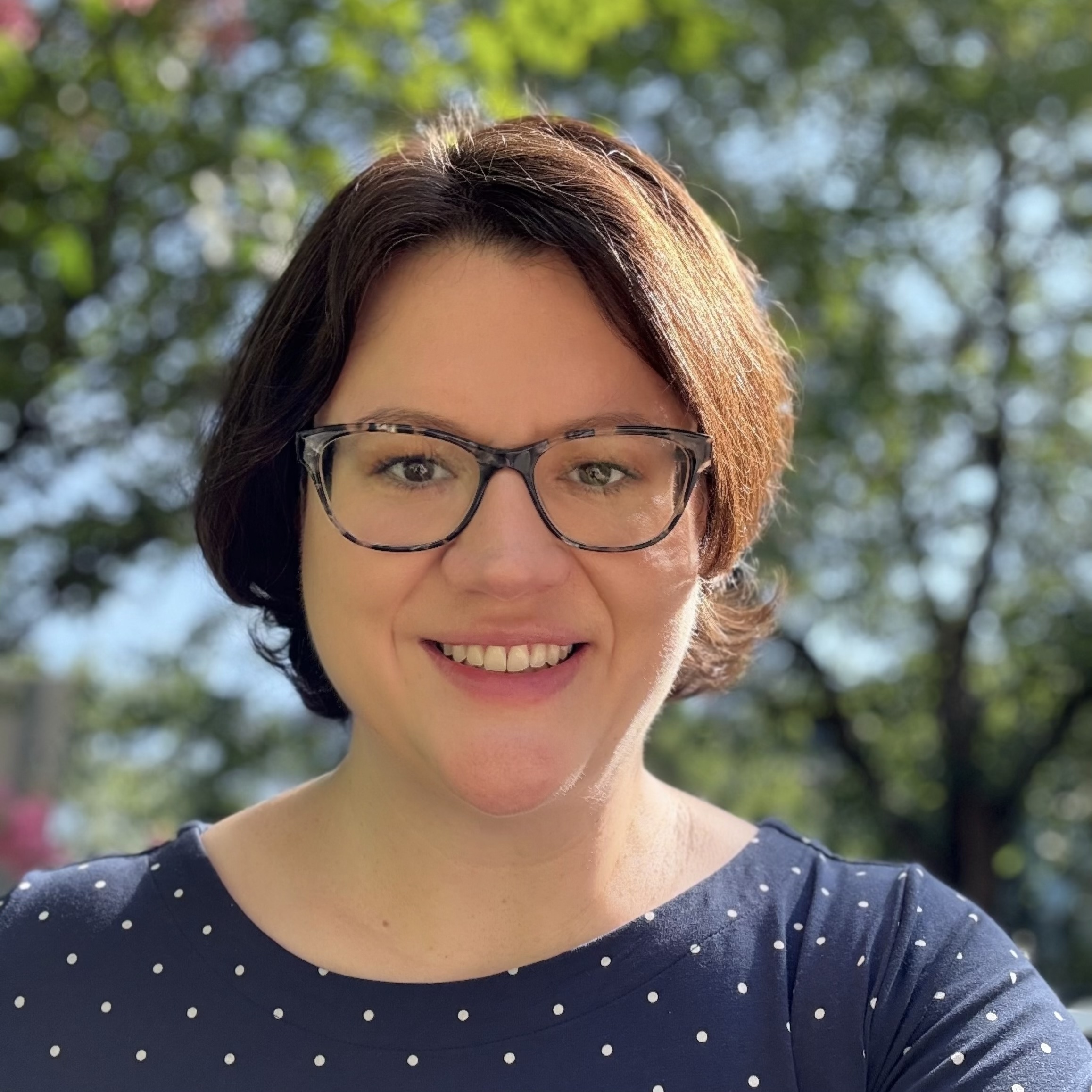
Rebecca Piazza, Executive Director, Safety Net Strategy, Code for America
Rebecca Piazza brings more than 25 years of experience improving how government technology serves the public. As Executive Director of Safety Net Strategy at Code for America, she leads the organization’s work to modernize and improve access to critical public benefit programs like Medicaid, SNAP, and WIC. Rebecca drives strategic priorities and oversees a portfolio of initiatives that make the safety net more effective, accessible, and client-centered. Rebecca brings deep domain knowledge of public benefit programs and the complex federal, state, and local systems that support them. She has served in senior roles across government and the civic tech ecosystem, most recently as Senior Advisor for Delivery and then Chief of Staff at the USDA’s Food and Nutrition Service, where she helped modernize benefit delivery through service design and technology. Her prior leadership at 18F and Nava further grounded her expertise in human-centered design, procurement reform, and large-scale program delivery. With a technical foundation as a former software developer and product manager, Rebecca combines systems thinking with hands-on experience in software development, user research, and digital transformation. Her work is grounded in a commitment to making government services simpler, more respectful, and more accessible for the people who rely on them.

Rachel Pierre, Director, D.C. Department of Human Services
Rachel Pierre serves as Director of the District’s Department of Human Services (DHS), where she leads a workforce of 1,500 employees and manages a budget exceeding $900 million. With more than two decades of experience in nonprofit and government leadership, Rachel is dedicated to advancing equitable access to housing, youth services, and community-based programs.
Since joining DHS in 2020 as Administrator for the Family Services Administration, she has spearheaded initiatives that strengthen the District’s continuum of care for homelessness services, expand federal Block Grant administration, and enhance youth-focused supports. Rachel twice served as Interim Director, ensuring continuity in agency leadership and driving key policy priorities.
Her career began in child welfare and progressed through senior roles, including Chief Operating Officer at Pathways to Housing DC and leadership positions at Lutheran Social Services. She brings expertise in homeless services, juvenile justice diversion, emergency response coordination, and interagency collaboration.
Rachel holds a B.S. in Finance from James Madison University, an M.S.W. from Howard University, and an MBA from the University of Maryland’s Smith School of Business. She is recognized for her strategic vision, collaborative leadership, and commitment to delivering impactful results for District residents

Marina Poudret, Manager, Sourcing, Blue Meridian Partners
Marina Poudret is a sourcing manager at Blue Meridian Partners, an organization that brings philanthropists together to find, fund, and scale solutions that propel economic
and social mobility for America’s young people and families, ultimately transforming life trajectories. Over the last four years, she has led sourcing efforts across workforce, early childhood, financial security, and housing that have resulted in over $125M in investments. Prior to her role at Blue Meridian Partners, she consulted nonprofits, philanthropies, and government agencies across a broad set of projects in the international development field, ranging from strategy development and partnership building to board governance and infrastructure.

Jeramia Garcia Ramadan, Assistant Director, Arizona Department of Economic Security
Jeramia Garcia Ramadan is an Assistant Director at the Arizona Department of Economic Security (DES). DES serves approximately 1 in 3 Arizonans through over sixty programs, ranging from the Supplemental Nutrition Assistance Program (SNAP) to Unemployment Insurance (UI) program. Jeramia leads the Director’s Governance and Innovation team, which is dedicated to developing creative, enterprise level solutions for the most complex human services challenges facing Arizona. She previously served as Policy Administrator and then Deputy Assistant Director in the DES Division of Employment and Rehabilitation Services. Before joining DES in 2019, Jeramia worked for the United States Department of Agriculture (USDA) in Washington, D.C. At USDA, she primarily wrote policy for federal nutrition programs administered by the Food and Nutrition Service. Jeramia also served as a Municipal Development Advisor in the United States Peace Corps in Guatemala. Jeramia was born and raised in Arizona. She received a Bachelor of Science in Public Administration from the University of Arizona and a Masters in Public Policy from the Harvard Kennedy School of Government.

Shreenath Regunathan, CEO and Founder, Starlight
Shreenath Regunathan is the CEO and founder of Starlight, a mission-led startup helping financial institutions connect members with financial resources.
Prior to founding Starlight, Shreenath spent a decade at Google building innovative solutions using data analytics, machine learning, and cloud technologies. His expertise in complex technical systems informs Starlight’s approach to making proactive financial assistance more accessible.
Shreenath’s work combines technical expertise with a genuine commitment to economic inclusion, specifically for low-to-moderate income communities. He focuses on building technology designed to meet people where they are in order to improve financial health and engagement.

Ireri Rivas Mier y Teran, Program Officer, ECMC Foundation
Program Officer Ireri Rivas Mier y Teran oversees a portfolio of grants focusing on supporting and addressing basic needs for postsecondary students from underserved backgrounds. Ireri is responsible for developing and executing a grantmaking and field-building strategy that advances ECMC Foundation’s mission and North Star goal related to postsecondary learners of all walks of life facing basic needs insecurity.
Prior to joining ECMC Foundation, Ireri held various roles in higher education including at TheDream.US, a national scholarship provider for undocumented college students, where she managed the student success initiatives for more than 3,000 scholars at more than 70 partner colleges; and at the University of Chicago, where she advanced the success and persistence of undocumented, first-generation, lower-income, immigrant students and students of color at the undergraduate and graduate level. Ireri began her career as a community organizer where she supported the advancement of social, economic and environmental justice efforts, which included efforts to secure higher education access to immigrant learners. This led to a rich career in higher education where she developed expertise in working with students to advance their empowerment and working with institutions to improve policies, practices and protocols that advance college success and remove barriers for historically underrepresented students.
Ireri holds a Master of Arts from the University of Chicago with a focus on comparative literature and a Bachelor of Arts from the University of Nevada, Reno with an English literature major and a minor in art history.

Stephen Roll, Assistant Professor, Center for Social Development, Washington University in St. Louis
Stephen Roll’s research focuses on promoting asset building, debt management, and economic security in lower-income populations. Working within the Center for Social Development, where he is the Director of Research, he is involved in research on cash transfers, child savings, and the role of public and employer-based benefits programs in promoting (or harming) economic and social mobility.
His most recent work focuses on the role of cash transfer programs in improving household balance sheets and economic mobility outcomes, which includes studies of the Expanded Child Tax Credit and six Guaranteed Income experiments in Georgia, North Carolina, and Missouri.
His work has been featured in numerous media outlets including The Atlantic, The Wall Street Journal, NPR, The Washington Post, and the New York Times, and he has briefed the White House Domestic Policy Council, the Senate Joint Economic Committee, and the United States Supreme Court on the results of his research.
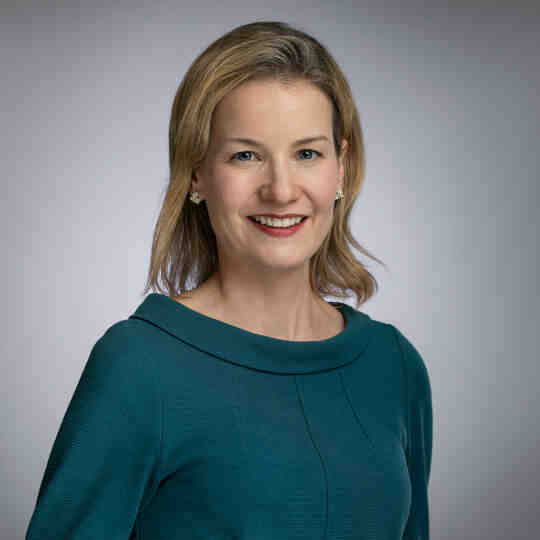
Kathleen Romig, Senior Fellow, Center on Budget and Policy Priorities
Kathleen Romig is a Senior Fellow at the Center on Budget and Policy Priorities. She works on Social Security, Supplemental Security Income, paid leave, and other budget issues.
Romig previously worked at the Social Security Administration, Social Security Advisory Board, and Congressional Research Service. She began her career as a Presidential Management Fellow, during which time she completed an assignment at the Office of Management and Budget.
Romig has a master’s degree in Social Policy from University College Cork, Ireland, where she was a US-Ireland Alliance Scholar, and a B.A. from Michigan State University’s James Madison College.

Andrea Sáenz, President and CEO, Chicago Community Trust
Andrea Sáenz (pronounced ahn-dray-a sigh-enz) is the president and CEO of The Chicago Community Trust, one of the nation’s largest and oldest community foundations. She works to bring to life a vision to realize a stronger and more prosperous Chicago region where access to opportunities transcends race, ethnicity, or zip code. The Trust’s work is professionally fulfilling and deeply personal for Sáenz. She joined the Trust from Chicago Public Library, where she led strategy, program design, and organizational development. Previously, she served as chief of staff at Chicago Public Schools, policy advisor at the U.S. Department of Education, and executive director of HACE, a national nonprofit focused on Latine success in professional careers. She serves on numerous nonprofit boards. Sáenz earned a Master of Public Administration from the University of Pennsylvania and a B.A. from Scripps College.

Paula Sammons, Program Officer, W.K. Kellogg Foundation
Paula Sammons is a Program Officer at the W.K. Kellogg Foundation, where she leads policy and systems change efforts to advance family economic security and mobility nationwide. She brings more than 25 years of experience in philanthropy, specializing in workforce and economic development, asset building, rural economic and community development, job quality, economic justice, and two-generation (whole family) approaches. Her work also includes social safety net supports, environmental justice, water equity, public-private partnerships, trauma-informed coaching, and benefits cliffs.
Paula has led both national and place-based initiatives, including work in Michigan, Mississippi, New Mexico, and Louisiana. Before joining philanthropy, she worked across community mental health, banking, education, nonprofit organizations, and the private sector.
She serves as Board Chair of the Institute for Women’s Policy Research and sits on the steering committees for the Children, Youth and Family Funders Roundtable and the Inclusive Economies Working Group through The Funders Network. Paula is married and lives in Delton, Michigan.

Ellen Schumer, Executive Director, Community Organizing and Family Issues (COFI)
Ellen Schumer is Co-Founder and Executive Director of Community Organizing and Family Issues (COFI) since 1995. Ms. Schumer previously founded and directed the Women Leaders in Action Pilot Project – a Chicago-based women’s leadership development initiative, and before that served as Illinois Political Director and on the national political staff of the American Federation of State, County and Municipal Employees (AFSCME). Ms. Schumer has 50 years of experience working in community organizing and with unions and political campaigns. She began her career working on the campaigns of Congressman Abner Mikva and Senator Paul Simon, on the staff of the Midwest Academy, and as a community organizer with United Neighborhood Organization (UNO). She is the foster and adoptive mother of two (now adults) and a proud grandmother of three Chicago Public School students.

Shelly Steward, Chief Research Officer, The Workers Lab
Shelly Steward, PhD is Chief Research Officer at The Workers Lab, the nation’s home for worker-centered innovation. In this role, she leads a first-of-its-kind Participatory Action Research Center that engages frontline workers across the country as paid research partners to shape labor policy and practice. She also advises organizations and researchers on incorporating participatory methods and design into their work. Her research focuses on gig work, nonstandard employment, and the safety net policies workers depend on, giving her deep familiarity with the benefits landscape and the gaps workers fall through.
Before joining The Workers Lab, Shelly served as Director of the Aspen Institute Future of Work Initiative, where she built a national portfolio on portable benefits and workforce transitions, advising Congressional offices and convening policymakers and business leaders. She has also conducted comparative research on gig working conditions globally as a Research Fellow at Oxford’s Fairwork Project.
She holds a PhD in Sociology from UC Berkeley, where she was a National Science Foundation Graduate Fellow, and a BA from Harvard University. Prior to her career in research and policy, she was a middle school science teacher. She lives in Eugene, Oregon with her wife and dog, Jack.

Paige Swanstein, Co-Founder and Executive Director, Student Basic Needs Coalition
Paige Swanstein is the co-founder and Executive Director of the Student Basic Needs Coalition, a national nonprofit working to expand college affordability by connecting students to public benefits and basic needs resources. After experiencing food insecurity while working multiple jobs in college, Paige founded SBNC in 2020 to address the growing gap between students and the support systems designed to help them succeed. Under her leadership, SBNC has partnered with more than 100 campuses nationwide and helped connect students to millions of dollars in food assistance and other benefits. Paige’s work sits at the intersection of technology, policy, and student leadership, with a focus on building scalable systems that improve student outcomes. She has been featured in Forbes, published in Fast Company, and speaks nationally about college affordability, public benefits access, and higher education reform.

Stacy Taylor, Vice President, Policy, Propel
Stacy McLoughlin Taylor is VP of Policy & Partnerships at Propel, a mission driven technology company whose app serves over 5 million SNAP recipients nationwide. She leads government partnerships, federal policy, and Propel’s philanthropic arm, including emergency cash assistance programs for families facing sudden hardship from policy disruptions, natural disasters, and economic shocks. Her work focuses on reducing administrative burden and connecting families to vital support with dignity and care.
Prior to Propel, Stacy worked with organizations including LIFT, The Fund for Shared Insight’s Listen 4 Good, Community Financial Resources, The Food Trust, and University of Pennsylvania’s Center for High Impact Philanthropy to improve access to social services.
Stacy holds an MBA from Stanford Graduate School of Business and an MPA from Princeton’s School of Public and International Affairs, where she was awarded the Somers Prize for distinguished academic and public service.

Rebecca Vallas, CEO, National Academy of Social Insurance
Rebecca Vallas is the Chief Executive Officer of the National Academy of Social Insurance. Rebecca brings two decades of experience shaping economic policy and social insurance, with a career that spans federal and state policy, legal advocacy, and narrative strategy. Most recently, she was a senior fellow at The Century Foundation, where she founded the organization’s disability economic justice work, and launched a national bipartisan campaign to modernize SSI’s outdated asset limits.
A former legal aid attorney and one of the founding architects of the Clean Slate criminal record-clearing model—now law in over a dozen states—Rebecca has testified before Congress numerous times and her work has been featured by a wide array of outlets including The New York Times, Washington Post, NPR, MSNBC, Fox News, the Wall Street Journal, and CNN. She also previously held leadership roles at the Center for American Progress, where she oversaw the organization’s antipoverty work and originated its disability work, and the National Organization of Social Security Claimants’ Representatives.
Formerly the host and creator of the Off-Kilter podcast, Rebecca is excited to be developing It Doesn’t Have to Be This Way, a forthcoming podcast exploring how we reimagine broken systems to better serve people and communities—featuring conversations with changemakers at the frontlines of policy and social change. In her personal practice, she is a trained astrologer, energy healer, and spiritual coach. When she isn’t in Washington, D.C., she spends her time on a farm in Charlottesville, Virginia, with her husband and four rescue cats.

Jennifer Wagner, Director of Medicaid Eligibility & Enrollment, Center on Budget and Policy Priorities
Jennifer Wagner is the Director of Medicaid Eligibility & Enrollment with the Center on Budget and Policy Priorities. She focuses on how policy, operations, and technology can improve the enrollment experience for clients and staff and ensure more eligible individuals access needed supports, particularly in Medicaid and SNAP. Previously, she was an Associate Director with the Illinois Department of Human Services where she was responsible for SNAP and TANF policy and oversaw local office operations statewide that determined eligibility for SNAP, TANF, and Medicaid. Jennifer helped lead the modernization of policy, business processes, and technology in connection with Affordable Care Act implementation in Illinois. She was a Skadden Fellow at the Sargent Shriver National Center on Poverty Law, is a 2008 graduate of Northwestern University School of Law, and holds a B.S. from the University of Wisconsin – Madison.

Dorian Warren, Co-President, Community Change
Dorian is co-president of Community Change – an organization founded in 1968 by civil rights, labor and community leaders to honor the memory of Robert F. Kennedy’s fight to end poverty in America – and Community Change Action, its political arm. He is also the co-founder of the Economic Security Project, an innovative social impact organization that has already shifted the national conversation around cash, economic power and economic security.
Warren taught for over a decade at the University of Chicago and Columbia University, where he was co-director of the Columbia University Program on Labor Law and Policy. He’s the co-author of The Hidden Rules of Race, co-editor of Race and American Political Development, and has penned numerous academic articles. He also worked at MSNBC, where he was a Contributor, fill-in host for “Melissa Harris-Perry” and “Now with Alex Wagner” as well as the Host and Co-Executive Producer of “Nerding Out” on MSNBC’s digital platform (now Peacock). Dorian also co-hosted the “System Check” podcast at The Nation and the “Deep Dive” podcast on The Takeaway with Melissa Harris-Perry. He was previously a Fellow at the Roosevelt Institute and serves on the boards of the Leadership Conference on Civil and Human Rights Education Fund, the Center for American Progress (CAP) Action Fund, Economic Security Project, Amalgamated Bank Foundation, and The Nation Magazine Editorial Board, among others. He is also part of the Advisory Circle for Rx Kids.

Molly Weston Williamson, Benefits Futures Innovator, Benefits Futures Studio
Molly Weston Williamson is a policy expert whose work focuses on paid leave, Social Security, and the needs of a changing workforce. She is a Senior Fellow with the Center for American Progress and leads the policy work of Paid Leave For All. She was appointed by Gov. Ned Lamont to the Board of Directors of the Connecticut Paid Leave Authority, where she currently serves as Vice Chair. Previously, she was the Director of Paid Leave and Future of Work at A Better Balance and clerked for the Honorable Thomas L. Ambro of the Third Circuit Court of Appeals. She graduated Phi Beta Kappa with high honors from Swarthmore College and received her J.D. from Yale Law School.

Mike Wilkening, Senior Fellow, Aspen Institute Financial Security Program
Michael Wilkening is a Senior Fellow in the Financial Security Program at the Aspen Institute. Over his 25+ years in government service, Wilkening has served in numerous leadership roles, including as Secretary of the California Health and Human Services Agency (CalHHS) and as a Senior Advisor for Technology and Delivery at the US Health & Human Services Agency and in the Executive Office of the President. Wilkening was California’s first Special Advisor to the Governor on Innovation and Digital Services. In this role, he chaired the Innovation & Technology Task Force, connecting the public and private sectors to design and utilize innovative approaches to shape California’s response to the COVID-19 pandemic. During his time as Secretary, he was the Chair of Covered California. Before serving as Secretary, Wilkening was Undersecretary of CalHHS for nearly a decade.

Khadijah Williams, Policy and Advocacy Director, LIFT
As the National Director of Policy and Advocacy at LIFT, Inc., Khadijah leads the design and implementation of a brand new advocacy and policy growth strategy that aims to influence systemic change and eliminate poverty. Passionate about centering families in policy making and advancing 2-generation economic mobility, Khadijah also serves in multiple appointed advisory roles supporting the economic mobility of unhoused and low-income individuals and families.
Previously, Khadijah was the Senior Manager of Family and Community Engagement at Rocketship Public Schools, where she set the vision and led the region-wide family engagement strategy and supported families in executing grassroots campaigns for education equity, and Legislative Specialist/ Program Associate at the Offices of Ombudsman for Public Education and Student Advocate, where she resolved complaints regarding public education, supported families in navigating the DC education system, and made recommendations to policy makers, government, and elected officials.
Personally, Khadijah’s incredible story of surviving chronic homelessness has been covered by the Oprah Winfrey Show, The New York Times, the Los Angeles Times, and Essence Magazine. She is regularly asked to speak to graduate schools, organizations, and with the media, combining her unique lived experience and professional expertise to pose thoughtful questions and propose creative solutions to addressing our most pressing social economic problems.

Hope Wollensack, Executive Director, Georgia Resilience and Opportunity Fund
Hope Wollensack is the Founder and Executive Director of the Georgia Resilience & Opportunity (GRO) Fund, an organization dedicated to advancing bold, evidence-based, and community-driven solutions to eliminate poverty and narrow the racial wealth gap. GRO invests cash and capital directly into people through two flagship initiatives: In Her Hands, a $30 million guaranteed income program, and Freedom Futures: Cash for Today, Capital for Tomorrow, the first accelerated Baby Bonds pilot program in the country.
Hope began her career as an organizer, teacher, and assistant principal before serving as a senior strategist at the Economic Security Project. She holds a Master of Public Affairs from Princeton’s School of Public and International Affairs and a Bachelor of Arts from Tufts University, where she was among the founding contributors to the Africana Studies program.
Aspen Institute Financial Security Program Staff

KC Boas, Lead, Retirement Savings Initiative
KC Boas is the Retirement Initiative Lead at the Aspen Institute Financial Security Program. A longtime advocate for a holistic, people-centered approach to wealth building, KC works across the public and private sectors to develop retirement solutions that benefit all households. She is especially focused on increasing access, reducing friction, and raising awareness within the U.S. retirement system. KC frequently speaks on these topics at investment and retirement industry events and in the media.
Prior to joining Aspen, KC spent a decade at BlackRock, where she helped design and scale retirement solutions that reached more than 80,000 plans and 40 million Americans. She has researched and written extensively on retirement income and played a leading role in the development of an innovative lifetime income solution for defined contribution plans. A passionate advocate for women’s financial security, KC has been recognized for her leadership in the industry and her efforts to advance gender equity.
KC holds a Bachelor’s in Classical Studies and Anthropology from the University of Pennsylvania. She recently returned to her home state of Virginia and lives in Falls Church with her husband, Henry, and their sheepadoodle, Nessie (yes, like the Loch Ness Monster).

Steven Brown, Director, Insights and Evidence
Steven Brown is the Director of Insights and Evidence for the Aspen Institute Financial Security Program. His work focuses on understanding the structural factors that impact wealth building and inclusive economic opportunity. At Aspen, he has led efforts to identify and narrow the gap between the wealth people have and the wealth people need.
His professional work has focused on understanding the structural factors that impact wealth building and inclusive economic opportunity. At Aspen, he has led efforts to better understand access to wealth building. Prior to Aspen, he was a director at the Washington Center for Equitable Growth and a senior policy advisor at the U.S. Department of the Treasury. He also spent several years at the Urban Institute, where he helped lead the development of a new research unit and authored numerous briefs and reports on racial wealth gaps, economic mobility metrics, and advancing equity through data. His research and perspective have been cited in The Washington Post, CNN, Marketplace, NPR, and The New York Times.
He holds a bachelor’s degree from Princeton University and a master’s degree in sociology from Harvard University, where he was also an inequality and social policy doctoral fellow

Alex Coccia, Senior Policy Manager, Benefits Transformation Initiative
Alex Coccia, Ph.D., is a human services expert with over 10 years of experience in policy, research, and practice supporting anti-poverty and economic security efforts. As Policy Manager at the Aspen Institute Financial Security Program, he works with leaders across levels of government to design, improve, and enact policies and practices for public benefits delivery and financial security. His work focuses on making public systems robust, responsive, and accountable to people and communities who have long been excluded from them. Before joining the Aspen Institute, Alex was a senior policy analyst at the Center for the Study of Social Policy, where he led coalitional efforts calling for an expanded, fully refundable and inclusive Child Tax Credit and improving the delivery of public benefits across the tax and human services systems. Alex has also held roles at Children’s Defense Fund Ohio and the U.S. Department of Health and Human Services. Alex holds a Doctor of Philosophy in Politics and a Master of Philosophy in Comparative Social Policy from the University of Oxford, where he was a Rhodes Scholar. He received a Bachelor of Arts in Africana Studies and Peace Studies from the University of Notre Dame.

Sheida Elmi, Associate Director, Insights and Evidence
Sheida Isabel Elmi (she/her/ella) is an Associate Director at the Aspen Institute Financial Security Program, where she helps lead research, drive strategy, and direct staffing for the Insights and Evidence team. Where possible, she advances a Person-Centered Insights methodology that elevates people’s lived experiences to inform solutions to improve family financial well-being. Her research illuminates the financial challenges and opportunities facing families today, on topics including climate stressors and disasters, public and workplace benefits design, and cash and savings. Previously, Sheida was an Associate Manager with The Pew Charitable Trusts. There, she led in-depth interviews and focus groups and conducted quantitative analyses related to income volatility, financial instability, and wages and benefits. Before that, she was a Research Analyst at MEF Associates, where she helped evaluate federal programs aimed at promoting economic security through higher education, matched-savings accounts, and employment and training programs. Sheida holds a Master of Public Policy degree from UC Berkeley, and a bachelor’s degree in political science and international studies from Northwestern University. She is a member of the Guaranteed Income Community of Practice and previously served on the Board of Capital Area Asset Builders (CAAB).

Bianca Lopez, Senior Research Associate, Insights and Evidence
Bianca Lopez is a Senior Associate with the Aspen Institute Financial Security Program where she works to advance person-centered research with the goal of surfacing the primary financial challenges households face today. Bianca has conducted research on a wide range of topics including public benefits access, wealth building, and climate. Prior to joining Aspen FSP, she gained experience in a variety of roles such as interning with members of the United States Congress, volunteering with Arriba Juntos and the San Francisco Living Wage Coalition, and helping with gubernatorial and congressional campaigns in California. She first joined Aspen FSP as a Graduate Fellow while pursuing her Master of Science in Public Policy and Management at Carnegie Mellon University’s Heinz College of Information Systems and Public Policy. She also holds a Bachelor of Arts in Political Science and International Development from the University of California, Los Angeles. She serves on the Board of the Mission Economic Development Agency (MEDA).

Tim Shaw, Director, Benefits Transformation Initiative
As the Director of the Benefits Transformation Initiative and Senior Policy Advisor for the Financial Security Program, Tim works to advance promising policies that address the most pressing financial security challenges facing people in America. Working with leaders across levels of government, Tim and Aspen FSP’s Benefits team seek to provide policy, nonprofit, and market leaders with the innovative ideas, research, and networks of leaders they need to design and enact policies that help people weather financial shocks and comfortably afford everyday life. Before joining the Aspen Institute, he was an Associate Director for Economic Policy at the Bipartisan Policy Center. While there, he was the policy lead for BPC’s Paid Family Leave Task Force and led projects on economic opportunity, retirement security, and fiscal policy. Prior to that work, he was a tax and budget staffer at the Government Accountability Office. His work has been featured in numerous publications, including the Washington Post, Politico, and the Wall Street Journal. Tim holds a Bachelor of Arts in Political Science and Spanish from Washington University in St. Louis and a Master of Public Policy and Management from Carnegie Mellon University.

Joanna Smith-Ramani, Co-Executive Director
Joanna Smith-Ramani is Co-Executive Director of the Aspen Institute Financial Security Program, a leading national voice on Americans’ financial security. Working with the team, she is building a cross-sector community of leaders (Joanna calls her “quirky Thanksgiving table”) who, together, are using their shared wisdom and humanity to deeply investigate and solve the most critical financial challenges facing U.S. households. Joanna has over 20 years of experience across community, personal finance, and financial security. Before joining FSP, Joanna served as Senior Innovation Director at Commonwealth, leading the unit that designs, tests, and evaluates promising financial service innovations. Additionally, Joanna led several federal grants, developed and sustained national coalitions, and built a network of industry partners. Joanna has led national and state legislative campaigns resulting in the passage of a federal law and more than ten state laws expanding savings innovation across the nation. She is a trusted expert on financial security and inclusion, having been quoted in numerous national and local media outlets such as the New York Times, National Public Radio, and Fox Cable News. Joanna holds a Master of Public Policy degree from the Harvard Kennedy School and a B.A. in Urban Studies from Barnard College, Columbia University. She serves on the Board of the CASH Campaign of Maryland, Community Organizing and Family Issues, and Business for America’s Future Fund.

Kira Tebbe, Senior Manager, Benefits Transformation Initiative
Kira Tebbe is a Senior Manager at the Aspen Institute Financial Security Program, where she works to ensure that public benefits systems are resilient and accessible to those who need them. Working with leaders across government, nonprofits, and the private sector, Kira leads initiatives that strengthen how benefits programs are designed and delivered via coalitions, pilots, and convenings.
Previously, Kira co-founded the Digital Service team at the Administration for Children and Families (the second-largest division of the U.S. Department of Health and Human Services) where she applied technology, design, and data to improve operations and customer experience across numerous nationwide programs. Prior to that, she was a data scientist at IBM Watson Health and EF Education First. Her work has been featured in the New York Times, the Washington Post, and Digital.gov.
Kira holds a Bachelor of Arts in Applied Math and Sociology from Yale University and a Master of Business Administration from The University of Chicago Booth School of Business.

Emily Wilson, Senior Development Manager
Emily I. Wilson is the Senior Development Manager at the Aspen Institute Financial Security Program, where she serves as a key strategic and operational partner to FSP’s management team, as well as finance and communications functions. She oversees all aspects of fundraising operations, ensuring that development efforts align with FSP’s priorities and impact goals to address wealth inequality in the U.S. and build an inclusive economy. She is passionate about leveraging capital for social impact and driving philanthropic dollars towards a more inclusive and sustainable future for all.
Before joining Aspen FSP, Emily worked in impact investing at Upstart Co-Lab, where she helped launch the Inclusive Creative Economy Strategy—the first impact investing vehicle dedicated to the U.S. creative industries. She began her career in the nonprofit arts sector and has over a decade of experience in front-line fundraising and donor relations for regional theaters along the East Coast, including the American Repertory Theater (Cambridge, MA), Shakespeare Theatre Company (Washington, DC), and Imagination Stage (Bethesda, MD).
Emily holds a Master of Liberal Arts in Management from Harvard University, with a focus on finance and innovation/entrepreneurship. She earned dual Bachelor of Arts degrees in Theatre, Dance, & Performance Studies and English Language and Literature from the University of Maryland.
