

Driving Purpose and Context
We find ourselves at a paradox of progress. Financial innovation has succeeded in bringing more households into the fold than ever before, yet the measure of a truly inclusive system—long-term financial security—remains elusive for millions. While we have fundamentally transformed how households access and use financial products and services, we have yet to close the gap on how they benefit from them.
Today’s consumer navigates a landscape of unprecedented choice, yet these solutions often exist in silos. The result is a stacking of products that may offer immediate utility but creates a fragmented, opaque, and often precarious financial picture. No single provider sees the whole person; consequently, the system struggles to deliver a whole solution. The purpose of this Leadership Forum is to move beyond the metrics of participation and confront the “so what” of inclusive finance. We are here to harness the art of what is possible today to architect a system that doesn’t just function but delivers.
Table of Contents
We are pleased to have Wells Fargo, JPMorganChase, Edward Jones, and Gen as partners in sponsoring the Forum.
Agenda
*All times are in Eastern Time.
Monday, June 1
4:30 p.m.
Welcome Remarks and Grounding
The Leadership Forum will kick off with welcoming remarks and grounding in our key themes and questions.
- Joanna Smith-Ramani, Co-Executive Director, Aspen Institute Financial Security Program
- Kate Griffin, Director, Inclusive Financial System, Aspen Institute Financial Security Program
4:45 p.m.
Text-Based Dialogue
In the tradition of the Aspen Institute, we will begin the Leadership Forum with a dialogue session using a curated text as a common anchor to ground the Forum in shared values.
Facilitators
- Erin Borġ, Associate Director, Inclusive Financial System, Aspen Institute Financial Security Program
- Genevieve Melford, Managing Director, Aspen Institute Financial Security Program
- Ida Rademacher, Vice President and Co-Executive Director, Aspen Institute Financial Security Program
- Joanna Smith-Ramani, Co-Executive Director, Aspen Institute Financial Security Program
6:15 p.m.
Evening Reception and Dinner
Tuesday, June 2
7:30 a.m.
Breakfast Available
9:00 a.m.
Welcome and Introductions
9:30 a.m.
Opening Dialogue
To move the needle on a truly inclusive financial system, we must first reckon with what the data says about the realities of American households. We will anchor our inquiry in two foundational Aspen Institute Financial Security Program (Aspen FSP) frameworks:
- The Financial Security Framework: positions wealth as the North Star, with stability (cash flow, debt management) and resilience (shocks, insurance) as the non-negotiable building blocks.
- The State of an Inclusive Financial System (SIFS): a benchmark that tracks the transition from access (do they have it?) and use (do they engage?) to benefit (does it actually improve their life?).
- Steven Brown, Director, Insights and Evidence, Aspen Institute Financial Security Program
- Robin McKinney, CEO, CASH Campaign of Maryland
- Sarah Willis Ertur, Executive Vice President, SaverLife
- Kate Griffin, Director, Inclusive Financial System, Aspen Institute Financial Security Program (moderator)
10:30 a.m.
Coffee Break
10:50 a.m.
Financial Inclusion is Dead. Long Live Financial Inclusion.
Over the last year, the external landscape for inclusion has shifted dramatically. Financial institutions are navigating a complex reconfiguration of the inclusive finance ecosystem—grappling with DEI headwinds, a tightening capital market, and the rapid adoption of AI tools across functions in financial services companies. This session asks: In the face of these forces, how has the “inclusion mandate” changed within your four walls? Who are you building for?
- Erin Borġ, Associate Director, Inclusive Financial System, Aspen Institute Financial Security Program (moderator)
- Erin Archuleta, Head of External Affairs and Social Responsibility, Block, Inc.
- Nadia van de Walle, Head of Banking Inclusion and Partnerships, Wells Fargo Consumer Banking and Lending
11:40 a.m.
Fireside Chat
It’s been an interesting year for state regulators, to say the least. This fireside chat will tackle what values-based leadership has looked like over the past year. It will also explore building wealth during an affordability crisis and the challenge of balancing financial innovation with the systemic stability essential for long-term financial security.
- Acting Superintendent Kaitlin Asrow, New York Department of Financial Services
- Joanna Smith-Ramani, Co-Executive Director, Aspen Institute Financial Security Program (moderator)
12:00 p.m.
Lunch and Mapping Inclusive Finance
Before you head to lunch, join us in a mapping exercise designed to answer the question: Where does “inclusion” actually live? Not in the mission statement, but in the reporting lines, the budget buckets, and the product roadmaps. Following insights from our Working Group on Inclusive Finance, we recognize that institutional design often dictates the ceiling of our impact. To move from access to benefit, we must first understand the internal terrain we are navigating. We will ask you to step back from the “what” of your work to visualize the “where.” These anonymous maps will be collected and synthesized by the Aspen FSP team overnight. Tomorrow morning, we will reveal the collective “Landscape of Inclusion,” providing a rare, cross-sector look at how our organizational designs are (or aren’t) built to deliver on long-term financial security.
1:15 p.m.
Survey Results and Whole Group Dialogue
1:45 p.m.
Small Group Dialogue: “The Question(s) We’re Avoiding”
Rather than a polite call to action, this dialogue is a rapid-fire reckoning, designed to pierce the sometimes stale atmosphere of traditional inclusion discourse by finally addressing the elephants in the room: the questions we usually reserve for the post-event bar.
Facilitators
- Laila Bera, Program Associate, Inclusive Financial System, Aspen Institute Financial Security Program
- Erin Borġ, Associate Director, Inclusive Financial System, Aspen Institute Financial Security Program
- Nick Bourke, Senior Policy Advisor, Inclusive Financial System, Aspen Institute Financial Security Program
- Kate Griffin, Director, Inclusive Financial System, Aspen Institute Financial Security Program
2:30 p.m.
Failure Salon
This session is designed to be the intellectual palate cleanser of the Forum. In this high-trust, real-talk environment where the industry’s top capital allocators move past cool ideas to perform an autopsy on the ideas that didn’t make it. In the pursuit of an inclusive financial system, the “cemetery” of failed fintechs and discarded bank pilots holds more wisdom than the highlight reels of successful exits. We often see products that are great for the customer on paper but wither in the real world of unit economics, regulatory friction, or other factors. We will look at the long arc of inclusive finance to understand why certain innovations failed to bridge the gap from access to benefit or failed to find a sustainable business model. How has the scar tissue from these failures changed how these investors think about what’s next?
- Tahira Dosani, Managing Partner, ResilienceVC
- Susan Ehrlich, Partner, Core Innovation Capital
- Evelyn Stark, Managing Director, Financial Health, ideas42
- Ida Rademacher, Vice President and Co-Executive Director, Aspen Institute Financial Security Program (moderator)
3:15 p.m.
Day Two Wrap Up
3:30 p.m.
Break
3:45 p.m.
Afternoon Activities
- Pottery
- Oyster Ecology
- Pickleball
- Kayaking
6:00 p.m.
Dinner and Evening Reception: Inevitable or Delusional Showdown
Facilitated by Aspen FSP Senior Policy Advisor Nick Bourke, this dinner session is designed to be high-energy and intellectually playful, leveraging Nick’s reputation for deep policy expertise and his improviser spirit to consumer finance.
Wednesday, June 3
7:30 a.m.
Breakfast Available
9:00 a.m.
Morning Reflection and Dialogue
After two days of gut checks, organizational mapping, and the radical honesty of the “Failure Salon,” we begin our final day by taking the pulse of the room. This is not a recap of the agenda but an inquiry into what is sticking. In the wake of last night’s “Question(s) We’re Avoiding” session, what ideas are still haunting the conversation?
9:30 a.m.
Table Talks
We will be listening closely over the first 48 hours to identify where the energy is, and we’re dedicating this session to the topics you want to talk about most. Led by our table captains, these sessions offer two fast-paced rounds to drill down into some hot topics. You’ll have the chance to switch tables halfway through, ensuring you can contribute to the conversations that matter most to your work.
Potential deep-dive topics include:
- AI in Personal Finance Management
- The Regulatory Environment
- Sports Betting and Prediction Markets:
- Continuing the most provocative debates from last night’s dinner.
10:15 a.m.
Check Out Break
10:45 a.m.
Where Does Inclusive Finance Live?
As we prepare to return to our respective institutions, we must reconcile our shared vision for a financial system that delivers on its promise of long-term financial security with the structural reality of our organizations. Kate Griffin will begin by revealing the synthesized results of our anonymous hand-drawn org chart exercise. This non-representative, insider-only sample provides a rare snapshot of the geography of inclusion in 2026. We will look at where inclusion is physically and fiscally located. We will discuss what tracks with our assumptions and, more importantly, what surprises us.
11:15 a.m.
Changemaking Within an Institution
This panel brings together seasoned leaders who have navigated the “lowercase p” policies of institutional change. Discussion will draw on the lessons from the Beneficial State Foundation’s Underwriting for Racial Justice and Aspen FSP’s partners in values-based leadership.
- Kate Griffin, Director, Inclusive Financial System, Aspen Institute Financial Security Program (moderator)
- Erin Kilmer Neel, Executive Director, Beneficial State Foundation
- Mercedeh Mortazavi, Head of Financial Health, JPMorganChase
11:45 a.m.
Whole Group Dialogue
As we reach the final stage of our morning’s exploration, we transition from observing the geography of our industry to defining our own roles within it. This facilitated whole-group dialogue serves as the connective tissue between the structural realities revealed in our hand-drawn org charts and the personal leadership required to navigate them. We will engage in a final whole group dialogue on the values-based leadership necessary to bridge the gap between the current state of our institutions and a vision of long-term financial security.
12:15 p.m.
Closing
Wrap Up and Lunch Available
12:30 p.m.
Adjourn
Participant List
Alexei Alexandrov
Researcher
Erin Archuleta
Head, External Affairs and Social Responsibility
Block, Inc.
Acting Superintendent Kaitlin Asrow
New York Department of Financial Services
Desmond Brown
Assistant Director, Consumer Populations
CFPB
Kelvin Chen
Head of Policy
Consumer Bankers Association
Tyler Curtis
Director, Office of Consumer Policy
U.S. Department of the Treasury
Tahira Dosani
Managing Partner
ResilienceVC
Darren Easton
Susan Ehrlich
Partner
Core Innovation Capital
Amelia Erwitt
Chief Operating Officer
Cities for Financial Empowerment Fund
Tim Flacke
Cofounder and CEO
Commonwealth
Danny Friel
Lead Economist
Chime
Scott Fulford
Author
The Pandemic Paradox
Thea Garon
Director, Financial Well-Being
Urban Institute
Nataša Goronja
Managing Director
Center for Financial Inclusion
Melissa Grober-Morrow
Vice President, Impact & Special Initiatives
Washington Center for Equitable Growth
Delicia Hand
Senior Director, Digital Marketplace
Consumer Reports
Nicole Heckman
Vice President, Financial Wellbeing Programs
AARP Foundation
Erin Kilmer Neel
Executive Director
Beneficial State Foundation
Melissa Koide
CEO
FinRegLab
Claire Kramer Mills
Director of Community Analysis and Insights
Federal Reserve Bank of New York
Adeeb Mahmud
Strategy Advisor
Cathie Mahon
CEO
Inclusiv
Robin McKinney
CEO
CASH Campaign of Maryland
Caroline Melear
Fellow, Finance, Insurance & Trade
R Street
Louann Millar
Business Execution Director
Wells Fargo
RaShawn Mitchell
Head of Government Affairs
MoneyLion, a Gen Digital Company
Bill Mogavero
Community Benefits Plan – Business Advisory Manager
Capital One
Mercedeh Mortazavi
Head of Financial Health
JPMorganChase
Brenton Peck
Vice President, Financial Health Strategy
U.S. Bank
John Pitts
Vice President of Government Relations, Public Affairs, and Social Impact
Affirm
Courtney Robinson
Head of Policy & Communications
Akoya
Rocio Sanchez-Moyano
Senior Researcher
Federal Reserve Bank of San Francisco
Solveig Singleton
Policy Analyst
Cato Institute
Evelyn Stark
Managing Director, Financial Health
ideas42
Santiago Sueiro
Senior Policy Analyst
UnidosUS
Rajitha Swaminathan
Chief Program Officer
Grameen America
Corey Tellez
Head of U.S. Policy
PayPal
Nadia van de Walle
Head of Banking Inclusion & Partnerships
Wells Fargo Consumer Banking & Lending
Ashley Wessier
Chief of Staff
Neighborhood Trust Financial Partners
Dana Wiggins
Director, Center for Economic Justice
Virginia Poverty Law Center
Dafina Williams
Chief Public Policy Officer and Head of Government Affairs
Opportunity Finance Network
Sarah Willis Ertur
Executive Vice President
SaverLife
Brooke Ybarra
Senior Vice President, Innovation & Strategy
American Bankers Association
Aspen Institute Financial Security Program Staff
Laila Bera
Program Associate, Inclusive Financial System
Erin Borġ
Associate Director, Inclusive Financial System
Nick Bourke
Senior Policy Advisor
Steven Brown
Director, Insights and Evidence
Kate Griffin
Director, Inclusive Financial System
MegAnne Liebsch
Communications Manager
Genevieve Melford
Managing Director
Ida Rademacher
Co-Executive Director
Joanna Smith-Ramani
Co-Executive Director
Participant Biographies

Alexei Alexandrov, Researcher
Alexei works on research projects in consumer finance, housing, and tech with multiple organizations. Alexei served as the chief economist of the US Federal Housing Finance Agency and as a senior economist and, later, as an AI Fellow at the US Consumer Financial Protection Bureau. Alexei also led teams of economists and machine learning scientists at Amazon and at Wayfair. Alexei started his career as a professor at the University of Rochester.

Erin Archuleta, Head, External Affairs and Social Responsibility, Block, Inc.
Erin Archuleta is Head of Global External Affairs and Social Responsibility at Block, Inc., leading stewardship, sustainability, and impact investments across Square, Cash App, Afterpay, TIDAL, Bitkey, and Proto. She helps organizations strengthen connections to the communities they serve.
A seasoned leader in corporate social responsibility, public policy, and community engagement, Erin is dedicated to building integrity-driven strategies that foster positive social and economic impact. She has owned and operated restaurant properties for fifteen years, earning Michelin and Zagat recognition. Her honors include the Powerful Women of the Bay Award, San Francisco Business Times Most Influential Women in Business, and the City of San Francisco’s Small Business Week Award.
Previously, Erin served as Interim Executive and Head of Global Operations and Strategy for 826 National, a literacy nonprofit. She is a board member of Factory Two, Flint, Michigan’s makerspace supporting entrepreneurs and small business development.
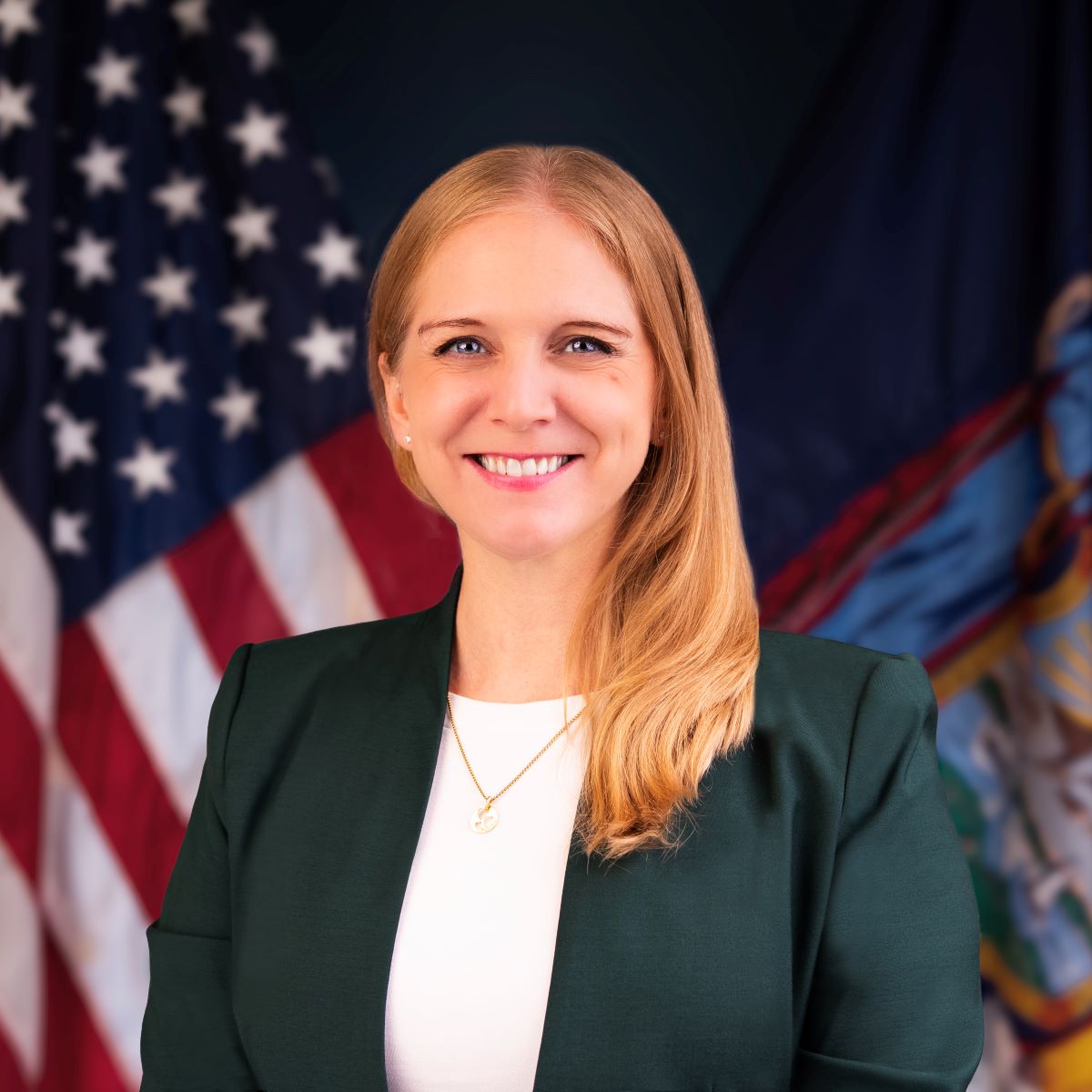
Kaitlin Asrow, Acting Superintendent, New York State Department of Financial Services
Kaitlin Asrow was appointed Acting Superintendent of the New York State Department of Financial Services (DFS) by Governor Kathy Hochul effective October 18, 2025.
Prior to her appointment, she served as Executive Deputy Superintendent of the Department’s Research & Innovation Division where she led the regulation of virtual currency entities, including BitLicenses and limited purpose trust companies. Under her leadership, DFS developed one of the world’s most sophisticated regulatory frameworks for digital assets and issued 11 pieces of groundbreaking regulatory guidance, helping to establish a global gold standard for virtual currency oversight. Acting Superintendent Asrow also oversaw Department-wide initiatives on innovation policy, economic research, financial inclusion, and data governance. Since joining DFS in 2022, she has played a key role in advancing the Department’s operational modernization and transformation efforts.
Before her tenure at DFS, Acting Superintendent Asrow served as a Senior Policy Advisor for both the Bank of San Francisco and the Board of Governors within the Federal Reserve System. In that capacity, she led supervision and policy initiatives across the Federal Reserve System and coordinated innovation policy among the 12 district banks, the Federal Reserve, the Office of the Comptroller of the Currency (OCC), and the Federal Deposit Insurance Corporation (FDIC). Her work focused on emerging financial technologies, data governance and management, data privacy, and artificial intelligence.
Prior to the Federal Reserve, she worked for the Center for Financial Services Innovation, now the Financial Health Network, the leading authority on consumer financial health. A recognized leader in financial services innovation and policy, entity supervision, and research design, Acting Superintendent Asrow has published extensively on data policy, including an evaluation of data protection and data rights in the United States and a review of Open Banking. She holds a Bachelor of Arts from Stanford University and a Master of Public Policy from the University of Chicago.
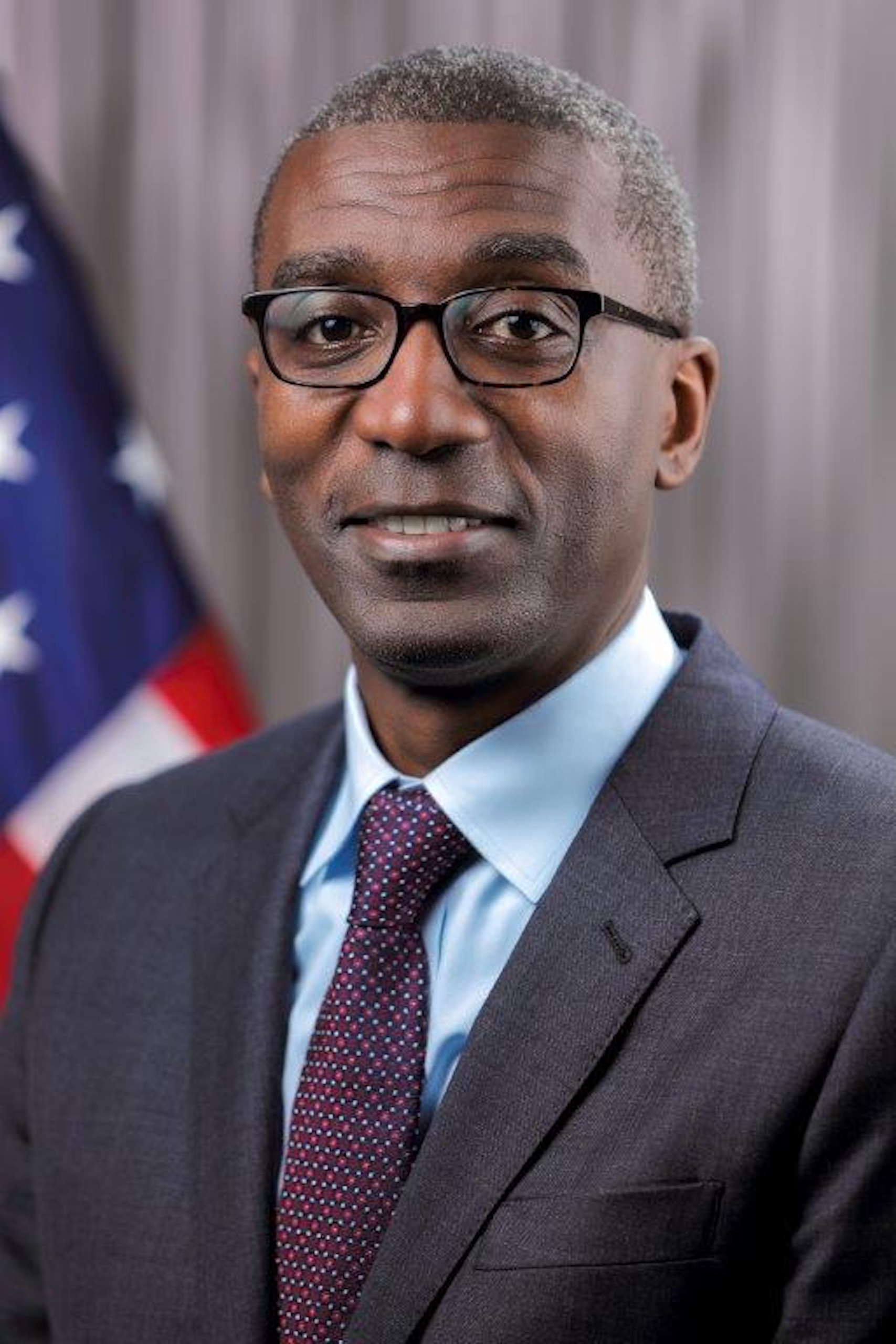
Desmond Brown, Assistant Director, Consumer Populations, CFPB
Desmond Brown currently serves as the Principal Assistant Director for the Office of Consumer Populations at the Consumer Financial Protection Bureau. In this role, he works to shape Bureau policies and develop strategies and tools to help consumers in the United States gain access to safe and affordable financial products and services. He leads the Office’s efforts to identify and elevate barriers and financial challenges facing consumers including Traditionally Underserved Consumers, Students and Young Consumers, Older Americans, and Servicemembers and Veterans.
The Office of Consumer Populations leverages partnerships to create policy and programmatic changes within financial institutions and other organizations to increase consumer protection and improve access to financial services for all consumers.
Prior to CFPB, Brown served in several leadership and policy positions including Sr. Director Government Affairs, Catholic Charities USA, one of the nation’s largest networks of social services providers and policy fellow at the Center for American Progress, working on economic security issues.
Brown holds degrees from Southern Connecticut State University and Georgetown University.

Kelvin Chen, Head of Policy, Consumer Bankers Association
Kelvin Chen is Head of Policy for the Consumer Bankers Association, where he coordinates the organization’s regulatory, public affairs, and data research teams.
Prior to joining CBA, Kelvin served on the Executive Committee for Barclays U.S. Consumer Bank and led Capital One’s Bank Regulatory and Policy team. In his time with the government, Kelvin created and led the Federal Reserve Board’s Innovation Policy team; led policy development at the Consumer Financial Protection Bureau for emerging payments and, separately, mandatory arbitration provisions; and advised agency principals at the Federal Trade Commission on consumer protection-related policy and enforcement matters. He is Chair of the Board of Directors of the CFPB Alumni Association.
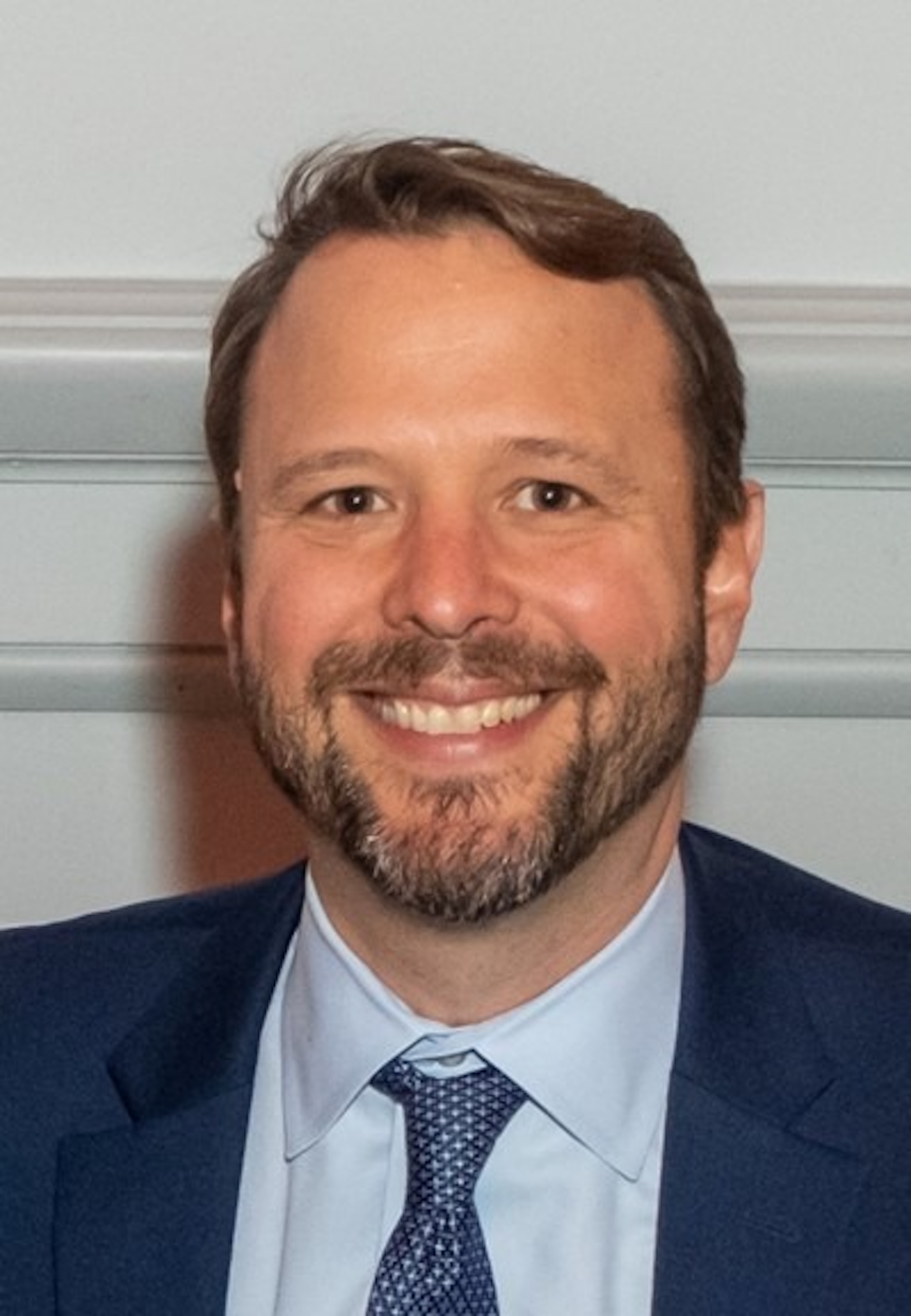
Tyler Curtis, Director, Office of Consumer Policy, U.S. Department of the Treasury
Tyler Curtis is Director of the Office of Consumer Policy at the U.S. Department of the Treasury. Mr. Curtis is passionate about overcoming bureaucratic and political hurdles to improve coordination and program delivery across federal agencies. He leads a team that manages the activities of the Financial Literacy and Education Commission, a 24-member interagency body charged with developing and implementing the U.S. National Strategy for Financial Literacy. Mr. Curtis also provides consumer-focused policy and program analysis on financial regulation and services, including public and private savings and investment offerings.
Prior to joining Treasury, Mr. Curtis served as Treasury Branch Chief at the U.S. Office of Management and Budget where he played a leading role in housing finance reform, financial crises response, postal service reform, and IRS modernization. Mr. Curtis holds a B.A. in Economics and Management from Beloit College and an M.P.P. from the University of Michigan.
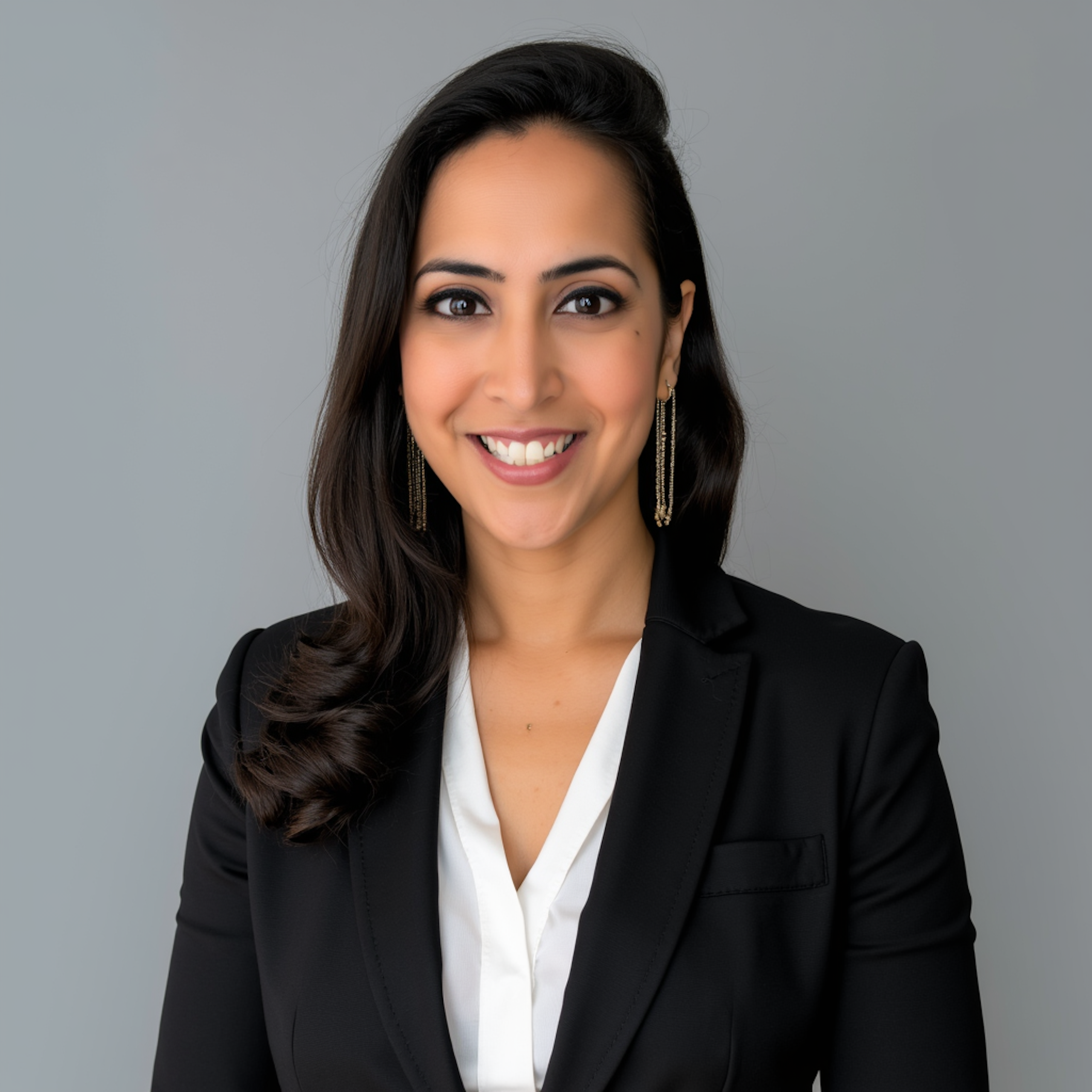
Tahira Dosani, Managing Partner, ResilienceVC
Tahira Dosani is the Co-Founder and General Partner of ResilienceVC, a venture capital firm investing in seed-stage fintech startups that build financial resilience for American consumers and small businesses. She’s passionate about supporting businesses that create true value and impact for their users and deliver top-tier returns for investors. Tahira has been investing in seed-stage venture focused on fintech for 15 years and has done over 150 deals. Before her investing career, Tahira was an operator, working in the fintech and telecom sectors, and a management consultant at Bain & Company. She is an advisor to Village Capital and the Fourth Effect, on the Investment Committee of the FINCA Ventures Africa Fund, and teaches courses on Venture Capital and Impact Investing at Georgetown and Johns Hopkins.

Darren Easton
Darren Easton led BMO’s Inclusive Segments Team, which drove the bank’s strategy across its businesses to meet the unique needs of individuals from historically marginalized groups and communities.
Before joining BMO, Darren was a Managing Director at the Financial Health Network. He advised some of the world’s largest and most innovative financial service institutions and researched new products, services, and operational strategies to improve people’s financial health.
Darren has also served in state government as the policy advisor for the Wisconsin Housing and Economic Development Authority, developing new financial products and services for community and economic development projects. At the height of the Great Recession, he was the state’s Director of Statewide Competitive Recovery Operations where he oversaw private sector and local government applications for funding from the American Recovery and Reinvestment Act.
A native of Oxford, Ohio, Darren holds a B.A. in History and a minor in Black World Studies from Miami University. He spent two years in Louisiana as a Teach For America corps member before earning a Master of Public Policy Degree from the University of Michigan. Darren currently lives in Oak Park, Illinois with his wife, Meghan, and their three children.
Susan Ehrlich, Partner, Core Innovation Capital
Susan Ehrlich is a partner at Core Innovation Capital. She helped form Core in 2009 while serving as Chair of the Financial Health Network’s board. Susan is a seasoned C-suite executive who has spent 25+ years leading fintech, ecommerce, payments and financial services businesses from Citi to Simple & Lending Club, and from Sears to Amazon & Earnest. She brings a passion for–and track record of–expanding access to affordable financial products and improving consumer financial health. Susan is an avid golf player and wine enthusiast who brings her can-do, business-building insights to every conversation.

Amelia Erwitt, Chief Operating Officer, Cities for Financial Empowerment Fund
Amelia Erwitt is the Chief Operating Officer of the Cities for Financial Empowerment Fund (CFE Fund), where she provides strategic leadership across program development, technical assistance, research, policy, and communications, and oversees the organization’s operations, fundraising, and institutional growth. The CFE Fund supports local governments nationwide in advancing policies and programs that improve the financial stability of low- and moderate-income households.
Amelia served as Associate Commissioner and Executive Director of the New York City Department of Consumer Affairs’ Office of Financial Empowerment (OFE) — the first municipal OFE in the country. In this role, she led pioneering efforts to integrate financial empowerment strategies into city government, working closely with public agencies, community organizations, and private-sector partners. Her leadership helped establish a new model for local government action that laid the foundation for the financial empowerment movement, which has since grown into a national field encompassing dozens of cities and counties across the United States.
Previously, Amelia worked in public service and international development roles at the United Nations, USAID, and the White House. Amelia holds a Bachelor of Arts from The George Washington University and a Master of Public Administration from Columbia University’s School of International and Public Affairs (SIPA).

Tim Flacke, Cofounder and CEO, Commonwealth
Timothy Flacke is Chief Executive Officer and Cofounder of Commonwealth. For 35 years he’s focused on solutions that help workers and families in US become more financially secure. Under his leadership Commonwealth has grown from a start-up social venture into a national nonprofit that builds financial security and opportunity for underserved people living on low and moderate incomes through innovation and partnerships. Commonwealth collaborates with leading financial service firms, employers, benefit providers and government agencies, and is supported by some of the world’s most respected philanthropies.
Flacke is a frequent speaker to banking, human resources and fintech groups, and provides expert commentary and perspective in the media on broadening financial security. Flacke and his teams have pioneered the use of prizes and gamification to encourage savings, and their efforts have repeatedly impacted the federal tax code and spawned new financial products and public policies have resulted in nearly $9 billion saved by over 2.5 million households.
He holds a Master’s in Public Policy degree from the Kennedy School of Government at Harvard University and a Bachelor of Arts in Philosophy from Boston College.

Scott Fulford, Author, The Pandemic Paradox
Scott Fulford is the author of The Pandemic Paradox: How the COVID Crisis Made Americans More Financially Secure out now from Princeton University Press. His academic and policy research examines the economic problems individuals and households face and how they use financial products to help deal with them. He is a senior economist at the Consumer Financial Protection Bureau and before that taught economics and international studies at Boston College. He holds a PhD in economics from Princeton University. He lives in Washington, DC with his wife and two young children.

Thea Garon, Director, Financial Well-Being, Urban Institute
Thea Garon is a Director in the Family and Financial Well-Being Division at the Urban Institute, focusing on household financial stability and economic security. She leads the division’s Financial Well-Being Practice Area and serves as director of the Financial Well-Being Hub, an initiative that informs evidence-based solutions to improve households’ financial well-being.
Garon has nearly two decades of experience conducting research on financial health and well-being. Prior to joining the Urban Institute, she founded and led the Financial Health Network’s Financial Health Pulse, a national research initiative. She also led the development of the FinHealth Score®, a measurement framework that has become recognized as an industry standard.
Garon’s research has been featured in top-tier media outlets, including the New York Times, the Atlantic, Forbes, the Associated Press, The Hill, and Vox.
Garon holds a master’s degree in Urban Planning from New York University’s Robert F. Wagner School of Public Service and graduated magna cum laude from Carleton College with a bachelor’s degree in History.

Nataša Goronja, Managing Director, Center for Financial Inclusion
Nataša serves as CFI’s Managing Director where she shapes CFI’s vision and drives strategy implementation, building upon CFI’s strong foundation. She also ensures the quality of CFI’s programs, including oversight of research and publications, and develops influence and funding strategies in support of CFI’s work. In the broader industry, she holds roles on the Global Anti-Scam Alliance’s Advisory Board and Amazon Finance Network’s Steering Committee.
Nataša comes to CFI from the Miller Center for Social Entrepreneurship, housed at Santa Clara University. There, she served as lead for the Center’s social enterprise ecosystem product offerings and supported organizational alignment, strategic planning, business development, and key stakeholder engagement. She previously worked with the World Bank and IFC on financial inclusion, digital finance, and consumer protection. Earlier in her career, Nataša served as the Vice President of The Boulder Institute of Microfinance.
Nataša has a graduate degree in European Integration Studies from the University of Bologna and University of Sarajevo in partnership with the London School of Economics and an undergraduate degree in International Relations from William and Mary. She is fluent in English and Bosnian.
Melissa Grober-Morrow, Vice President, Impact & Special Initiatives, Washington Center for Equitable Growth
Melissa Grober-Morrow is the Washington Center for Equitable Growth’s vice president of impact and special initiatives, where she leads implementation of new initiatives at the intersection of equitable economic growth and democracy. Melissa has devoted her career to expanding economic opportunity and community voice in program development, seeking to center the needs of those most historically excluded. Prior to joining Equitable Growth, she served as thought leadership director for financial resilience at AARP, where she launched a new site for policymakers and corporate leaders focused on the future of work for people ages 50+, exploring the implications of major workforce trends affecting older workers. Melissa previously served as director of savings and financial capability at Prosperity Now, a national nonprofit intermediary whose mission is to ensure everyone in our country has a clear path to financial stability, wealth, and prosperity. While there, she designed and managed technical assistance opportunities for hundreds of community-based and governmental organizations around the country focused on meeting financial needs in communities. She also previously designed and launched a national financial coaching program which operated in 10 communities. Melissa holds an MPA from NYU and BA from Johns Hopkins University.
Delicia Hand, Senior Director, Digital Marketplace, Consumer Reports
Delicia Reynolds Hand serves as Senior Director, Digital Marketplace at Consumer Reports, leading the development of reliable and iterative testing frameworks, standards, and policies for the digital marketplace to shape the code for social good innovation. Her work encompasses critical emerging areas including agentic AI systems and governance frameworks for autonomous technologies in consumer contexts. This effort builds on her work launching a digital finance testing and ratings program as CR’s Director of Financial Fairness. She previously served for ten years at the Consumer Financial Protection Bureau (CFPB).
Nicole Heckman, Vice President, Financial Wellbeing Programs, AARP Foundation
Nicole Heckman (she/her) is Vice President, Financial Wellbeing Programs at AARP Foundation, where she strengthens financial resilience for and with older adults. She leads a portfolio that co-creates and invests in scalable solutions helping low-income older adults secure quality employment, participate in critical safety-net benefits, and access inclusive financial services and affordable essential goods.
Since joining AARP Foundation in 2019, Nicole has focused on connecting people to opportunity while partnering across sectors to remove barriers that keep older adults from getting ahead. Her work spans strategy development, product and program innovation, and strategic grantmaking, with an emphasis on driving change within complex systems and centering the lived experience of older adults in how solutions are designed, tested, and scaled.
Previously, Nicole was a Blue Ridge Labs Fellow with the Robin Hood Foundation, where she worked to increase New Yorkers’ access to quality affordable housing. She has also founded and grown multiple businesses, including an impact-driven innovation firm that developed strategies to grow opportunity for underserved entrepreneurs and increase usage of civic services. Earlier in her career, Nicole spent 13 years at FedEx leading marketing and innovation efforts, experience that continues to inform her approach to building teams and adoption-ready solutions.
Nicole holds a BA in Psychology and an MBA from the Crummer Graduate School of Business at Rollins College, as well as the Public Leadership credential from the Harvard Kennedy School. She adores living in Alexandria, VA with her spouse and frisbee-loving pitbull Coco.

Erin Kilmer Neel, Executive Director, Beneficial State Foundation
Erin is Executive Director of Beneficial State Foundation, which seeks to advance racial justice through the banking system. She initiated and helps lead the organization’s Underwriting for Racial Justice and Equitable Bank Standards programs, and founded and led the social and environmental impact measurement function at Beneficial State Bank for 10 years.
She has a Master of City Planning from MIT, a Master of Education from ASU, and teaches Social Impact Measurement at Mills College. She is a certified Functional Medicine Health Coach and has completed certificate programs in Dare to Lead, Change Management, Regenerative Economics, and Systems Change theory and practice. She serves on the boards of the International Living Futures Institute, CDFI Coalition, and the Tahoe Truckee Community Foundation. She loves mountain biking and paddling with her fabulous husband, Beau and her dog, Scout.

Melissa Koide, CEO, FinRegLab
Melissa Koide is the CEO of FinRegLab, a nonprofit research center that tests new technologies and data and facilitates dialogue to inform public policy and drive the financial sector toward a responsible and inclusive financial marketplace. FinRegLab evaluates how technology and data can be safely used to increase financial inclusion and improve financial services for consumers, small businesses, and communities. FinRegLab’s AI and machine learning research has informed and advanced public policies and market practices on the inclusive and fair use of machine learning algorithms in high-risk, high-reward use cases such as credit underwriting.

Claire Kramer Mills, Director of Community Analysis and Insights, Federal Reserve Bank of New York
Claire Kramer Mills is Director of Community Analysis and Insights at the Federal Reserve Bank of New York. She is an expert on consumer finance and small business issues and the architect of the Federal Reserve’s annual Small Business Credit Survey, a national collaboration to gather intelligence on small business conditions. Her work has been covered in the Financial Times, Wall Street Journal, New York Times, CNN, Washington Post, Businessweek, Inc., American Banker, and Marketplace. Ms. Kramer Mills holds a PhD in political science from Duke University and graduated summa cum laude with a B.A. in Government from Franklin & Marshall College.

Adeeb Mahmud, Strategy Advisor
Adeeb Mahmud is a social impact advisor and facilitator focused on economic opportunity, including financial health, AI and financial advice, and worker financial wellbeing. Adeeb brings over twenty years of experience in strategy and social impact as a founder, advisor, investor, and operator. Most recently he was Chief Program Officer at the Financial Health Network, where he led the launch of standards for checking accounts, oversaw all research, including the Financial Health Pulse, led the Financial Solutions Lab, that impacted 33 million consumers through fintech investments, and developed a multi-year initiative on the evolving home insurance market. Previously, he was Managing Director at FSG, an impact consultancy, where he developed corporate purpose, corporate responsibility, and measurement strategies for major companies, such as Prudential, Mastercard, Sanofi, Dow Chemical, and Quest Diagnostics. Adeeb holds an MPP from the Kennedy School of Government at Harvard, and a BA from Middlebury College.
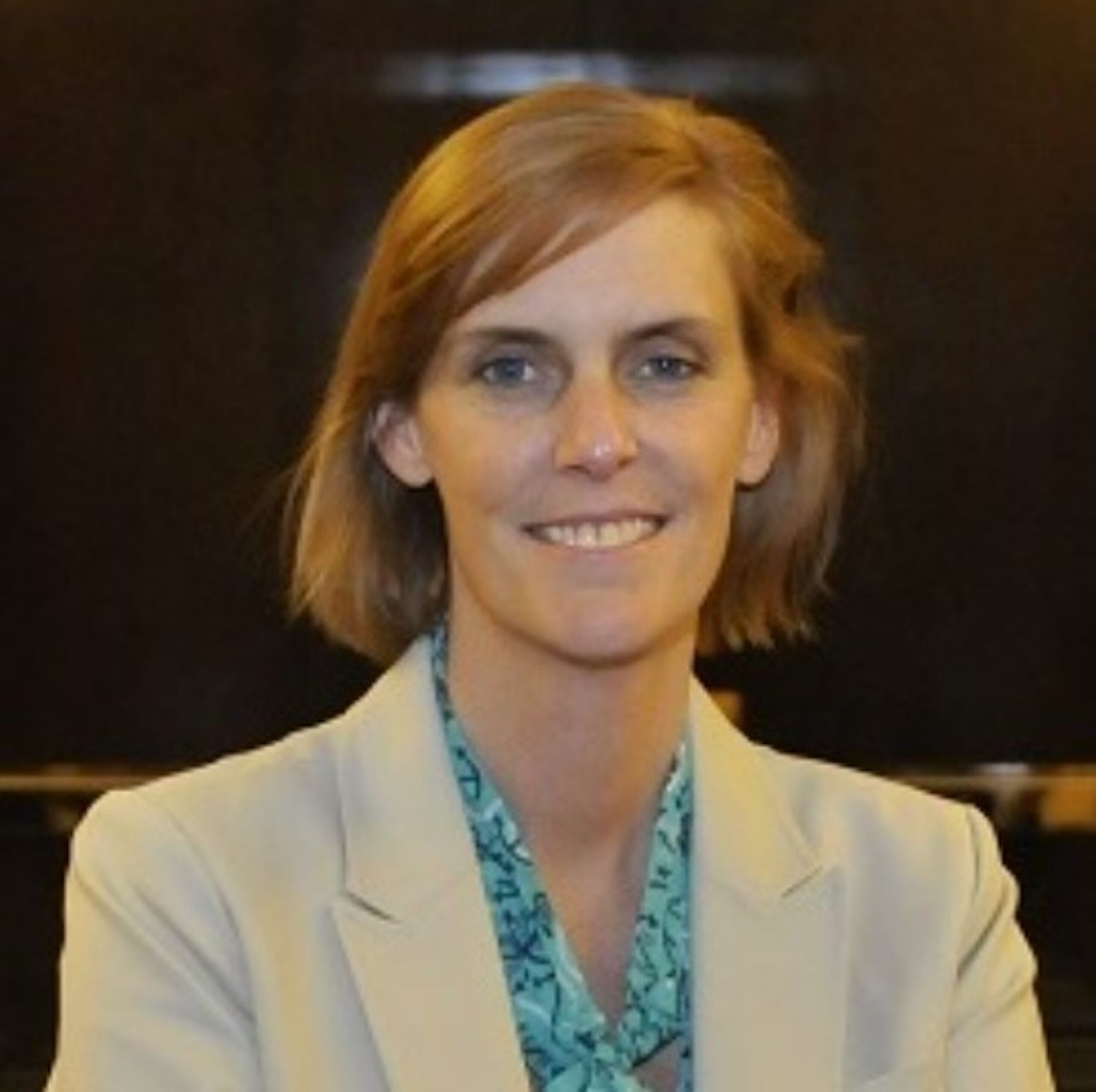
Cathie Mahon, CEO, Inclusiv
Cathie Mahon is the President\CEO of Inclusiv, a national network of credit unions devoted to promoting financial inclusion and equity by expanding access to capital in low-income and communities of color. Under her leadership, the Inclusiv Network has grown to 500 community development credit unions that build wealth, resilience and empowerment in communities across 46 states, Washington DC, Puerto Rico, the US Virgin Islands and Guam.
Ms. Mahon previously led the NYC Office of Financial Empowerment, the first municipal office in the nation dedicated to promoting the financial health and well-being of city residents. She has been active in philanthropy serving as the founding director of the Asset Funders Network and currently serving on the Board of Trustees of the NY Foundation. She has run her own consulting business supporting foundations, community development organizations, business and cooperatives in the US and abroad. She formerly served as a researcher for the Aspen Institute.
Cathie has a passion for building cooperative institutions and unleashing the power of credit unions since she held the position of the Director of Policy and Program Development at the National Federation of Community Development Credit Unions. She has been a member, a volunteer and a board member for more than 20 years serving as Treasurer of the Lower East Side People’s FCU in Manhattan and President of the Transfiguration Parish FCU in Brooklyn NY.
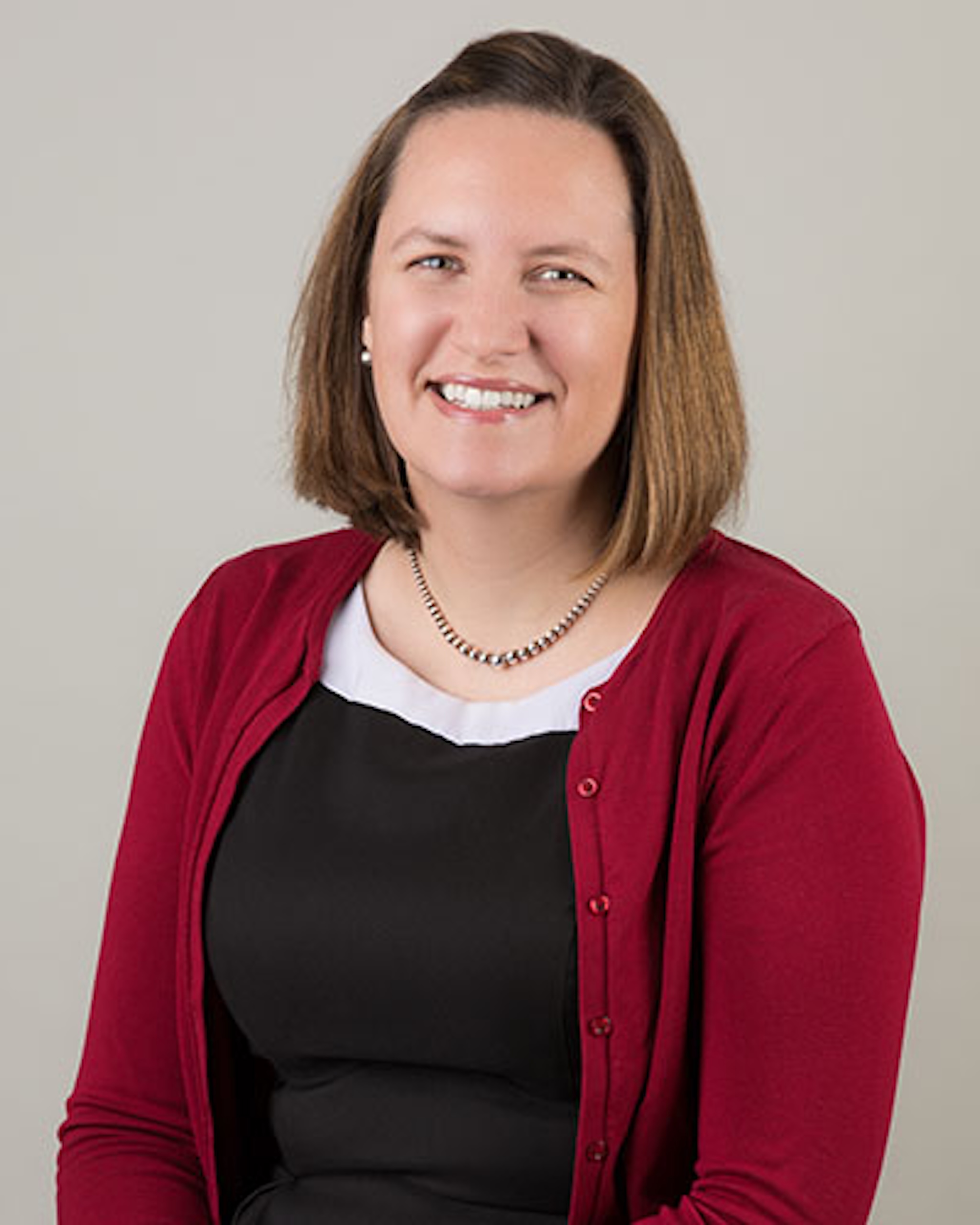
Robin McKinney, CEO, CASH Campaign of Maryland
Robin McKinney, MSW is Co-Founder and CEO of the CASH Campaign of Maryland, a nonprofit that improves the financial security of low-income Marylanders. The CASH Campaign of Maryland is the result of a recent merger between the Baltimore CASH Campaign and the Maryland CASH Campaign. CASH and its statewide network of partners annually prepares 22,000 free tax returns, bringing in $30 million in tax refunds to low-income taxpayers; provides free financial education and coaching to over 7,000 residents; and conducts advocacy on state and federal policies. Prior to co-founding CASH, Robin was the Co-Founder and Director of the Maryland CASH Campaign for 10 years.
For the past 17 years, Robin has worked in the field of asset building, engaging in fundraising, advocacy, and program and coalition management, including for the Annie E. Casey Foundation and East Harbor CDC. She earned her BSW from Elizabethtown College and her MSW from the University of Maryland, Baltimore School of Social Work, where she co-founded the Financial Social Work Initiative in 2008 and is currently an Adjunct Professor. Robin is a board member of Prosperity Now (formerly CFED).

Caroline Melear, Fellow, Finance, Insurance & Trade, R Street
Caroline Melear is a fellow on R Street’s Finance, Insurance, and Trade team. She researches topics in federal financial regulation and legislation with a focus on consumer finance and fintech.
Prior to R Street, Caroline was a financial research analyst for a private family office covering public and private equities, where she passed Level I of the Chartered Financial Analyst exam on her first attempt. She was a contributor to The Daily Caller and a columnist for The Conservateur, and she received Maverick PAC’s Future40 award in 2022. She has appeared on Fox Business, CBS Miami, and The Today Show, among others, and has published pieces in RealClearMarkets and The Washington Examiner.
Caroline was president of the student senate at Florida State University and a member of Leadership Florida Class XIII. She is also a recipient of the Senate Ethics Award and the Outstanding Woman Leader Award. She earned a bachelor’s degree in political science with minors in Spanish and computer science.
Caroline lives in West Palm Beach, Florida, with her husband, their two young children.

Louann Millar, Business Execution Director, Wells Fargo
Louann Millar leads youth and student, lower mass market, military, and other specialty customer segments within the Consumer and Business Deposits organization at Wells Fargo. In this role, Louann is responsible for developing product value propositions, experiences, and go-to market strategies that drive high satisfaction and growth. This includes strategies and product management for checking and savings accounts.
Louann has worked in the financial services industry for more than 18 years. She’s held leadership roles in many capacities, all where she drives change and improvements to meet customer and business needs.
She holds a bachelor’s degree from North Carolina State University and resides in Charlotte, North Carolina with her husband and two children.

RaShawn Mitchell, Head of Government Affairs, MoneyLion, a Gen Digital Company
RaShawn Mitchell works at the intersection of financial regulation and consumer access. As Head of Government Affairs at MoneyLion, a Gen Digital company (NASDAQ: GEN), he leads the federal and state policy strategy for one of the nation’s leading consumer finance platforms, which serves over 20 million users. He shapes policies that determine how working Americans access financial solutions for everyday needs.
Before MoneyLion, RaShawn served as a Principal at Rich Feuer Anderson, advising tier-1 institutional financial services clients on regulatory and legislative strategy. His earlier career spanned the Obama White House and Capitol Hill. At the American Gaming Association, he secured $2.2 billion in SBA relief for gaming operators impacted by the COVID-19 pandemic, during which nearly 1,000 casinos were forced to shut their doors.
The Hill named him a Top Lobbyist in 2018. The American Fintech Council named him the Emerging Policy Leader in 2025. He holds a B.S. in Political Science from Florida A&M University and a Business Sustainability Strategy certification from MIT Sloan.

Bill Mogavero, Community Benefits Plan – Business Advisory Manager, Capital One / Community Impact & Investment
Bill Mogavero currently serves as the Community Benefits Plan (CBP) Business Advisory Manager at Capital One. Operating at the intersection of business strategy and societal impact, Bill partners across lines of business to execute Capital One’s landmark $265 billion Community Benefits Plan. His work is dedicated to ensuring these commitments deliver sustainable value for both the community and the enterprise through expanding financial access and fostering economic mobility.
In previous roles at Capital One, Bill has focused on improving financial health and outcomes for customers navigating hardships. His diverse professional background spans financial services, insurance, and the nonprofit sector, providing him with a unique lens on risk, institutional integration, and the drivers of consumer financial health. Bill holds a degree in Mathematics with honors from Grinnell College.
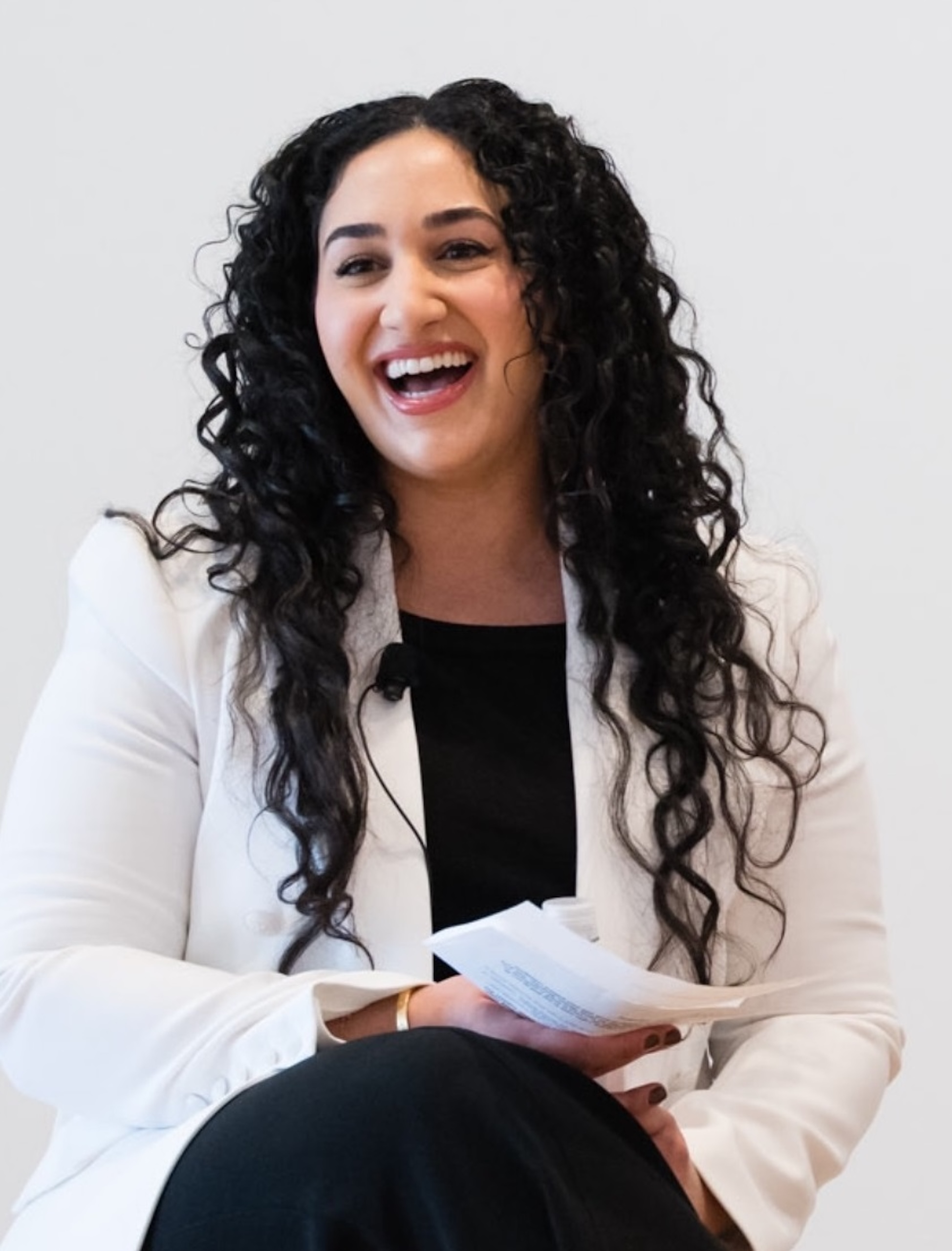
Mercedeh Mortazavi, Head of Financial Health, JPMorganChase
Mercedeh Mortazavi is Head of Financial Health at JPMorganChase’s Global Philanthropy department, a global leader dedicated to driving inclusive economic growth in communities worldwide. Mercedeh has been with the firm for over 11 years. She is responsible for designing and executing the firm’s national philanthropic strategies on financial health and strategic initiatives. Previously, she also led the national housing affordability portfolio, large-scale national initiatives – PRO Neighborhoods Competition and AdvancingCities Challenge – aimed at advancing solutions that tackle major social and economic challenges across the country, and Corporate Responsibility’s DC strategic initiatives.

Brenton Peck, Vice President, Financial Health Strategy, U.S. Bank
As part of the Community Impact & Inclusion team, Brenton leads the development and implementation of U.S. Bank’s financial health strategy. His work focuses on driving financial health outcomes for customers, employees, and communities that meet the business and social objectives of U.S. Bank.

John Pitts, Vice President of Government Relations, Public Affairs, and Social Impact, Affirm
John Pitts is the Vice President of Government Relations, Public Affairs, and Social Impact at Affirm. John advocates for financial services based on consumer-first principles to deliver financial products that improve lives. He has consulted on financial services and consumer protection laws and regulations in the United States, Canada, the UK, the European Union, and Australia. Before joining Affirm, John was Global Head of Policy at Plaid, a financial data company, where he was a leading expert on Open Banking. Prior to Plaid, John served as the Deputy Assistant Director for Intergovernmental Affairs at the Consumer Financial Protection Bureau. John started his career as an attorney with Orrick, Herrington & Sutcliffe.
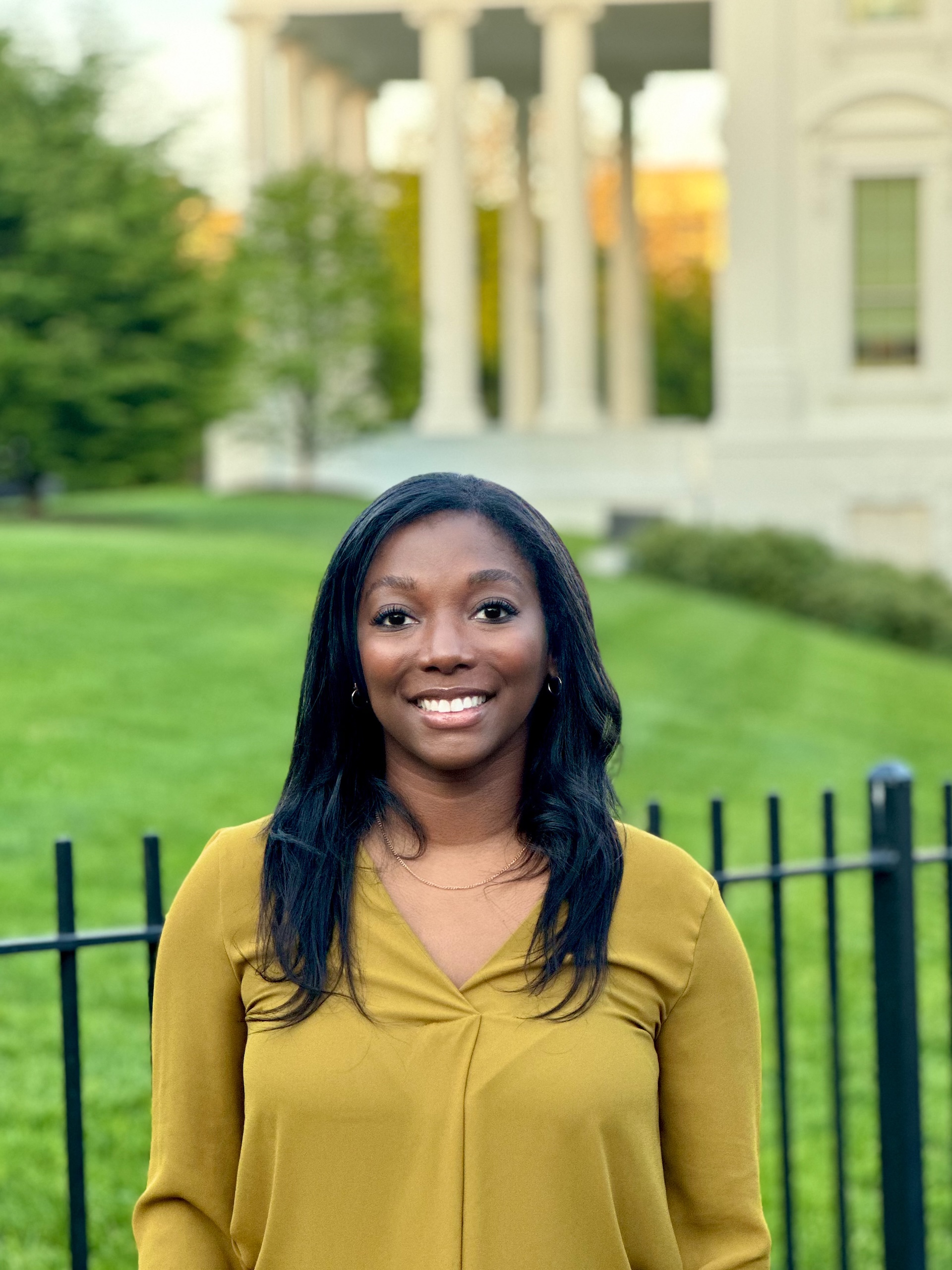
Courtney Robinson, Head of Policy and Communications, Akoya
Courtney K. Robinson is a financial services policy attorney and advocate based in Washington, DC, whose work centers on making financial systems work for everyone.
As Head of Policy and Communications at Akoya, she leads the organization’s work to make open banking safe and equitable for all consumers. Before joining Akoya, she served as Head of Global Regulatory Affairs at Block, Inc. where she drove strategic leadership on financial services policy and stakeholder engagement. Her earlier career spans senior roles at the US House Committee on Financial Services, the Center for Responsible Lending, and Freddie Mac–– grounding her experience in private sector, non-profit, and government work.
She currently serves on advisory boards for the DC Department of Insurance, Securities and Banking, and the Federal Reserve Bank of Atlanta.
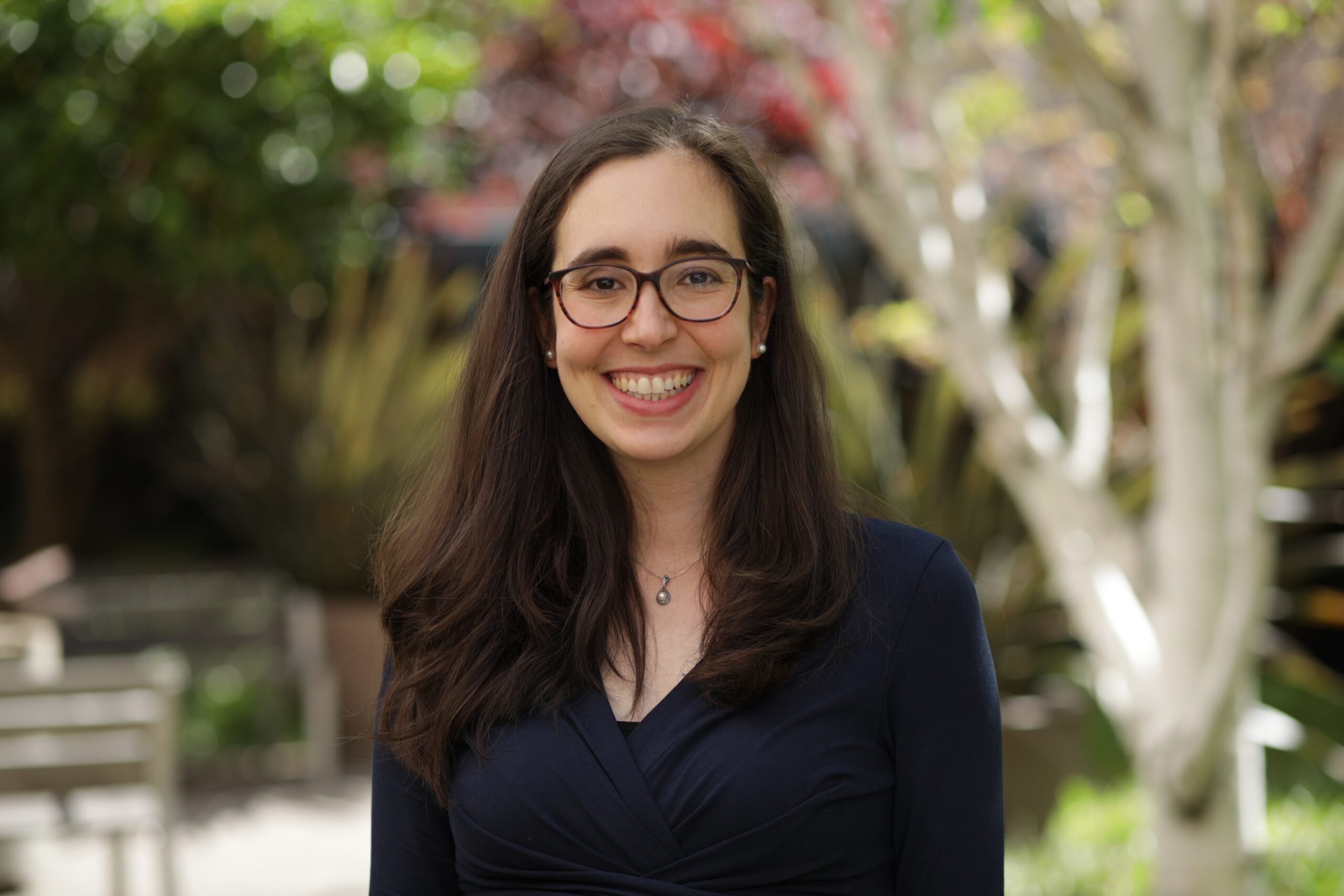
Rocio Sanchez-Moyano, Senior Researcher, Federal Reserve Bank of San Francisco
Rocio Sanchez-Moyano is a senior researcher in Community Engagement and Analysis at the Federal Reserve Bank of San Francisco. In this role, she conducts research on the economic experiences of lower-income communities and informs community development stakeholders on promising practices related to economic opportunity. In particular, Rocio studies access to credit and financial services, with special attention to how lower-income consumers and communities participate in the financial system and how that impacts economic outcomes.
At the Federal Reserve Bank of San Francisco, she has conducted research on small business and mortgage lending and on Community Development Financial Institutions (CDFIs). She also considers how fintech may be impacting access to credit and financial health. Rocio’s previous research in urban planning brings a spatial lens to her current work on credit access.
Before joining the Federal Reserve Bank of San Francisco, Rocio worked at the Terner Center for Housing Innovation and Urban Displacement Project at the University of California, Berkeley and at the Joint Center for Housing Studies at Harvard University.
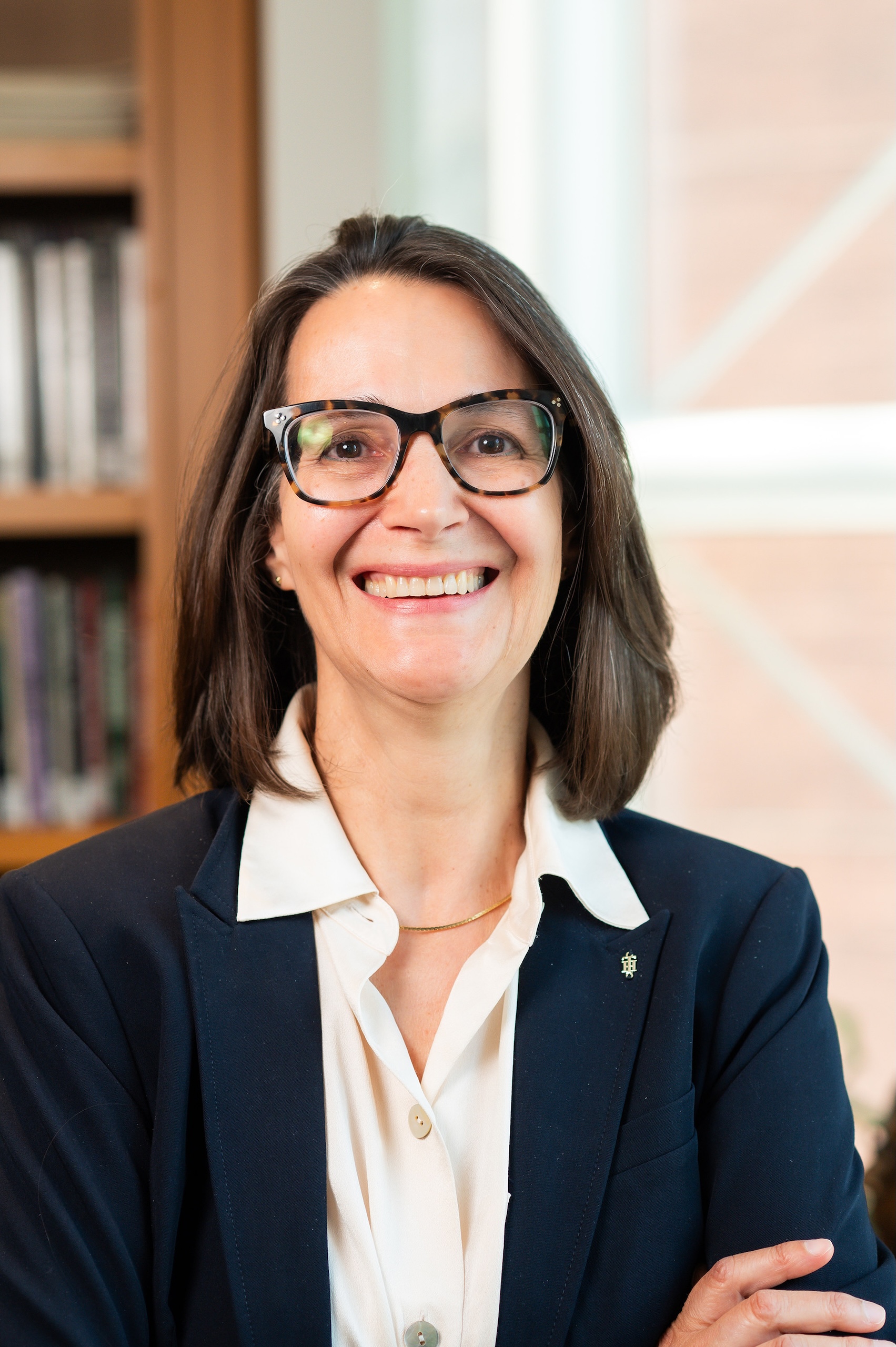
Solveig Singleton, Policy Analyst, Cato Institute
Solveig Singleton is a policy analyst focusing on consumer finance issues at the Cato Institute’s Center for Monetary and Financial Alternatives.
Solveig began her career by studying policy issues relating to technology, serving as the Cato Institute’s director of information studies in the early days of the internet. She later joined the Competitive Enterprise Institute and then the Progress and Freedom Foundation as a senior analyst. After some years working as a lawyer and writer, she developed a keen interest in financial regulation, consumer protection, and economic freedom. Her undergraduate degree is from Reed College, where she majored in philosophy. She graduated cum laude from Cornell Law School.
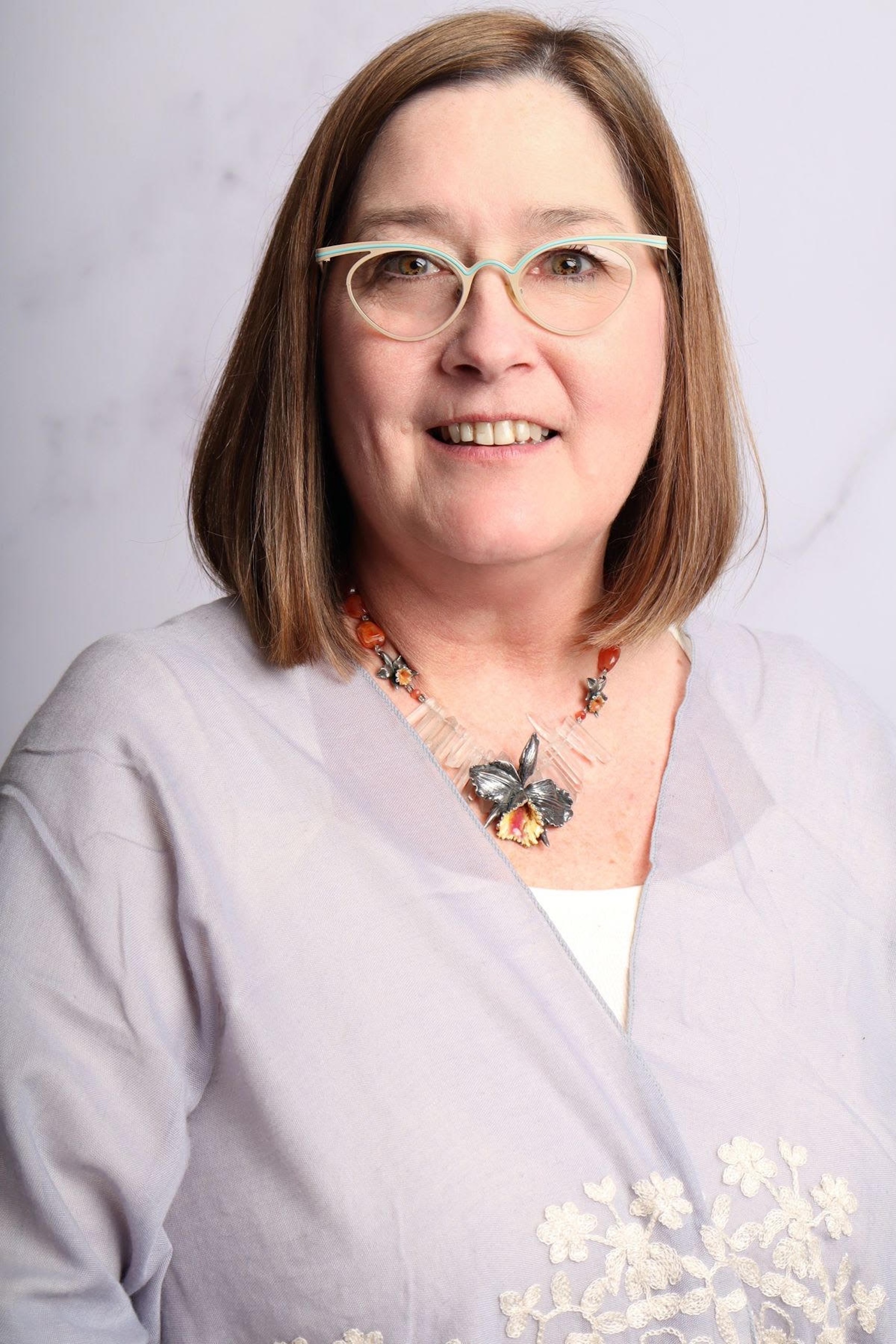
Evelyn Stark, Managing Director, Financial Health, ideas42
Evelyn Stark is a strategic philanthropy and social impact executive with more than 25 years of leadership across the private, public, and nonprofit sectors. Her work centers on leveraging financial services and philanthropy to improve economic outcomes for low- to moderate-income households globally.
Currently Managing Director at Ideas42, Evelyn and her team apply behavioral design to products, programs and policies that reduce financial distress and create financial opportunity. Previously, she created and led the Financial Health strategy at MetLife Foundation, overseeing more than $250million in global grant making delivering improved financial products and services to millions of people with low- and moderate-incomes. As a Senior Program Officer at the Bill & Melinda Gates Foundation she managed a large grant portfolio focused on microinsurance, savings and digital financial services in Sub-Saharan Africa and Asia.
Evelyn spent many years working in the then nascent microfinance field in Uganda and East Africa, having moved there after nearly a decade in special assets.
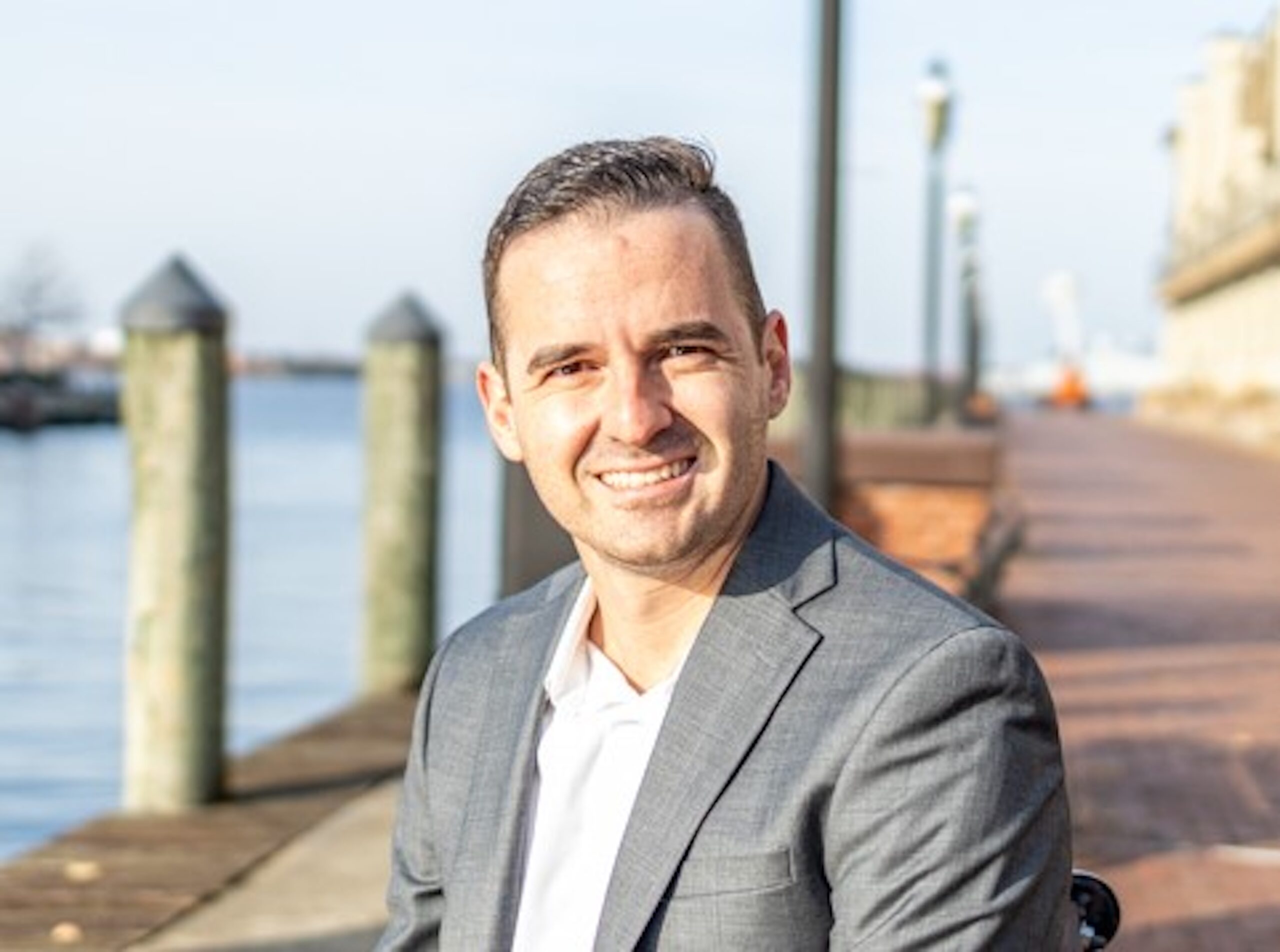
Santiago Sueiro, Senior Policy Analyst, UnidosUS
Santiago Sueiro is a Senior Policy Analyst at UnidosUS, where he works on labor, banking, and economic mobility issues impacting working-class Latino communities. He leads policy analysis on job quality and the role Latino workers play in the U.S. economy. He recently co-authored a brief titled Latino Working Class: America’s Economic Engine, which examines the Latino working-class composition and their contributions to the economy.
In 2024 Mr. Sueiro represented UnidosUS before the U.S. Senate Committee on Banking, Housing, and Urban Affairs, testifying at a hearing titled Consumer Protection: Examining Fees in Financial Services and Rental Housing. His work has been featured in Nonprofit Quarterly, where he has written on consumer protections and economic equity.
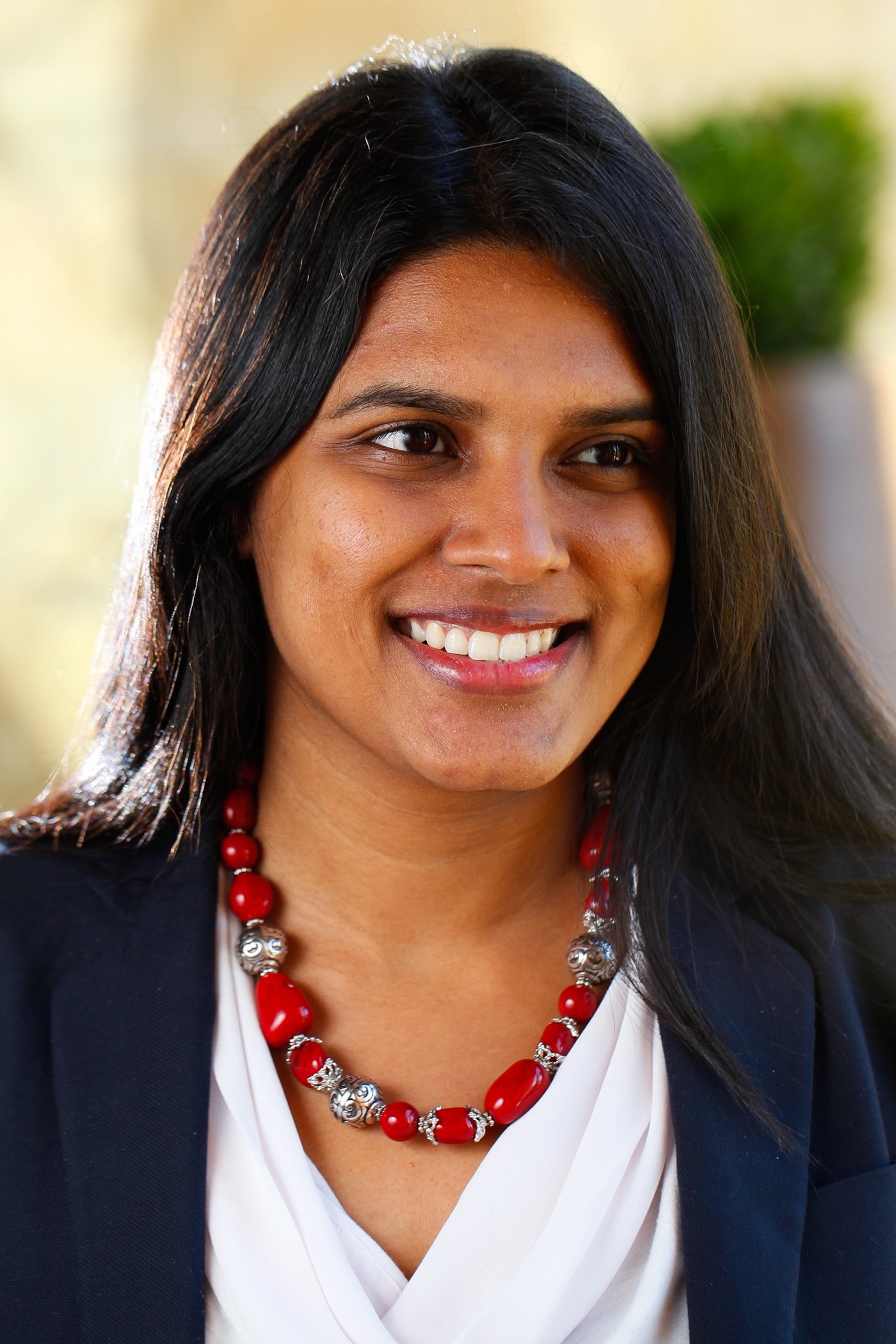
Rajitha Swaminathan, Chief Program Officer, Grameen America
As Chief Program Officer, Rajitha leads field operations, program strategy, and member services at Grameen America. In this role, she works to broaden Grameen America’s reach nationally and simultaneously deepen impact to enable financial mobility of all program members. Rajitha has worked in the field of financial inclusion for over ten years, doubling Grameen’s scale of operations and launching new programmatic offerings including credit-building and asset-building. Prior to this, she has worked in strategy consulting, tech, and international development.

Corey Tellez, Head of U.S. Policy, PayPal
Corey Anne Tellez is a senior policy and government affairs executive with two decades of experience shaping complex domestic and international economic policy at the highest levels of government and industry. Her expertise spans financial services, tax policy, trade, and broader economic policy, with a distinguished track record of advancing policy solutions by navigating complex legislative and regulatory environments and building durable coalitions across government, industry, and stakeholder communities. Corey currently serves as Head of U.S. Policy at PayPal, where she leads the company’s federal and state public policy strategy and engagement efforts. In this role, she oversees a team working on initiatives across a broad portfolio of financial services and technology policy issues, working closely with policymakers, regulators, and industry stakeholders to strengthen the digital economy. Prior to joining PayPal, Corey served as Acting Assistant Secretary for Legislative Affairs at the U.S. Department of the Treasury under Secretary Janet L. Yellen, where she played a key role in major economic and financial policy initiatives. Before joining Treasury, Corey spent nearly 16 years on Capitol Hill, including in senior leadership roles for Senate Democratic leadership where she led a policy team and managed negotiations on major legislative priorities.

Nadia van de Walle, Head of Banking Inclusion & Partnerships (BIP), Wells Fargo Consumer Banking & Lending (CBL)
Nadia van de Walle is Business Execution Director and Head of Banking Inclusion & Partnerships (BIP) for Consumer Banking & Lending (CBL) at Wells Fargo.
She leads enterprise-wide efforts to advance financial inclusion by overseeing key financial coaching programs, including HOPE Inside and Banker Financial Coaching, and by partnering across the organization to improve financial health outcomes for customers. Her work is centered on expanding access to safe, affordable banking solutions, particularly for unbanked and underbanked communities, through initiatives such as the Banking Inclusion Initiative.
Nadia brings more than 15 years of experience in financial services, innovation, and financial health strategy. Prior to joining Wells Fargo, she served as Senior Director at the Financial Health Network, where she led innovation programs and advised financial institutions on developing effective, customer-centered financial health solutions. Earlier in her career, she directed customer research and strategic initiatives in banking and mobile money across the United States and Africa.
She holds a master’s degree in economics from Johns Hopkins University and a bachelor’s degree in political science from the University of Pennsylvania.

Ashley Wessier, Chief of Staff, Neighborhood Trust Financial Partners
Ashley joined Neighborhood Trust in 2019 after 12 years of leading fundraising and communications for a national microfinance organization, Ascendus (formerly Accion East). In her role as Chief of Staff at Neighborhood Trust, she oversees fundraising, communications, board development and HR. She also leads the organization’s annual strategic planning process in partnership with the CEO, ensuring internal governance and communication systems are in place to drive organizational cohesion and accountability. Ashley holds an M.S. in public policy from The New School and a B.S. from Drexel University, and was selected to attend Columbia Business School’s Executive Education Program in 2014.
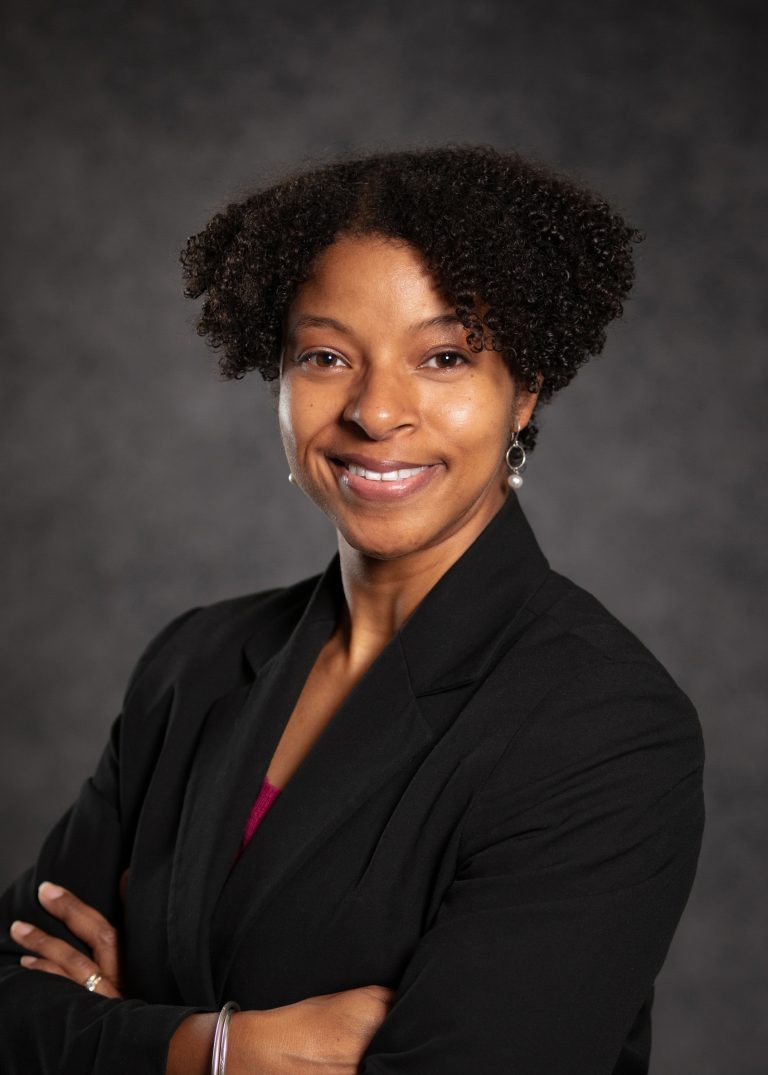
Dana Wiggins, Director, Center for Economic Justice, Virginia Poverty Law Center
Dana Wiggins received a B.S. in Integrated Science and Technology from James Madison University, emphasizing environment and biotechnology policy. She served in the US Peace Corps in West Africa, worked for the Conservation Fund and eventually the Chesapeake Bay Foundation working on environmental policy initiatives through grassroots advocacy in Virginia.
In 2007 shifted to consumer advocacy in financial services, predatory lending and consumer issues with the Virginia Poverty Law Center (VPLC) at the state, local and national levels. She coordinated the Virginia Partnership to Encourage Responsible Lending (VaPERL) coalition and began the predatory loan hotline, and the Virginia Fairness in Lending Act of 2020. In 2016, she began to address the imbalance in Virginia’s electric utility system. Dana has assumed various roles at VPLC, including serving as the Director of Outreach and Consumer Advocacy, leading the VPLC’s Affordable Clean Energy Project, and continues to stop efforts to divide consumers from their hard-earned money currently as the director of VPLC’s Center for Economic Justice.
In her spare time, Dana spends time with her family, is active with her faith community and supports non-partisan environmental voter engagement in her role on the board for the Virginia League of Conservation Voters Education Fund.
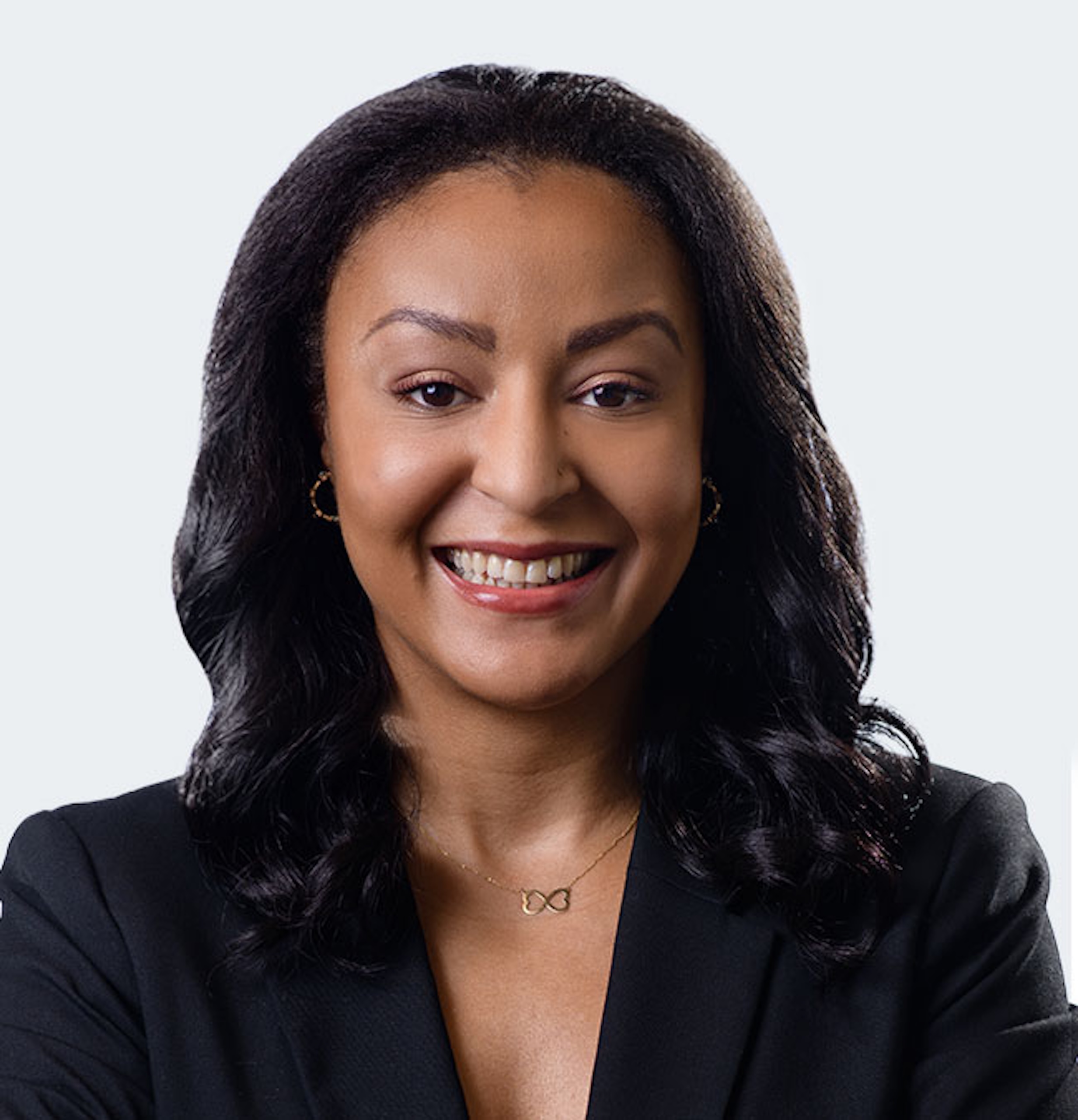
Dafina Williams, Chief Public Policy Officer and Head of Government Affairs, Opportunity Finance Network
Dafina Williams is the Executive Vice President, Chief Public Policy Officer, and Head of Government Affairs at Opportunity Finance Network, a leading national network of more than 495 mission-driven community lenders. With more than 19 years of experience in the CDFI industry, she leads the organization’s public policy, legislative affairs, and regulatory initiatives. Prior to assuming her current role, Dafina played a pivotal role in shaping OFN’s policy agenda, concentrating on federal appropriations, small business policy, and fair lending practices.
Dafina serves on several boards, including the National Association of Affordable Housing Lenders (NAAHL), Small Business Majority, CDFI Coalition, Community Opportunity Alliance, and First Children’s Finance. She also lends her expertise to the New Markets Tax Credit Advisory Board of Self-Help Ventures Fund and the Community Advisory Board of the American Fintech Council.
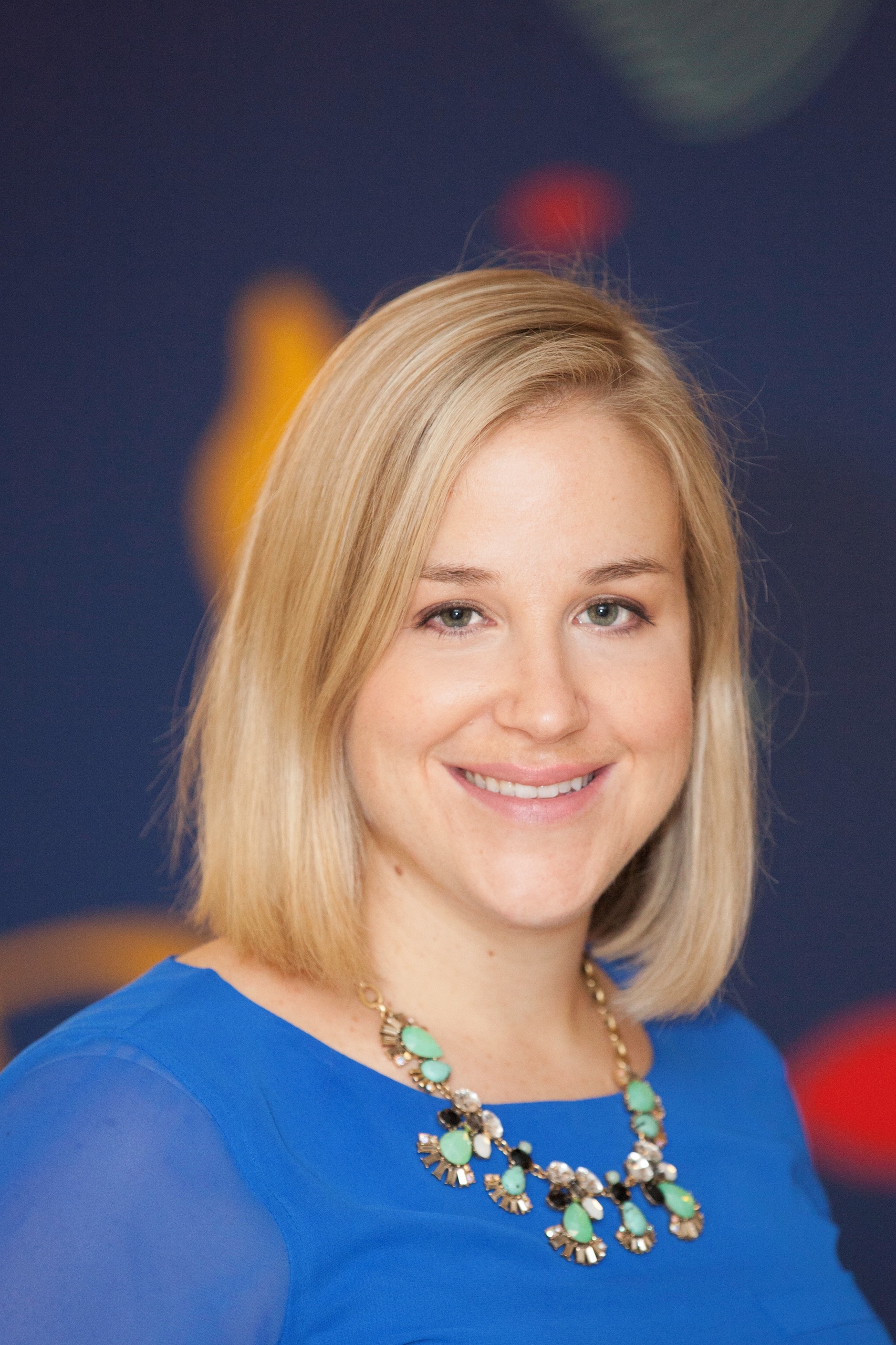
Sarah Willis Ertur, Executive Vice President, SaverLife
Sarah Willis Ertur is Executive Vice President of SaverLife, a technology nonprofit dedicated to improving the financial health of people with low- to moderate-incomes. She leads organizational strategy, revenue, external affairs, finance, and operations, helping scale SaverLife’s reach to more than 740,000 members nationwide. Through technology-enabled tools, community support, and member-driven insights, SaverLife advances policies and solutions that strengthen financial security for working families.
Sarah brings over 15 years of experience across financial services, philanthropy, and global development. Prior to SaverLife, she led Financial Health strategy at JPMorganChase within the Office of Corporate Responsibility, where she helped shape inclusive product frameworks and investments in financial innovation. She previously directed global financial health initiatives at MetLife Foundation and held roles at the Clinton Global Initiative and the MasterCard Center for Inclusive Growth.
Sarah holds an M.A. from The Fletcher School at Tufts University and a B.A. from the University of Minnesota–Duluth.
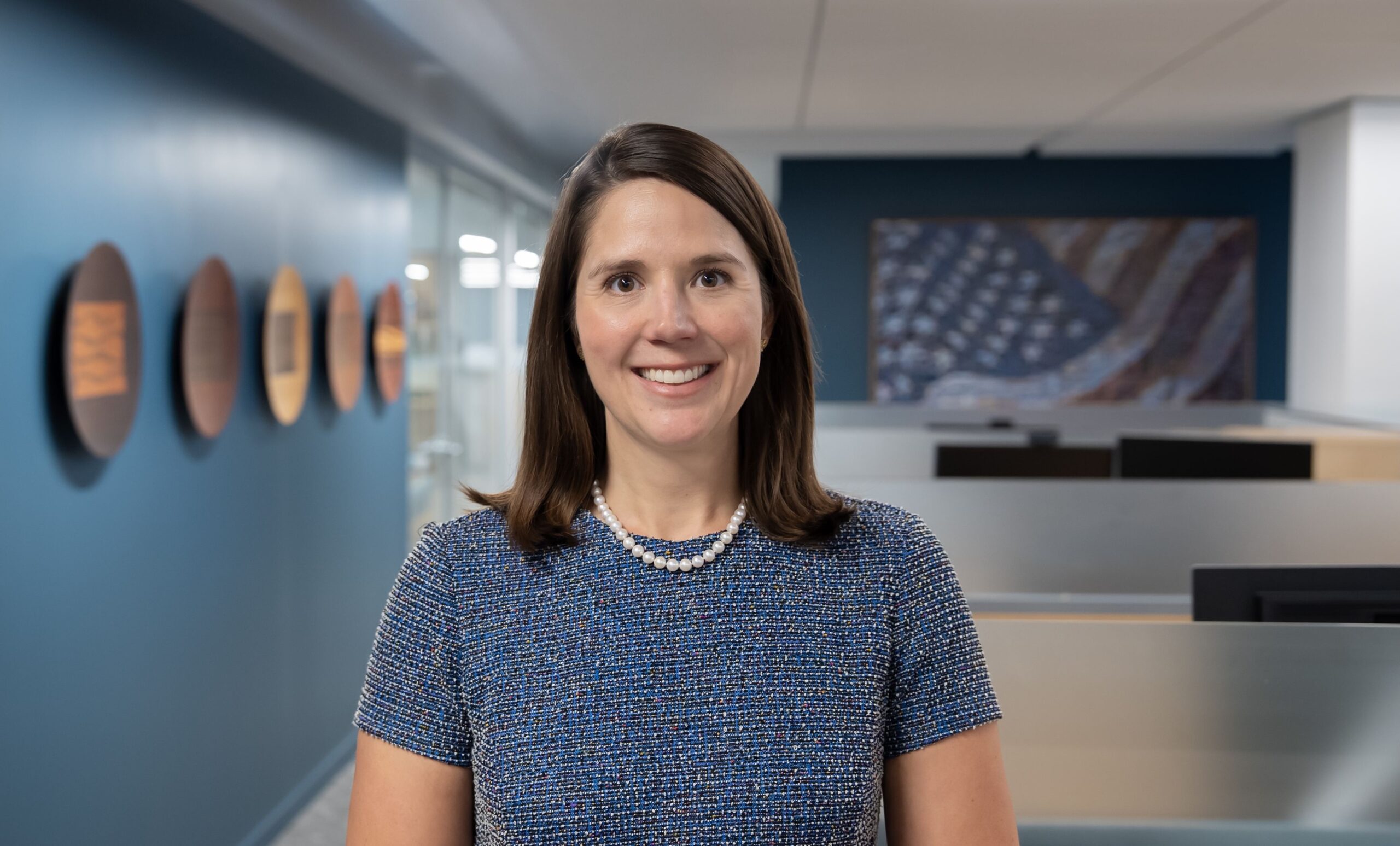
Brooke Ybarra, Senior Vice President, Innovation & Strategy, American Bankers Association
Brooke Ybarra is the Senior Vice President of Innovation & Strategy at the American Bankers Association, where she leads the Office of Innovation. She works at the intersection of policy and bank technology, helping ABA members and leadership interpret emerging technologies and assess their implications for the banking industry. Her work bridges market insight, member engagement, and policy advocacy, with a focus on enabling responsible innovation that strengthens the banking system and supports economic growth. Brooke holds an MBA from Georgetown University’s McDonough School of Business and a bachelor’s degree in chemical engineering from Stanford University.
Aspen Institute Financial Security Program Staff

Laila Bera, Program Associate
Laila (she/her) is a Program Associate for Inclusive Financial System at the Aspen Institute Financial Security Program where she works to promote economic opportunity and mobility for all people through innovation. Her work includes developing a national strategy to safeguard U.S. households against fraud and scams.
She first joined Aspen FSP as a Graduate Fellow while pursuing her Master of Science in Public Policy and Management at Carnegie Mellon University’s Heinz College of Information Systems and Public Policy. She also holds a Bachelor of Arts in International Relations and Quantitative Economics and Econometrics from Connecticut College.
Prior to joining Aspen FSP, she gained experience in a variety of roles such as a research intern at the World Bank Group and an analyst at an impact management consulting firm.

Erin Borġ, Associate Director, Inclusive Financial System
Erin Borġ (Thiemann) is the Associate Director of Inclusive Financial System at the Aspen Institute Financial Security Program. She leads efforts to create a financial system that enables all individuals to access, utilize, and benefit from financial services. Guided by the belief that such systems are essential for fostering financial stability, resilience, and long-term security—particularly for vulnerable households—Erin’s work focuses on addressing structural barriers that perpetuate wealth disparities. She is committed to engaging cross-sector leaders and facilitating transformative collaborations among public, private, and nonprofit sectors.
Erin began her career in municipal government at the Office of Financial Empowerment in St. Louis, MO, where she honed her skills in addressing financial challenges at the local level. Prior to her current role, she served as a technical assistance strategist at Prosperity Now (formerly CFED), where she played a pivotal role in empowering organizations to drive meaningful change in households’ financial security.
Erin holds a Master of Social Work from the Brown School at Washington University in St. Louis and a bachelor’s degree from Marquette University. She is a proud AmeriCorps alum and resides in the D.C. area.

Nick Bourke, Senior Policy Advisor
Nick Bourke is a Senior Policy Advisor at the Aspen Institute and a consultant who helps mission-driven and commercial clients generate research and drive policy and business innovation. Bourke has over two decades of experience in applied research, policy, law, and program management in banking, housing, and tech. As a director at The Pew Charitable Trusts, he co-founded and led the consumer finance and housing programs and helped the organization grow significantly. Bourke led expert teams to produce research, technical assistance, and advocacy that contributed substantially to policy reforms, including major payday loan legislation. Earlier, Bourke was a product manager and consultant for tech, banking, and investment firms. He helped Visa and companies of all sizes navigate complex regulatory frameworks and launch business lines globally. Bourke is an accomplished public speaker and strategic communicator. He was an American Bar Association Consumer Protection Fellow and served on professional committees such as the Chase Bank consumer advisory panel. His recent projects focus on housing policy, fraud and scam prevention, privacy, and artificial intelligence regulation. Nick Bourke holds a Bachelor of Arts degree from Stanford University and a Juris Doctor degree from the University of California, Davis.

Steven Brown, Director of Insights and Evidence
Steven Brown is the Director of Insights and Evidence for the Aspen Institute Financial Security Program. His work focuses on understanding the structural factors that impact wealth building and inclusive economic opportunity. At Aspen, he has led efforts to identify and narrow the gap between the wealth people have and the wealth people need.
His professional work has focused on understanding the structural factors that impact wealth building and inclusive economic opportunity. At Aspen, he has led efforts to better understand access to wealth building. Prior to Aspen, he was a director at the Washington Center for Equitable Growth and a senior policy advisor at the U.S. Department of the Treasury. He also spent several years at the Urban Institute, where he helped lead the development of a new research unit and authored numerous briefs and reports on racial wealth gaps, economic mobility metrics, and advancing equity through data. His research and perspective have been cited in The Washington Post, CNN, Marketplace, NPR, and The New York Times.
He holds a bachelor’s degree from Princeton University and a master’s degree in sociology from Harvard University, where he was also an inequality and social policy doctoral fellow at Harvard Kennedy School.
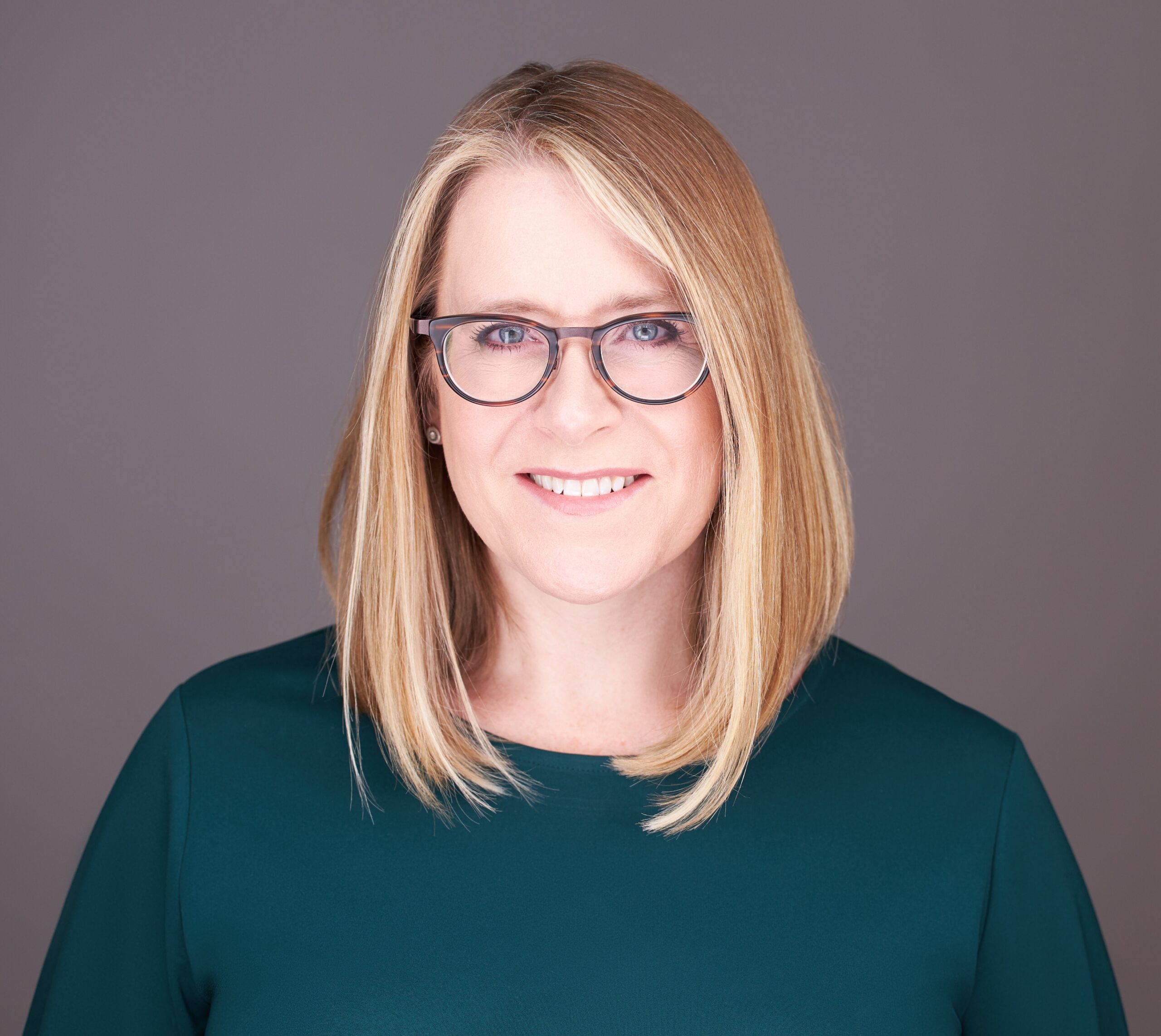
Kate Griffin, Director, Inclusive Financial System
Kate Griffin serves as Director of Inclusive Financial System at the Aspen Institute Financial Security Program (FSP), with a focus on the systems-level infrastructure that will result in financial security for all people in America. In that role, she has spearheaded an initiative supporting the creation and execution of a multi-sector National Financial Inclusion Strategy in the U.S. that moves from focusing on account and information access to measurable financial security outcomes for households. Most recently, she has led the launch of a National Task Force on Fraud and Scam Prevention bringing together stakeholders across government, law enforcement, financial services, telecommunications, social media, and consumer awareness and advocacy to create collective action for systemic prevention strategies.
Kate has spent two decades working with financial services professionals to leverage technology to work better for low-income and marginalized people, both here in the U.S. and in developing countries. She has led a social enterprise providing financial wellness benefits to workers and was on the founding executive team of a start-up fintech, bringing the voice of underserved consumers into product design and delivery. She also led programming for savings, financial capability, higher education, and housing at Prosperity Now. She started her career in international microfinance working with CGAP and the Grameen Foundation.
Kate holds degrees in international development from Kenyon College and American University and lives in suburban Washington, DC with her family.

MegAnne Liebsch, Manager, Marketing and Communications
MegAnne Liebsch is the Marketing and Communications Manager at the Aspen Financial Security Program. She leads content development across website, email, and social media to advance FSP’s mission of making financial security for all a national priority.
Previously, she worked as the communications manager for the Jesuit Conference Office of Justice and Ecology, producing videos, podcasts, and written features that deepened network engagement with issues of social and environmental injustice. MegAnne holds a Master of Arts in Media and International Conflict from University College Dublin and is an alumna of La Salle University. She lives in Washington, DC.

Genevieve Melford, Managing Director
As Managing Director of the Aspen Institute Financial Security Program (Aspen FSP), Genevieve oversees the program’s strategy, activities, and operations to illuminate and solve the most critical financial challenges facing American households and to make financial security for all a top national priority.
Genevieve joined Aspen FSP as its inaugural Director of Insights and Evidence, a role in which she built and led a team of talented researchers synthesizing knowledge and data on topics including consumer debt, financial stability, housing security, caregiving, the financial lives of workers, inclusive financial systems, household wealth, and the financial well-being of youth and young adults.
Before joining FSP, Genevieve worked at the U.S. Consumer Financial Protection Bureau (CFPB), where she led the Bureau’s work to define, measure, and study the drivers of consumer financial well-being and effectiveness research on financial education and capability strategies. While at the CFPB, she co-chaired the interagency Financial Literacy and Education Commission (FLEC)’s Research and Evaluation Committee. Before that, she served as Director of Research at Prosperity Now, a national nonprofit dedicated to expanding economic opportunity for low-income families and communities. Genevieve holds an M.P.A. from Princeton University’s School of Public and International Affairs and a B.A. in economics from Wesleyan University.

Ida Rademacher, Vice President and Co-Executive Director
Ida Rademacher is a vice president at the Aspen Institute and co-executive director of the Aspen Financial Security Program. She also launched and leads the Aspen Partnership for an Inclusive Economy. A leading voice on Americans’ financial health, Ida is also known for building innovative teams, initiatives and events that fuel new insights and fresh thinking about how to simultaneously build economic inclusion and economic growth. Her efforts have resulted in the creation of several cutting-edge initiatives and events, including the Expanding Prosperity Impact Collaborative (EPIC), the Aspen Leadership Forum on Retirement Savings, Benefits21, the Global Inclusive Growth Summit and The Future of Wealth.
In Ida’s prior work as Chief Program Officer at Prosperity Now (formerly CFED), she created the multi-institutional team responsible for leading the U.S. Consumer Financial Protection Bureau’s Consumer Financial Well-Being Metrics Project, and also led the creation of Upside Down, a program examining ways the U.S. income tax code generates disparate wealth building opportunities and contributes to growing levels of wealth inequality. Ida has testified on numerous occasions before Congress and contributes regularly to news and commentary on economic policy and consumer finance topics in outlets including the New York Times, the Wall Street Journal, the Washington Post, Politico and Marketplace.

Joanna Smith-Ramani, Co-Executive Director
Joanna Smith-Ramani is Co-Executive Director of the Aspen Institute Financial Security Program, a leading national voice on Americans’ financial security. Working with the team, she is building a cross-sector community of leaders (Joanna calls her “quirky Thanksgiving table”) who, together, are using their shared wisdom and humanity to deeply investigate and solve the most critical financial challenges facing U.S. households. Joanna has over 20 years of experience across community, personal finance, and financial security. Before joining FSP, Joanna served as Senior Innovation Director at Commonwealth, leading the unit that designs, tests, and evaluates promising financial service innovations. Additionally, Joanna led several federal grants, developed and sustained national coalitions, and built a network of industry partners.
Joanna has led national and state legislative campaigns resulting in the passage of a federal law and more than ten state laws expanding savings innovation across the nation. She is a trusted expert on financial security and inclusion, having been quoted in numerous national and local media outlets such as the New York Times, National Public Radio, and Fox Cable News. Joanna holds a Master of Public Policy degree from the Harvard Kennedy School and a B.A. in Urban Studies from Barnard College, Columbia University. She serves on the Board of the CASH Campaign of Maryland, Community Organizing and Family Issues, and Business for America’s Future Fund.
