
GCW 2026
Shaping the Future of AI and Decision Making
Driving collaboration across sectors and borders, the Aspen Institute International Partners hosted the fourth edition of the Global Changemakers Workshop (GCW), titled Decision-Making in an Age of AI, from September 16-20, 2026 in Hyderabad, India. The workshop tackled an increasingly critical issue: how artificial intelligence is transforming decision making in societies around the world.
Organized alongside the Ananta Aspen Centre as official knowledge partner, GCW 2026 welcomed 20 Changemakers from 16 countries, expert facilitators, and several industry leaders from Hyderabad. Through roundtable discussions, site visits, a policy simulation, and more, the Changemakers investigated the ways in which AI has transformed decision making and evaluated which decisions should remain human.
As AI technologies evolve at a rapid pace, GCW 2026 offered a space for reflection, open dialogue, and experiential learning that enabled the Changemakers to develop solutions to current challenges in AI and decision making.
The 2026 Changemakers
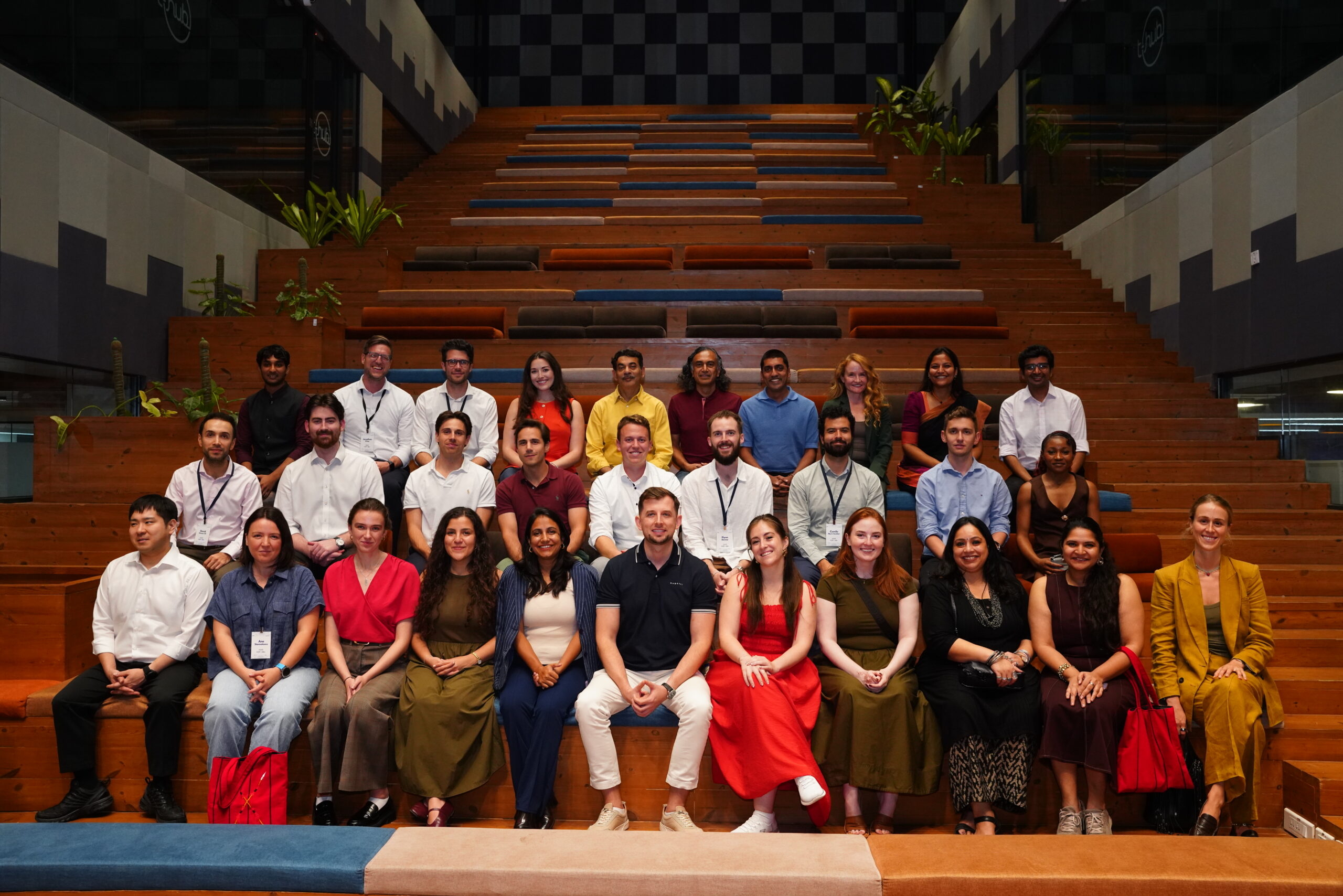
The 2026 Changemakers, nominated by each International Partner, are rising leaders working across tech, security, business, and civil society around the world.
Each Changemaker brought their unique perspectives and experiences to the workshop’s diverse sessions, combining reflections on AI, leadership, and governance drawn from the public and private sectors to draw new insights and create new possibilities.
Evaluating the Role of AI in Society
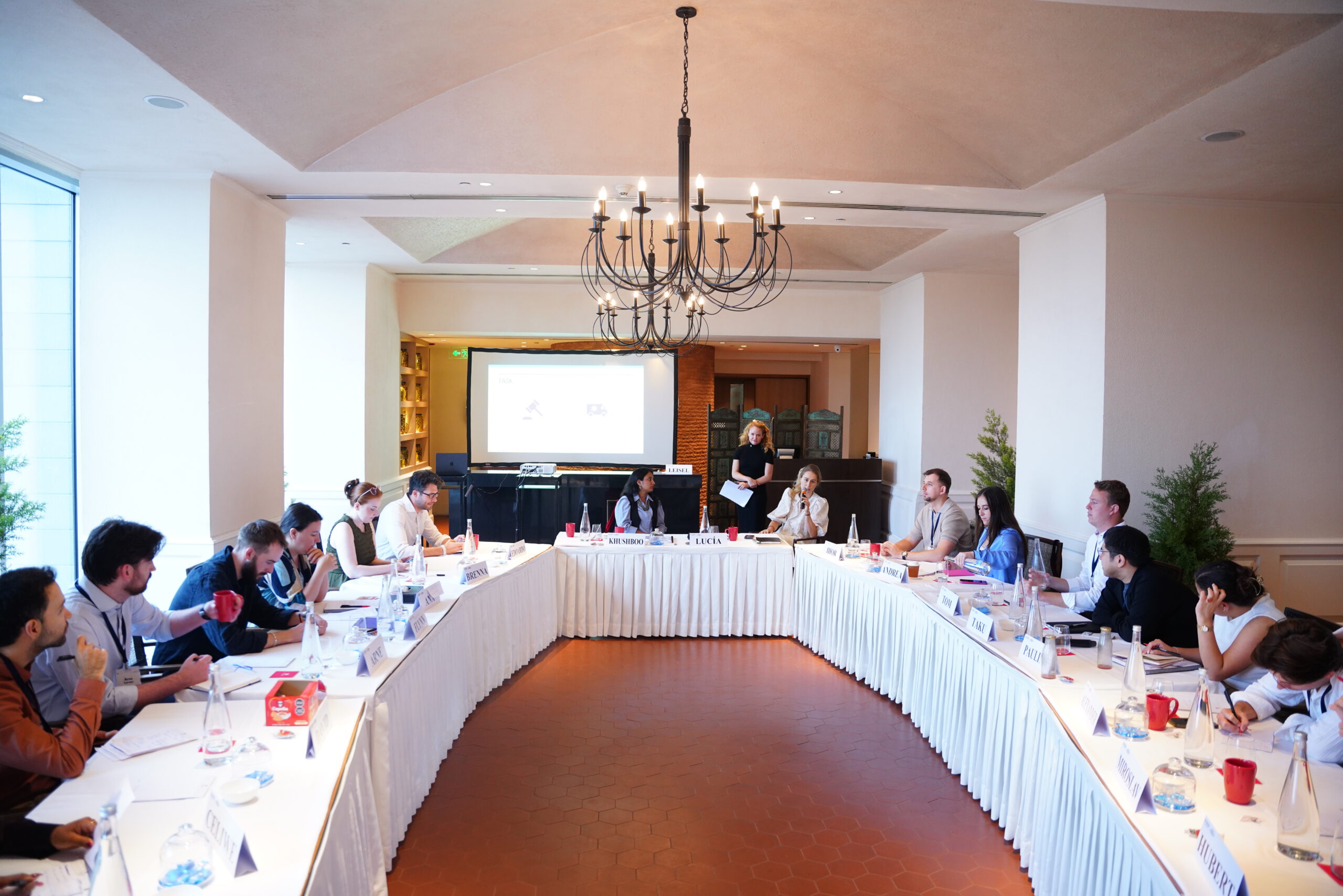
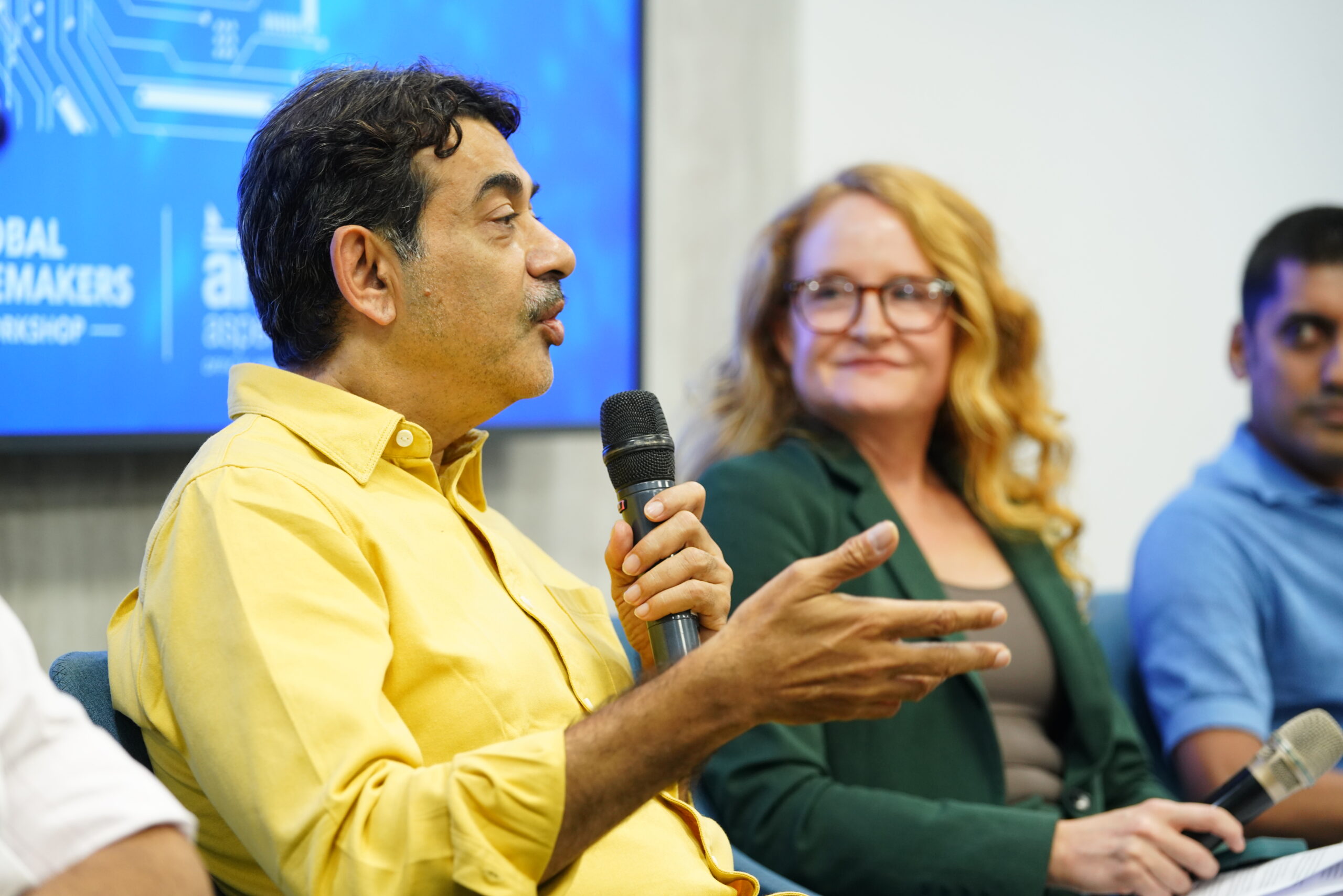
The workshop began with two seminars moderated by Vinati Kastia and Vivek Pandit. These seminars were rooted in the Aspen method of text-based reflection and exchange to establish the spirit of open dialogue underpinning the workshop.
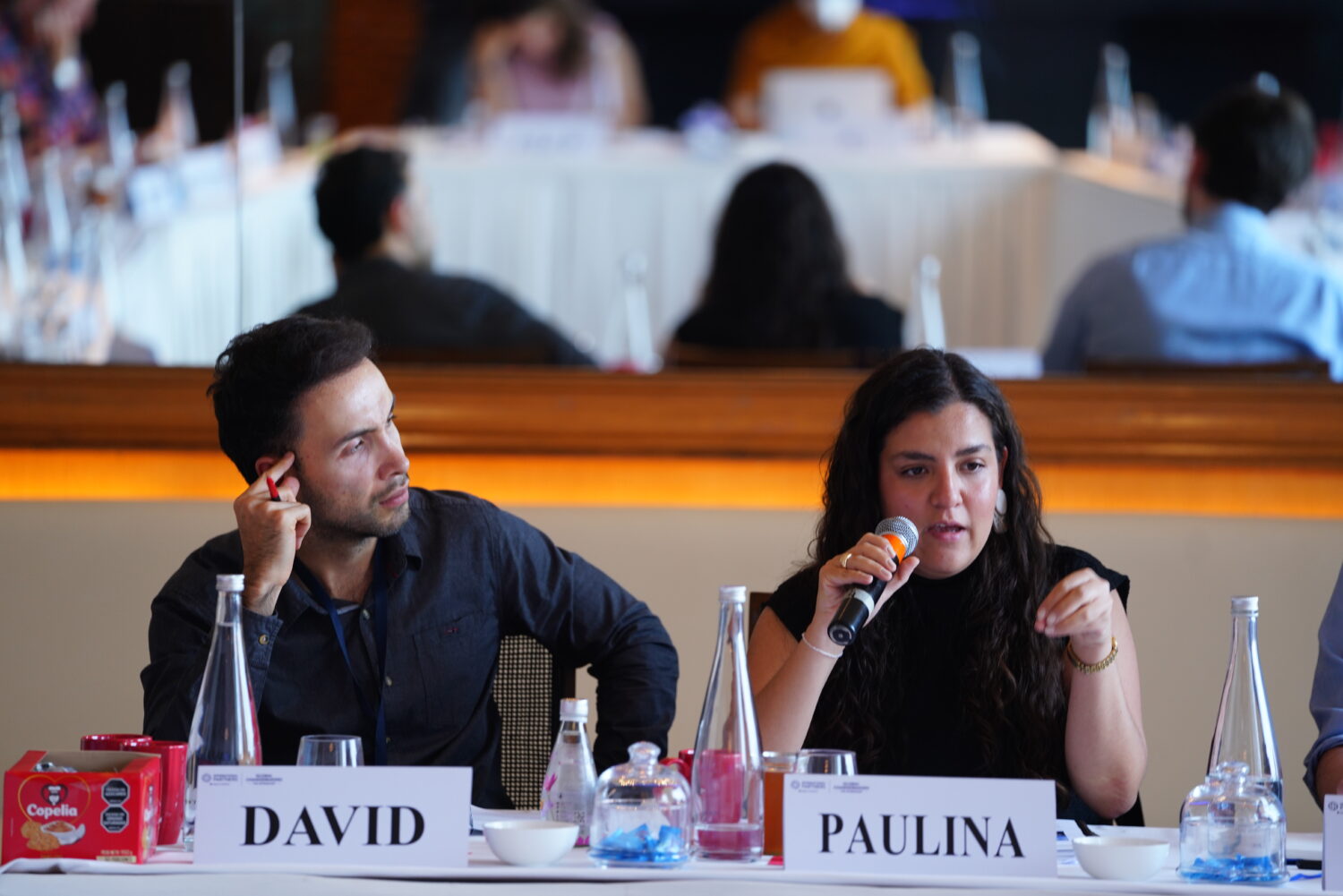
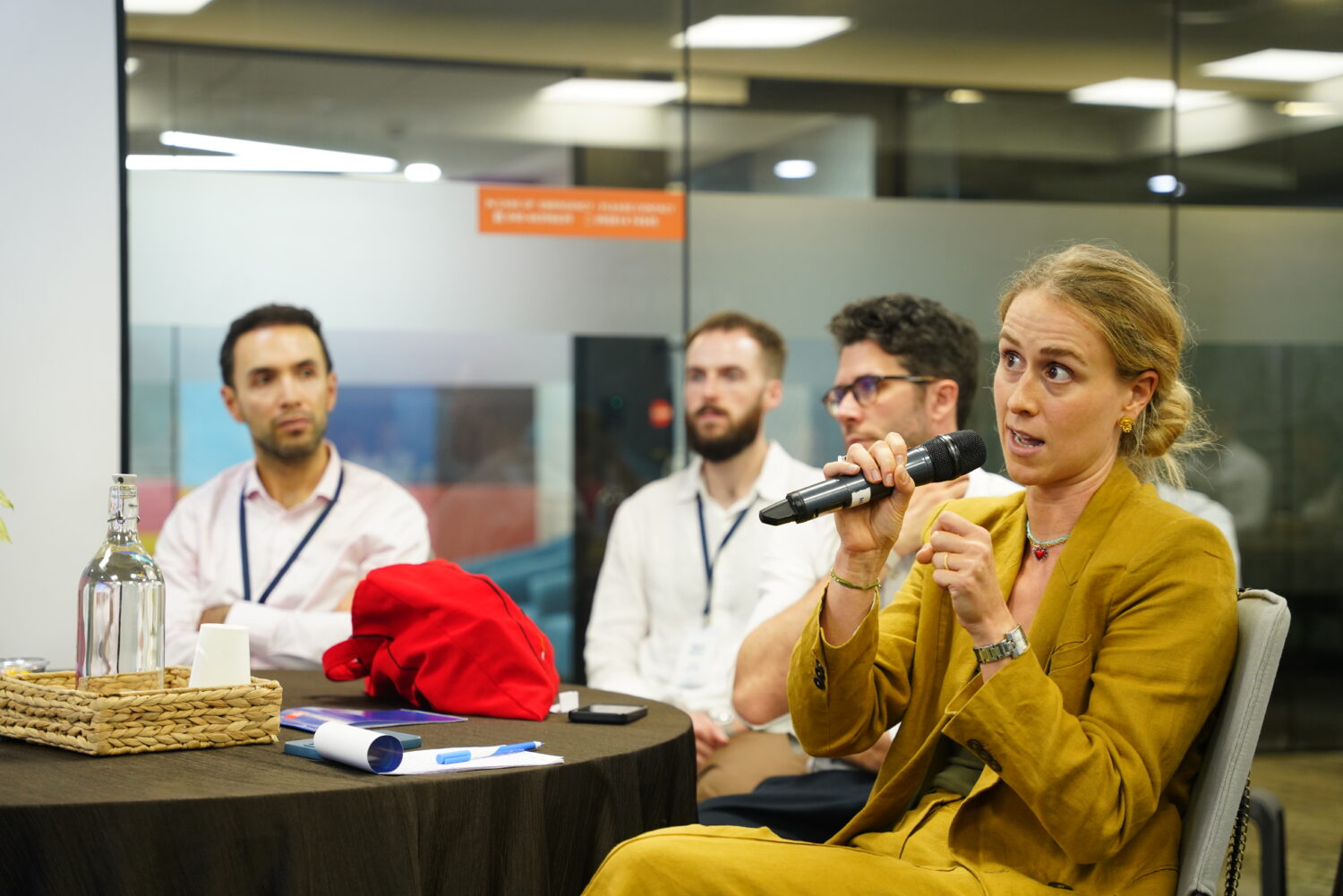
The Changemakers then engaged in a series of roundtables across multiple days, moderated by Wafa Ben-Hassine and B Cavello, discussing the ways in which AI functions as a new infrastructure of power; the implications of AI for institutions, work, and access; the growing role of AI in security and strategic competition; and the AI guardrails that are needed to protect democratic governance and human agency.
From these roundtables, the cohort surfaced new insights that they then put to the test: a facilitated policy simulation, moderated by Leisel Bogan, prompted each Changemaker to grapple with complex decisions and the high-stakes consequences of AI use and technological development.
Exploring Hyderabad’s Tech Ecosystem
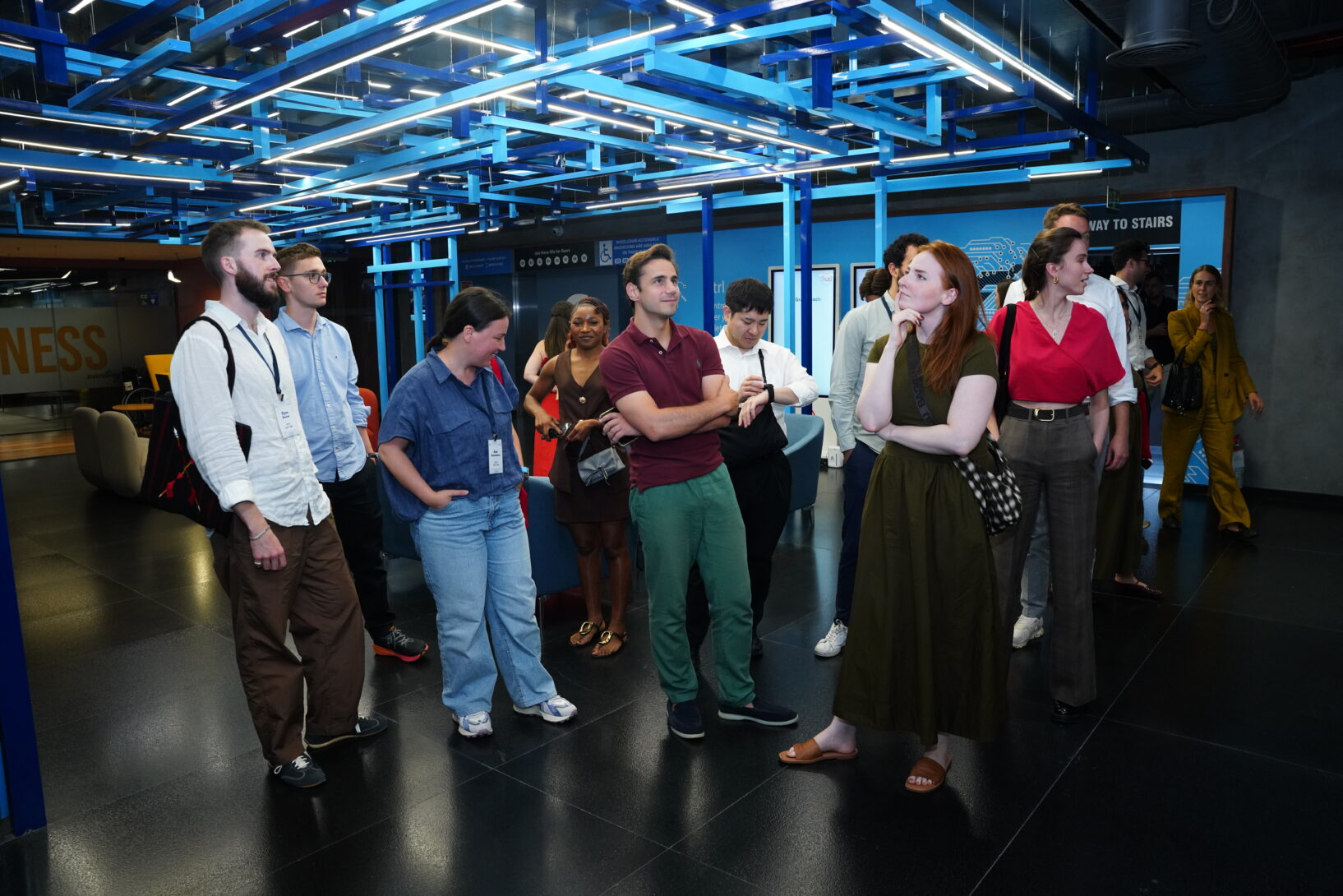
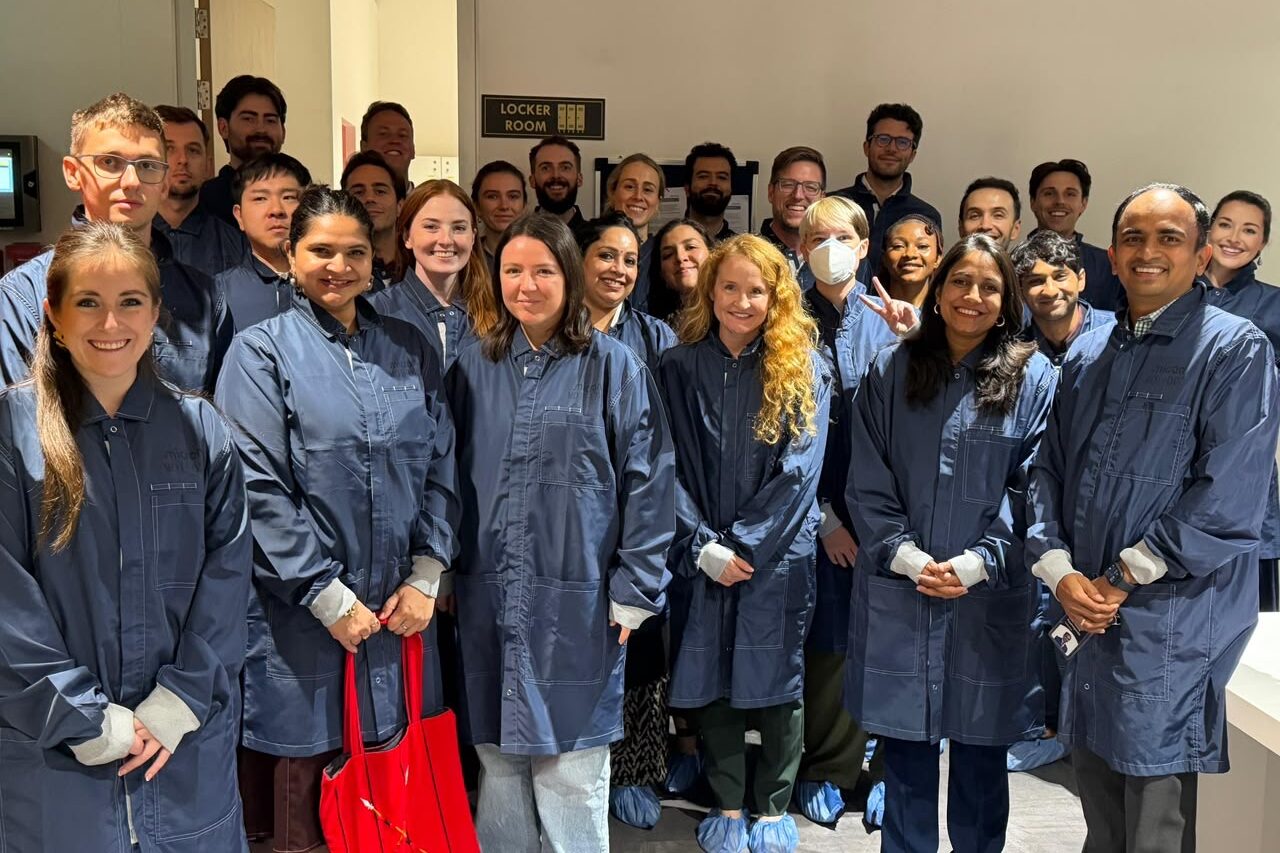
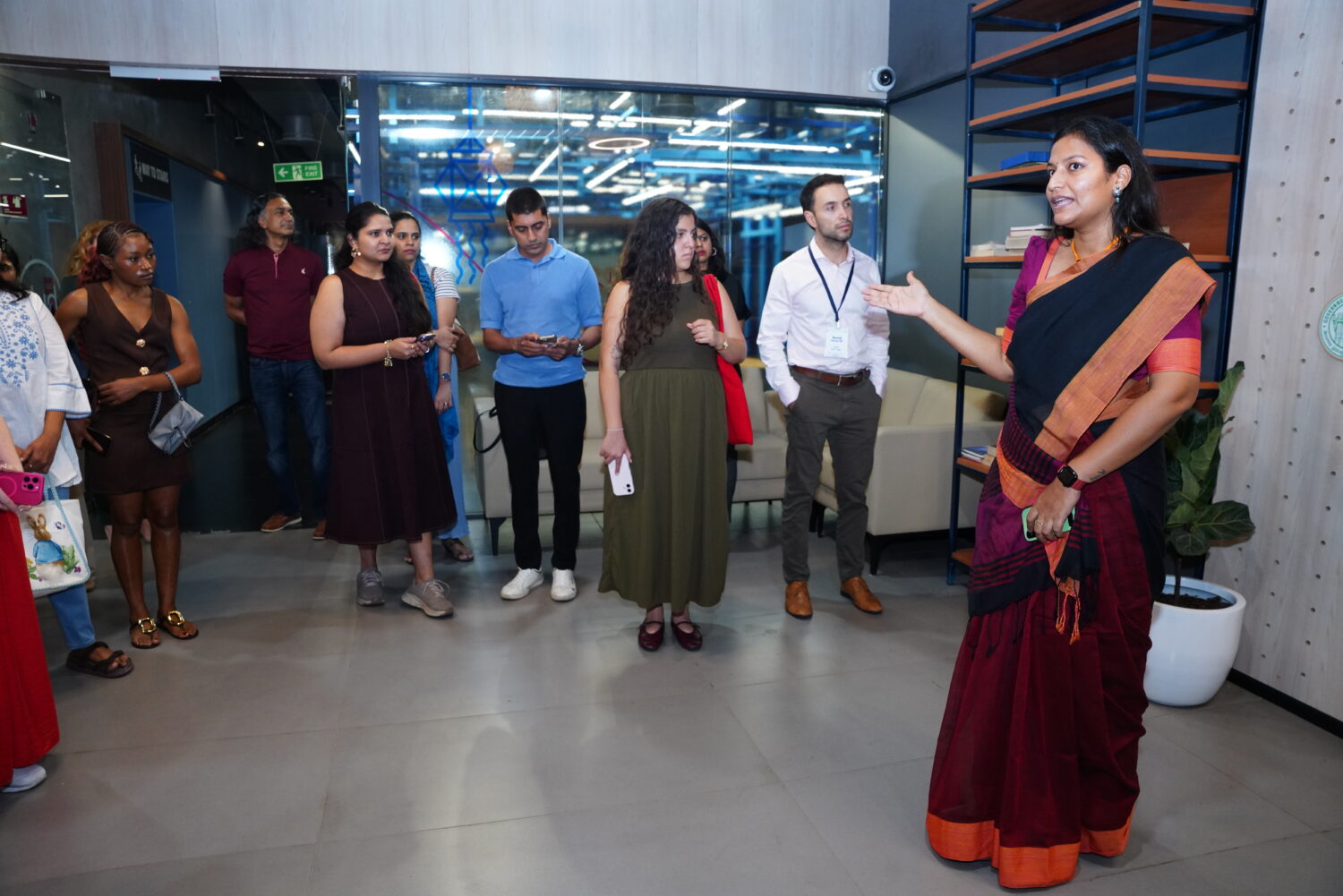
Across a series of site visits, the Changemakers learned firsthand how AI policy questions and challenges are being addressed in practice.
At the Hyderabad campus of Micron Technology, a multinational semiconductor manufacturer, and at T-Hub, one of the world’s largest innovation and seed funding ecosystems, the Changemakers met with with industry leaders who offered valuable insights not only about India’s technology startup economy, but also about the specific hardware and semiconductor innovations powering today’s AI models.
Through these exchanges with tech leaders, investors, entrepreneurs, and more, the Changemakers learned from the practical, hands-on perspectives of those working on the cutting edge of AI and tech development in Hyderabad.
Fostering Global Collaboration

Over four years, the Global Changemakers Workshop continues to demonstrate what collaboration across the International Partners network can make possible. The 2026 Changemakers carried that spirit forward with remarkable conviction, passion, and humility.
Across borders, sectors, and disciplines, they challenged each other’s thinking, built new relationships, and developed ideas for navigating some of the most significant questions shaping our future.
While developments in AI are only accelerating, rising leaders around the world are well-equipped to address the negative consequences of these technologies while harnessing their incredible potential for positive change.
