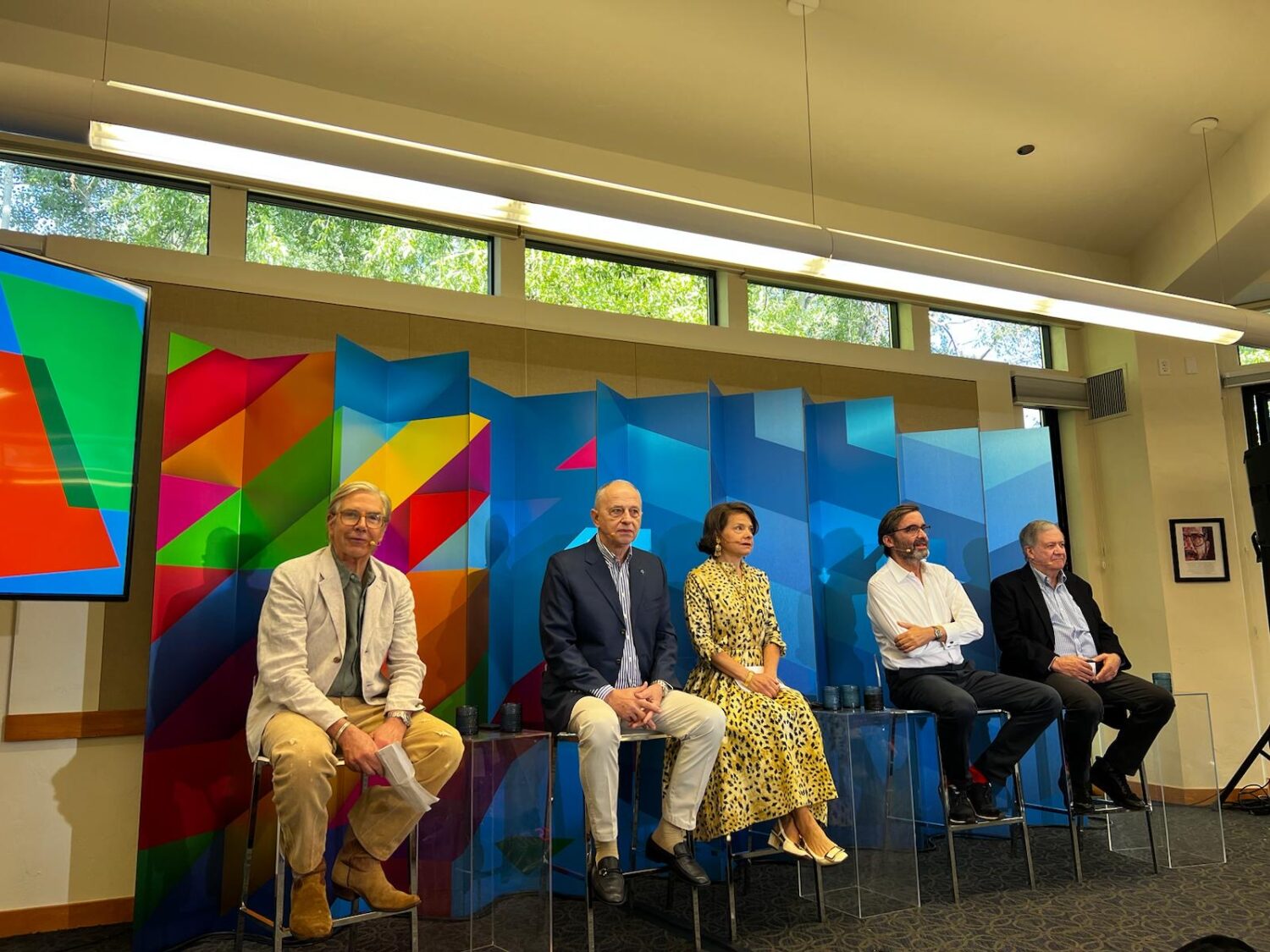
Aspen is a place for leaders to lift their sights above the possessions which possess them. To confront their own nature as human beings, to regain control over their own humanity by becoming more self-aware, more self-correcting, and hence more self-fulfilling.
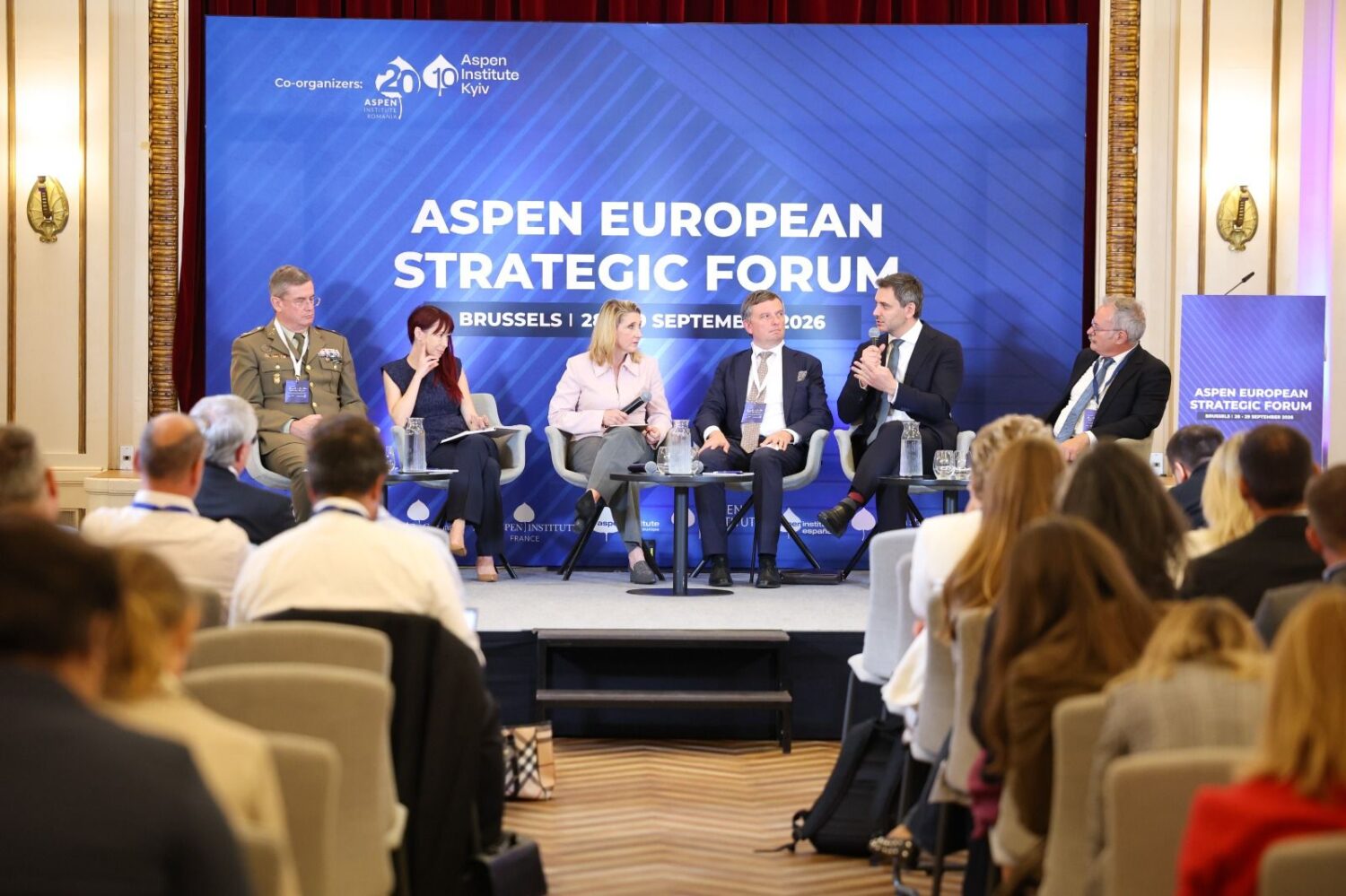
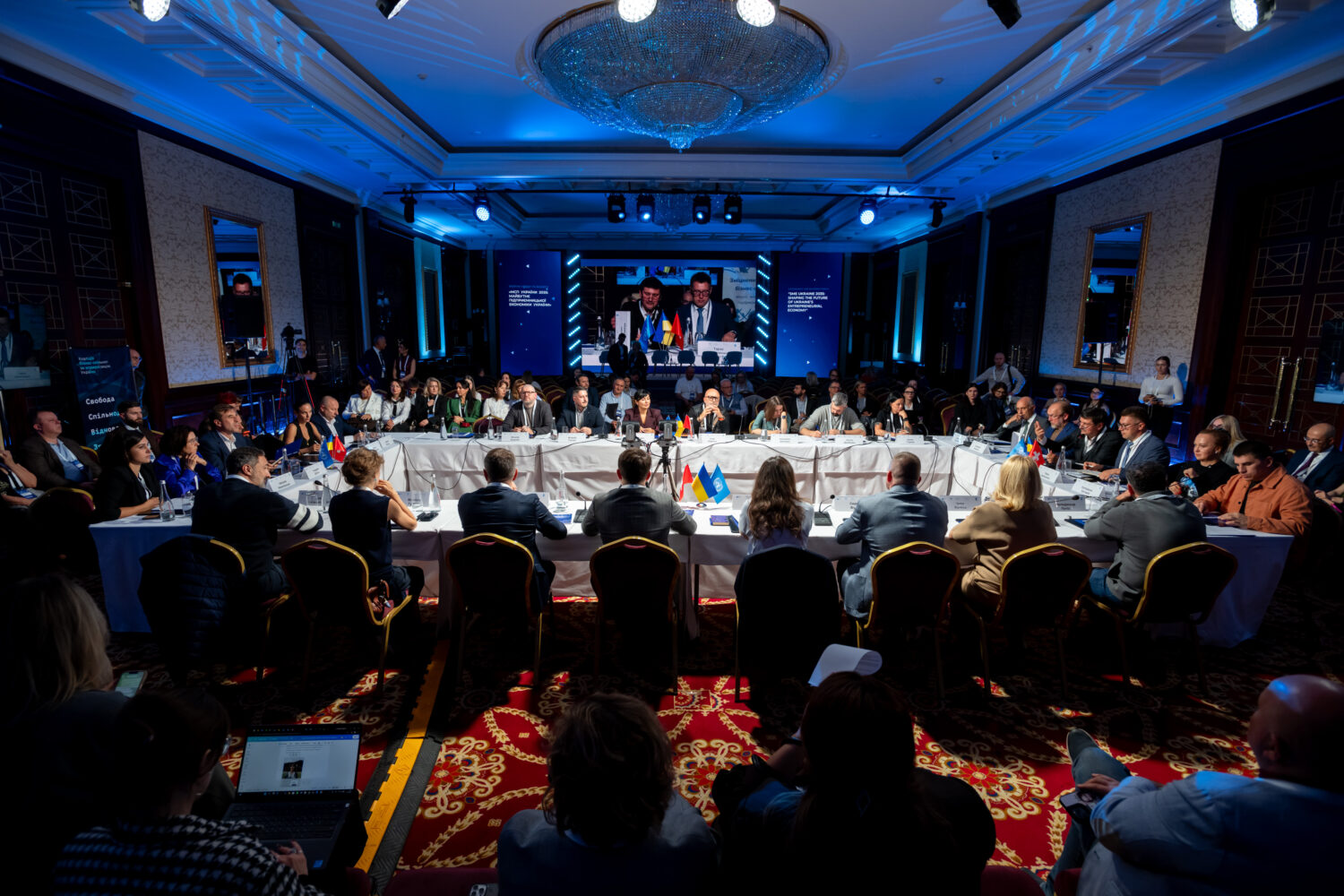
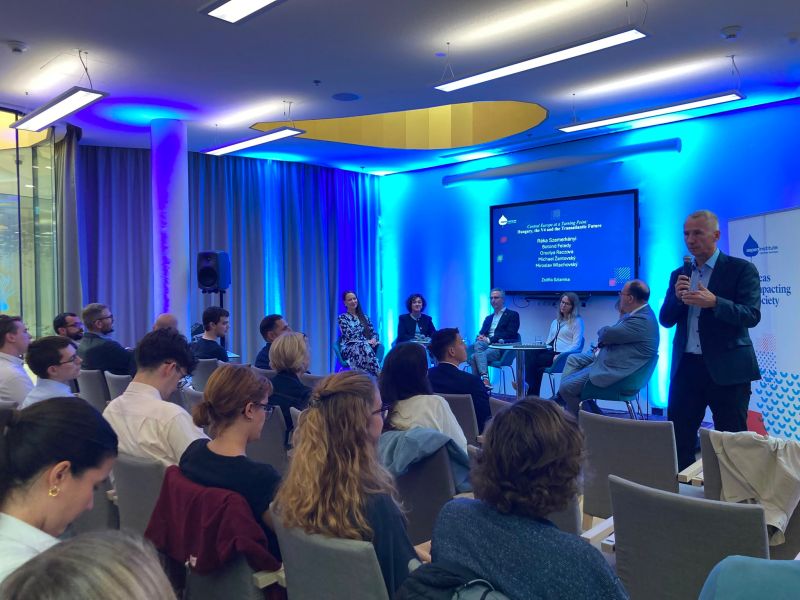
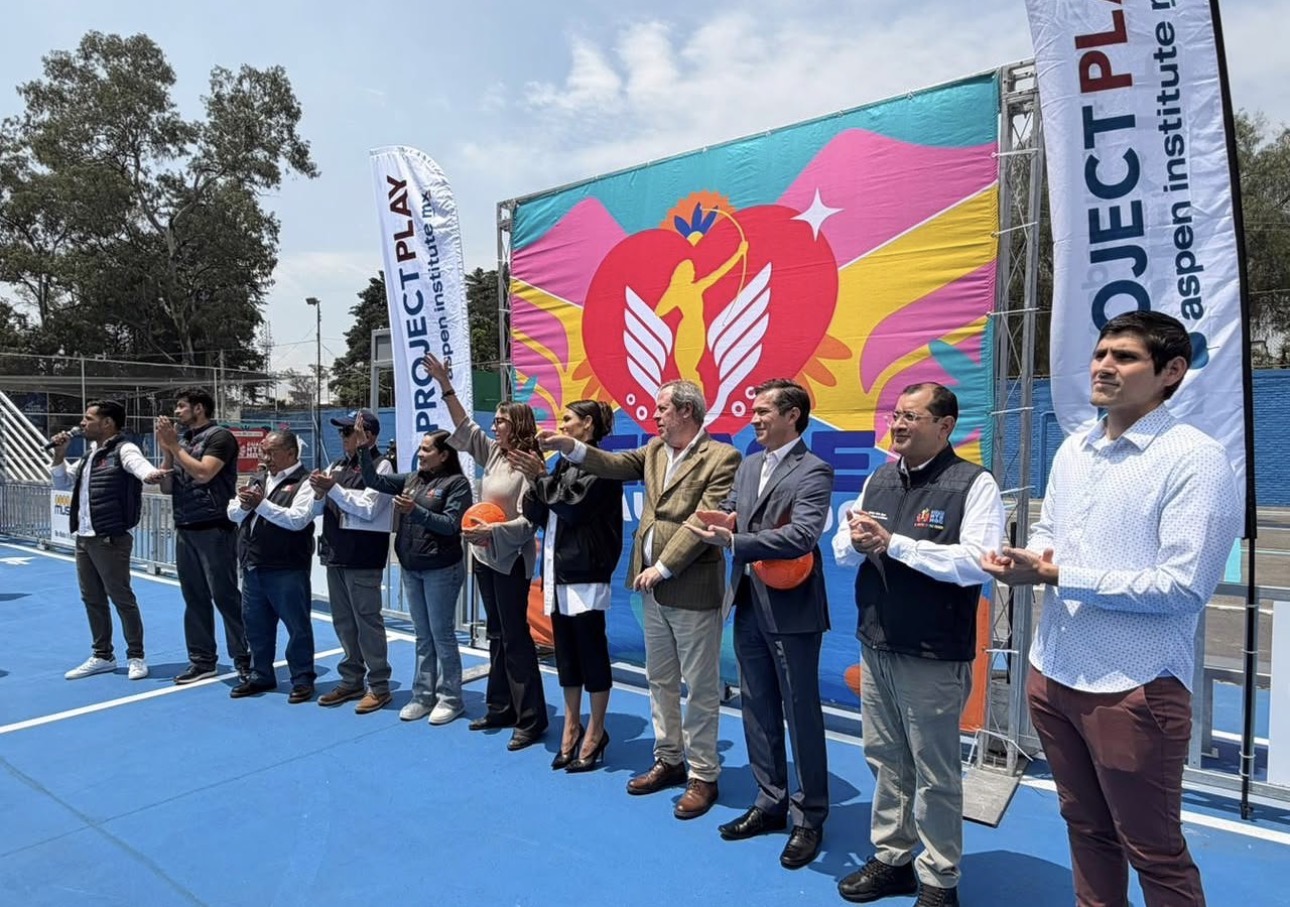
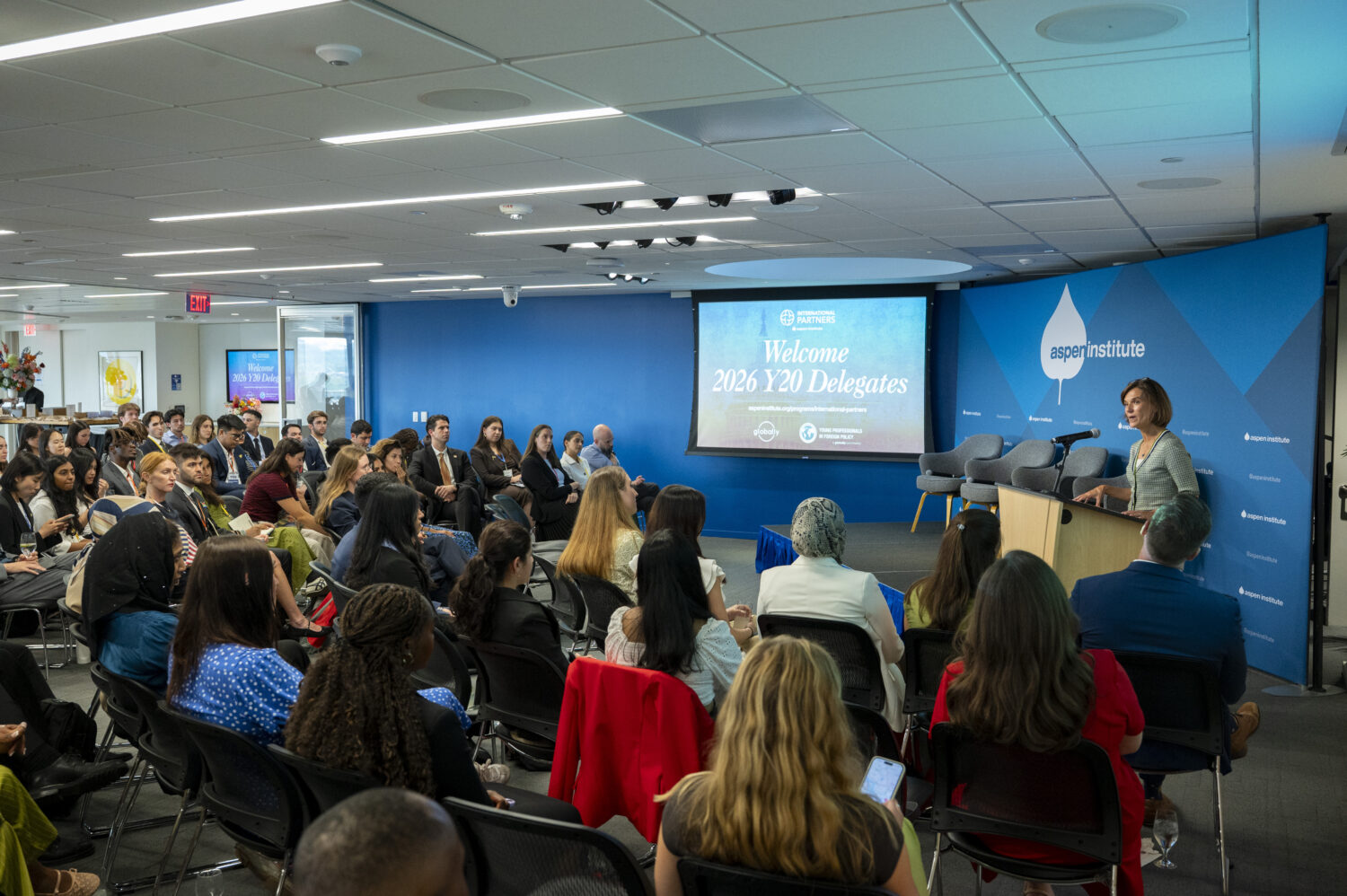
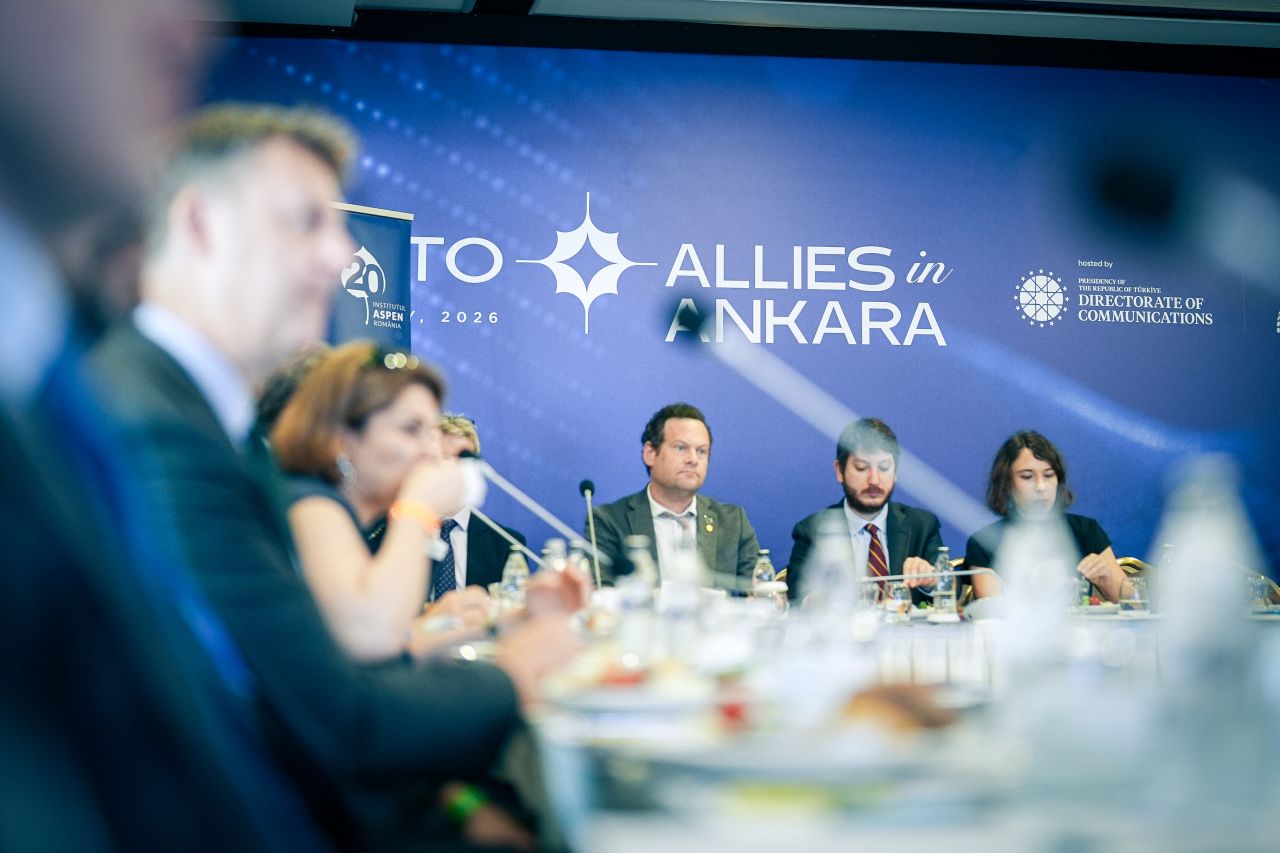
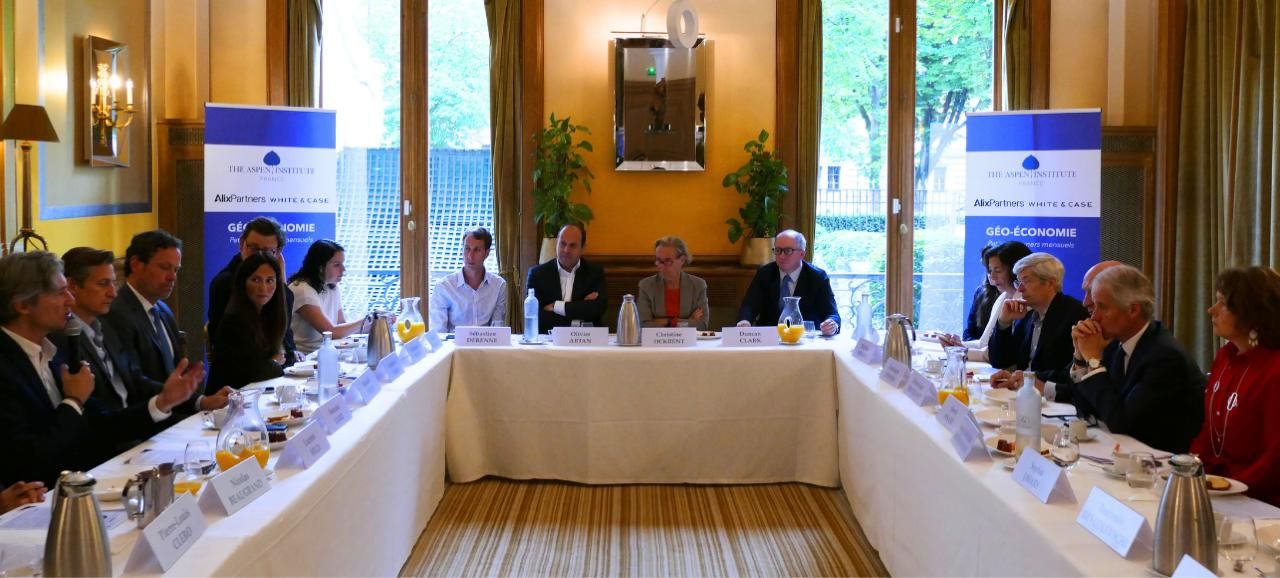
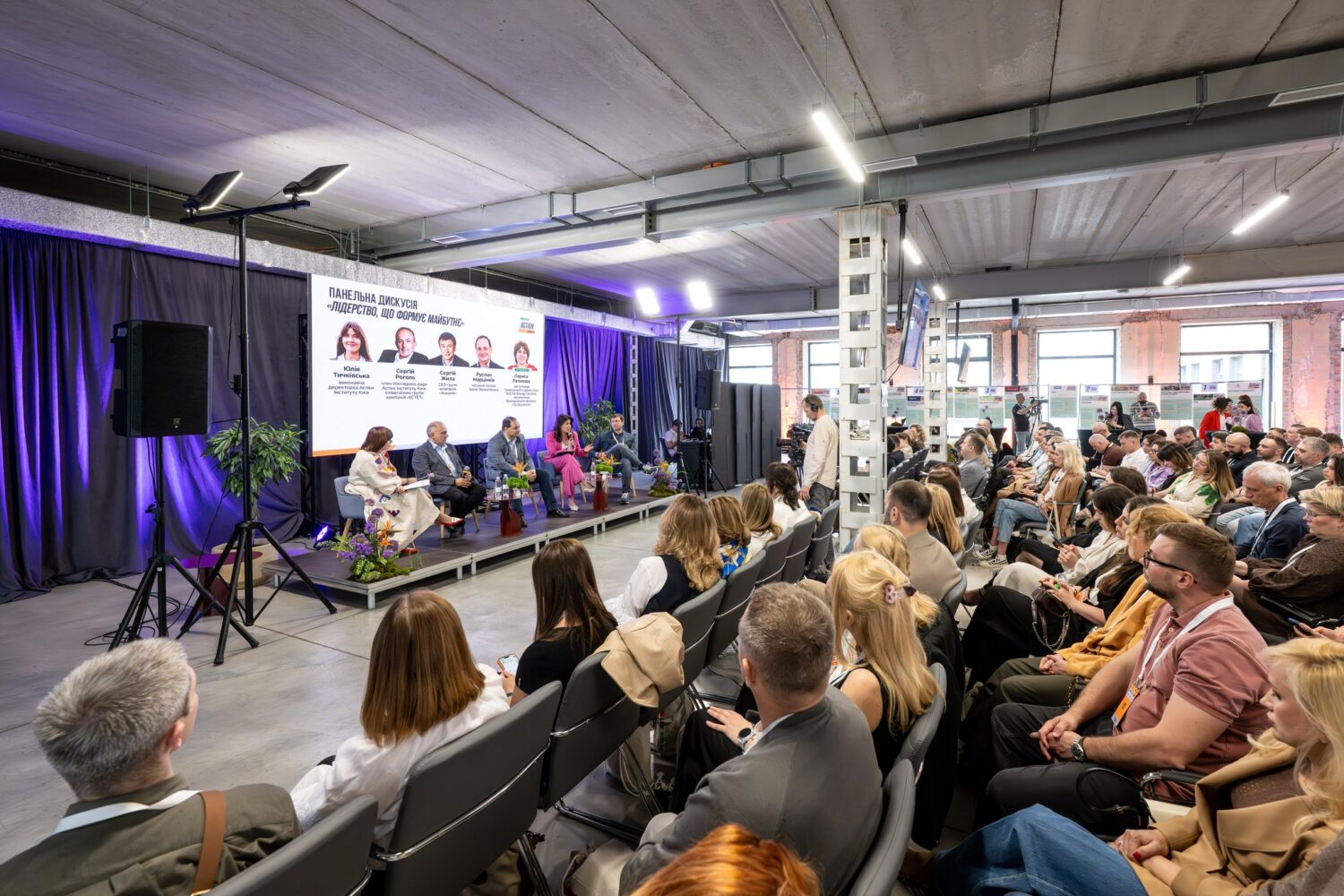
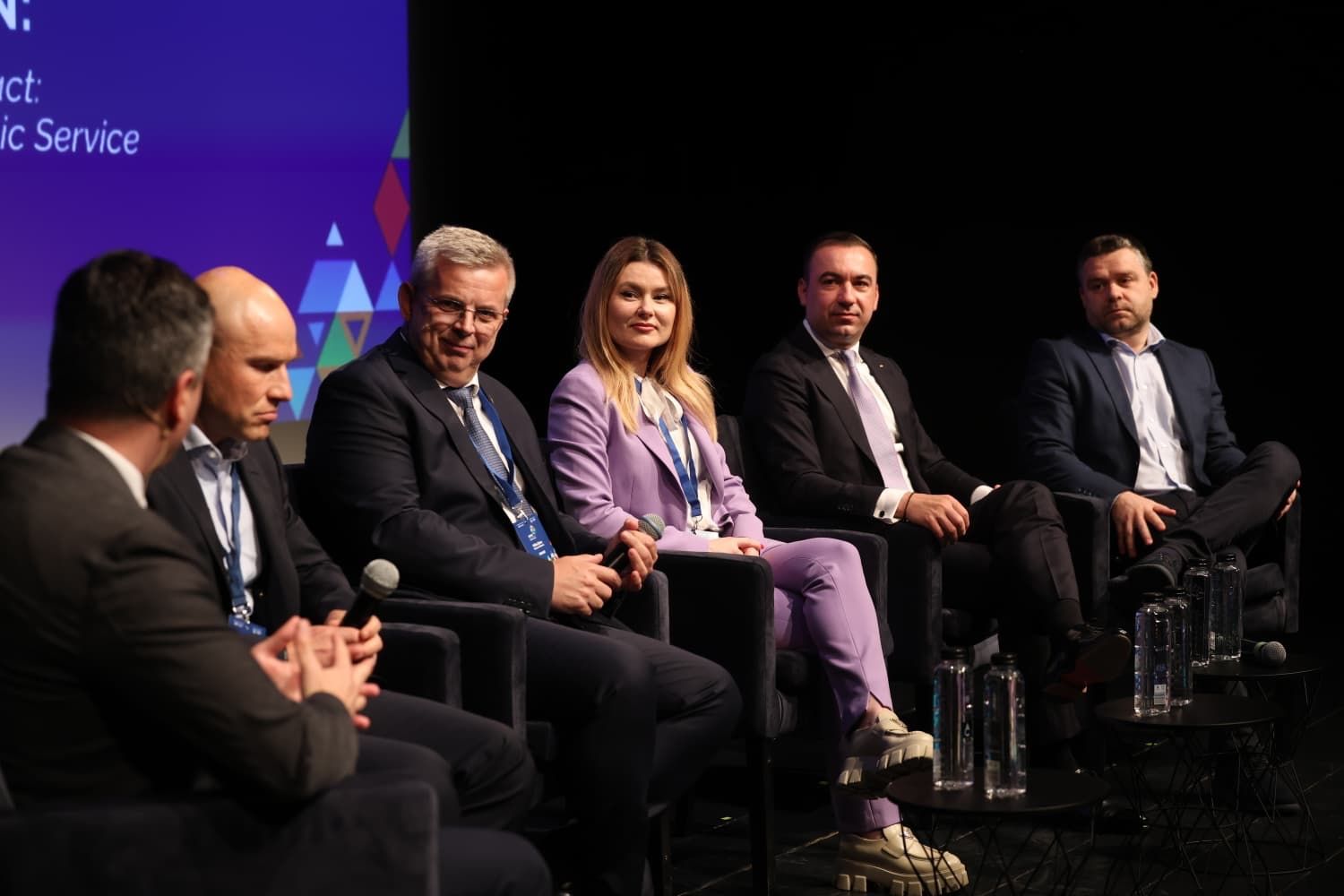
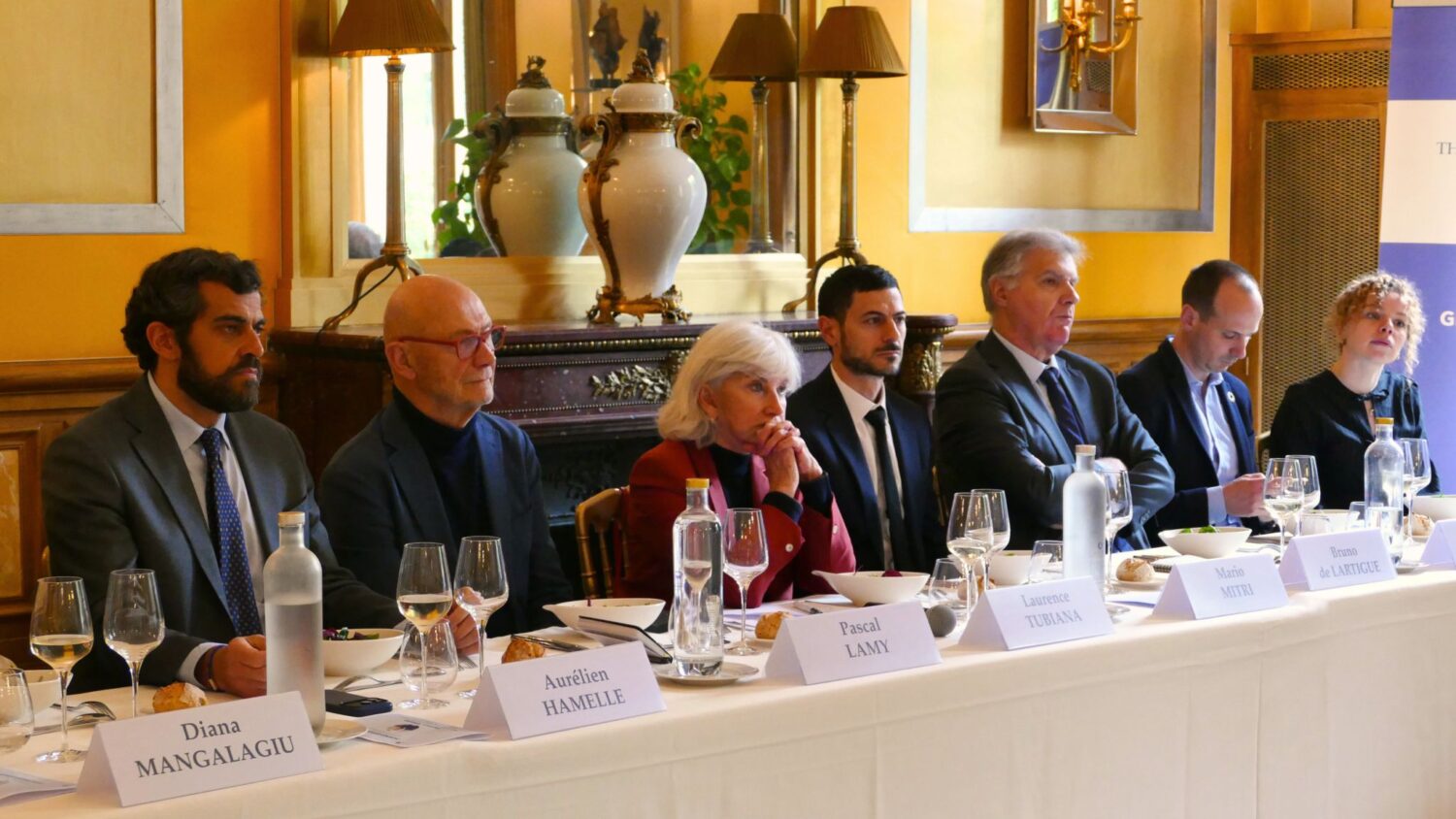
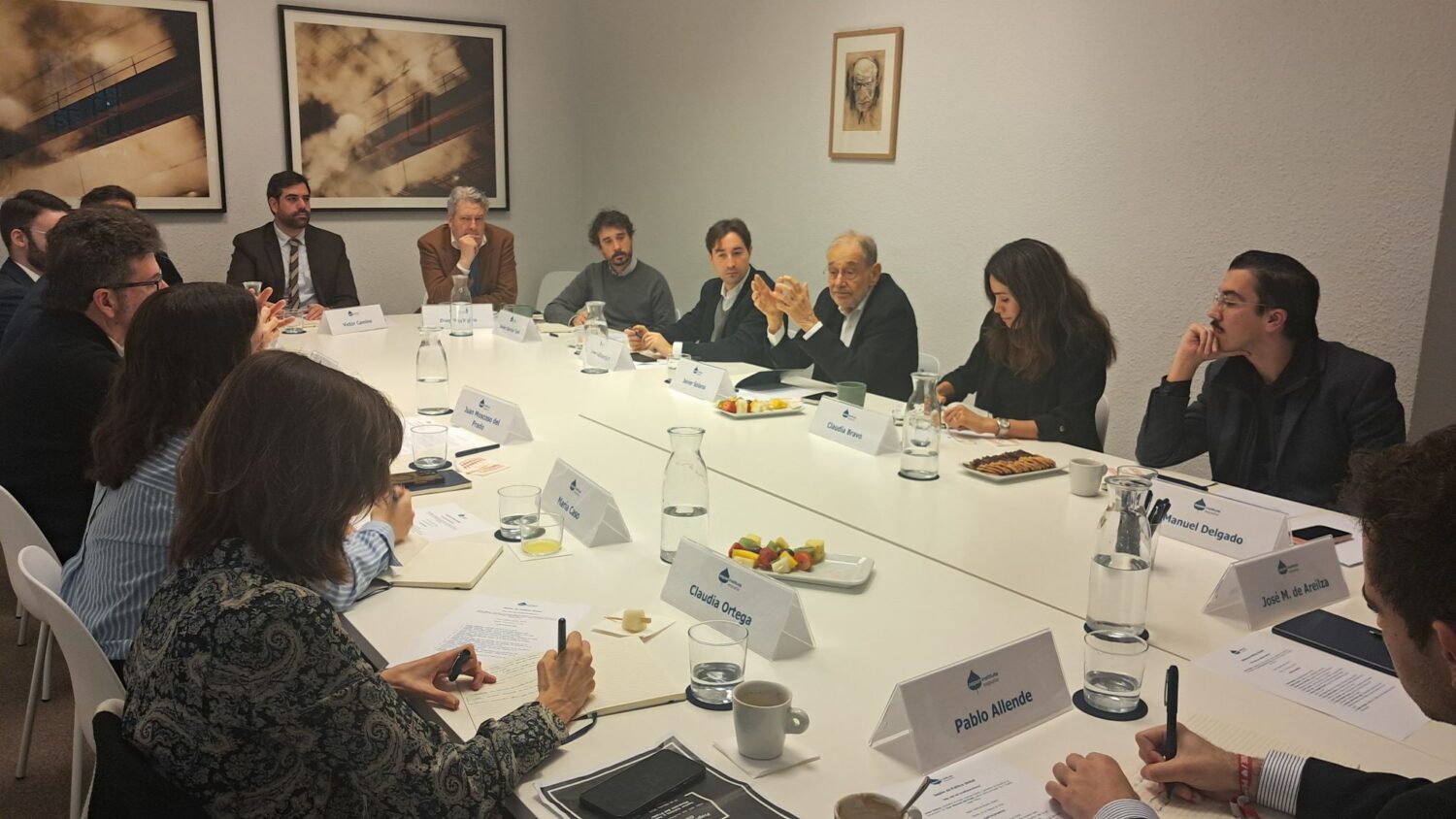
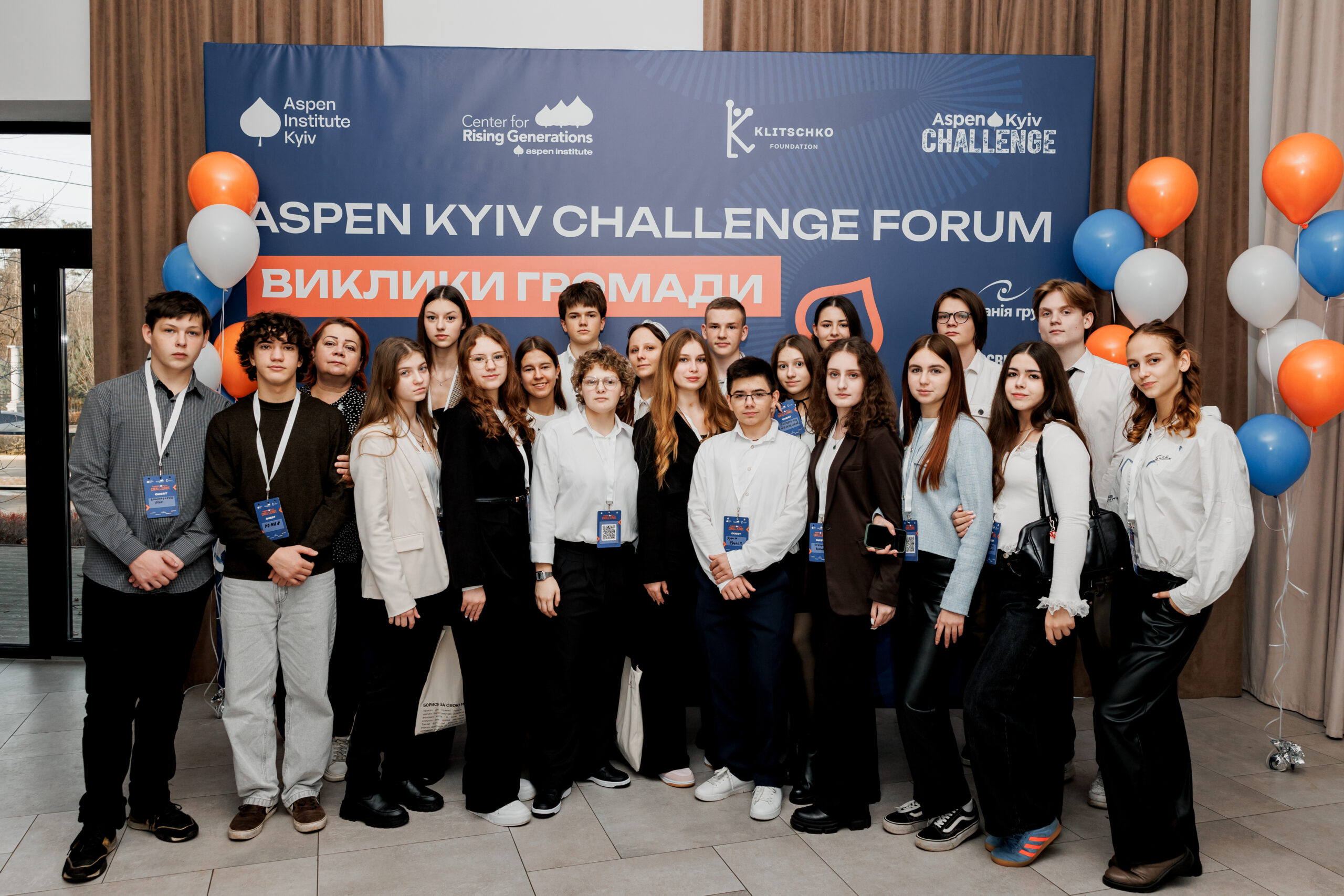
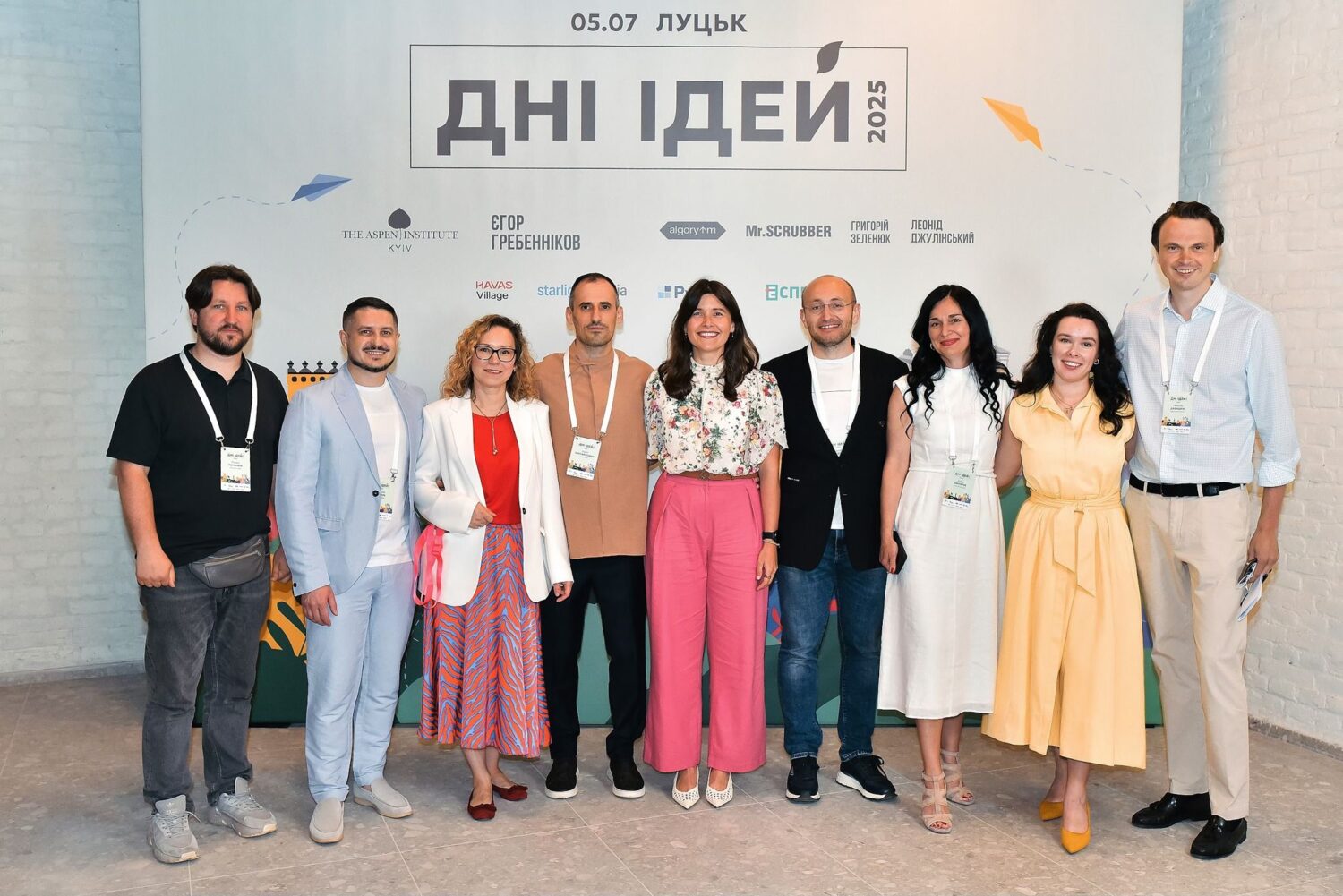
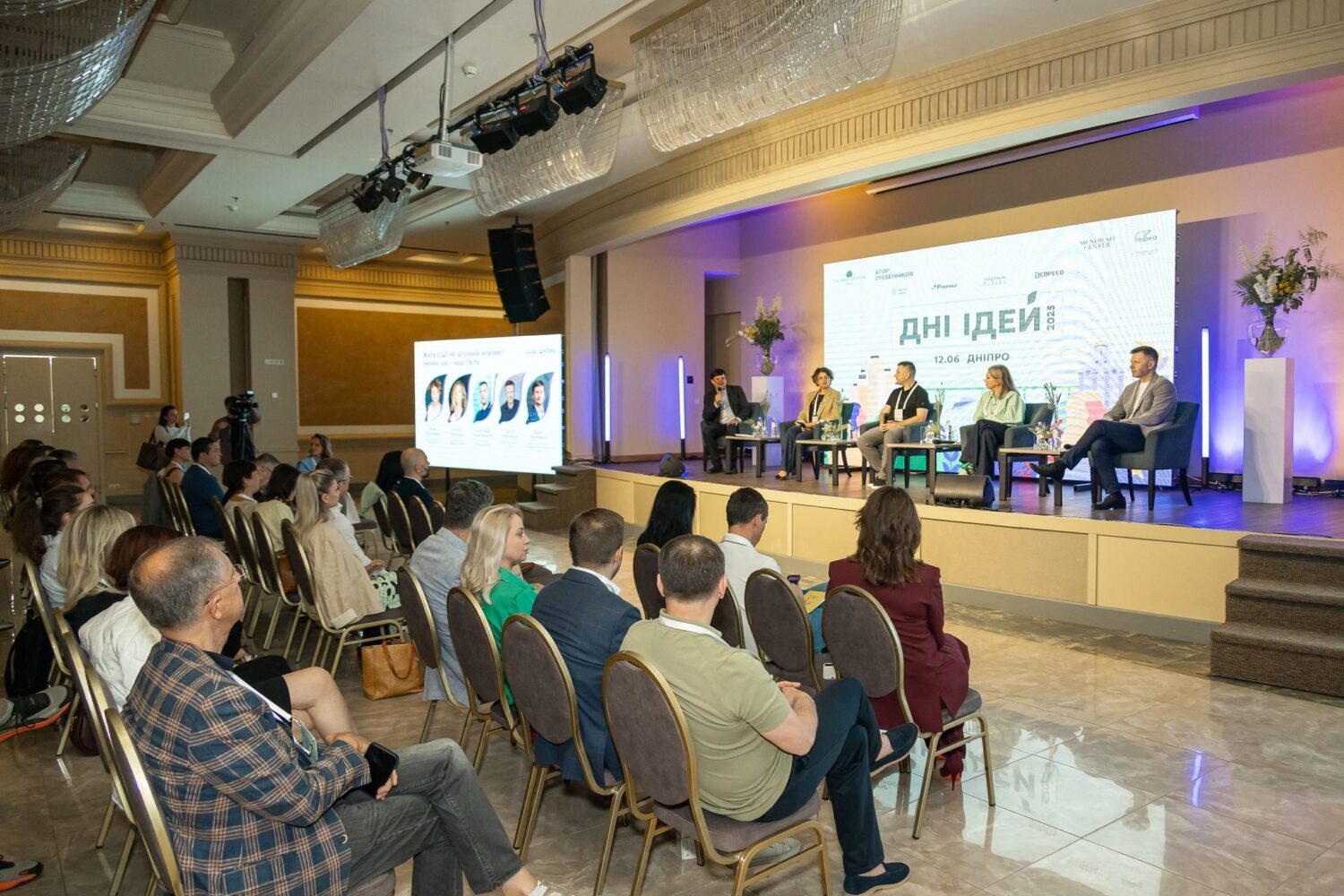
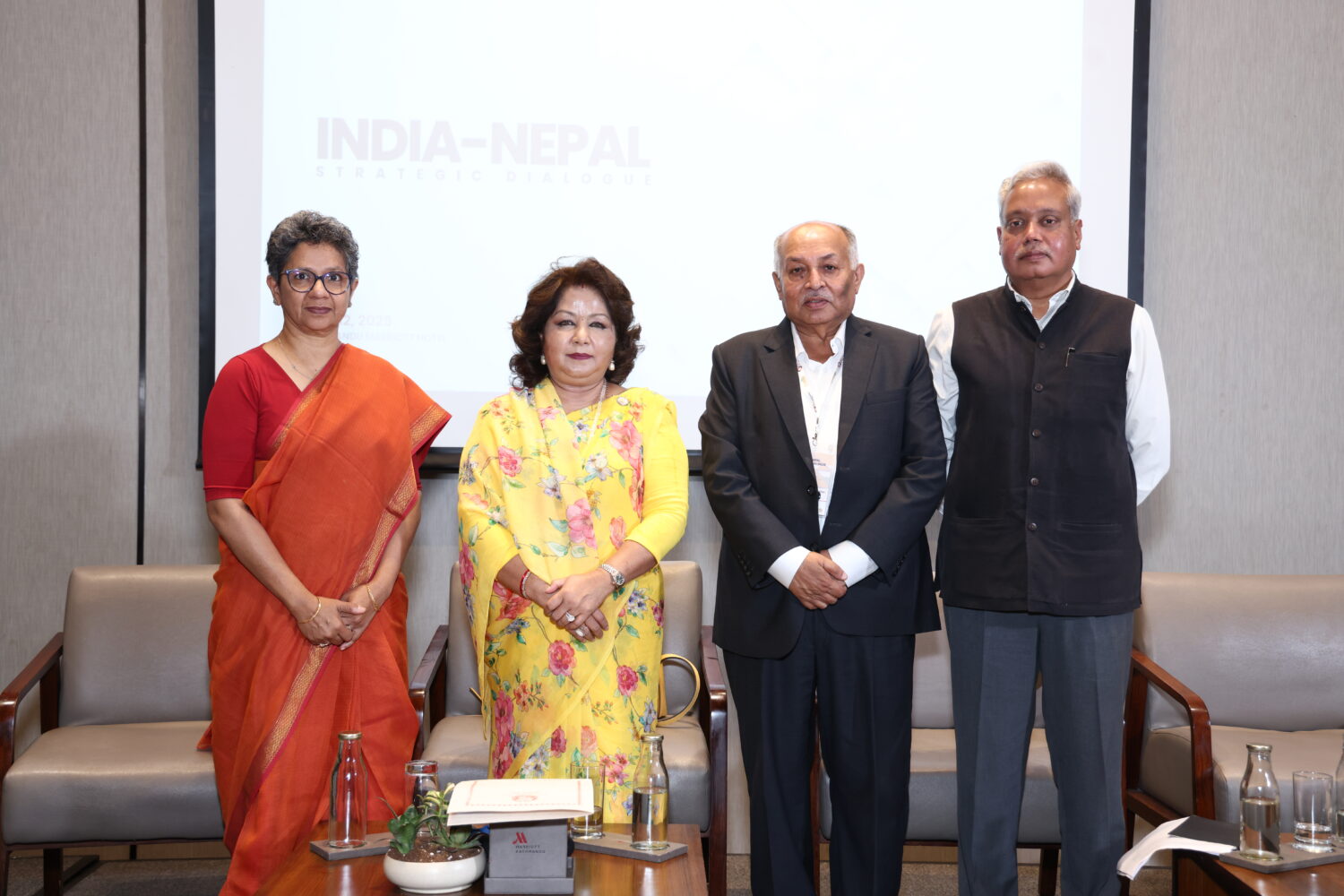
From New Delhi to Nairobi, the International Partners serve as conveners—bringing together leaders, changemakers, and local voices to address pressing global challenges.
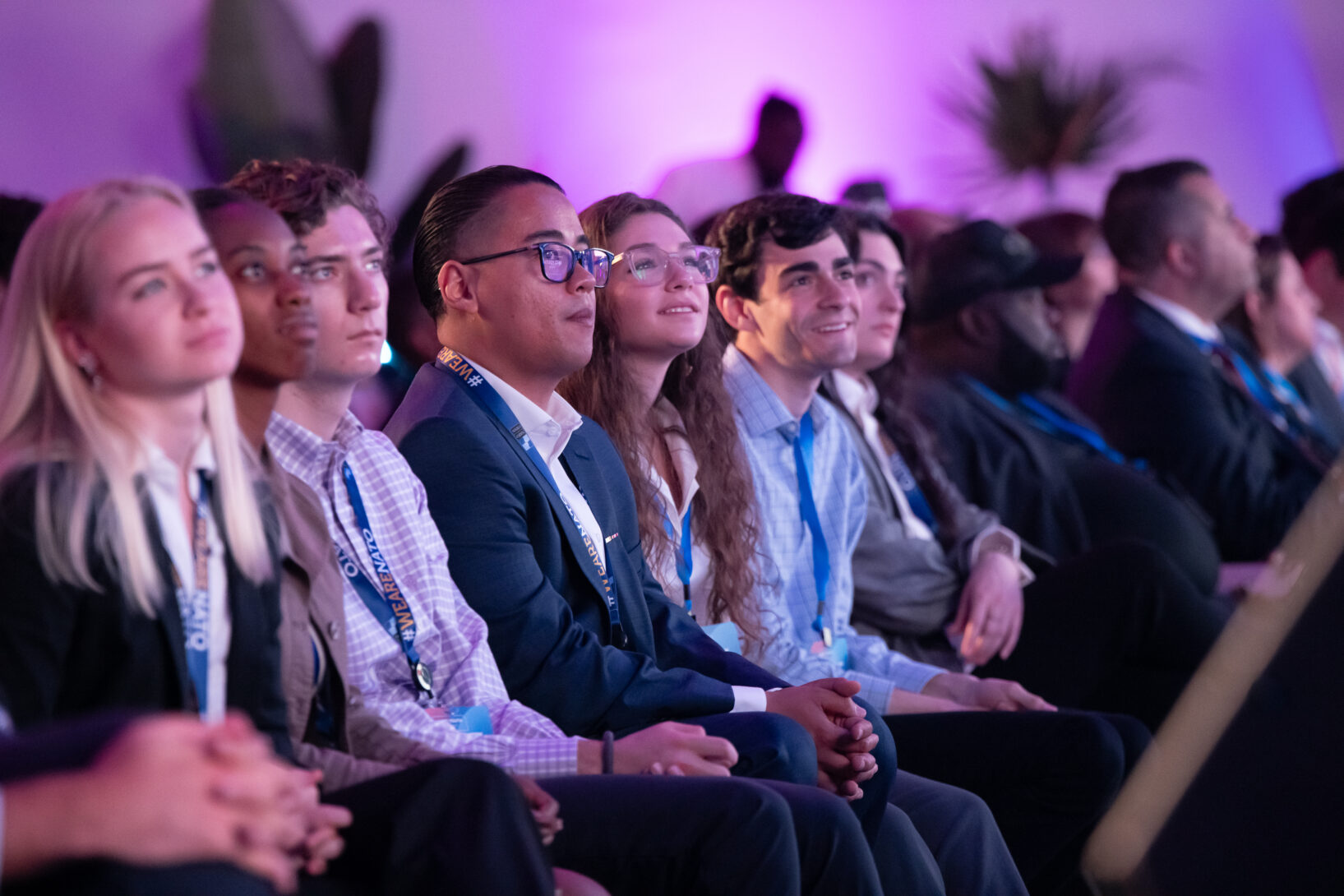
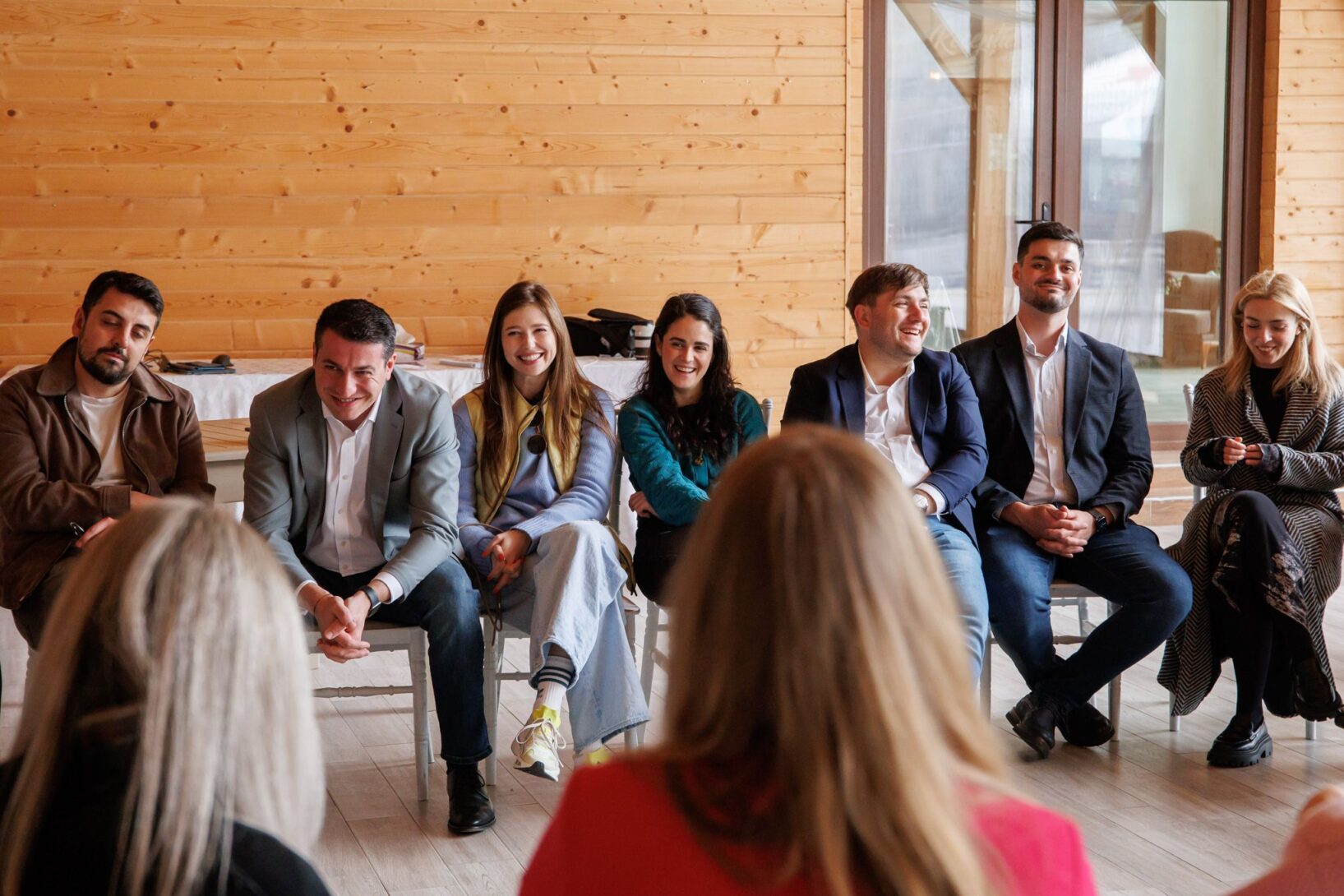
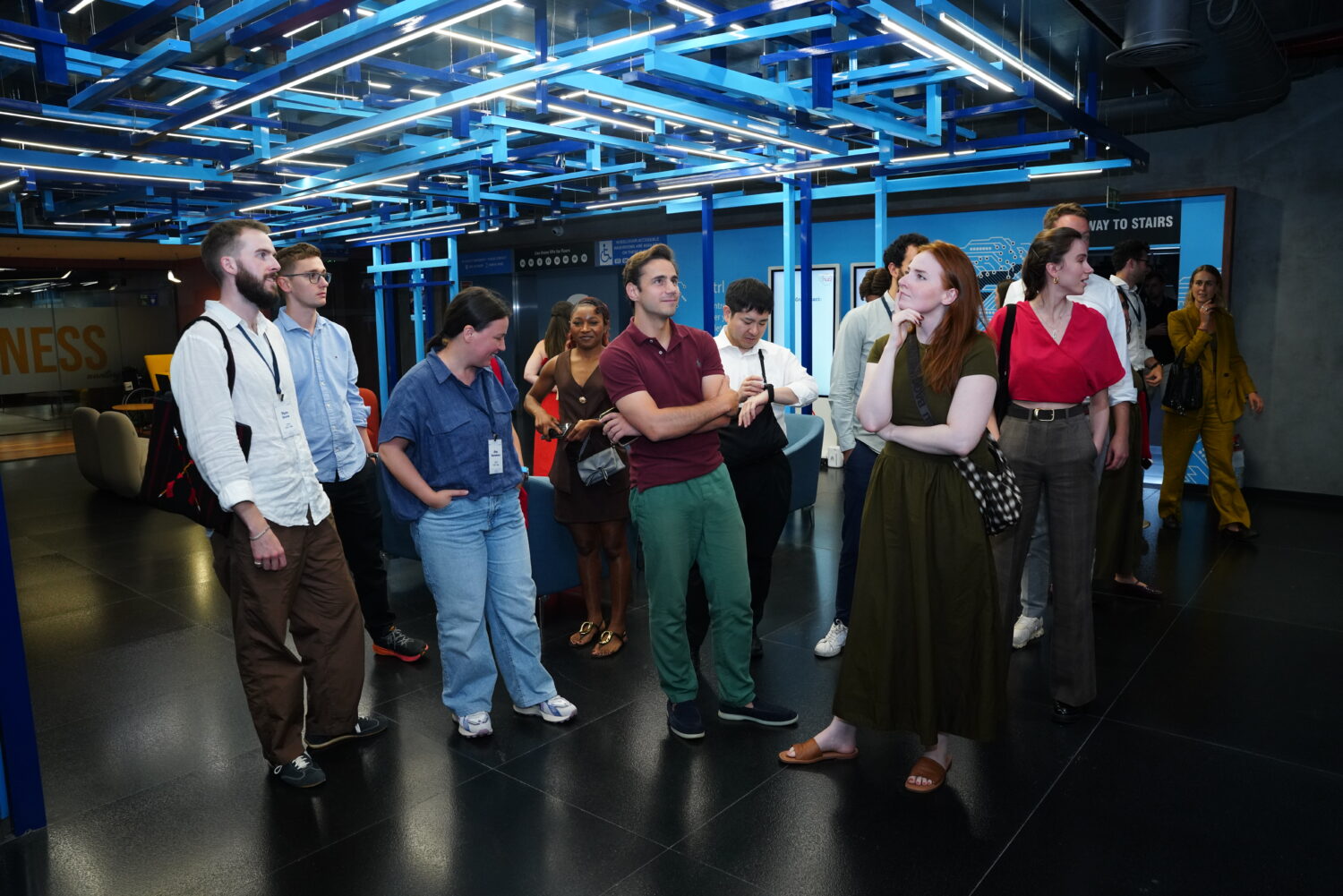
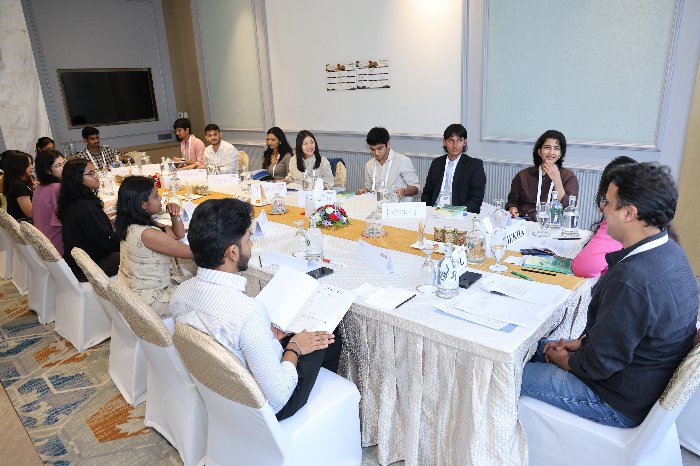
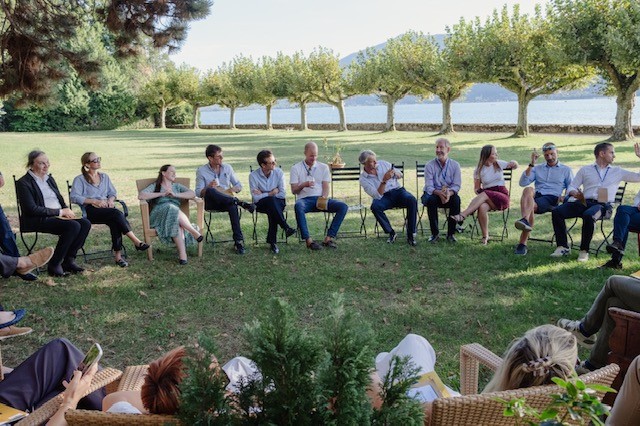
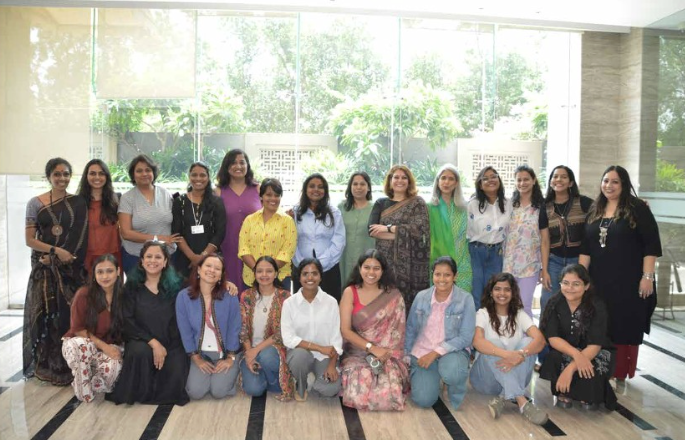
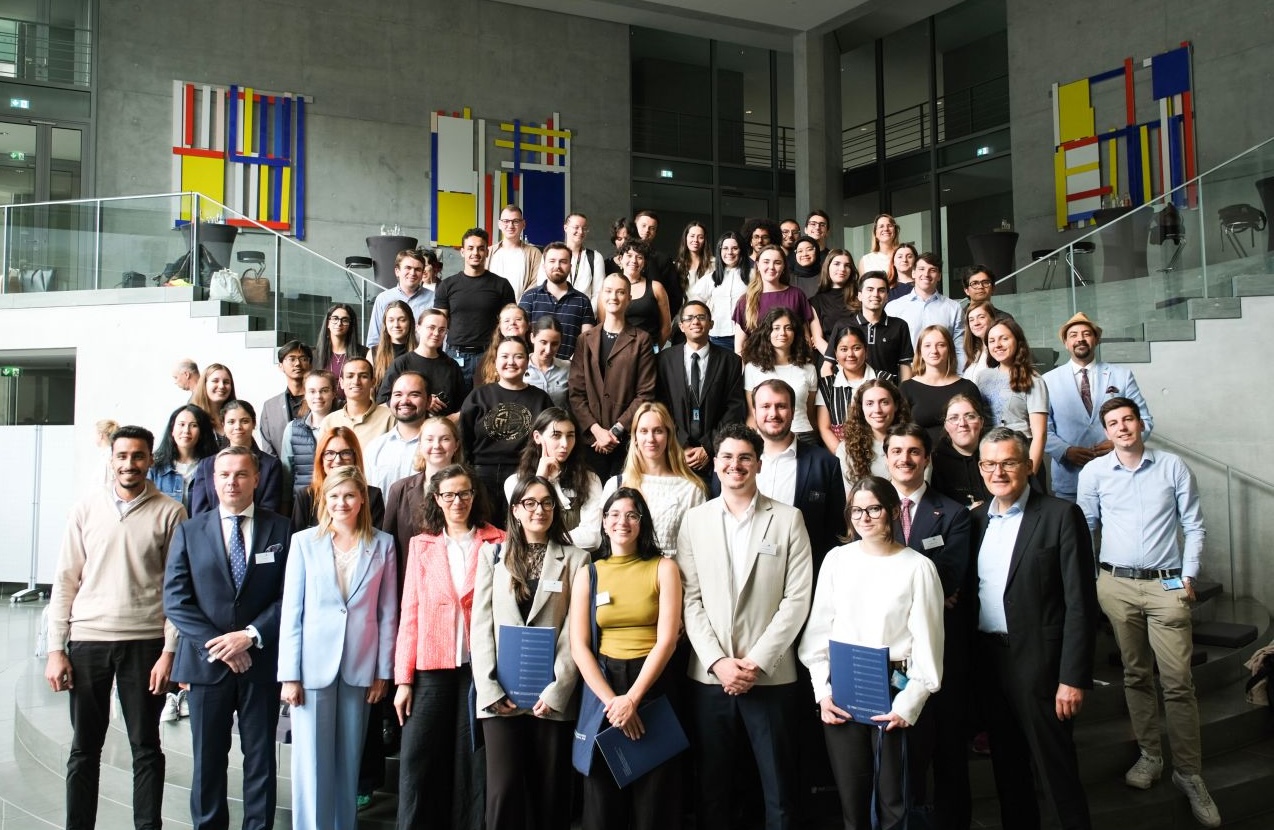
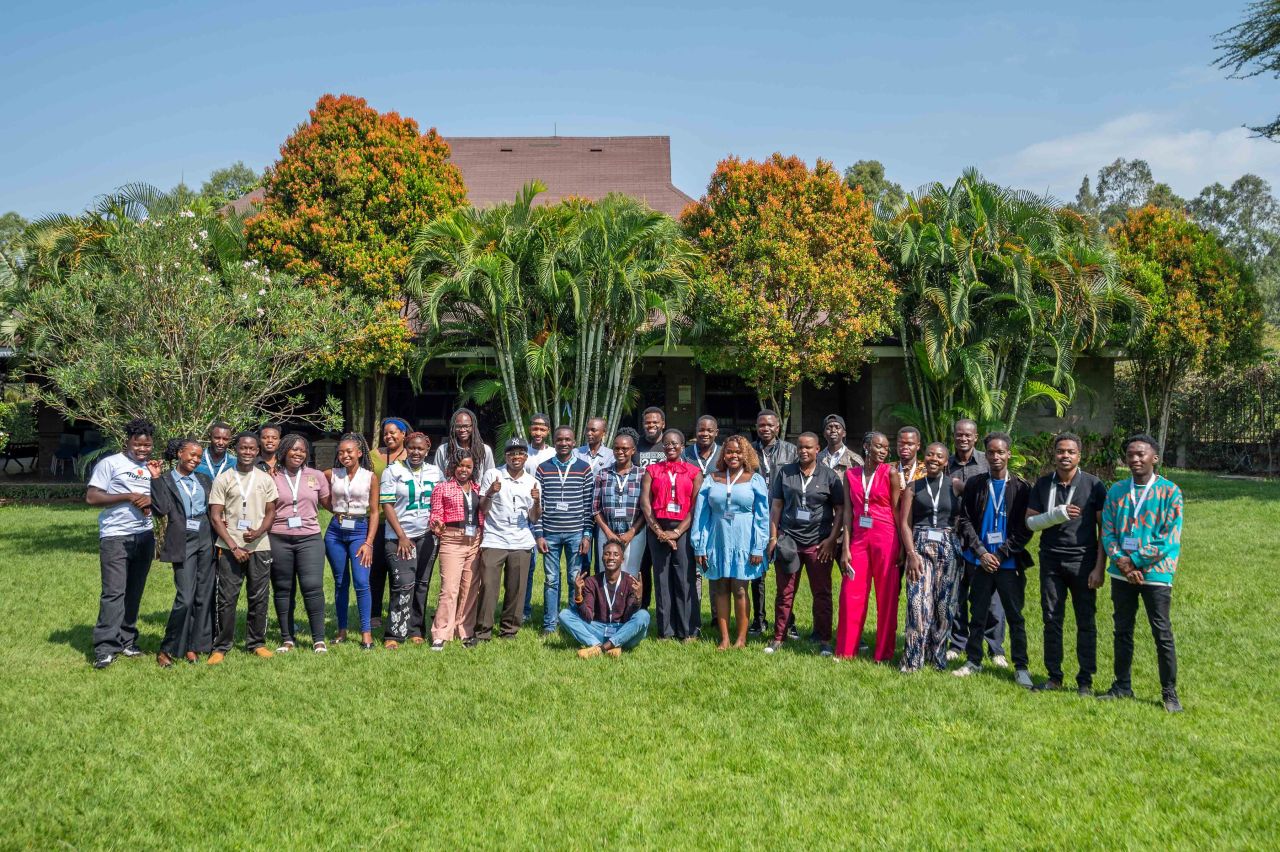
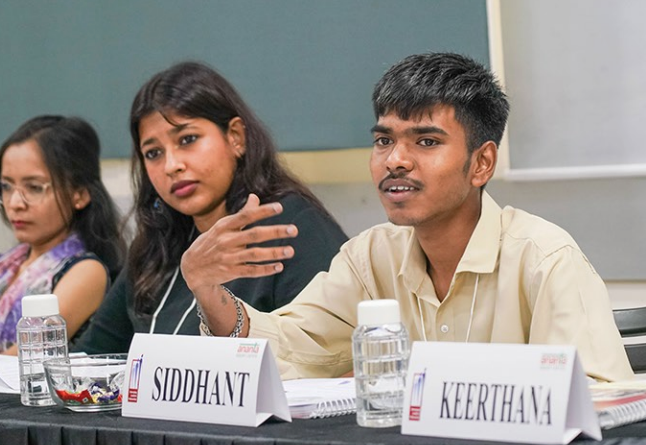
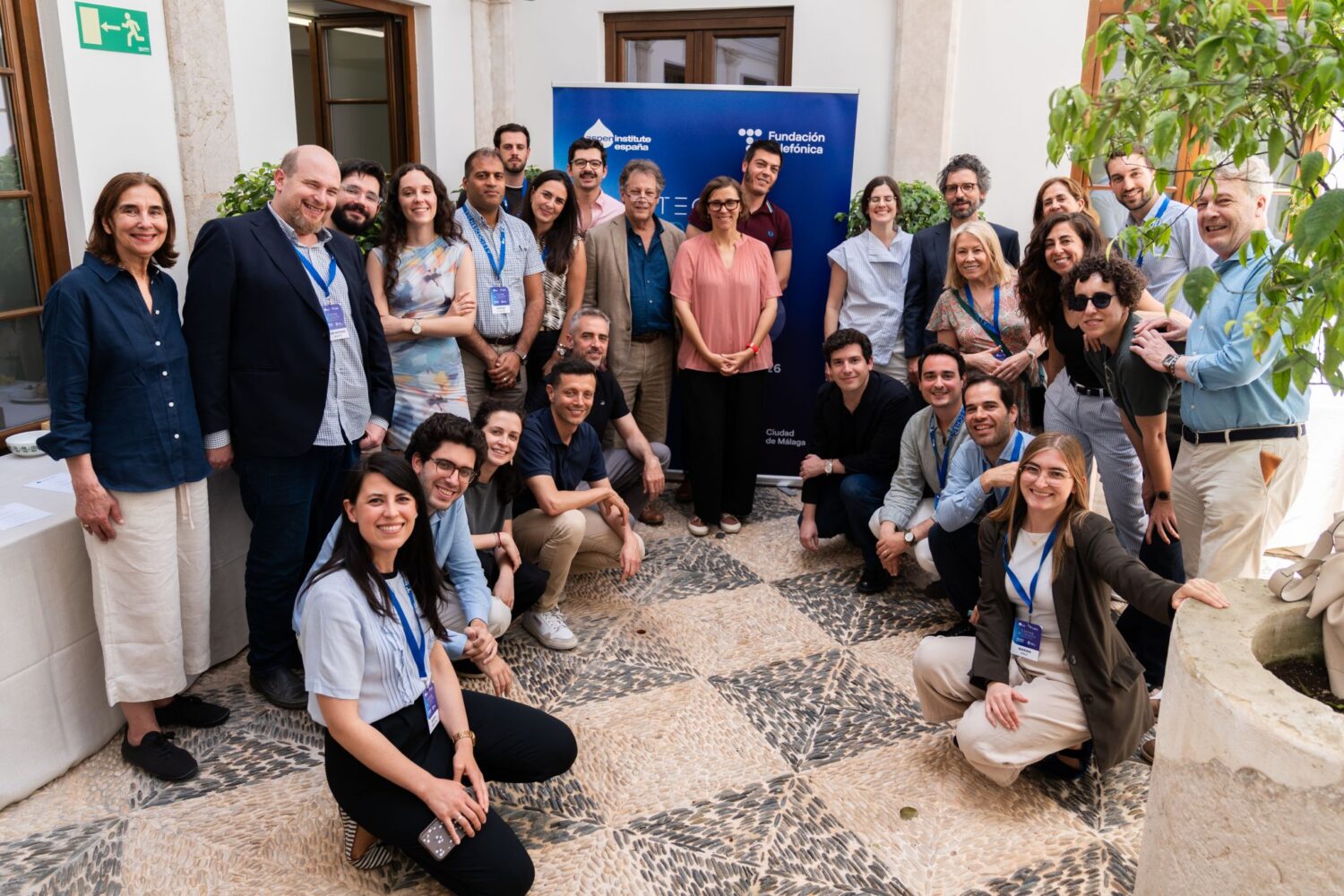
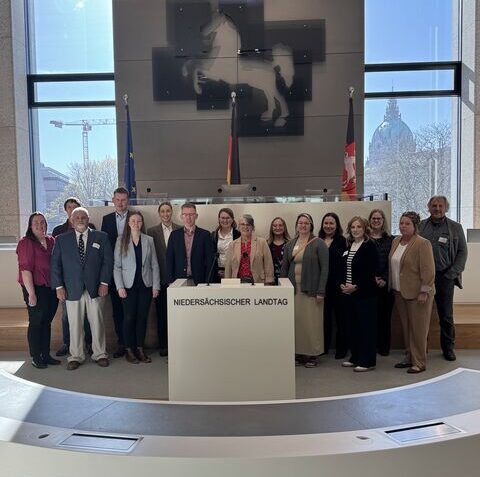
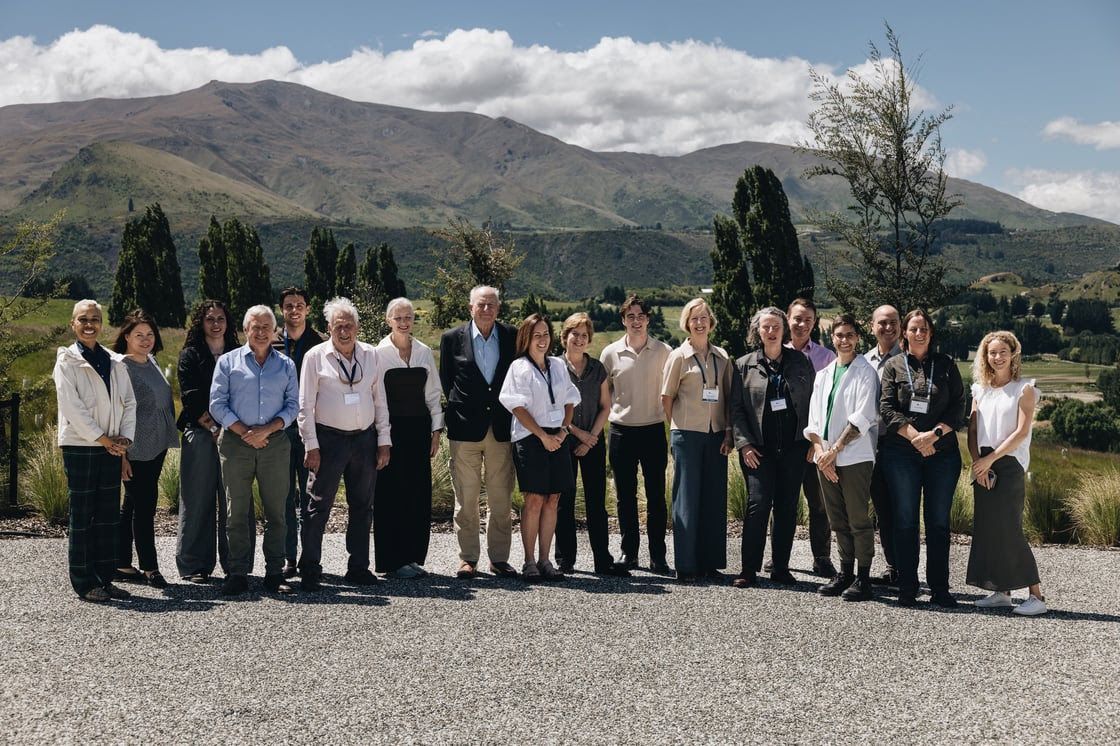
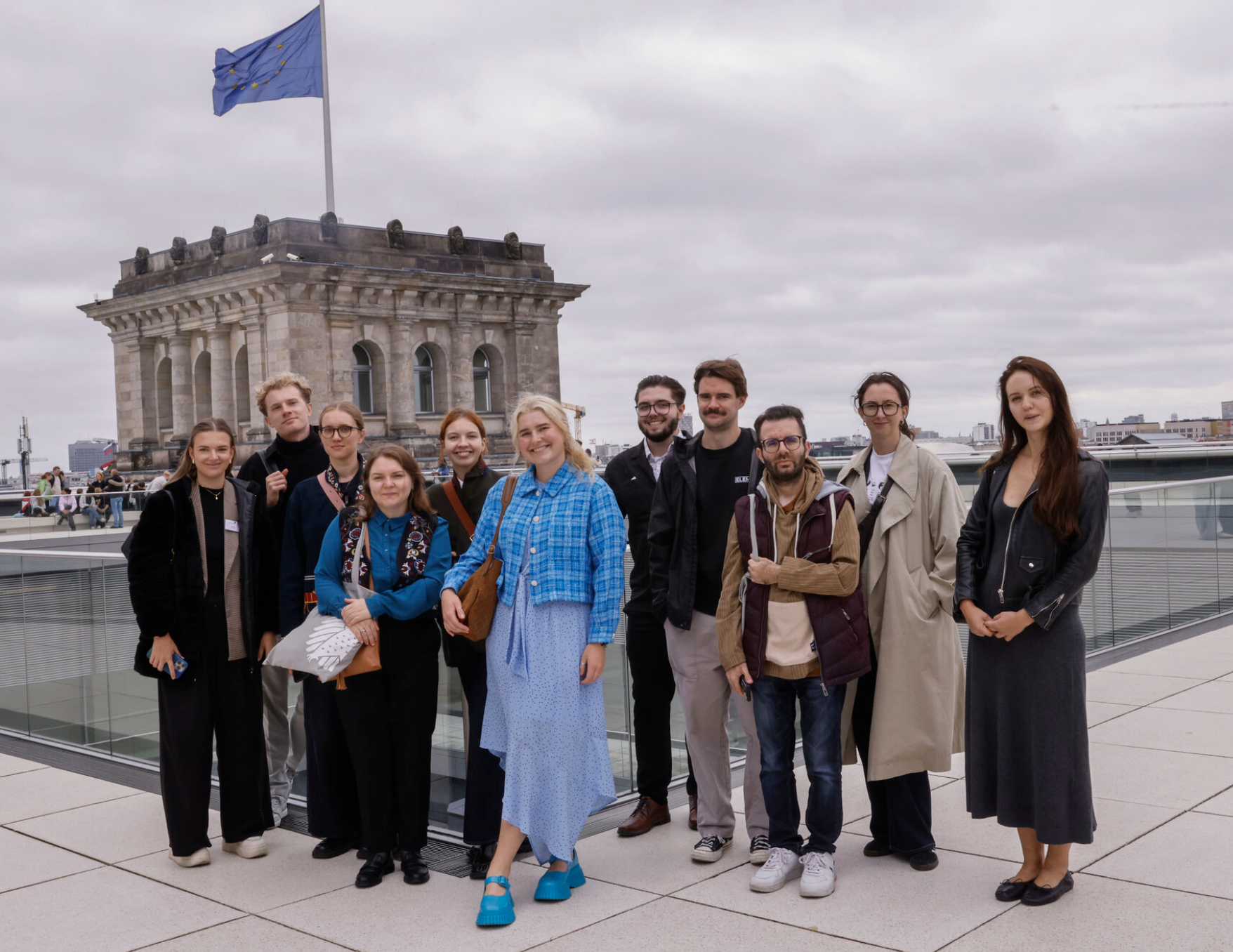
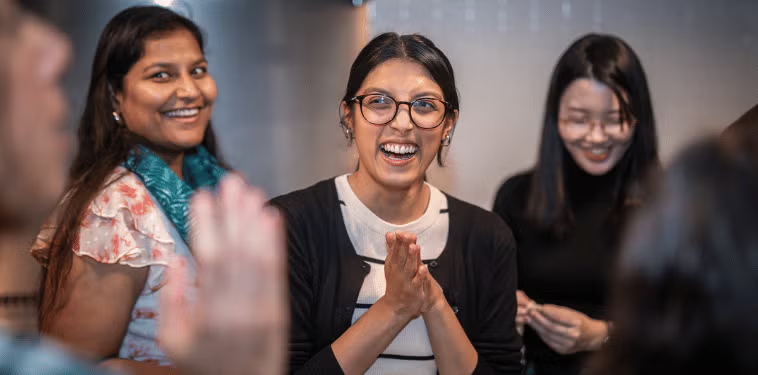
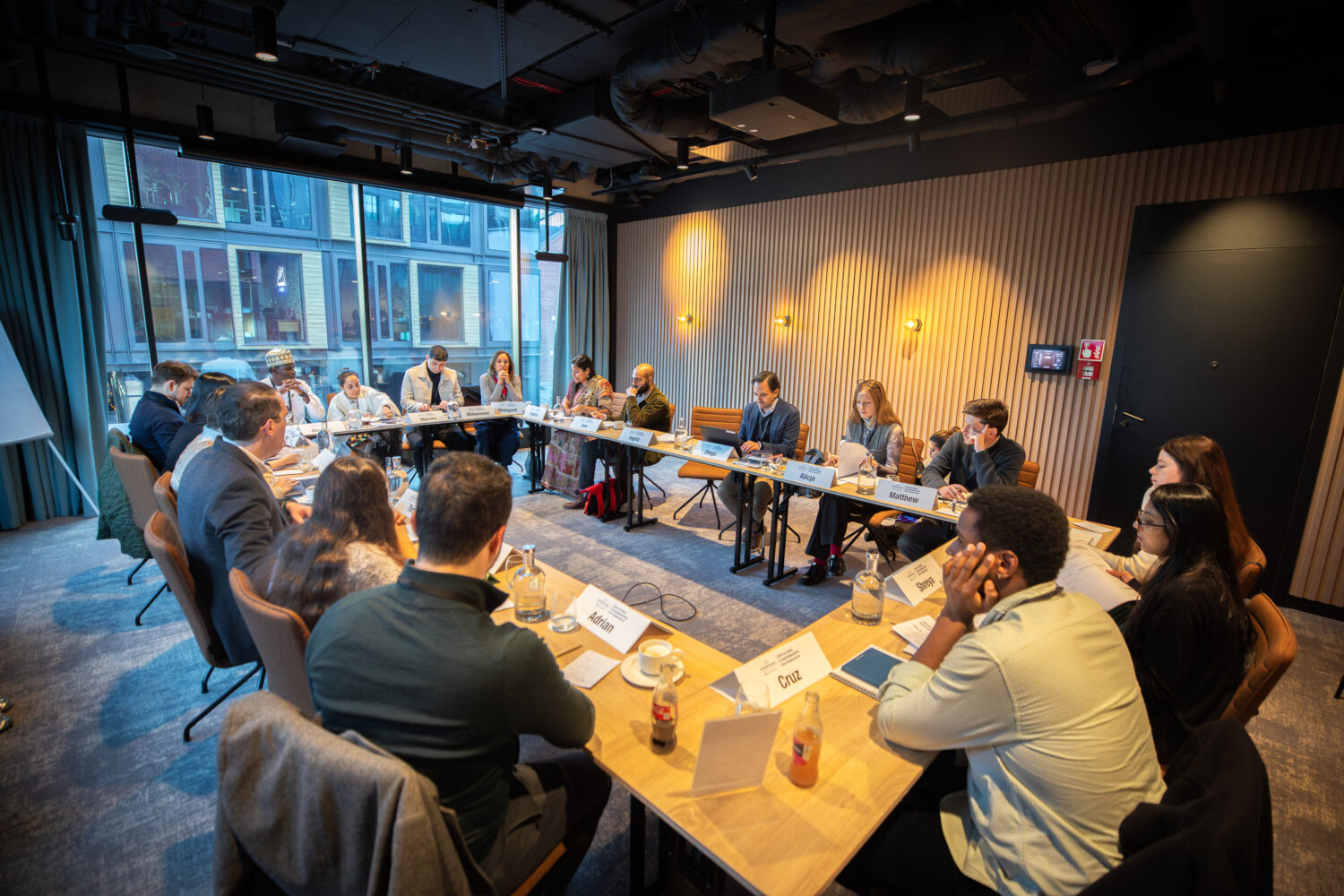
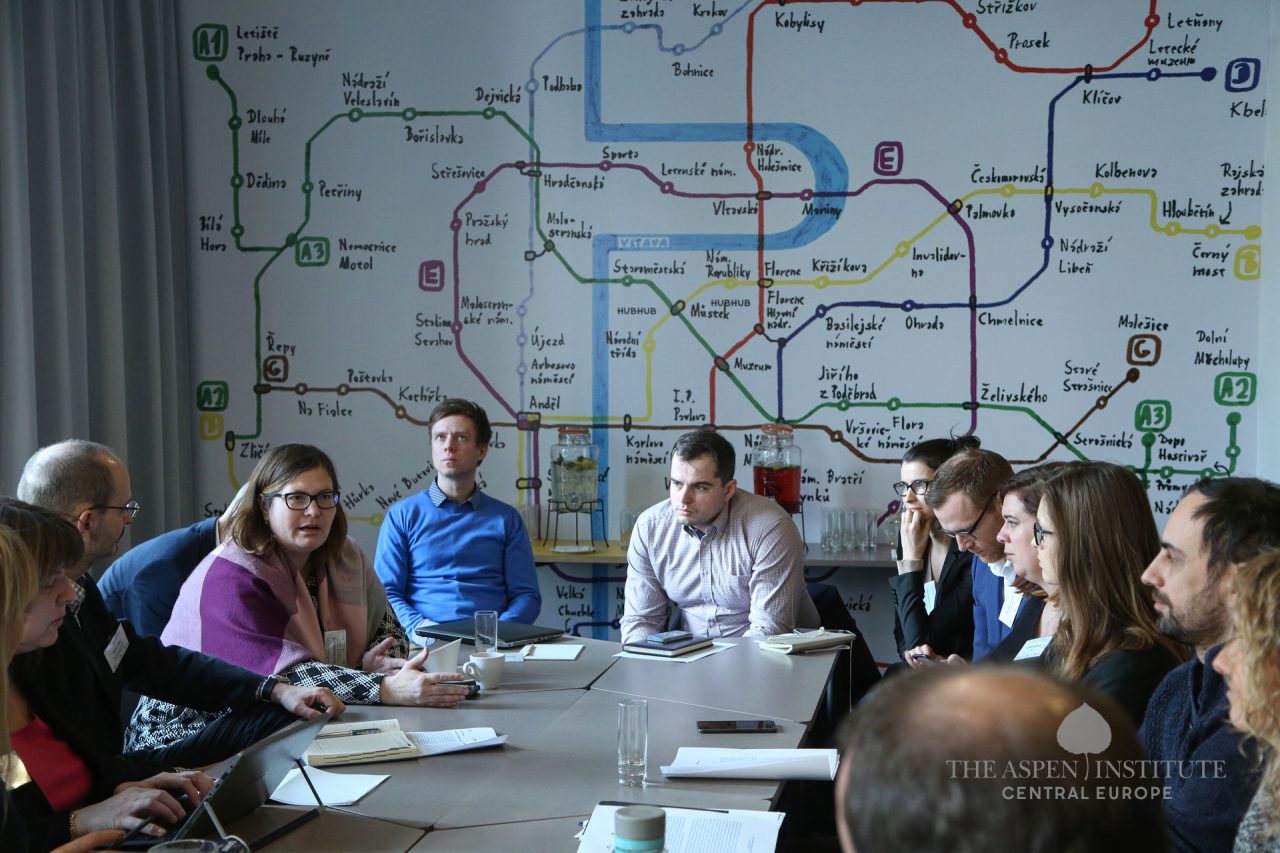
The Global Changemakers Workshop (GCW) is designed to equip the next generation of leaders to build a better future by reflecting on their values, tackling global challenges, and safeguarding democracy. The workshop was first launched in 2023 and fosters reflective insights, critical analysis, and collective problem-solving.
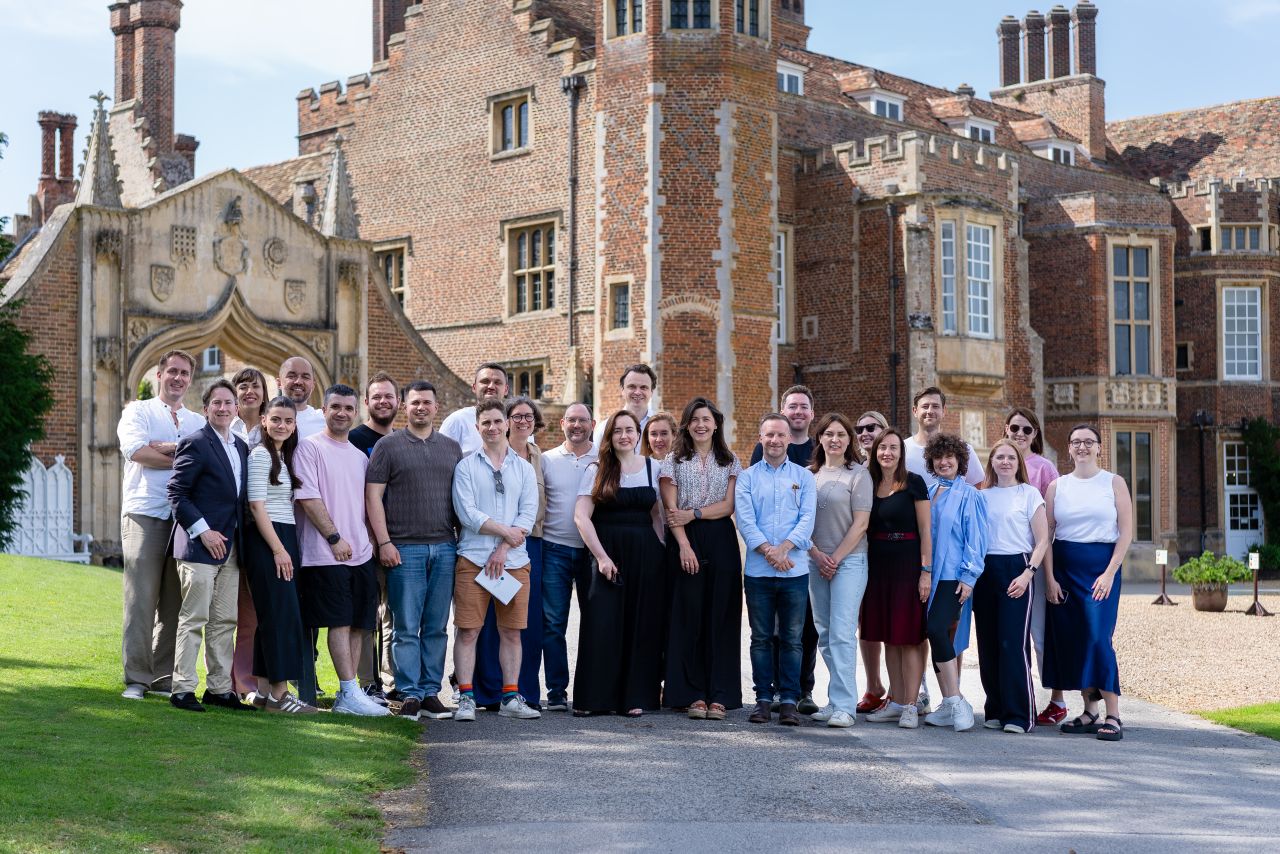
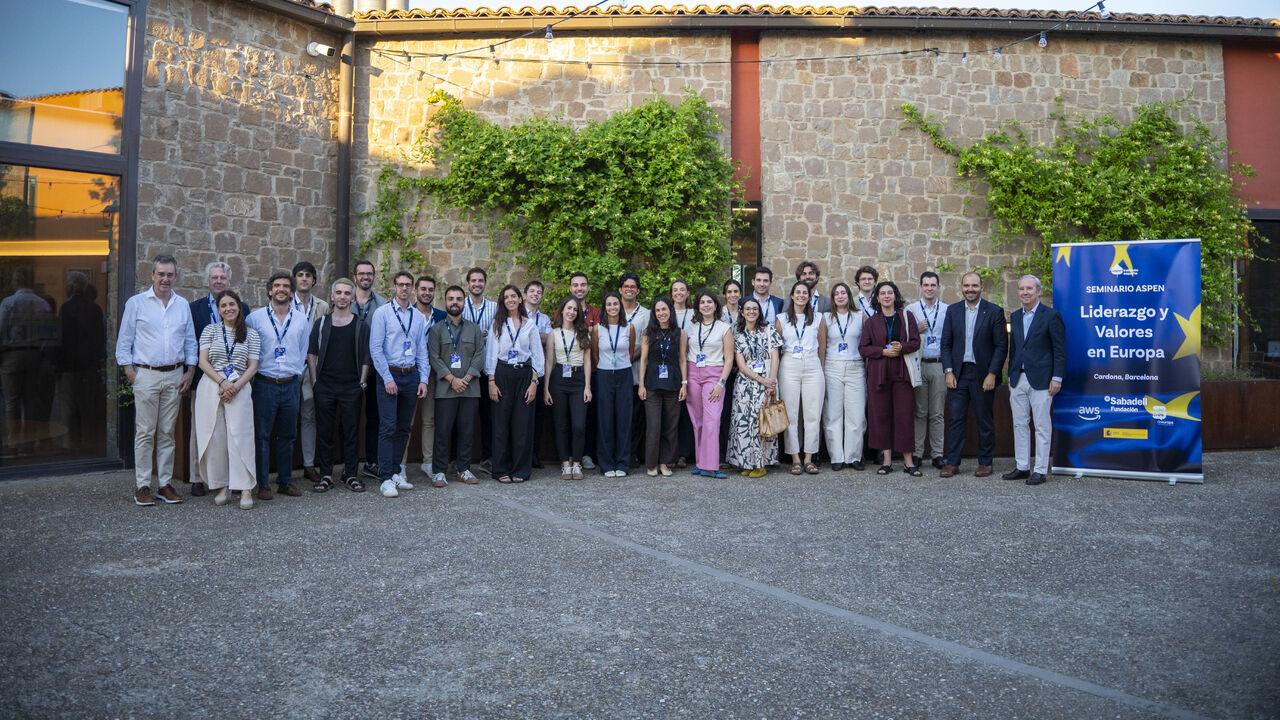
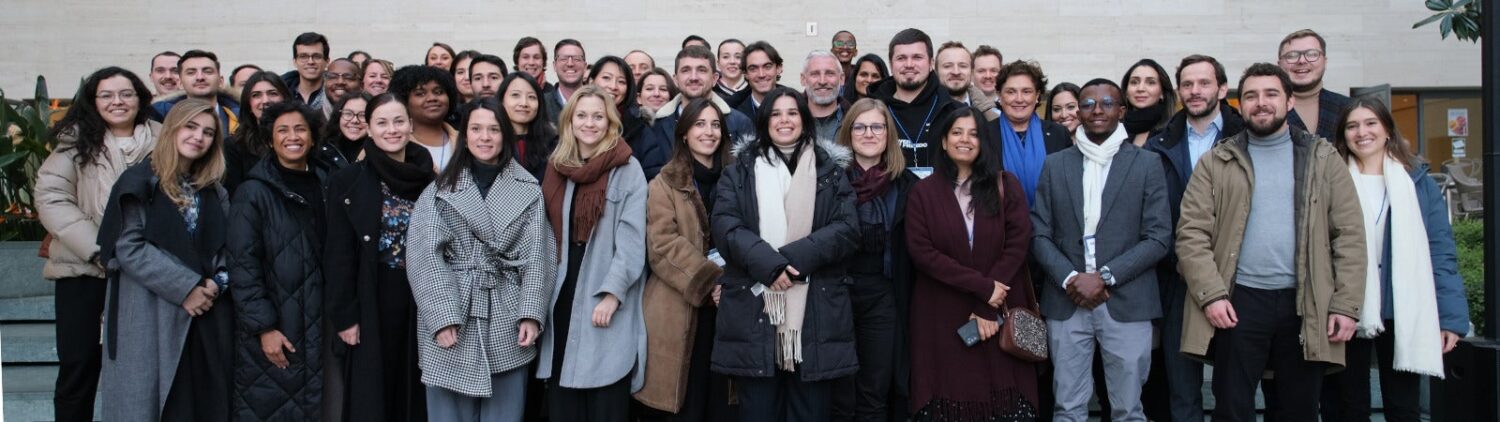
The workshop annually gathers a cohort of 25-35 year old professionals from a variety of sectors around the world. Each year it identifies a challenge to democracy. Through nonpartisan and intentionally crafted dialogue, the workshop builds a global cohort dedicated to transformational change within their communities.
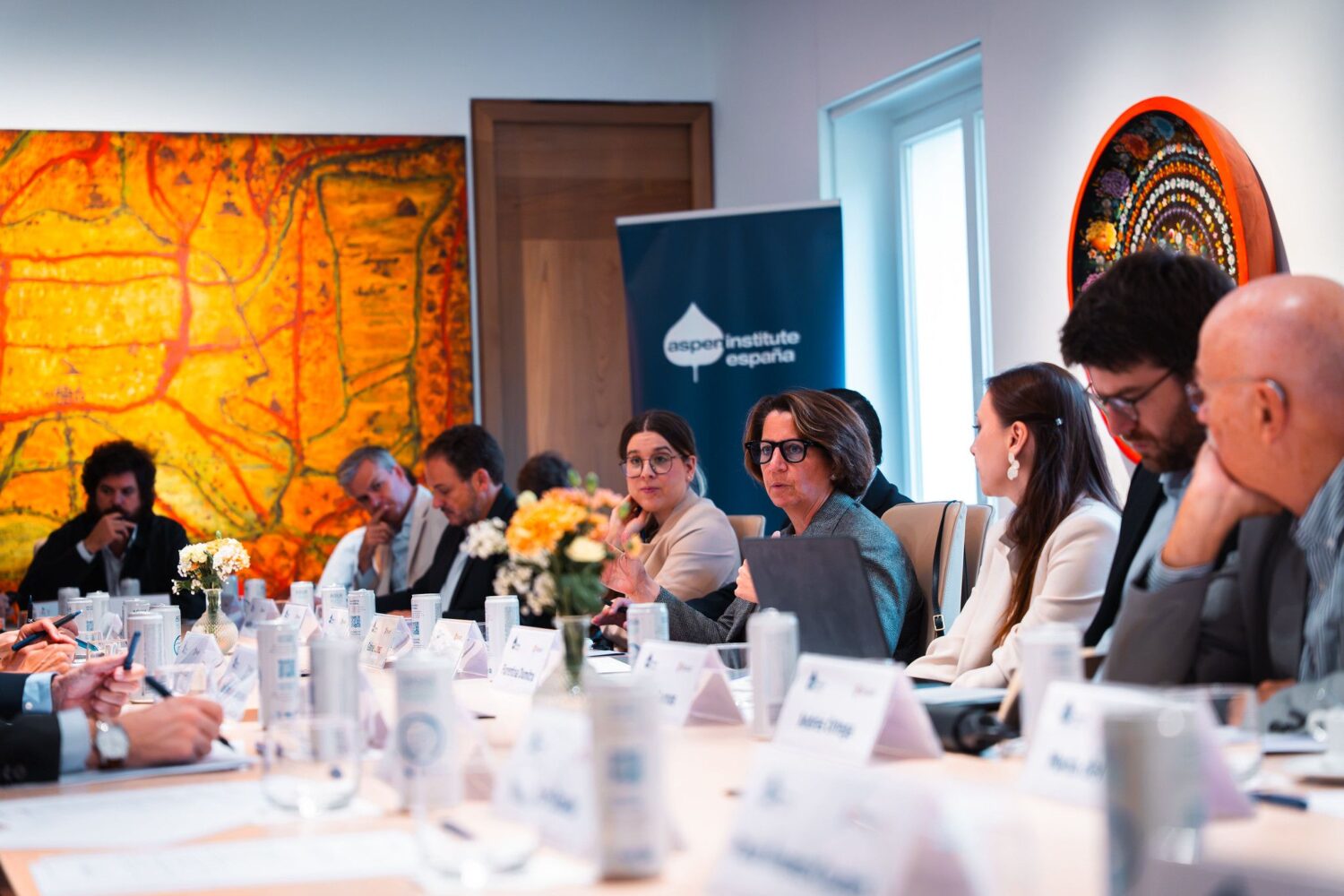
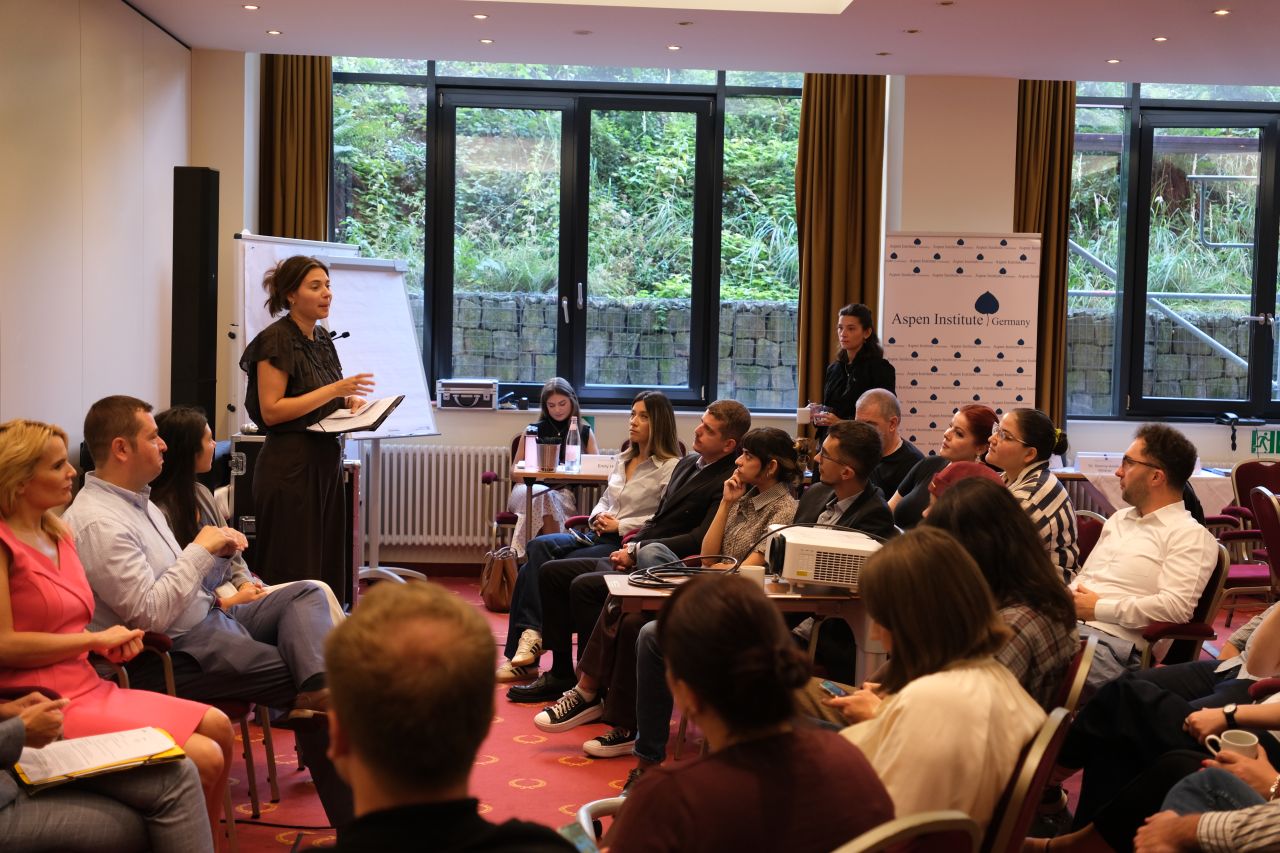
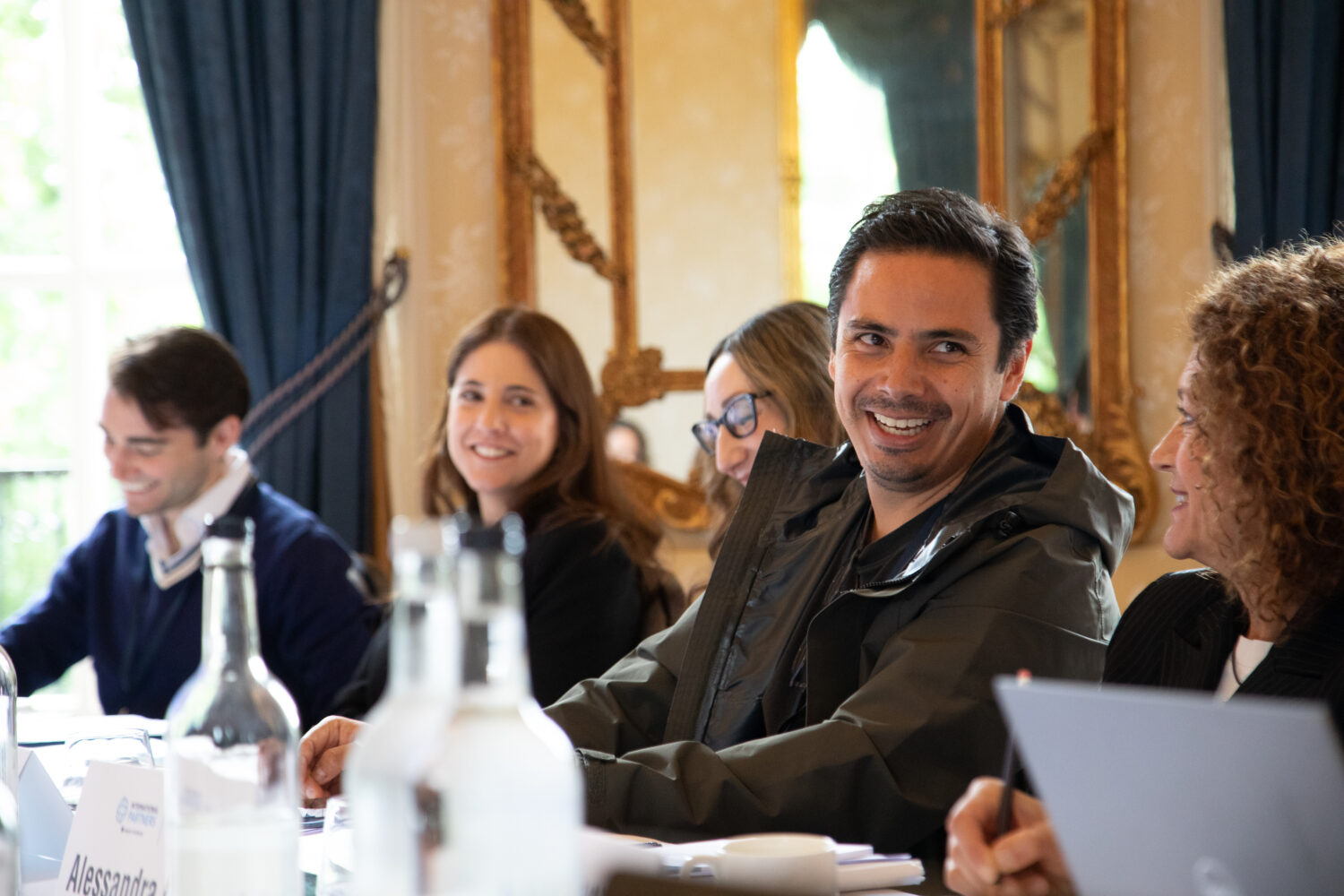
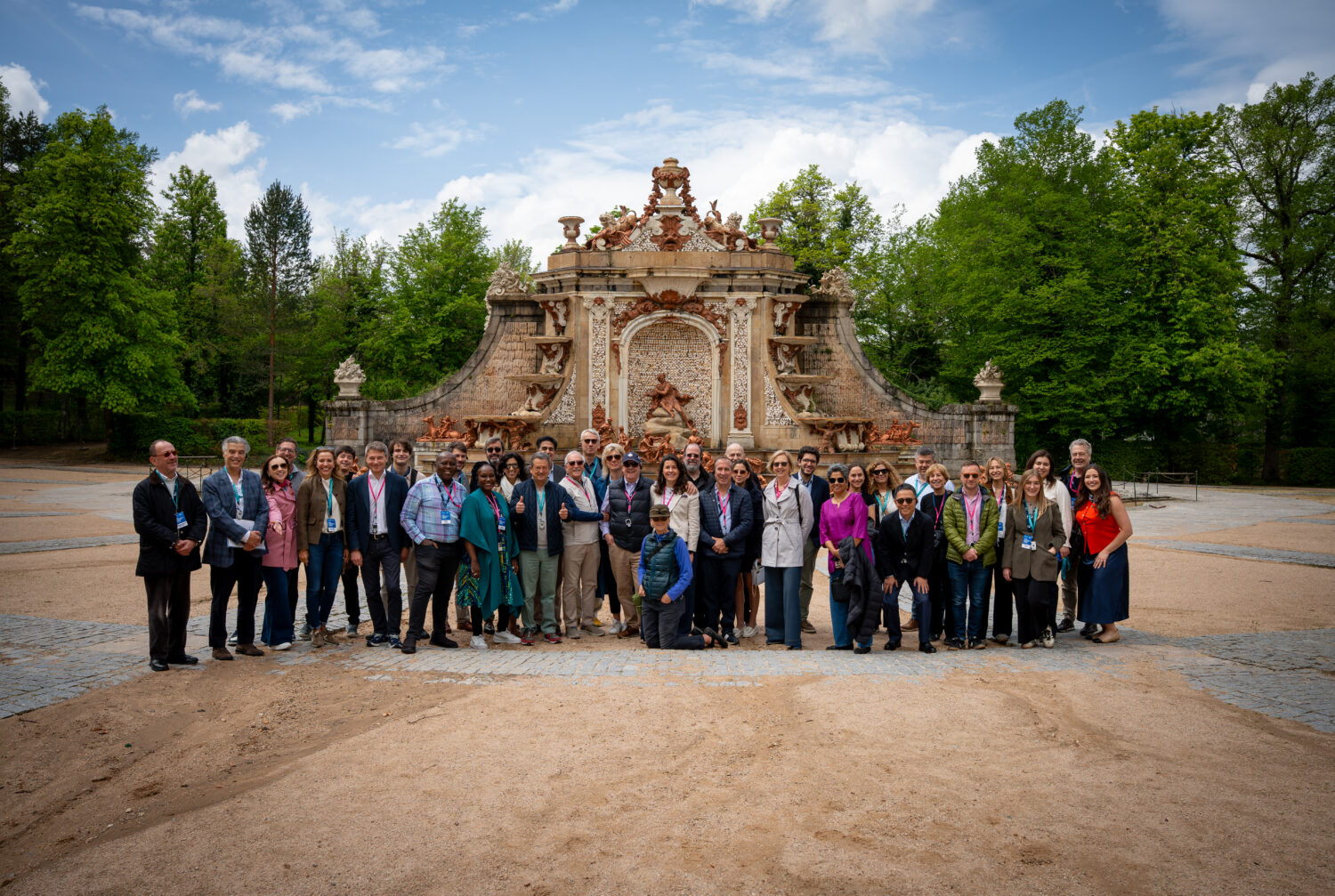
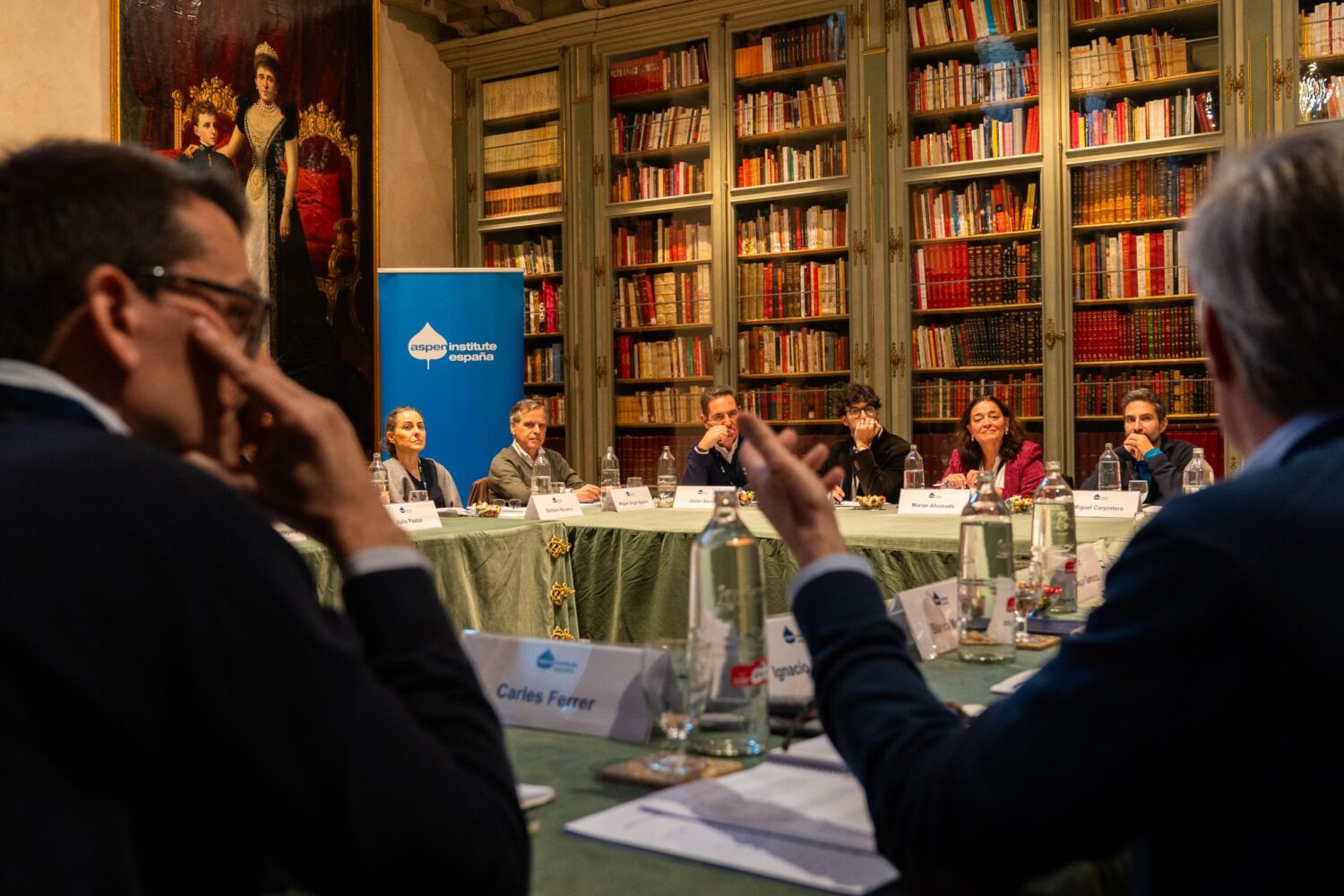
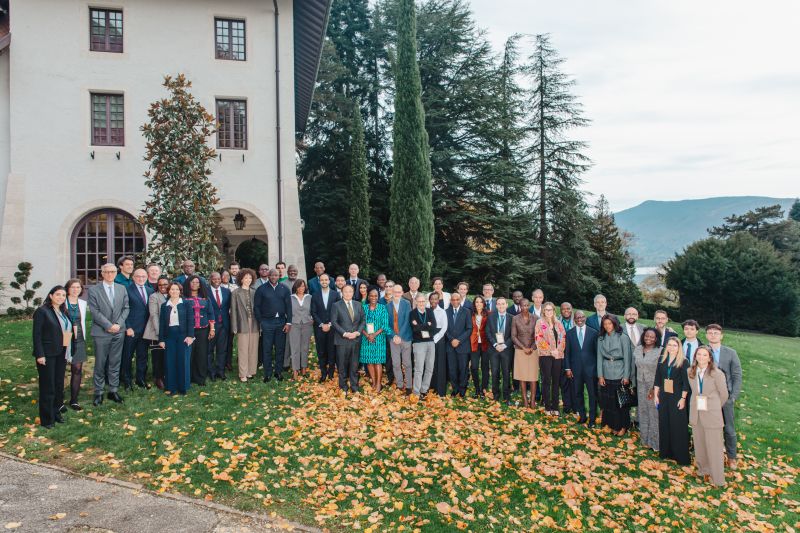
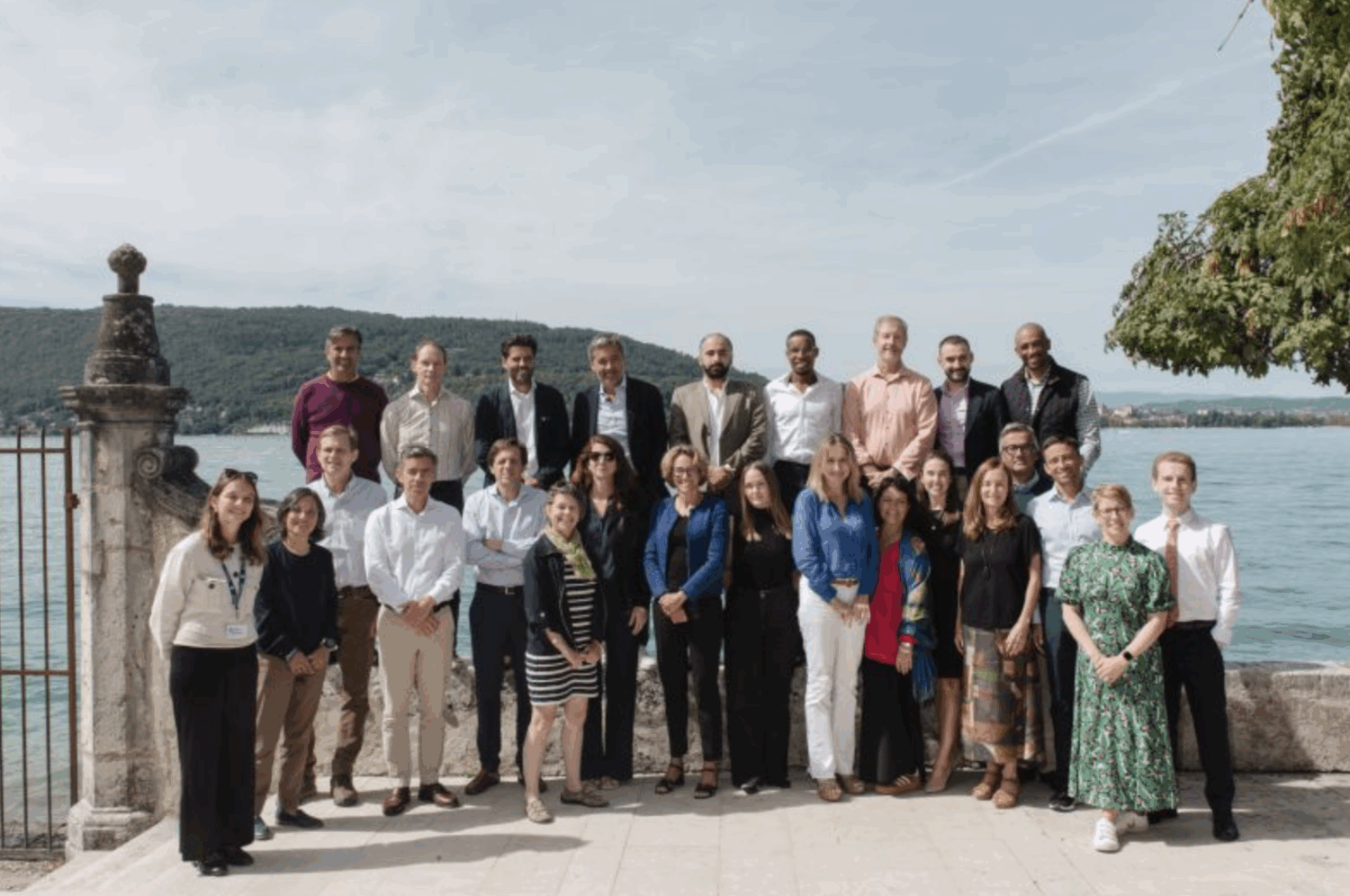
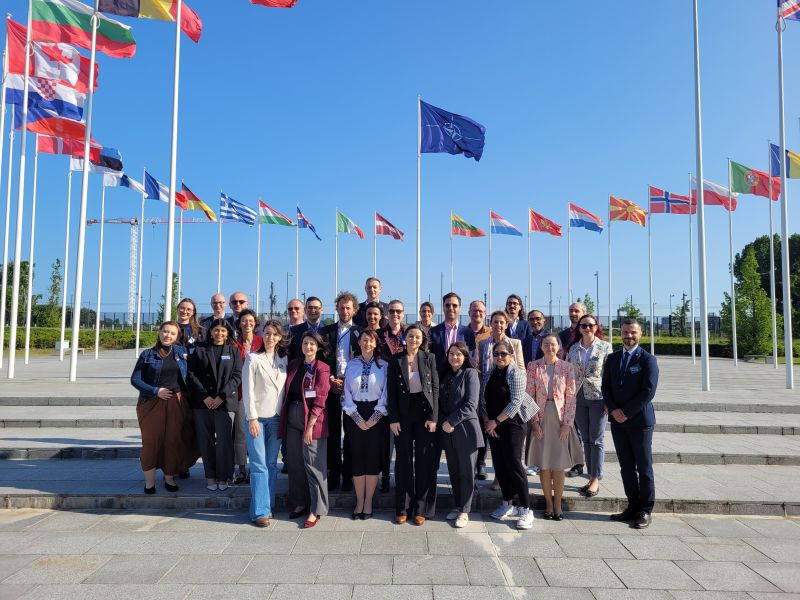
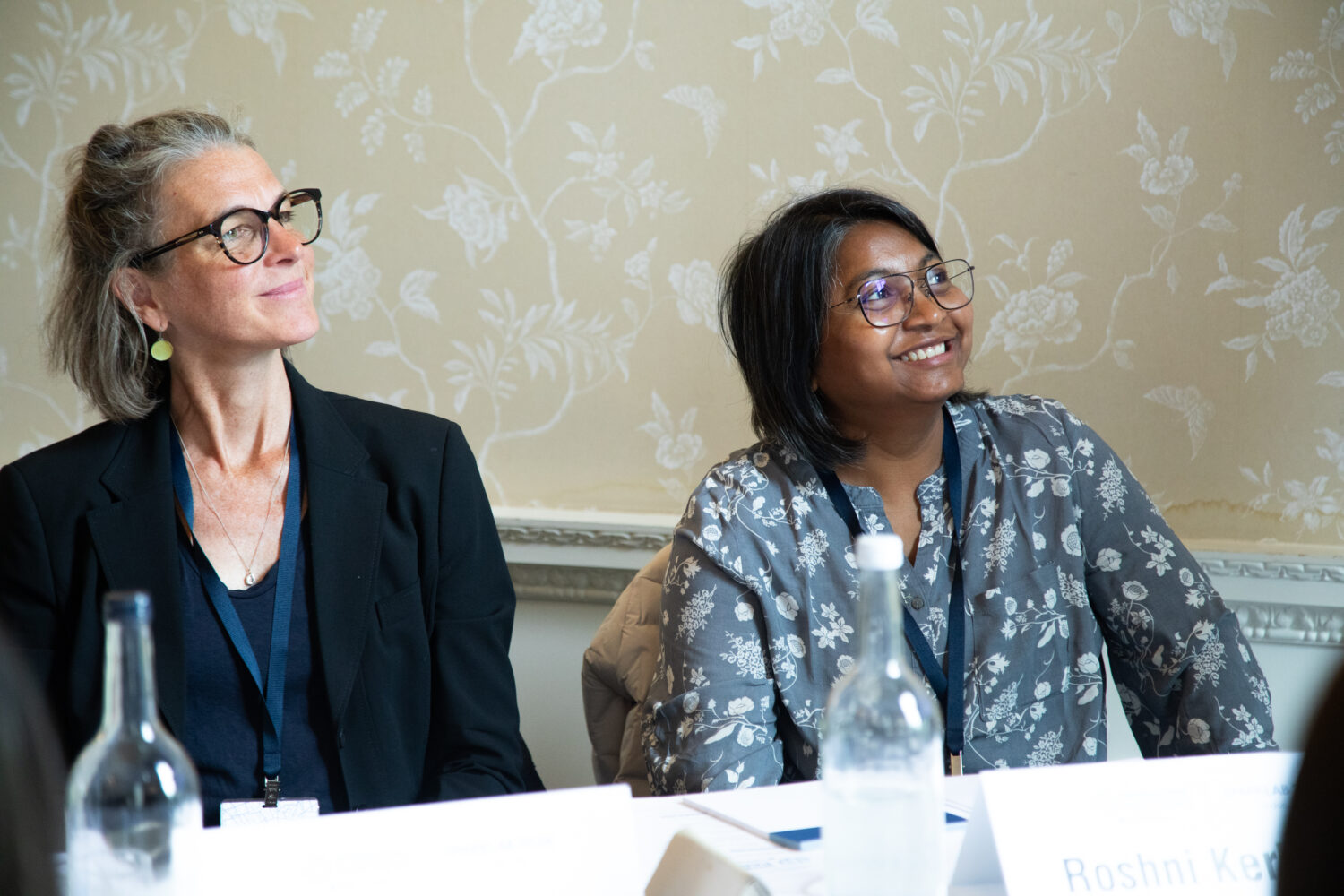
SparkLab is an annual workshop designed to deepen collaboration across the International Partners network. The workshop’s participants include staff members from across all International Partners. Past workshop topics have included programming, communications, alumni engagement, and leadership development. SparkLab was launched in 2025.
The workshop is designed to create a stronger community of practice throughout the International Partners network — one that continues to exchange knowledge, develop innovative ideas, and build resilient partnerships long into the future.
NextGen Network
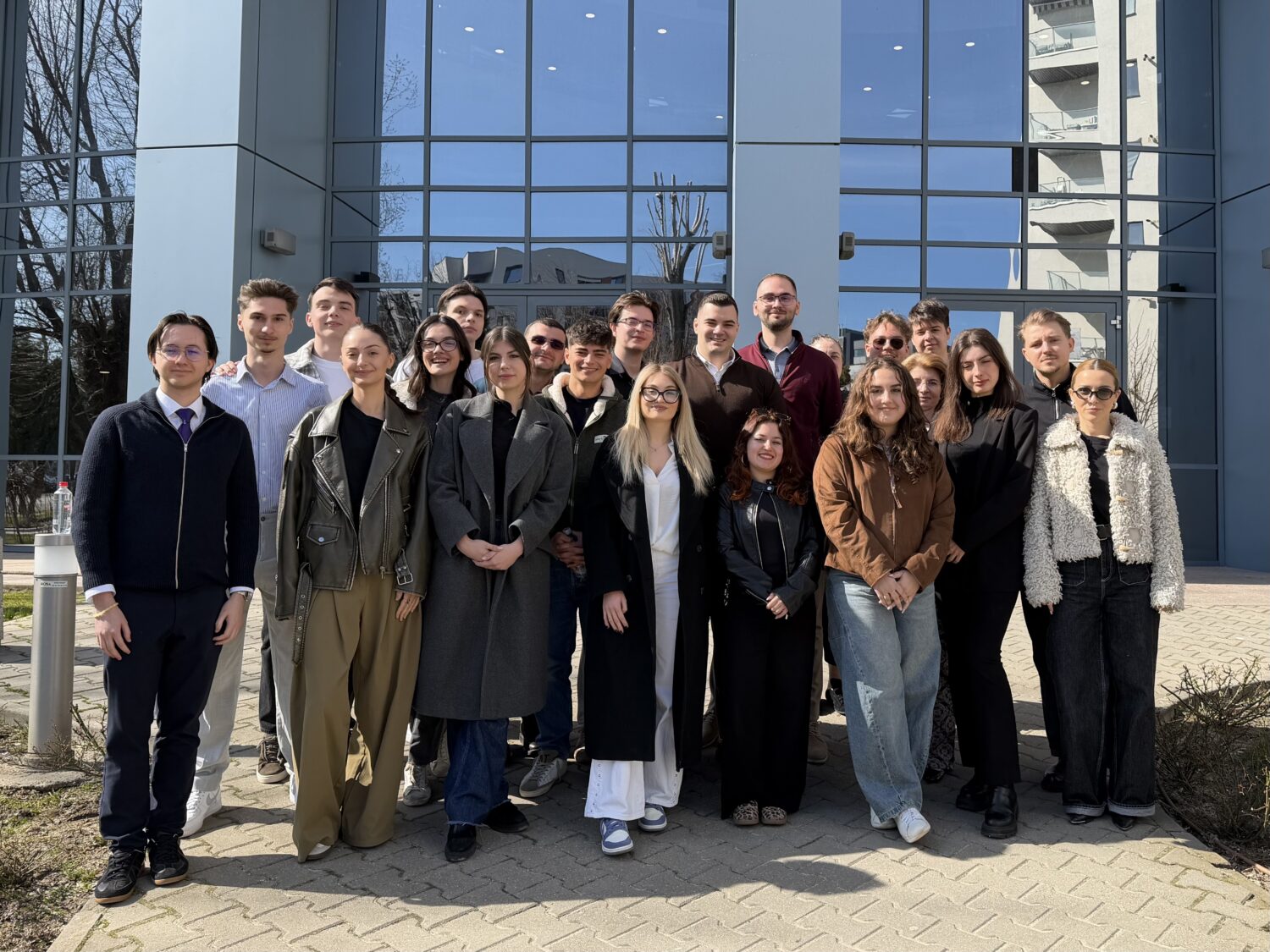
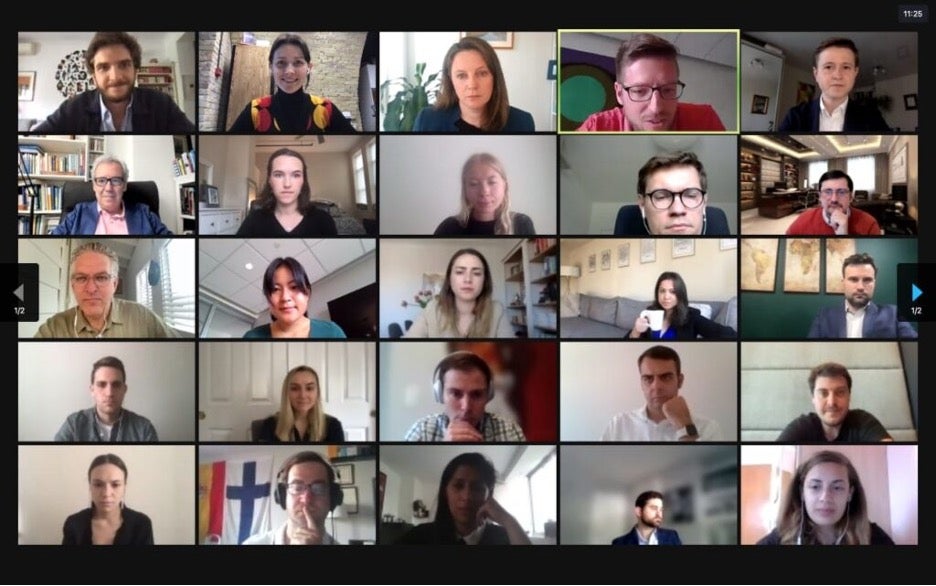
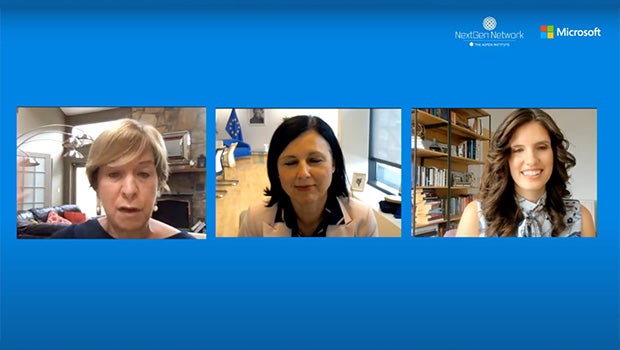
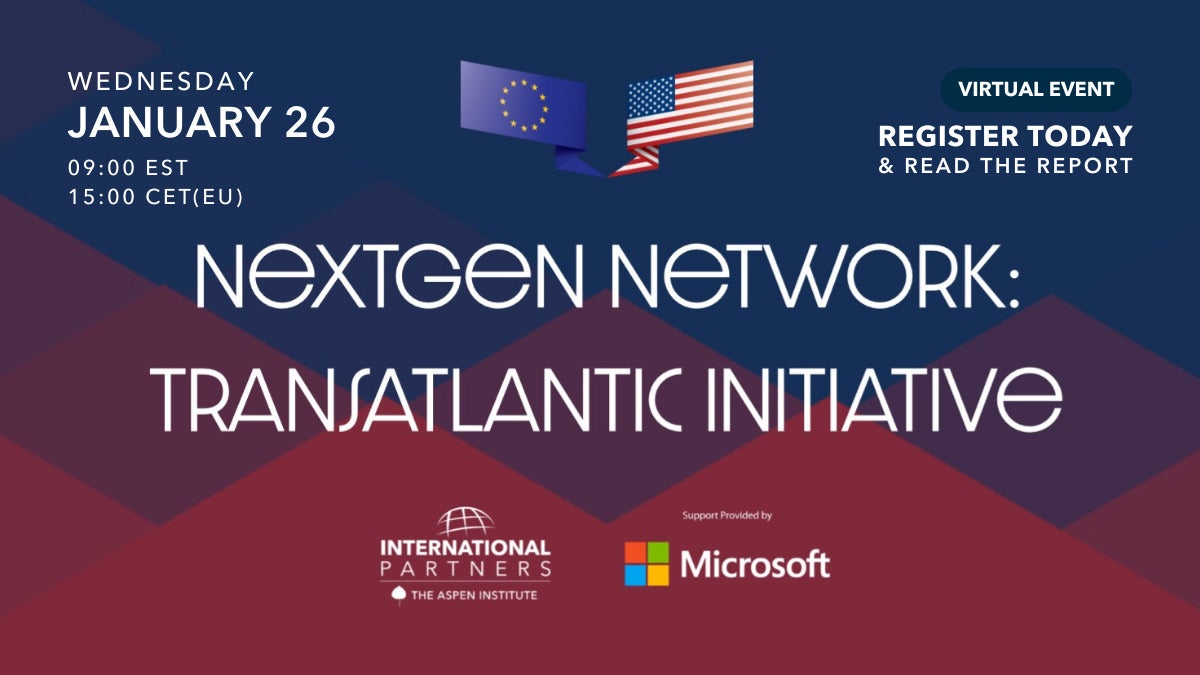
The International Partners of the Aspen Institute, supported by Microsoft, launched the NextGen Network in 2018 to bring together young leaders from technology, business, policy, journalism, and civil society to develop solutions to key challenges facing the global community. The Network serves as a feedback mechanism for the informed perspectives of millennials and Generation Z and seeks to inform policy discussions at the local and international level. The Network is global in nature and its members vary contingent upon the topic they are examining. Each cohort participates in workshops, small group discussions, and interacts with leaders in the field to produce a report outlining their perspective on the issue and their ideas for the way forward.