
In the Field
Science & Society is active across the broader civic science ecosystem through speaking, partnerships, convenings, and advisory roles. These engagements reflect how the platform operates in real-world contexts beyond formal program outputs.
2026
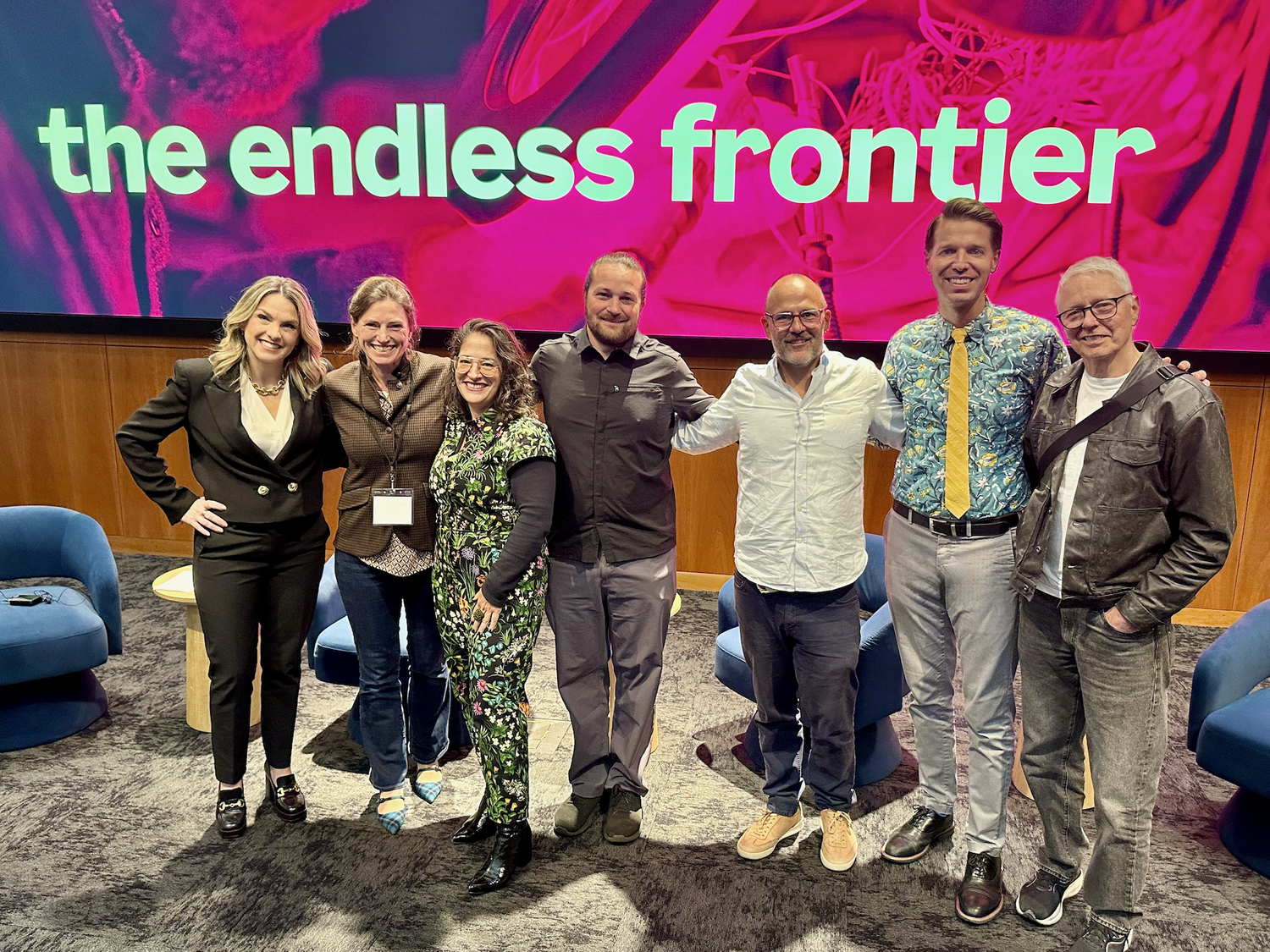
The Endless Frontier engages Seattle’s scientific community
In Seattle, Executive Director Aaron Mertz joins scientists and other guests for a screening of The Endless Frontier at the Allen Institute, pictured with Allen Institute Senior Communications and Media Relations Specialist Amity Addrisi, executive producer Ruth Johnston, director Marilyn Ness, cast member Jacob George, producer Ted Richane, and development executive Rocky Collins.
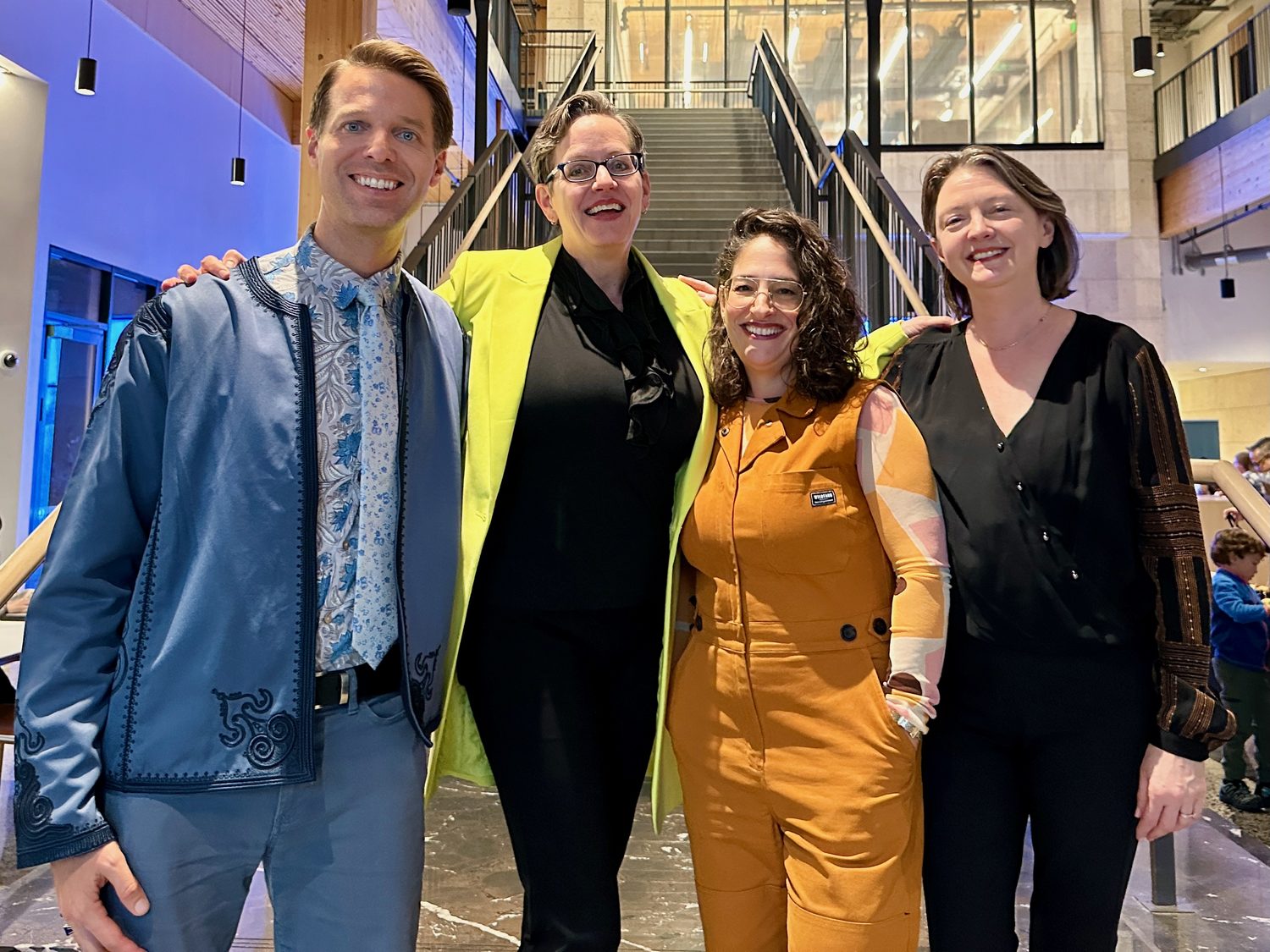
The Endless Frontier brings its story of American science to Princeton
At Princeton University’s School of Engineering and Applied Science, Executive Director Aaron Mertz joins students, faculty, and other guests for a screening of The Endless Frontier, pictured with cast member Andrea Graham, Professor of Ecology & Evolutionary Biology; director Marilyn Ness; and producer Elizabeth Westrate.
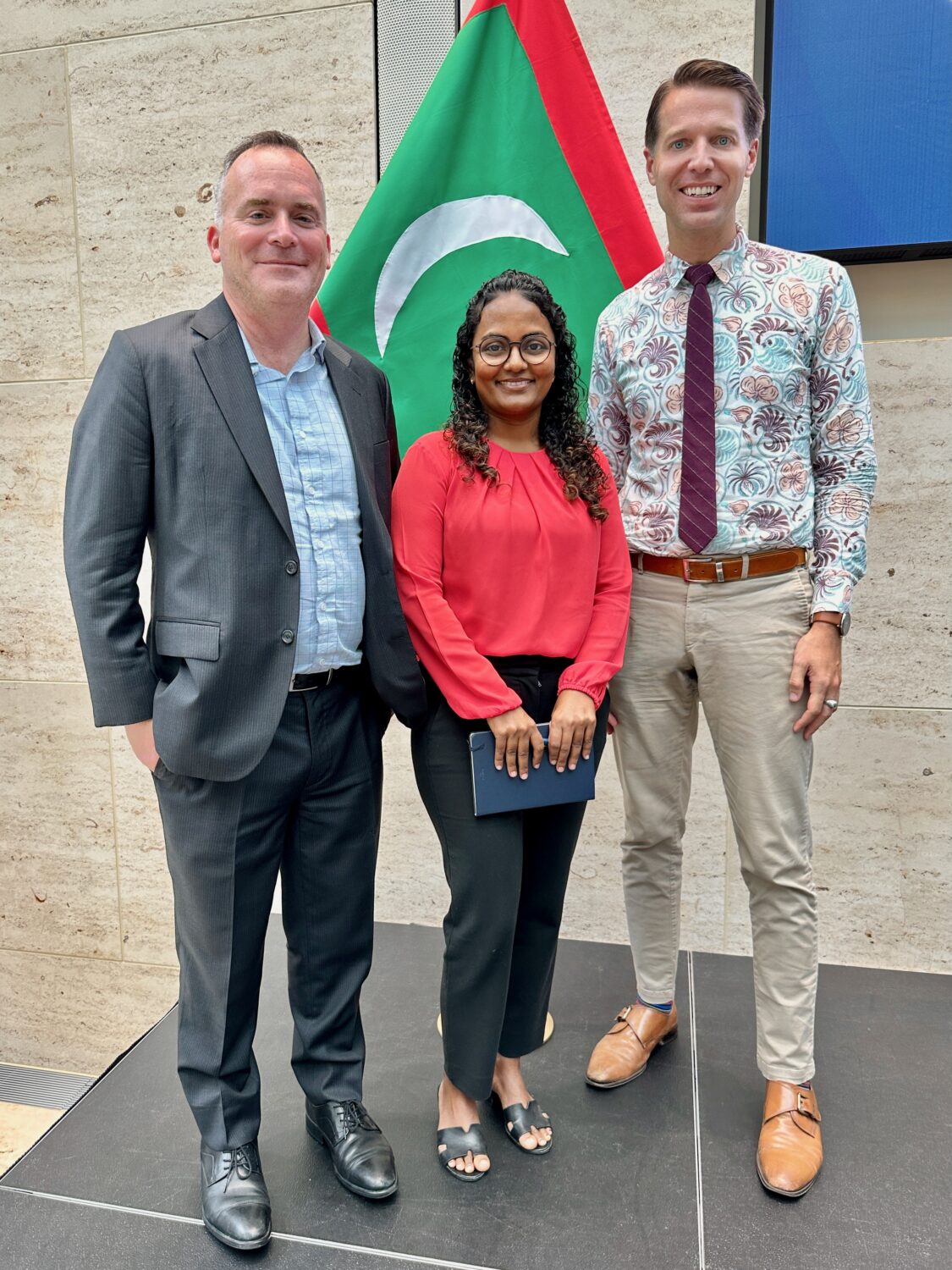
Connecting Climate Leadership and Health
In Philadelphia, Science & Society joins Perry World House and Penn Climate for a convening connecting global climate diplomacy with public health. Former Maldives Environment Minister Aminath Shauna delivers the keynote, with Science & Society collaborator philosopher Michael Weisberg helping lead the gathering alongside experts in climate, health, and the built environment. S&S is developing the Penn/Aspen Resilience Science Initiative (PARSI) with the University of Pennsylvania’s Perry World House. Its first proposed project, the Adaptation Atlas, would build a global evidence base for understanding which climate-adaptation interventions work, for whom, under what conditions, and at what cost, helping translate international adaptation goals into scientifically grounded decisions.
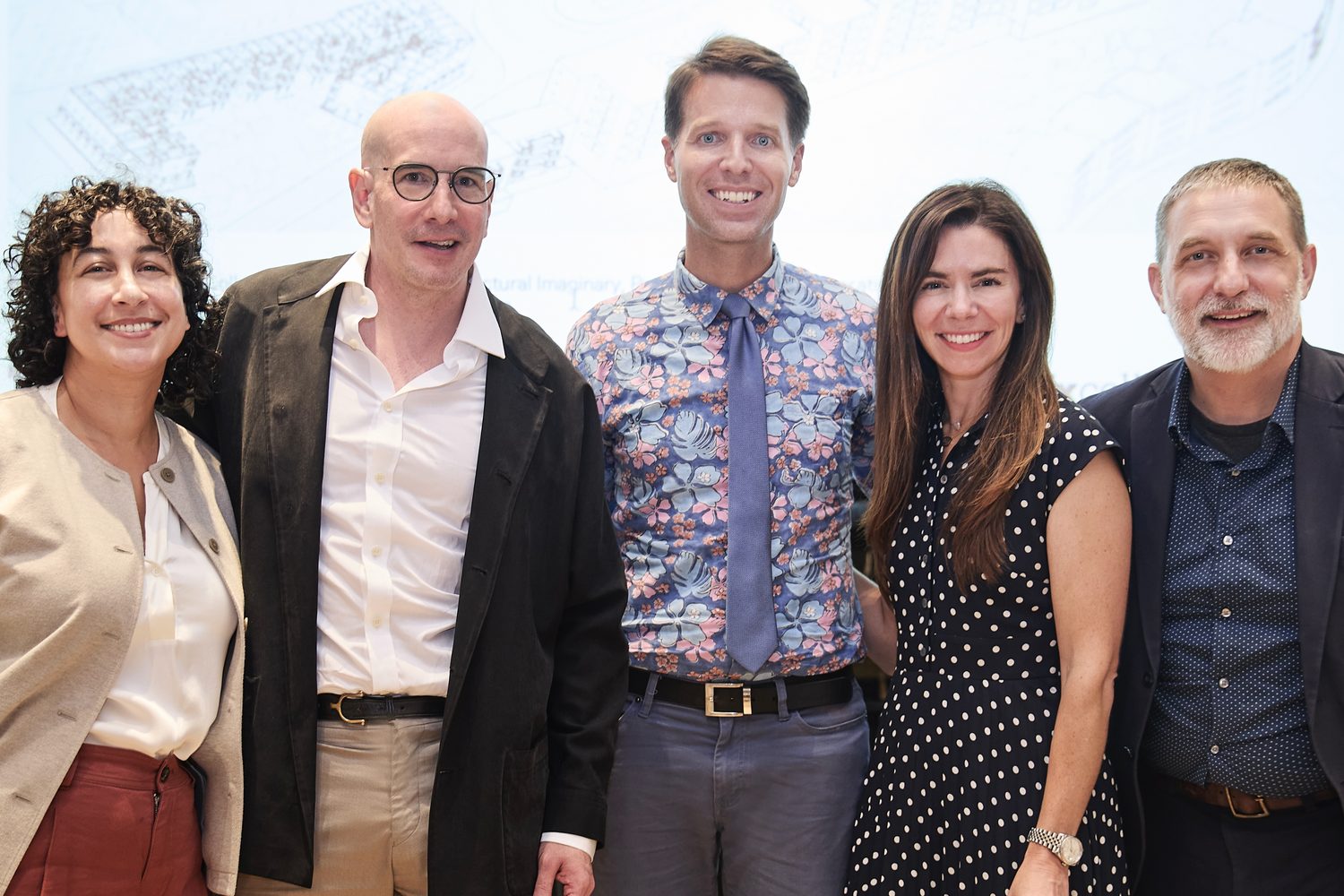
In Brooklyn, Science & Society joins architects, developers, and urban thinkers at FXCollaborative for a conversation on the future of housing and urban life in New York City. Executive Director Aaron Mertz introduces the program and panel, which brings together Senior Advisor for Urban Strategy Felipe Correa, Rosie Tilley of Charney Companies, and Toby Snyder of FXCollaborative, moderated by Nicole Vlado Torres of AIA New York. The discussion, marking the launch of Collective Living and the Architectural Imaginary, explores what housing history and design can teach us about new possibilities for how New Yorkers live together.
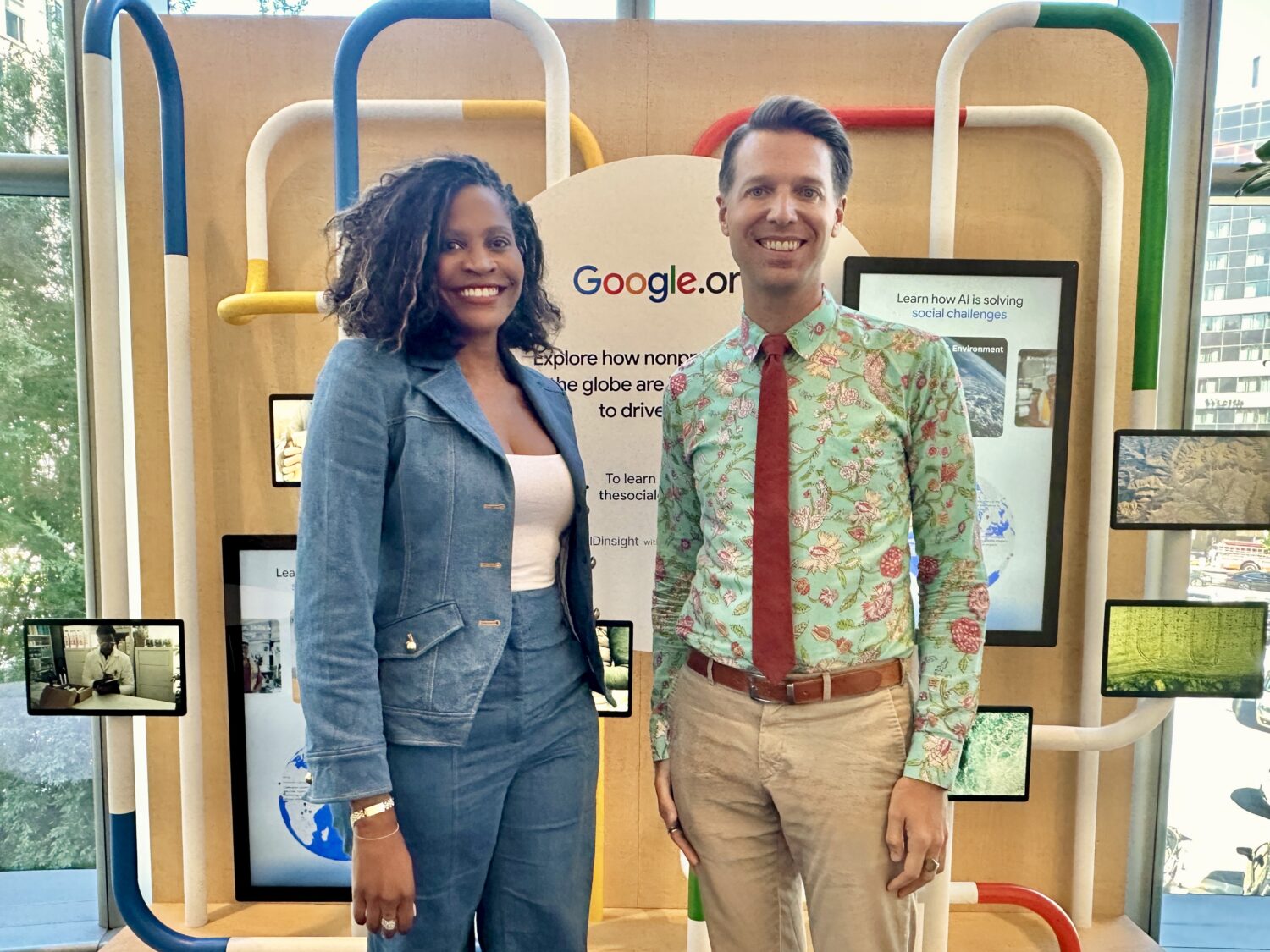
Exploring AI for Social Impact
In Washington, D.C., Executive Director Aaron Mertz and Associate Director Jylana Sheats participate in the Google.org Changemakers Forum, bringing together social impact leaders to explore practical approaches to adopting AI and using emerging technologies to advance their work.

Film Podcast Features The Endless Frontier
Marilyn Ness, director of The Endless Frontier, appears on the the Making Media Now podcast ahead of the documentary’s screening at the 35th Annual Woods Hole Film Festival. In conversation with host Michael Azevedo, Ness reflects on the creative process behind the film, the urgency of its message, and its initial public reception across the country.
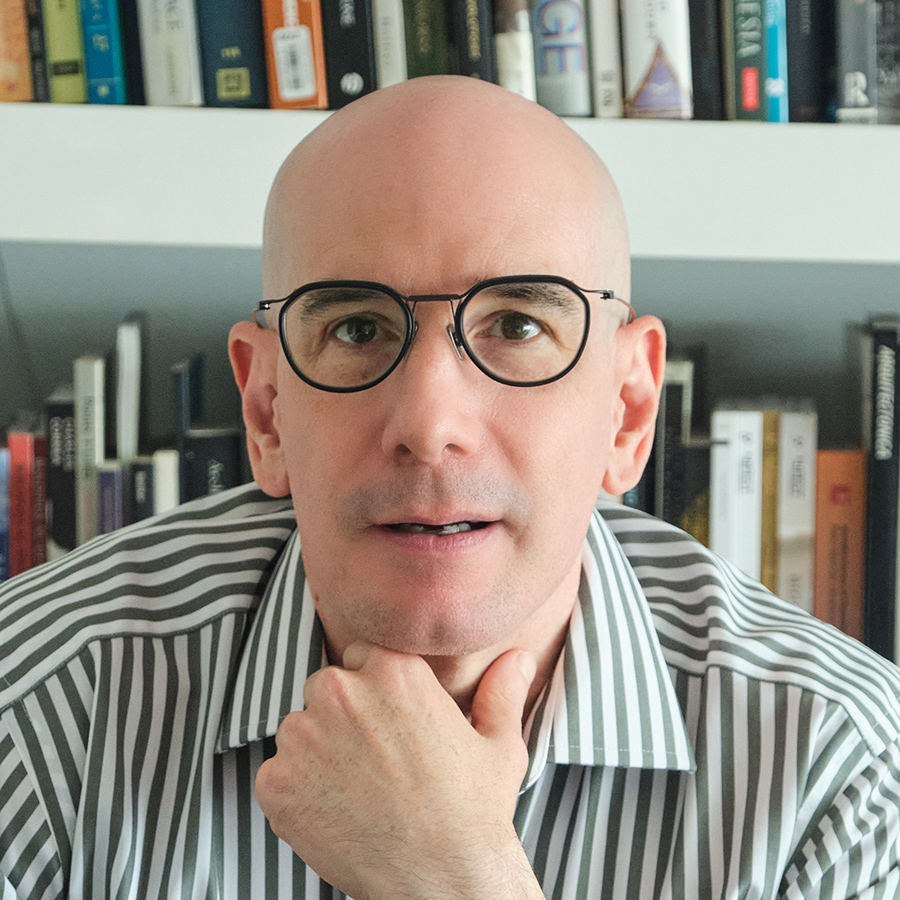
Exploring How Cities Generate Knowledge
Architect, urbanist, and author Felipe Correa joins Science & Society as Senior Advisor. Together, he and the program are developing new work at the intersection of urban design, scientific evidence, and civic decision-making, exploring how cities can serve as living laboratories for understanding how evidence, design, and public judgment shape urban life.
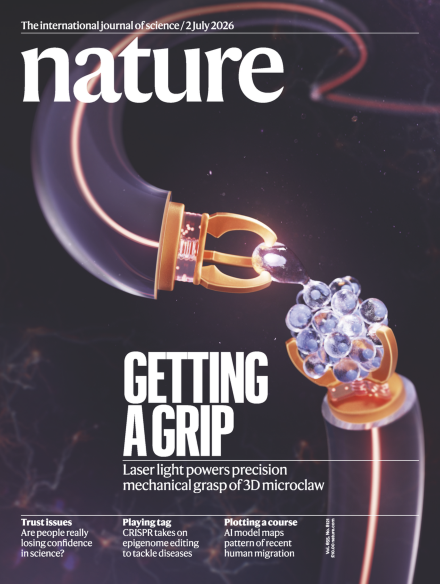
Nature reviews The Endless Frontier
Nature publishes a review of The Endless Frontier, calling the documentary “a timely reminder that science isn’t an invincible machine.” Senior reporter Max Kozlov highlights the film’s portrayal of science as a deeply human enterprise, emphasizing curiosity, mentorship, persistence, and collaboration rather than lone genius or sudden breakthroughs. The review also underscores the documentary’s central question: what happens when the systems that sustain scientific discovery come under strain?
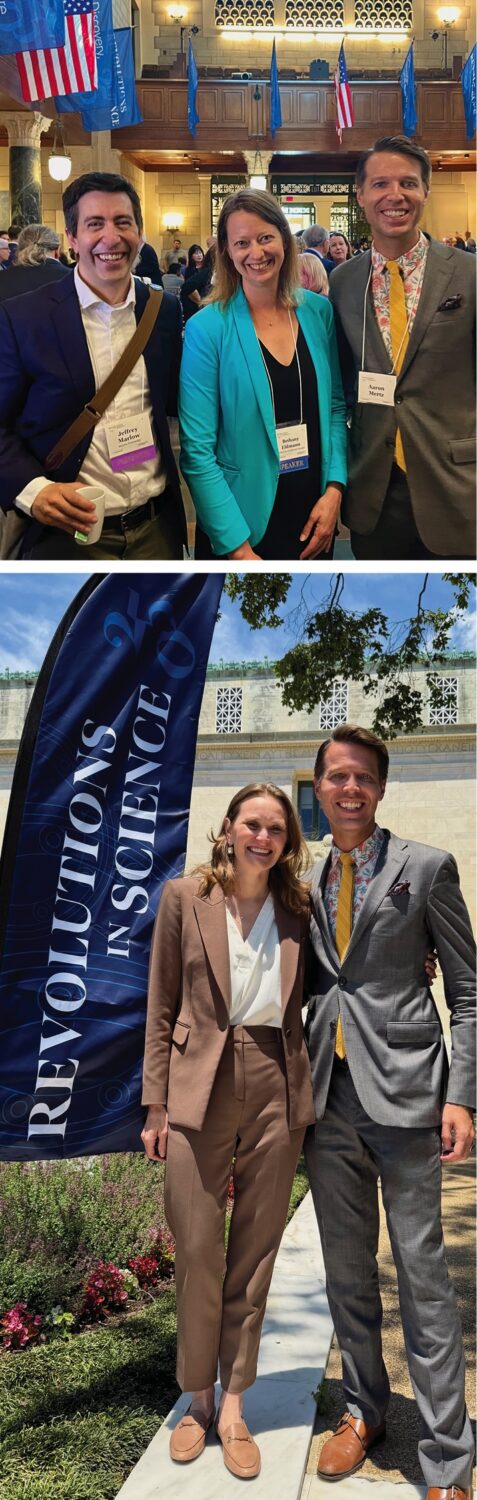
Reconnecting across a Lifetime of Science
At the National Academy of Sciences in Washington, D.C., Executive Director Aaron Mertz attends Revolutions in Science: Discovery, Imagination, and the Future, a symposium marking the United States’ 250th anniversary. The gathering explores how scientific discovery fuels national leadership, how sustained public investment enables innovation, and how collaboration across generations and disciplines advances knowledge.
The symposium also reflects the close-knit nature of the American scientific community. Aaron reconnects with two Washington University in St. Louis classmates who held in different years, along with Aaron, the Arthur Holly Compton Scholarship in the physical sciences: Jeff Marlow, now a professor of biology at Boston University, and Bethany Ehlmann, now Director of the Laboratory for Atmospheric and Space Physics at the University of Colorado Boulder and a professor of geological sciences.
Aaron attends at the invitation of Megan Kenna, Executive Director of the Schmidt Science Fellows. Two decades earlier, Megan served on the committee that selected Aaron as a Rhodes Scholar in 2006, launching his graduate studies in the history of science at the University of Oxford. The reunion brings together mentors and peers whose careers have continued to shape science, leadership, and public service across academia, philanthropy, and research.
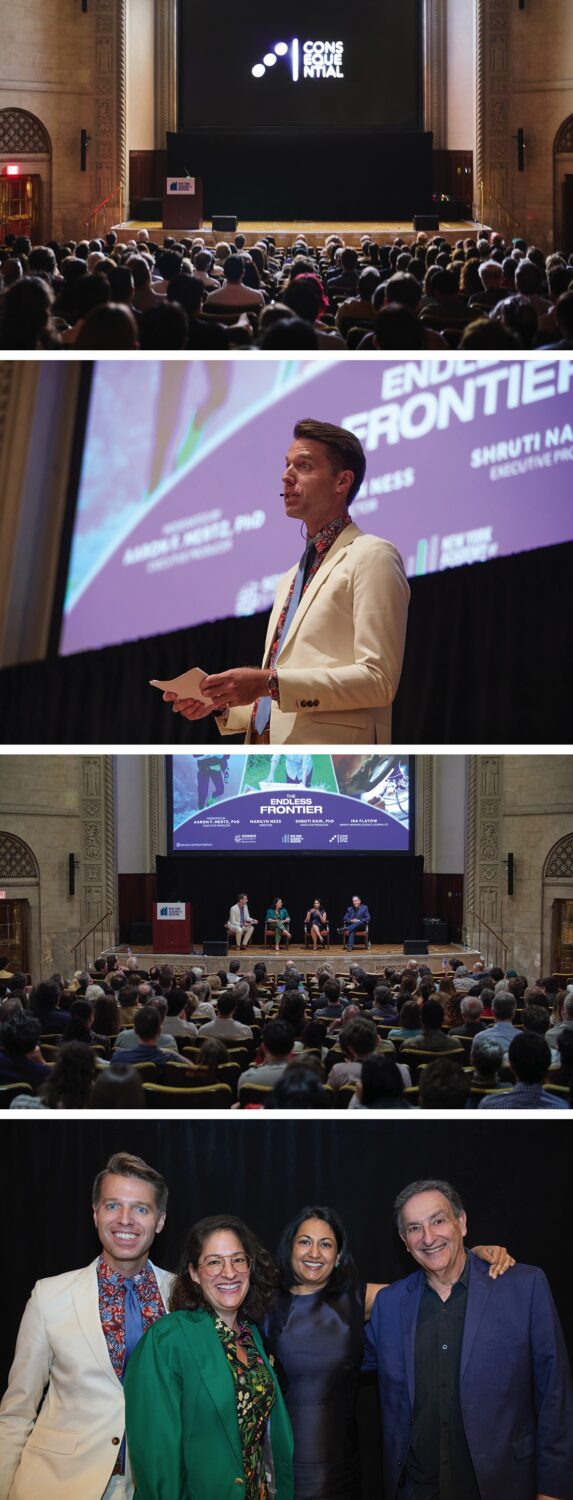
The Endless Frontier Screens in New York City
At the New York Academy of Medicine, the Science & Society Program hosts a screening of its feature documentary, The Endless Frontier. Following the film, Executive Director Aaron Mertz moderates a discussion with director Marilyn Ness, immunologist and executive producer Shruti Naik, and journalist Ira Flatow on the future of scientific research, public trust in science, and the role of storytelling in connecting scientific discovery to society.
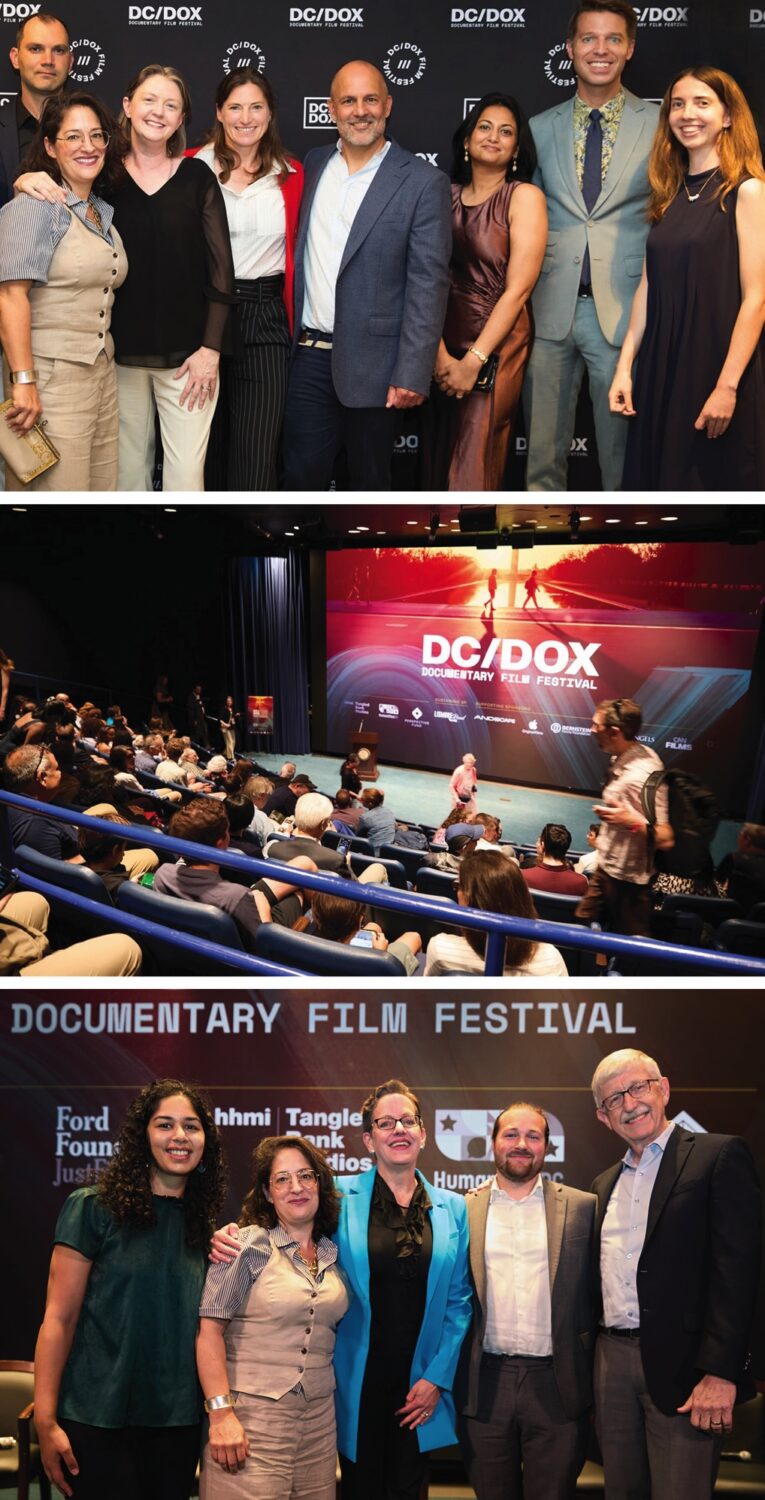
The Endless Frontier Celebrates World Premiere at DC/DOX
In Washington, DC, Science & Society’s feature documentary, The Endless Frontier, premieres at the DC/DOX Film Festival before a packed audience at the Burke Theatre in the U.S. Navy Memorial. Following the screening, moderator Aneri Pattani joins director Marilyn Ness, scientists Andrea Graham and Jacob George, and former NIH Director Francis Collins for a conversation about the people behind scientific discovery, the importance of public investment in research, and the challenges facing the American research enterprise.
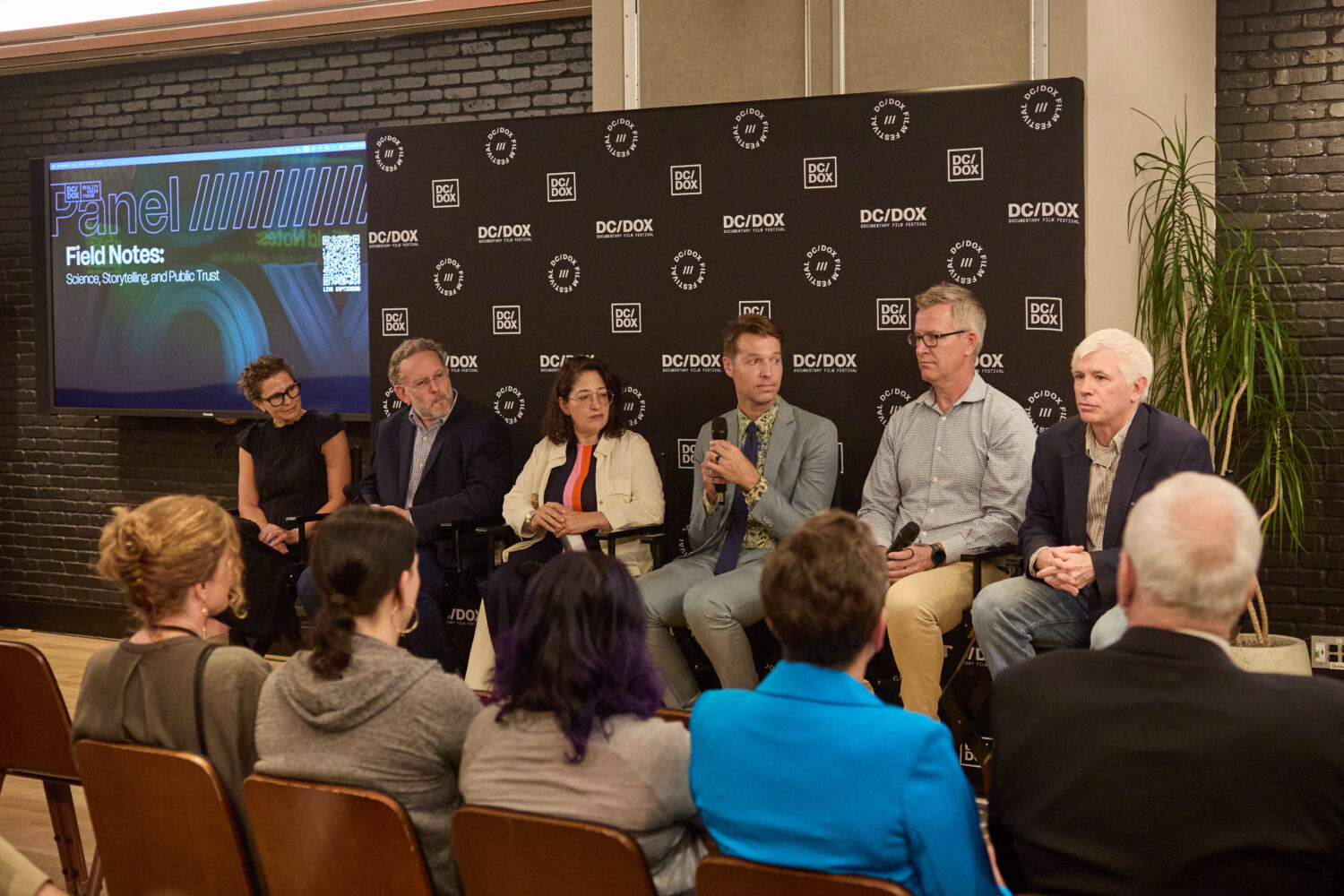
Exploring Science Storytelling and Public Trust at DC/DOX
Ahead of the world premiere of The Endless Frontier at DC/DOX, Executive Director Aaron Mertz joins filmmakers, journalists, scientists, and communicators for the Reality Check Forum panel Field Notes: Science, Storytelling, and Public Trust. The conversation explores how documentary film and other forms of storytelling can strengthen public understanding of science, build trust, and engage audiences on issues that shape society.
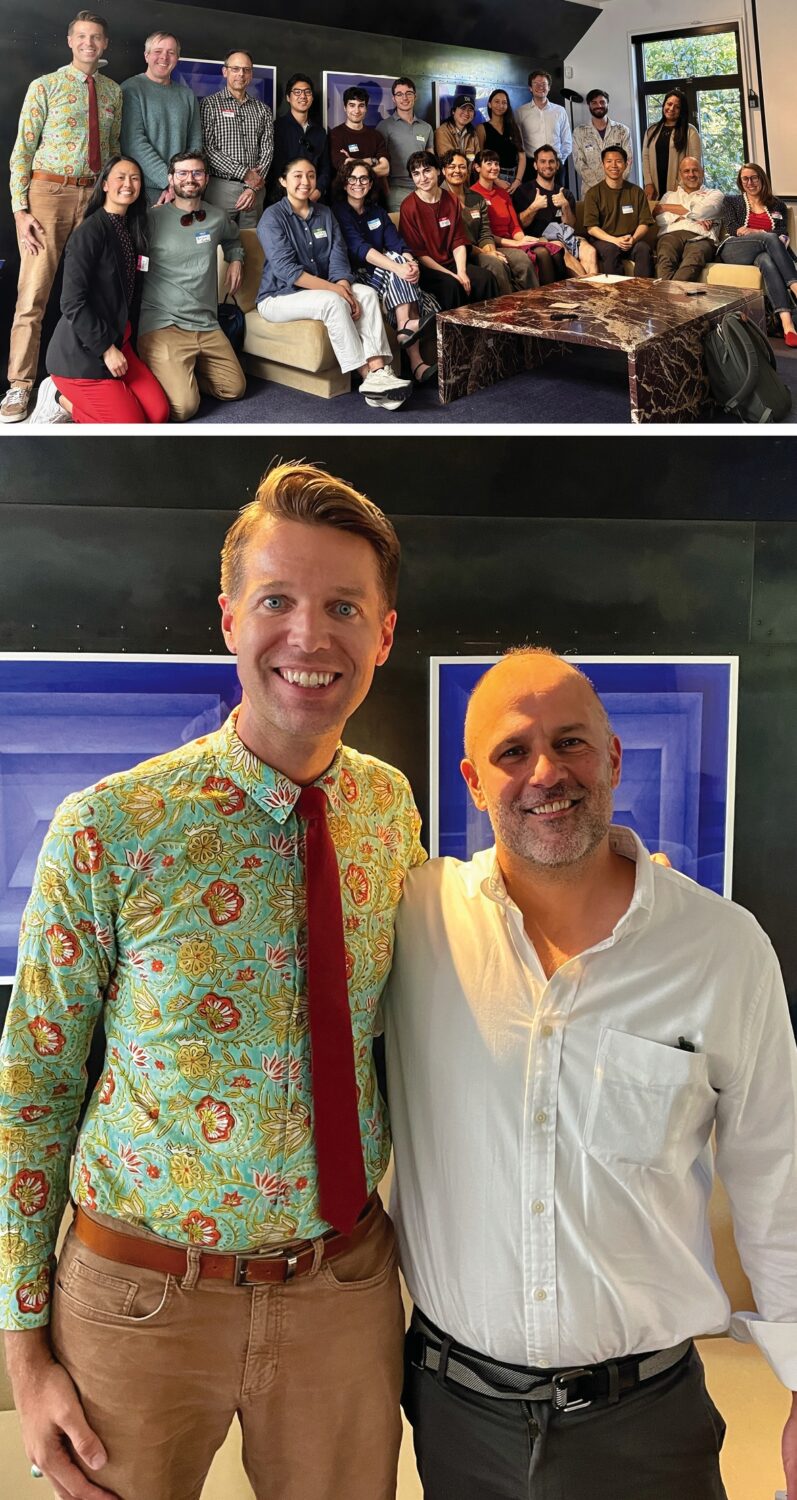
Joining a National Conversation on the Future of Science Storytelling
In San Francisco, The Endless Frontier Executive Director Aaron Mertz and producer Ted Richane participate in Renaissance Philanthropy’s Science Storyteller Retreat, a gathering of filmmakers, journalists, scientists, funders, and communicators exploring new approaches to public engagement with science. During the retreat, Aaron and Ted present The Endless Frontier as a case study in documentary storytelling and discuss the role of film in building public understanding of scientific research and discovery.
Attending the National Academies’ State of the Science Address
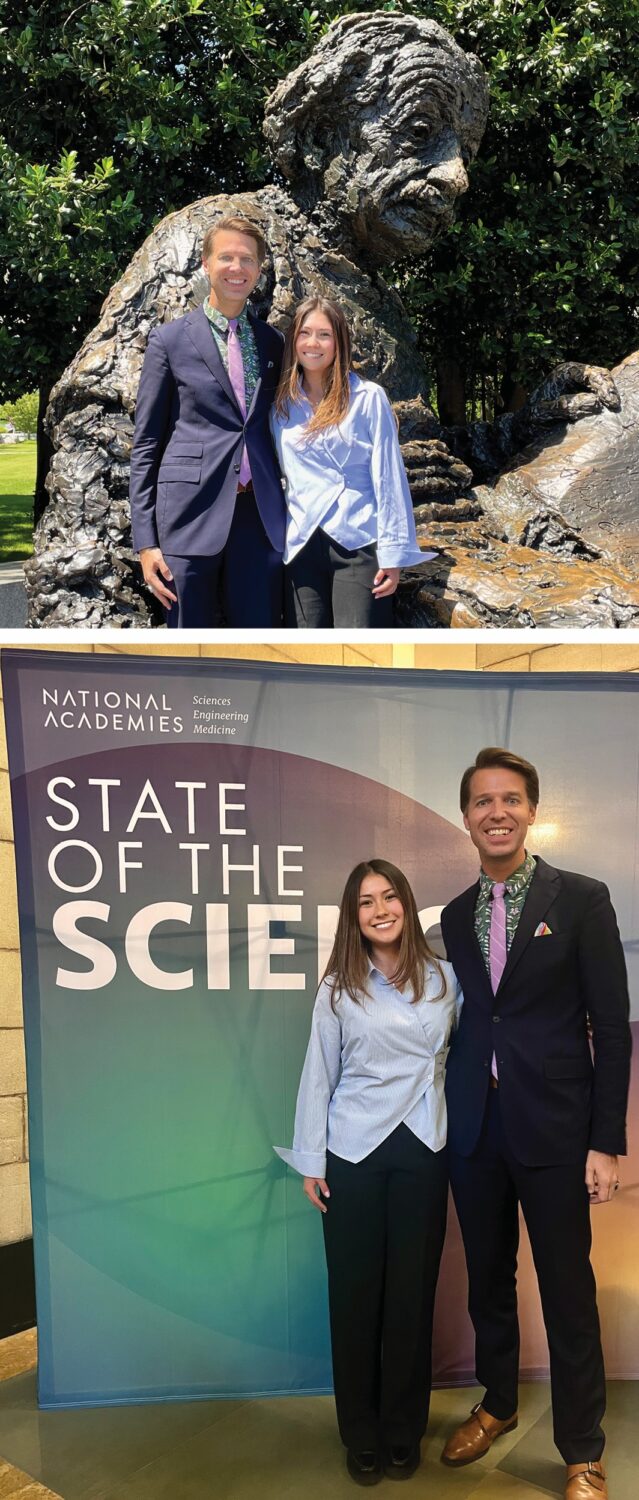
At the National Academies of Sciences, Engineering, and Medicine in Washington, DC, Program Assistant Amelia Hanbury and Executive Director Aaron Mertz attend President Marcia McNutt’s annual State of the Science Address, which examines the health of the U.S. scientific enterprise and the opportunities and challenges shaping its future.

Amelia Hanbury Joins the Science & Society Team
As a Program Assistant, Amelia Hanbury joins the Science & Society Program, where she will support upcoming expert roundtables on artificial intelligence and the science research ecosystem while helping launch the next national educational campaign from Our Future Is Science.
The Endless Frontier Documentary Selected for DC/DOX World Premier
Science & Society’s feature-length documentary, The Endless Frontier, is selected to have its world premiere at the prestigious DC/DOX festival on Friday, June 12. Directed by two-time Emmy Award–winner Marilyn Ness and produced by Consequential, the film follows scientists working across human health, environmental change, and emerging technologies to show how the American research system operates in practice—and where breakdown begins when public investment, coordination, and trust weaken.
The premiere marks the first major public expression of the Science & Society platform—work designed to help societies understand, engage with, and make decisions about science in real-world contexts. The film sits at the center of our Public Understanding function, while the screenings and discussions extend into our Decision Systems function—bringing researchers, policymakers, and funders into direct conversation about how scientific knowledge is produced, interpreted, and used.
Aligning Incentives to the Future of Science
In her latest President’s Perspective article, Dana Foundation President Caroline Montojo explains how progress in science is often limited not by ideas, but by the systems that reward them. The piece reflects on the first phase of the Modernizing Academic Appointment and Advancement (MA3) Challenge, a collaborative effort supported by the Dana Foundation alongside the Gordon and Betty Moore Foundation, Rita Allen Foundation, and Robert Wood Johnson Foundation. Led by the Open Research Community Accelerator in partnership with the Aspen Institute Science & Society Program and the American Academy of Arts & Sciences, MA3 focuses on shifting attention from the outputs of science to the systems that shape it, encouraging institutions to rethink how researchers are evaluated and rewarded.
The response to the challenge underscores a growing appetite for change. Nearly 200 institutions—spanning all regions of the United States and representing a wide range of missions and research classifications—submitted expressions of interest, many backed by senior leadership. From this highly competitive pool, six institutions were selected to receive funding and advance to the implementation phase of the challenge, where they will test new approaches to hiring, promotion, and tenure. Their efforts aim to elevate collaboration, interdisciplinary work, public engagement, and contributions to the broader research ecosystem—areas long undervalued in academia—while generating practical, scalable models that can be adapted across diverse institutional contexts.
