Banking on Skills: Cara Collective and BMO Bank Partner for Change
About This Event
As employers know, finding the right employee for a role can be difficult even during the best of times. Meanwhile, many workers with the right experience are locked out entirely because they lack the prescribed degrees or traditional academic credentials. Skills-based talent development brings these two together, benefiting both job seekers and organizations.
Framing talent development around defined skills, rather than only degrees, can reduce disparities in career opportunities while increasing productivity and agility in business operations. Forward-looking organizations — for-profit, nonprofit, and public — are increasingly adopting practices that are characteristic of this approach, such as: defining job qualifications by skills and knowledge, sourcing candidates beyond customary channels, eliminating biases in hiring and selection, and maintaining a culture that reflects an organization-wide commitment to inclusion, job quality, and mobility.
So what does it take for a business to walk the talk in skills-based talent development? It takes collaboration, internal systems change, and commitment to equity. BMO Bank partnered with Cara Collective, a comprehensive workforce development nonprofit, to get qualified talent through the door and on the path to economic mobility.
In this event — hosted by the Aspen Institute Economic Opportunities Program on September 26, 2025 — we hear their story and learn practical tips for removing barriers to opportunity for workers. Our speakers include Liana Bran (Cara Plus), LaKeita Burns (BMO Bank), Paris Roney (BMO Bank), and Dee Wallace (The Aspen Institute).
This event draws on insights from our Workforce Leadership Academies. For highlights from this discussion, subscribe to EOP’s YouTube channel. Or subscribe to our podcast to listen on the go.
About the Workforce Leadership Academies
The Aspen Institute’s Workforce Leadership Academies, part of the Economic Opportunities Program, bring together leaders across the many siloed fields of practice, organization types, and government policies that make up the field. The Academies strengthen Fellows’ capacity to develop and sustain effective workforce strategies, collaborate more deeply with employers, and expand the number and quality of leaders who advance opportunities for low-wage workers and job seekers as they meet employers’ talent development needs.
About the Economic Opportunities Program
The Aspen Institute Economic Opportunities Program advances strategies, policies, and ideas to help low- and moderate-income people thrive in a changing economy.
Join Our Mailing List
To receive occasional emails about our work — including new publications, commentary, events, fellowships, and more — join our mailing list.
Connect on Social Media
For news and updates every day, connect with us on the social media platform of your choice.
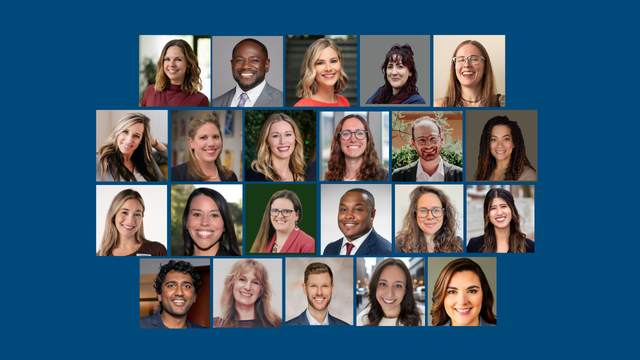
UpSkill America & Guild Announce Third Cohort of Education and Career Mobility Fellowship

National Job Quality Practitioner Survey
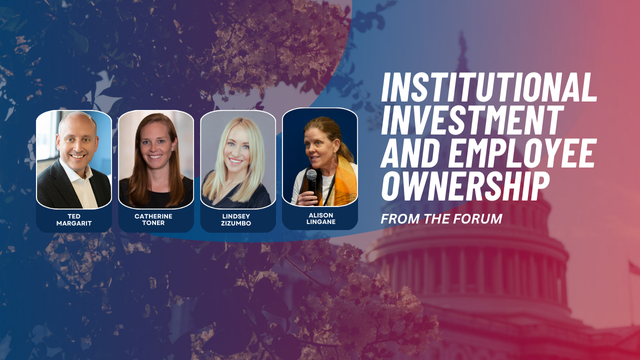

Transcript — Backsliding on Child Protections: The Return of Child Labor in the US

Job Quality Newsletter – Low Quality, High Costs