
As Temperatures Soar, Heat Protections for Workers Can’t Wait

Maxwell Johnson
Senior Research Associate
The warming climate has made work ever more dangerous for those in physically demanding jobs.
Nearly each passing year brings more days of extreme heat, with the duration of heat waves steadily increasing and their number tripling since the 1960s, according to federal statistics. Recognizing this, the Occupational Safety and Health Administration began the process of writing new federal standards protecting workers from heat in 2021.
But though the effort continues to advance as of publication, there still are no national heat regulations, and cuts by the Trump administration undermine OSHA’s ability to pass and enforce new rules. Meanwhile, workers swelter in fields, on warehouse and factory floors, and in package trucks — and scores have died in the years since the rulemaking process began.
Workers don’t have the luxury of waiting for the right to keep safe in the heat, so, in the absence of federal action, organizers and high-road employers have pushed for better state policies and workplace standards.
The Aspen Institute Economic Opportunities Program hosted four of these leaders on July 30 for a panel discussion, titled “Feeling the Heat: Workplace Safety in a Warming World,” moderated by Associated Press reporter Dorany Pineda.
Heat threatens workers’ lives.
As heat and humidity go up, the body’s ability to regulate its temperature breaks down, leading to exhaustion and even heat stroke. For workers, that means more injuries, more deaths, and more workplace accidents.
Part of the problem is that the government often doesn’t categorize these as resulting from heat, contributing to misperceptions about the number of workers affected. For instance, someone might go into cardiac arrest brought on by physical exertion in high temperatures, but you wouldn’t see that in the data.
“Our ability to count is never good,” explained Dr. Rosemary Sokas, professor emerita of human science and family medicine at Georgetown University. “People slip off ladders — all of that — but capturing that is really, really hard, and we have very poor data.”
Preexisting conditions make a person more likely to suffer heatstroke, while other health effects of a career spent laboring in extreme heat emerge later in life. Grower Jon Esformes, CEO and operating partner of Sunripe Certified Brands, has seen as much.
“I cannot tell you how many agricultural workers I have heard about and know about, who, after years of working on farms and repeated heat exposure and heat illness, are now on dialysis,” he told the audience.
And during a person’s working years, the toll chronic heat exposure takes can make people so ill that they cannot work for stretches at a time, putting them out of a job and sapping the resources of families and communities.
States can and should take action to protect workers.
Farm workers in Oregon have long been on the front lines of a climate spiraling out of control. A series of heat disasters, including a wildfire and a heat dome that killed a 38-year-old worker named Sebastian Francisco Perez in 2021, heightened public awareness of the dangerous conditions that workers face.
The outpouring of labor advocacy and statewide vigils that followed Perez’s death culminated in the state passing labor regulations to protect outdoor and indoor workers from heat and the smoke produced by increasingly frequent wildfires.
I think we’re in a moment when people are taking responsibility and taking into our own hands our safety… And we are using that moment to organize ourselves and our communities.
Sheheryar Kaoosji
The new rules mandate “commonsense measures,” which increase in strength as it gets hotter.
That’s according to Reyna Lopez, executive director of Pineros y Campesinos Unidos del Noroeste (PCUN), who explained that the measures include paid rest breaks when the temperature breaks 80 degrees, guaranteed water and shade, and acclimatization plans, among other best practices. While a good first step that outpaces much of the country, gaps remain, and PCUN and other advocates continue to press for more comprehensive rules and enforcement.
In neighboring California, summer highs average well above 90 degrees in the city of Ontario, where the Warehouse Workers Resource Center (WWRC) is located. Yet, many of the more than 4,000 warehouses in the city and surrounding Inland Empire lack air conditioning, sparking organizers into action.
It took nearly 10 years to get California regulators to pass the heat standards that went into effect last year.
WWRC Executive Director Sheheryar Kaoosji emphasized that organizers continue to pursue direct action to uphold workers’ rights. Doing so “can get employers to change their practices pretty quick, to provide extra breaks, to make sure the water is there” and leads to workers “feeling that solidarity and ability to support each other.”
Businesses should also recognize that a safe and dignified workplace is a human right.
The partnership between Sunripe Certified Brands and the Coalition of Immokalee Workers (CIW) serves as an example. Sunripe has signed on to an enforceable labor rights’ agreement through CIW’s Fair Food Program. Included in the agreement are standards covering extreme heat.
“Yes. I’m supposed to make a profit,” acknowledged Esformes. But “I’m also supposed to go ahead and take care of the resources that enable me to make a profit,” he continued. “One of those resources is the folks that honor us with their work.”
Sunripe has reaped a financial benefit, too. Improving workplace fairness and safety made the company more profitable, and it avoided the worker shortages that its peers experienced during the COVID-19 pandemic.
Progress has been made, but much work remains.
The victories won thus far in the fight to protect workers from heat are just the beginning.
Worker organizing is necessary to increase the number of states taking up the issue, as well as to ensure that regulations on the books in Oregon and California are enforced and strengthened. In places where policymakers are hostile to labor rights, organizing is necessary to hold employers accountable to their workers. After all, it will only continue to get hotter.
So long as workers lack the right to keep healthy in the heat, each scorching day will mean more lives cut needlessly short. We can choose a better future where no one has to risk their life to earn a living — but achieving that future depends on our willingness to act now, to demand stronger protections, and to stand with the workers who are already leading the way.
Join our mailing list.
To receive occasional emails about our work — including new publications, commentary, events, fellowships, and more — join our mailing list.
Connect on social media.
For news and updates every day, connect with us on the social media platform of your choice.

Building Economic Security: A Book Talk with Arindrajit Dube and Carrie Joy Grimes

What Employee Ownership Means to Workers

Employer-Friendly Practices: A Guide for Higher Education
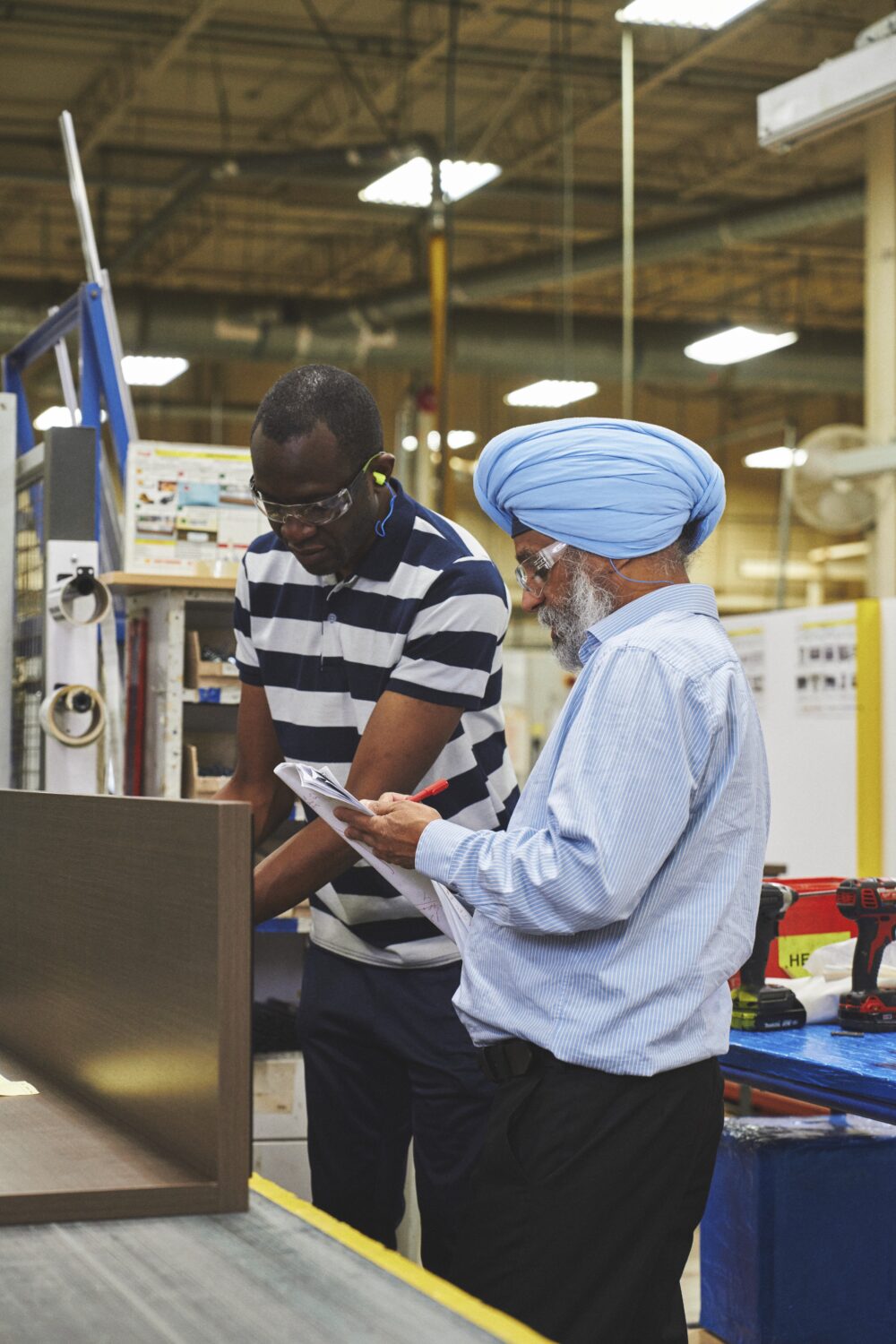
MillerKnoll: Developing Operations Leaders from Within and Beyond — A Case Study in Structured Talent Development

A Typology of State-Supported Work-Connected Learning Programs

About Opportunity in America
Opportunity in America, an event series hosted by the Economic Opportunities Program, considers the changing landscape of economic opportunity in the US and implications for individuals, families, and communities across the country.
About the Economic Opportunities Program
The Aspen Institute Economic Opportunities Program advances strategies, policies, and ideas to help low- and moderate-income people thrive in a changing economy.
