Service Is the First Leadership Lab
Subscribe to CRG’s Newsletter
Stay connected to more stories like this, and learn how young people are leading change across the country and around the world, by signing up for the Center for Rising Generations newsletter.

Kaya Henderson
Executive Vice President and Executive Director, Center for Rising Generations Aspen Institute
There’s a moment that happens in service work that doesn’t get talked about enough. It’s the moment when a young person realizes, “Wait, I shouldn’t have to fix this alone.” That realization is not the end of service. It’s the beginning of leadership.
At the Center for Rising Generations (CRG), we believe service is the first leadership lab, not because it teaches young people to help, but because it helps them see the systems that need to change. And right now, young people across the country and around the world are moving from service to systems change faster than we’re keeping up with.
For decades, we’ve framed youth service as charity. It could look like tutoring younger students, cleaning parks, volunteering at food banks. Of course, all of that matters. But if we stop there, we miss the most important part of what young people are actually doing.
They’re asking harder questions:
- Why are some schools under-resourced in the first place?
- Why do certain neighborhoods lack access to fresh food?
- Why are mental health supports hardest to find where they’re needed most?
And increasingly, they’re not only asking questions, but they’re redesigning.
According to the Corporation for National and Community Service (now AmeriCorps), more than 75 million Americans volunteer each year, and young people are among the most engaged. But what’s shifting isn’t just participation, but orientation. Young people are no longer content to serve within systems. They want to shape them.
Programs like Teach For America have long sat at this intersection: inviting young people into service roles that expose them to inequity up close, and often catalyze a lifelong commitment to systems change. I know that firsthand.
My own leadership journey began not in a boardroom, but in a classroom as a middle school Spanish teacher in the South Bronx through Teach For America. What started as showing up every day for my students, quickly became something deeper. I saw how structural inequities shaped their experiences long before they walked into my classroom. That experience didn’t just shape my career, it redirected it.
I went on to recruit and support other teachers, serve as national admissions director, and eventually lead Teach For America in Washington, D.C. At every step, the lesson was the same – service gives you proximity. Proximity gives you insight. And insight creates a responsibility to change the system.
We see this shift everywhere. A group of high school students starts by organizing peer tutoring and ends up advocating for district-wide policy changes to expand access to advanced coursework. A young person volunteering at a local health clinic begins collecting stories from their community and uses that data to push for more culturally responsive care.
The future of leadership doesn’t begin in boardrooms. It begins wherever a young person decides not just to help, but to change what’s broken.
Kaya Henderson
At the 2025 Rising Generations Summit, youth delegates launched projects that began with service and evolved into systems-level interventions:
- One project addressing microplastics didn’t stop at awareness; it pushed toward alternative materials and policy advocacy.
- Another focused on AI literacy wasn’t just about teaching tools. It aimed to reshape who has access to emerging technologies and how they’re used in classrooms.
- A health advocacy initiative started with community outreach and expanded into policy engagement around representation and care access.
This is the pattern: service to insights to systems change. And it’s happening at scale.
Through CRG’s emerging Youth Systems Change Tracker, we’re already seeing dozens of examples where young people are not just participating in systems but are embedded in governance itself: youth councils advising mayors, students co-designing school policies, and young leaders shaping workforce pathways. This isn’t a trend. It’s a transformation.
When young people engage in service, they’re giving time but they’re also building core leadership capabilities:
- Pattern recognition: seeing how individual challenges connect to systemic gaps
- Empathy with analysis: understanding lived experience while questioning root causes
- Coalition building: organizing across differences to create change
- Agency: moving from “someone should fix this” to “we can fix this”
These are present-day leadership competencies. And yet, too often, we still treat service as extracurricular, which is something nice, but not essential. We’re underestimating the service experience. The truth is, young people are already doing systems change work. Our institutions just aren’t designed to meet them there.
We still:
- Invite youth to give feedback but not share power
- Create advisory roles but not decision-making authority
- Celebrate youth voice but don’t integrate it into policy or practice
If we’re serious about leadership, we have to move beyond participation toward co-creation. When done right, service is not the endpoint. It’s the entry point.
It’s where young people:
- Experience community-wide challenges firsthand
- Build relationships across communities
- Develop a sense of responsibility and possibility
But most importantly, it’s where they begin to see themselves as actors within systems, not just recipients of them. That shift, from helper to architect, is the foundation of leadership.
If we want to support this generation of leaders, we need to redesign how we think about service:
1. Connect service to systems
Every service opportunity should include space for reflection and analysis: What caused this? What would it take to change it?
2. Create pathways from action to influence
Young people who engage in service should have clear on-ramps into advisory boards, policy discussions, and decision-making spaces.
3. Measure what matters
Not just hours served, but systems shifted. Not just participation, but power.
4. Fund youth-led solutions
Young people don’t just need opportunities to serve, they need resources to build.
We don’t need to invent new ways for young people to lead. They’re already doing it in classrooms, communities, and coalitions across the country. Service is where it starts. Systems change is where it goes. Our job is to close the gap between the two. Because if we get this right, we don’t just build better leaders. We build better systems designed with the people who understand them best.
The future of leadership doesn’t begin in boardrooms. It begins wherever a young person decides not just to help, but to change what’s broken.
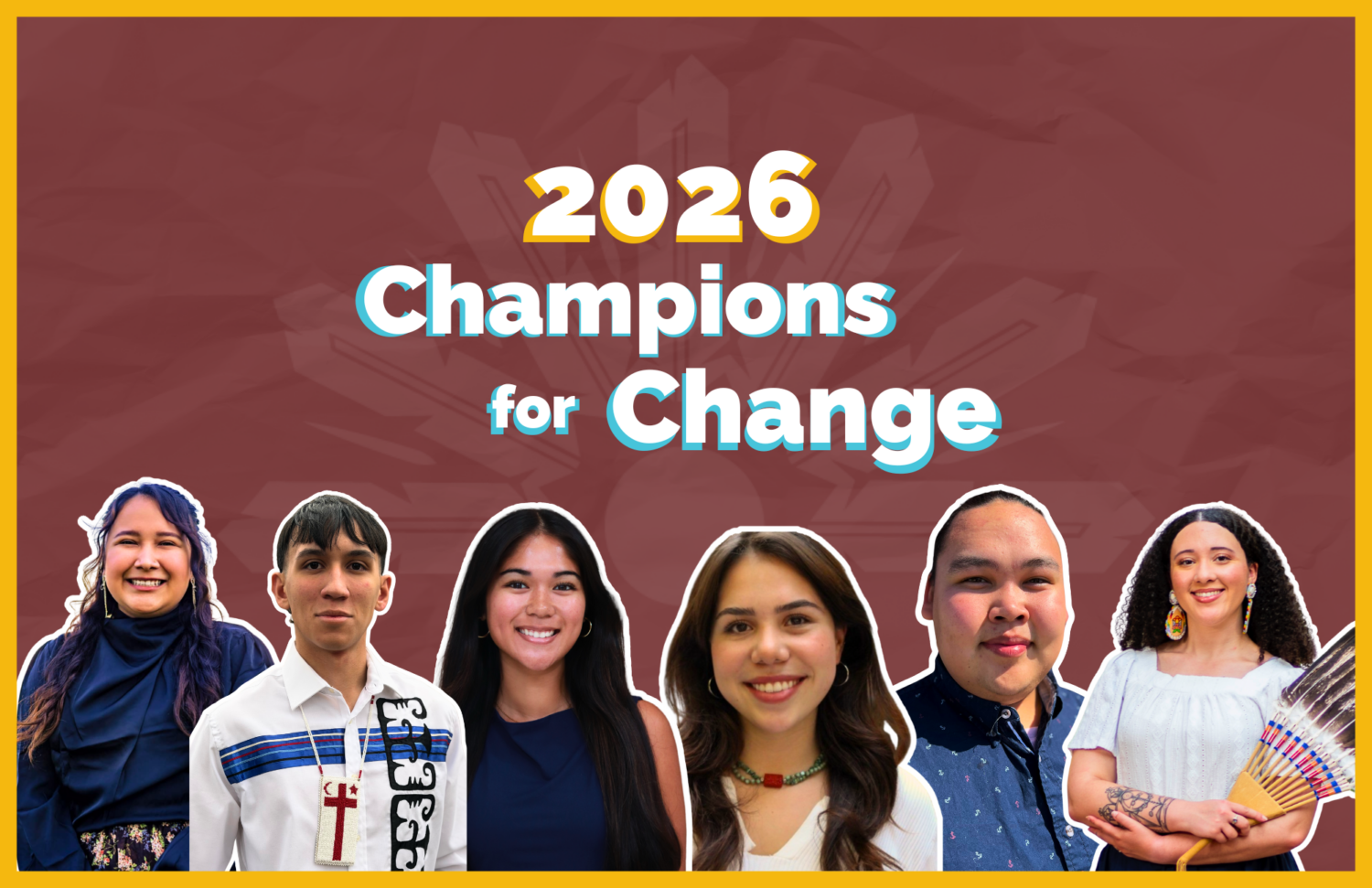
Center for Rising Generations at the Aspen Institute Launches Inaugural Youth Advisory Council to Power Youth-Led Solutions to Today’s Most Pressing Challenges

The Solutions Bringing Us Closer to a Whole-of-Ecosystem Response to Scams
Design of Business Takes on Radical Collaboration, Recorded Live in Aspen: A Guide to the DB|BD Season
What Are You Teaching Me Today?
Helping Afghan women gain freedom in Arkansas