The Time is Now to Build Community Wealth Through Clean Energy

Joanna Smith-Ramani
Co-Executive Director

Greg Gershuny
Vice President and Executive Director
Hurricane Beryl’s recent landfall is a harbinger for the more intense, rapidly escalating storms predicted this season, as warmer ocean temperatures are expected to bring the worst hurricane season in decades.
These extreme storms, as well as the extreme heat that has blanketed much of the globe this summer, are no longer a distant threat but a harsh reality for many, and one that threatens the financial stability of many American communities. Their ability to adapt to intensifying climate impacts will largely be determined by their financial resources and capacity.
But there are economic opportunities for communities to leverage as well.
The transition to cleaner energy —which will involve building, retrofitting, and deploying a huge amount of energy infrastructure — can offer unique community wealth-building opportunities as new green jobs and industries are created.
Creative, cross-sector collaboration and shared ownership in this new clean energy infrastructure can help mitigate the increased costs of climate change and build wealth, especially for people and communities with the fewest assets.
One of these wealth-building opportunities lies in the groundbreaking provisions of the 2022 Inflation Reduction Act, which introduced a tax provision called direct pay. This provision allows historically tax-exempt entities—such as state, Tribal, and local governments, nonprofits, schools, and hospitals—to receive direct payments for clean energy projects, democratizing access to clean energy investments which were previously only accessible through tax credits.
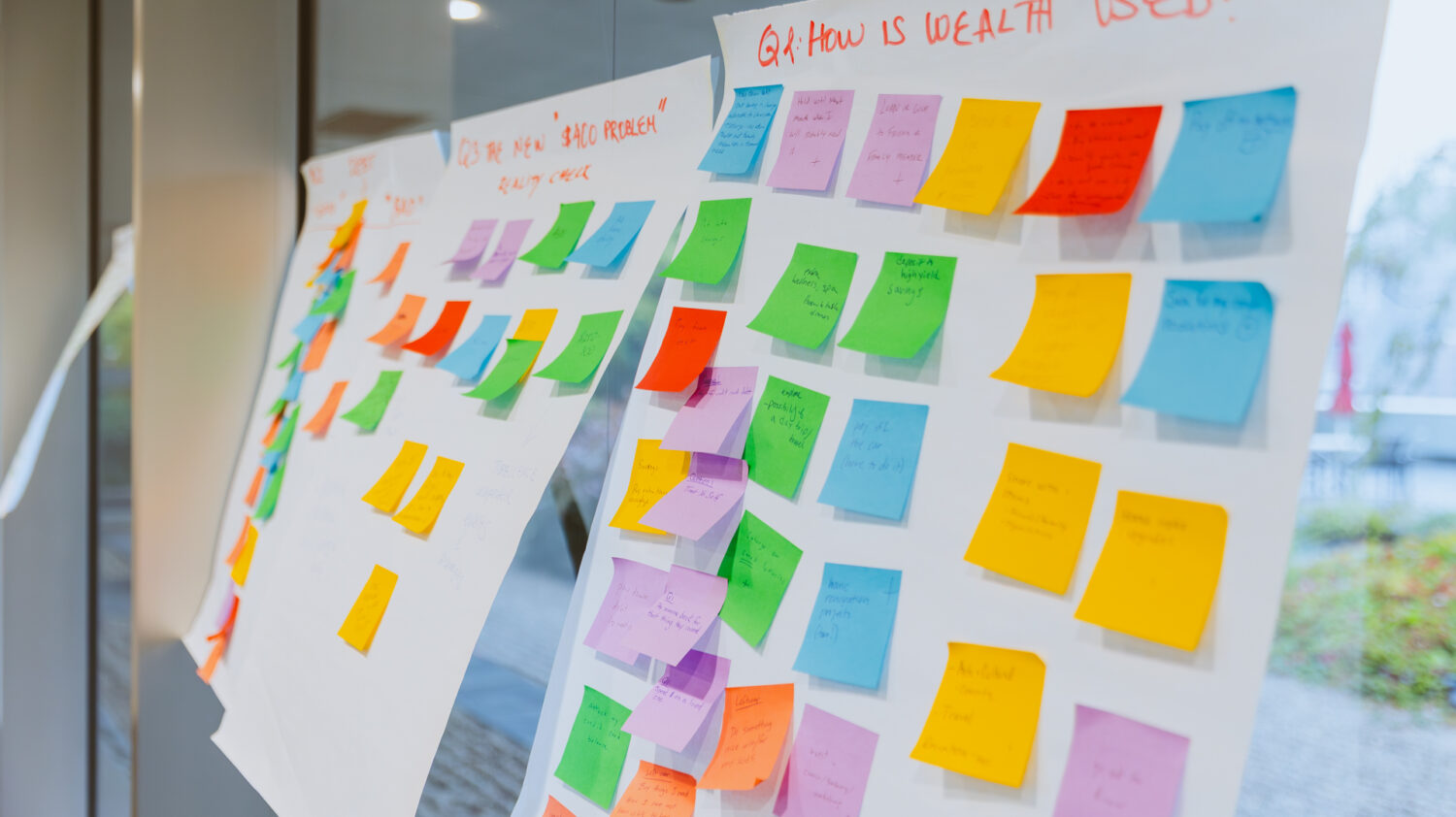
During a private roundtable convened at the Aspen Ideas: Climate conference in March of 2024, investors, clean energy developers, and community leaders emphasized the potential role of direct pay to increase financial and climate resilience, as well as opportunities for improvement.
Here are three takeaways:
1. Shared ownership
Direct pay offers direct payments to communities to build clean energy projects and in doing so encourages opportunities to share ownership around these projects. The provision marks the first opportunity for many communities and tax-exempt groups to directly invest in the clean energy transition
For example, a community-based organization, such as a school or nonprofit, can undertake a shared solar project that reduces their energy costs and generates revenue for subscribers, and through direct pay receive a payment from the federal government to help projects pencil out.
The Baltimore Office of Sustainability, in partnership with Groundswell, the City of Refuge in Baltimore, the Maryland Energy Administration, and SunCatch Energy, opened a resilience hub powered by solar energy that will serve as an emergency shelter in the aftermath of severe weather events. Direct pay covered a third of the costs.
Increased collaboration and a greater sense of shared ownership among community members in these clean energy projects will only serve to improve their reception, buy-in, and ultimate benefits to communities.
2. Inclusive transition
Opening this tax credit to a broader group can help ensure that marginalized communities are included in the clean energy transition.
Direct pay has the potential to expand access to clean energy jobs for women and people of color who are typically underrepresented in this sector. For example, the city of Madison, Wisconsin, has tapped the direct pay provision in a green workforce training program for un- and under-employed residents from underrepresented communities.
The GreenPower trainees, made up of, are installing new solar panels on municipally-owned buildings, such as fire stations and libraries, in the process creating new jobs and expanding the city’s clean energy assets.
3. Boosting uptake
Direct pay is still in the initial deployment phase, with significant learning needs and opportunities to address implementation challenges and increase their uptake.
Direct pay payments are made only after a project has been deployed, which means project owners must come up with the upfront capital to finance the project. This is especially difficult for nonprofits and community-based organizations that may not have the capital or access to bridge financing before the federal payment is received.
And capital markets unfamiliar with direct pay-eligible projects may not be keen to finance such projects.
Community-based organizations can partner with trusted intermediaries who have the technical expertise to develop and finance these opportunities at the scale and speed needed. These partnerships are key to eliminating barriers.
There are still open questions, including if and when it makes sense for newly eligible entities to utilize direct pay versus alternative avenues.
Framing the clean energy transition as a significant opportunity for wealth creation will require cross-sector collaboration among policymakers, asset building organizations, philanthropy, and community-based organizations.
Direct pay demonstrates an avenue to build community wealth, while mitigating the climate impacts that will increasingly threaten financial stability. Policymakers and leaders should seek to identify other similar rules and opportunities to build both climate and financial resilience nationwide.
By doing so we not only mitigate the effects of climate change, but we expand the frame of climate action to a much wider array of stakeholders and communities, and create a more equitable and prosperous future for all.
Joanna Smith-Ramani is Co-Executive Director of the Aspen Institute Financial Security Program, a leading national voice on Americans’ financial security.
Greg Gershuny is the Vice President and Executive Director of the Aspen Institute Energy and Environment Program (EEP) and Co-Director of Aspen Ideas: Climate, a public forum focused on climate solutions.
This article was originally published in ImpactAlpha.

Billions at Risk: What Drives Wealth Loss for Black Families

Innovations to Accelerate Rural Wealth Building

Colorado Essential Wealth Metric

Announcing the 2026 Class of Finance Leaders Fellows

Essential Wealth: A New Benchmark for Financial Security
“Champions of Financial Literacy”: How SFEPD Is Helping the Next Generation Build Wealth

Colorado’s Tenant Equity Vehicle: A Pioneering Approach to Renter Wealth Creation
The World Is Watching: What Comes Next for 530A Accounts (“Trump Accounts”)

Growing the Pie: Lessons on Wealth Building with Devin Murphy