Aspen is a place for leaders to lift their sights above the possessions which possess them. To confront their own nature as human beings, to regain control over their own humanity by becoming more self-aware, more self-correcting, and hence more self-fulfilling.
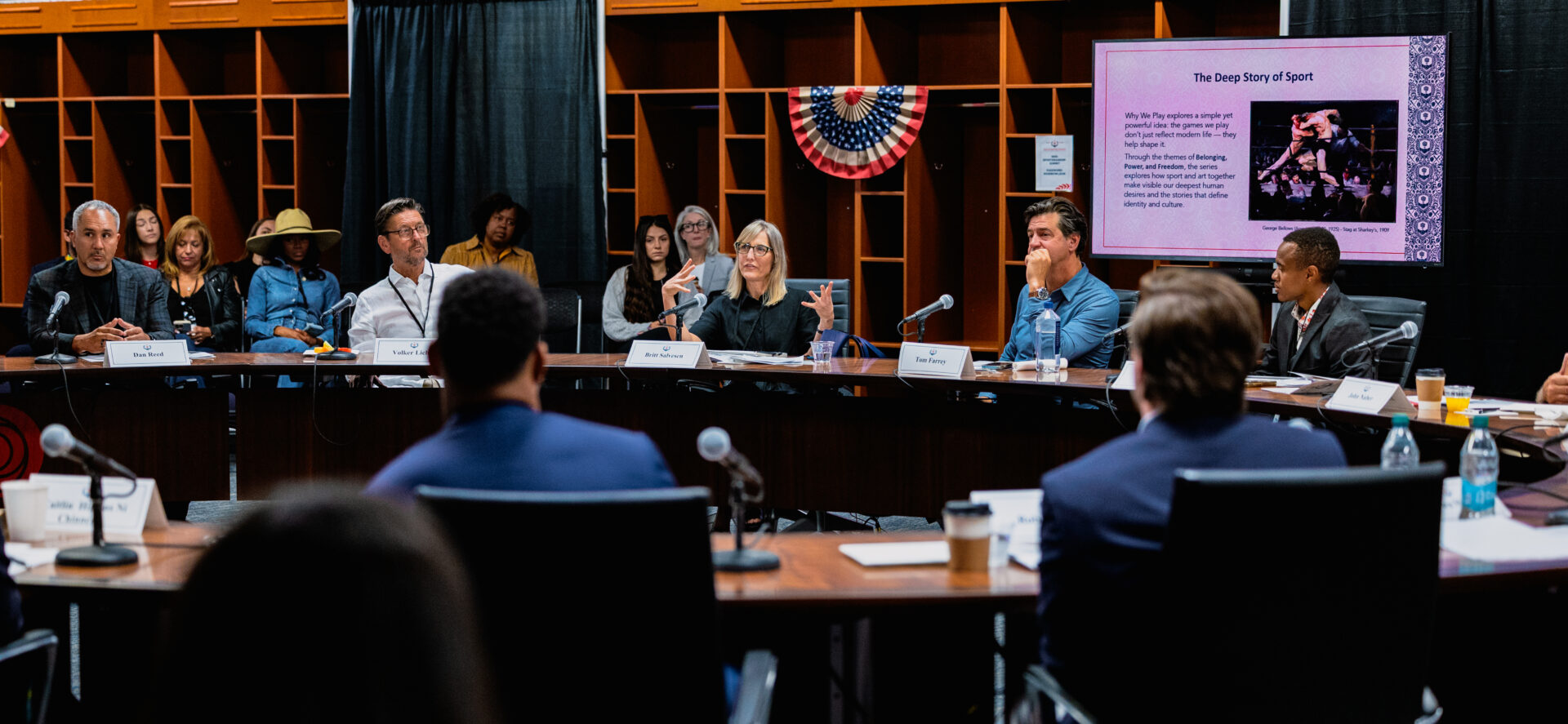
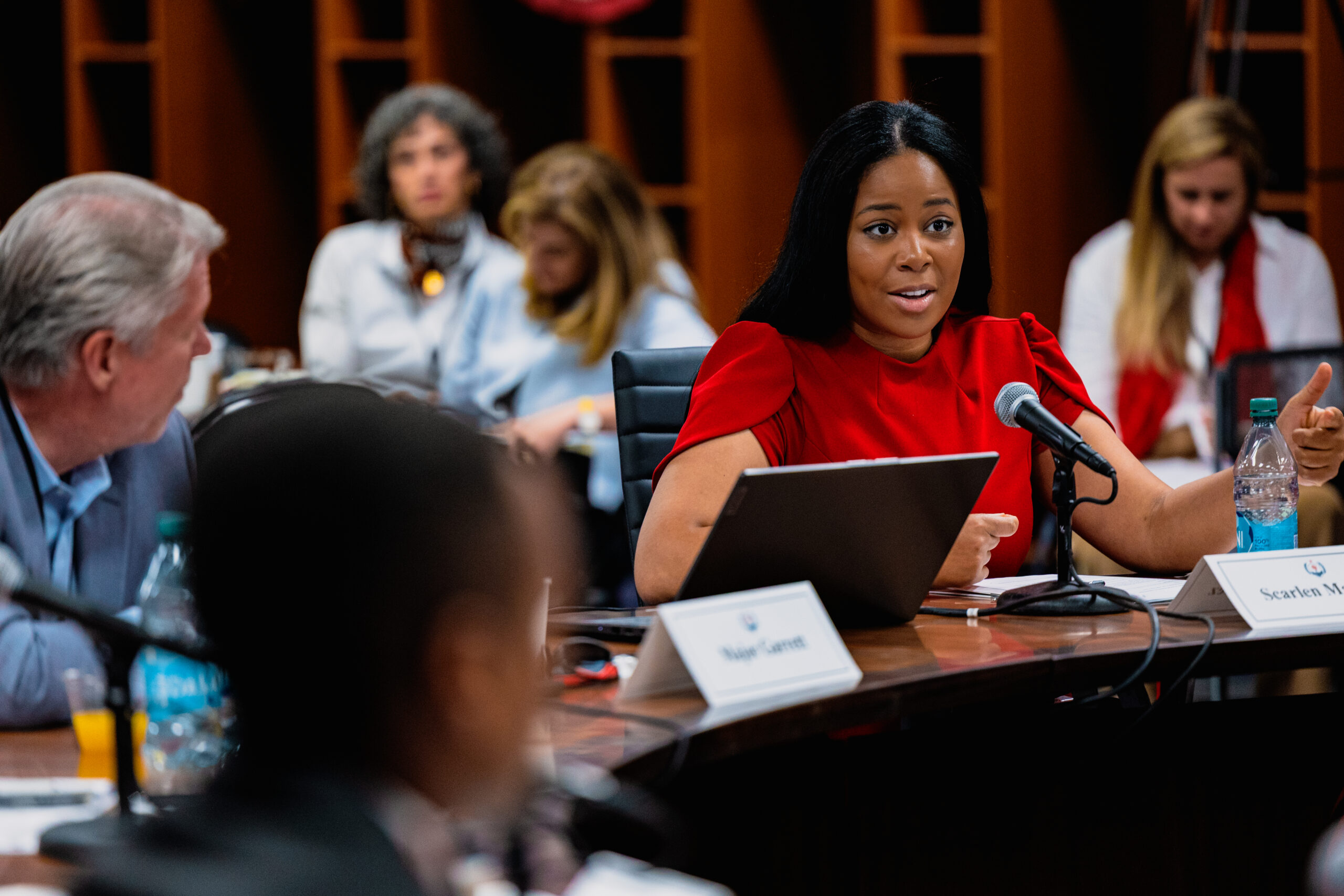
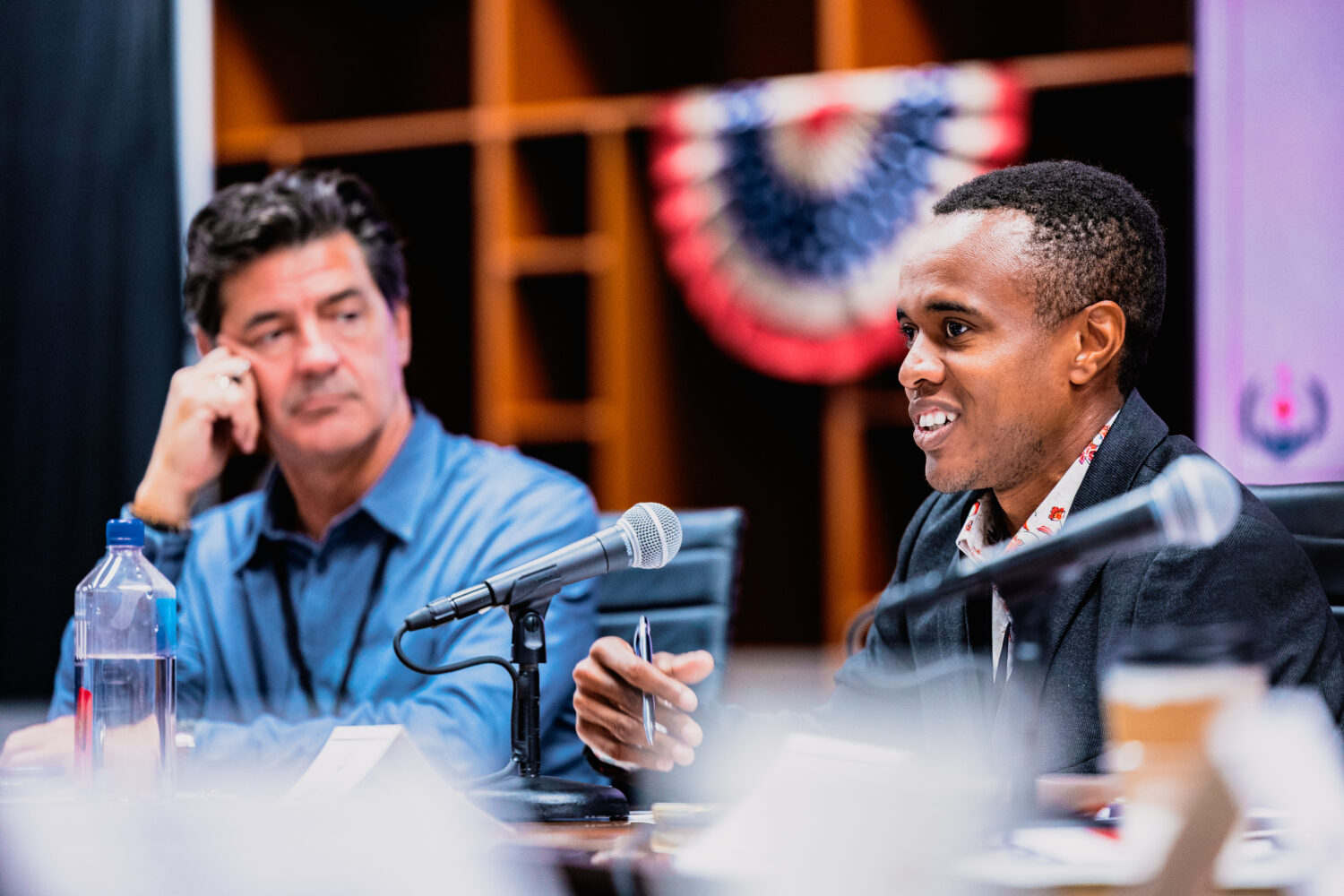
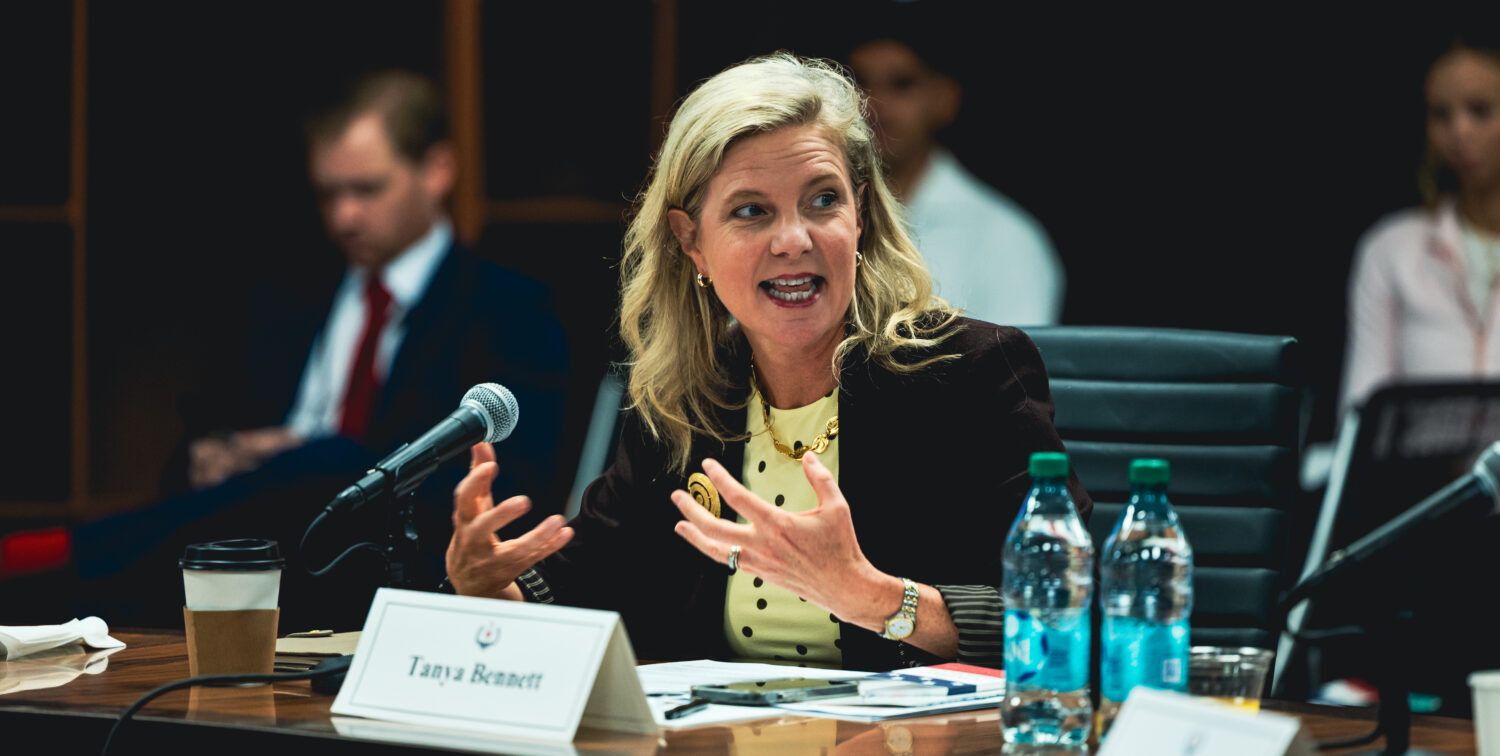
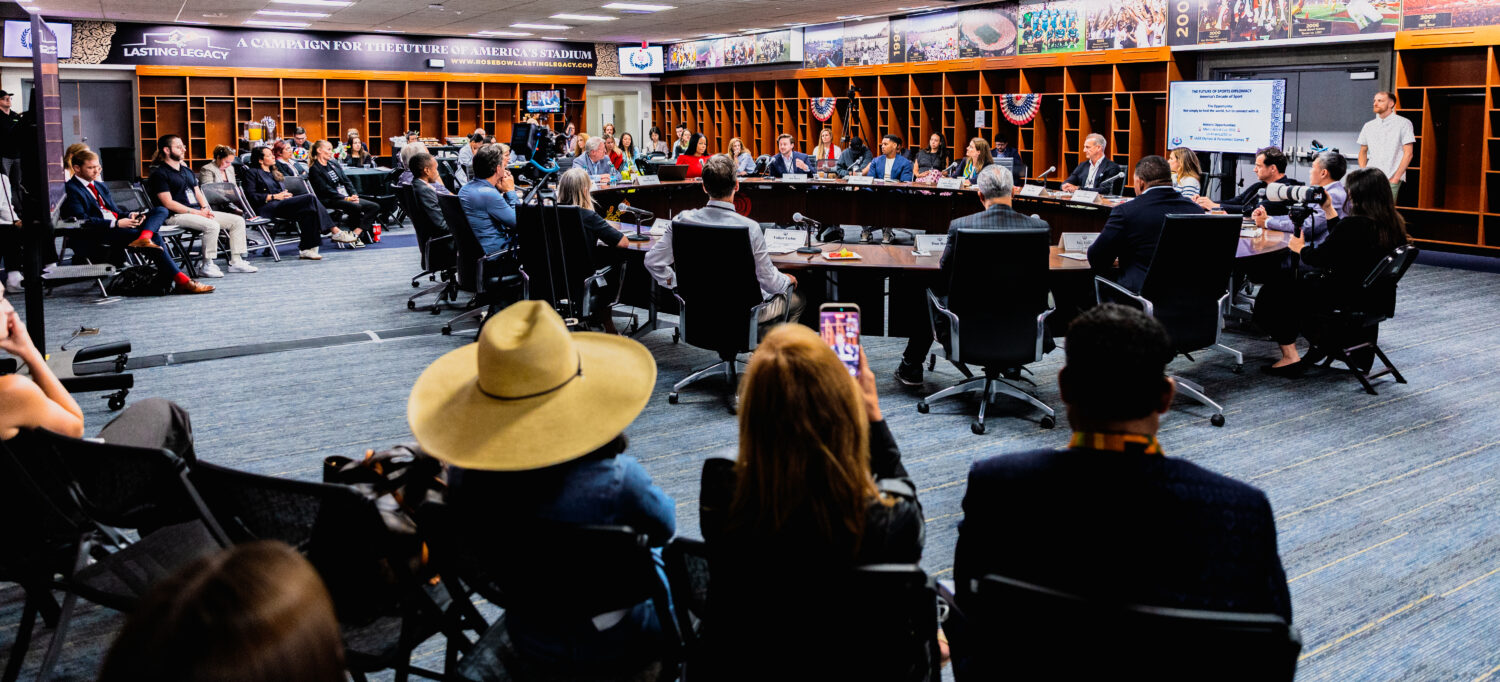
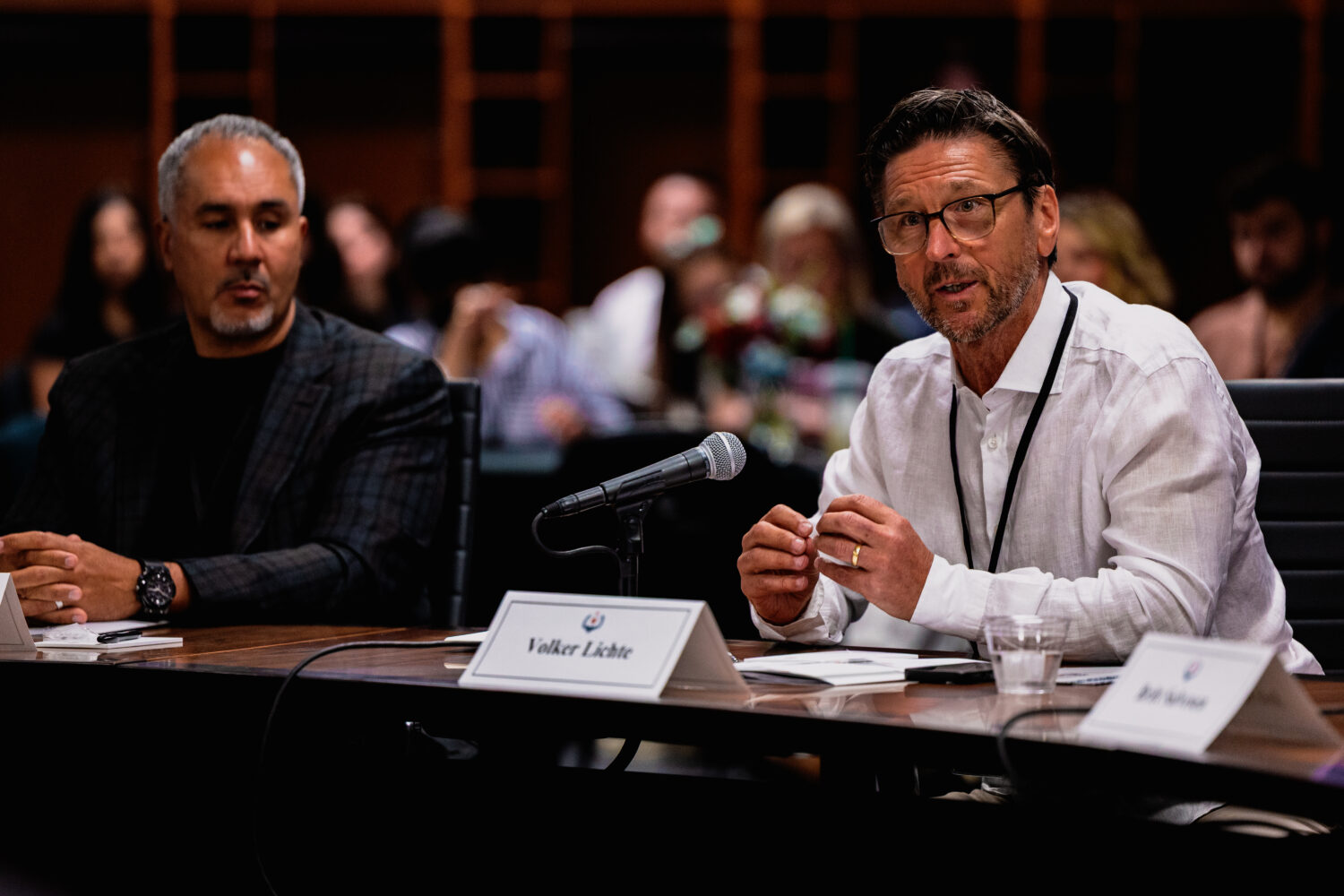
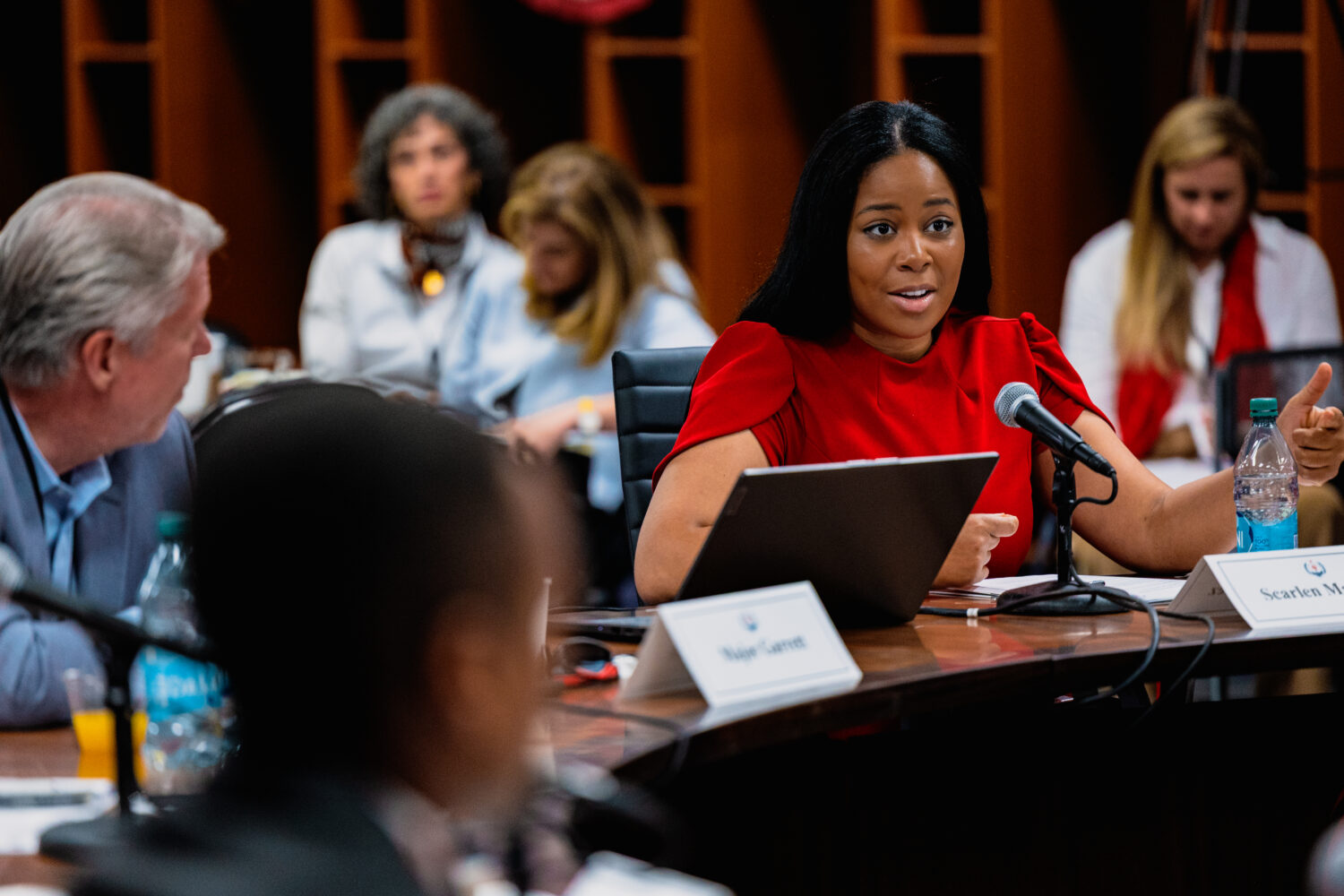
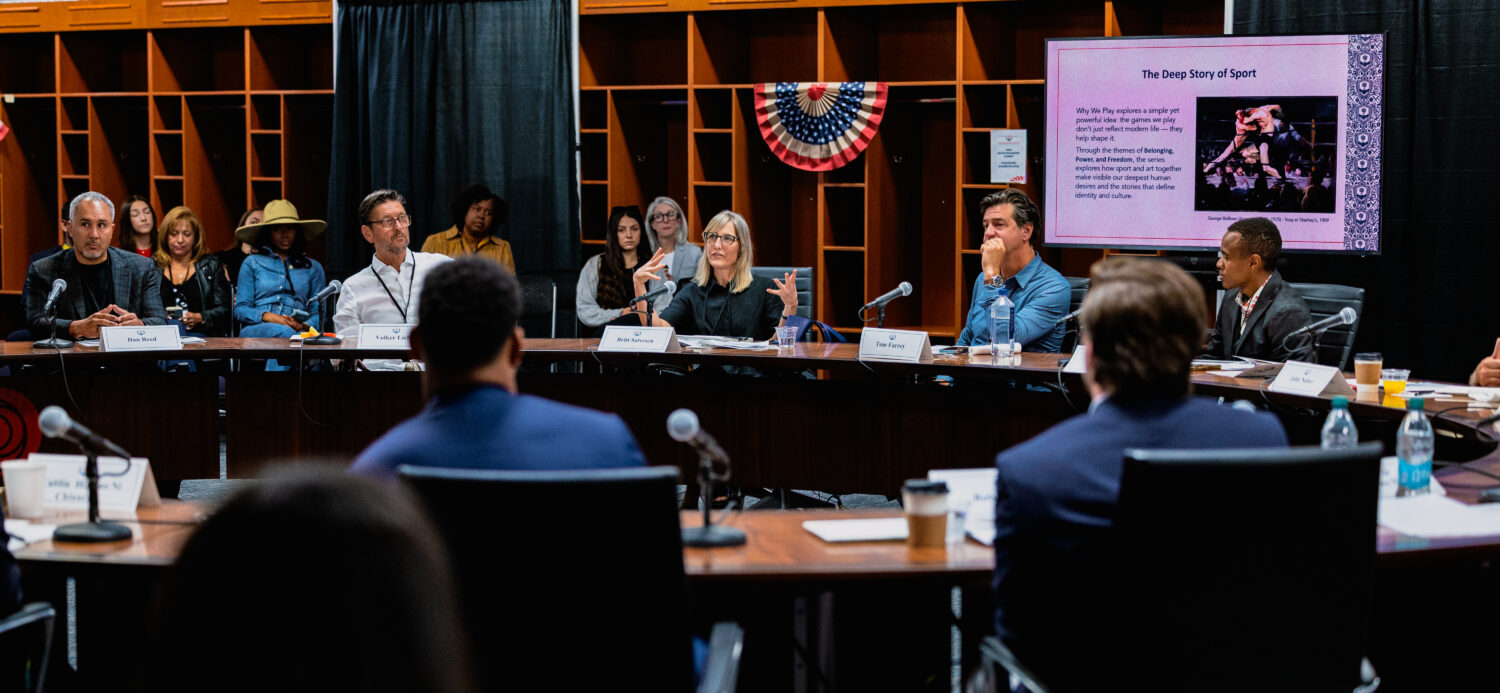
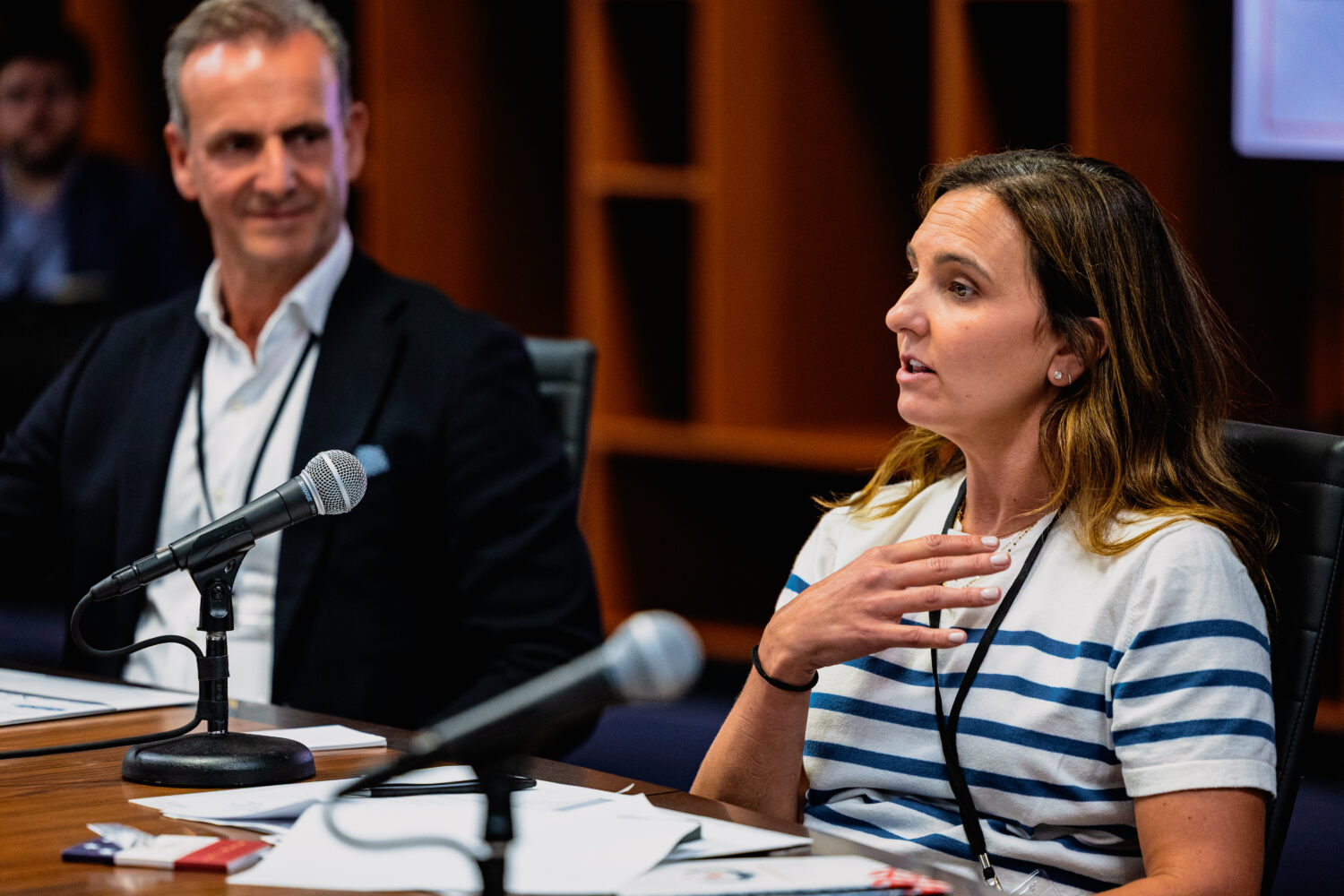
In June 2026, The Rose Bowl Institute hosted its first ever Sportsmanship Summit, bringing together leaders from across sport, business, civic life, and culture for two days of dialogue on the future of sport and society. The Aspen Institute’s Sports & Society Program was proud to partner in the Summit and contribute to the broader conversation through a Why We Play session exploring how sport shapes our ideas about power.
What can sport teach us about who has power and how we use it? Watch the full Why We Play conversation below and explore key insights below on how power takes shape through leadership, opportunity, and choice.
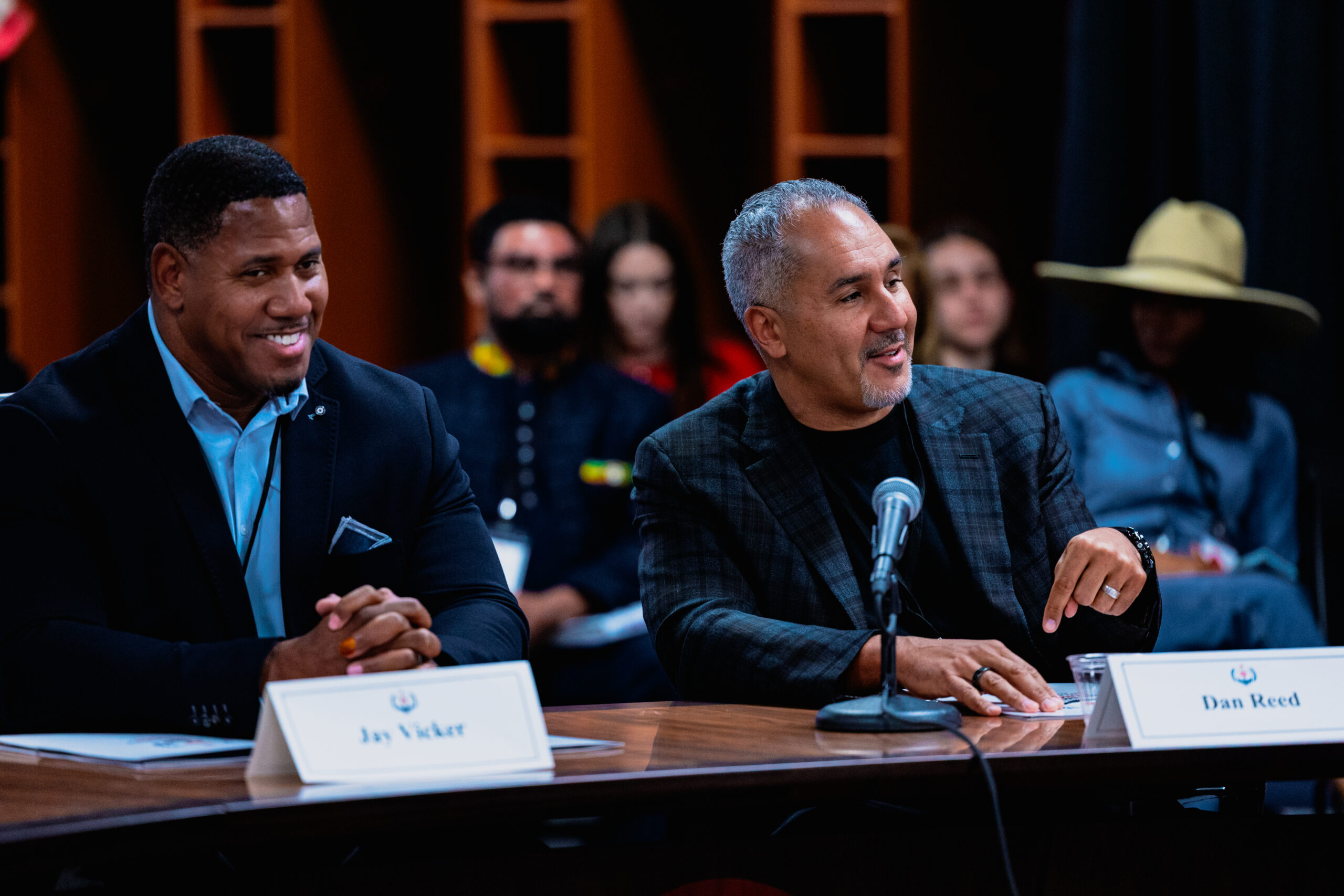
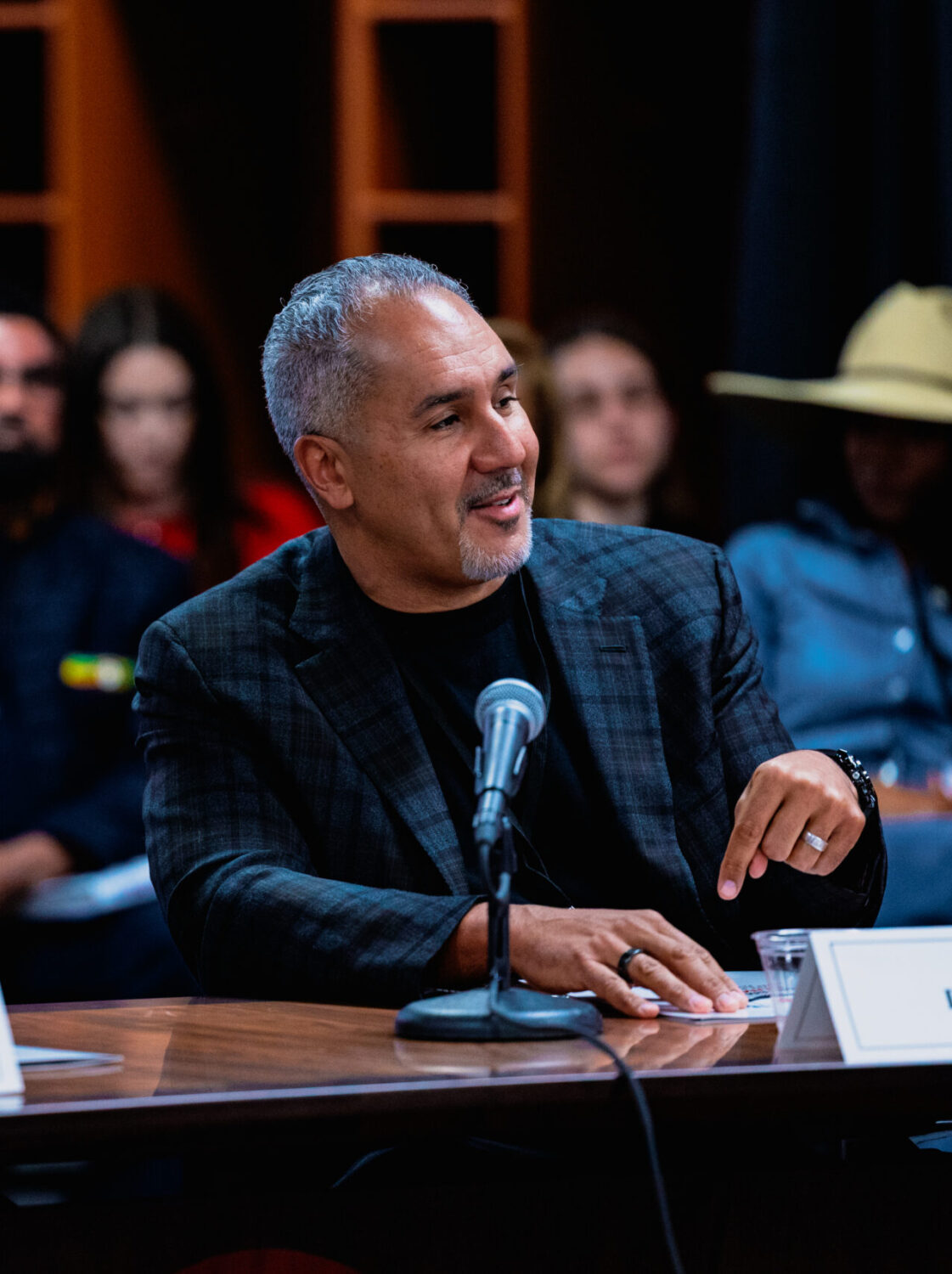
“Achievement is the baseline that redefines who gets to be a leader and who has power. But then it is the platform and the story around it that really mobilizes the broader community.”
– Dan Reed, Chair of the Heisman Trophy Trust
Inside the Sportsmanship Summit
Three questions surfaced throughout the conversation: Who has power? How is it used? And what kind of power do we want sport to create?
Sport reflects the society we aspire to build
The conversation began with the idea that sport models many of the qualities we hope to see in society: shared rules, trusted institutions, and the ability to compete while remaining part of the same community. Like democracy itself, sport depends on governance, trust, and a shared commitment to fairness.
Participants also pointed to the upcoming Los Angeles Olympics—the first Games expected to feature a majority of women athletes—as one example of how sport continues to evolve alongside society, expanding who gets to participate, lead, and be seen.
Power shapes how we think about leadership
Sport has changed our understanding of leadership.
Coaches create environments where individuals and teams can thrive. Captains lead through trust, relationships, and example rather than formal authority. Those models increasingly extend well beyond sport, shaping how leadership is practiced in business, education, and civic life.
As athletes and organizations gain greater platforms, they also take on greater responsibility—to build relationships, strengthen communities, and create opportunities for others.
Power is revealed in how we use it
Power takes many forms: economic opportunity, cultural influence, global relationships, and the platform athletes carry today.
Again and again, one idea resurfaced. Power is revealed through choice. Stories about athlete advocacy, international partnerships, and one Olympian’s decision to stop and help a competitor all pointed to the same conclusion. The true measure of power in sport is not only who holds it, but how they choose to use it.
“Power in sport belongs to everyone who shapes it, from fans and athletes to executives, administrators, and team leaders.”