Aspen is a place for leaders to lift their sights above the possessions which possess them. To confront their own nature as human beings, to regain control over their own humanity by becoming more self-aware, more self-correcting, and hence more self-fulfilling.
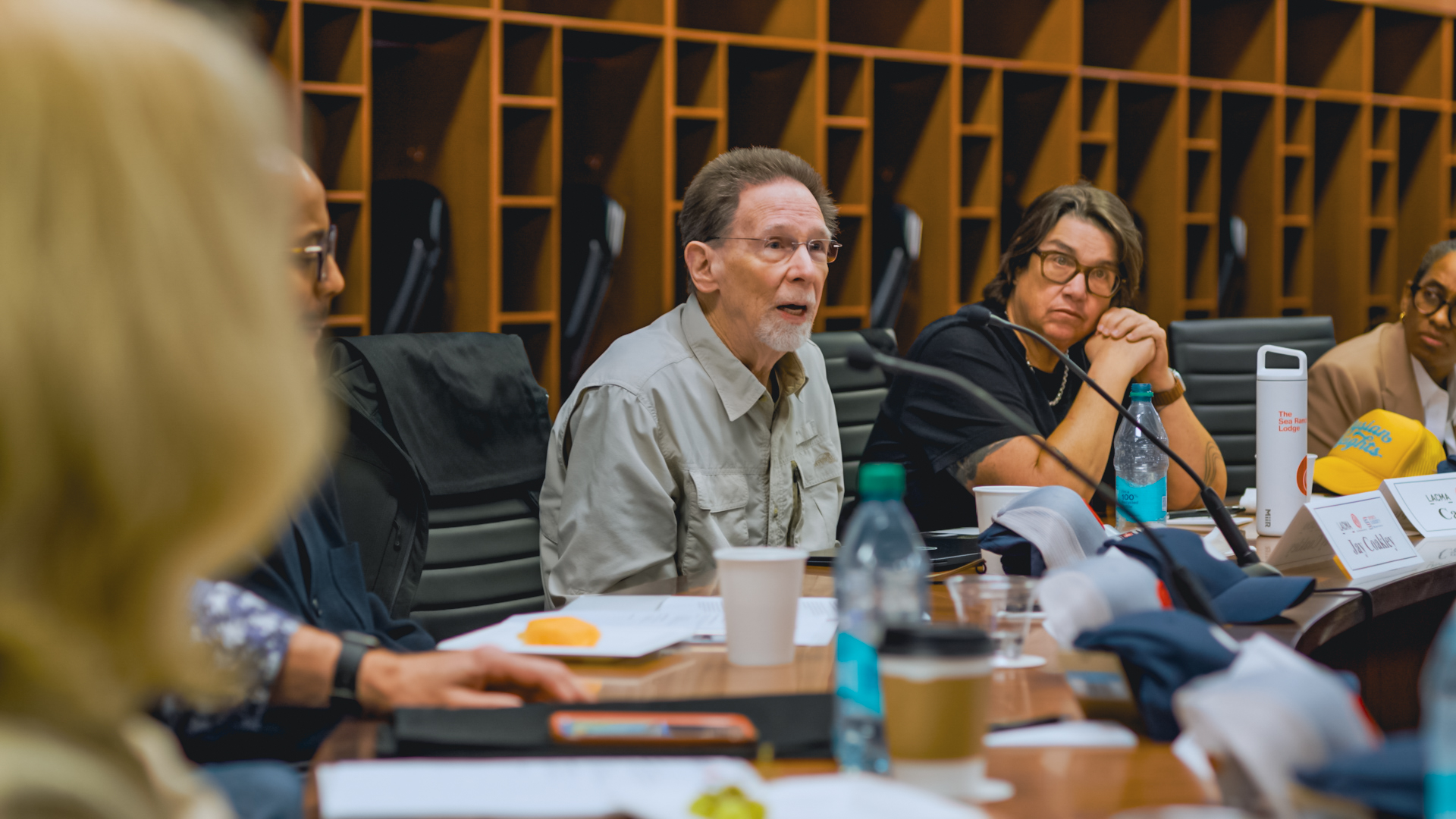
For decades, sports sociologist Jay Coakley has helped shape how we understand the role of sport in society, looking beyond what happens on the field to the ways sport influences identity, relationships, and institutions.
As part of our Why We Play conversation series, Tom Farrey, Executive Director of the Aspen Institute’s Sports & Society Program, sat down with Coakley at the Rose Bowl for a wide-ranging conversation about three of the project’s central themes: belonging, power, and freedom.
What can sport teach us about how society works? Who gets to belong, who holds power, and what happens to our sense of freedom as play becomes more organized? Watch the full conversation below.
“There’s potential for sport to be one of the major things that bring people together.”
– Jay Coakley, PhD, Professor Emeritus, Sociology Department, University of Colorado, Colorado Springs
Three Ideas to Explore
Drawing on decades of research into sport and society, Coakley offers a sociologist’s perspective on some of the questions at the heart of Why We Play. These three ideas offer a starting point for thinking about how sport shapes belonging, power, and freedom.
Watch the full conversation below to hear Jay and Tom explore belonging, power, freedom, and what sport can reveal about ourselves and the society we have built.
Belonging requires intention
Sport can create powerful connections among athletes and fans, but belonging isn’t automatic. Access matters. So does who is in the room, who can afford to participate, and whether organizations intentionally create opportunities for people to connect across differences.
Sport makes power visible
As sport becomes more organized, its power structures become clearer: coaches, players, managers, owners. Because we watch these relationships play out so publicly, Coakley asks what they might teach us about authority, hierarchy, and whose voices are heard beyond sport.
Freedom starts with movement
For Coakley, some of our earliest experiences of freedom come from discovering what our bodies can do. As play becomes more organized, the question becomes how to preserve that sense of agency, exploration, and joy that make sport meaningful in the first place.