Feeling the Heat: Workplace Safety in a Warming World
Each of the last ten years ranks among the hottest on record, with 2024 taking the top spot. As the world heats up, nearly a third of the workforce is at risk, especially workers in groundskeeping, construction, and agriculture. But it isn’t just outdoor workers who face danger. Many of the drivers and warehouse workers who form the backbone of our on-demand economy spend their days in hot vans and warehouses, without air conditioning or sufficient breaks. Workers from minority backgrounds are most affected by excessive heat, with more than half of Black, Latino, and immigrant workers employed in “exposed” jobs, all while being less likely to have employer-sponsored health insurance.
Researchers have found that the rate of occupational injury and accidents increases steadily as temperatures go up, and as many as 2,000 workers die every year due to heat. Low-wage workers often can’t pay for basics such as food or shelter if they miss a day’s pay, so they keep working even when they know it’s too hot. And as heat harms workers’ health, making it more difficult for them to carry out their tasks, productivity is impacted. For the benefit of workers, businesses, and our society, we need to build workplace heat safety into our culture, policies, and practices if we are to adapt to our warming planet.
In this event — hosted by the Economic Opportunities Program on July 30, 2025 — we learn how the warming climate is affecting workers, and what policymakers, businesses, and labor are doing to keep workers safe. Our speakers include Jon Esformes (Sunripe Certified Brands), Sheheryar Kaoosji (Warehouse Workers Resource Center), Reyna Lopez (Pineros y Campesinos Unidos del Noroeste), Rosemary Sokas (Georgetown University), and moderator Dorany Pineda (Associated Press).
For more information about this event, including a transcript, speaker bios, and additional resources, visit: https://www.aspeninstitute.org/events/feeling-the-heat-workplace-safety-in-a-warming-world/
For highlights from this discussion, subscribe to EOP’s YouTube channel: https://www.youtube.com/@AspenEOP
Or subscribe to EOP’s podcast to listen on the go: https://podcasters.spotify.com/pod/show/aspeneop
This event is part of our Opportunity in America conversation series: https://www.aspeninstitute.org/series/opportunity-in-america/
About Opportunity in America
Opportunity in America, an event series hosted by the Economic Opportunities Program, considers the changing landscape of economic opportunity in the US and implications for individuals, families, and communities across the country.
About the Economic Opportunities Program
The Aspen Institute Economic Opportunities Program advances strategies, policies, and ideas to help low- and moderate-income people thrive in a changing economy.
Join Our Mailing List
To receive occasional emails about our work — including new publications, commentary, events, fellowships, and more — join our mailing list.
Connect on Social Media
For news and updates every day, connect with us on the social media platform of your choice.
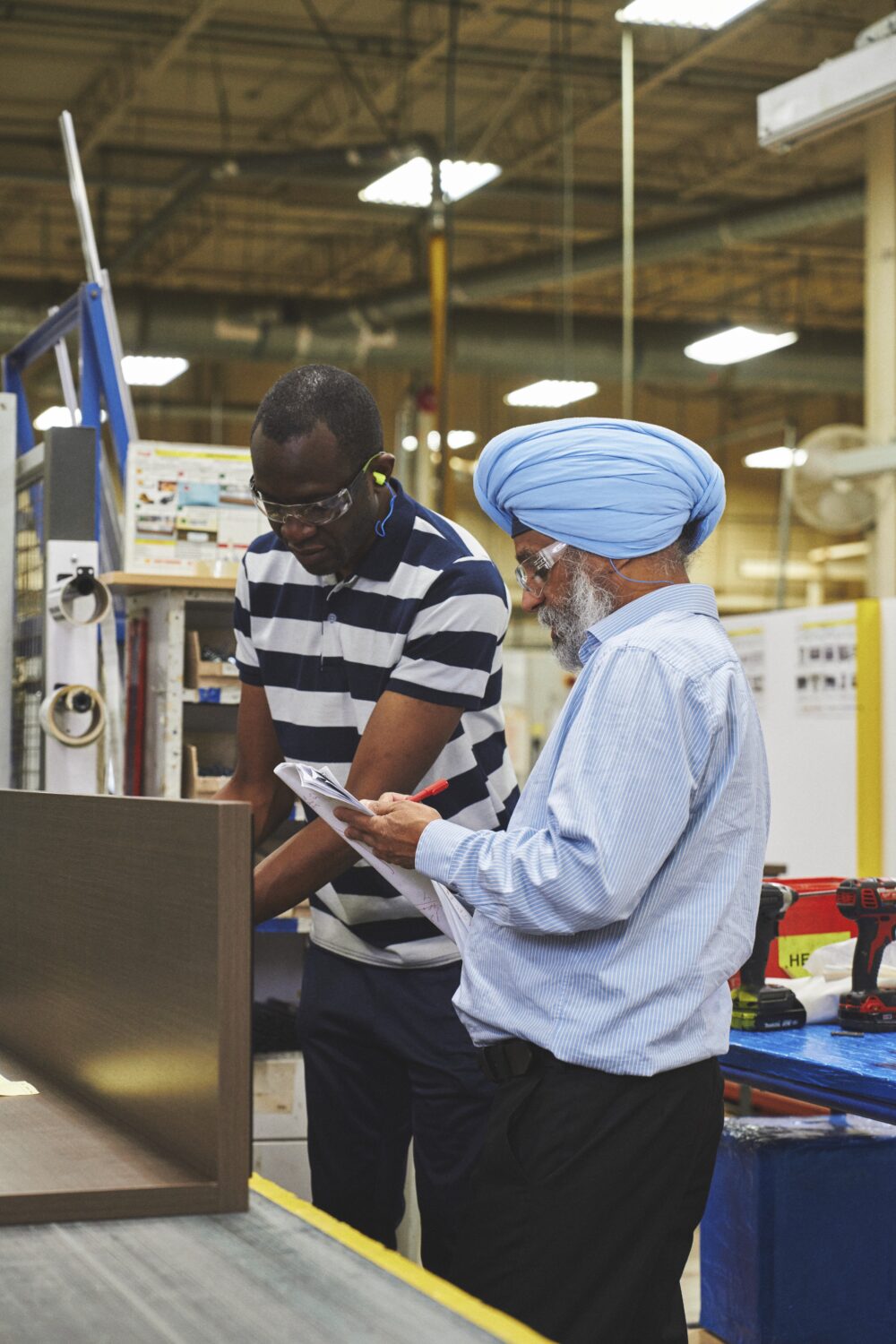
MillerKnoll: Developing Operations Leaders from Within and Beyond — A Case Study in Structured Talent Development

A Typology of State-Supported Work-Connected Learning Programs

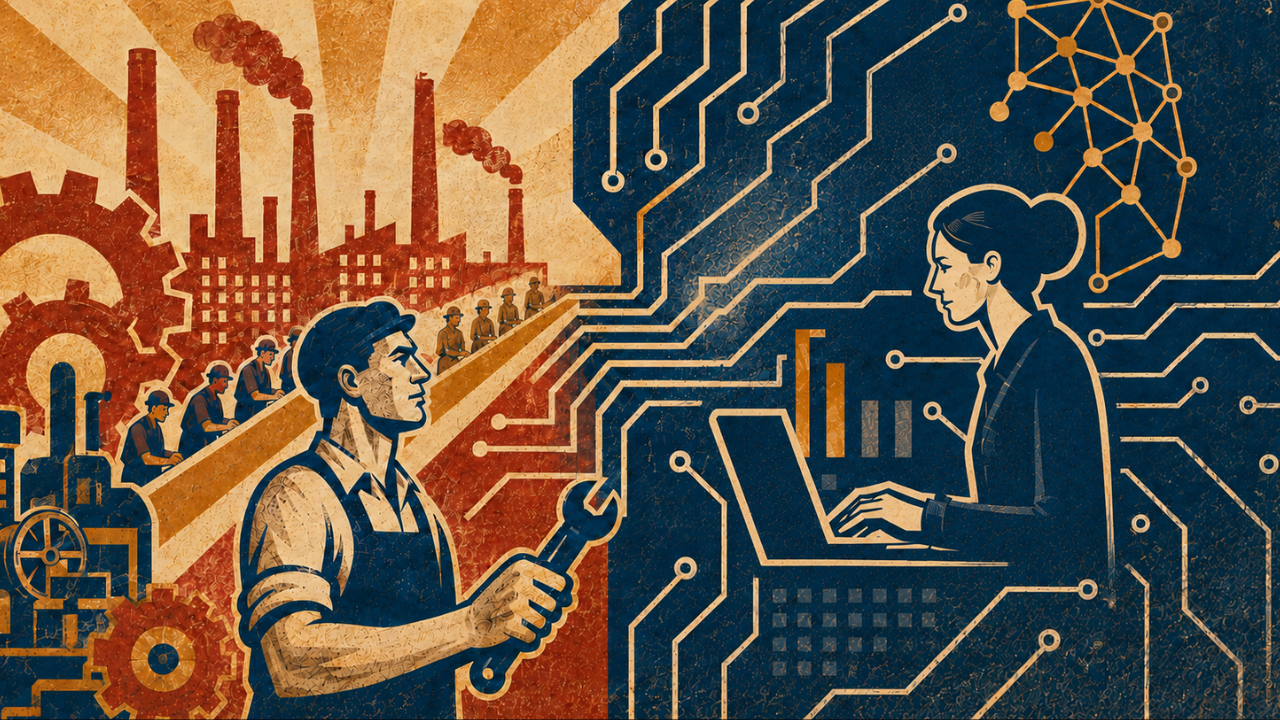
Work and the Social Contract in the Age of AI: How did we get here?