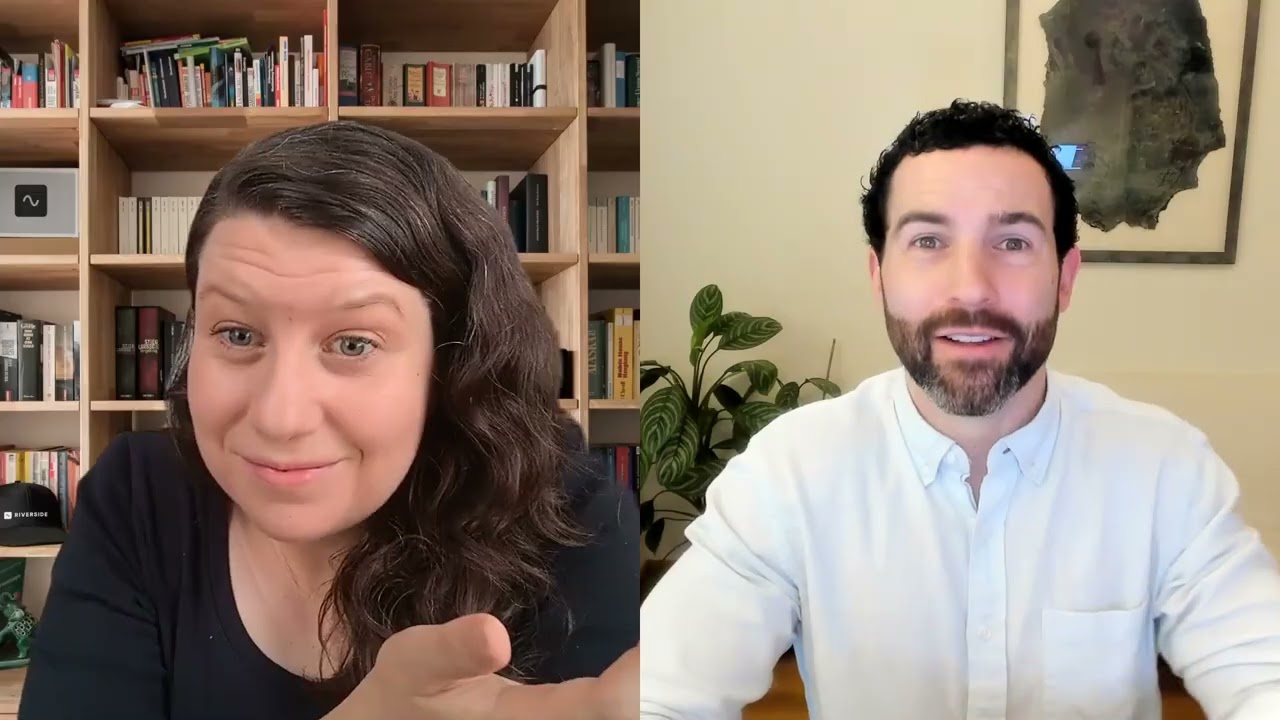
Working and Homeless in America — A Book Talk with Brian Goldstone

The US faces a national crisis of homelessness and housing affordability like few other times in our history. Increasing rents and housing shortages have had devastating effects on nearly every major metropolitan area in the US and many rural communities as well. This crisis has affected everyone including children, seniors, military veterans, people with disabilities, and people working full-time. In his new book, “There Is No Place for Us: Working and Homeless in America,” journalist Brian Goldstone exposes how the decline of work and pay in the US has left many full-time workers homeless. People who clock in at hospitals, drive for delivery apps, and care for others cannot afford stable housing as increases in rent continue to outpace wage growth.
Goldstone follows five families in Atlanta as they navigate the impossible demands of low wages, skyrocketing rents, and an inadequate social safety net. Through his reporting, Goldstone lived alongside families in extended-stay motels, witnessing the cycles of eviction and rejection, and capturing the resilience of those caught in a system designed to exclude them and in one that often doesn’t count them in official statistics. “There Is No Place for Us” not only brings these unseen lives into focus but also forces us to confront a pressing question: If hard work is no longer enough to keep a roof over one’s head, what does that say about the promise of economic opportunity in the US?This virtual book talk — hosted by the Aspen Institute Economic Opportunities Program on April 30, 2025 — features Goldstone in conversation with moderator Maureen Conway, a vice president at the Aspen Institute and executive director of the Institute’s Economic Opportunities Program.
For more information, including a transcript, speaker bios, and additional resources, visit our event page.
For highlights from this discussion, subscribe to EOP’s YouTube channel.
Or subscribe to our podcast to listen on the go.
About Opportunity in America
Opportunity in America, an event series hosted by the Economic Opportunities Program, considers the changing landscape of economic opportunity in the US and implications for individuals, families, and communities across the country.
About the Economic Opportunities Program
The Aspen Institute Economic Opportunities Program advances strategies, policies, and ideas to help low- and moderate-income people thrive in a changing economy.
Join Our Mailing List
To receive occasional emails about our work — including new publications, commentary, events, fellowships, and more — join our mailing list.
Connect on Social Media
For news and updates every day, connect with us on the social media platform of your choice.


Work and the Social Contract in the Age of AI: How did we get here?
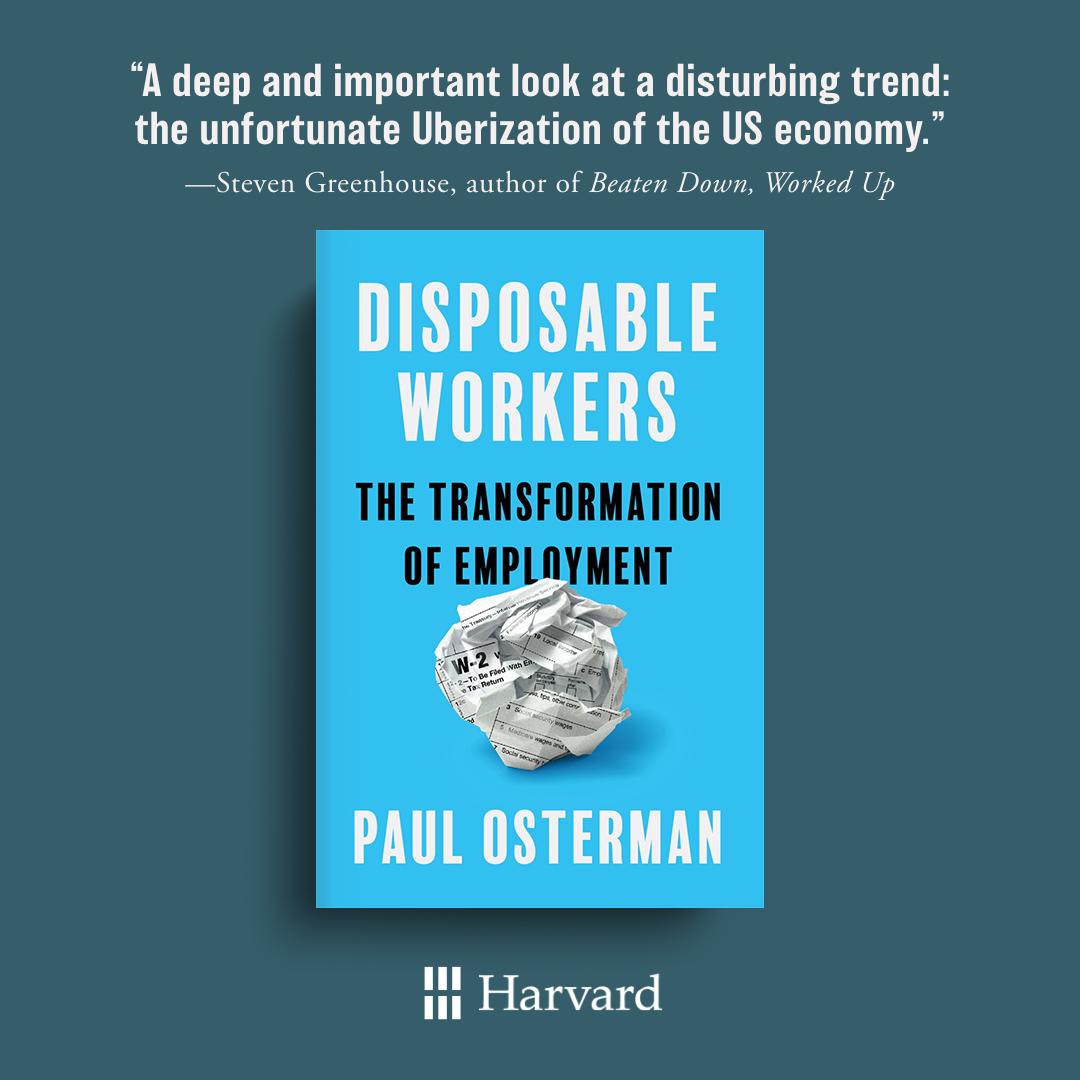
Disposable Workers: A Book Talk with MIT Sloan Professor Paul Osterman


The Workforce of the Future Starts with Adult Basic Education

Foundational Skills: Early Insights from Employers and Providers