
AI and the Economy

Reflections from Aspen Ideas: Economy
John Peabody

Director of Content Strategy
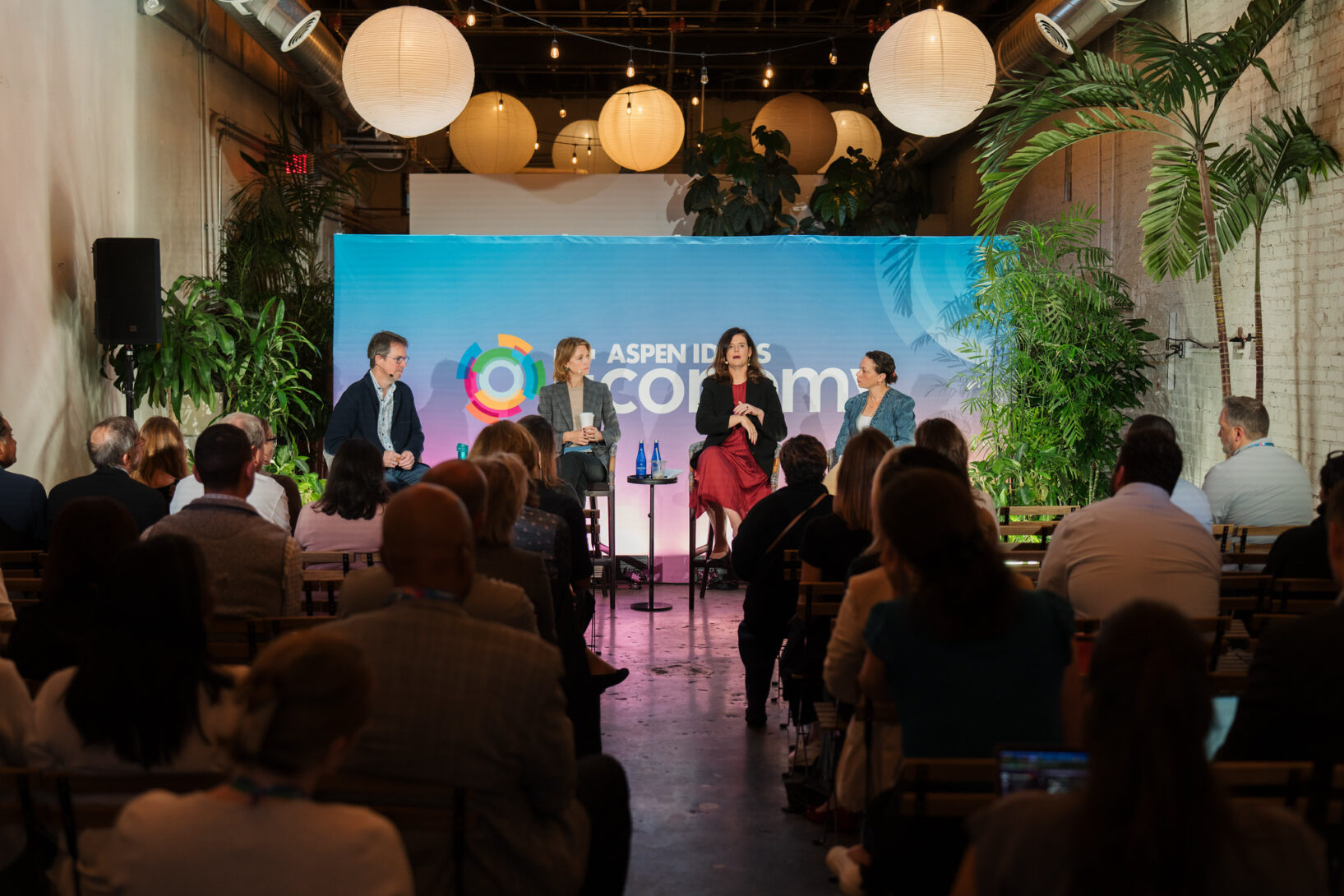
AI is top of mind for many of us. How will it affect our careers and reshape the economy? How will it change the way we interact with co-workers, friends and family? Who will build new fortunes, and what will its growth mean for communities welcoming—or pushing back against—new data centers?

At Aspen Ideas: Economy in Tulsa, these questions were central to conversations about personal finances, energy infrastructure and the future of work.

In “Getting to Know You: AI Agents and Financial Well-Being,” Bloomberg’s Felix Salmon moderated a conversation with Leigh Phillips, president and CEO of SaverLife; Lindsay Owens, president and CEO of Groundwork Collaborative; and Melissa Koide, founder and CEO of FinRegLab. They explored the promise of personalized financial guidance, the guardrails needed to make AI agents safe and reliable, and who should be responsible for ensuring they serve people’s best interests.

Koide highlighted a consequential shift: AI models are moving beyond offering advice toward taking action on people’s behalf. That possibility brings both opportunity and risk. What rules and safeguards should be in place when an AI agent can make financial decisions for someone?

The infrastructure behind that technology brought another set of questions into focus. In “Finding the Power to Power AI,” Jeffrey Stein, a reporter at The Washington Sun, moderated a conversation with Shannon Kellogg, vice president of AWS public policy; Rob Gramlich, founder and president of Grid Strategies; Tommy Beaudreau, partner at WilmerHale; Chad Zamarin, CEO of The Williams Companies; and Tim Latimer, co-founder and CEO of Fervo Energy.

The panel explored who will build and power the infrastructure behind AI’s growth—and how to meet rising electricity demand while keeping costs down and addressing local concerns. Permitting was a particular point of discussion: How can the process allow worthwhile projects to move forward while giving communities a meaningful voice in the decisions that affect them?

Those questions about responsibility extended to the workplace in “What Does the AI Revolution Mean for Careers?” Ellie Bertani, CEO of the GitLab Foundation, moderated a conversation with Rachel Lipson, research fellow at Harvard Kennedy School’s Reimagining the Economy Project; Connor Diemand-Yauman, co-CEO of Merit America; and Ryan Rippel, CEO and co-founder of NextLadder Ventures.

Together, they explored how AI is reshaping hiring, education and career pathways—and who is responsible for preparing workers. The central question: What will it take to turn technological change into broader economic opportunity?

Across these discussions, a shared question emerged: How can the choices we make about AI today help more people benefit from its potential? From financial safeguards to infrastructure investment and worker preparation, the answers will depend on decisions made by businesses, policymakers and communities alike.

Colleges Need to Earn Back the Trust They’ve Lost. It Can Be Done.  
Blog Posts

Colleges Need to Earn Back the Trust They’ve Lost. It Can Be Done.  

As public confidence in higher education reaches historic lows, colleges must demonstrate that their credentials are worth the investment. From improving academic programs to reducing costs and better supporting working students, here are practical ways colleges can rebuild trust and deliver greater value.

The Pendulum Strikes at Corruption
Blog Posts

The Pendulum Strikes at Corruption

The most consequential message to business from these midterms is that the costs of corruption are being borne by a public whose patience has run out.

Volunteer for the Hard Stuff
Blog Posts

Volunteer for the Hard Stuff

Economic Mobility Fellow Tammy Thieman shares how a strong inner compass allows her to lead with courage.

Small Wins, Systems Change, and the Challenge of Leading from the Inside
Blog Posts

Small Wins, Systems Change, and the Challenge of Leading from the Inside

How do we change systems we help sustain? What does it mean to lead within a system that feels not only flawed, but increasingly frayed?
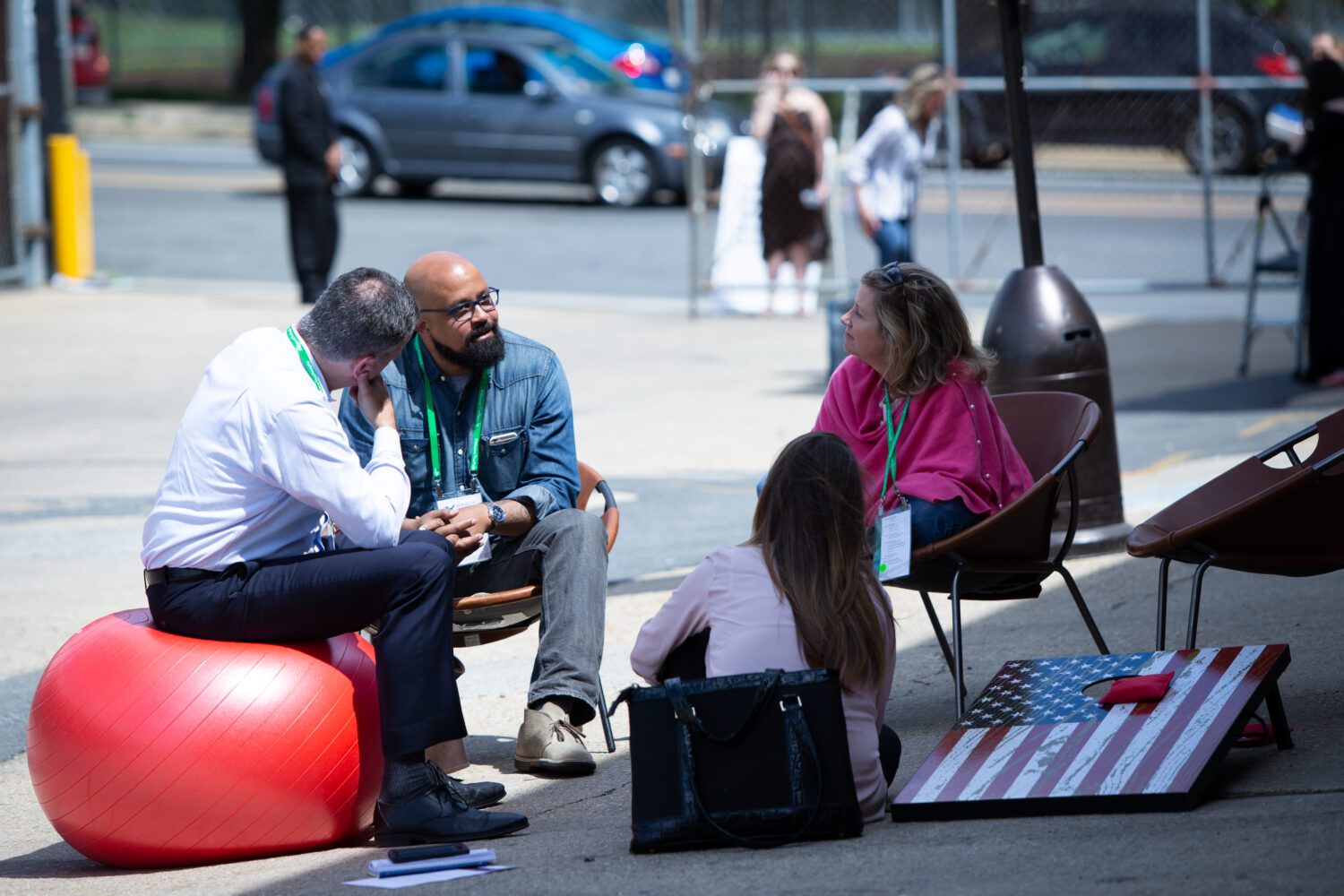
Weavers connecting at Weave the People 2019. Photo credit: Laurence Genon
Blog Posts

How Restorative Practices Turn Conflict into Connection

Weavers connecting at Weave the People 2019. Photo credit: Laurence Genon

Placeholder
Podcasts Videos

What Employee Ownership Means to Workers

This conversation is part of our Opportunity in America series, where we take a look at the economy, what’s working, what’s broken, and really how we fix it to make sure that everyone can succeed in today’s economy.

Elections & Religion Q&A
Blog Posts

Elections & Religion Q&A

A Q&A with Asma Uddin on the legal protections guaranteed for religion and faith believers and the current reality of minority religions’ legitimacy in US law.


Resource Roundup: Wages and Affordability
Blog Posts

Subscribe to The Slice

A twice-monthly newsletter about economic opportunity, financial inclusion, and shared prosperity, from the Aspen Institute.