Spotlight: Hunt-Aspen Fellow Alexandra Chavez

Learn More About our Work in the Borderplex
The Woody & Gayle Hunt – Aspen Institute Fellowship empowers exceptional leaders and changemakers from the Borderplex Region (El Paso, TX; Las Cruces, NM; Ciudad Juarez, MX) by providing financial support to participate in Aspen Institute programs.
Yesenia G. Sanchez
Aspen Conexión
Over a 12-year career rising from intern to executive, Alexandra (Ale) Chavez has turned the lessons of the 2008 economic crisis into a mission for regional stability and community empowerment.
Born and raised in El Paso, Ale Chavez is currently the Market Executive for El Paso at Bank of America, where she is responsible for the overall representation Bank of America has in the El Paso and Las Cruces communities. She manages the relationships with local key influencers, elected officials, nonprofit partners, and clients. In 2024, Chavez joined the Hunt-Aspen Network and attended the Aspen Leadership Seminars, consisting of an intensive week of values-based leadership development with 22 cross-sector leaders from across the U.S. Relying on the Aspen Method of Dialogue, the Seminars challenge participants to think more deeply, listen more attentively, and refine their ability to lead in an increasingly complex world.
We sat down with Ale Chavez to discuss how her upbringing shaped her professional vision and how the Aspen Institute experience provided the tools to lead with vulnerability and purpose.
You share about what it was like growing up as a child of the border, easily shifting between two countries. How did this shape your career path?
I was born and raised in El Paso and my parents owned camera shops on both sides of the river, in El Paso and in Ciudad Juárez. I remember making weekly visits to both shops, easily navigating this space. Then came the 2008 economic crisis. This created a double whammy, not only was the global market crashing, the film industry was rapidly shifting away from film to digital. Living under the economic duress left a deep mark on me. My parents’ shop in Juarez closed and the El Paso shop had to be relocated as a result of the changes. I realized that I wanted stability, which the finance sector provided for me.
As I continued building my career in this field, I was brought back to the community that watched me grow. After completing my degree, I came back to El Paso in 2016 because of an internal drive to reconnect with my community. I started by giving financial literacy classes, which eventually led to my current role. Now, I see my position as a way to showcase the power of the Borderplex to the broader Bank [of America] community. I’m doing what I always wanted to do: creating pathways for others to find the same stability I worked so hard to achieve.
The national media often reduces the Borderplex to headlines about immigration and safety. How do you use your work as a tool to change the narrative of the region?
We are a very resilient community. We rise up despite what is on the news. While we are strong at resolving crises, I want us to be better at being proactive. I want our community to improve in advocating for ourselves. We have the talent to fill executive boardrooms, C-suite offices, and local political seats. My goal is to put people in spaces where they aren’t currently represented, ensuring they have the tools to stay there.
What was the most transformative aspect of the Hunt-Aspen Fellowship?
The Hunt-Aspen Fellowship supported my attendance to the Aspen Leadership Seminars. I think the entire experience was very transformative. The process, from the readings to the shared dialogue, forces a shift in how you respect and understand others. You are met with unfamiliar perspectives that challenge preconceived judgements that we often carry into leadership decisions.
Coming back to the region, that skillset is a superpower. You realize you’ve joined a network of local powerhouses who speak the same language of authentic dialogue. You gain a “rolodex” of alumni who can support you through a tough professional issue because you’ve shared that transformative bond. That is also the nature of the Borderplex community, we are always looking out for each other.
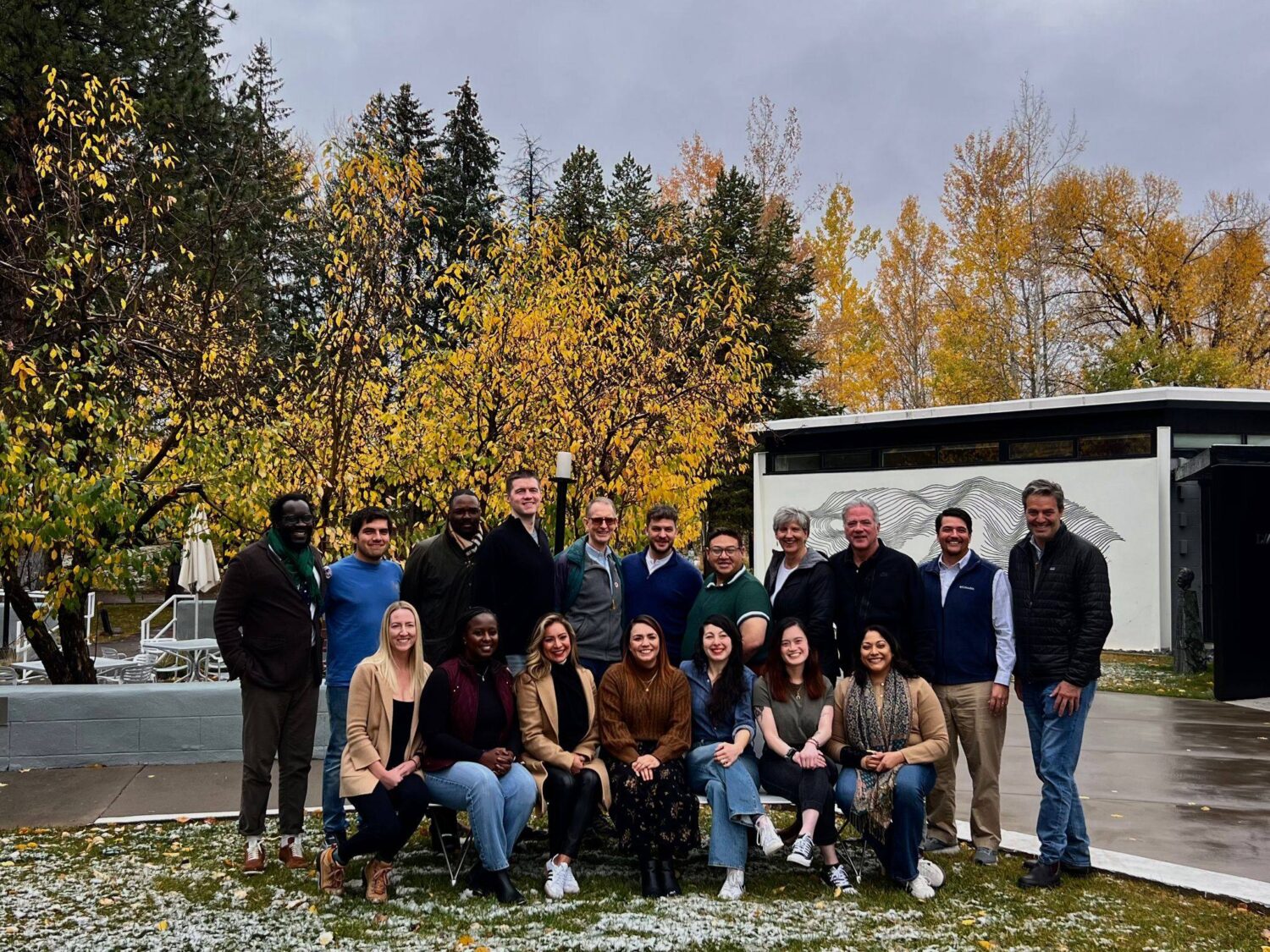
For those considering the Hunt-Aspen Fellowship, what is the Aspen Experience?
The Aspen Experience was a fundamental shift in my mindset, it was so important to me. While I am not shy to say that I am very open-minded, I realized I developed ways of “protecting” my leadership that actually closed doors. To be honest, when I first entered the seminar room, I was hesitant to share my opinions.
As I prepared for the sessions, the readings began to set the stage for the discussion. That first day, you’re meeting people from all over the country, sometimes all over the world, with perspectives different from your own.
The Seminars taught me the importance of holding difficult dialogue, including topics that could be very polarizing. You enter a space where you have to learn to respect others – their perspectives, histories, and ideas – while having very difficult conversations. That is the Aspen Experience, learning how to engage with others in this way.
I think this authenticity is something that we need today as a society, a space where dialogue is respected. More importantly, somewhere for people to come together and spark action that can help solve world issues.
I’m doing what I always wanted to do: creating pathways for others to find the same stability I worked so hard to achieve.
Ale Chavez
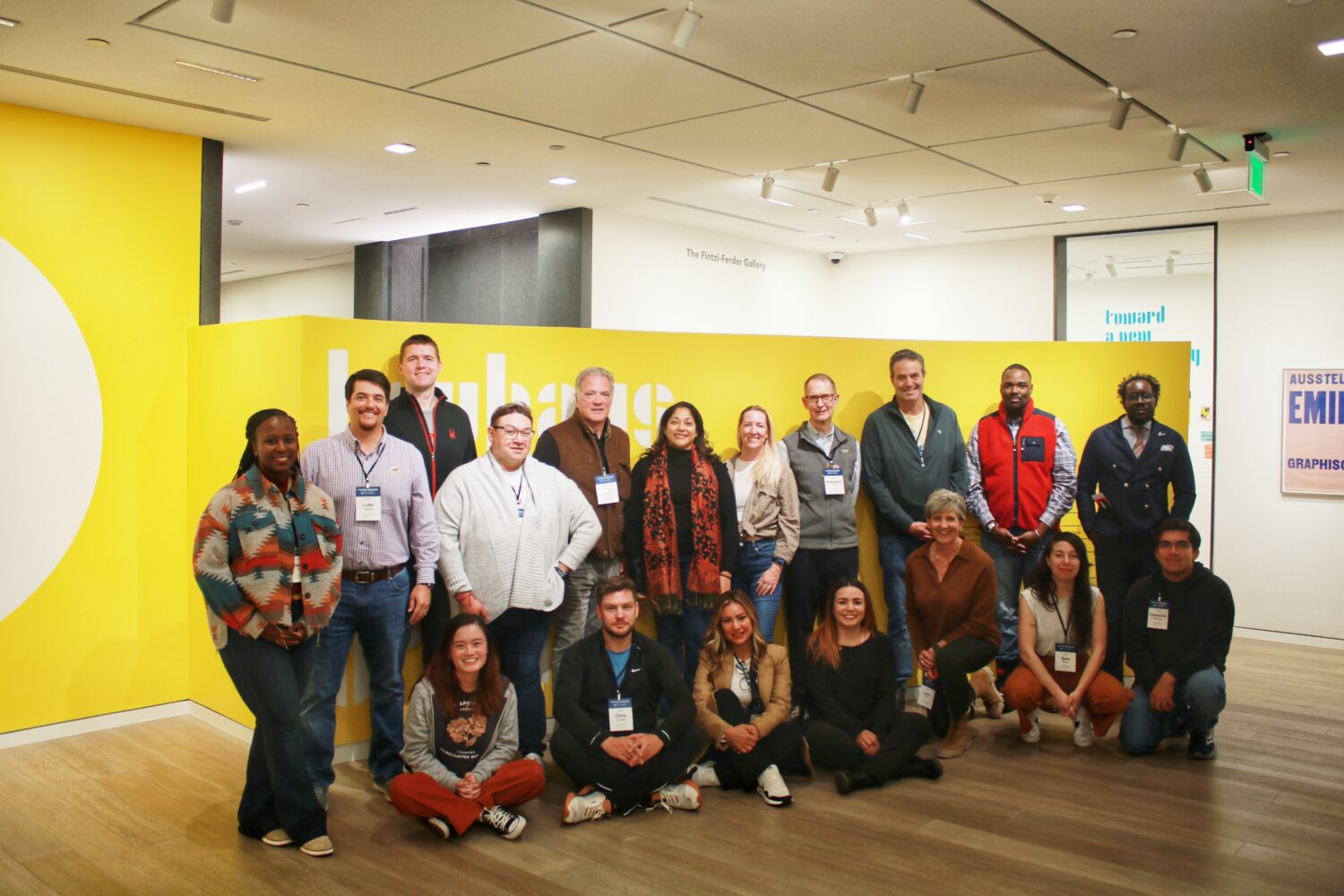
Learn more about joining the impactful Hunt-Aspen Fellowship Network and participating in an Aspen Institute Seminar or convening.
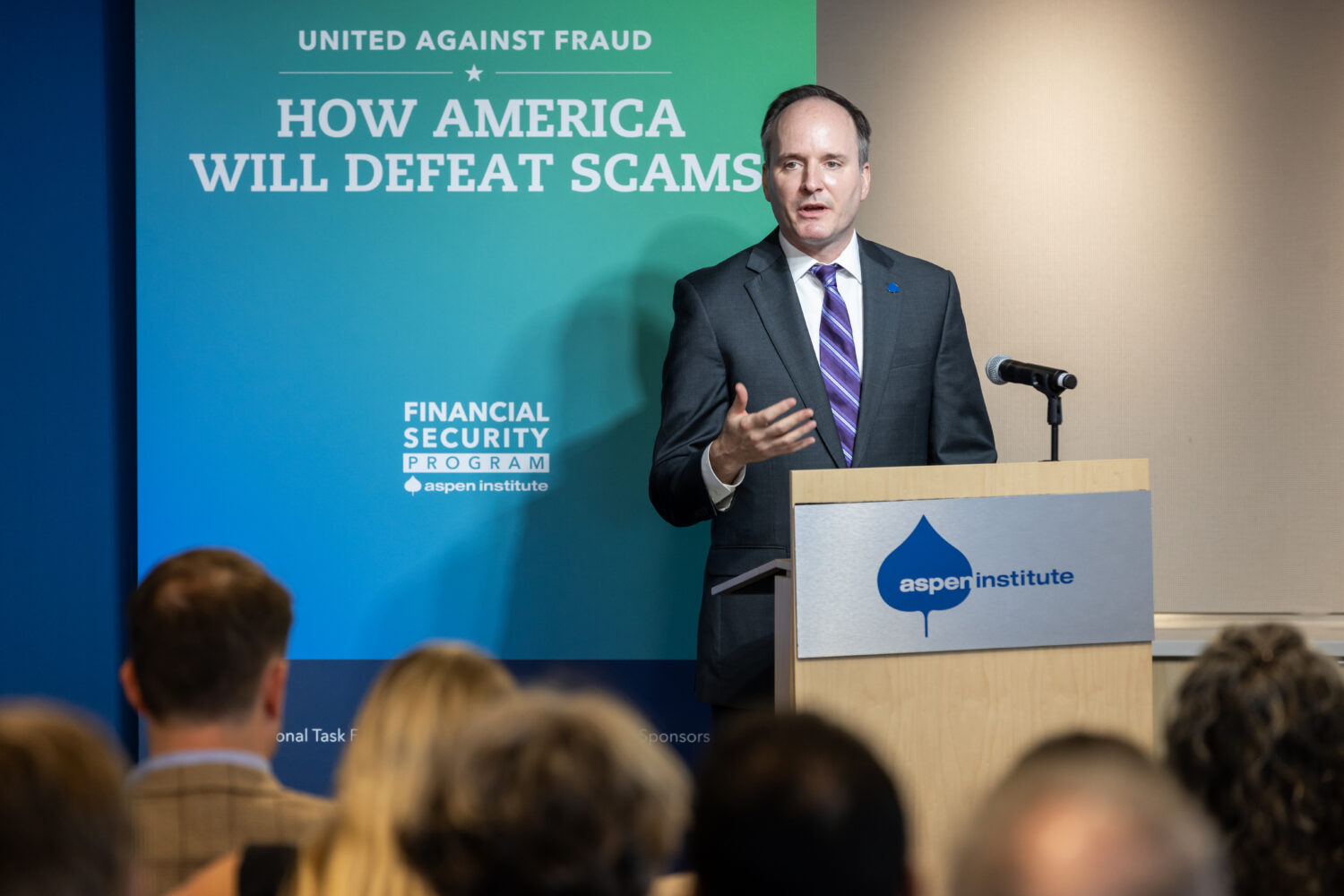
The Solutions Bringing Us Closer to a Whole-of-Ecosystem Response to Scams
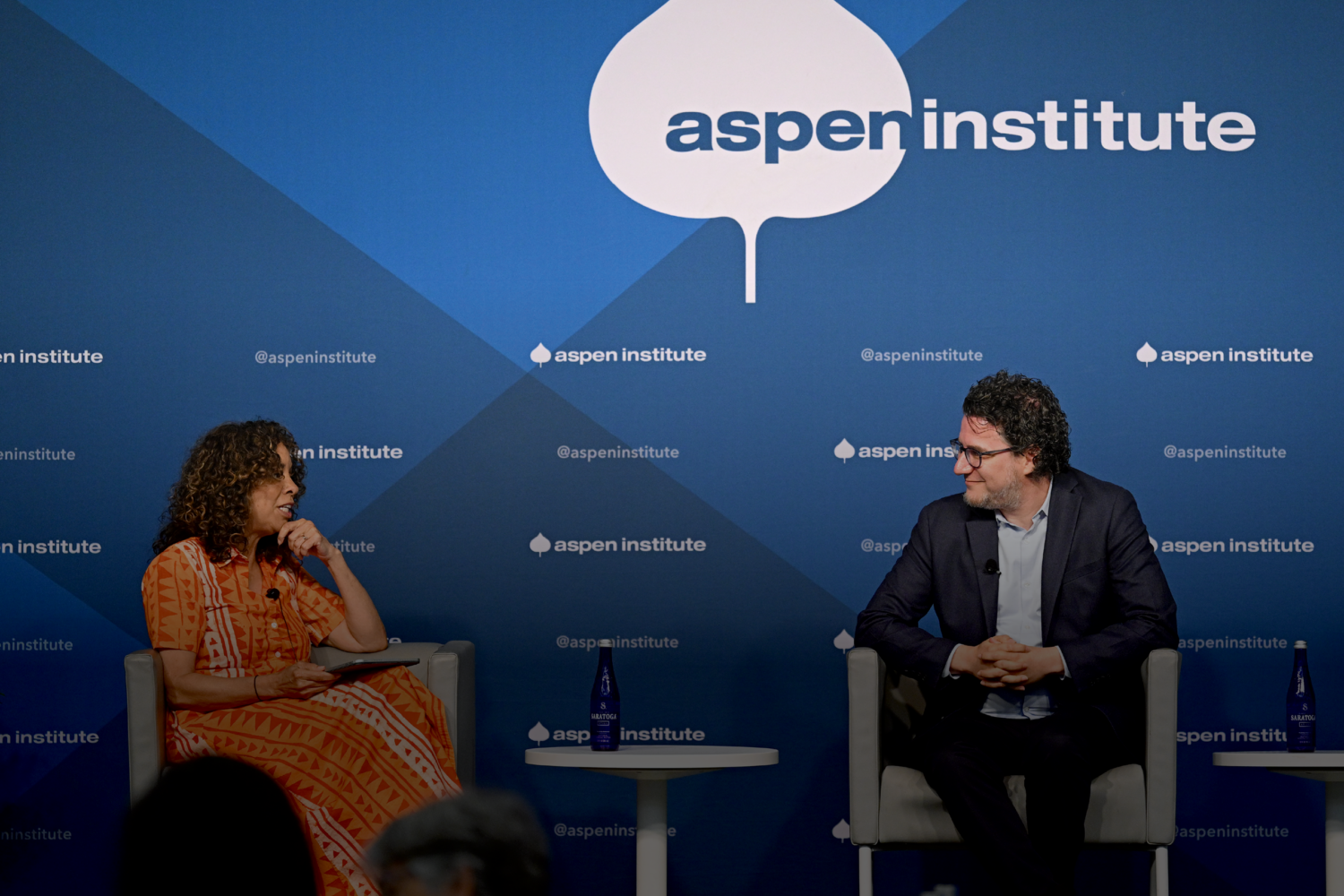
Design of Business Takes on Radical Collaboration, Recorded Live in Aspen: A Guide to the DB|BD Season
What Are You Teaching Me Today?
Helping Afghan women gain freedom in Arkansas
Know a Courageous Leader Taking On a Critical Issue? Nominate Them for the McNulty Prize & Catalyst Fund

Mapping the Religion & Media Space