The New Wealth Agenda: A Blueprint for Building a Future of Inclusive Wealth


Katherine Lucas McKay
Principal Researcher, Insights and Evidence

Shehryar Nabi
Senior Research Associate
Among the truly urgent crises facing the United States is widespread household financial insecurity. A stunning 51% of U.S. households have expenses that are at least equal to—if not greater than—their income, and 55% lack the necessary savings to weather a simultaneous income drop and expense spike. And the bottom 50% of the population holds just 3% of the nation’s wealth. To effectively address the financial precarity engulfing millions of U.S. households, we need a bigger, bolder response that can both serve as the primary organizing principle for the great work on financial security that is happening across the nation and galvanize more people to get involved.
In The New Wealth Agenda: A Blueprint for Building a Future of Inclusive Wealth, the Aspen Institute Financial Security Program offers a goal that is equal parts ambitious and achievable: By 2050, we must increase by ten-fold the wealth of households of color and those in the bottom half of the wealth distribution in the United States. In the report, we identify the eight objectives that we believe are the most effective path forwardfor reaching that goal. We also pinpoint the critical indicators to track and assess our collective progress toward creating the conditions of financial security and well-being that will enable full participation, agency, and dignity in our economy, and a new future of wealth.
To achieve this transformation, leaders across the private and public sectors need to take bold and focused action across a wide range of fields relevant to wealth-building. To help leaders become part of the solution to enable a financially secure future, we offer The New Wealth Agenda as a guide and an invitation to work to meet this urgent goal together.
Data Correction (May 10, 2023): A previous version of this report inaccurately stated that median retirement assets among those with any retirement savings were $21,000 for the bottom half and $229,000 for the top half of the wealth distribution in 2019. It also mislabeled the year for its estimate of the percentage of cost-burdened renters as 2022. The current version of the report has corrected these errors.

Billions at Risk: What Drives Wealth Loss for Black Families

Innovations to Accelerate Rural Wealth Building

Colorado Essential Wealth Metric

Essential Wealth: A New Benchmark for Financial Security
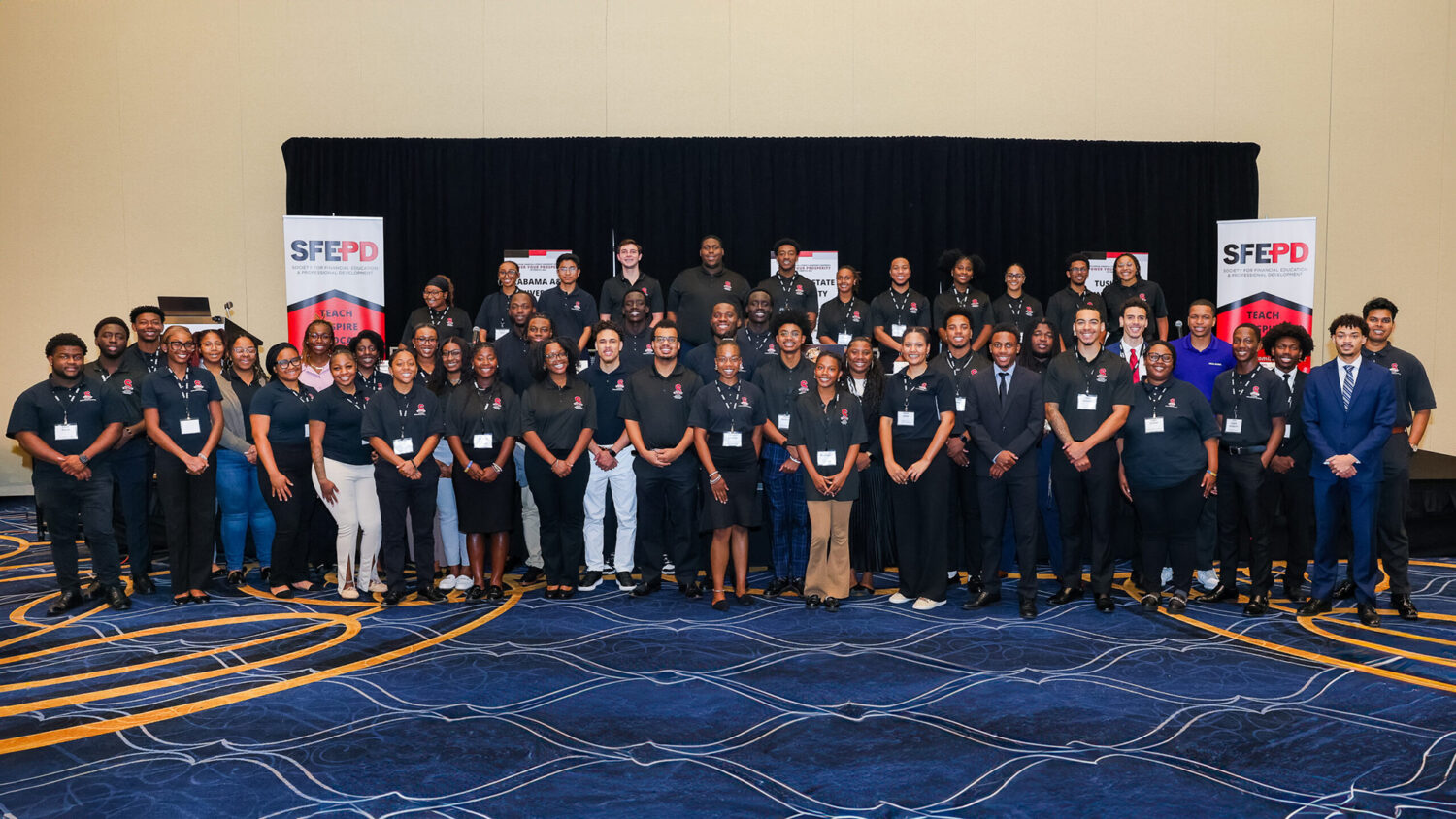
“Champions of Financial Literacy”: How SFEPD Is Helping the Next Generation Build Wealth

Colorado’s Tenant Equity Vehicle: A Pioneering Approach to Renter Wealth Creation
The World Is Watching: What Comes Next for 530A Accounts (“Trump Accounts”)
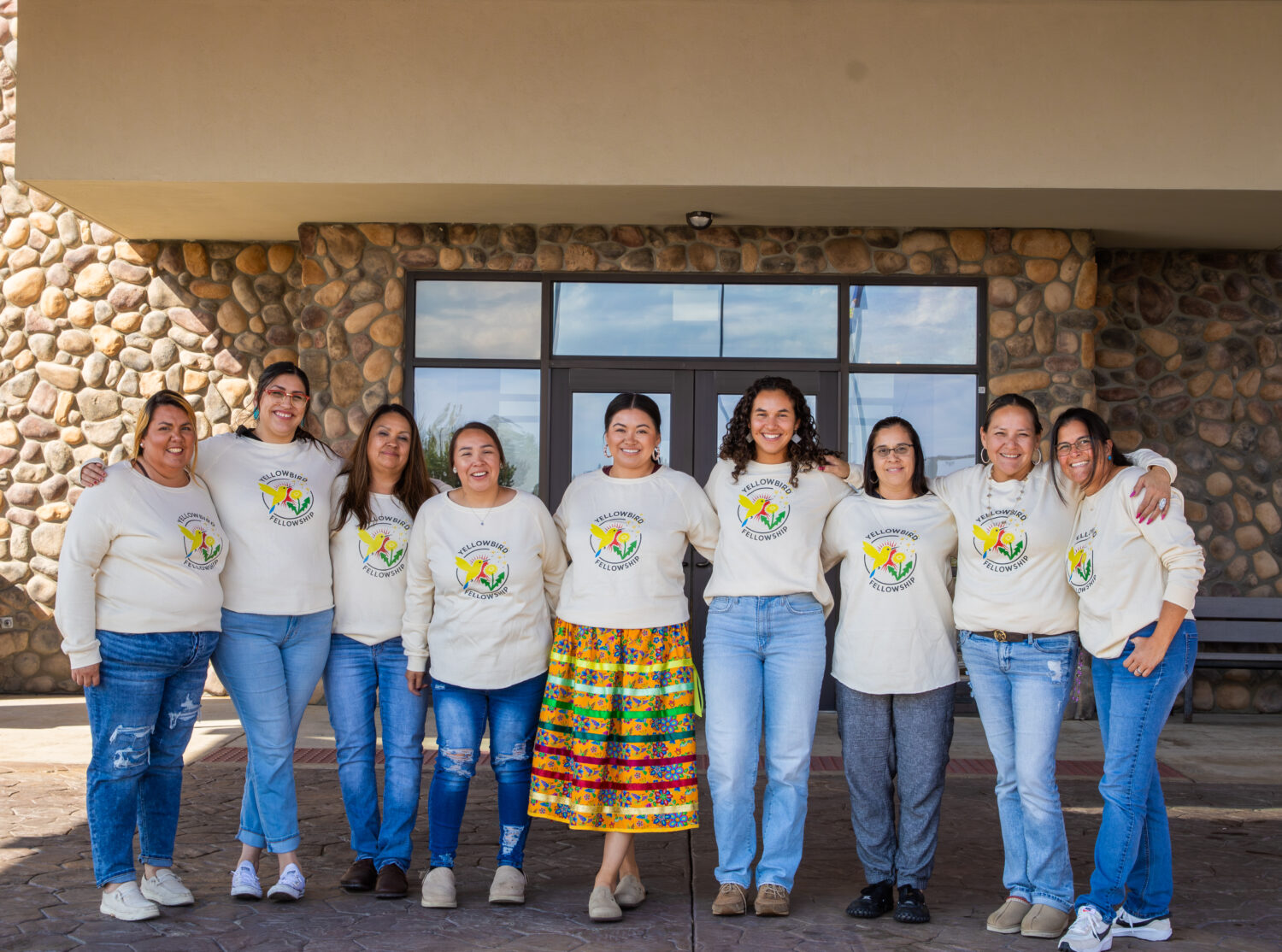
Putting Resources in the Right Hands: How One Fellowship Is Supporting Financial Services Professionals on Native Reservations

Growing the Pie: Lessons on Wealth Building with Devin Murphy