What Does It Mean To Be Educated?
The Socrates Program and Doane University
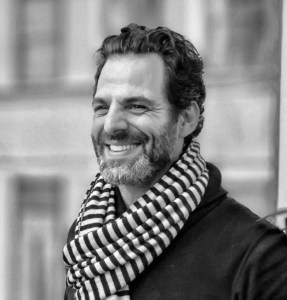
Danny Harris
Executive Director
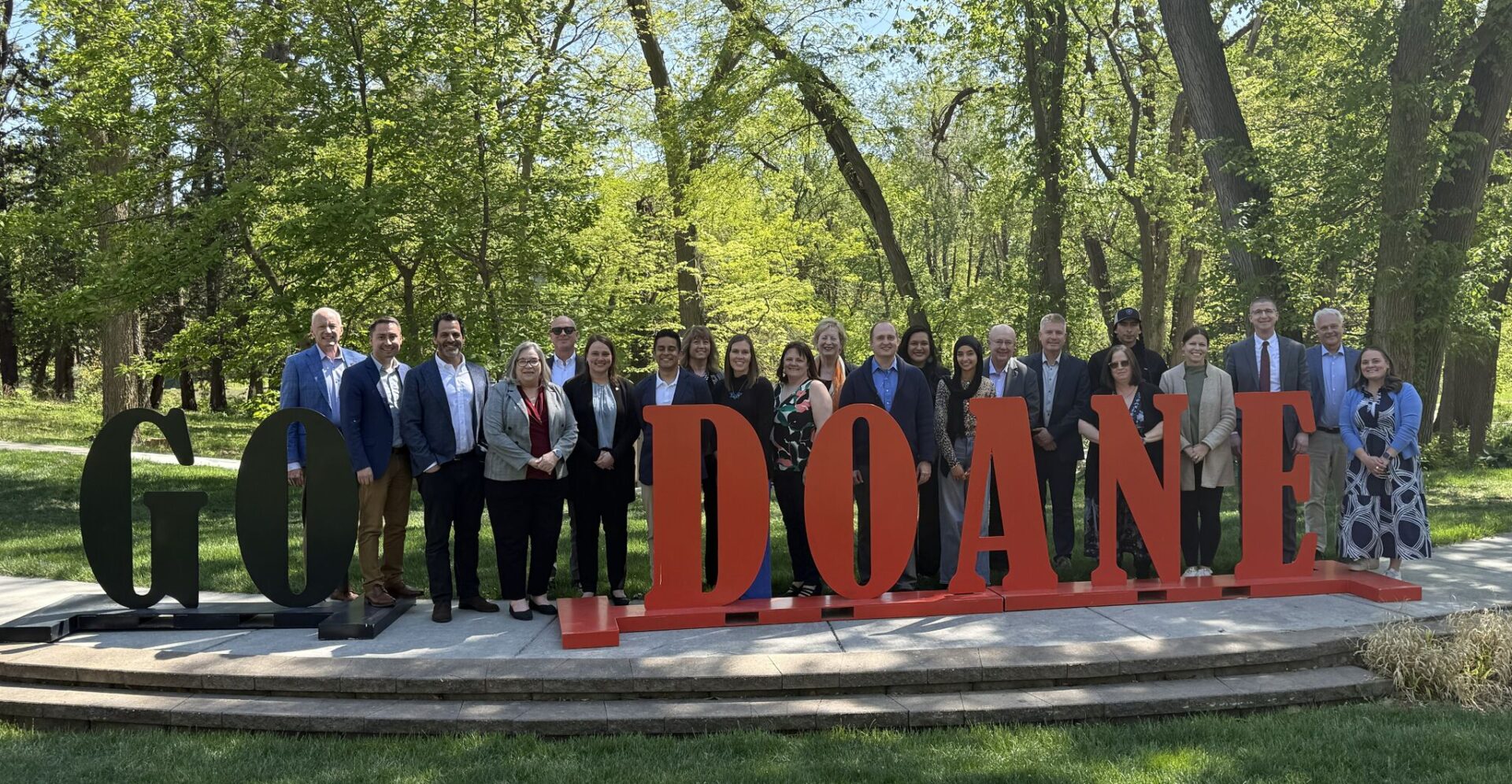
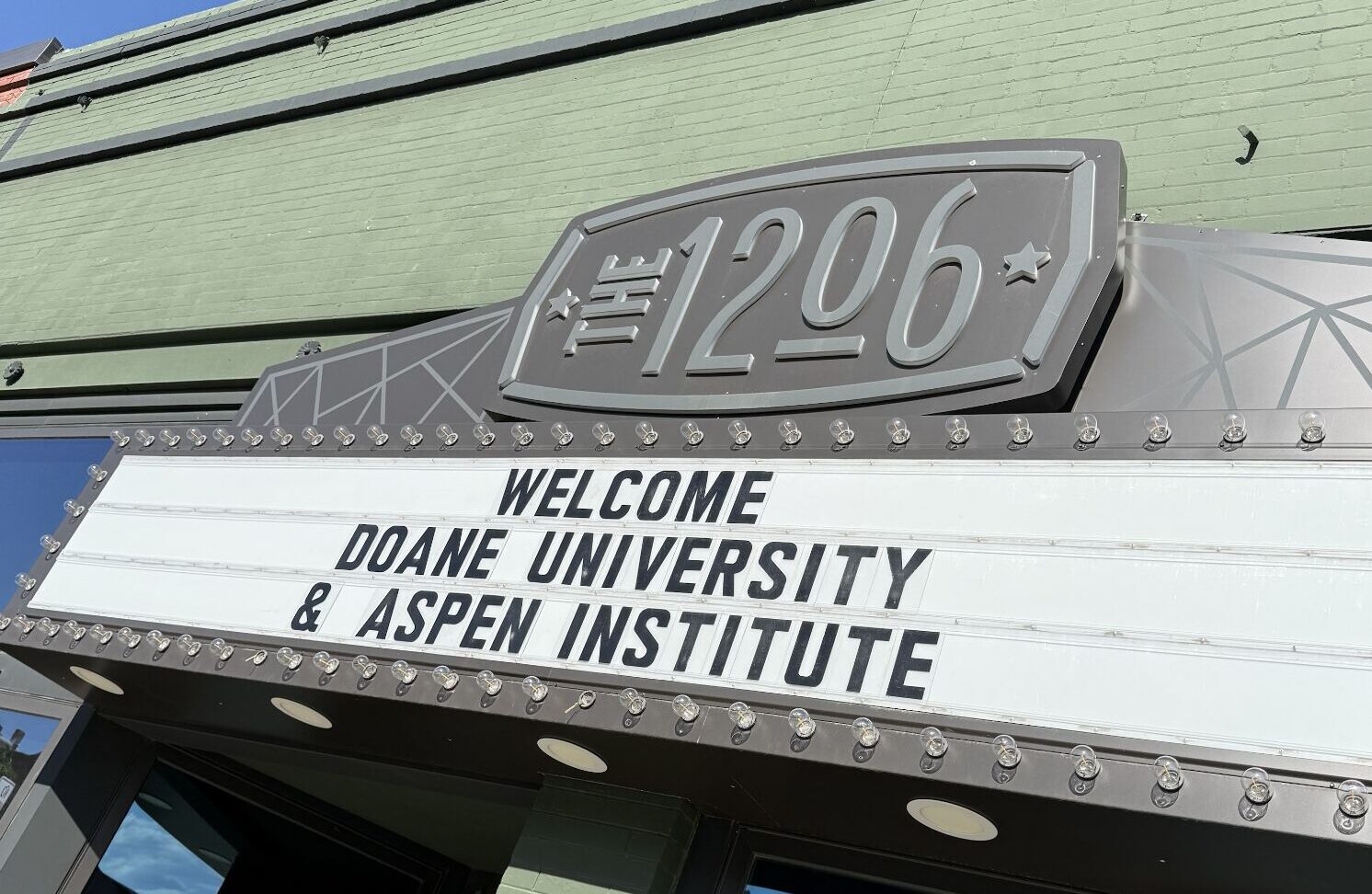
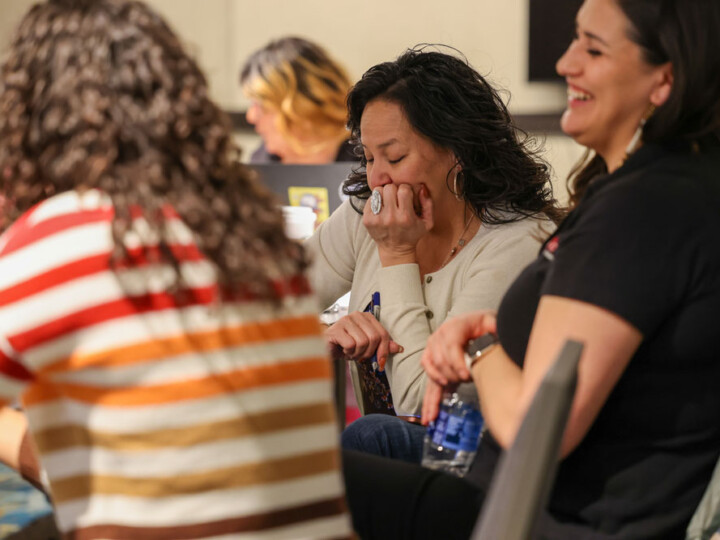
My heart is full after three days in Crete, Nebraska, leading a seminar on “What Does It Mean To Be Educated?” — a partnership, a year in the making, between the Aspen Institute Socrates Program and Doane University.
Crete is a remarkable community, anchored by a 150-year-old university that is thinking seriously about the present and future of higher education. Under the leadership of President Roger Hughes and VP Luis Sotelo, Doane is opening its doors to the community, alumni, and partners—not just to adapt to change, but to rethink what a university and a college degree mean to students and society.
Across a community dinner of nearly 200 and a closed-door seminar of 25, we wrestled with a set of enduring questions:
- What is education for—preparation for work, cultivation of citizenship, formation of character, or something harder to define?
- How do our assumptions about truth, authority, and inquiry shape what we teach, how we teach, and whom we serve?
- As AI reshapes how knowledge is produced and accessed, what must remain constant, and what must be reimagined?
- What is the future of a liberal arts education?
Around the table, participants shared stories, tested ideas, and engaged difficult questions without easy answers. The group spanned ages, perspectives, and backgrounds, but converged around a shared commitment to community, to the next generation, and to the promise of education. We also turned to Willa Cather, one of Nebraska’s most enduring voices, who wrote in 1919:
“When education was as hard to get as that it took on the glamour of all unattainable things. Boys and girls thought about it and dreamed about it, believed that if they could only have it it would satisfy the very hunger of youth. I think that thirst for knowledge must have been partly a homesickness for older things and deeper associations, natural to warm-blooded young people who grow up in a new community, where the fields are naked and the houses small and crowded, and the struggle for existence is very hard. The bleakness all about them made them eager for the beauty of the human story. In those days the country boys wanted to read the Aeneid and the Odyssey; they had no desire to do shop work or to study stock-farming all day. They hadn’t left the home pig-pen to go to the college pig-pen, but to find something as different as possible—if it were only, like Professor Williston, to discover a three-eyed reptile of the carboniferous age. Some of them wanted to be scholars, and they were willing to pay everything that youth can give.”
– Willa Cather, “The Education You Have to Fight For,” The Red Cross Magazine, 14 (October 1919): 54-55, 68-70.
Her words still resonate. They remind us that education is not only about utility, but about aspiration, identity, and the search for meaning. Crete and Doane are doing that work with deep care. It was a privilege for the Aspen Institute to be part of it.
Sign up for our
Mailing List
Stay engaged with the Alliance for Social Trust and learn more about upcoming initiatives, resources, and opportunities to collaborate.

The Solutions Bringing Us Closer to a Whole-of-Ecosystem Response to Scams
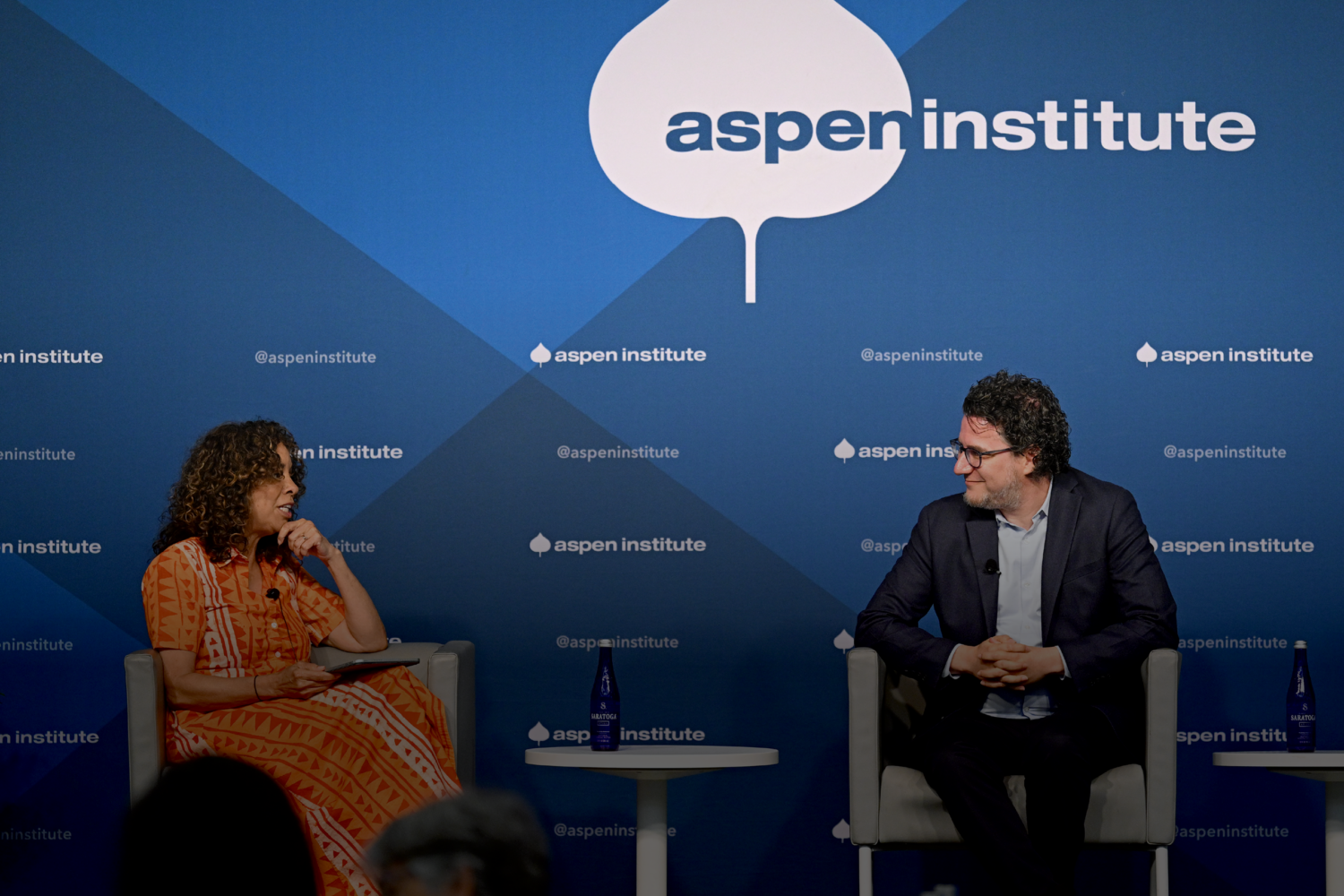
Design of Business Takes on Radical Collaboration, Recorded Live in Aspen: A Guide to the DB|BD Season
What Are You Teaching Me Today?
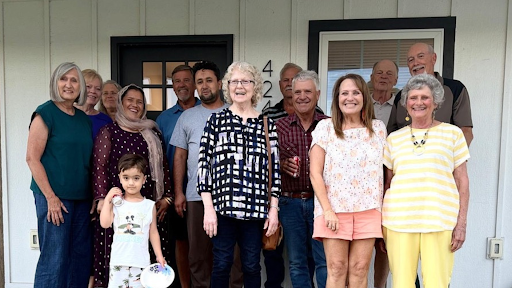
Helping Afghan women gain freedom in Arkansas
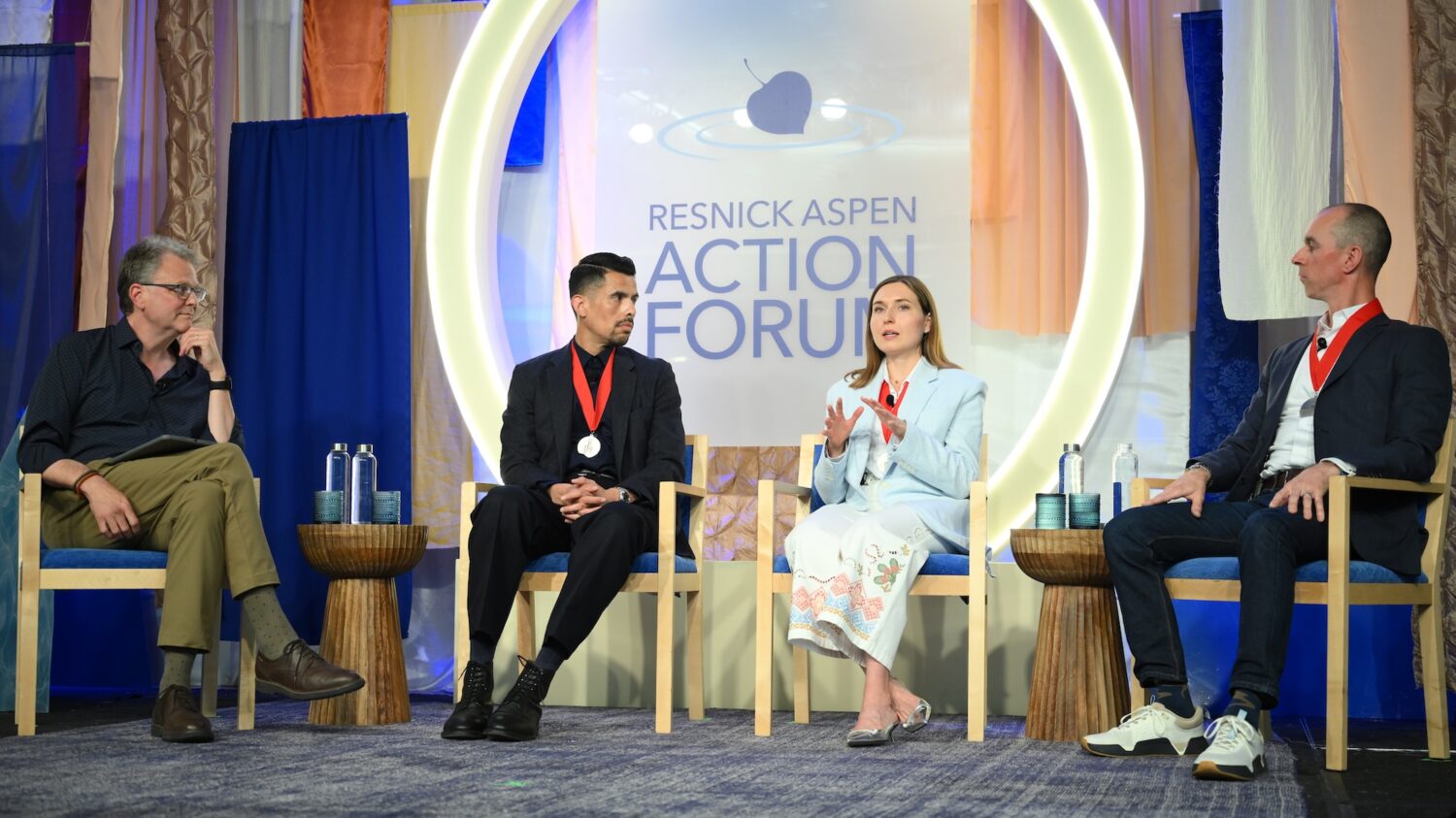
Know a Courageous Leader Taking On a Critical Issue? Nominate Them for the McNulty Prize & Catalyst Fund

Mapping the Religion & Media Space