Policy & Systems Change

Research and evaluation conducted by the Economic Opportunities Program’s Workforce Strategies Initiative explore strategies that help workers attain stability and mobility, including through training, education, and broader systems change.

In the years since the end of the Great Recession, the unemployment rate has declined much faster than the poverty rate, and more and more Americans are struggling to find work that allows them to support themselves and their families. WSI’s current research explores “raise the floor and build ladders” strategies, which improve the quality of low-wage jobs and promote mobility for low-wage workers.

Sector Policy Project Executive Summary No. 3
Publications

Sector Policy Project Executive Summary No. 3

This executive summary is the third in a three-part series, the purpose of which is to make both the general concept of sector strategy and the particular outcomes of sector programs accessible to policymakers in easy-to-understand terms.

Cooperative Home Care Associates: A Case Study of a Sectoral Employment Development Approach
Publications

Cooperative Home Care Associates: A Case Study of a Sectoral Employment Development Approach

The Cooperative Home Care Associates (CHCA) is a worker-owned cooperative and employer-based training program that provides home health aide services in New York City’s South Bronx and Northern Manhattan.

Gaining Ground: The Labor Market Progress of Participants of Sectoral Employment Development Programs
Publications

Gaining Ground: The Labor Market Progress of Participants of Sectoral Employment Development Programs

Gaining Ground is the third and final report in the SEDLP research series.

Placeholder
Publications

Working with Value: Industry-specific Approaches to Workforce Development

This report presents a synthesis of findings from the recently completed Sectoral Employment Development Learning Project (SEDLP).

Grow Faster Together, or Grow Slowly Apart
Publications

Grow Faster Together, or Grow Slowly Apart

The report details alarming trends shaping the size and characteristics of the country’s labor force, focusing on shortages in labor and skills and stagnant wages.

Sector Policy Project Executive Summary No. 2
Publications

Sector Policy Project Executive Summary No. 2

In Executive Summary No. 2, the 12-month employment and earnings outcomes from the Sectoral Employment Development Learning Project participant survey are presented alongside benchmarks from other job training and welfare-to-work evaluations, especially the National JTPA Study (NJS).

Sector Policy Project Report No. 2-Measure For Measure: Assessing Traditional And Sectoral Strategies For Workforce Development
Publications

Sector Policy Project Report No. 2-Measure For Measure: Assessing Traditional And Sectoral Strategies For Workforce Development

In Report No. 2, the 12-month employment and earnings outcomes from the Sectoral Employment Development Learning Project participant survey are presented alongside benchmarks from other job training and welfare-to-work evaluations, especially the National JTPA Study (NJS).

Courses to Employment Update (Number 1) Beyond Graduation: Promoting Post-Program Engagement and Advancement
Publications

Courses to Employment Update (Number 1) Beyond Graduation: Promoting Post-Program Engagement and Advancement

Using the experiences of organizations in the WSI-managed Courses to Employment demonstration, this Update explores why and how some of these partnerships work to maintain relationships with adult participants after they have finished their training.

Project QUEST: A Case Study of a Sectoral Employment Development Approach
Publications

Project QUEST: A Case Study of a Sectoral Employment Development Approach

This case study provides a detailed account of Project QUEST, a workforce development program in San Antonio, Texas that works closely with industry and community partners to create training and career opportunities that help low-income people move out of poverty.

SEDLP Research Report No. 2: Closing The Gap: How Sectoral Workforce Development Programs Benefit The Working Poor
Publications

SEDLP Research Report No. 2: Closing The Gap: How Sectoral Workforce Development Programs Benefit The Working Poor

This Guide briefly addresses some of the issues microenterprise programs should consider when buying a new training curriculum, and offers detailed information about 13 curricula available commercially.

Focus: HOPE: A Case Study of a Sectoral Employment Development Approach
Publications

Focus: HOPE: A Case Study of a Sectoral Employment Development Approach

Focus: HOPE, a Detroit civil rights organization, focuses on the metalworking industry and has developed a continuum of training and educational opportunities for occupations ranging from semi-skilled entry-level factory workers to manufacturing engineers.

Jane Addams Resource Corp: A Case Study of a Sectoral Employment Development Approach
Publications

Jane Addams Resource Corp: A Case Study of a Sectoral Employment Development Approach

This report looks at how a community-based organization, focusing on the metalworking industry, has created a set of training programs and other services geared to both employees and employers.

About the Workforce Strategies Initiative

The Workforce Strategies Initiative, part of the Economic Opportunities Program, uses research and evaluation to explore strategies that help workers attain stability and mobility, including through training, education, and broader systems change.

About the Economic Opportunities Program

The Aspen Institute Economic Opportunities Program advances strategies, policies, and ideas to help low- and moderate-income people thrive in a changing economy.

Join Our Mailing List

To receive occasional emails about our work — including new publications, commentary, events, fellowships, and more — join our mailing list.


Connect on Social Media

For news and updates every day, connect with us on the social media platform of your choice.

More from the Workforce Strategies Initiative

Cover Page for the publication "Race and Gender Wealth Equity and the Role of Employee Share Ownership"
Publications

Race and Gender Wealth Equity and the Role of Employee Share Ownership

Employee ownership can promote equity, improve job quality, and boost business performance.

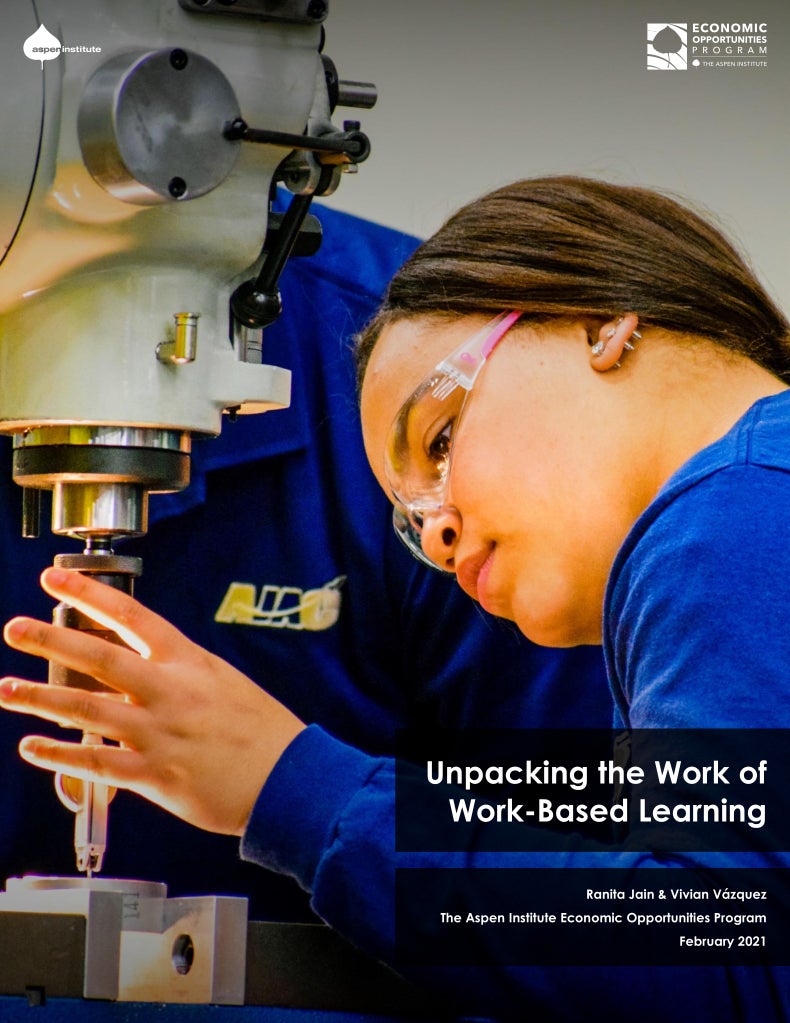
Cover page for the report "Unpacking the Work of Work-Based Learning"
Publications

Unpacking the Work of Work-Based Learning

Enhancing Conversations Between Employers and Workforce Professionals
Blog Posts

Enhancing Conversations Between Employers and Workforce Professionals

Many young people need job and training opportunities. How do workforce professionals talk about these issues with employers?

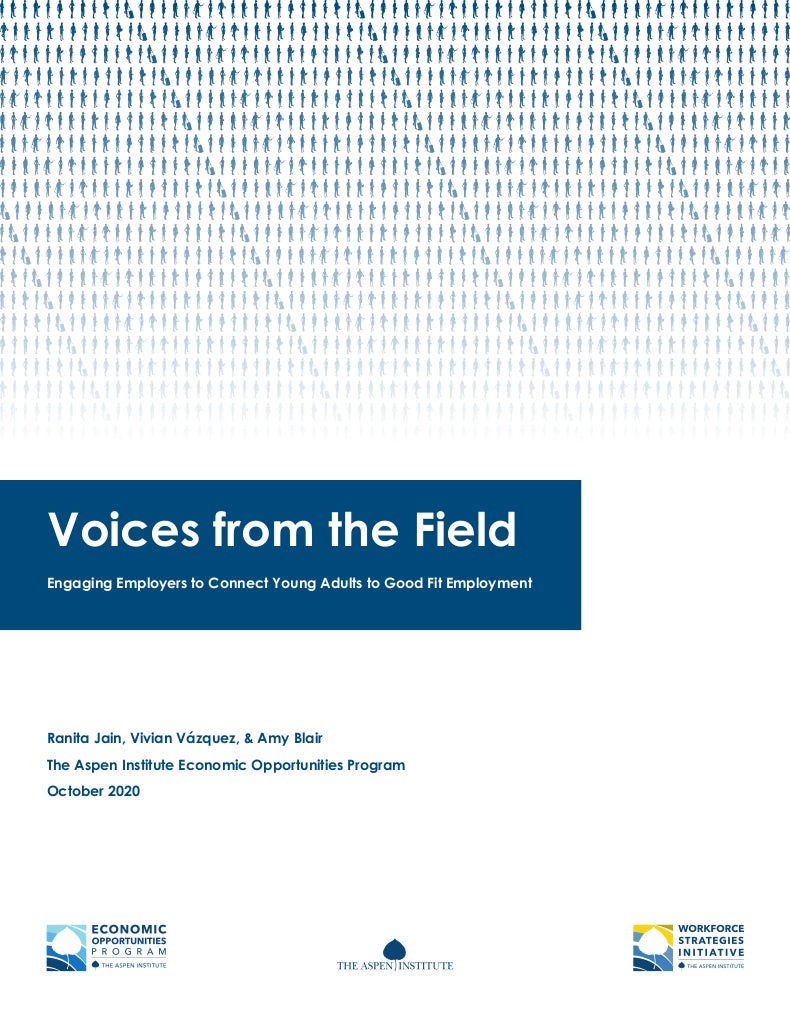
Voices from the Field: Engaging Employers to Connect Young Adults to Good Fit Employment
Publications

Voices from the Field: Engaging Employers to Connect Young Adults to Good Fit Employment

Young workers are facing dire employment prospects. But asking employers the right questions can help identify opportunities.

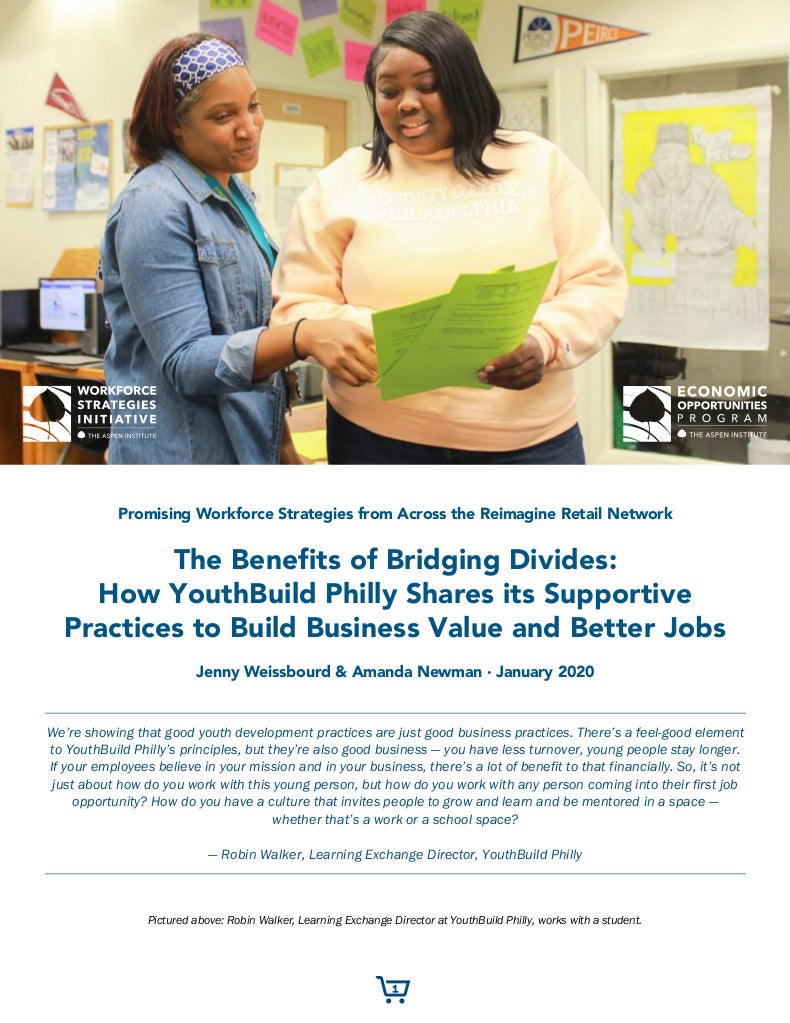
Cover page: "The Benefits of Bridging Divides: How YouthBuild Philly Shares its Supportive Practices to Build Business Value and Better Jobs"
Publications

The Benefits of Bridging Divides: How YouthBuild Philly Shares its Supportive Practices to Build Business Value and Better Jobs

YouthBuild Philly shows how businesses can develop supportive practices to help young people succeed at work.

Cover Page: "Genesis at Work: Evaluating the Effects of Manufacturing Extension on Business Success and Job Quality"
Publications

Genesis at Work: Evaluating the Effects of Manufacturing Extension on Business Success and Job Quality

Workforce practices are central to a firm’s success. What happens when companies focus on people and process equally?

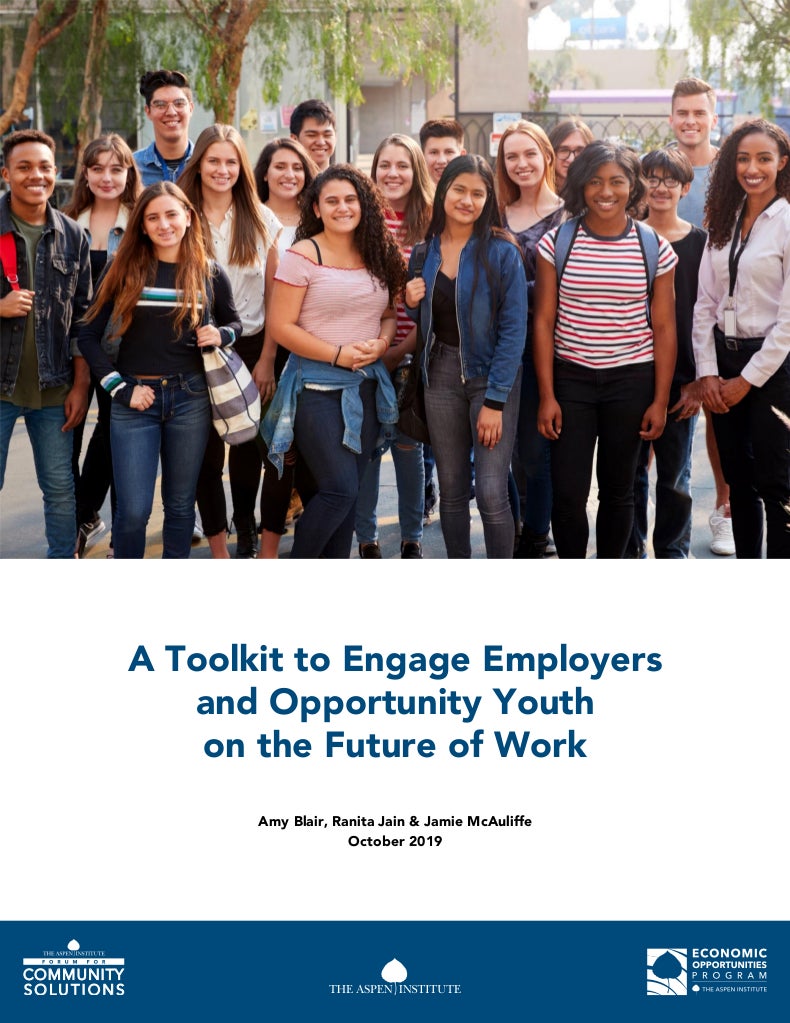
A Toolkit to Engage Employers and Opportunity Youth on the Future of Work
Publications

A Toolkit to Engage Employers and Opportunity Youth on the Future of Work

How can we ensure Opportunity Youth are positioned to succeed in the future of work?

Cost of Turnover Tool: Make the business case to improve retention through upskilling and stability
Publications

Cost of Turnover Tool

Estimate how much your business spends each year replacing staff in one occupation.