Aspen is a place for leaders to lift their sights above the possessions which possess them. To confront their own nature as human beings, to regain control over their own humanity by becoming more self-aware, more self-correcting, and hence more self-fulfilling.
Too many jobs in the US simply do not provide what workers need to support their families and build stable lives. Workers often face low pay, unpredictable schedules, insufficient benefits, dangerous working conditions, and few opportunities to advance. Addressing these job quality challenges — fixing work — is essential to building a fairer and stronger economy that works for everyone and creates shared prosperity among businesses and workers. While organized labor has been and continues to be foundational to the work of improving job quality, over the last few decades, we have seen a variety of organizations join this effort.
To better understand this emerging field of job quality practice, the Aspen Institute’s Economic Opportunities Program interviewed 22 practitioners across sectors from around the country who are leading efforts to improve work. Their organizations ranged from worker centers and labor unions to community development financial institutions and workforce development organizations. Our interviews explored how they define job quality, the motivations behind their work, what strategies and tactics they use to improve jobs, how issues of equity appear in their work, and the challenges they face.
In this report, Fixing Work: Lesson from Job Quality Practitioners, we make the case for why job quality work is so important, present insights and lessons learned from the practitioners we interviewed, and offer recommendations to investors and practitioners about how to engage in and support job quality efforts. We hope this paper helps job quality practitioners improve upon their work and inspires others working to improve economic opportunity to find a way to contribute to building an economy where all jobs are good jobs.
The Aspen Institute Economic Opportunities Program advances strategies, policies, and ideas to help low- and moderate-income people thrive in a changing economy.
Join Our Mailing List
To receive occasional emails about our work — including new publications, commentary, events, fellowships, and more — join our mailing list.
States invest in work-connected learning through dozens of distinct funding streams, grant programs, and agency initiatives, often developed independently over time by different administrations and agencies pursuing different goals.
“Social contract” has quickly become one of the most-used, least-defined phrases in the AI policy conversation. This first event in a two-part series will trace the origin and history of the American social contract, examining how work became the anchor of economic security, mobility, and civic identity in the United States.
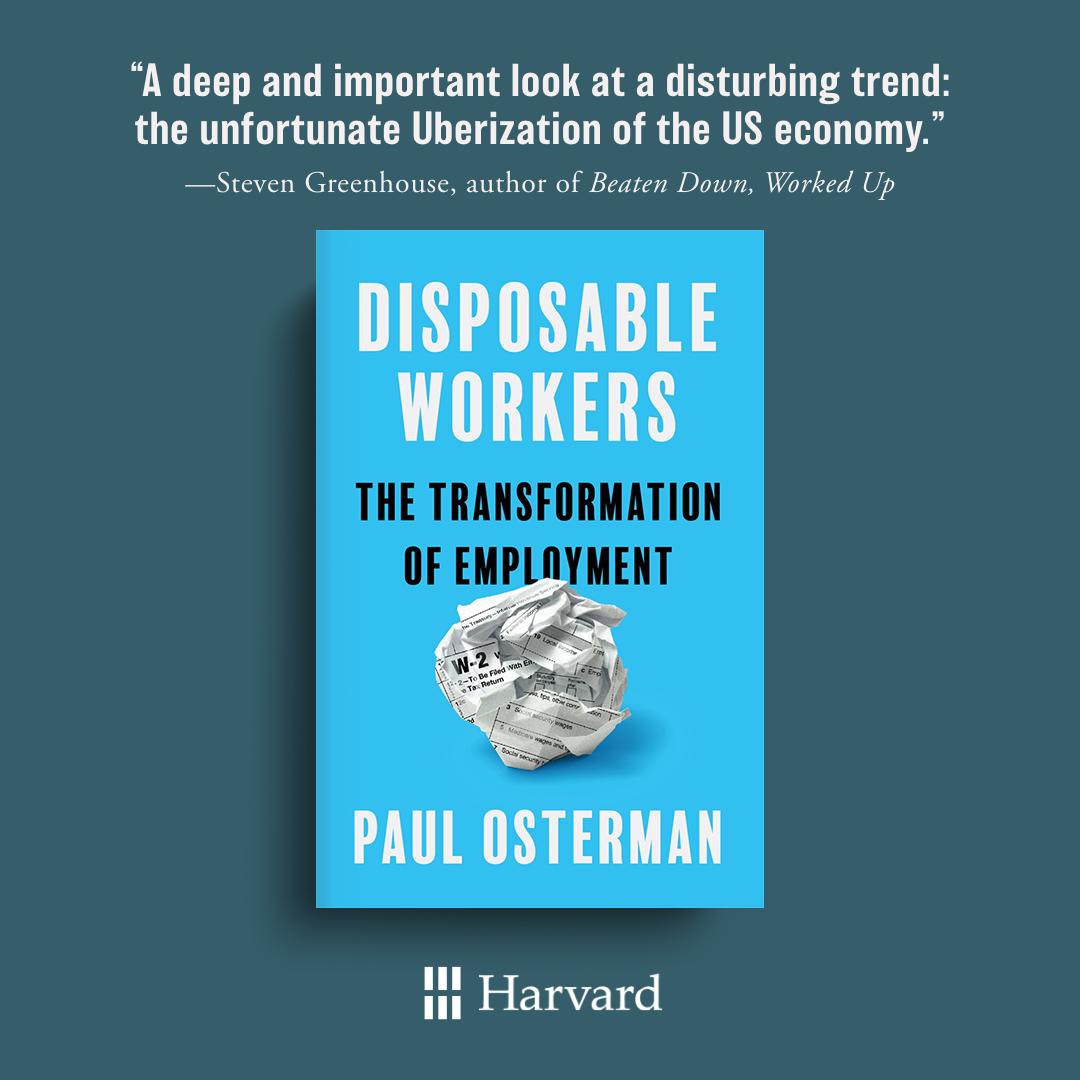
For decades, economists and policymakers have debated how to help workers get better jobs. But what if the more fundamental problem is that employers have systematically redesigned work itself to make a third of the workforce expendable? In his forthcoming book, “Disposable Workers: The Transformation of Employment,” MIT Sloan Professor Emeritus Paul Osterman examines this idea and what it would take to reverse it.
To create a future-ready workforce system, we must move beyond outdated credentials and analog processes to one that is skills-first, transparent, data-driven, and aligned with the evolving needs of workers, educators, and employers.