A Clear Path Forward: Catalyzing Success for Working Learners in Texas Nursing Programs

Chelsea Miller
Associate Director
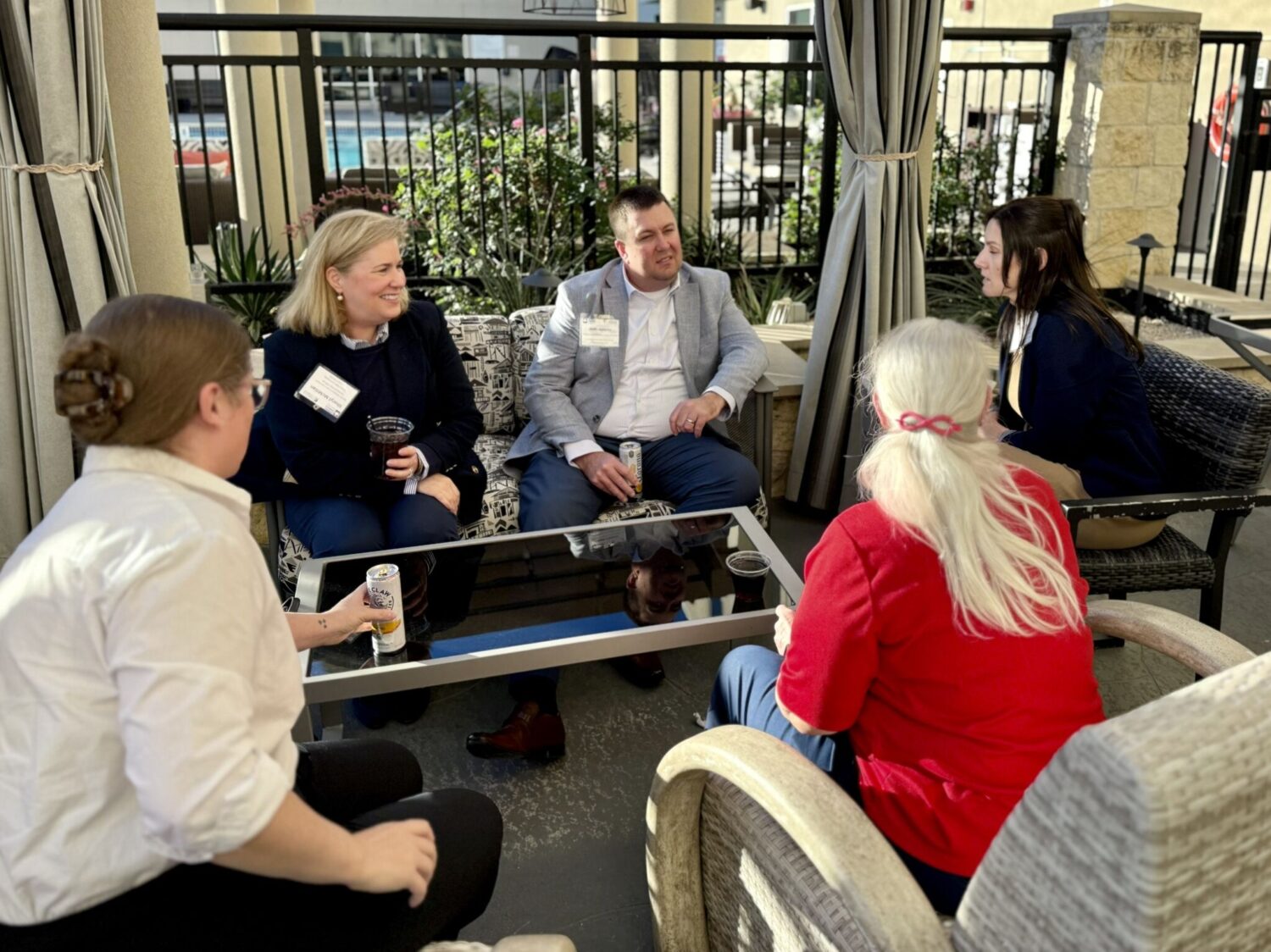
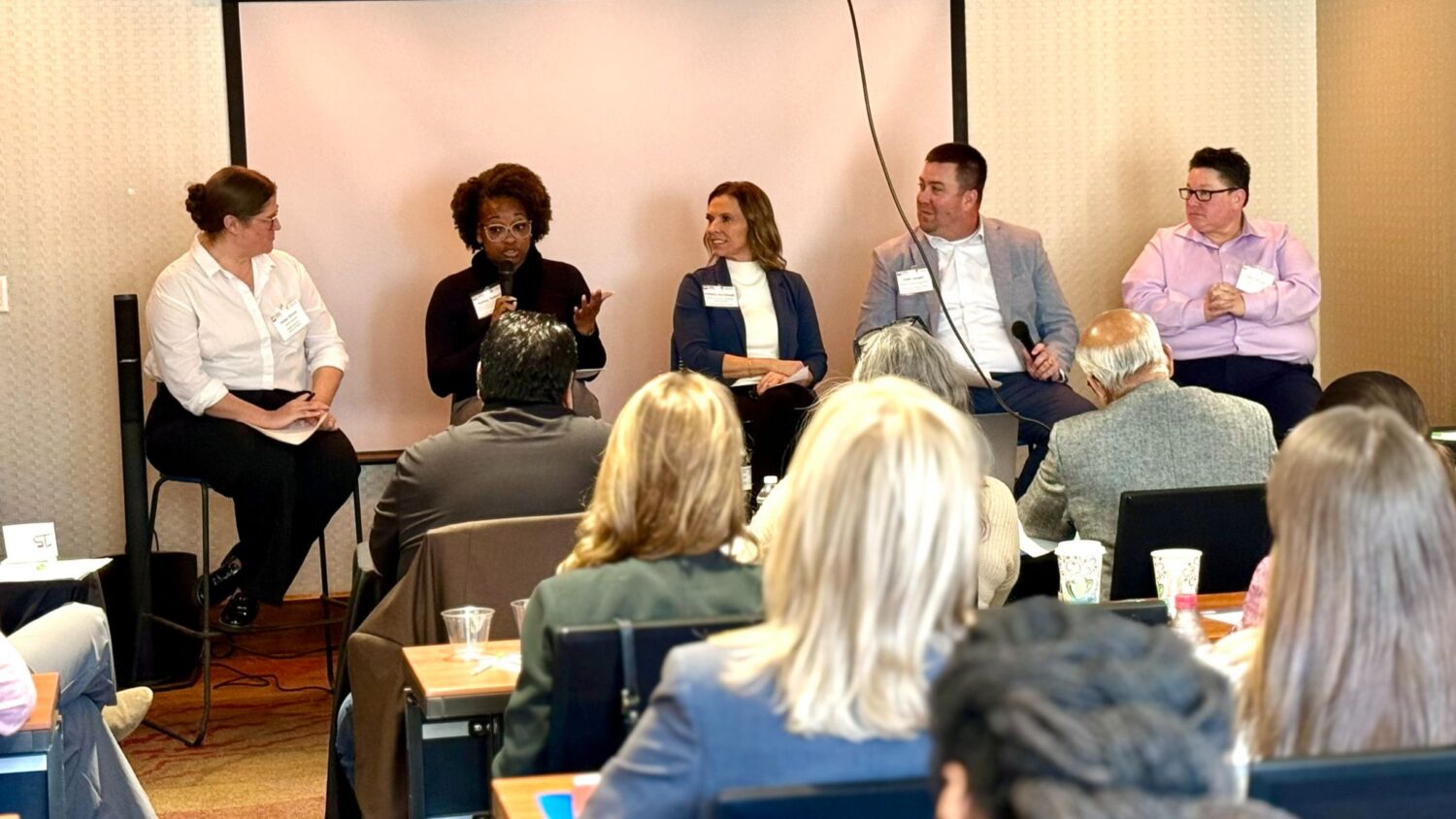
Last week, the Streamlining Success in Nursing Programs in Texas learning community marked a powerful milestone. Forty-five dedicated leaders—representing nursing programs, critical hospital partners, regional workforce boards, and vital funder partners—convened in Austin.
The energy in the room was palpable, driven by a shared, urgent imperative: fundamentally redesigning nursing education pathways to ensure individuals who need to work while completing their degree can do so in a way that eases their burden while maintaining rigor.
Over two intensive days, implementation teams engaged in deep learning, peer-to-peer exchange, and strategic planning. We were fortunate to leverage the expertise of industry leaders, including the team from the Competency-Based Education Network (C-BEN), and to collaborate directly with the Trellis Foundation, whose partnership and support are foundational to the success of this project.
The Intersections of Ambition and Reality
The convening quickly brought to light several core themes. While the implementation teams operate within regionally distinct contexts, a powerful thread of common challenges and shared aspirations emerged:
- The Working Learner Imperative: The single most pressing challenge, and the one that demands the most innovative solutions, is how to support students who must work. Even with substantial financial aid or tuition coverage, many students carry significant home and family obligations. They often need to maintain a minimum employment status—such as a 20-hour-a-week (half-time) position—simply to retain essential benefits like medical insurance. This necessity drastically reduces study time and imposes a taxing mental load, creating a primary barrier to academic success. Implementation partners know that if they are serious about increasing the pipeline, they must design programs around the reality of the working learner.
- Mitigating Risk, Maximizing Opportunity: For communities with diverse stakeholder involvement, risk mitigation became a frequent, high-stakes discussion. This involved probing complex questions of accountability: Who is responsible for compensating students during clinical rotations? How do we ensure that program graduates seamlessly transition into full-time employment and meet the standards of care? Success requires a coordinated commitment among the educational provider, the employer, and the student.
- Balancing Rigor and Flexibility: There is a collective, deep-seated desire to create the smoothest, most efficient path to licensure for all students, particularly those moving up the career ladder. A humbling statistic underscored this urgency: only 3% of Certified Nursing Assistants (CNAs) ever advance beyond their role, despite the clear career path. This highlights a tragic system failure where structural impediments stall ambition and talent. However, every participant recognized the delicate balance that must be maintained—increasing flexibility for working students cannot, and must not, come at the expense of program rigor or clinical excellence.
A Call to Action for Systemic Change
This project is not about making minor modifications; it is about creating systemic change within individual organizations, supported by a learning community. As each implementation team in the learning community embarks on its three-year work plan, our hope is that each group uses others in the community as resources and continues to leverage their time together as a vital resource. By learning from one another’s regional innovations and continually enhancing opportunities to drive completion, they will not only enhance their nursing programs but, more importantly, unlock true success for the essential working learners of Texas.
This work is critical to the future of healthcare in Texas, and we at UpSkill America are honored to support these leaders in forging a clear, equitable, and successful path forward.
About UpSkill America
UpSkill America, an initiative of the Economic Opportunities Program, supports employers and workforce organizations to expand and improve high-quality educational and career advancement opportunities for America’s front-line workers.
About the Economic Opportunities Program
The Aspen Institute Economic Opportunities Program advances strategies, policies, and ideas to help low- and moderate-income people thrive in a changing economy.
Join Our Mailing List
To receive occasional emails about our work — including new publications, commentary, events, fellowships, and more — join our mailing list.
Connect on Social Media
For news and updates every day, connect with us on the social media platform of your choice.

A Clear Path Forward: Catalyzing Success for Working Learners in Texas Nursing Programs
UpSkill America & Guild Announce Third Cohort of Education and Career Mobility Fellowship