Aspen is a place for leaders to lift their sights above the possessions which possess them. To confront their own nature as human beings, to regain control over their own humanity by becoming more self-aware, more self-correcting, and hence more self-fulfilling.
Sometimes you need deep research to build a case for change. Other times, you need a practical checklist that guides you through an unfamiliar process.
The Job Quality Center of Excellence allows you to filter by Resource Type, ensuring you find the right format for the task at hand. Whether you are looking for academic research or actionable tools, you will find a relevant resource in the Center.
When creating the new site to host the Job Quality Center of Excellence, we were excited to add event recordings as a resource type. The Economic Opportunities Program, as well as our partners in the field, hosts regular events diving deeper into issues related to job quality. For those hoping to learn more about a topic and listen to experts discuss challenges and opportunities, searching event recordings is a great way to start.
The Aspen Institute Economic Opportunities Program advances strategies, policies, and ideas to help low- and moderate-income people thrive in a changing economy.
Join Our Mailing List
To receive occasional emails about our work — including new publications, commentary, events, fellowships, and more — join our mailing list.
Bridge, Propel, and Career Academy are built on a practical philosophy: that MillerKnoll has great talent already inside the organization. Finding that talent, developing it, and aligning it to the right opportunities is key to its success. T
States invest in work-connected learning through dozens of distinct funding streams, grant programs, and agency initiatives, often developed independently over time by different administrations and agencies pursuing different goals.
“Social contract” has quickly become one of the most-used, least-defined phrases in the AI policy conversation. This first event in a two-part series will trace the origin and history of the American social contract, examining how work became the anchor of economic security, mobility, and civic identity in the United States.
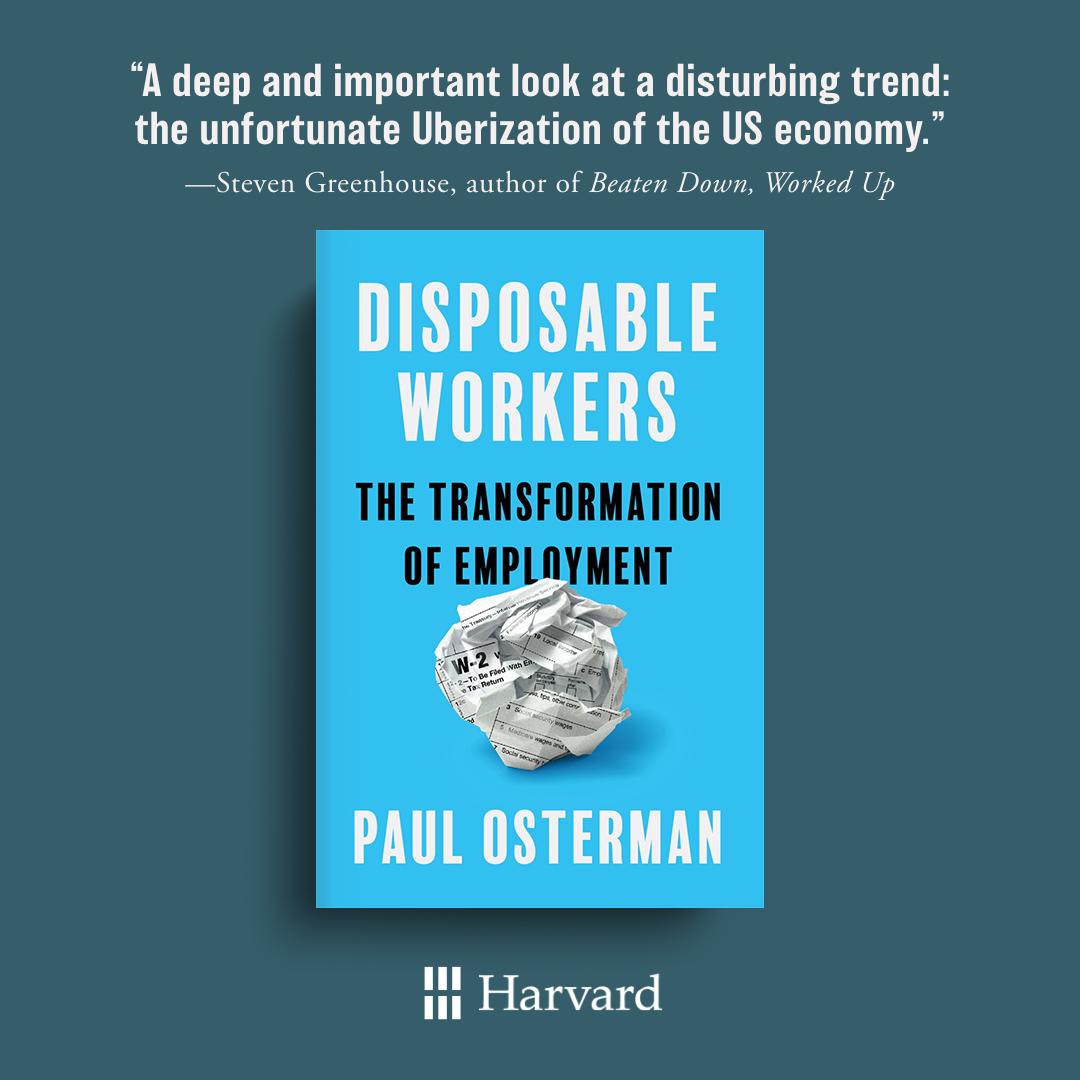
For decades, economists and policymakers have debated how to help workers get better jobs. But what if the more fundamental problem is that employers have systematically redesigned work itself to make a third of the workforce expendable? In his forthcoming book, “Disposable Workers: The Transformation of Employment,” MIT Sloan Professor Emeritus Paul Osterman examines this idea and what it would take to reverse it.