Driving the Economy: The Essential and Undervalued Work of Truckers
Description
A career in trucking was once considered a pathway to the middle class. Yet the quality of jobs in the industry has steeply declined in recent decades. Long-haul truckers, who might spend days or weeks away from home, have seen their salaries fall by as much as half since the deregulation of the industry a half century ago, and annual turnover hovers near 100%. Short-haul truckers are frequently misclassified as independent contractors, stripping them of benefits and worker protections and burdening them with the costs of owning and operating a truck. And predatory leasing arrangements are pushed on truckers by the industry, saddling many with debt that they struggle to pay off. All of this is in spite of the fact that truckers work year-round, at all hours of the day, while exposed to hazards, to ensure that our economy keeps moving.
In recent years, a common narrative developed that there is a shortage of truck drivers. What is missing, however, is that this shortage is driven in large part by the industry’s turnover rates and the lack of good jobs that allow truckers to thrive. Today, there are nearly three times as many people with the necessary licensing and qualifications as there are trucking jobs. In addition, new developments in technology promise to upend the industry as companies embrace automation and increasingly deploy methods of surveillance. As a key pillar of our economy and supply chain, and one of the largest occupations in the US, the job quality of workers in the trucking sector has far-reaching implications.
In this virtual event — hosted by the Aspen Institute Economic Opportunities Program on March 19, 2025 — we explore the challenges truckers face and ideas for improving the returns for the essential work they do. Our conversation includes opening remarks by Desiree Wood (REAL Women in Trucking, Inc.), followed by a panel discussion with Robin Hutcheson (Hutcheson Advisory), Rebecca King (Getman, Sweeney & Dunn, PLL), Michael Muñoz (Los Angeles Alliance for a New Economy), Steve Viscelli (Associate Professor of Practice, University of Pennsylvania), and moderator Alana Semuels (TIME).
For more information, including a transcript, speaker bios, and additional resources, visit: https://www.aspeninstitute.org/events/driving-the-economy-the-essential-and-undervalued-work-of-truckers/
For highlights from this discussion, subscribe to EOP’s YouTube channel: https://www.youtube.com/@AspenEOP
Or subscribe to the “Opportunity in America” podcast to listen on the go: https://podcasters.spotify.com/pod/show/aspeneop
About Opportunity in America
Opportunity in America, an event series hosted by the Economic Opportunities Program, considers the changing landscape of economic opportunity in the US and implications for individuals, families, and communities across the country.
About the Economic Opportunities Program
The Aspen Institute Economic Opportunities Program advances strategies, policies, and ideas to help low- and moderate-income people thrive in a changing economy.
Join Our Mailing List
To receive occasional emails about our work — including new publications, commentary, events, fellowships, and more — join our mailing list.
Connect on Social Media
For news and updates every day, connect with us on the social media platform of your choice.
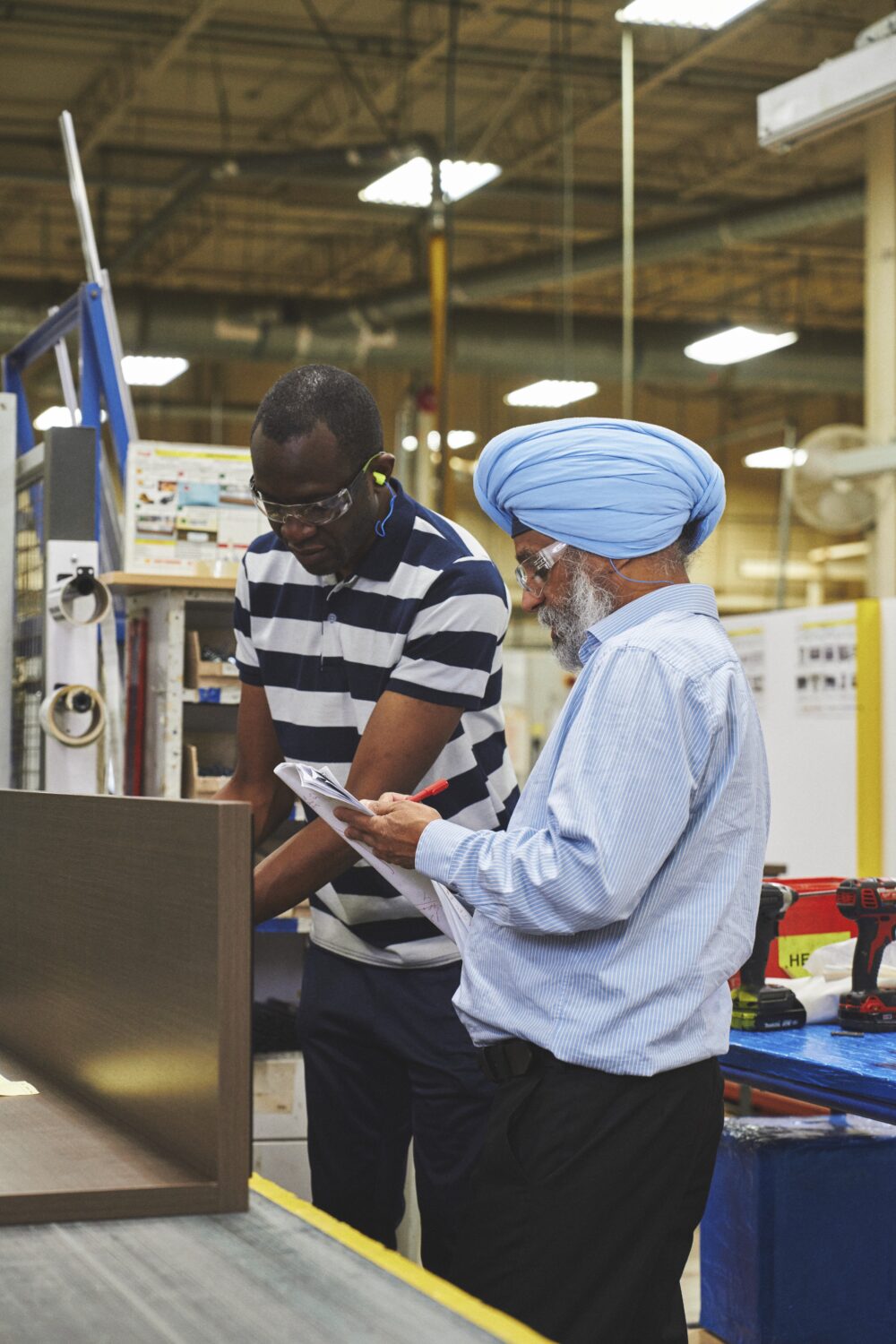
MillerKnoll: Developing Operations Leaders from Within and Beyond — A Case Study in Structured Talent Development

A Typology of State-Supported Work-Connected Learning Programs



Work and the Social Contract in the Age of AI: How did we get here?