Mind The Gap: Leadership Development and Workforce Development

Chris Huyck Trout
Senior Advisor and Consultant
The iconic London Underground warning, “Mind the Gap,” holds a new significance for organizations striving for growth.
Beyond its literal meaning, it serves as a metaphor for the crucial space between leadership development and broader workforce development — a gap we must actively close. While often treated as separate endeavors, they are deeply interconnected, and for genuine success, we must prioritize the simultaneous development of both leaders and front-line employees. This necessitates a fundamental mindset shift, recognizing that by more deeply connecting leaders with the potential of their employees, we can unlock greater long-term sustainable business growth.
From Busyness to Effectiveness
In our fast-paced world, leaders often feel overwhelmed by heavy workloads, driven by a prevailing cultural expectation — particularly prominent in the US — to remain constantly busy. However, this obsession with busyness often leads to a misplaced focus on tasks rather than people. We opt for quick fixes, prioritizing immediate demands, productivity metrics, and navigating politics. What if, instead, we prioritize spending time with individuals to understand their career aspirations or engage in small group discussions to enhance workflow? Having experienced the prevailing approach firsthand, I’ve come to realize the negative long-term impact. It’s time to unlearn outdated behaviors and definitions and, instead, embrace actions that positively impact people.
Bridging the Gap: Establishing New Metrics and Redefining Productivity
To truly bridge this gap, we must establish new common metrics that encompass both leadership and workforce development, beginning with a redefinition of productivity. True productivity transcends mere output or task completion. Productivity begins with how individuals feel supported and empowered to grow and develop to their potential, and empowered to work on bigger issues beyond their daily responsibilities. When employees feel valued and capable of growth, their engagement levels rise, leading to improved performance and enhanced customer experience.
We have ample research and evidence confirming the significance of this — on the benefits of employee engagement toward performance, and on the positive effects of leadership development toward organizational outcomes. However, we frequently overlook their interconnected nature and fail to prioritize them adequately for sustained success. I have experienced treating these efforts separately, with programs for leaders and different ones for employees. This approach holds value in its capacity to address specific issues pertinent to a particular group, such as by organizational level or title. But I have also experienced bringing people together for simultaneous work. The value here compounds, it goes beyond working a problem, and impacts culture through shared connectivity. Without question, the faster and more effective path is to ensure there is no gap. This holistic approach is not a zero-sum game, but rather a strategic move toward ensuring organizational competitiveness for long-term success. It’s about being intentional with bringing together for the moments and work that matter: building a stronger work environment, innovating ways to improve service and workflow, and building skills.
Take Action: Starting Small and Aiming Big
Large-scale impact begins with simple and intentional actions, from fostering open conversations and expanding to dynamic programs. Leading by example is crucial, genuinely expressing a commitment to personal and collective growth. By acknowledging our own learning journey — embracing vulnerability — and inviting others to join us, we can break down silos and bureaucracy, creating space for fresh perspectives and innovative thinking. Let’s prioritize caring for and developing ourselves and those around us, laying the foundation for a thriving organizational culture and stronger performance.
About UpSkill America
UpSkill America, an initiative of the Economic Opportunities Program, supports employers and workforce organizations to expand and improve high-quality educational and career advancement opportunities for America’s front-line workers.
About the Economic Opportunities Program
The Aspen Institute Economic Opportunities Program advances strategies, policies, and ideas to help low- and moderate-income people thrive in a changing economy.
Join Our Mailing List
To receive occasional emails about our work — including new publications, commentary, events, fellowships, and more — join our mailing list.
Connect on Social Media
For news and updates every day, connect with us on the social media platform of your choice.

Employer-Friendly Practices: A Guide for Higher Education
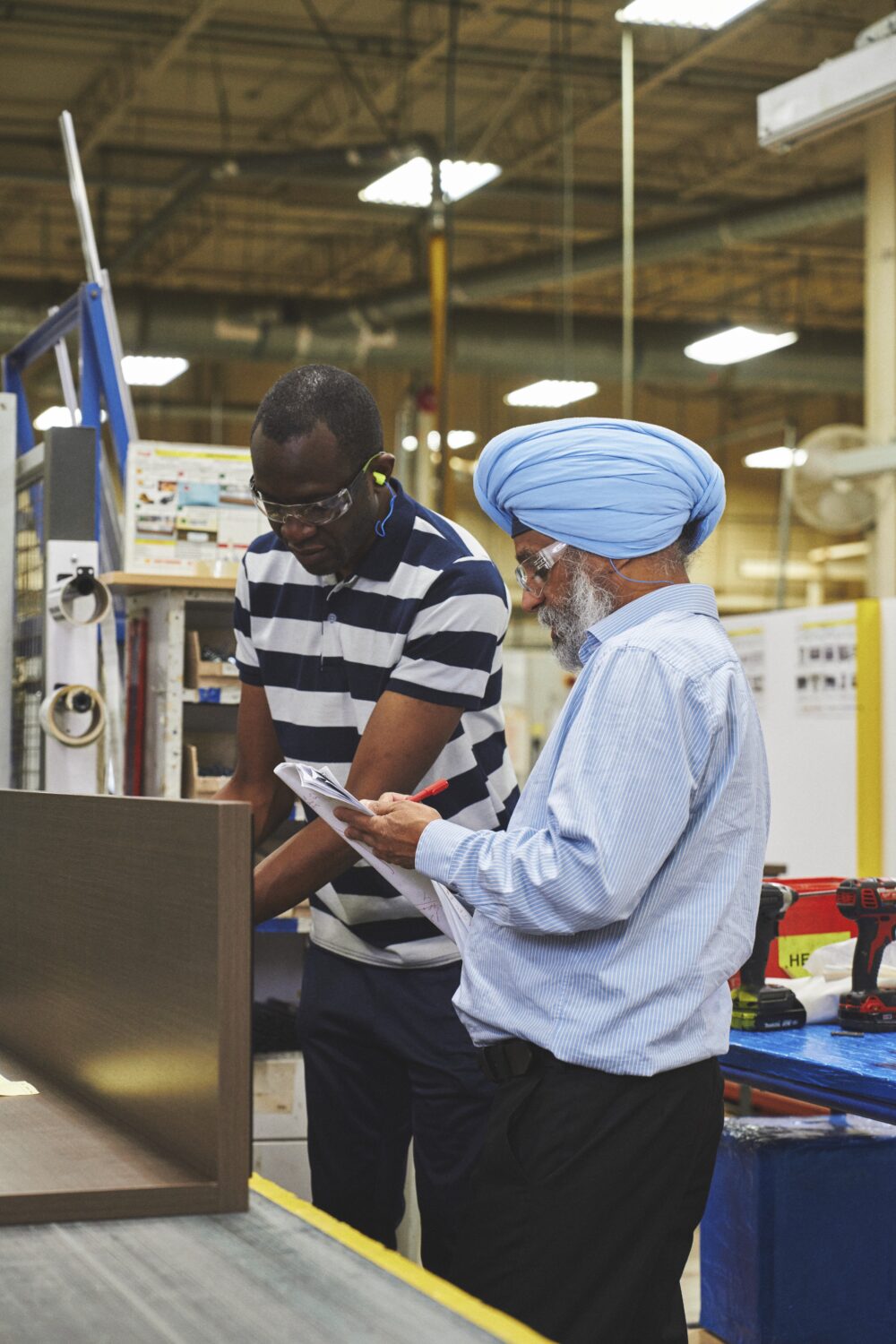
MillerKnoll: Developing Operations Leaders from Within and Beyond — A Case Study in Structured Talent Development

A Typology of State-Supported Work-Connected Learning Programs

The Workforce of the Future Starts with Adult Basic Education

Foundational Skills: Early Insights from Employers and Providers
How Tax Policy Can Help Employers Expand Access to Learning

Adult Working Learners Vote With Their Feet: What Employers Are Learning About Foundational Skills